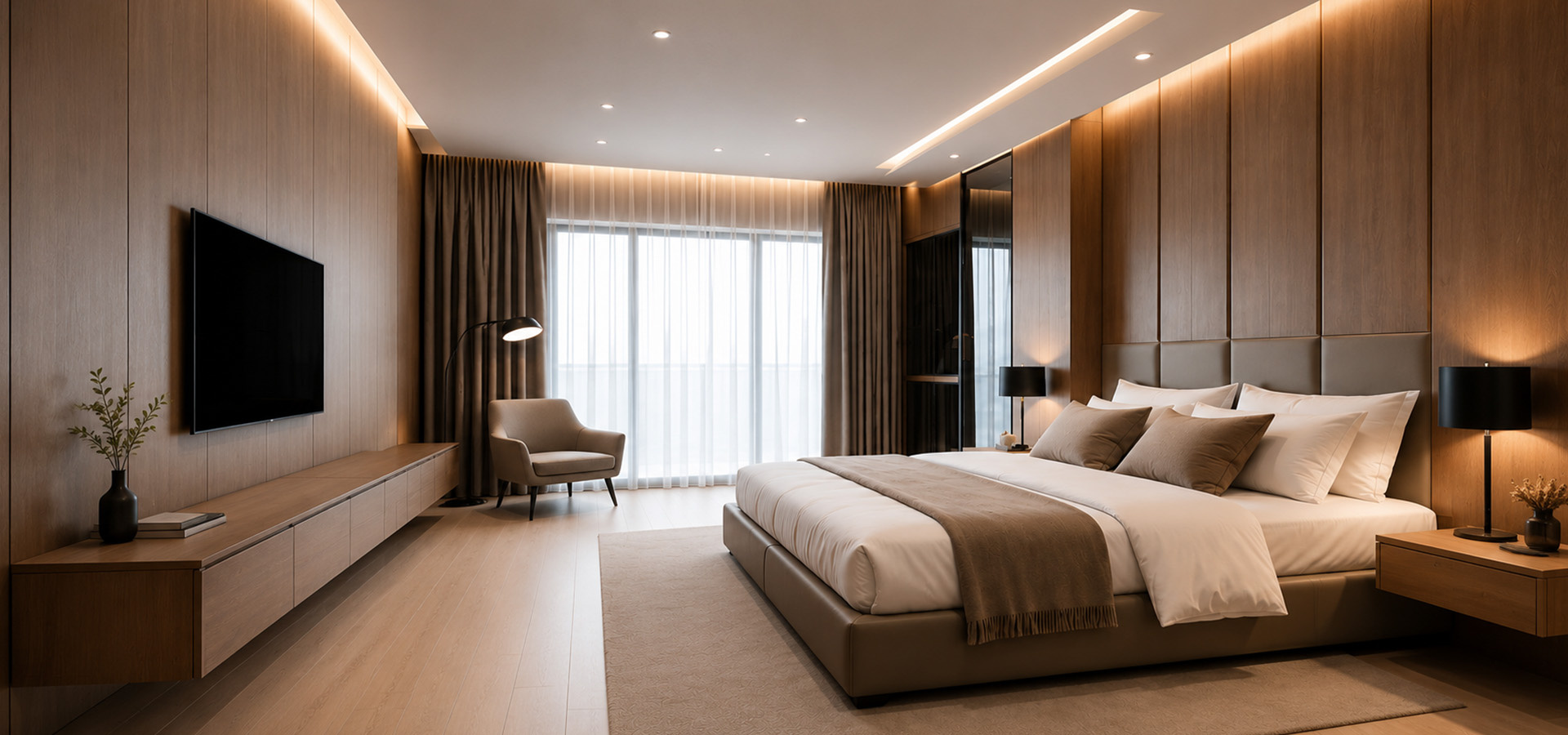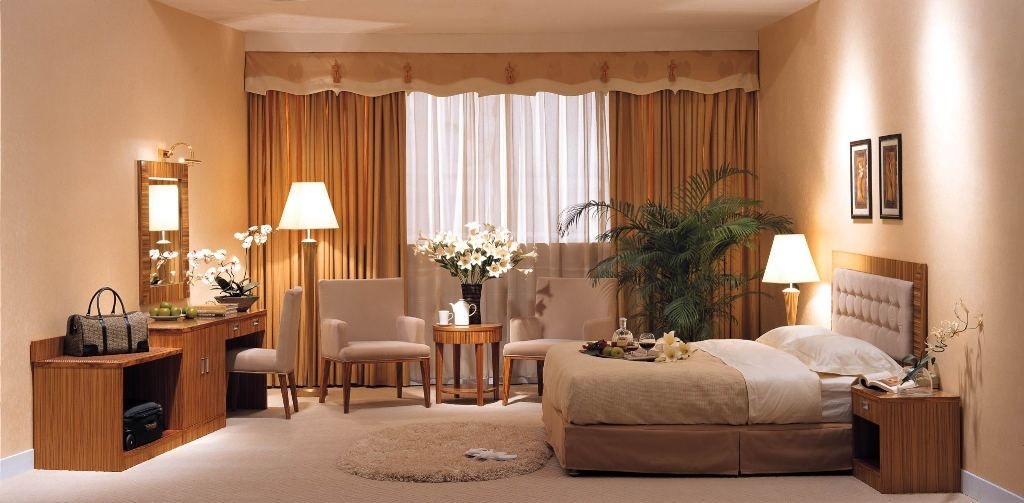
Tips for Arranging Interiors to Create Spaces That Are Both Beautiful and Functional
Thứ 3, 23/06/2026
Administrator
179
A well-arranged interior does more than improve appearance it enhances comfort, usability, and the overall experience of a space. Whether for hospitality, residential, or commercial environments, thoughtful furniture placement and spatial planning help create interiors that feel organized, inviting, and highly functional. In this article, Ngoc Hoang Anh shares practical tips for arranging interiors that balance beauty and convenience.
1. Plan Space Layout Before Arranging Furniture
A beautiful and functional interior starts with thoughtful space planning rather than furniture selection alone. Understanding how the room will be used and organizing areas efficiently helps create interiors that feel more spacious, visually balanced, and comfortable for everyday activities while maximizing available space.
1.1 Define Functional Zones Clearly
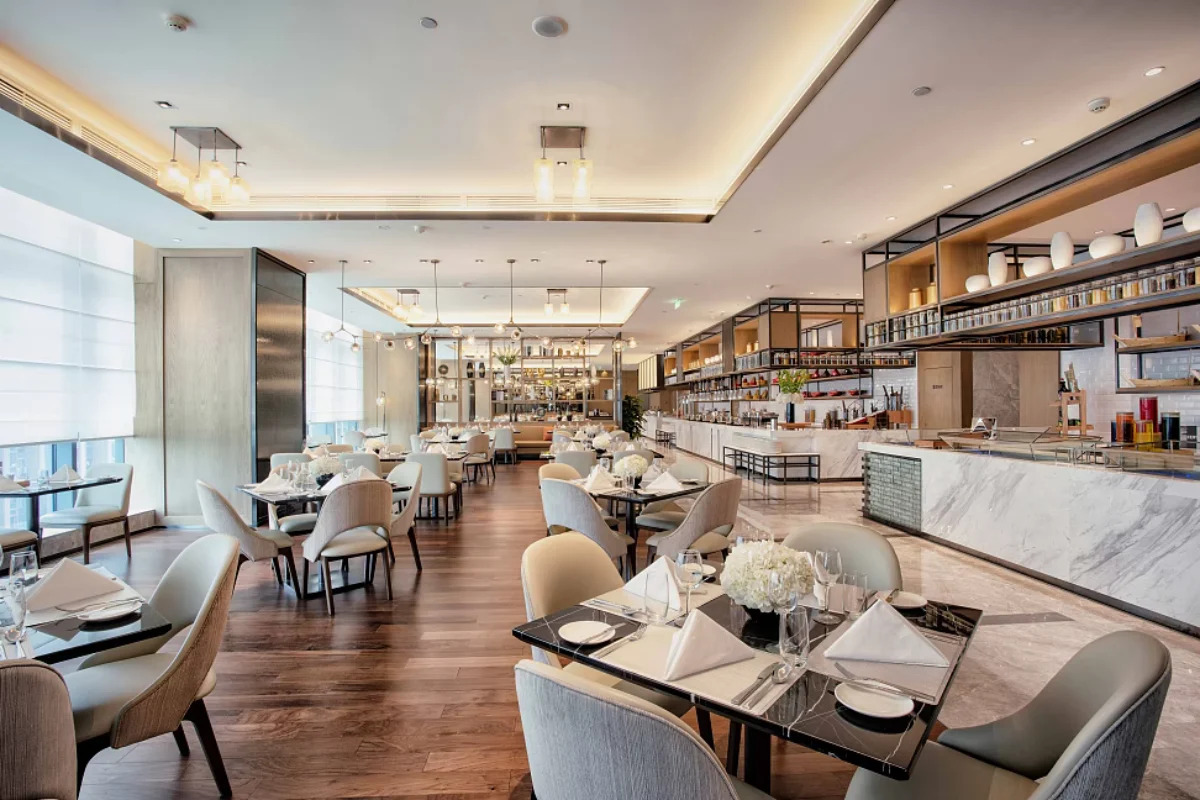
Dividing the space according to specific activities helps improve organization and create a more intuitive user experience. Whether separating relaxation, work, dining, or circulation areas, clear zoning allows each function to operate efficiently without making the interior feel disconnected.
1.2 Prioritize Natural Circulation Paths
Interior layouts should support smooth movement and avoid blocking access between key areas. Maintaining comfortable walking routes helps create a more open environment, improves convenience, and prevents the space from appearing overcrowded or difficult to use.
1.3 Balance Open Space and Furniture Density
Filling every corner with furniture can reduce comfort and weaken the visual appeal of a room. Maintaining a balance between furnished and open areas creates better proportions, improves natural flow, and allows interiors to feel both elegant and practical.
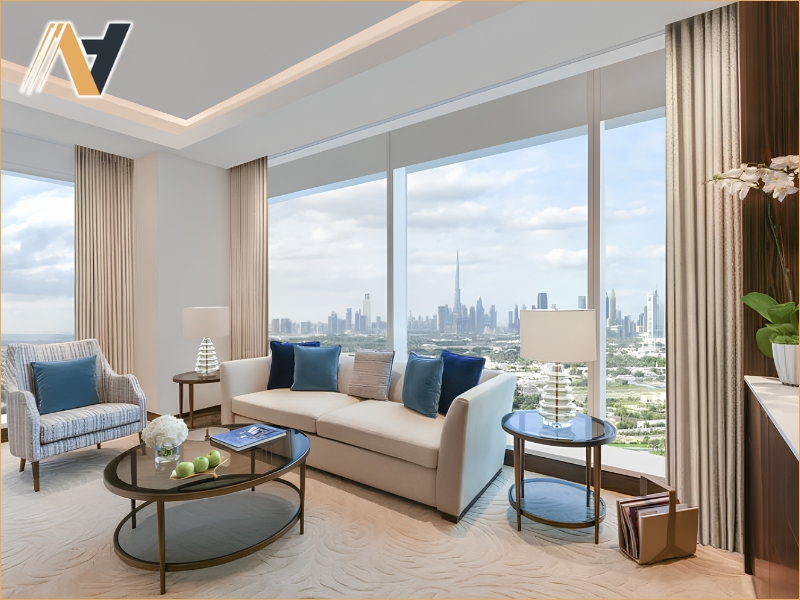
2. Select and Position Furniture Strategically
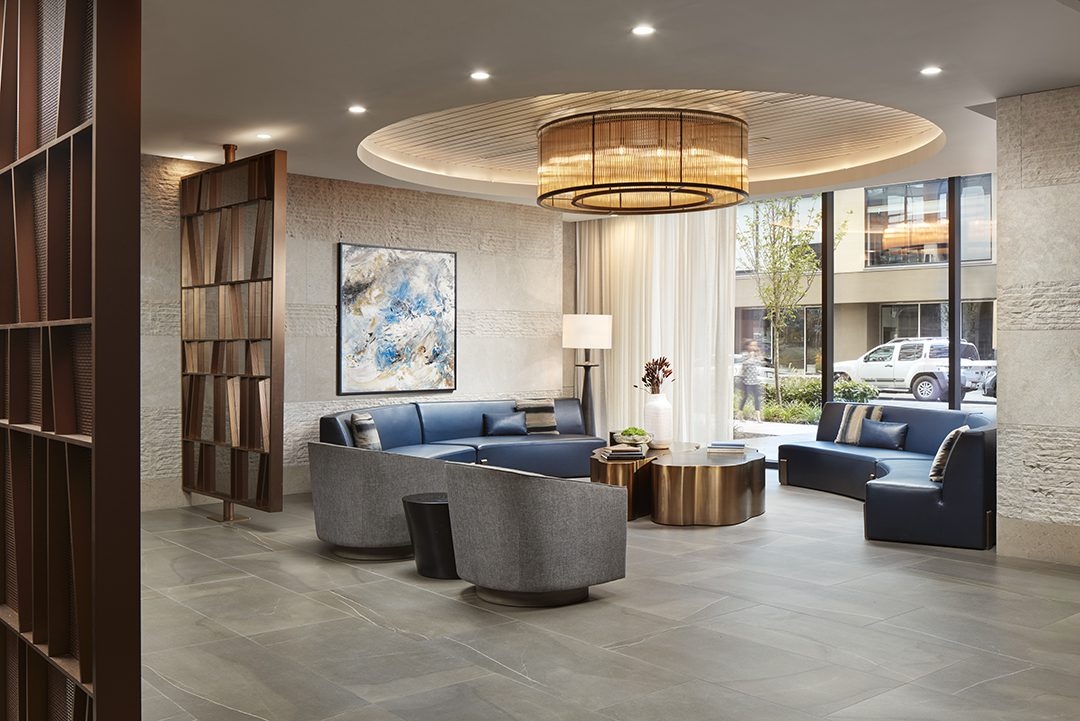
Furniture selection and placement have a direct impact on both the appearance and functionality of an interior. Instead of focusing only on style, arranging furniture strategically helps improve comfort, create better visual balance, and make the space more efficient for daily use while maintaining an attractive overall design.
2.1 Prioritize Proportion and Scale
Choosing furniture that matches the dimensions of the room helps maintain visual harmony and avoid overcrowding. Oversized pieces can make interiors feel smaller, while furniture that is too compact may reduce comfort and weaken the overall design impact.
2.2 Arrange Around Key Visual Focal Points
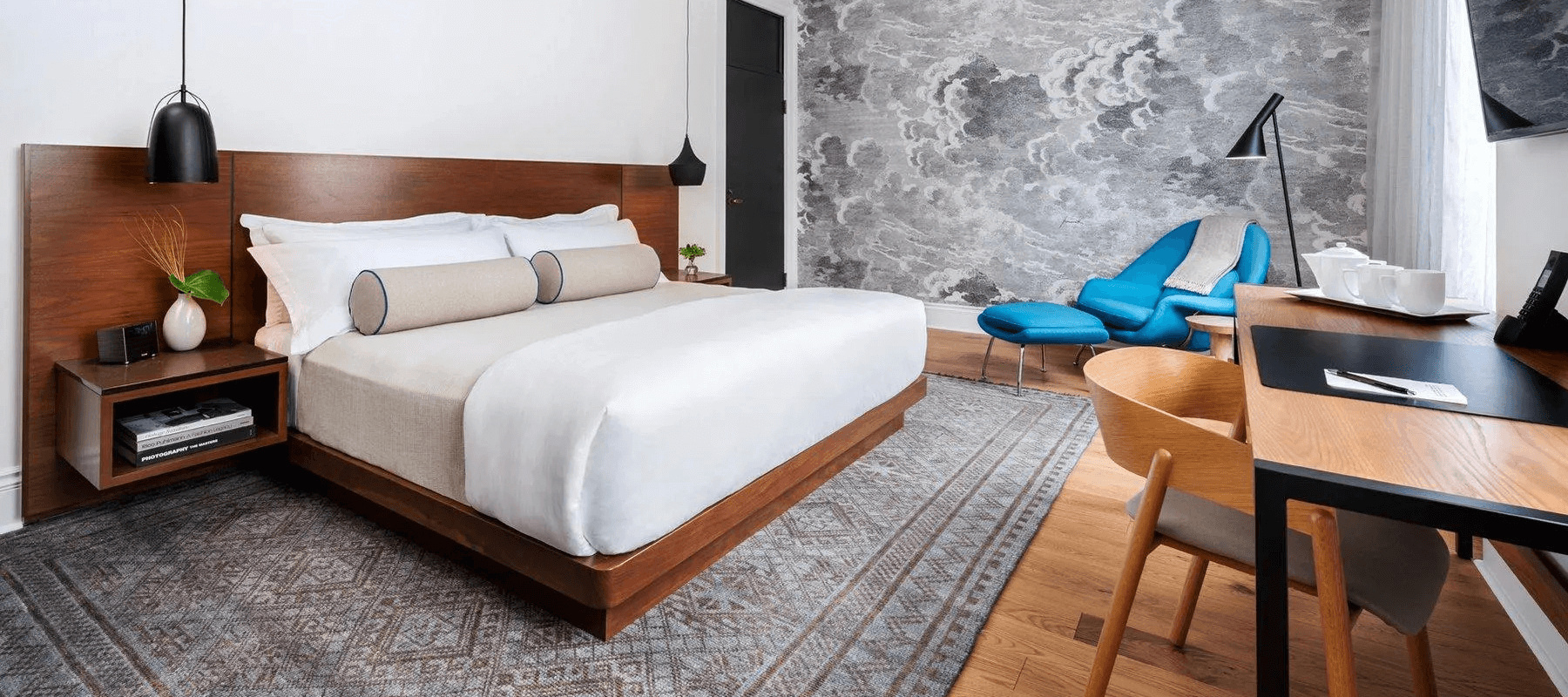
Every room benefits from having a central element that organizes the layout and creates visual direction. Positioning furniture around focal points such as windows, feature walls, artwork, or statement pieces helps create a more cohesive and appealing interior composition.
2.3 Use Multi-Functional Furniture Solutions
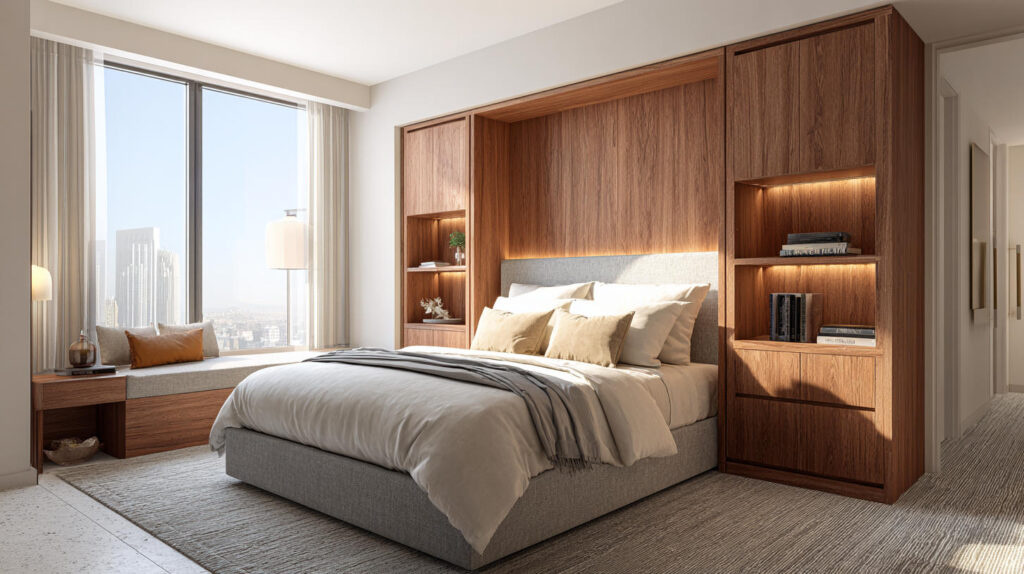
Furniture that serves multiple purposes helps maximize usability without increasing clutter. Storage-integrated designs, flexible seating, and adaptable furniture solutions improve efficiency while keeping interiors clean and visually organized.
2.4 Maintain Comfortable Distances Between Elements
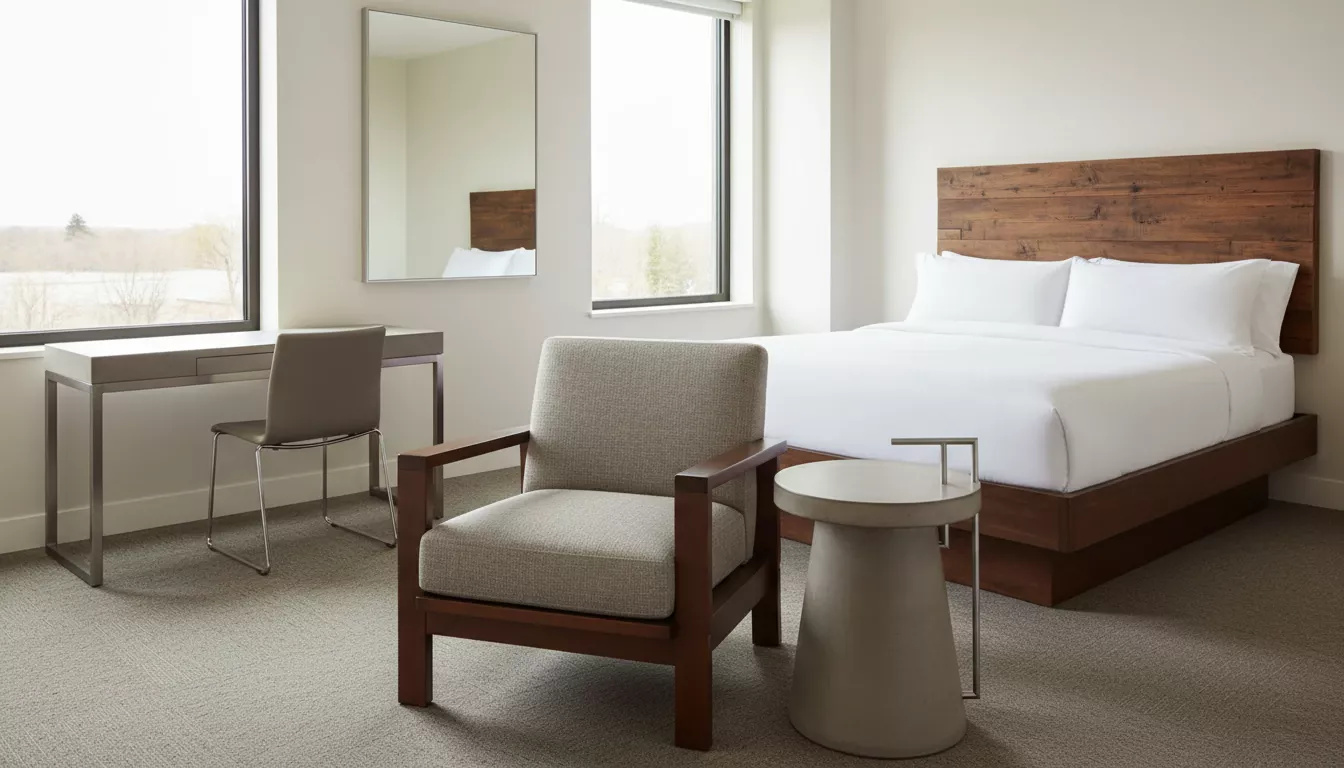
Proper spacing between furniture pieces improves movement and enhances usability throughout the space. Allowing enough distance between functional areas creates a more open atmosphere and helps interiors feel comfortable, practical, and easier to navigate.
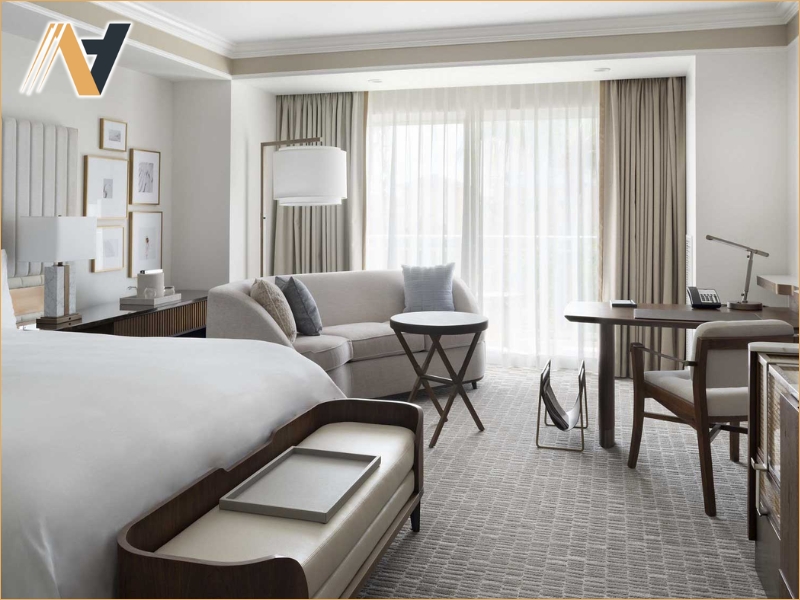
3. Enhance Visual Appeal Through Interior Styling
Interior styling is the element that brings a space together and transforms functional arrangements into environments that feel refined and inviting. By combining materials, lighting, and color intentionally, interiors can achieve a balance between aesthetics and usability while creating a stronger sense of comfort and identity.
3.1 Layer Materials and Textures Thoughtfully
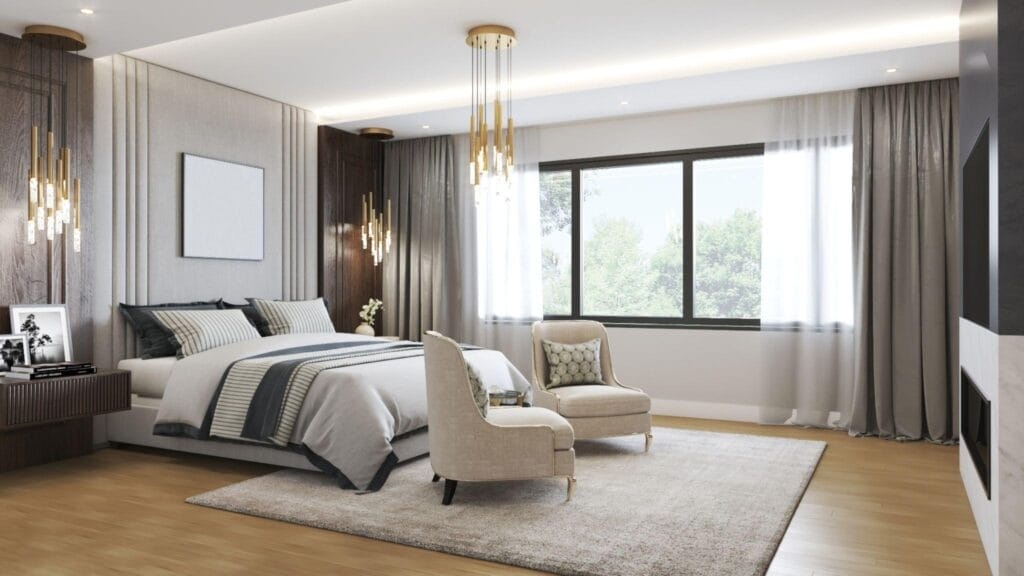
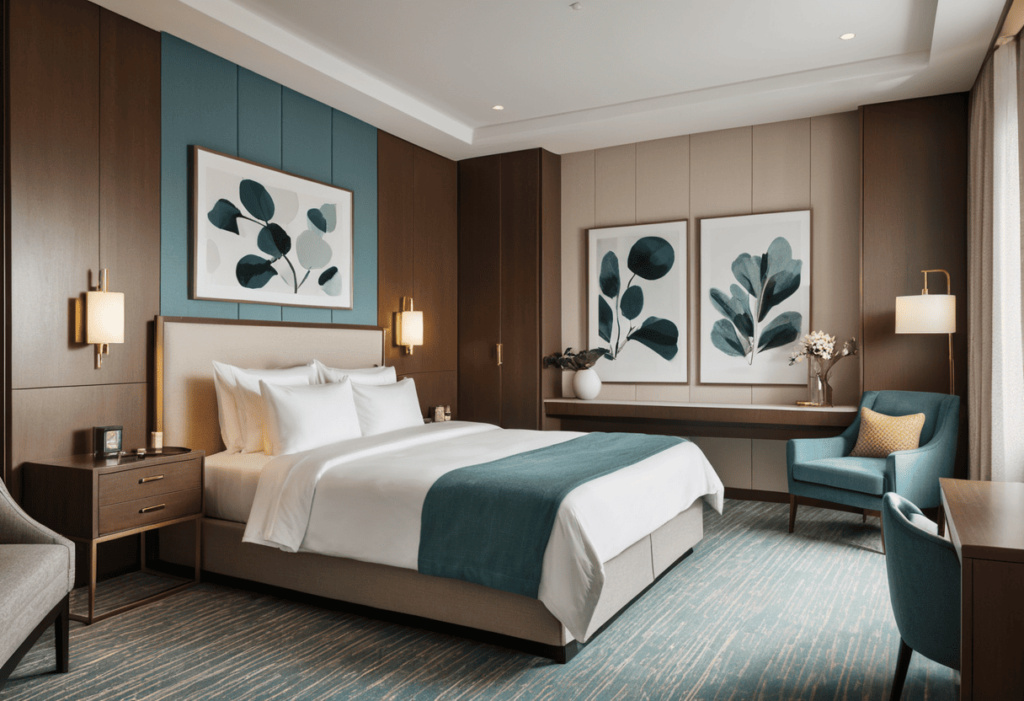
Using different materials and textures adds depth and creates a more visually engaging interior. Combining smooth and textured surfaces, soft fabrics, natural finishes, and subtle contrasts helps make the space feel richer without appearing overly decorated.
3.2 Use Lighting to Improve Spatial Perception
Lighting influences how people experience size, atmosphere, and comfort within a room. Combining ambient, functional, and accent lighting allows interiors to feel brighter, more spacious, and visually balanced while improving everyday usability.
3.3 Coordinate Colors for Better Harmony
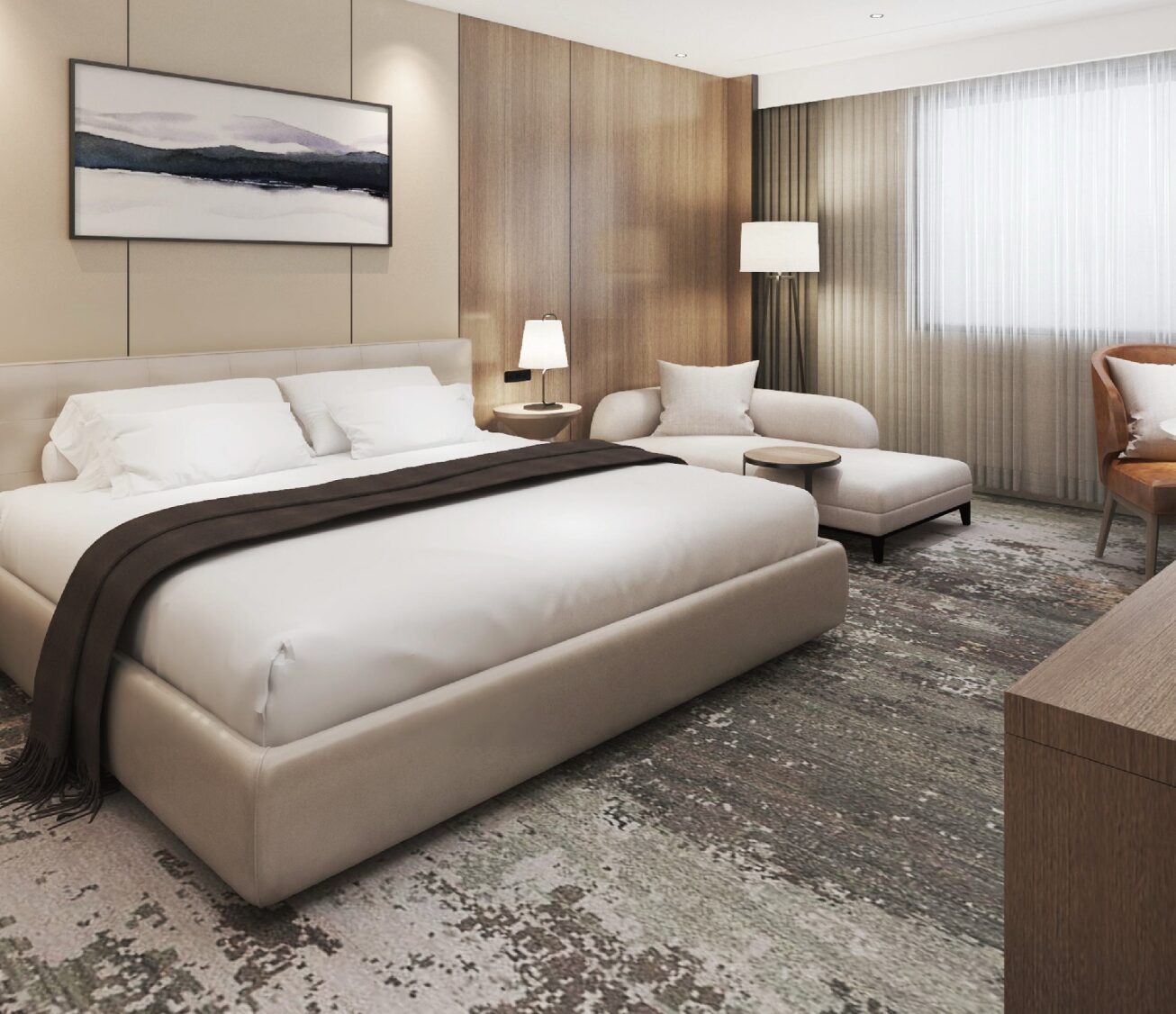
A cohesive color palette helps connect furniture, finishes, and decorative elements into one unified design language. Choosing colors that complement each other creates a calmer visual experience and supports both aesthetic quality and long-term flexibility in interior updates.
4. Maintain Long-Term Functionality and Flexibility
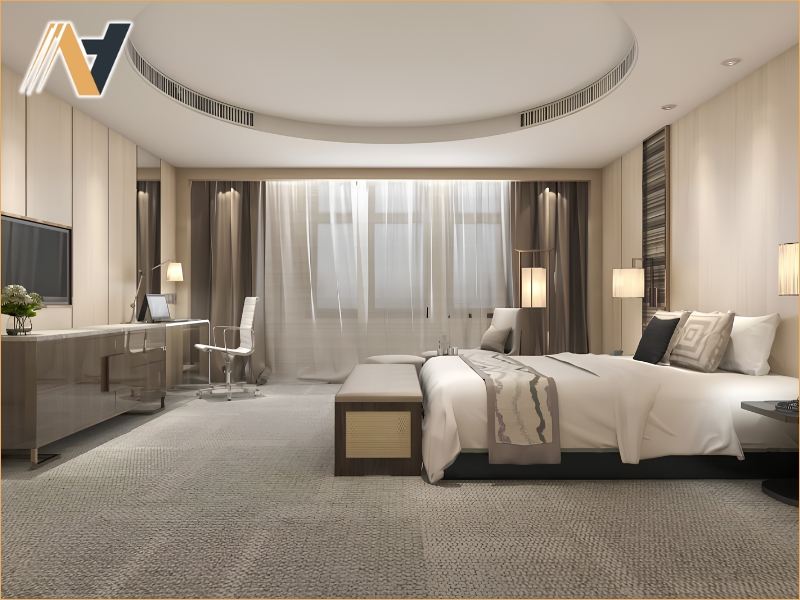
An effective interior arrangement should remain practical and visually appealing not only when first completed but also as needs change over time. Designing with long-term functionality in mind helps reduce clutter, simplify maintenance, and ensure the space continues to support everyday activities efficiently while preserving its aesthetic quality.
4.1 Keep Storage Integrated Into Design
Well-planned storage solutions help maintain organization without disrupting the overall appearance of the room. Built-in cabinets, hidden compartments, and multifunctional furniture allow belongings to be stored efficiently while keeping the space clean and visually balanced.
4.2 Design for Easy Maintenance
Interior layouts should allow convenient cleaning and upkeep to preserve both appearance and functionality. Selecting durable materials and arranging furniture with sufficient accessibility helps reduce maintenance effort and keeps the space looking attractive for longer periods.
4.3 Allow Flexibility for Future Adjustments
Lifestyle needs and space requirements often evolve over time, making adaptability an important design consideration. Flexible furniture arrangements and versatile interior solutions allow spaces to be updated or reconfigured more easily without requiring major changes or additional investment.
Conclusion
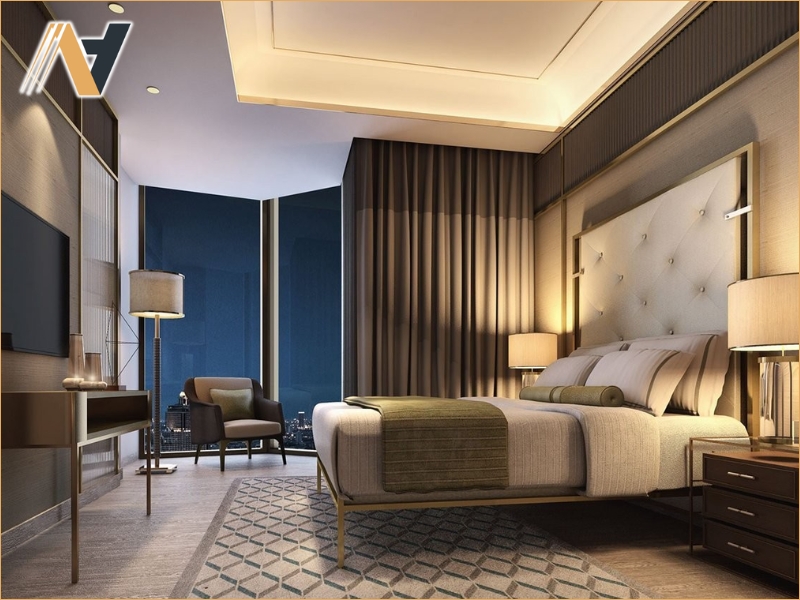
A beautiful interior becomes truly valuable when it also supports comfort, convenience, and everyday functionality. By planning layouts carefully, selecting furniture strategically, refining visual details, and maintaining flexibility over time, spaces can feel more balanced, efficient, and enjoyable to use. Thoughtful interior arrangement not only improves appearance but also creates a better overall living and hospitality experience.
For hotels seeking elegant, durable, and easy-to-maintain solutions, Ngoc Hoang Anh provides premium Vietnam hotel furniture designed to optimize space functionality while maintaining long-term hospitality performance and interior quality.
Contact us today for expert consultation and bespoke hospitality furniture production tailored to your project requirements.
-----
NGOC HOANG ANH TRADING COMPANY LIMITED
Tax Code: 3702874413
Address: No. 288/28/10 Huynh Van Luy Street, Zone 7, Phu Loi Ward, Ho Chi Minh City, Vietnam
Warehouse: No. 1/91, Thuan Giao 02 Street, Binh Thuan 2 Residential Quarter, Thuan Giao Ward, Ho Chi Minh City, Vietnam
Phone/Whatsapp/Wechat: +84342076666
Email: info@ngochoanganh.com.vn