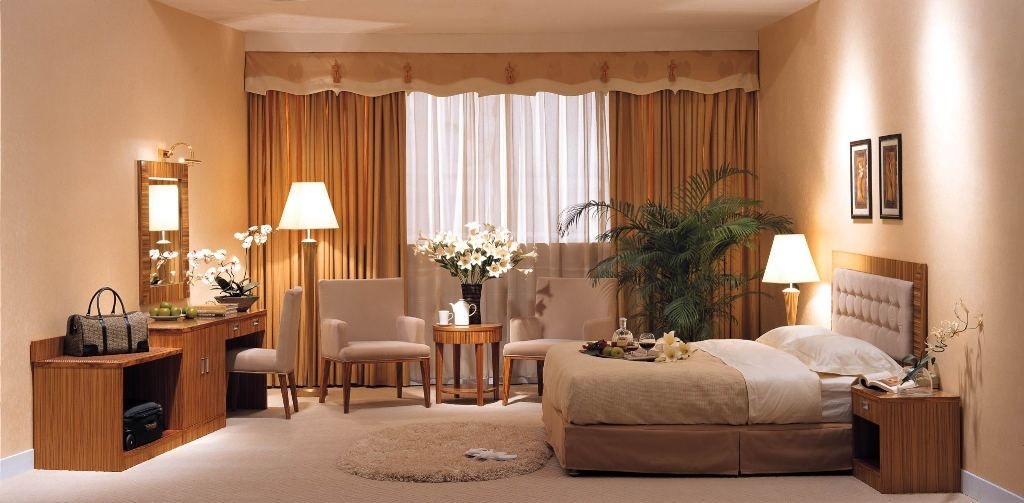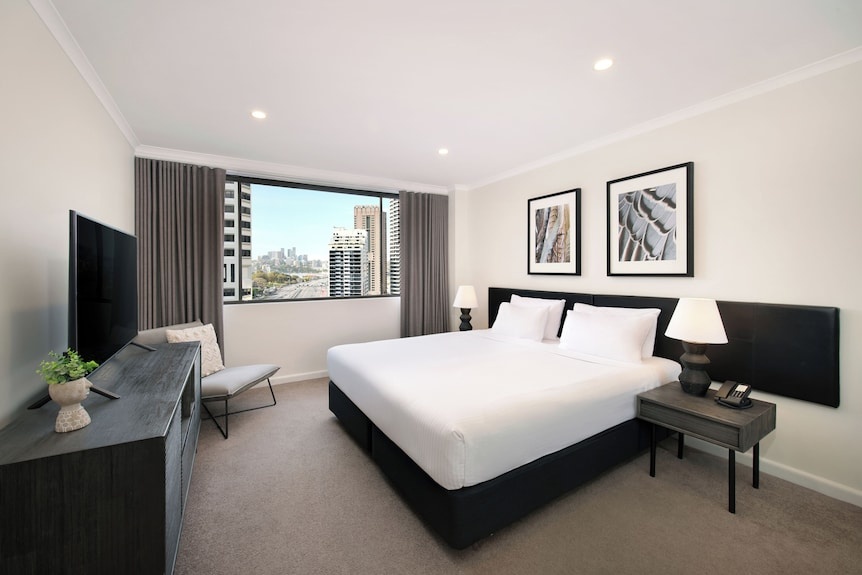
Hotel furniture categories to prioritize when building an investment budget
Thứ 5, 24/09/2026
Administrator
70
Hotel investment budgets should prioritize furniture categories that have the greatest impact on guest comfort, daily operations, durability, and overall property value. In this article, Ngoc Hoang Anh highlights the key hotel furniture categories to prioritize when building an effective investment budget.
1. Assessing hotel furniture priorities before setting the budget
Establishing clear furniture priorities before allocating investment helps hotels direct resources toward essential items that have the greatest impact on guest experience, operational efficiency, durability, and overall interior quality while avoiding unnecessary spending on lower-priority elements.
1.1 Identifying essential furniture for hotel operations
Hotels should first identify furniture that is essential to daily operations, including beds, wardrobes, bedside tables, desks, chairs, reception counters, dining tables, and other core items, ensuring that the initial budget adequately covers products required for guest comfort and efficient property management.
1.2 Evaluating furniture based on guest impact and usage frequency
Furniture that guests interact with frequently or that strongly influences their perception of comfort should receive greater investment priority, as durable beds, comfortable seating, functional storage, and practical workspaces can directly affect the guest experience while reducing premature repairs and replacements.
1.3 Classifying furniture according to investment priority
Furniture can be divided into essential, important, and supplementary categories based on its function, visibility, usage frequency, and replacement impact, allowing hotels to allocate larger budgets to critical items while controlling spending on decorative or lower-impact furniture without compromising the overall interior concept.
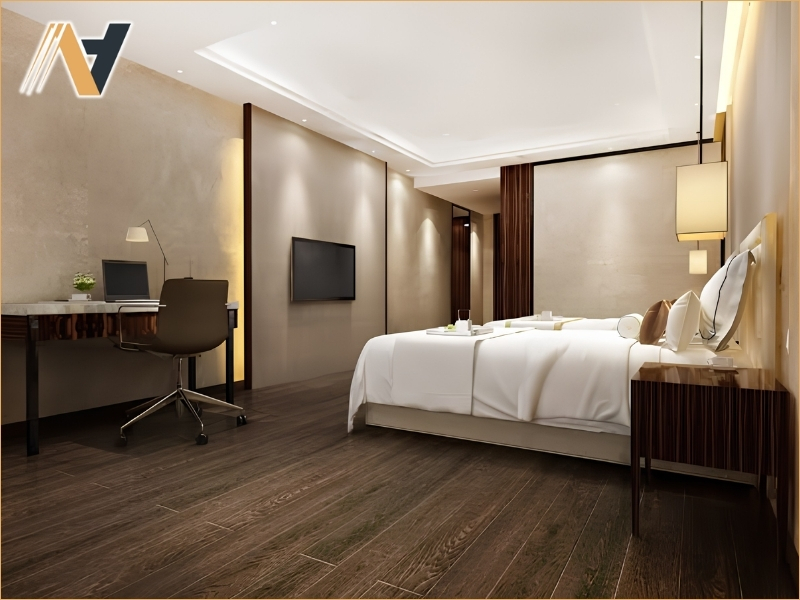
2. Prioritizing essential hotel furniture in guest rooms
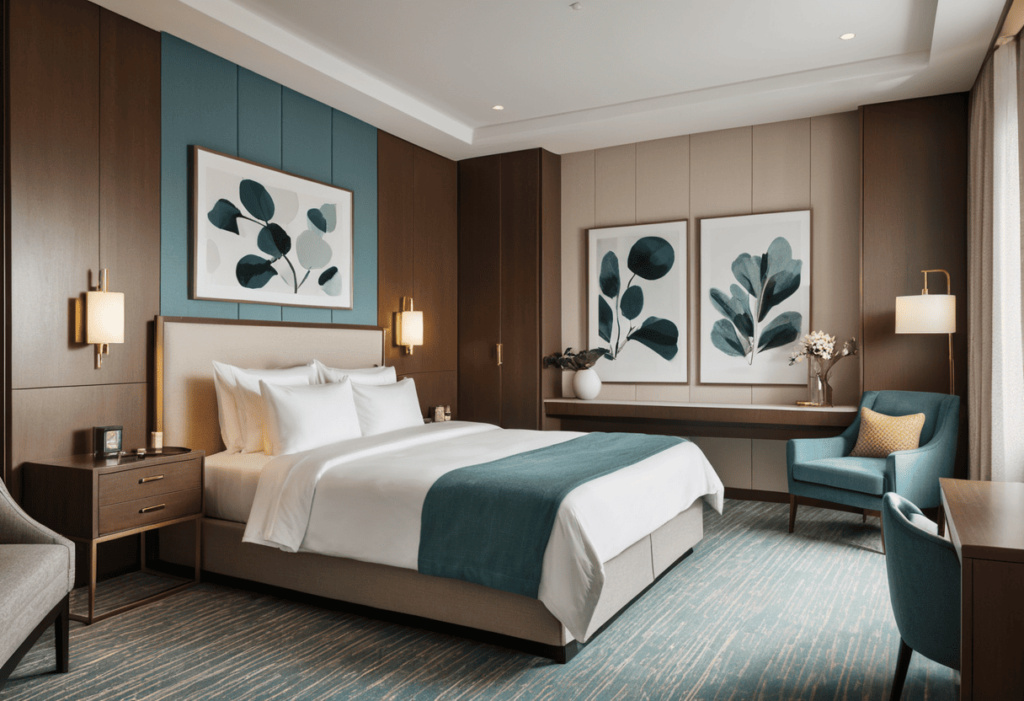
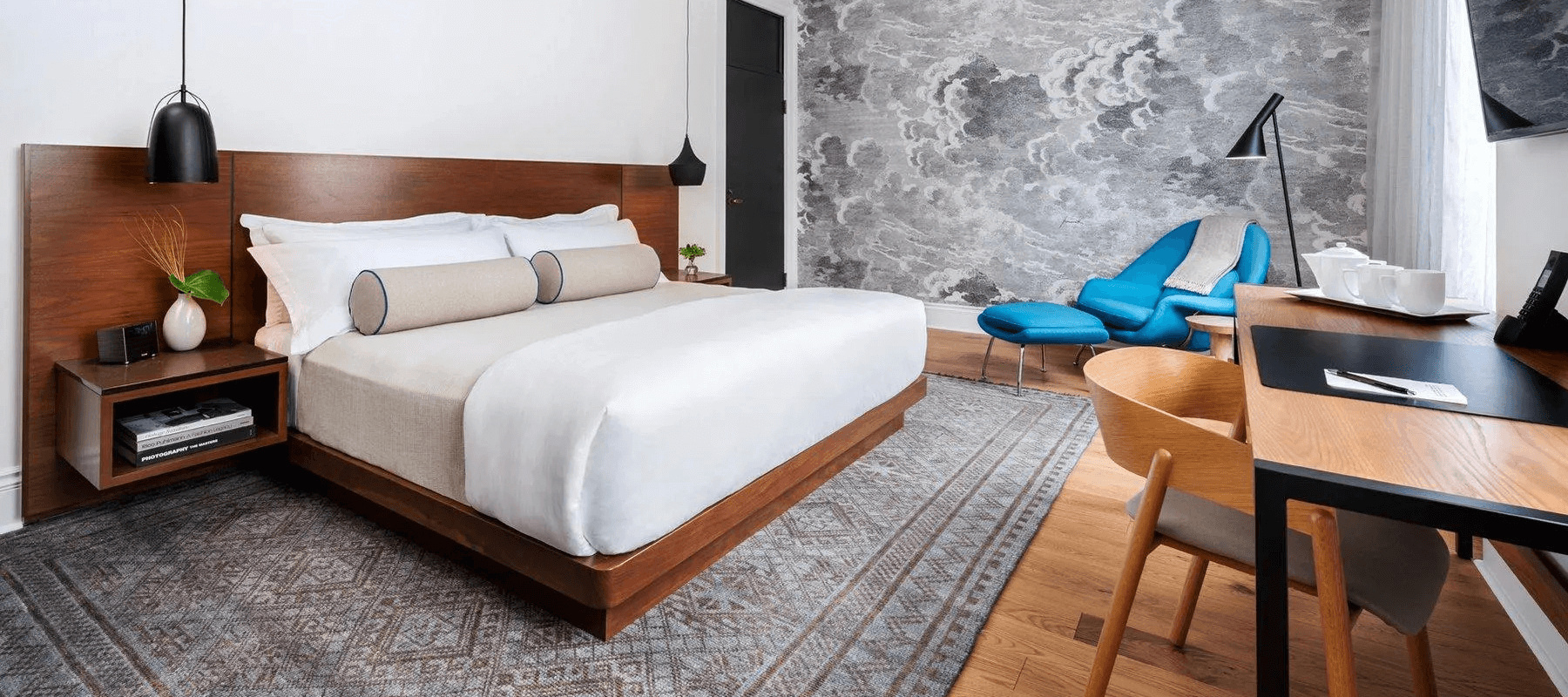
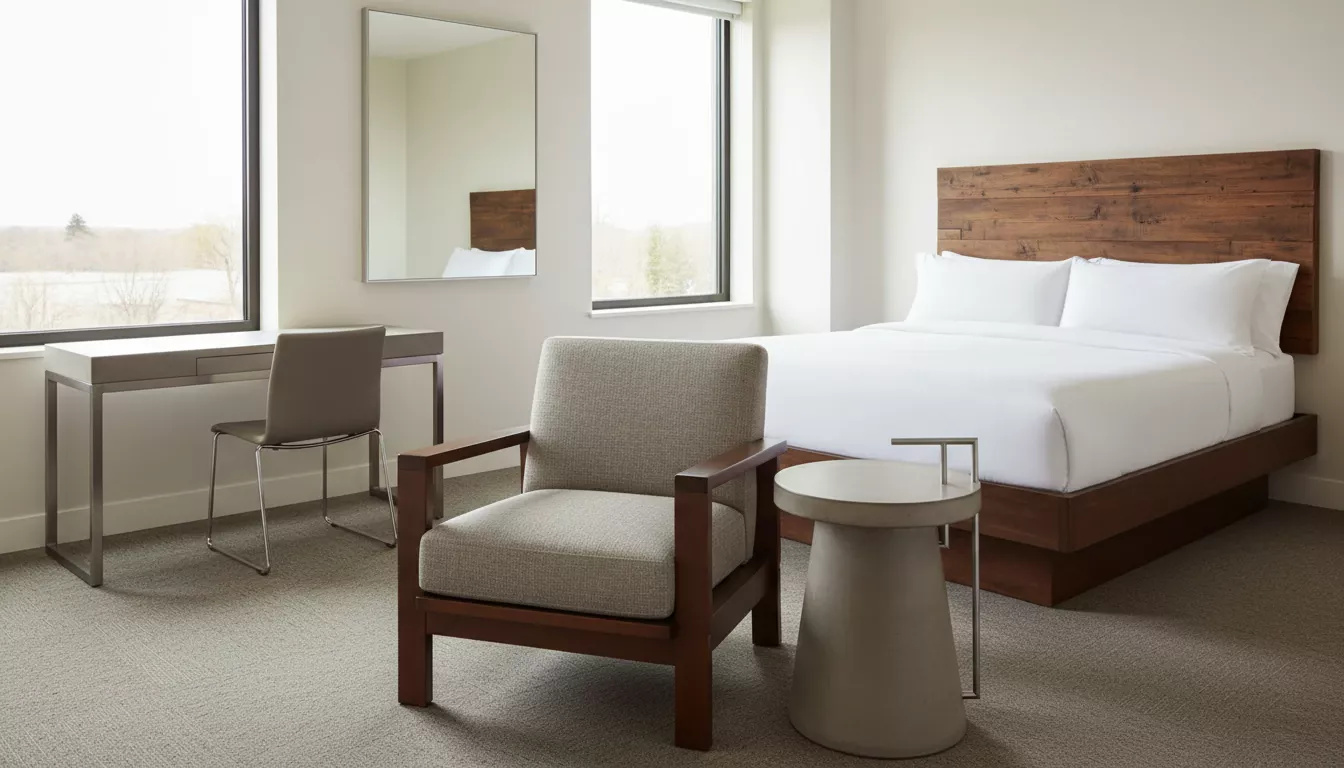
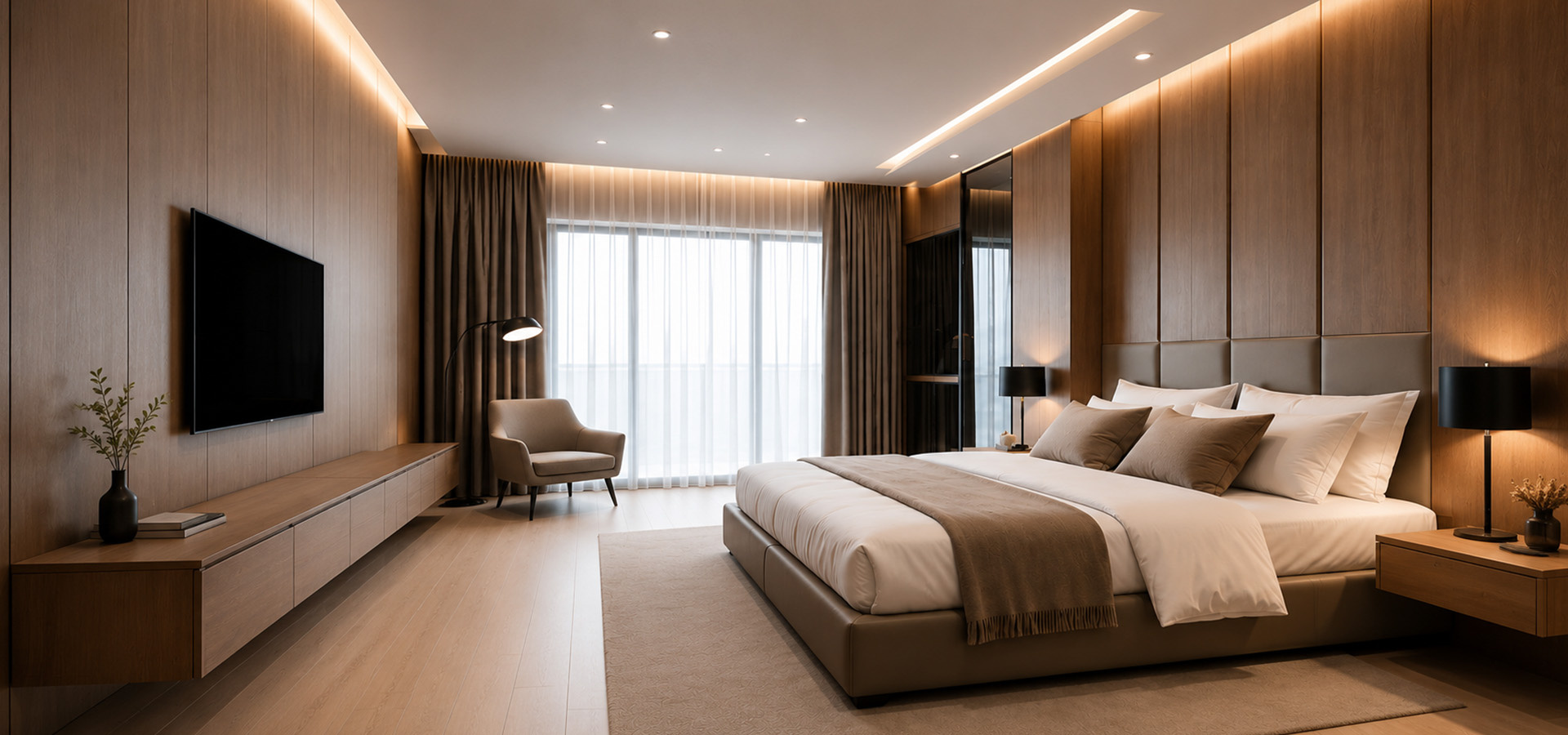
Guest room furniture directly affects comfort, functionality, and guest perception, making beds, wardrobes, bedside tables, desks, seating, and storage solutions important budget priorities that should receive appropriate investment based on room category, usage frequency, and expected guest experience.
2.1 Investing in beds and essential sleeping furniture
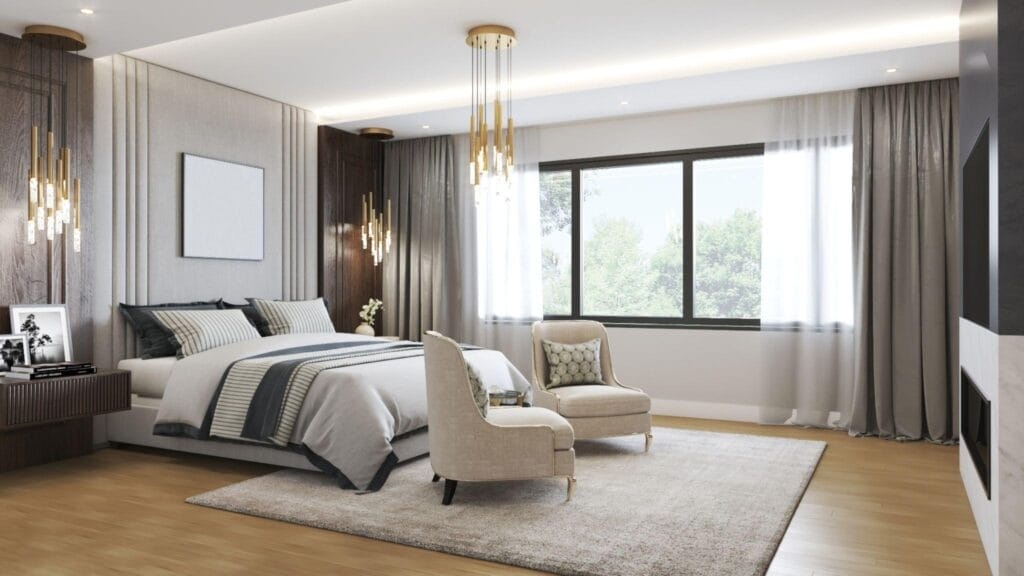
Beds and related sleeping furniture should receive high budget priority because they directly influence guest comfort and sleep quality, while durable frames, suitable dimensions, reliable construction, and high-quality finishes can help maintain performance under frequent use and reduce the need for premature replacement.
2.2 Prioritizing wardrobes and storage furniture
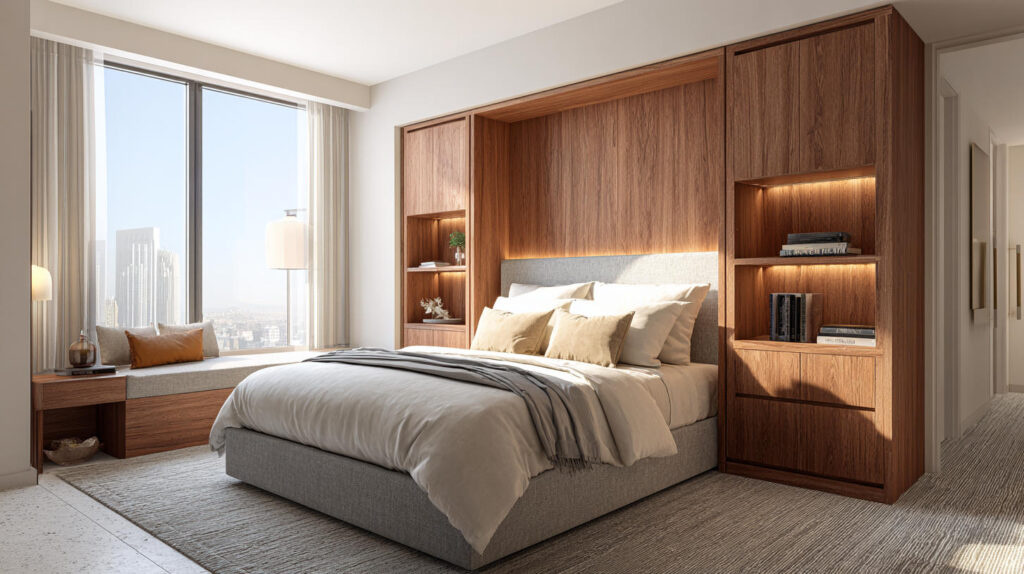
Wardrobes, luggage storage, cabinets, and other storage furniture should be budgeted according to room size and guest requirements, with sufficient capacity, durable construction, practical internal layouts, and suitable hardware helping guests organize belongings conveniently while supporting long-term hotel operations.
2.3 Budgeting for desks, seating, and functional furniture
Desks, chairs, lounge seating, and other functional furniture should be selected according to the hotel's target guests and room concept, with particular attention to ergonomics, durability, dimensions, and frequency of use to ensure the investment contributes meaningfully to both guest comfort and room functionality.
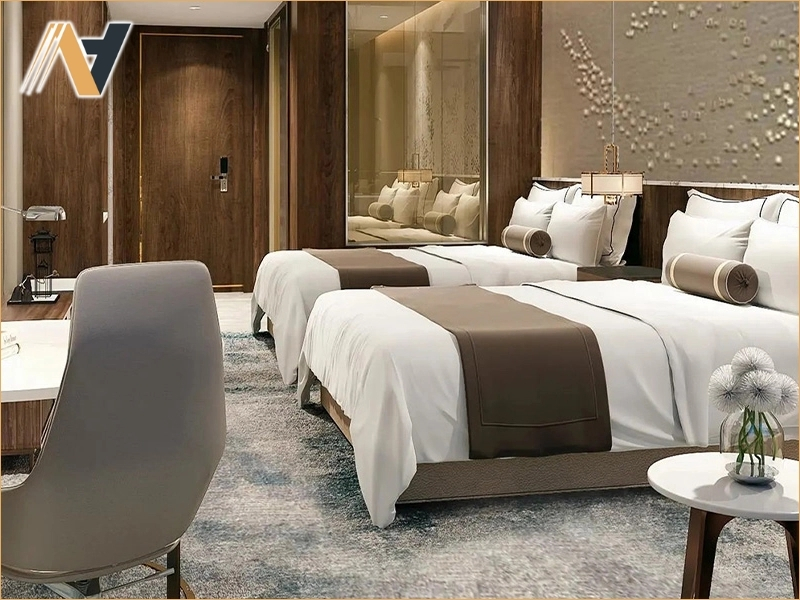
3. Allocating budget for hotel furniture in public areas
Furniture in reception areas, restaurants, lounges, and other shared spaces contributes significantly to first impressions and brand identity, so hotels should allocate budgets according to visibility, guest traffic, functional requirements, durability, and the role of each area in the overall guest journey.
3.1 Prioritizing reception and lobby furniture
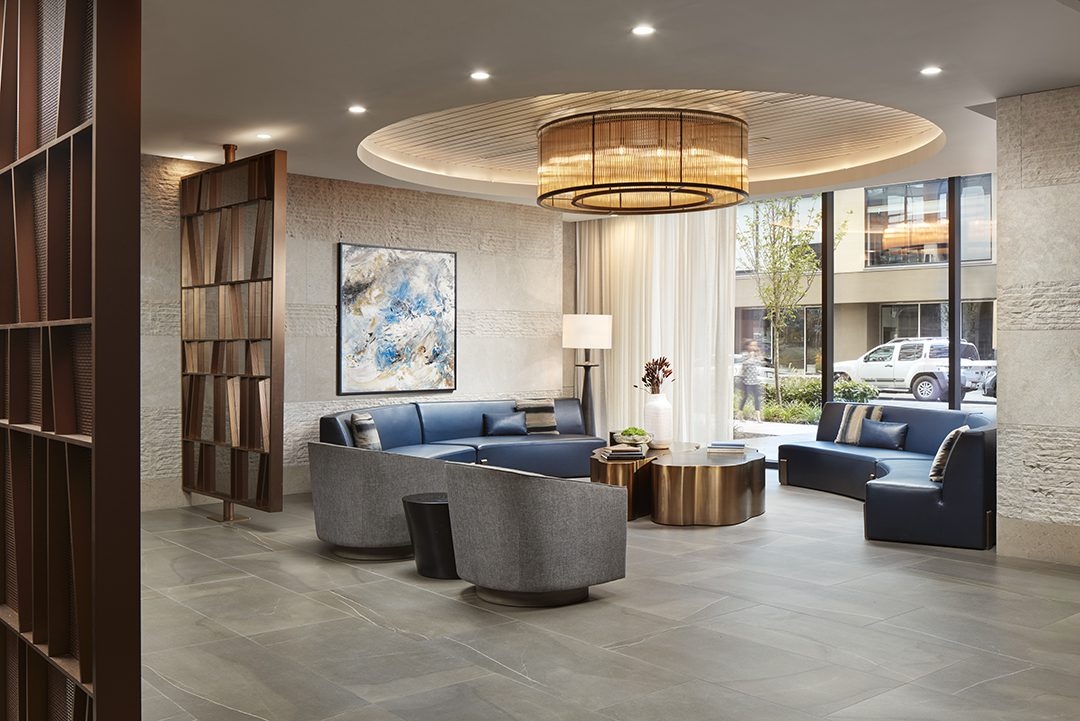
Reception desks, lobby seating, side tables, and other entrance-area furniture should receive appropriate investment because these elements strongly influence first impressions, with durable materials, refined finishes, comfortable seating, and cohesive designs helping communicate the hotel's positioning from the moment guests arrive.
3.2 Investing in restaurant and dining furniture
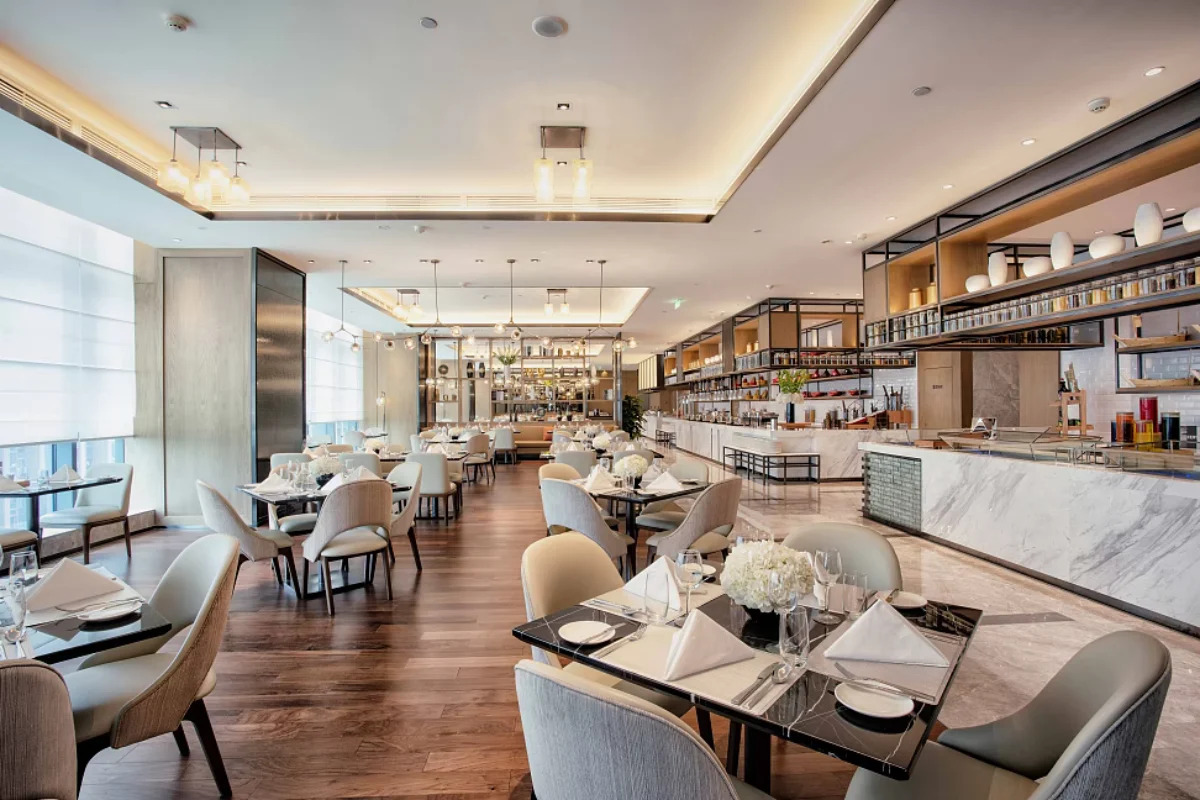
Restaurant tables, dining chairs, bar furniture, and related pieces should be prioritized according to traffic levels, frequency of use, cleaning requirements, and operational conditions, ensuring that furniture remains comfortable, stable, easy to maintain, and visually consistent throughout intensive daily service.
3.3 Selecting furniture for lounges and common areas
Lounge and common-area furniture should balance comfort, durability, space efficiency, and visual appeal, with seating, tables, storage units, and other functional pieces selected according to guest traffic and intended activities so that these spaces remain inviting while supporting long-term hotel operations.
4. Balancing hotel furniture quality, durability, and investment costs
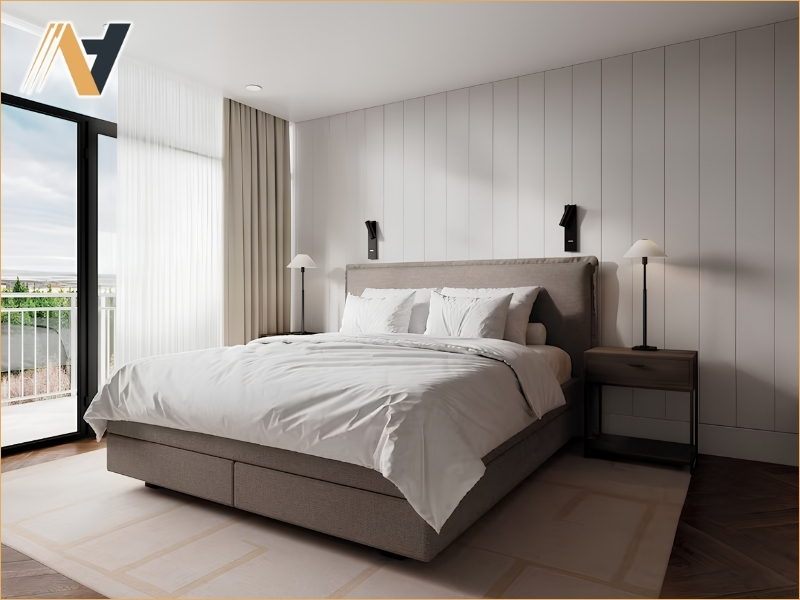
A hotel furniture budget should consider more than the initial purchase price, as material quality, structural strength, surface durability, maintenance requirements, replacement frequency, and expected service life can significantly influence the long-term value and operating costs of the investment.
4.1 Choosing durable materials for high-use furniture
Hotels should prioritize durable materials for furniture that experiences frequent guest interaction, repeated cleaning, or heavy operational use, as stronger materials and suitable surface finishes can help extend service life, reduce visible deterioration, and minimize the frequency of repairs and replacements.
4.2 Evaluating furniture lifecycle costs
The total cost of hotel furniture should include purchase, transportation, installation, maintenance, repair, and eventual replacement expenses, allowing properties to compare options based on long-term performance rather than selecting products solely according to their initial price.
4.3 Avoiding unnecessary savings on critical furniture items
Reducing costs on essential furniture can lead to premature damage, frequent repairs, inconsistent appearance, and higher replacement expenses, so hotels should maintain appropriate quality standards for high-priority items while finding savings through standardized specifications, efficient production, and strategic material selection.
5. Planning customized hotel furniture investment strategically
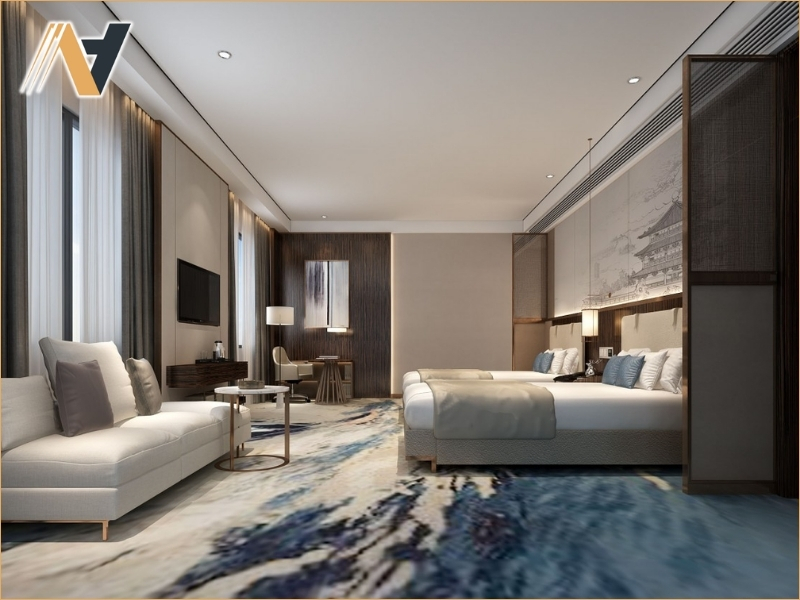
Customized hotel furniture allows properties to align investment with actual floor plans, room categories, brand concepts, and operational requirements, helping prioritize essential furniture while maintaining design consistency, controlling production costs, and achieving greater long-term value from the overall investment.
5.1 Customizing furniture according to project requirements
Furniture should be customized according to room dimensions, functional requirements, guest profiles, design concepts, and operating conditions, allowing hotels to invest in products that fit the actual project instead of paying for unnecessary features, oversized dimensions, or unsuitable specifications.
5.2 Standardizing specifications to control investment costs
Standardizing furniture dimensions, materials, hardware, finishes, and construction methods across suitable room categories can simplify production and procurement while reducing unnecessary variations, helping hotels control investment costs without sacrificing durability, functionality, or visual consistency throughout the property.
5.3 Working with professional hotel furniture manufacturers
An experienced hotel furniture manufacturer can help properties optimize specifications, select appropriate materials, coordinate production, and maintain consistent quality across large-scale orders, allowing investment budgets to be allocated more effectively while ensuring furniture meets the hotel's functional, aesthetic, and durability requirements.
Conclusion
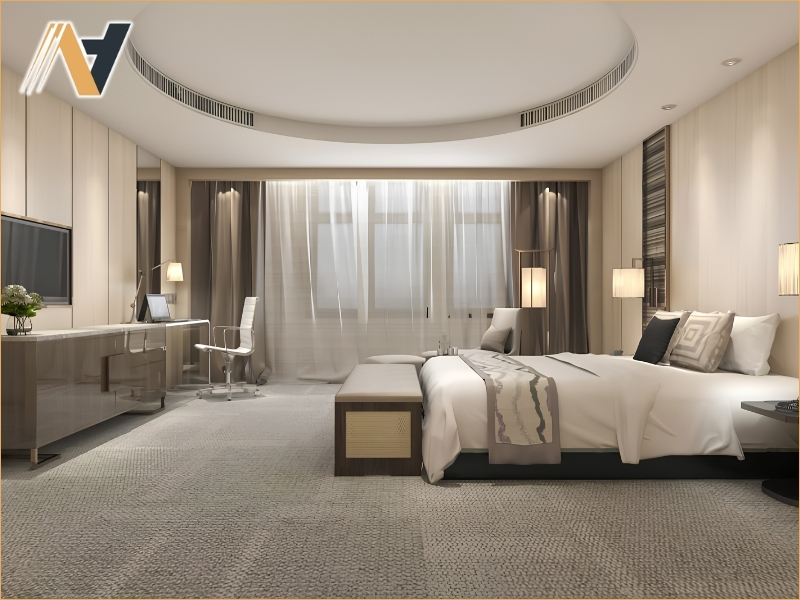
Prioritizing hotel furniture categories when building an investment budget helps properties allocate resources more effectively while protecting guest comfort, operational performance, design quality, and long-term value. By focusing on essential guest room furniture, high-traffic public areas, durable materials, and customized solutions, hotels can achieve a more balanced and sustainable investment.
For hotels seeking refined, durable, and fully customized solutions, Ngoc Hoang Anh offers premium Vietnam hotel furniture tailored to optimize investment efficiency while elevating the functionality and sophistication of modern hospitality interiors.
Contact us today for expert consultation and bespoke hospitality furniture production.
-----
NGOC HOANG ANH TRADING COMPANY LIMITED
Tax Code: 3702874413
Address: No. 288/28/10 Huynh Van Luy Street, Zone 7, Phu Loi Ward, Ho Chi Minh City, Vietnam
Warehouse: No. 1/91, Thuan Giao 02 Street, Binh Thuan 2 Residential Quarter, Thuan Giao Ward, Ho Chi Minh City, Vietnam
Phone/Whatsapp/Wechat: +84342076666
Email: info@ngochoanganh.com.vn