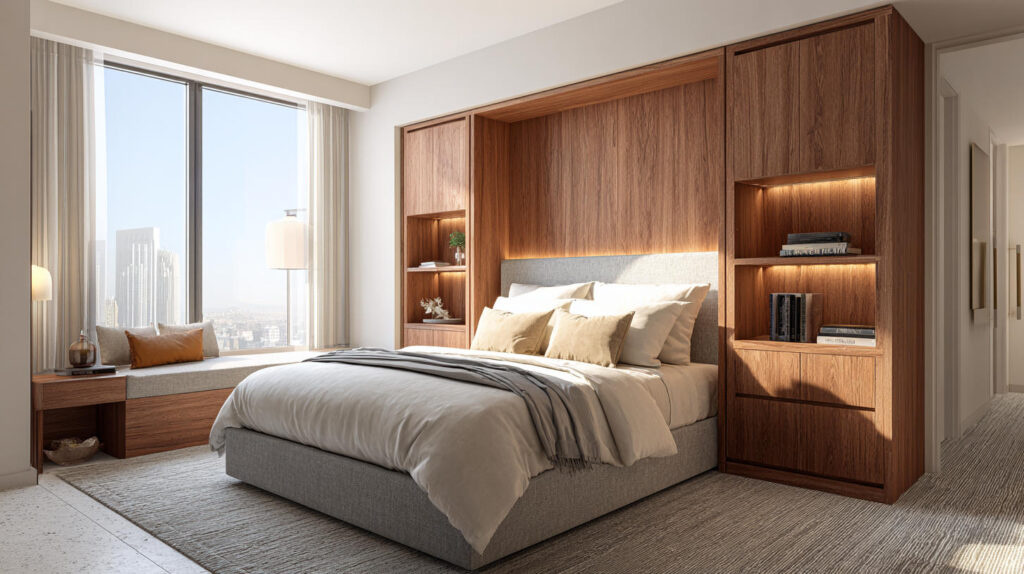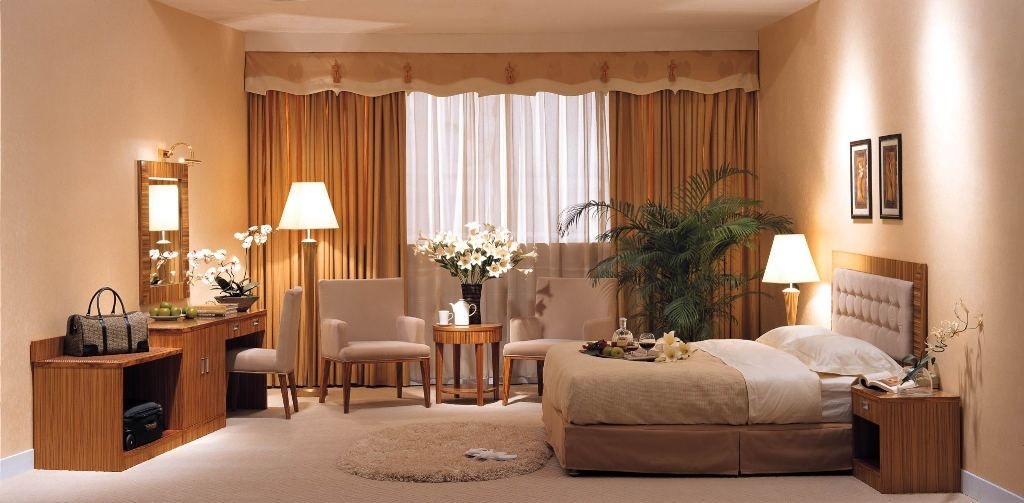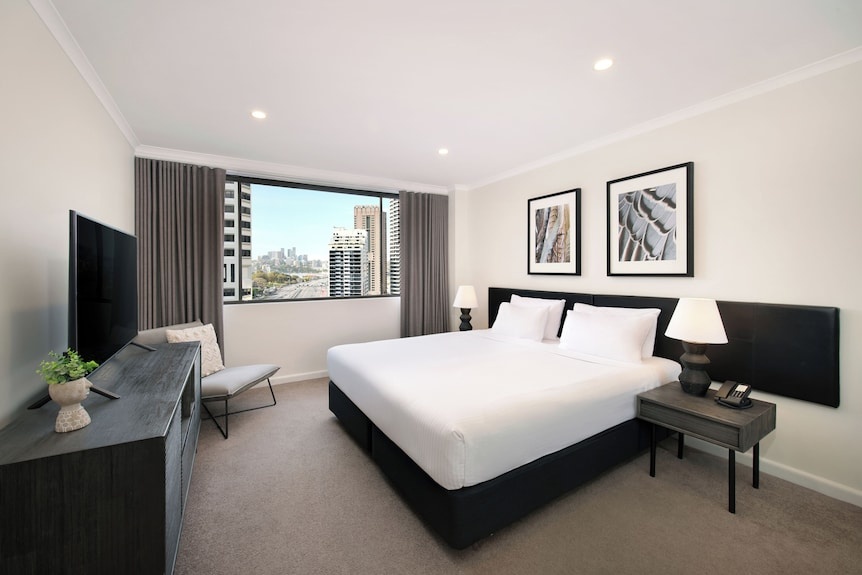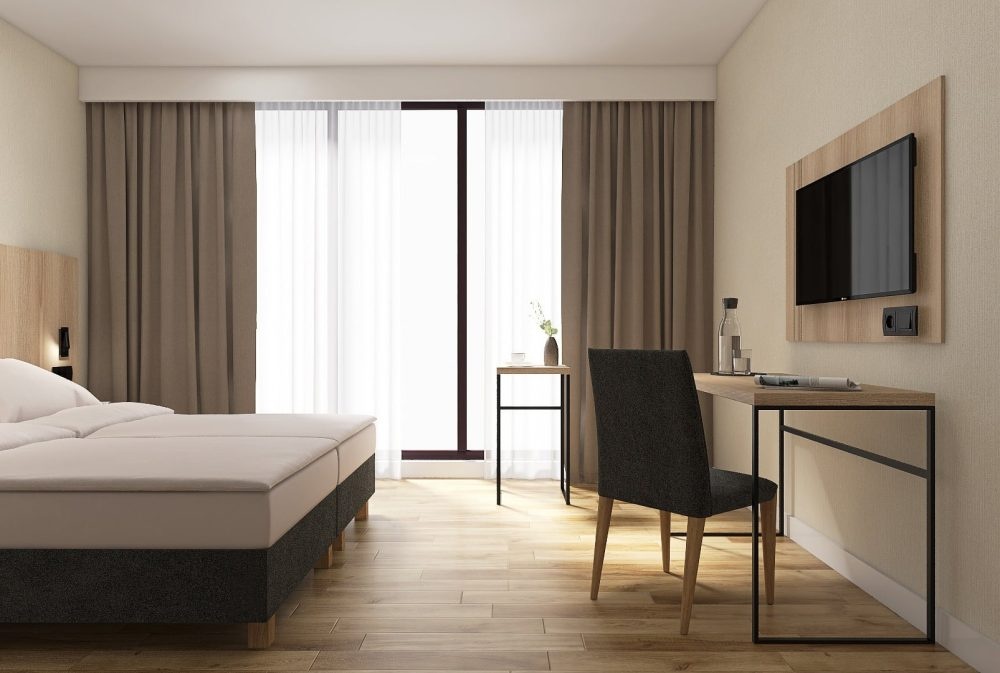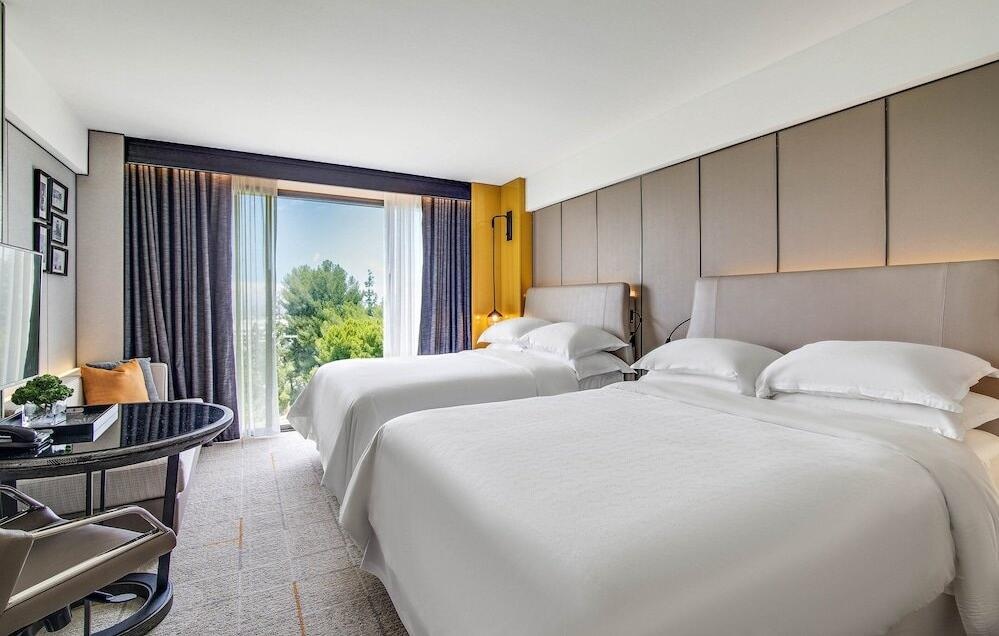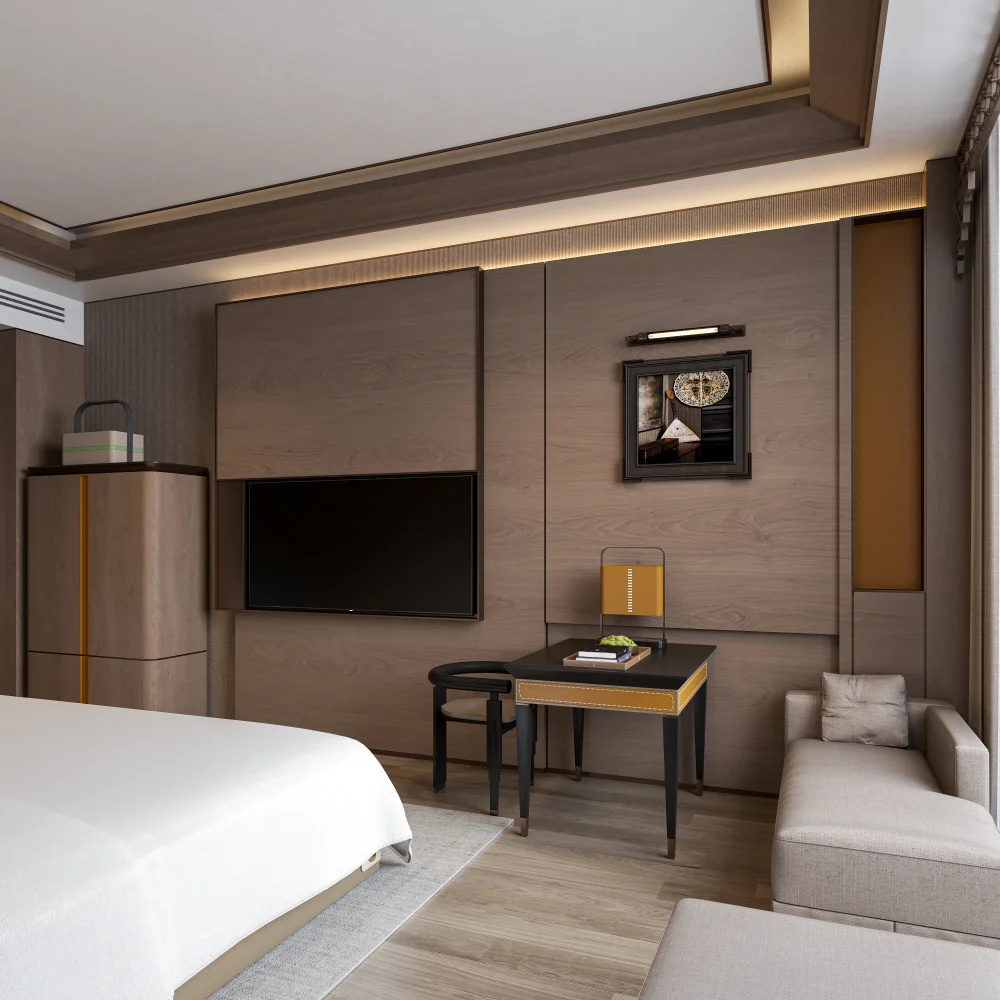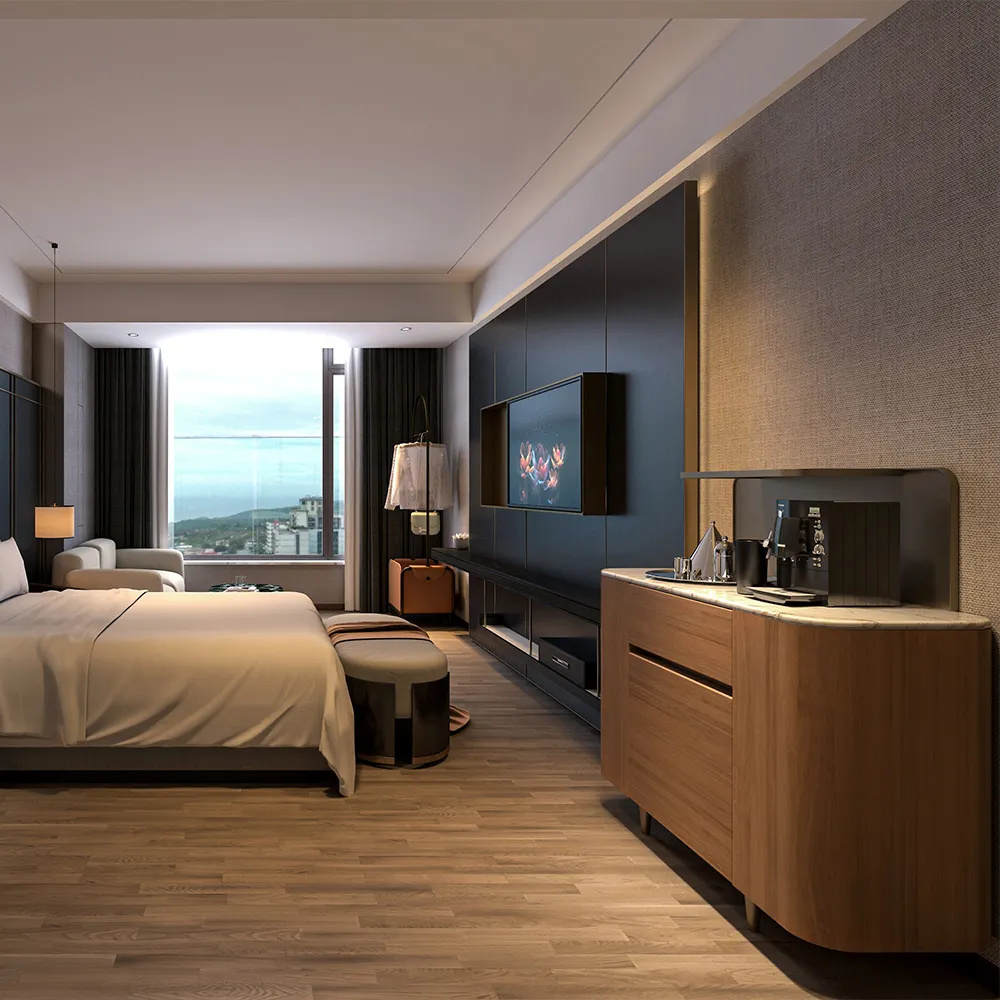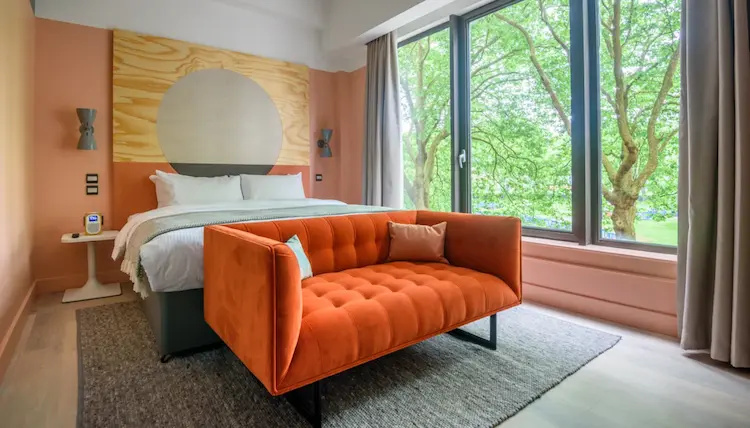
How hotel furniture should change when targeting a new customer segment
Thứ 3, 15/09/2026
Administrator
14
Changing a hotel's target customer segment often requires adjustments to furniture design, functionality, materials, and comfort to better match new guest expectations and market positioning. In this article, Ngoc Hoang Anh highlights key hotel furniture changes for successful market repositioning.
1. Assessing new customer segment requirements before changing hotel furniture
Understanding the new target customer segment is the first step in determining how hotel furniture should change, as guest demographics, travel purposes, spending behavior, comfort expectations, and lifestyle preferences directly influence furniture selection, room functionality, and overall interior positioning.
1.1 Identifying the needs of the new target guests
Hotels should identify the main characteristics and expectations of their new target guests, including preferred room functions, sleeping arrangements, working habits, storage needs, seating preferences, and desired comfort levels, allowing furniture choices to respond more accurately to how guests are likely to use the space.
1.2 Evaluating gaps in the existing hotel furniture
Existing furniture should be reviewed to determine whether its design, dimensions, materials, functionality, and overall quality remain suitable for the new customer segment, helping hotels identify which items can be retained or modified and which products may need replacement to better support the property's repositioning strategy.
1.3 Defining new furniture priorities based on guest expectations
After identifying differences between existing furniture and new guest requirements, hotels can establish clear replacement priorities based on comfort, functionality, aesthetics, durability, and perceived value, ensuring that investment is directed toward furniture elements that have the strongest influence on the new customer experience.
2. Adjusting hotel furniture design to match the new market positioning
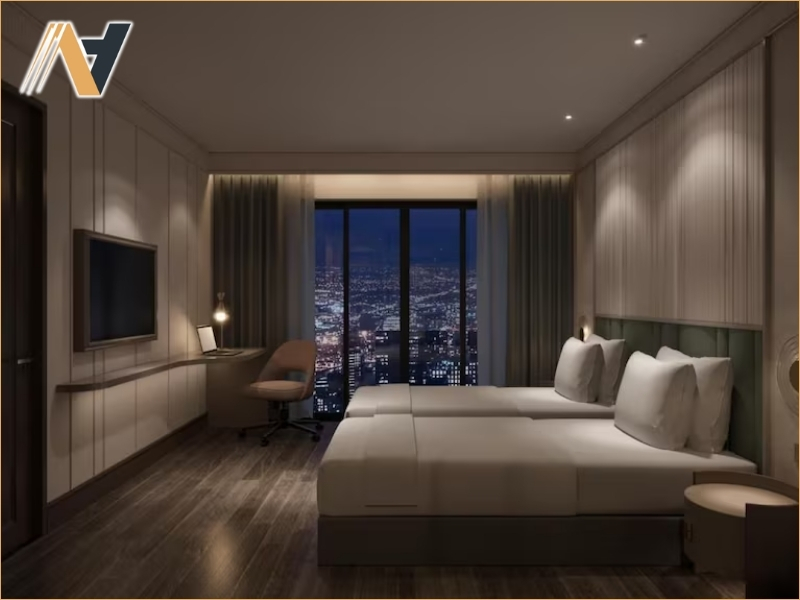
Hotel furniture design should be adjusted to reflect the expectations of the new customer segment, with appropriate styles, proportions, colors, materials, and finishes helping communicate the property's repositioned brand image while creating a more relevant and appealing environment for target guests.
2.1 Choosing furniture styles for different customer segments
Furniture styles should correspond with the preferences and lifestyle of the new target guests, whether the hotel is repositioning toward business travelers, families, luxury guests, younger travelers, or long-stay customers, ensuring that furniture forms and details create an environment that feels appropriate to the intended market.
2.2 Adjusting colors, materials, and finishes
Colors, materials, textures, and surface finishes can significantly influence how guests perceive a hotel, so these elements should be selected according to the desired positioning, with refined finishes for premium segments, practical materials for high-use environments, or contemporary combinations for properties targeting younger and design-conscious travelers.
2.3 Creating furniture that reflects the new brand identity
Furniture should communicate the hotel's new brand identity through recognizable design details, consistent materials, proportions, hardware, and finishes, allowing guest rooms and common areas to present a unified visual language that supports the property's repositioning and creates stronger connections between interior design and customer expectations.
3. Upgrading hotel furniture functionality and guest comfort
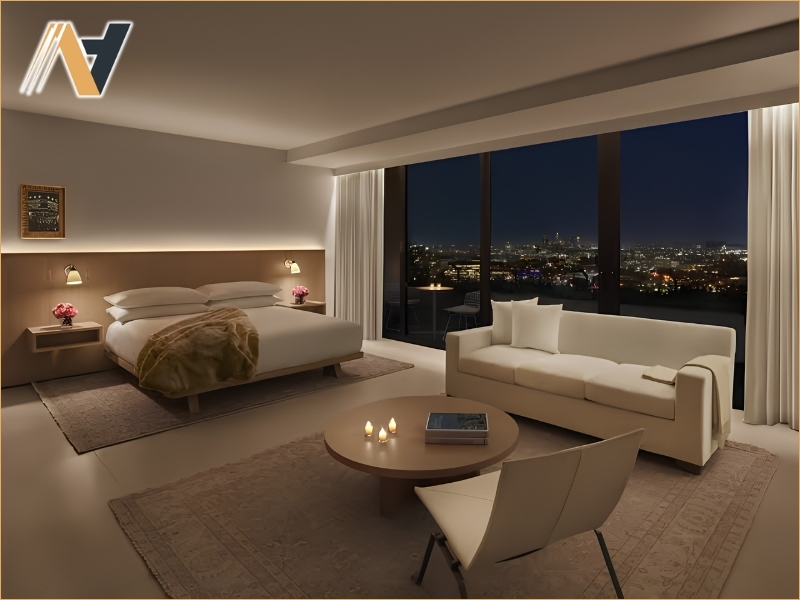
When changing the target customer segment, hotels should reassess how guests use furniture in each space and prioritize ergonomic design, practical functions, technology integration, and storage capacity to create a more comfortable experience while ensuring the interior supports the habits and expectations of the new market.
3.1 Improving furniture ergonomics and comfort
Furniture dimensions, seating angles, mattress support, desk height, bedside accessibility, and other ergonomic factors should be reviewed according to the needs of the new guest segment, helping hotels provide greater comfort during sleeping, working, relaxing, dining, or extended stays while improving the overall usability of guest rooms.
3.2 Adding multifunctional and technology-friendly furniture
Hotels targeting modern travelers may benefit from furniture that combines multiple functions, such as desks with integrated charging ports, bedside units with convenient power access, or seating that supports both relaxation and work, allowing rooms to respond more effectively to changing guest habits without requiring excessive furniture.
3.3 Optimizing storage and workspace solutions
Storage and workspace requirements can vary considerably between customer segments, so hotels should adjust wardrobes, luggage storage, desks, shelving, and cabinets according to the belongings and activities of their new guests, creating a more organized room while maximizing available space and maintaining a clean interior appearance.
4. Selecting hotel furniture materials based on new guest expectations
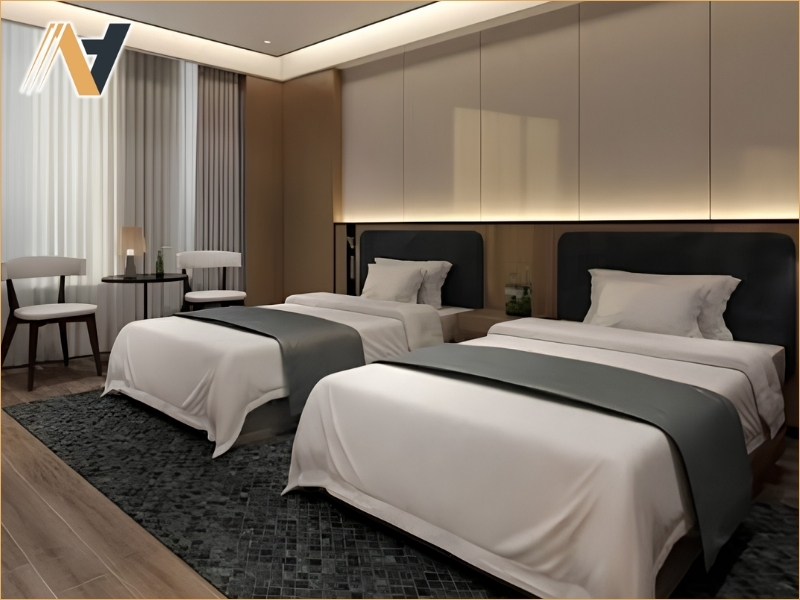
Hotel furniture materials should be reconsidered when a property changes its target customer segment, as material quality, appearance, texture, durability, and maintenance requirements all influence perceived value and operating performance, helping the interior better reflect the expectations of the new market.
4.1 Choosing materials that match the new positioning
Material selection should support the hotel's new market positioning, with premium segments often requiring refined wood finishes, high-quality surfaces, and sophisticated textures, while practical or high-traffic segments may prioritize durable, easy-to-clean materials that maintain a consistent appearance through frequent use.
4.2 Balancing premium appearance and durability
Hotels should balance visual quality with long-term durability when selecting furniture materials, ensuring that upgraded interiors provide the desired sense of value without compromising resistance to scratches, moisture, impact, or daily wear, particularly in properties where furniture experiences intensive guest use.
4.3 Considering maintenance and long-term operating costs
Material choices should also account for cleaning requirements, repairability, replacement availability, and expected service life, helping hotels avoid selecting finishes that look attractive initially but create excessive maintenance expenses, frequent replacements, or operational difficulties after the property transitions to its new customer segment.
5. Customizing hotel furniture for successful market repositioning
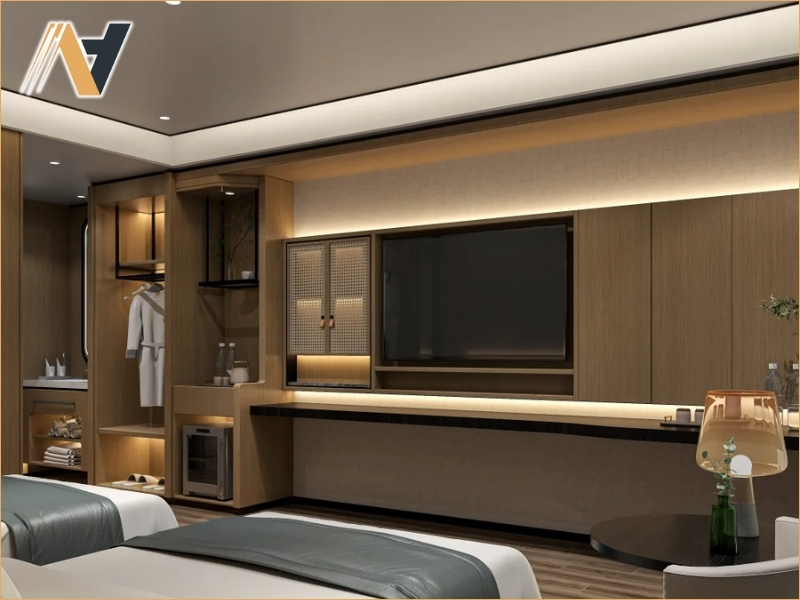
Customizing hotel furniture allows properties to adapt interiors more precisely to new customer expectations, room concepts, and brand positioning while maintaining consistency across upgraded spaces, improving operational efficiency, and avoiding unnecessary replacement of furniture that can still provide long-term value.
5.1 Developing furniture according to the new room concept
Furniture should be developed around the new room concept, considering floor plans, room categories, guest profiles, functional requirements, and design direction to create coordinated solutions that support the hotel's repositioning while making each space more attractive and relevant to its intended customer segment.
5.2 Standardizing furniture across upgraded room categories
Standardizing key furniture specifications, materials, dimensions, colors, and finishes helps hotels maintain a consistent design language when upgrading multiple room categories, while selected variations in details and functions can create clear differences between segments without making the overall property feel visually disconnected.
5.3 Working with professional hotel furniture manufacturers
A professional hotel furniture manufacturer can help transform the hotel's new positioning strategy into practical furniture specifications, customized designs, prototypes, and standardized production, ensuring that furniture meets functional requirements, maintains consistent quality, and supports efficient implementation across different rooms and renovation phases.
Conclusion
Changing a hotel's target customer segment requires thoughtful adjustments to furniture design, functionality, materials, comfort, and customization to ensure the interior better reflects new guest expectations and market positioning. A strategic furniture upgrade can improve guest experience while helping hotels control investment and maintain long-term operational value.
For hotels seeking refined, durable, and fully customized solutions, Ngoc Hoang Anh offers premium Vietnam hotel furniture tailored to support successful market repositioning and elevate the sophistication and functionality of modern hospitality interiors.
Contact us today for expert consultation and bespoke hospitality furniture production.
-----
NGOC HOANG ANH TRADING COMPANY LIMITED
Tax Code: 3702874413
Address: No. 288/28/10 Huynh Van Luy Street, Zone 7, Phu Loi Ward, Ho Chi Minh City, Vietnam
Warehouse: No. 1/91, Thuan Giao 02 Street, Binh Thuan 2 Residential Quarter, Thuan Giao Ward, Ho Chi Minh City, Vietnam
Phone/Whatsapp/Wechat: +84342076666
Email: info@ngochoanganh.com.vn