How to Design Hotel Interiors for Easier Daily Cleaning?
Thứ 3, 27/10/2026
Administrator
28
Daily cleaning is an essential part of hotel operations, and well-designed interiors can help housekeeping staff work more efficiently while maintaining a clean and comfortable guest environment. In this article, Ngoc Hoang Anh explores practical solutions for designing hotel interiors with accessible layouts, easy-to-clean materials, functional furniture structures, and convenient maintenance in mind.
1. Planning Hotel Interior Layouts for Efficient Cleaning
A well-planned hotel interior layout should allow housekeeping staff to access furniture surfaces, corners, and circulation areas without unnecessary obstacles, helping reduce cleaning time while maintaining consistent hygiene standards and protecting the functionality and appearance of the room.
1.1 Creating clear circulation paths around furniture
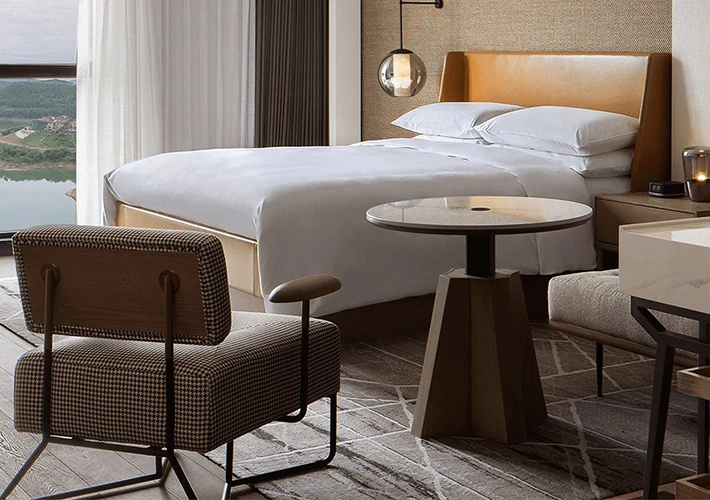
Furniture should be arranged with sufficient clearance to allow housekeeping staff to move cleaning equipment easily around beds, wardrobes, desks, and other essential pieces, while clear circulation paths also make it easier to reach frequently used surfaces and prevent areas from being overlooked during daily cleaning.
1.2 Avoiding difficult-to-reach corners and narrow spaces
Hotel interiors should minimize narrow gaps, deep recesses, and enclosed corners where dust, hair, and debris can accumulate, because these areas are often difficult to clean thoroughly and may require additional time or specialized tools, especially when furniture remains fixed in position for long periods.
1.3 Maintaining practical clearance between furniture pieces
Appropriate spacing between furniture pieces allows staff to clean floors, walls, and furniture surfaces more conveniently while reducing the risk of collisions or damage during housekeeping activities, so the dimensions and positioning of beds, cabinets, tables, chairs, and other items should be considered together during the interior planning stage.
2. Choosing Easy-to-Clean Materials and Finishes
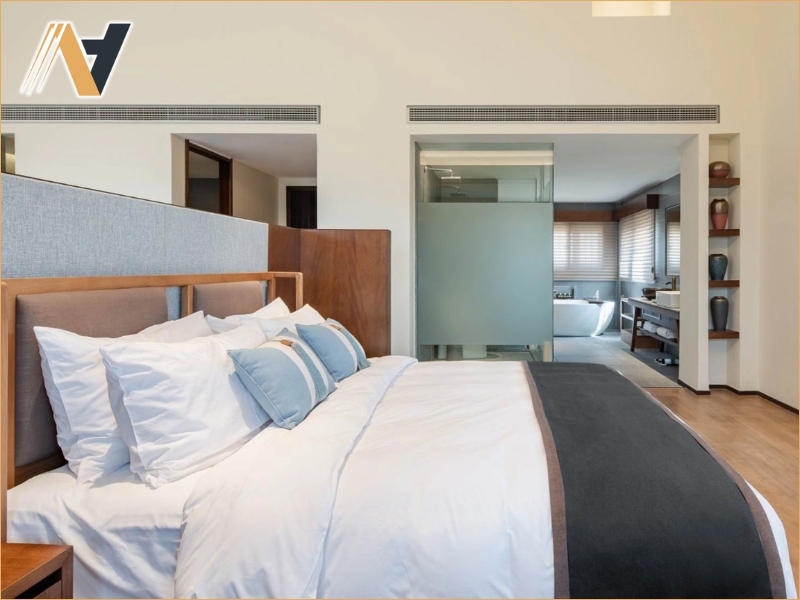
Selecting suitable materials and surface finishes can significantly simplify daily hotel housekeeping by reducing dust accumulation, stains, moisture-related problems, and the effort required to restore furniture to a clean appearance, while also supporting durability and consistent visual quality throughout frequent use.
2.1 Selecting smooth surfaces that are easy to wipe
Smooth and relatively seamless furniture surfaces can make daily cleaning faster because dust, fingerprints, spills, and other contaminants are less likely to become trapped in deep textures or irregular patterns, allowing housekeeping staff to wipe desks, cabinets, headboards, and other frequently touched areas more efficiently.
2.2 Choosing moisture-resistant and stain-resistant materials
Materials with good resistance to moisture and common stains are particularly useful in hotel rooms, bathrooms, minibar areas, and other spaces exposed to frequent cleaning, as they can reduce the risk of surface deterioration while allowing staff to remove water marks, food residue, and everyday stains without excessive scrubbing.
2.3 Reducing decorative details that collect dust
Excessive grooves, deep patterns, exposed joints, and intricate decorative elements can create additional areas where dust and debris accumulate, so hotel furniture should favor clean lines and practical detailing that preserves the desired interior style while making surfaces easier for housekeeping staff to access and clean thoroughly.
3. Designing Furniture Structures for Easier Maintenance
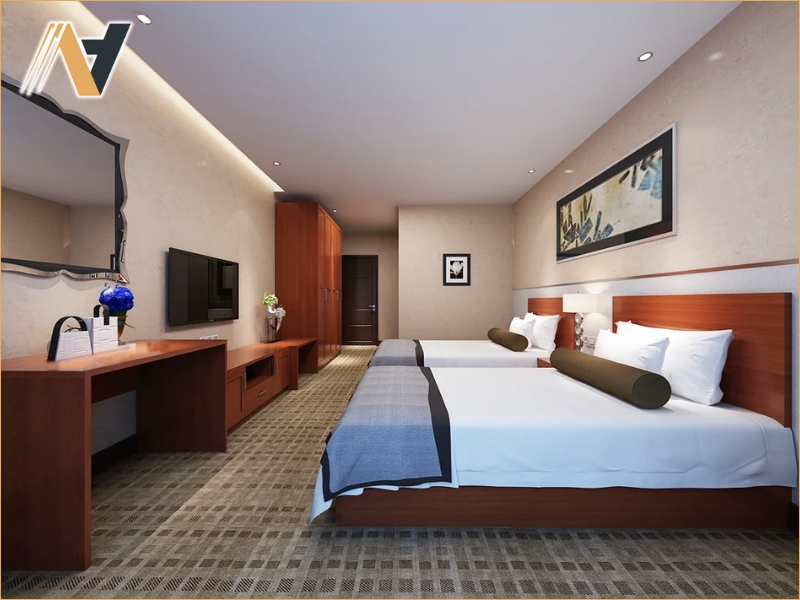
Hotel furniture should be designed with cleaning and maintenance requirements in mind from the beginning, using accessible surfaces, practical construction, and suitable hardware to help housekeeping staff clean thoroughly while making it easier for maintenance teams to inspect, repair, or replace components when necessary.
3.1 Creating cabinets with accessible surfaces and joints
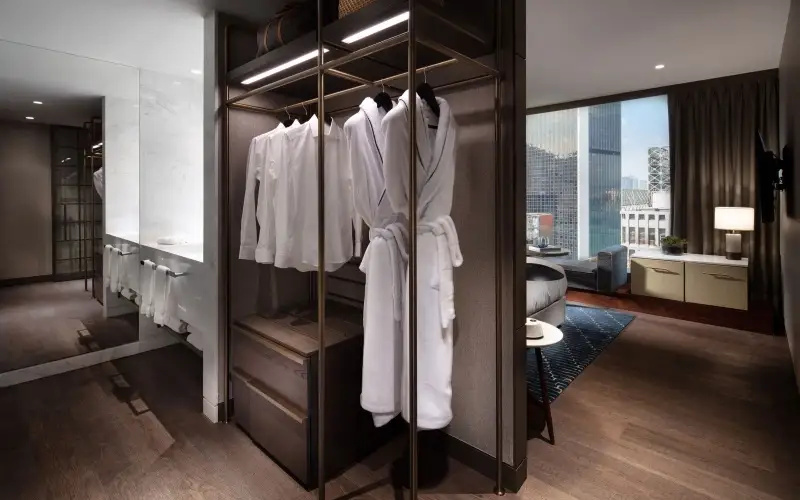
Cabinets, wardrobes, and storage units should have accessible outer surfaces and carefully designed joints that do not create unnecessary areas for dust or dirt to accumulate, while practical door openings and internal arrangements can help staff reach shelves, corners, and frequently used compartments during routine cleaning.
3.2 Minimizing gaps underneath and behind furniture
Reducing unnecessary gaps beneath and behind fixed furniture can prevent dust, hair, and small debris from accumulating in areas that are difficult to reach with standard cleaning equipment, while carefully planned clearances can still provide enough space for cleaning tools where access is necessary for regular housekeeping.
3.3 Using easy-to-operate hardware and fittings
Hinges, drawer runners, handles, and other furniture fittings should operate smoothly and provide convenient access to surfaces that require frequent cleaning, while durable and easy-to-maintain hardware can reduce the likelihood of loose components, damaged mechanisms, or difficult-to-clean areas developing during long-term hotel use.
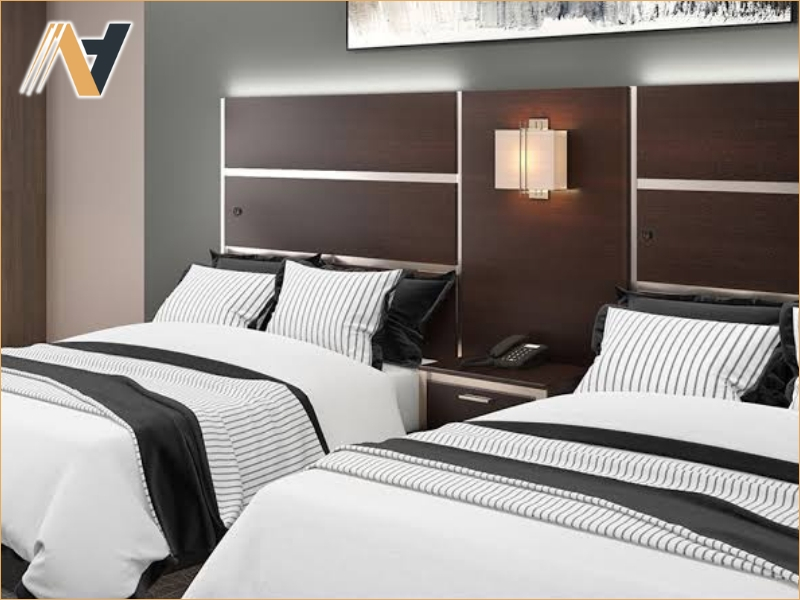
4. Optimizing Frequently Cleaned Areas in Hotel Rooms
Frequently cleaned areas should be considered carefully when planning hotel interiors because their furniture arrangement directly affects how quickly and thoroughly housekeeping staff can complete daily tasks, while accessible layouts and practical furniture dimensions can support consistent cleanliness without reducing guest comfort or the visual quality of the room.
4.1 Designing the bed area for convenient cleaning
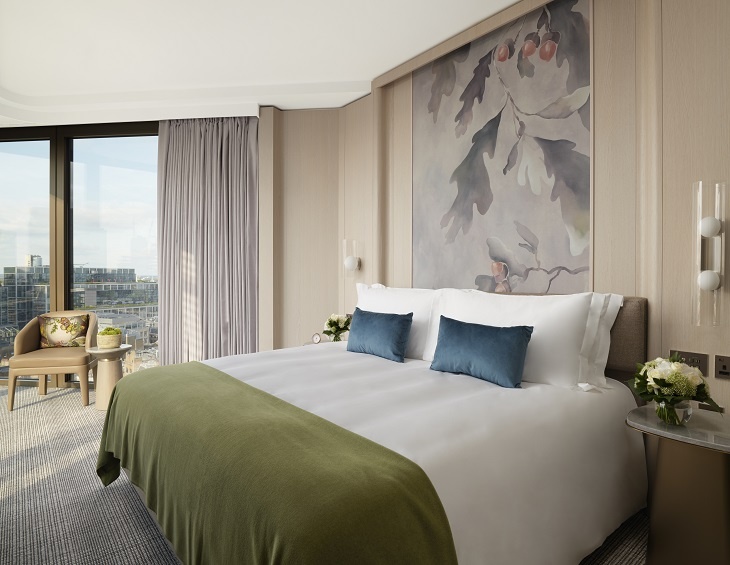
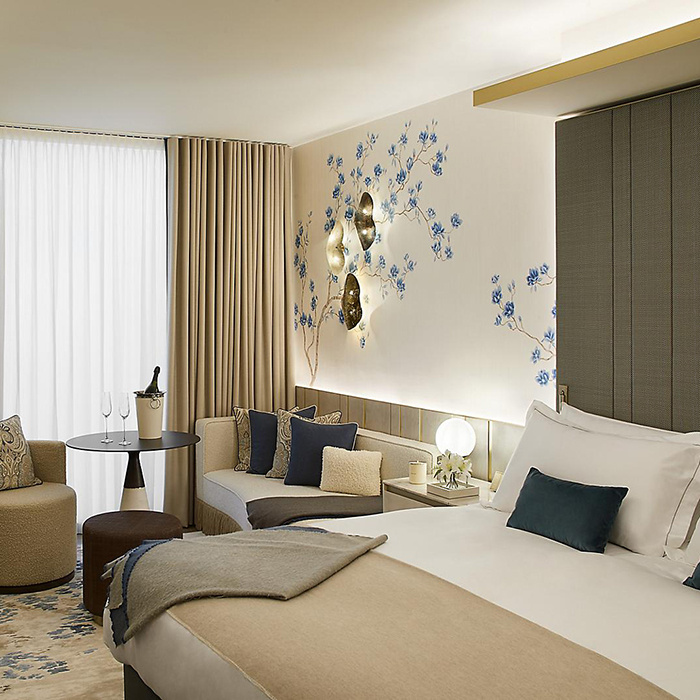
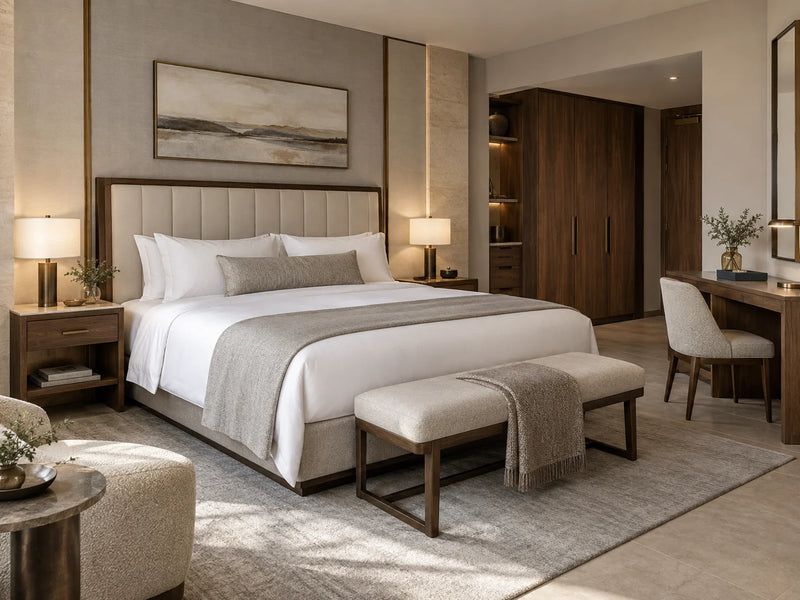
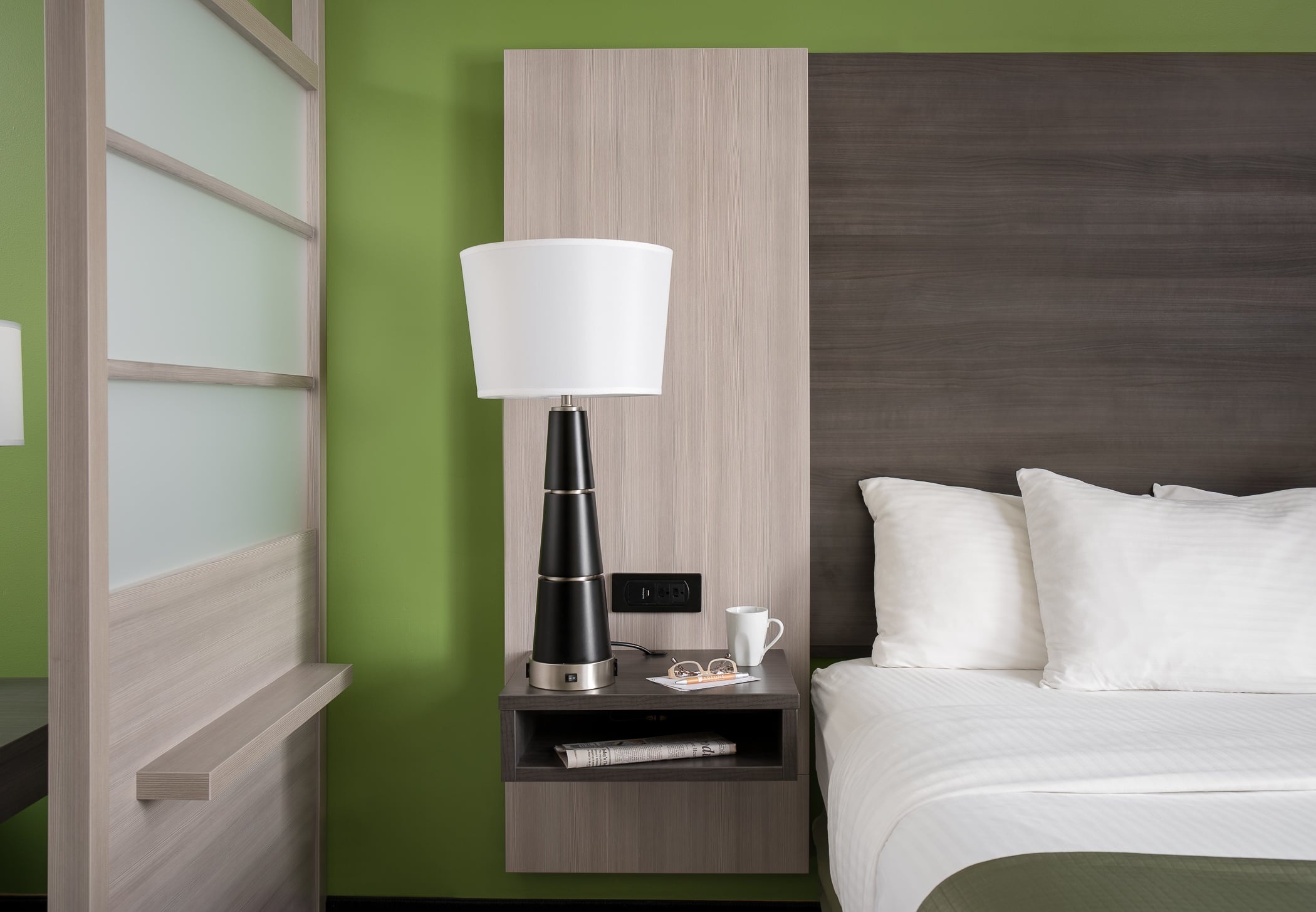
The bed area should provide sufficient access around the bed frame, headboard, bedside tables, and surrounding floor so housekeeping staff can change linens, remove dust, clean underneath, and wipe adjacent surfaces without excessive repositioning of furniture, helping maintain both hygiene and an organized appearance.
4.2 Arranging desks and minibar units for easy access
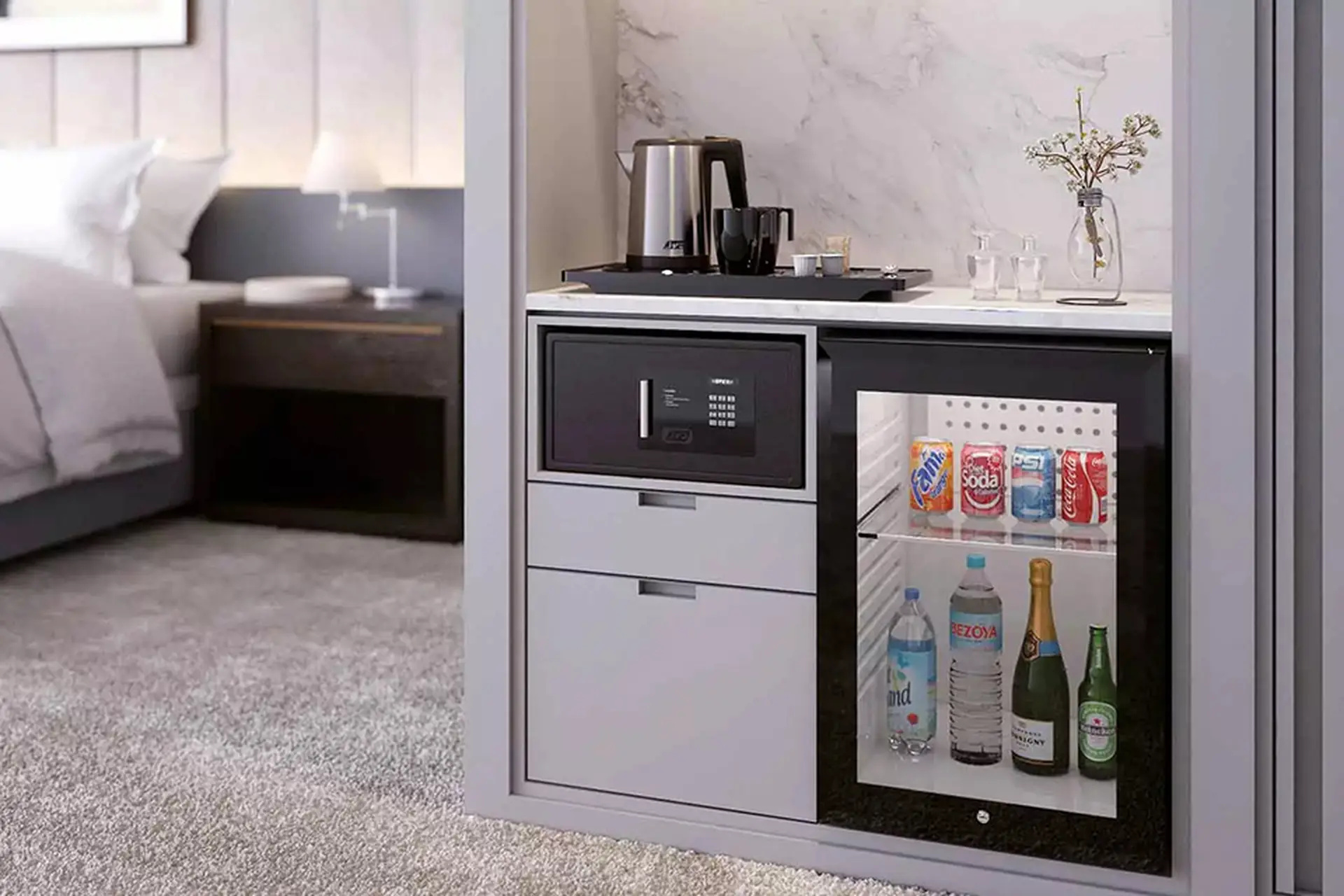
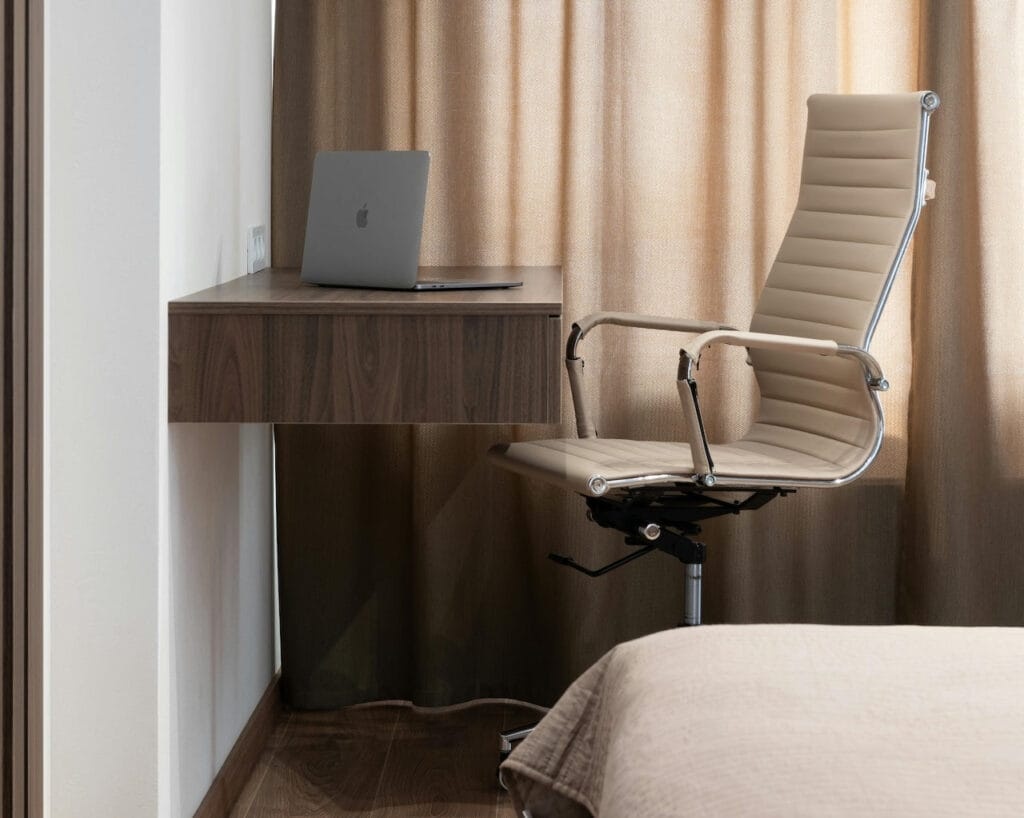
Desks, minibar cabinets, and related furniture should be positioned so their working surfaces, handles, storage compartments, and surrounding floors remain easy to reach during daily cleaning, while keeping frequently used items organized can reduce the time required to wipe surfaces and check each area before the room is prepared for the next guest.
4.3 Making bathroom furniture easier to clean and maintain
Bathroom furniture should use moisture-resistant materials, accessible surfaces, and practical configurations that allow staff to clean around sinks, storage cabinets, counters, and other frequently exposed areas, while minimizing unnecessary joints, recesses, and difficult-to-reach gaps can help reduce the accumulation of moisture, dust, and residue.
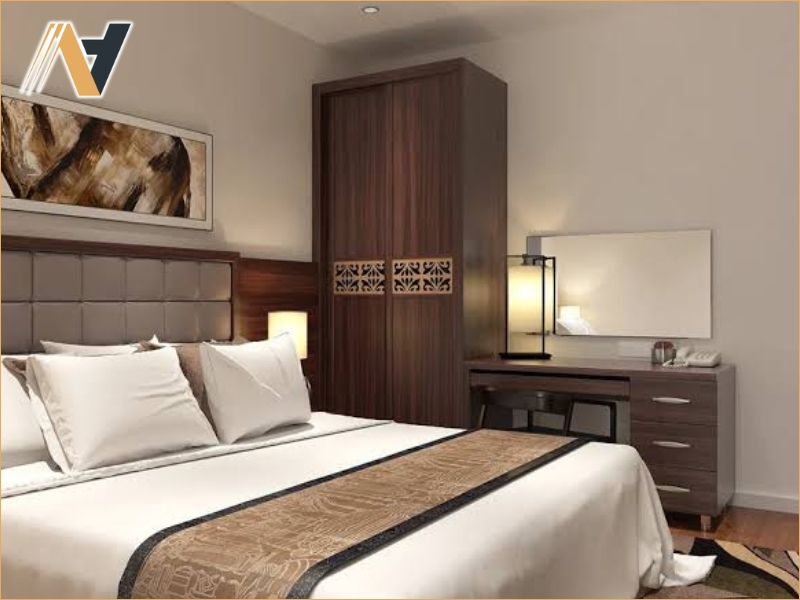
5. Developing Hotel Furniture for Long-Term Cleaning Efficiency
Hotel furniture should be designed not only for convenient daily cleaning but also for long-term durability, maintenance, and replacement, allowing housekeeping and maintenance teams to handle routine care efficiently while preserving the furniture's appearance, structural stability, and functional performance throughout its service life.
5.1 Using durable structures that require less maintenance
Strong furniture structures and durable materials can reduce the frequency of repairs caused by repeated cleaning, frequent use, and accidental impact, while stable construction helps keep doors, drawers, shelves, and other components functioning properly and reduces the amount of maintenance required during everyday hotel operations.
5.2 Designing removable or accessible components for maintenance
Furniture components that can be easily accessed, removed, adjusted, or replaced can make maintenance work more efficient when hardware becomes worn or individual parts require attention, helping hotel staff address problems without dismantling large furniture units or causing unnecessary disruption to guest rooms.
5.3 Working with professional hotel furniture manufacturers
Working with an experienced hotel furniture manufacturer allows cleaning and maintenance requirements to be considered throughout the design and production process, from material selection and furniture dimensions to hardware, construction details, and installation, helping hotels achieve practical interiors that remain convenient to clean over the long term.
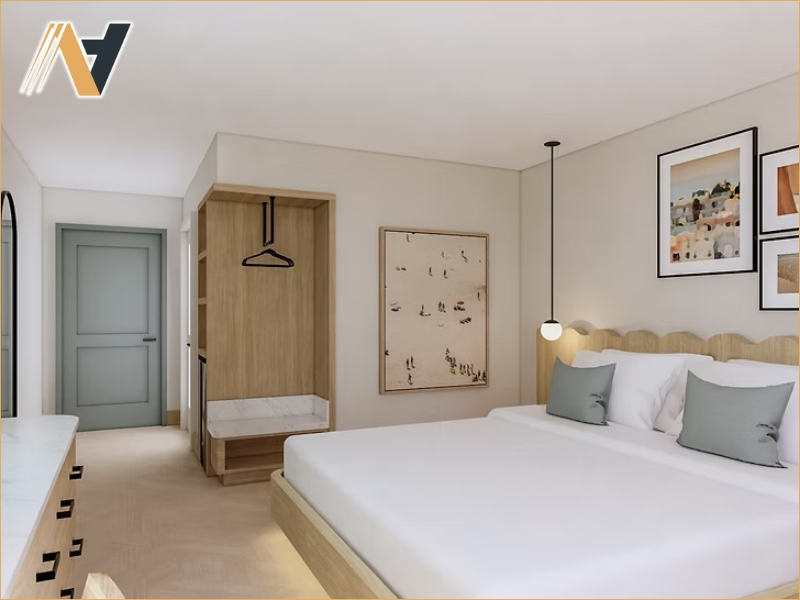
Conclusion
Designing hotel interiors with daily cleaning requirements in mind can help housekeeping staff work more efficiently while maintaining a consistently clean, comfortable, and visually appealing guest environment, so clear circulation paths, easy-to-clean materials, accessible furniture structures, practical layouts, and durable components should all be considered from the planning stage.
For hotels seeking refined, durable, and fully customized solutions, Ngoc Hoang Anh offers premium Vietnam hotel furniture tailored to practical cleaning requirements, efficient room layouts, long-term durability, and the overall design concept of modern hospitality spaces.
Contact us today for expert consultation and bespoke hospitality furniture production.
-----
NGOC HOANG ANH TRADING COMPANY LIMITED
Tax Code: 3702874413
Address: No. 288/28/10 Huynh Van Luy Street, Zone 7, Phu Loi Ward, Ho Chi Minh City, Vietnam
Warehouse: No. 1/91, Thuan Giao 02 Street, Binh Thuan 2 Residential Quarter, Thuan Giao Ward, Ho Chi Minh City, Vietnam
Phone/Whatsapp/Wechat: +84342076666
Email: info@ngochoanganh.com.vn