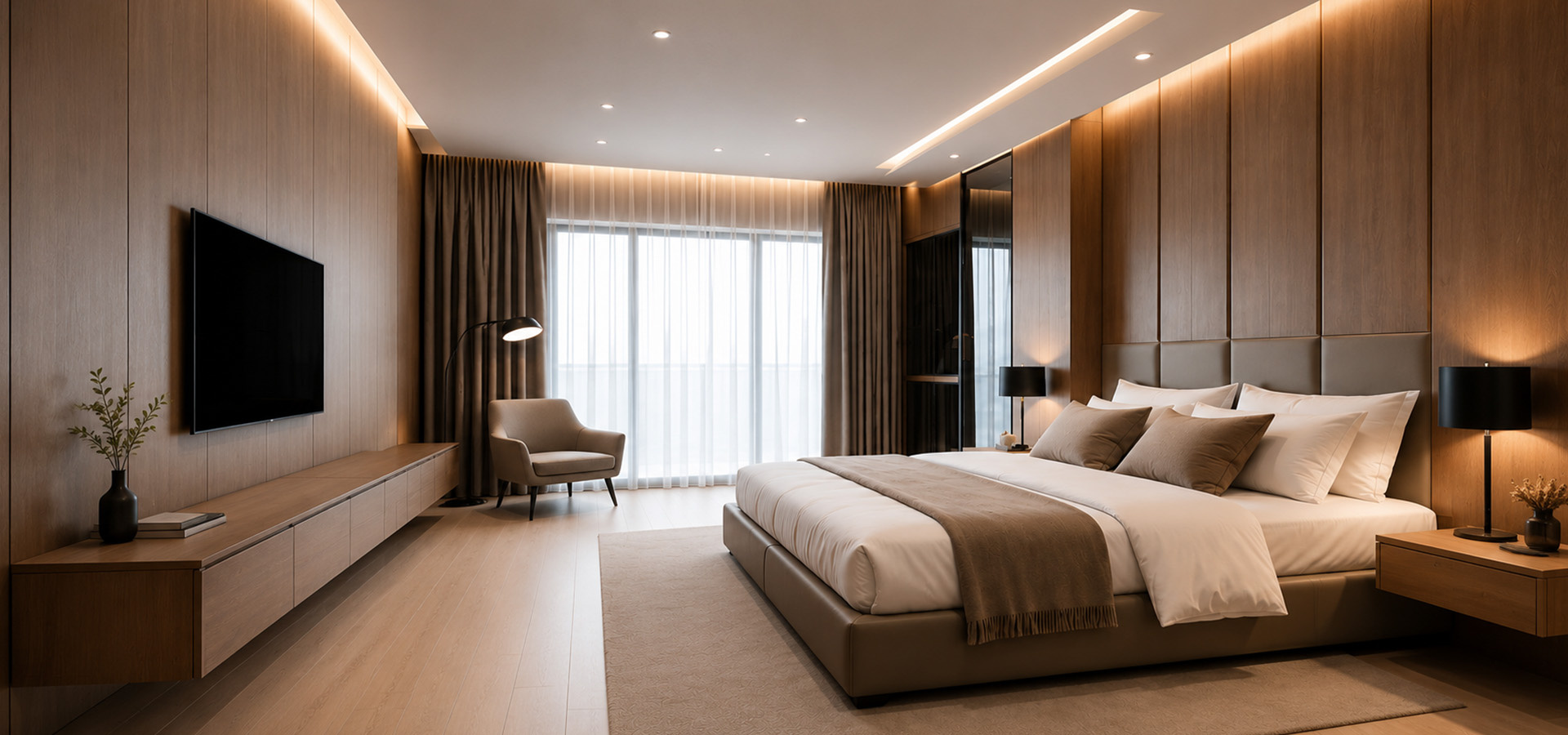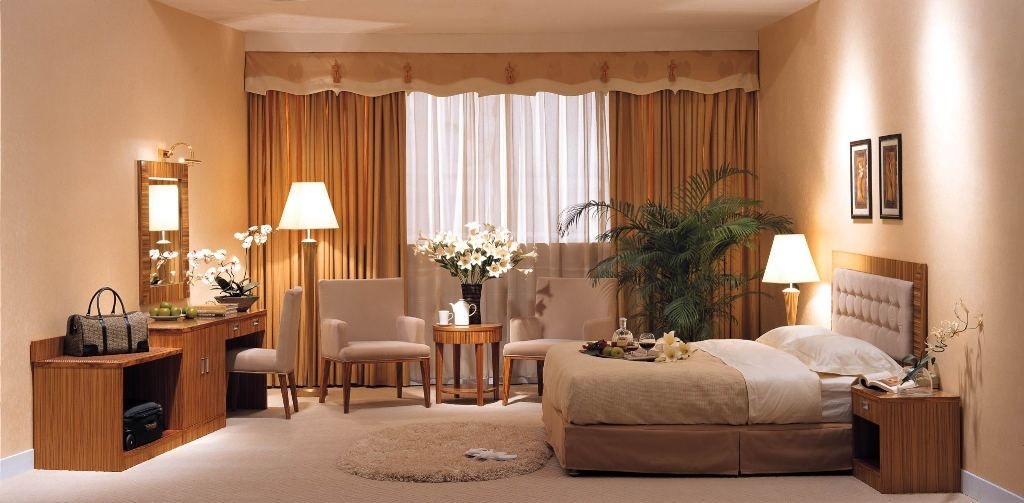
How Does Hotel Furniture Influence Guests’ Perception of Service Quality?
Thứ 3, 06/10/2026
Administrator
5
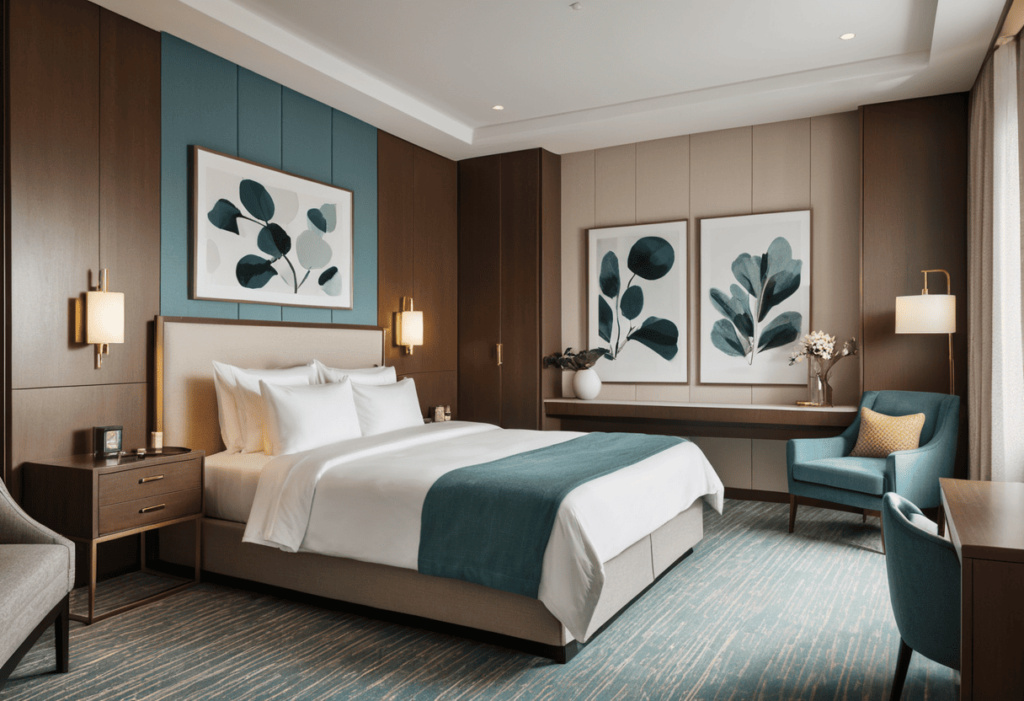
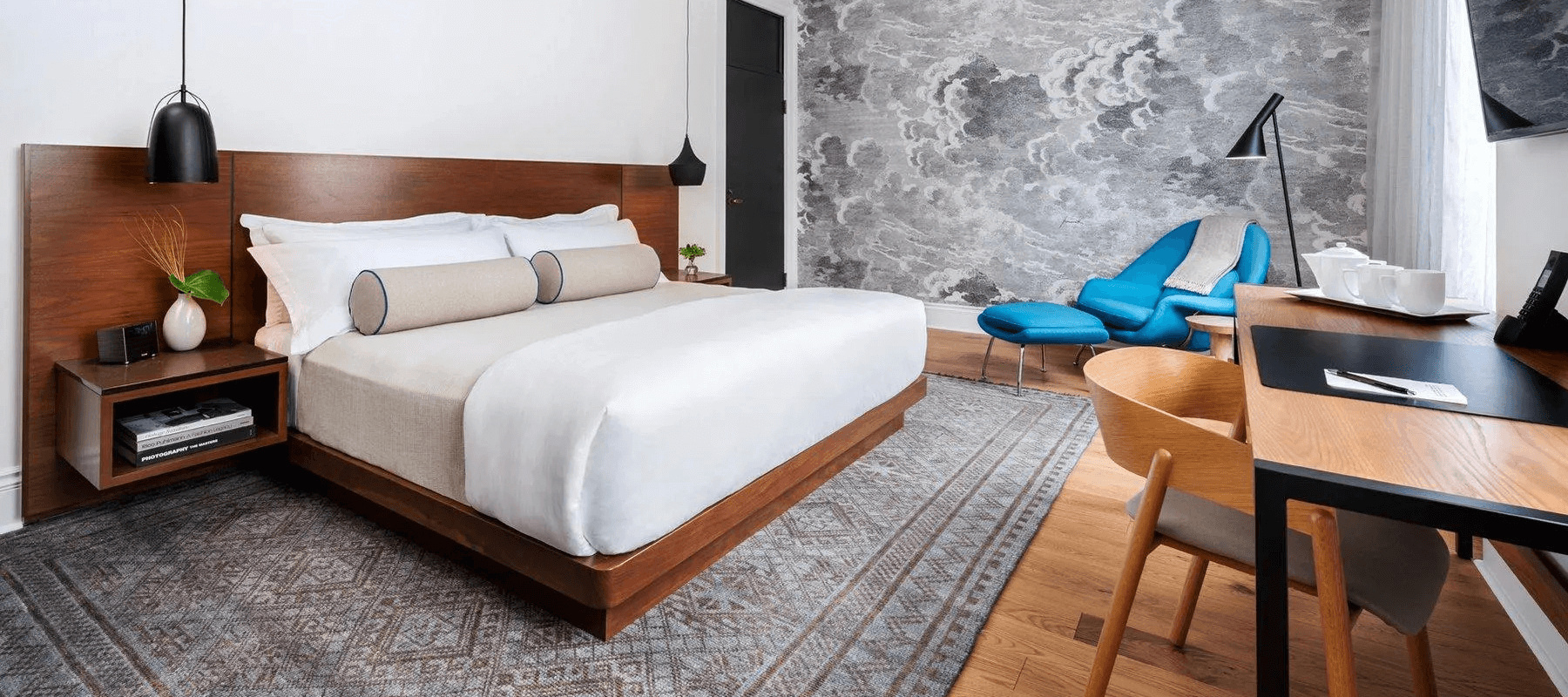
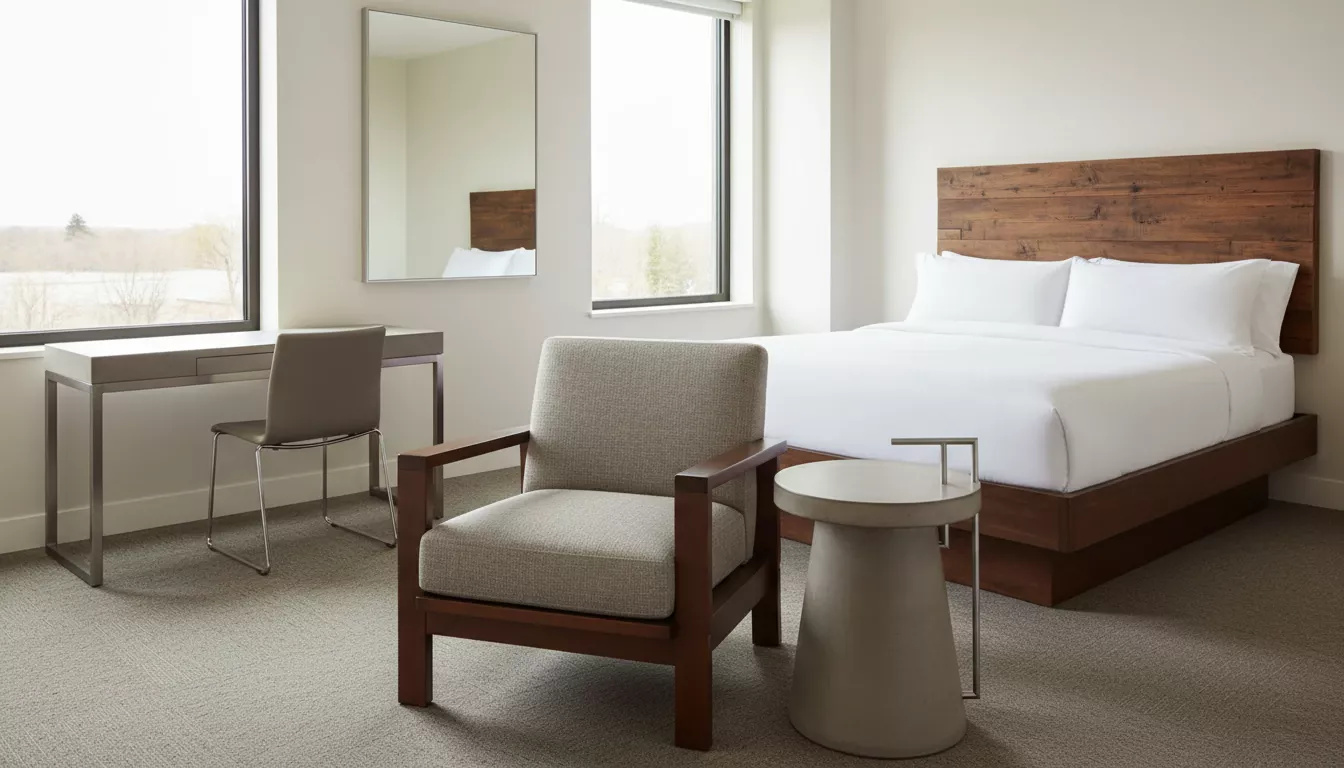
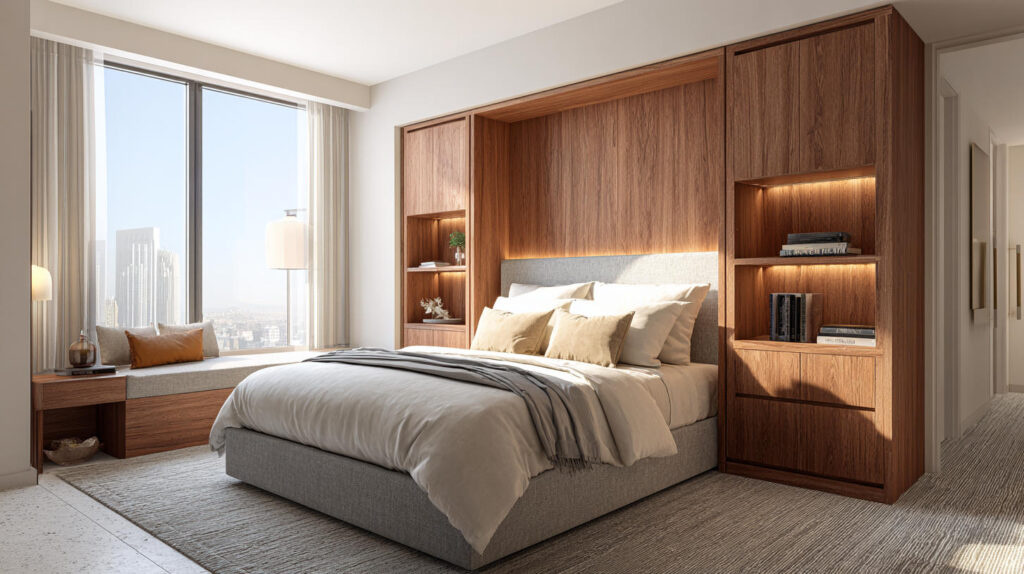
Hotel furniture plays an important role in shaping guests’ perception of service quality by influencing their first impressions, comfort, convenience, and overall experience throughout their stay. In this article, Ngoc Hoang Anh explores how thoughtful hotel furniture design can enhance perceived service quality and create a more positive guest experience.
1. Creating the first impression of hotel service quality
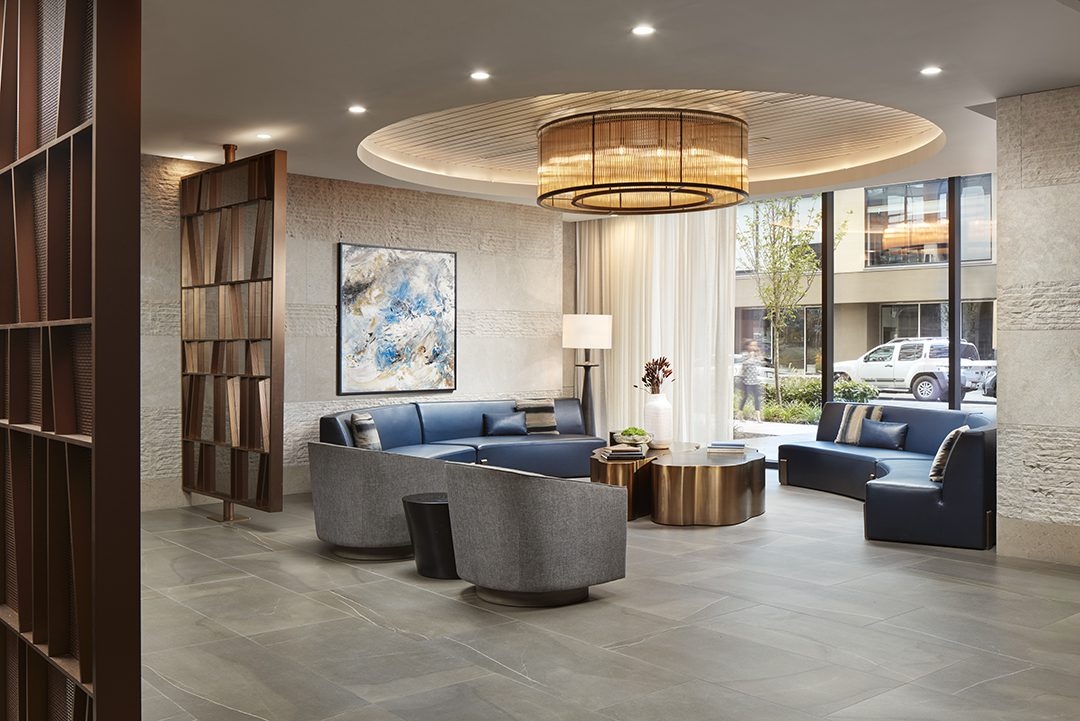
Hotel furniture is one of the first elements guests notice when entering a property, particularly in reception and waiting areas. Well-designed furniture can create an impression of professionalism, organization, and attention to detail, helping guests form positive expectations about the quality of service they will receive.
1.1 Using reception furniture to communicate professionalism
A well-designed reception desk should reflect the hotel's service standards through its proportions, materials, finishes, and overall presentation. A neat and functional reception area can make the check-in process feel more organized while giving guests greater confidence in the hotel's professionalism and attention to detail.
1.2 Creating a welcoming atmosphere through furniture design
Comfortable seating, appropriately positioned tables, and visually balanced furniture can make the reception and waiting areas feel more inviting. The right combination of furniture helps guests feel comfortable from the moment they arrive while creating a more relaxed environment before check-in or while waiting for hotel services.
1.3 Maintaining consistency between furniture and hotel positioning
Furniture should reflect the hotel's overall positioning, whether it focuses on luxury, business travel, leisure, or boutique hospitality. Consistent materials, colors, proportions, and design details help communicate the intended level of quality and ensure that the physical environment aligns with guests' expectations of the hotel's services.
2. Improving perceived comfort throughout the guest experience
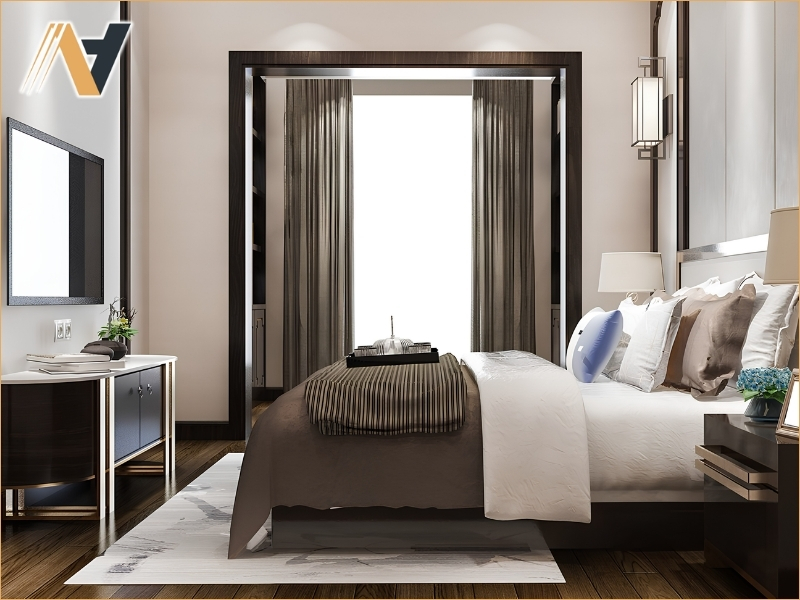
Furniture directly affects how comfortable guests feel when they sit, rest, work, dine, or store their belongings, making suitable dimensions, ergonomic design, and practical arrangements important factors in creating a positive perception of service quality throughout the hotel.
2.1 Choosing furniture that supports comfortable use
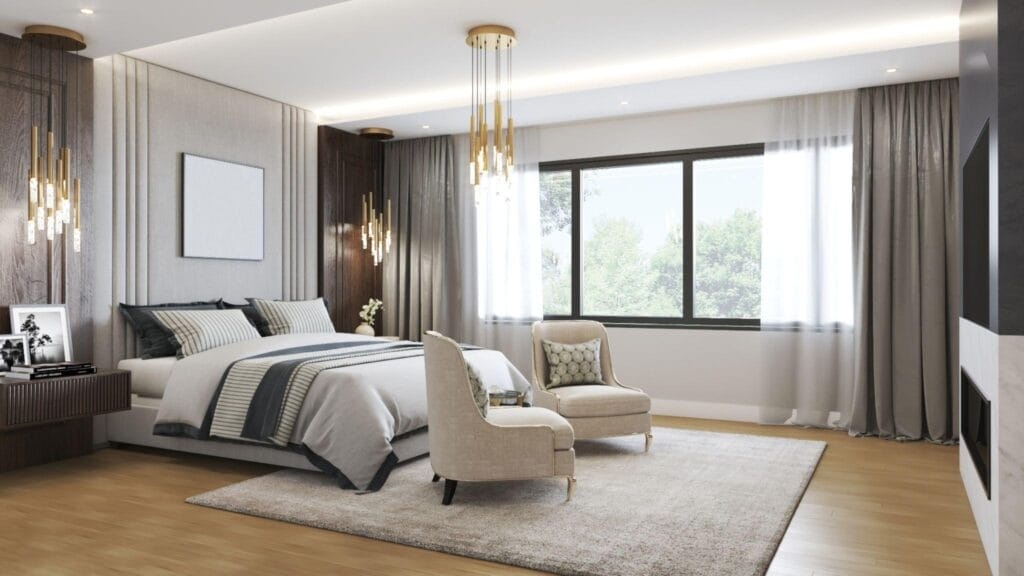
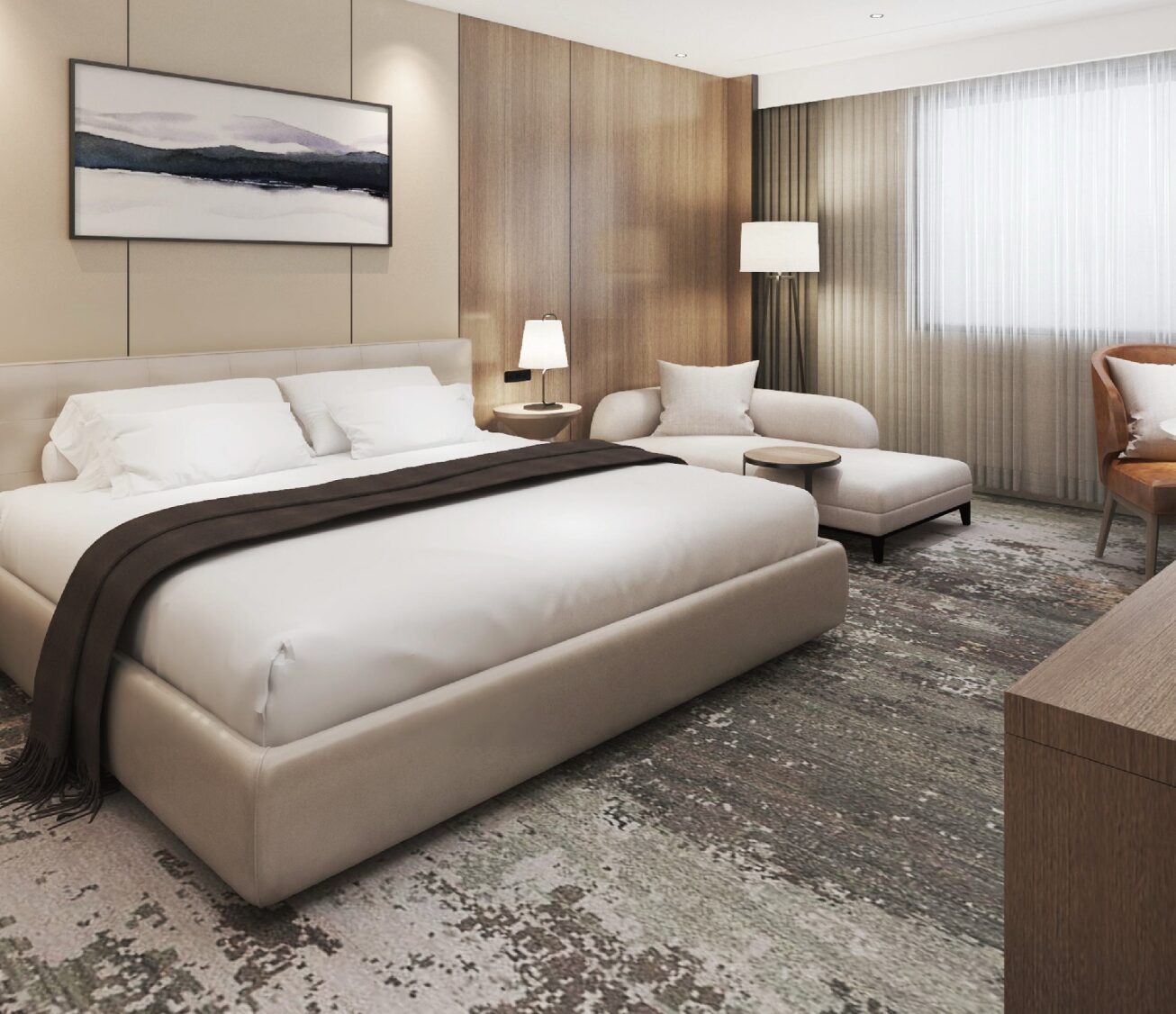
Hotel furniture should provide appropriate dimensions, support, and proportions for its intended purpose, from beds and lounge chairs to desks and dining chairs. Comfortable furniture allows guests to use each space with greater ease and can contribute to a stronger impression of attentive and thoughtful service.
2.2 Designing furniture according to different guest activities
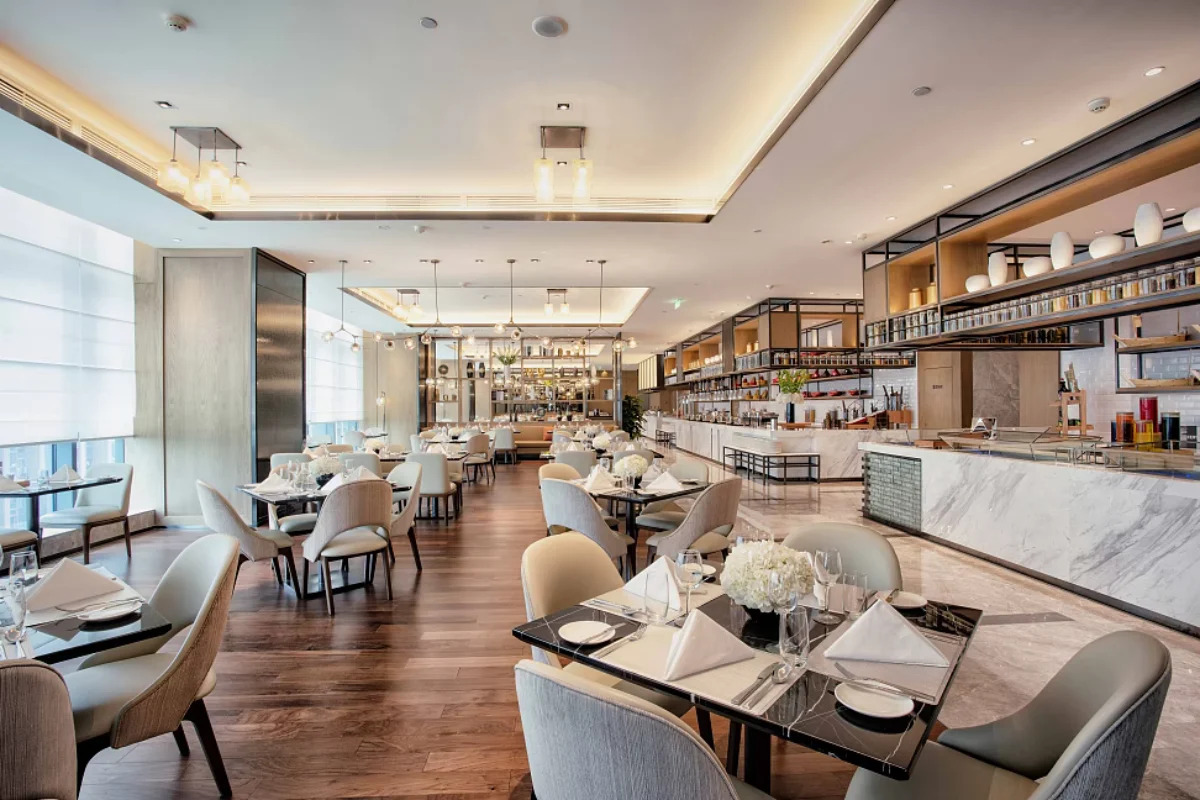
Different areas should provide furniture suited to specific guest activities, such as relaxing, working, dining, reading, or storing personal belongings. Designing furniture around these needs allows guests to use hotel spaces more naturally while making essential functions easier and more convenient during their stay.
2.3 Balancing comfort, functionality, and available space
Furniture should provide sufficient comfort without making rooms or shared areas feel crowded, with suitable dimensions and thoughtful placement helping maintain clear circulation and practical use. This balance allows guests to enjoy comfortable spaces while also supporting the hotel's daily operations.
3. Using furniture aesthetics to reinforce hotel quality
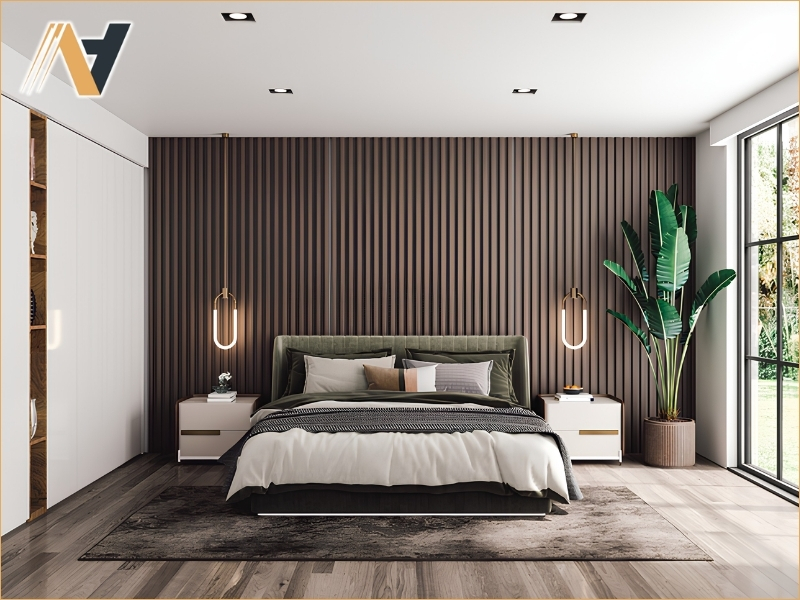
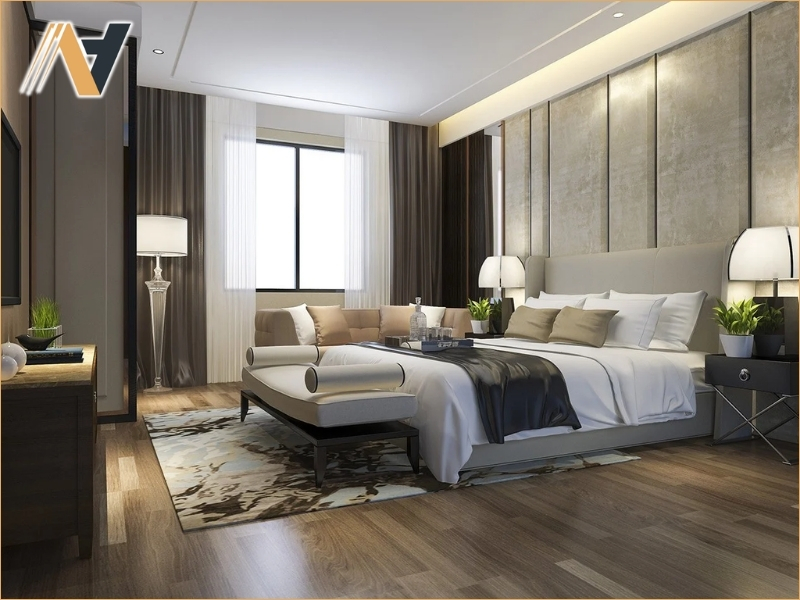
The visual quality of hotel furniture can strongly influence how guests evaluate the property, as carefully selected materials, finishes, proportions, and design details can create a sense of refinement and reinforce the hotel's positioning while contributing to a cohesive overall interior experience.
3.1 Coordinating furniture with the overall interior concept
Furniture should complement the hotel's architectural style, color palette, lighting, flooring, wall finishes, and decorative elements to create a cohesive visual environment. When furniture is thoughtfully integrated into the overall concept, guests are more likely to perceive the property as professionally designed and consistently managed.
3.2 Selecting materials and finishes that convey quality
The choice of wood, metal, upholstery, stone-inspired surfaces, and other materials can influence how guests perceive the quality of a hotel's interior. Durable materials with carefully executed finishes can create a refined appearance while helping furniture maintain its visual appeal through frequent daily use.
3.3 Creating visual consistency across different hotel areas
Furniture should maintain recognizable design elements across reception areas, guest rooms, restaurants, lounges, and other spaces while allowing appropriate variations for each function. Consistent materials, colors, finishes, and design details help create a unified identity and reinforce the impression of a professionally managed hotel.
4. Supporting perceptions of cleanliness and professional management
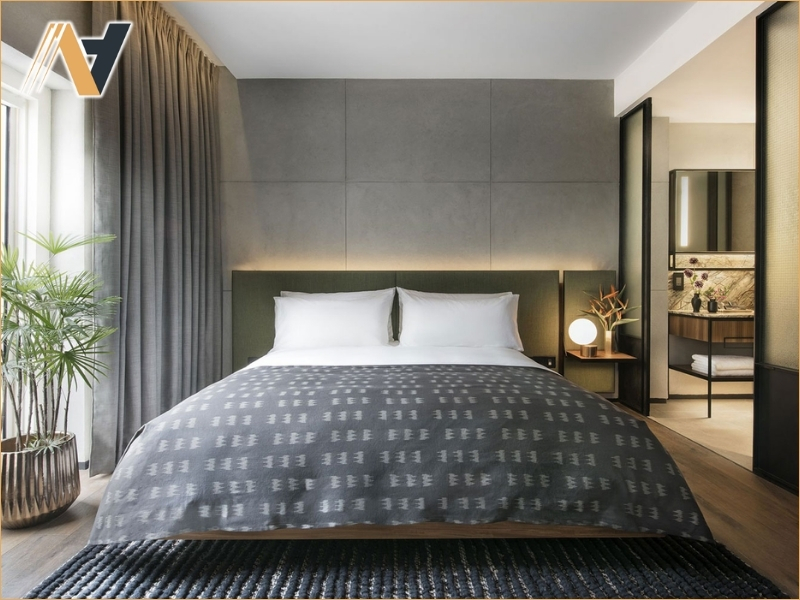
The condition and maintainability of hotel furniture can influence how guests evaluate the property's cleanliness and management standards. Furniture that remains clean, well-maintained, and visually consistent can create a stronger sense of care and professionalism throughout the guest experience.
4.1 Choosing furniture that is easy to clean and maintain
Hotel furniture should use surfaces, materials, and finishes that can withstand frequent cleaning without quickly losing their appearance or functionality. Easy-to-maintain furniture allows housekeeping teams to keep guest rooms and shared areas clean while supporting consistent presentation throughout daily operations.
4.2 Preventing visible signs of wear and deterioration
Furniture exposed to frequent use should be selected for durability and resistance to scratches, stains, moisture, and other common forms of deterioration. Replacing damaged components or repairing worn areas promptly can help prevent outdated or neglected furniture from negatively affecting guests' perception of service quality.
4.3 Maintaining consistent furniture quality throughout the property
Furniture quality should remain consistent across guest rooms, reception areas, restaurants, lounges, and other service spaces. Regular inspection, maintenance, and timely replacement of damaged items can help the entire property maintain a polished appearance and demonstrate the hotel's commitment to service standards.
5. Designing hotel furniture around the complete guest experience
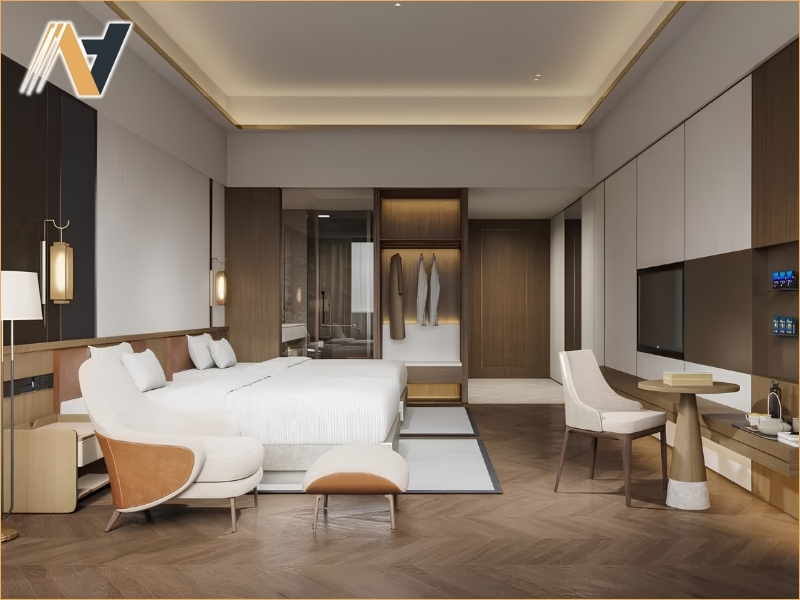
Hotel furniture should be considered as part of the complete guest journey, from arrival and check-in to time spent in guest rooms, dining areas, and shared spaces. A coordinated furniture strategy can improve convenience, reinforce service standards, and create a consistent experience across the entire property.
5.1 Connecting furniture design with the hotel service journey
Furniture should be planned according to how guests move through and interact with different areas of the hotel. Reception desks, waiting seats, room furniture, dining tables, and storage solutions should each support specific stages of the guest journey, making services easier to access while creating a seamless overall experience.
5.2 Customizing furniture for different guest needs and room categories
Hotels can customize furniture according to room size, guest capacity, service level, and intended use, allowing standard rooms, suites, business rooms, and other accommodation types to provide appropriate functionality and comfort while maintaining a consistent design identity throughout the property.
5.3 Working with professional hotel furniture manufacturers
An experienced hotel furniture manufacturer can help transform service requirements and design concepts into practical furniture solutions, from material and dimension selection to customized production and finishing. This approach allows hotels to achieve consistent quality while creating furniture that supports both guest expectations and long-term operational needs.
Conclusion
Hotel furniture can significantly influence how guests perceive service quality by shaping first impressions, comfort, visual appeal, cleanliness, and overall convenience throughout their stay. By selecting furniture that combines thoughtful design, durable materials, practical functionality, and consistent quality, hotels can create a more positive guest experience while reinforcing their service standards.
For hotels looking to create refined and functional spaces, Ngoc Hoang Anh provides premium Vietnam hotel furniture customized to the property's design concept, operational requirements, and guest experience goals.
Contact us today for expert consultation and bespoke hospitality furniture solutions.
-----
NGOC HOANG ANH TRADING COMPANY LIMITED
Tax Code: 3702874413
Address: No. 288/28/10 Huynh Van Luy Street, Zone 7, Phu Loi Ward, Ho Chi Minh City, Vietnam
Warehouse: No. 1/91, Thuan Giao 02 Street, Binh Thuan 2 Residential Quarter, Thuan Giao Ward, Ho Chi Minh City, Vietnam
Phone/Whatsapp/Wechat: +84342076666
Email: info@ngochoanganh.com.vn