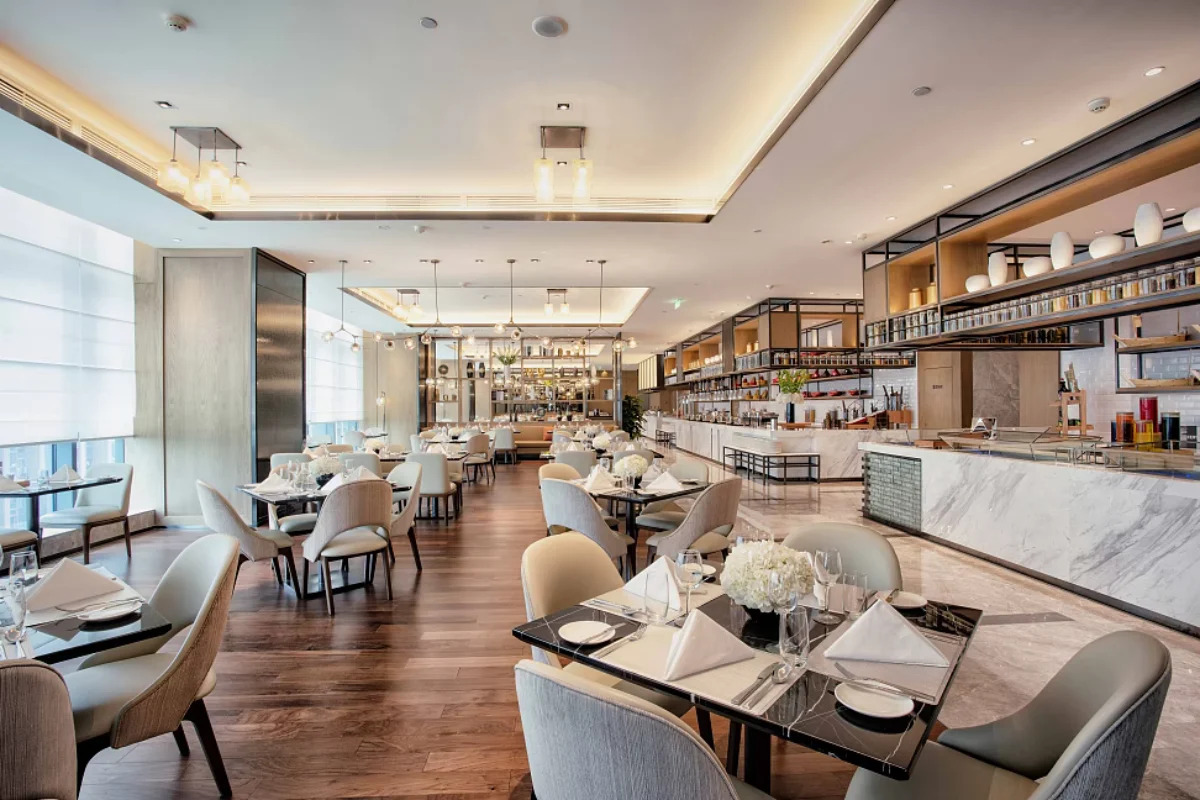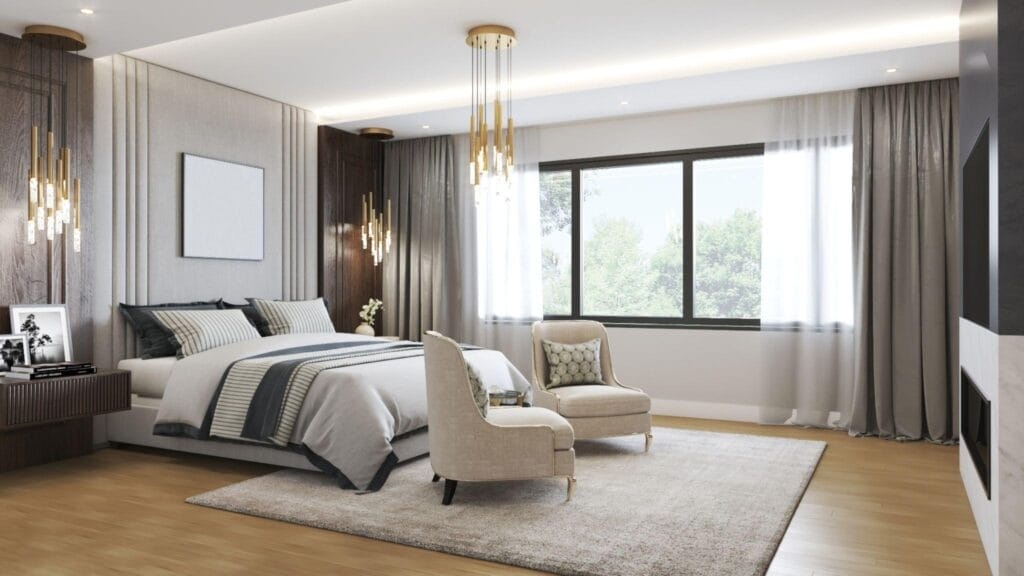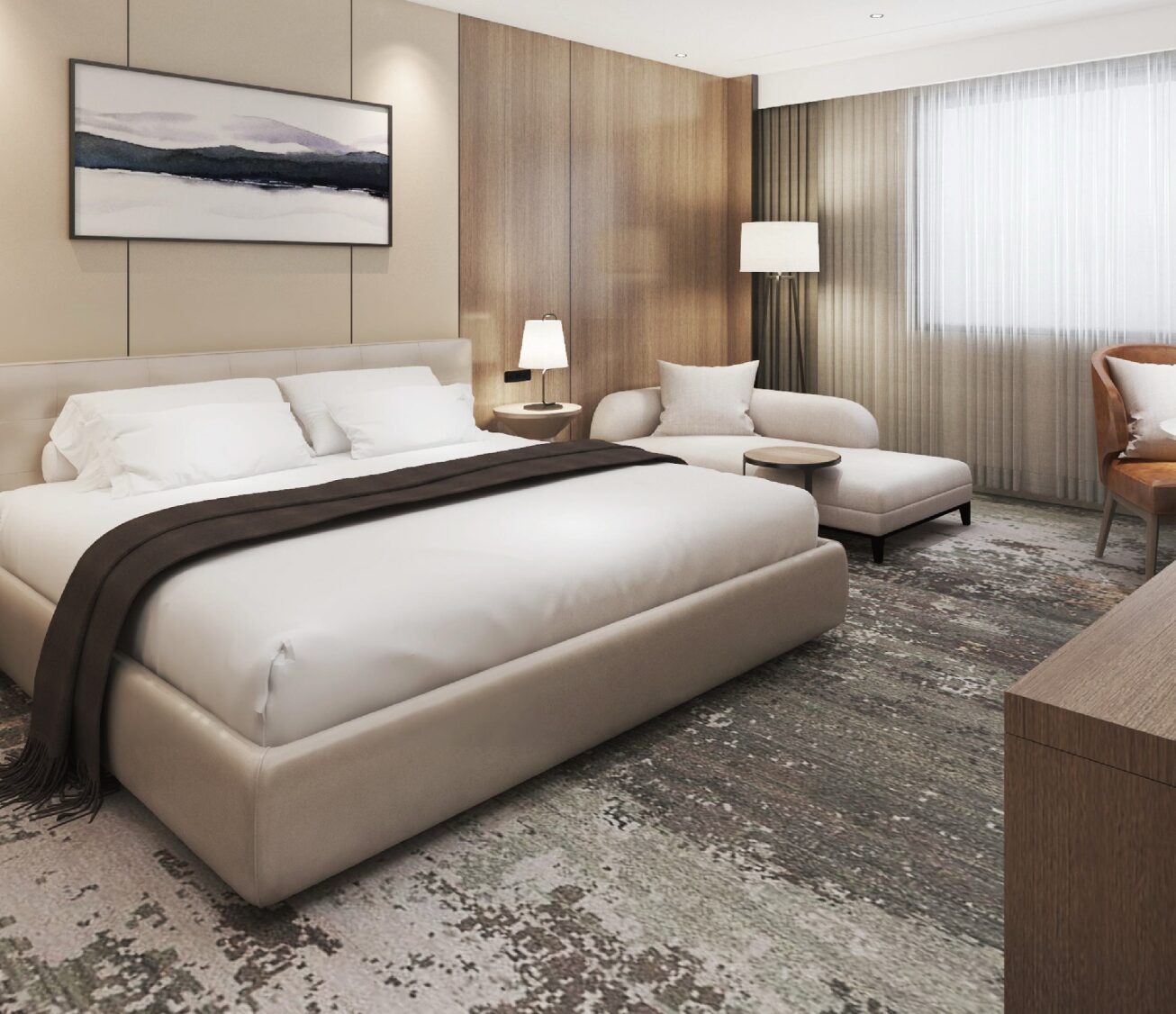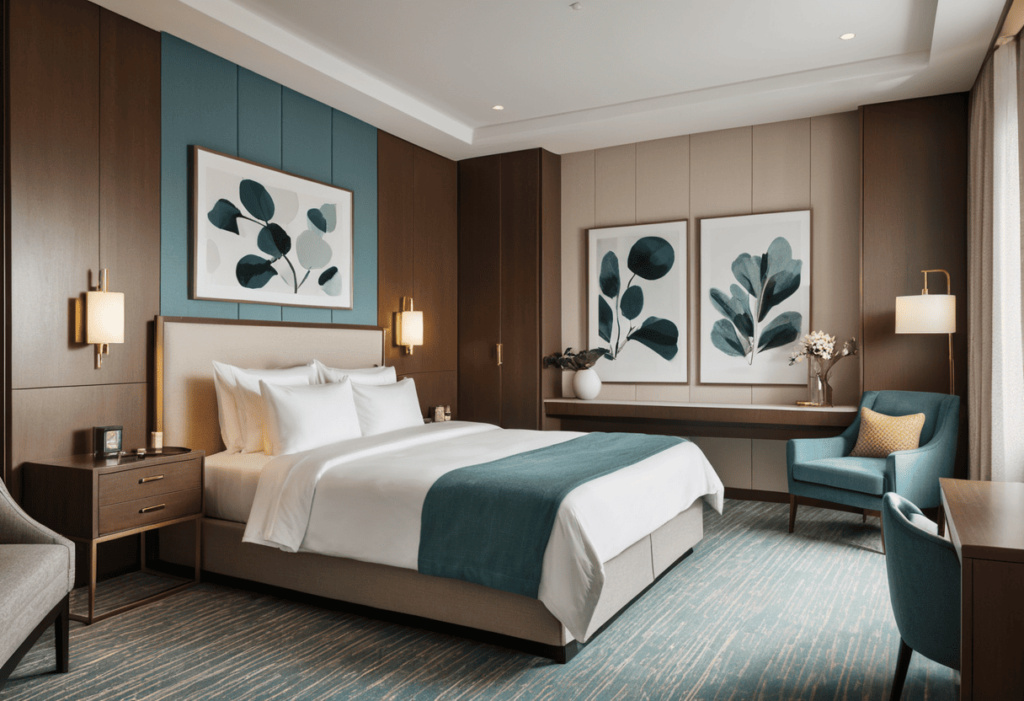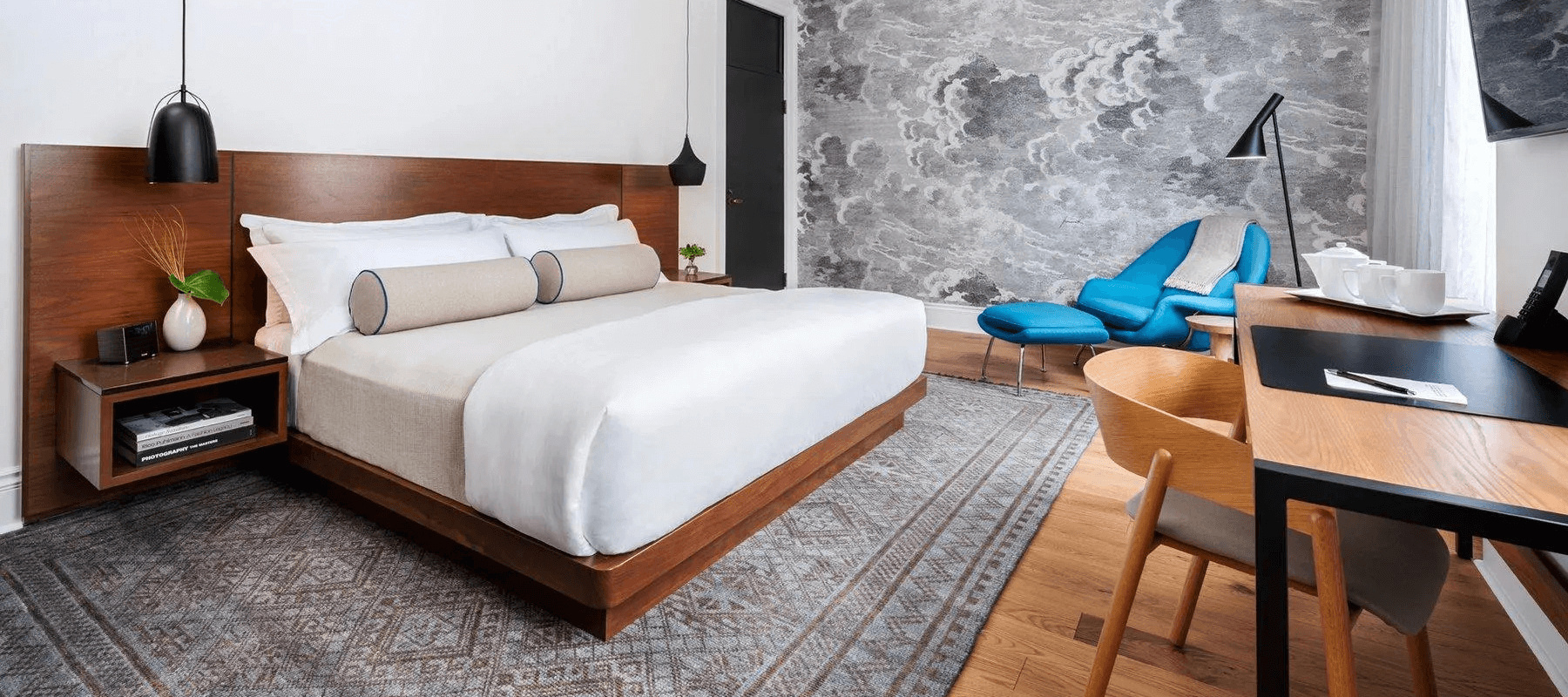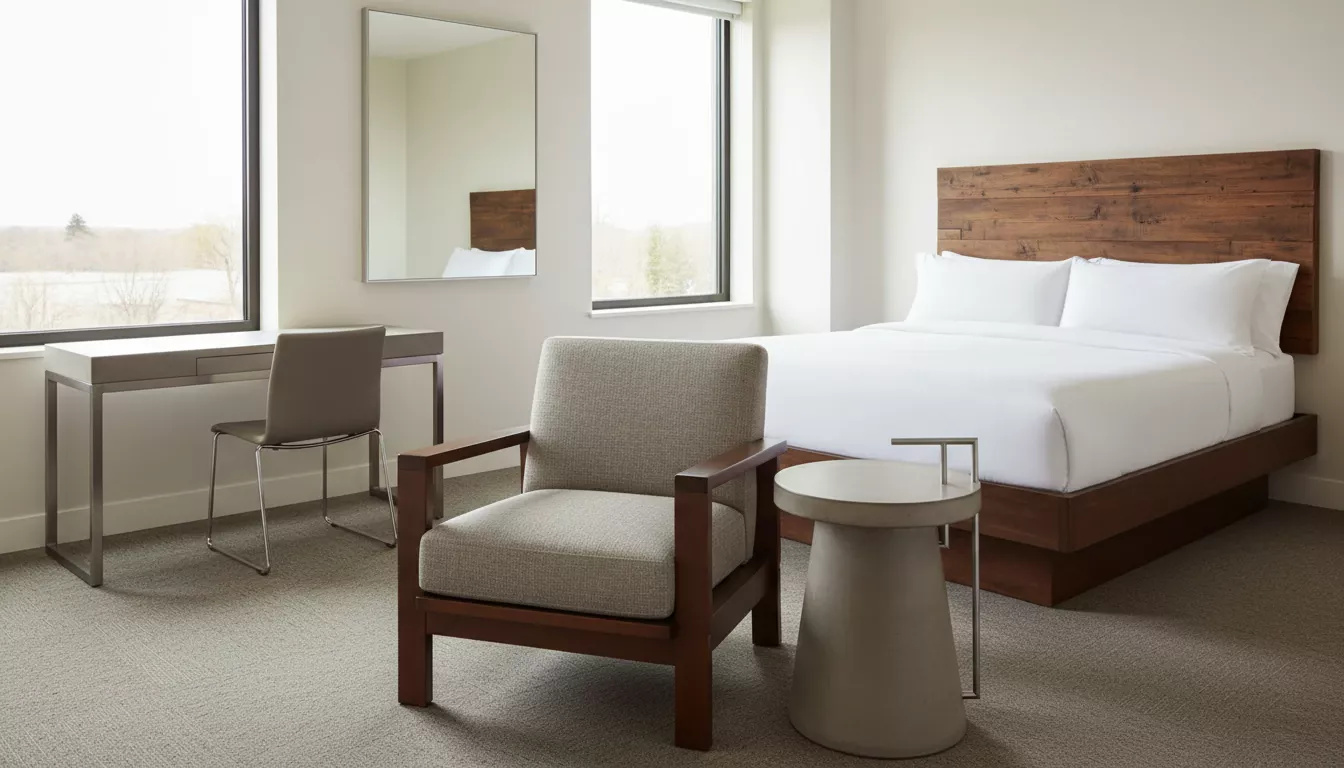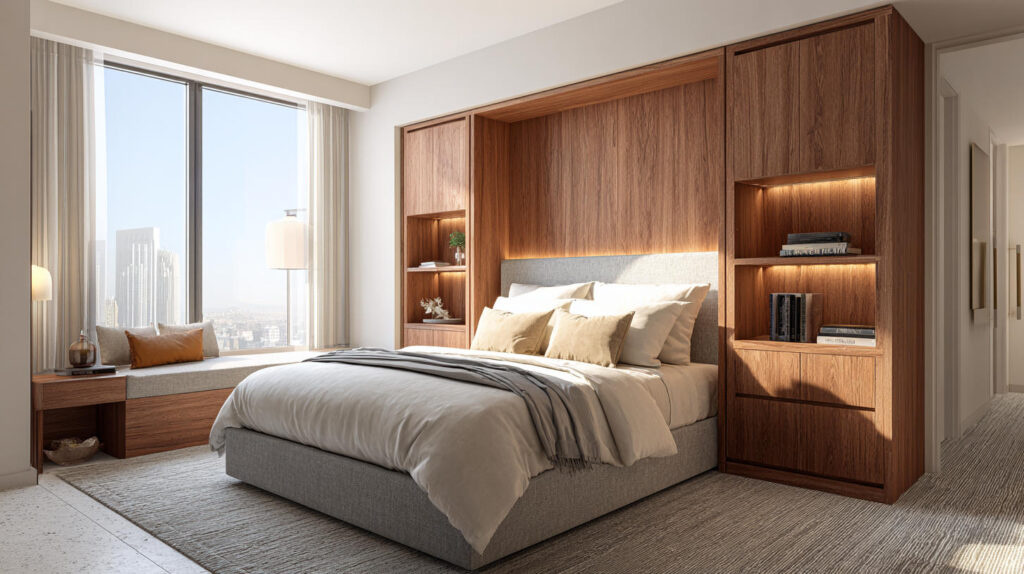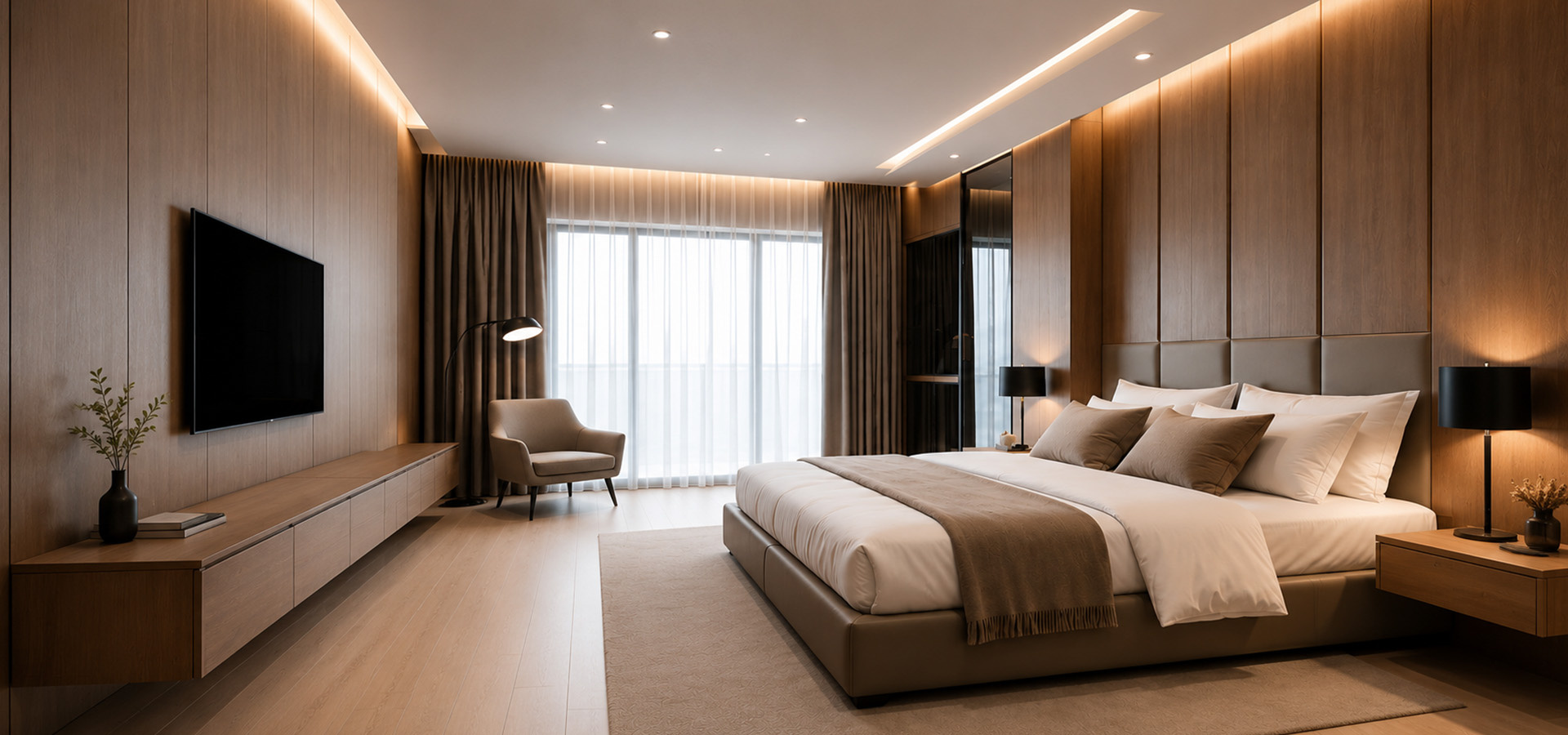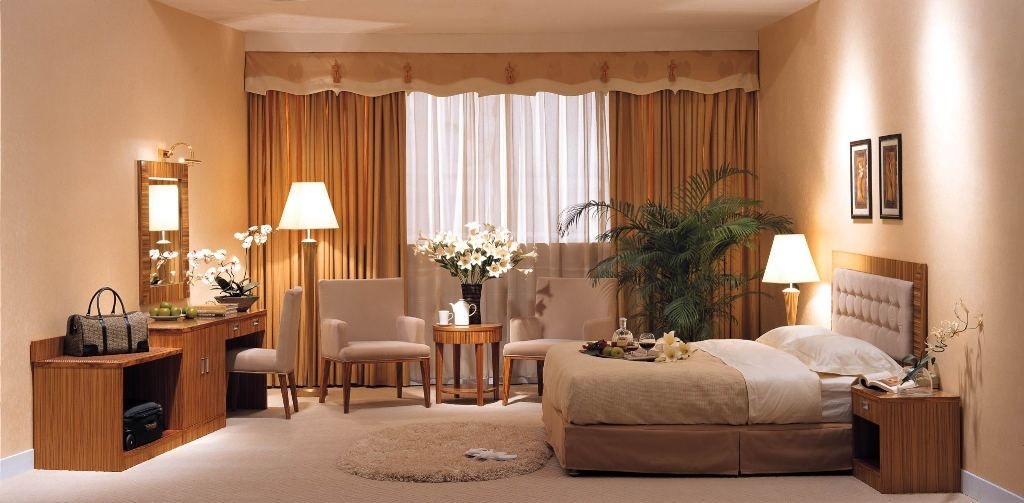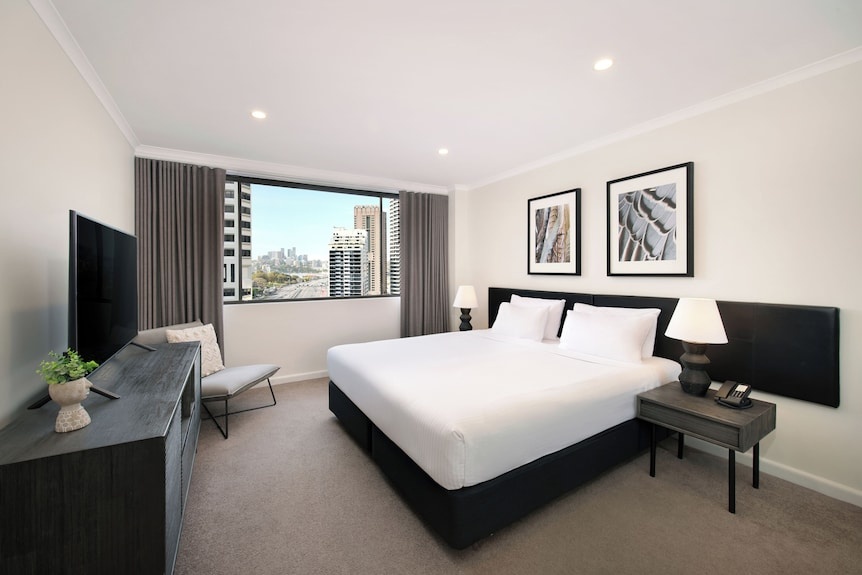
Hotel furniture designed to optimize the check-in experience and guest amenities
Thứ 7, 26/09/2026
Administrator
53
Hotel furniture should be designed around the guest journey to make check-in more welcoming and daily access to essential amenities more convenient, comfortable, and intuitive. In this article, Ngoc Hoang Anh shares practical solutions for guest-focused hotel interiors.
1. Designing hotel furniture to improve the check-in experience
Hotel furniture in the reception area directly influences guests' first impressions and the efficiency of the check-in process, so thoughtful selection of reception desks, seating, luggage areas, and supporting furniture can create a welcoming environment while helping staff serve guests smoothly and comfortably.
1.1 Creating a welcoming and convenient reception area
The reception area should combine comfortable seating, clear circulation, suitable lighting, and appropriately proportioned furniture to create a welcoming first impression, while the arrangement should allow guests to easily identify the reception desk, waiting areas, entrances, and other essential service points.
1.2 Choosing reception furniture that supports efficient guest service
Reception desks should provide sufficient workspace for staff while offering appropriate counter height, storage compartments, equipment areas, and convenient access to documents or technology, helping employees complete check-in procedures efficiently without creating unnecessary barriers between staff and guests.
1.3 Providing practical spaces for luggage and personal belongings
Dedicated luggage areas, benches, side tables, and storage furniture can make the check-in process more convenient by giving guests practical places to organize or temporarily store their belongings, while carefully positioned furniture helps keep luggage away from circulation paths and prevents congestion in the reception area.
2. Optimizing hotel guest room furniture for convenient amenity use
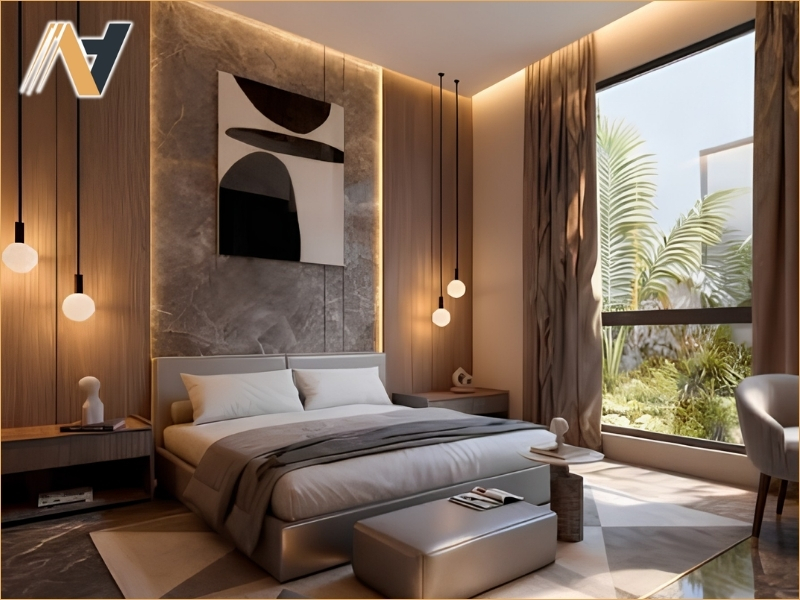
Hotel guest room furniture should be arranged around the way guests move, rest, work, store belongings, and access essential amenities, allowing frequently used items to remain within easy reach while maintaining comfortable circulation and a clean, organized interior throughout the stay.
2.1 Positioning bedside furniture for easy access to essential amenities
Bedside tables should be positioned within comfortable reach of the bed and provide suitable spaces for personal items, phones, lighting controls, charging devices, and other essentials, helping guests access frequently used amenities without needing to leave the sleeping area.
2.2 Designing desks and seating areas for practical guest use
Desks, chairs, lounge seating, and side tables should be arranged according to actual guest activities such as working, reading, dining, or relaxing, with appropriate dimensions and clearances helping guests use these areas comfortably while keeping essential amenities and personal belongings conveniently accessible.
2.3 Integrating storage solutions for personal belongings and luggage
Wardrobes, cabinets, luggage benches, drawers, and other storage furniture should be positioned according to the guest's natural movement through the room, providing convenient places for clothing, suitcases, shoes, and personal belongings while keeping circulation areas organized and visually uncluttered.
3. Improving guest convenience through functional hotel furniture
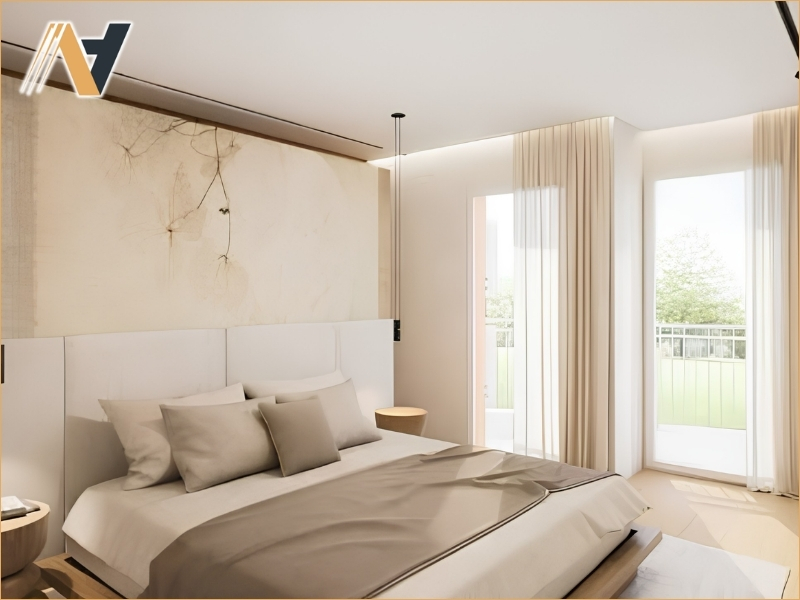
Functional hotel furniture can make essential amenities easier to access while reducing unnecessary movement around the room, with integrated technology, multifunctional designs, and clearly organized amenity zones helping guests enjoy greater convenience throughout their stay.
3.1 Integrating convenient charging and technology features
Hotel furniture can incorporate charging ports, power outlets, cable management, lighting controls, and other technology-friendly features near beds, desks, and seating areas, allowing guests to access essential devices conveniently while keeping cables organized and reducing visual clutter.
3.2 Designing multifunctional furniture for different guest needs
Multifunctional desks, storage units, benches, bedside tables, and seating can combine several purposes within a single furniture piece, helping guests work, relax, store belongings, or access amenities without requiring excessive furniture that could reduce available floor space.
3.3 Creating easy-to-access furniture and amenity zones
Frequently used amenities should be positioned within intuitive and comfortable reach, with furniture arranged to create clearly defined zones for sleeping, working, relaxing, storage, and personal care, helping guests understand how to use the room and access essential facilities without unnecessary movement.
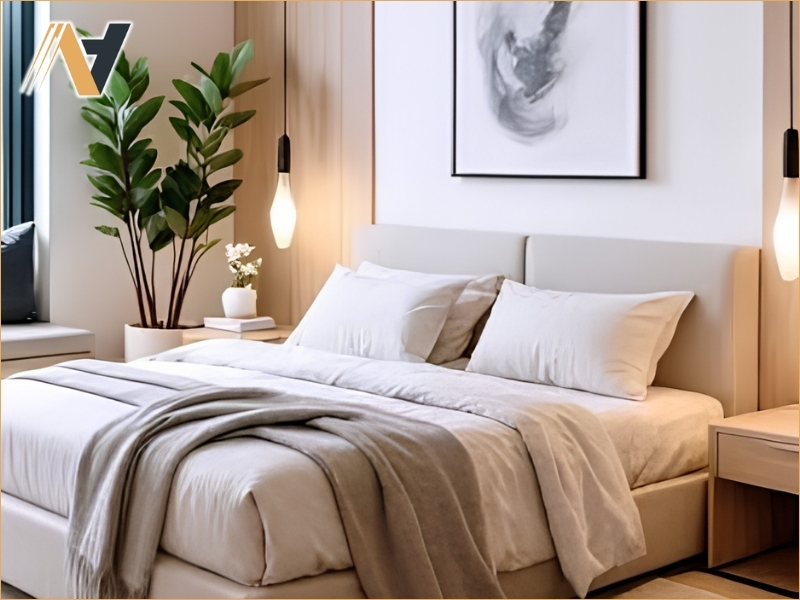
4. Coordinating hotel furniture layout with the guest journey
Hotel furniture layout should follow the natural journey from arrival and check-in to room use and access to amenities, creating clear movement paths and intuitive functional zones that help guests navigate the property comfortably while supporting efficient service and maintaining a refined interior experience.
4.1 Connecting reception, circulation, and waiting areas
Reception desks, waiting seats, luggage areas, corridors, and access points should be arranged as connected functional zones, allowing guests to move naturally from arrival to check-in and onward to their rooms without unnecessary obstacles, congestion, or confusion.
4.2 Optimizing furniture placement for intuitive movement
Furniture should be positioned according to natural circulation patterns, with clear pathways between entrances, reception counters, elevators, seating areas, guest rooms, and amenities, helping guests understand where to move while allowing hotel staff to provide services efficiently without disrupting guest traffic.
4.3 Maintaining comfort and accessibility throughout shared spaces
Shared hotel areas should provide sufficient space for guests to move, wait, sit, and access services comfortably, while furniture dimensions and placement should consider different mobility needs, luggage movement, peak traffic, and daily operations to create a more accessible and convenient guest experience.
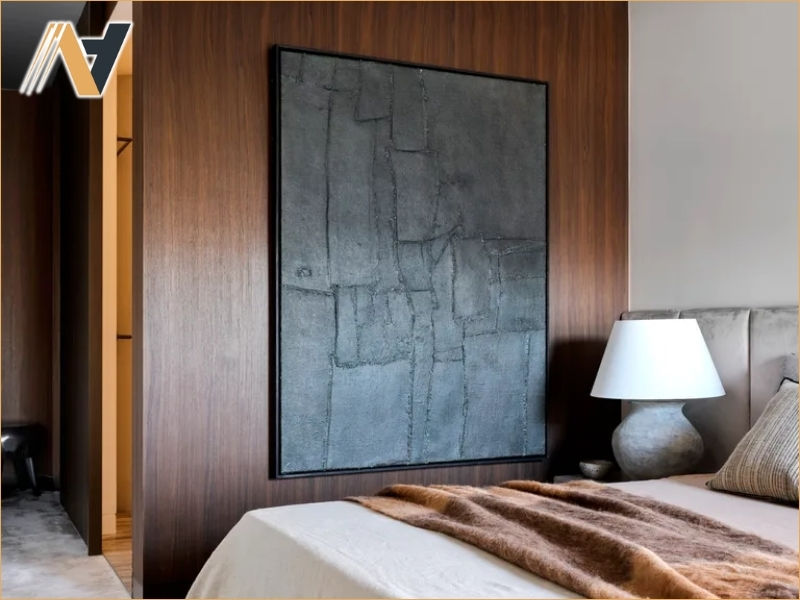
5. Developing customized hotel furniture for better guest experience
Customized hotel furniture allows properties to adapt furniture dimensions, functions, storage, technology features, and finishes to actual guest needs, helping create more convenient spaces while maintaining design consistency, operational efficiency, and a distinctive hospitality experience across the property.
5.1 Customizing furniture according to hotel layouts and service models
Furniture should be developed according to actual floor plans, room dimensions, circulation requirements, service models, and guest profiles, allowing reception desks, beds, storage units, desks, seating, and amenity furniture to support specific operational needs while maximizing available space.
5.2 Standardizing furniture solutions across different room categories
Hotels can standardize core furniture dimensions, materials, hardware, finishes, and functional features across suitable room categories while introducing selected variations for premium rooms or suites, helping maintain a consistent brand identity while ensuring each room provides appropriate comfort and amenities.
5.3 Working with professional hotel furniture manufacturers
An experienced hotel furniture manufacturer can transform guest experience requirements into customized furniture specifications, prototypes, and production solutions, helping hotels select suitable materials, integrate practical features, maintain consistent quality, and ensure furniture supports both guest convenience and long-term hospitality operations.
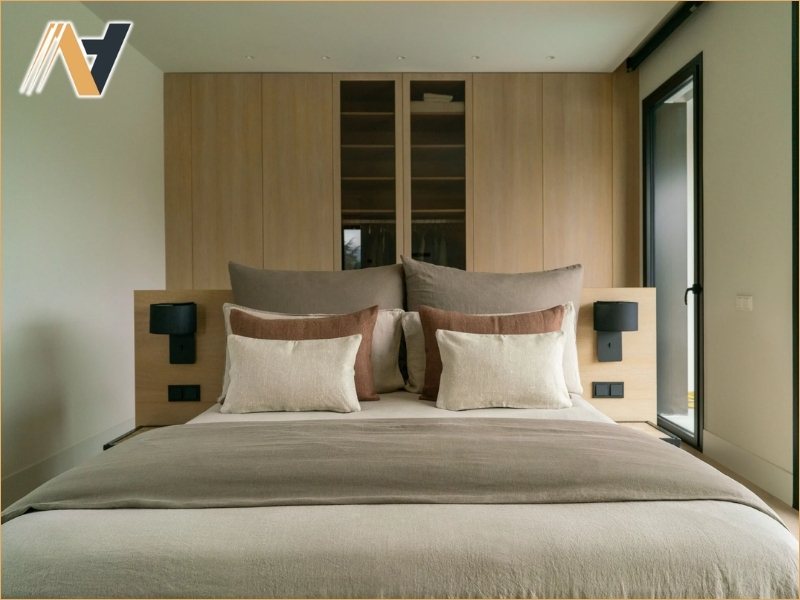
Conclusion
Designing hotel furniture around the guest journey can make check-in more welcoming, improve access to essential amenities, and create a more comfortable experience throughout the stay. By combining functional furniture, intuitive layouts, practical technology features, accessible storage, and customized solutions, hotels can enhance guest satisfaction while supporting efficient daily operations.
For hotels seeking refined, durable, and fully customized solutions, Ngoc Hoang Anh offers premium Vietnam hotel furniture tailored to optimize guest convenience while elevating the functionality and sophistication of modern hospitality interiors.
Contact us today for expert consultation and bespoke hospitality furniture production.
-----
NGOC HOANG ANH TRADING COMPANY LIMITED
Tax Code: 3702874413
Address: No. 288/28/10 Huynh Van Luy Street, Zone 7, Phu Loi Ward, Ho Chi Minh City, Vietnam
Warehouse: No. 1/91, Thuan Giao 02 Street, Binh Thuan 2 Residential Quarter, Thuan Giao Ward, Ho Chi Minh City, Vietnam
Phone/Whatsapp/Wechat: +84342076666
Email: info@ngochoanganh.com.vn