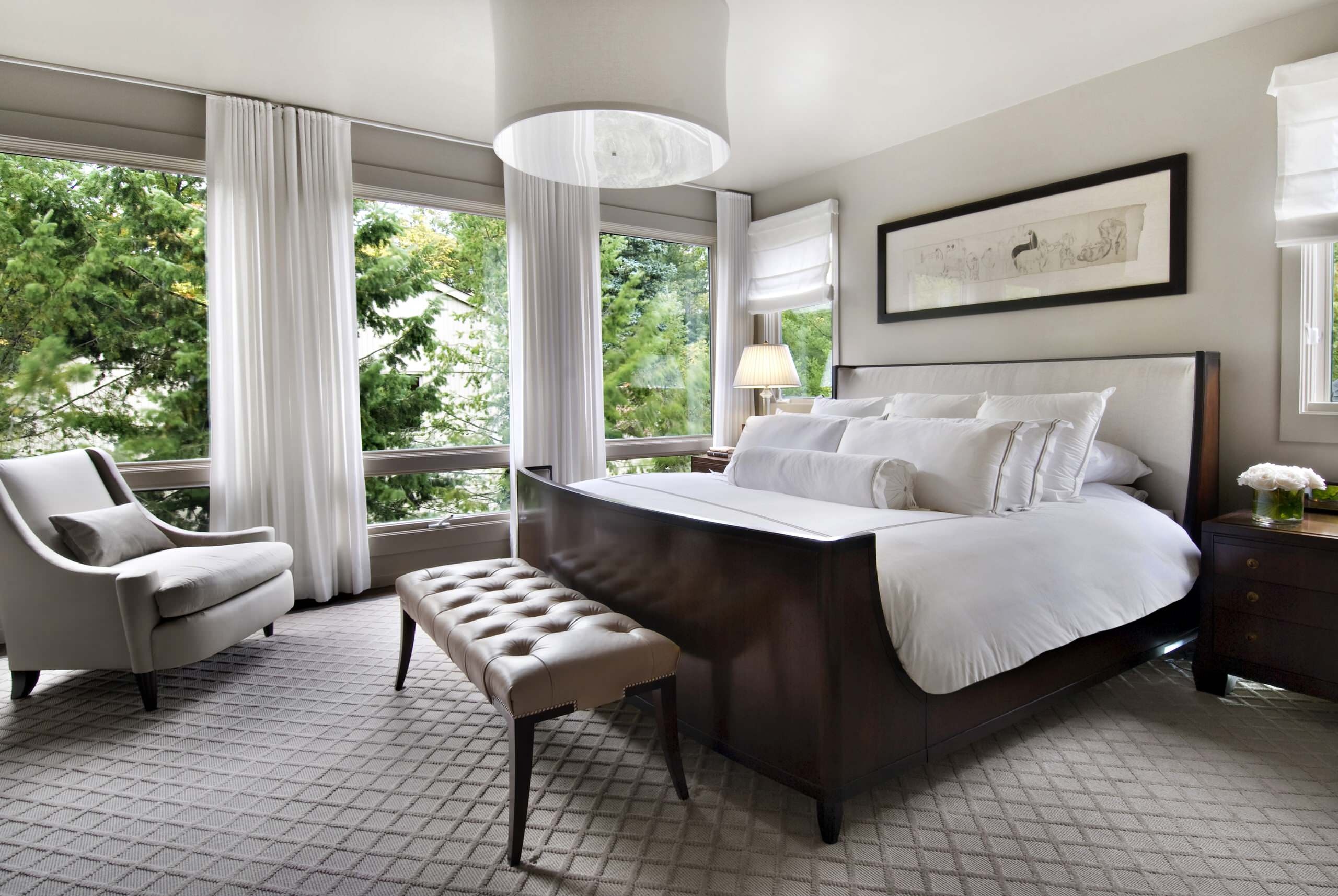
Trends in personalizing hotel interior spaces to enhance guest experience
Thứ 7, 12/09/2026
Administrator
14
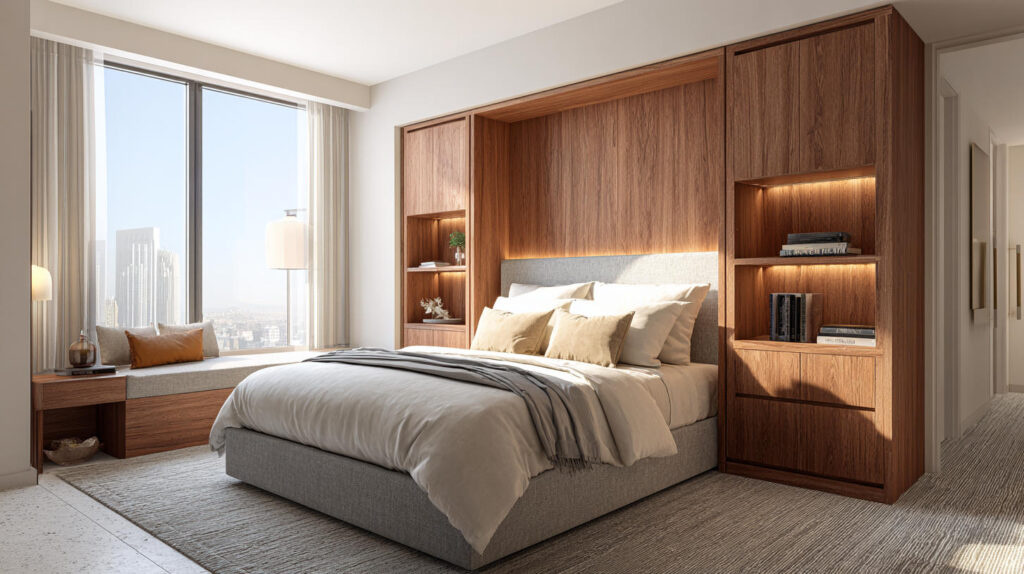
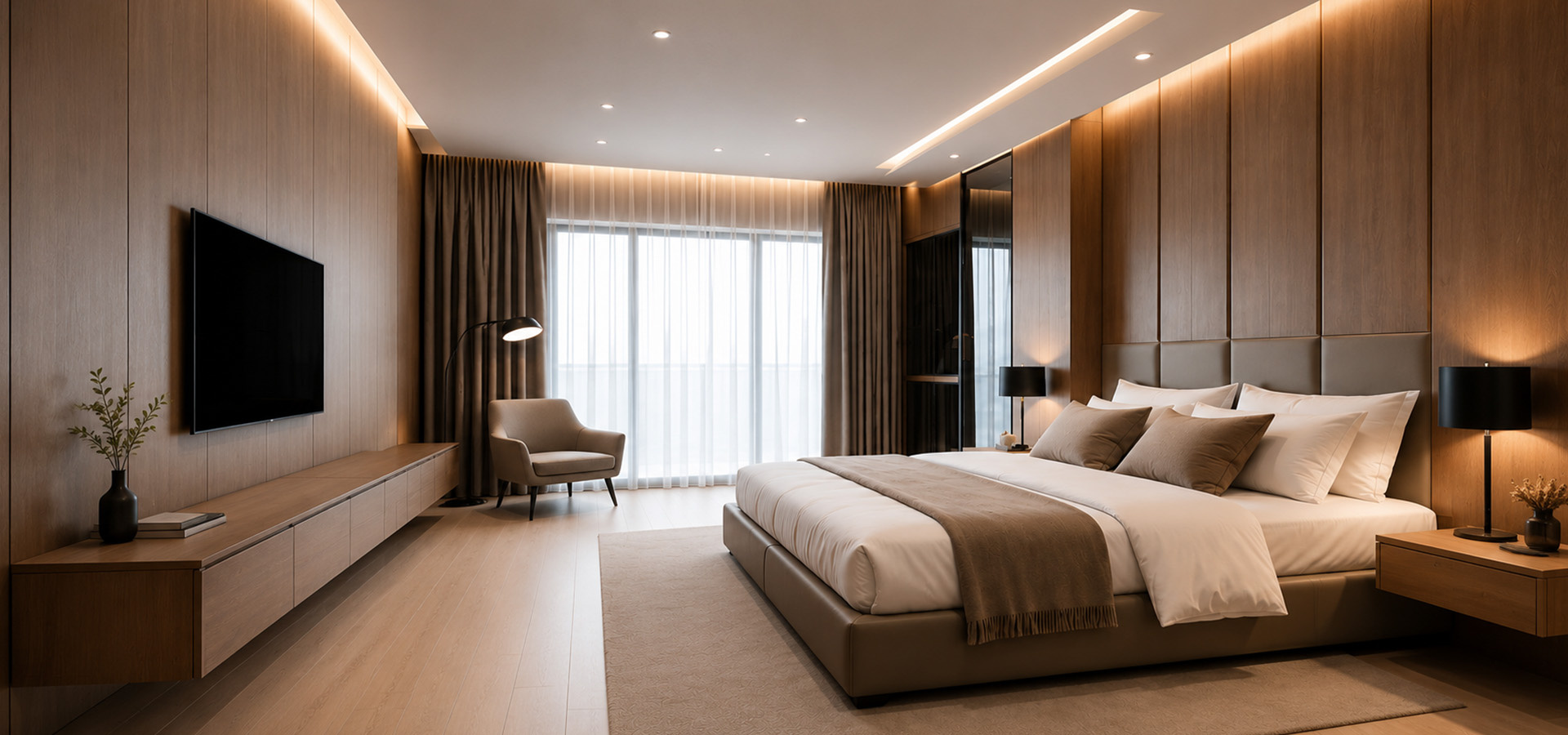
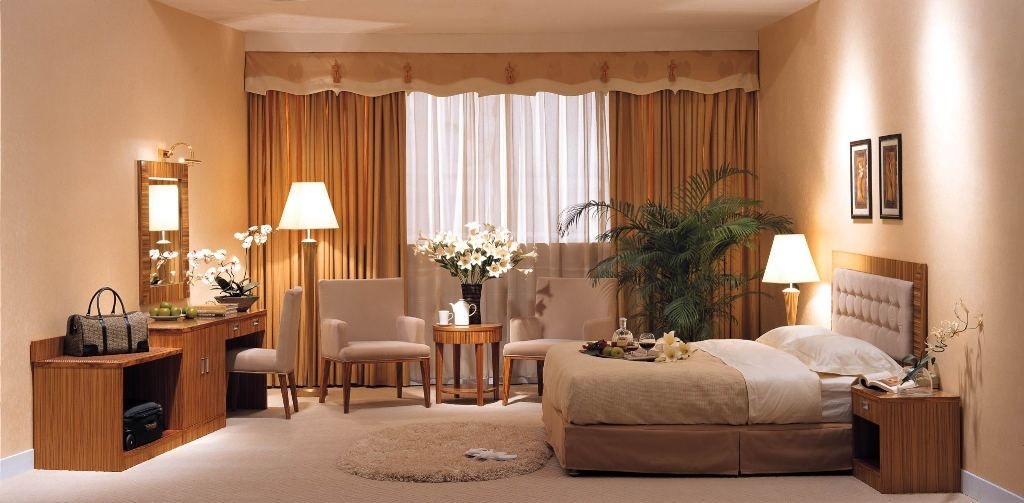
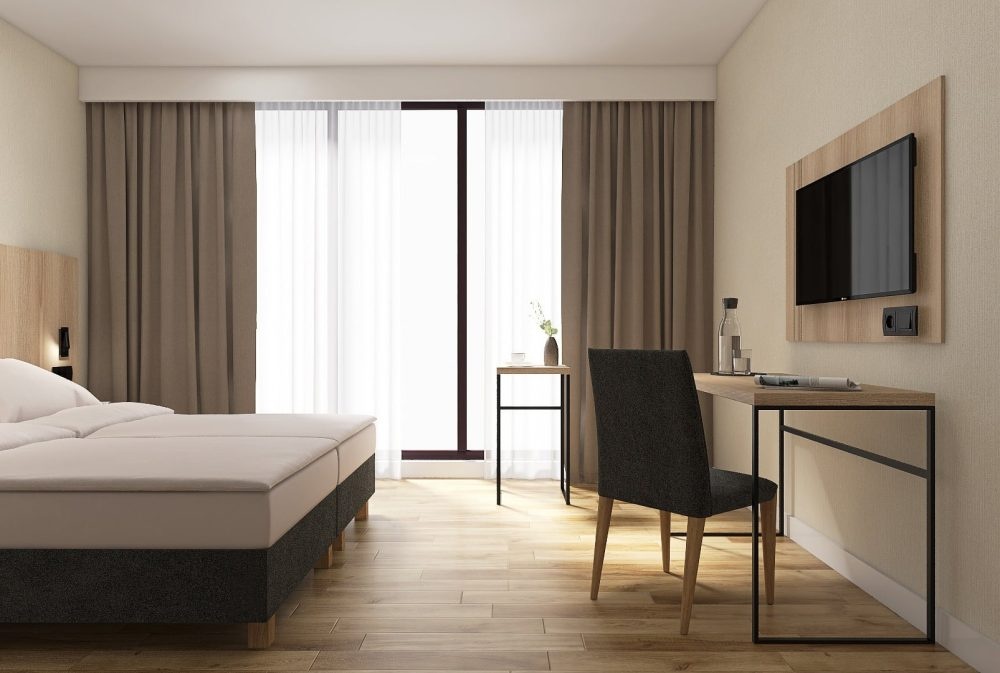
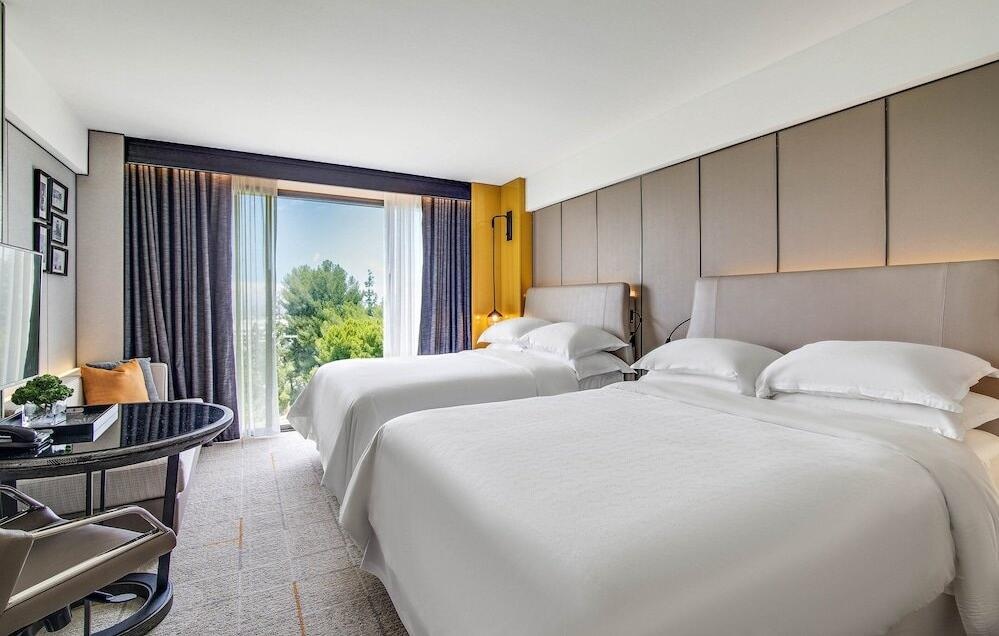
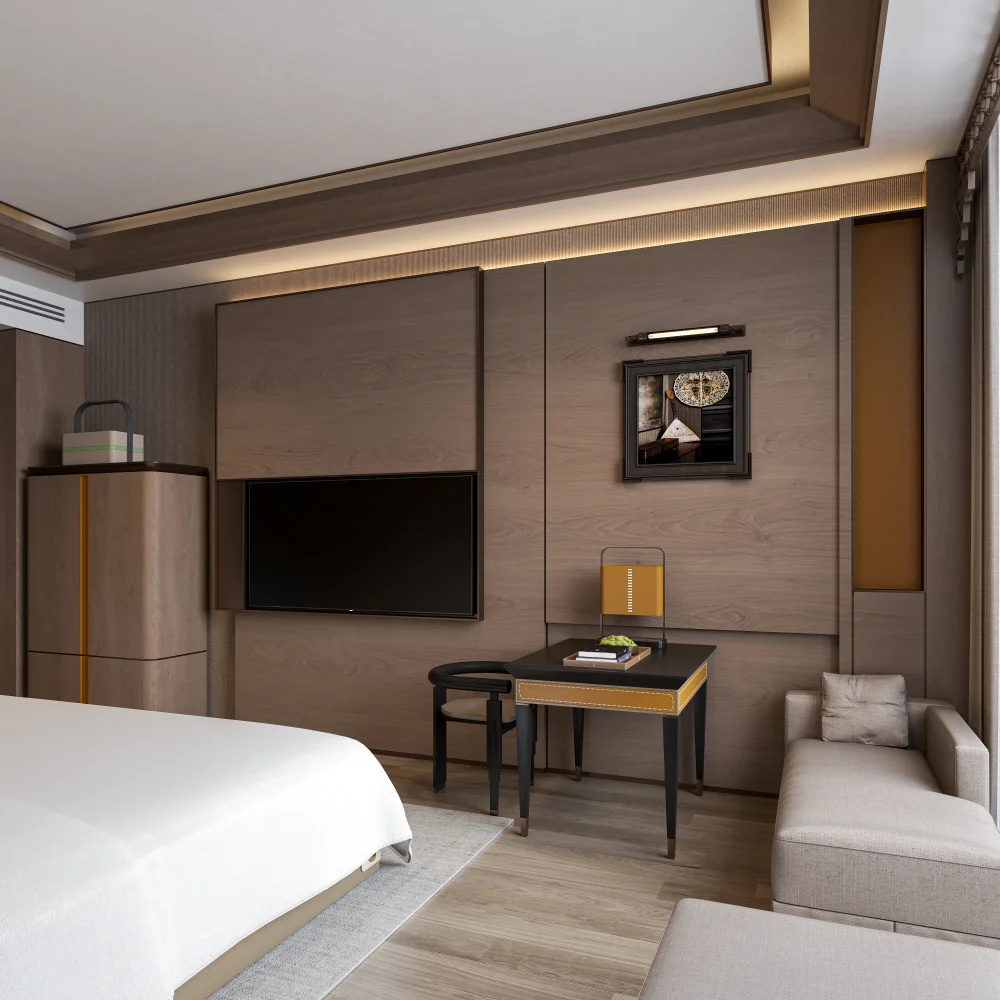
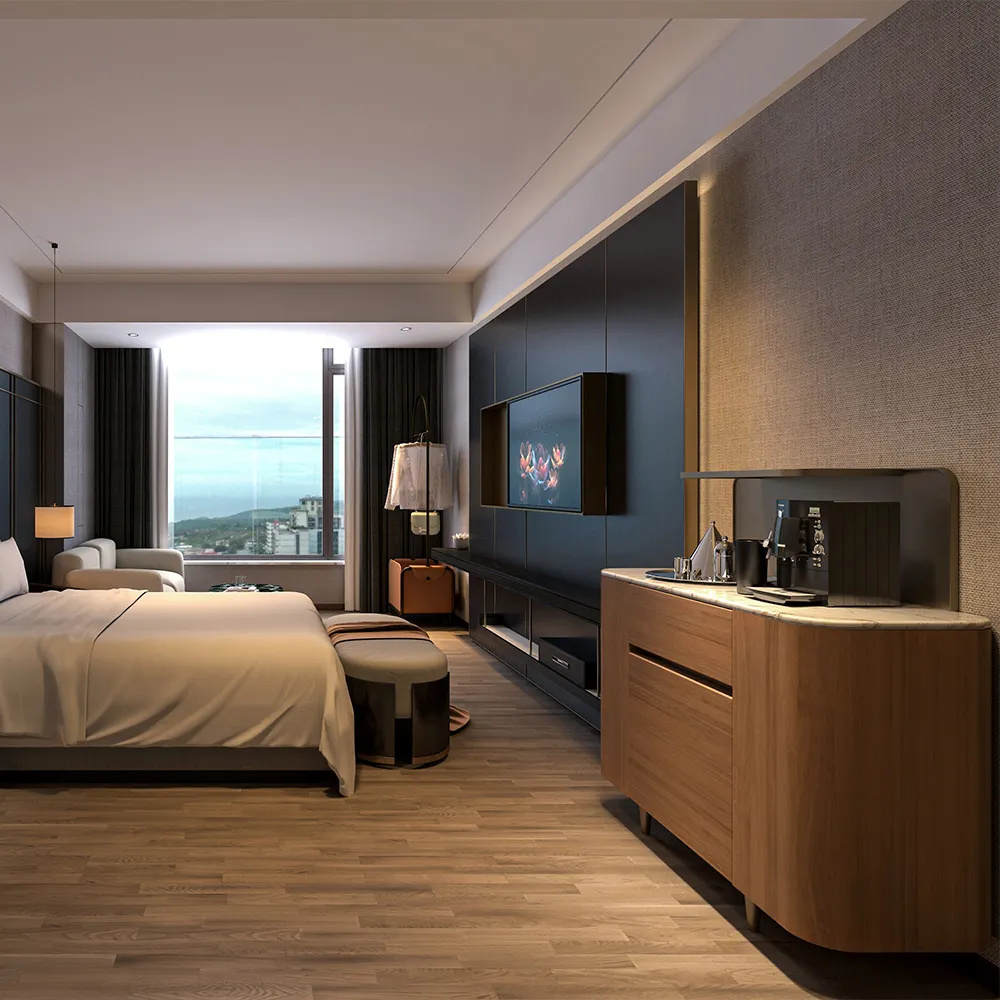
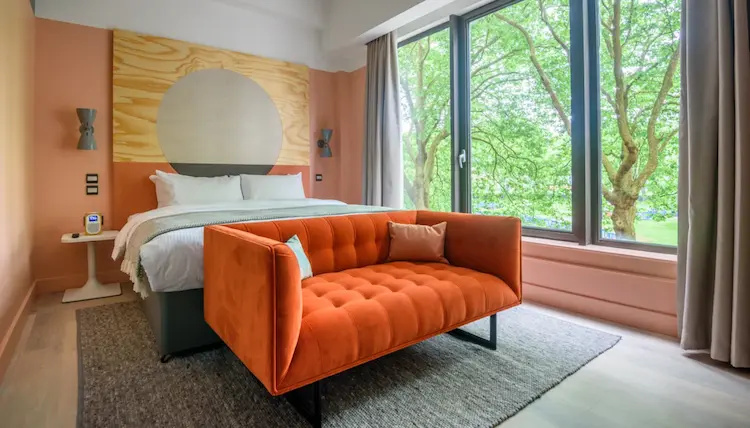
Hotel interior personalization is becoming an important strategy for properties seeking to create memorable stays, reflect their brand identity, and respond to diverse guest preferences through more distinctive and meaningful spaces. In this article, Ngoc Hoang Anh explores key trends in personalized hotel interiors.
1. Understanding the importance of personalized hotel interiors
Personalized hotel interiors allow properties to move beyond standardized design by creating spaces that reflect their brand positioning, target guests, and service concept, helping improve emotional connection, comfort, and overall guest satisfaction while creating a more distinctive hospitality experience.
1.1 Identifying guest preferences and expectations
Understanding guest preferences helps hotels determine suitable furniture styles, room layouts, colors, materials, lighting, storage solutions, and functional features, allowing interior spaces to respond more effectively to different expectations while creating a comfortable environment that feels relevant and thoughtfully designed for the intended guest profile.
1.2 Connecting personalization with hotel brand identity
Personalized interiors should reflect the hotel's positioning through consistent design language, material choices, furniture details, colors, and decorative elements, helping guests recognize the property's character and creating stronger connections between the physical environment, brand values, service concept, and overall hospitality experience.
1.3 Creating memorable experiences through interior design
Unique furniture details, distinctive decorative elements, carefully selected materials, and thoughtfully designed guest spaces can create memorable visual and emotional impressions, helping hotels differentiate themselves from competitors while giving guests a stronger sense that their stay takes place in an environment designed with attention to detail.
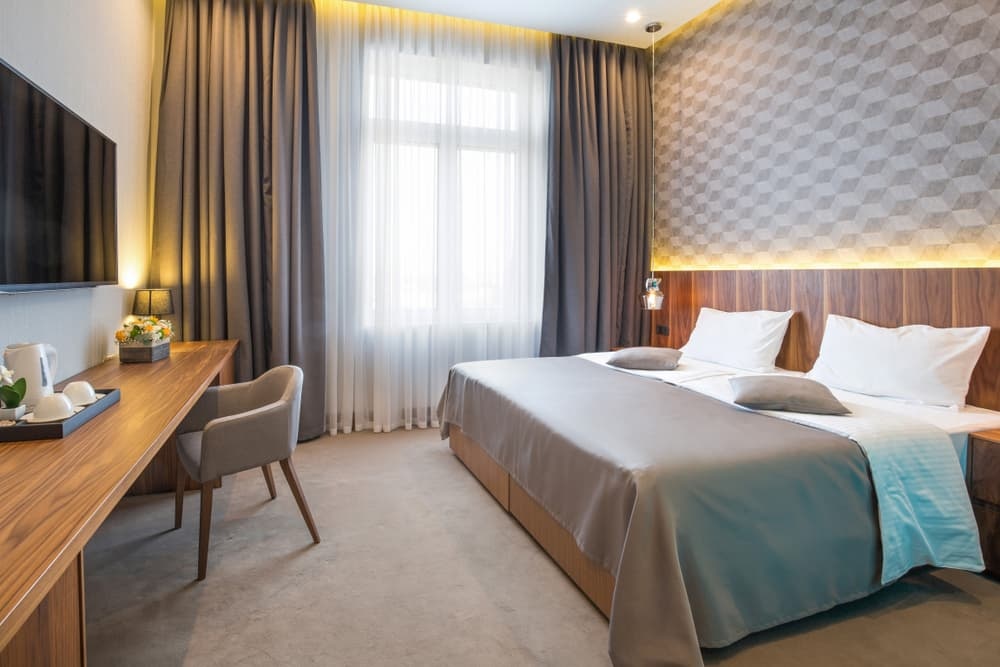
2. Personalizing hotel furniture for different guest needs
Personalized hotel furniture allows properties to adapt room functions, comfort, storage, and design details to different guest profiles, helping create more relevant experiences while maintaining a cohesive interior concept and ensuring that customized solutions remain practical for hotel operations.
2.1 Choosing furniture based on guest profiles
Hotels can select furniture according to the needs of different guest groups, such as business travelers, families, couples, or long-stay guests, with appropriate desks, seating, storage, beds, and functional features helping create rooms that better match specific usage habits and expectations.
2.2 Customizing furniture dimensions and functions
Furniture dimensions, storage capacity, working surfaces, seating arrangements, and integrated features can be customized according to room size and intended use, allowing hotels to optimize available space while providing greater comfort and convenience for guests with different requirements.
2.3 Combining comfort with personalized aesthetics
Customized furniture can combine ergonomic features with distinctive colors, materials, textures, shapes, and decorative details to create a more personal atmosphere, helping hotels deliver comfortable guest rooms that remain visually attractive while reinforcing the property's unique design identity.
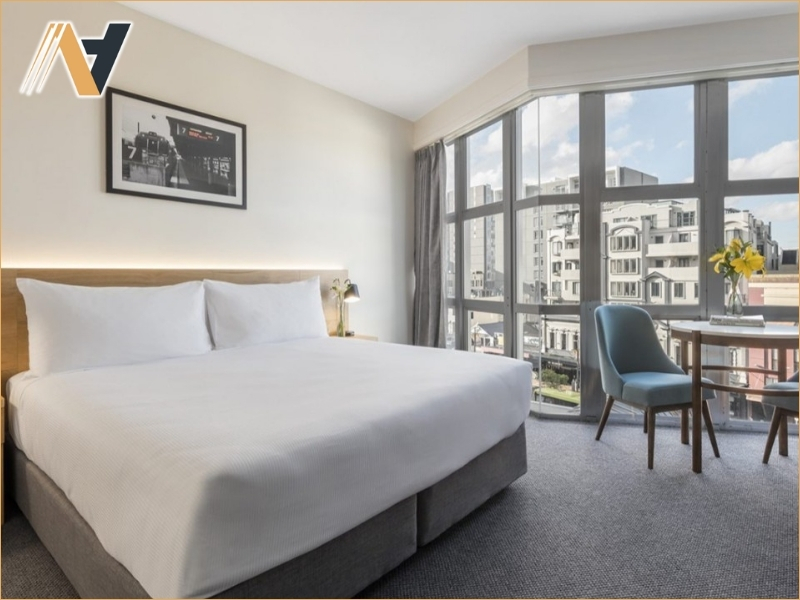
3. Integrating local identity into hotel interior design
Incorporating local culture, materials, craftsmanship, and visual inspiration into hotel interiors can create a stronger sense of place, allowing properties to offer distinctive experiences that feel authentic while strengthening brand identity and differentiating the space from standardized hospitality designs.
3.1 Using local materials and design inspiration
Local materials such as natural wood, stone, bamboo, rattan, textiles, and regionally inspired finishes can add distinctive character to hotel interiors, while thoughtful selection and contemporary applications help create spaces that reflect the surrounding destination without compromising durability, comfort, or modern hospitality standards.
3.2 Incorporating regional craftsmanship and decorative details
Traditional craftsmanship can be introduced through furniture details, handcrafted surfaces, decorative panels, artwork, textiles, and accessories, giving hotel spaces unique visual characteristics while supporting a stronger connection with local heritage and allowing guests to experience cultural elements through carefully integrated interior design.
3.3 Creating a distinctive sense of place
A strong sense of place can be developed by combining local cultural references with contemporary furniture, lighting, colors, and spatial planning, creating interiors that feel authentic without becoming overly traditional and giving guests a memorable environment that reflects the destination and hotel's individual identity.
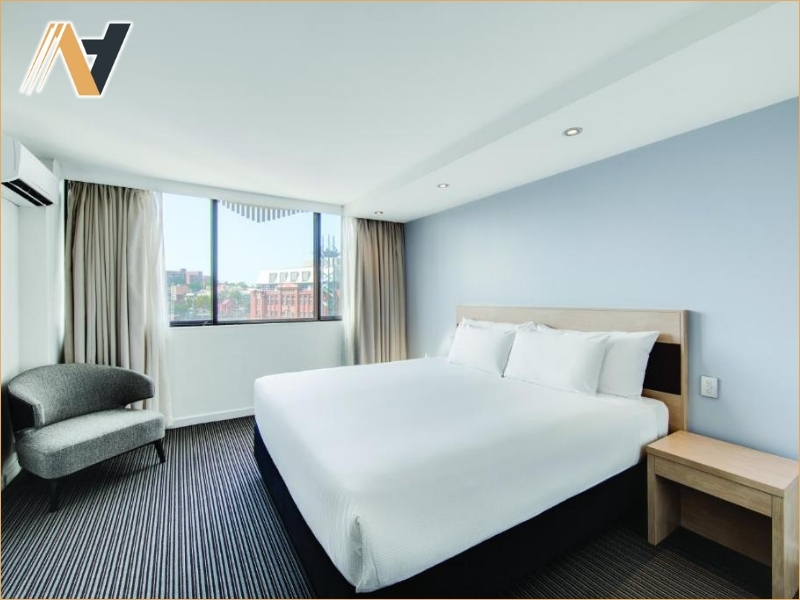
4. Applying technology and flexible solutions to personalized spaces
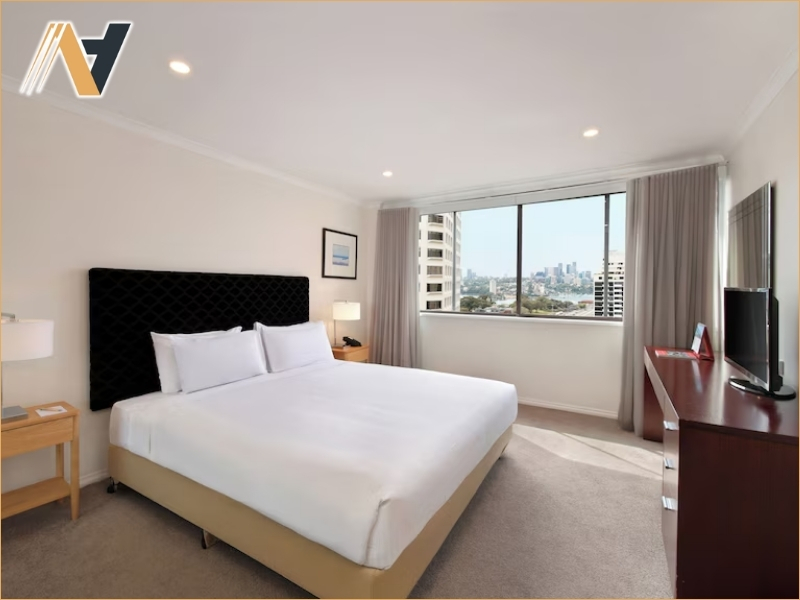
Modern hotel interiors can combine smart technology with flexible furniture solutions to create spaces that respond to different guest preferences, improve convenience, and optimize available space while maintaining a refined design that supports efficient hotel operations.
4.1 Integrating smart technology into hotel interiors
Smart controls, integrated charging stations, adjustable lighting, automated curtains, and connected room features can improve convenience by allowing guests to personalize their environment according to individual preferences, while carefully integrating technology into furniture and interior elements helps maintain a clean appearance without compromising the overall design concept.
4.2 Using flexible and multifunctional furniture
Flexible furniture such as modular desks, movable seating, extendable tables, multifunctional storage, and adaptable bedside units allows hotel rooms to accommodate different activities and guest requirements, helping properties make better use of available space while providing greater freedom to personalize the room experience.
4.3 Creating adaptable spaces for different guest preferences
Hotel rooms can incorporate adjustable furniture arrangements, flexible lighting zones, movable decorative elements, and configurable functional areas to accommodate different guest habits, allowing the same space to provide suitable experiences for business travelers, couples, families, and long-stay guests without requiring major structural changes.
5. Building long-term value through personalized hotel interiors
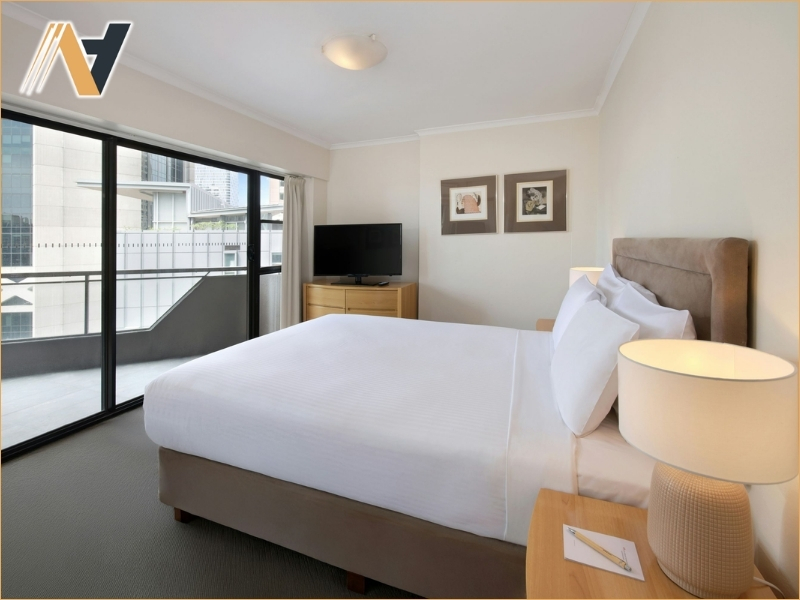
Personalized hotel interiors should balance uniqueness with durability, maintainability, and operational efficiency, allowing properties to create distinctive guest experiences while ensuring customized furniture and design elements remain practical, consistent, and valuable throughout long-term hotel operations.
5.1 Balancing personalization with operational efficiency
Personalized design should be developed around practical hotel operations, ensuring that customized furniture remains easy to clean, maintain, repair, and replace while providing distinctive guest experiences, helping properties avoid overly complex solutions that increase maintenance requirements or create unnecessary operational costs.
5.2 Selecting durable materials for customized interiors
Durable materials are essential for personalized hotel interiors because customized furniture often requires specific finishes, dimensions, or decorative details that should remain attractive under frequent use, regular cleaning, and changing operating conditions while delivering reliable long-term performance and protecting the hotel's investment.
5.3 Working with professional hotel furniture manufacturers
Professional hotel furniture manufacturers can transform personalized design concepts into practical, scalable furniture solutions by supporting material selection, customization, production, and quality control, helping hotels achieve distinctive interiors while maintaining consistent craftsmanship, reliable durability, and compatibility across different rooms and future projects.
Conclusion
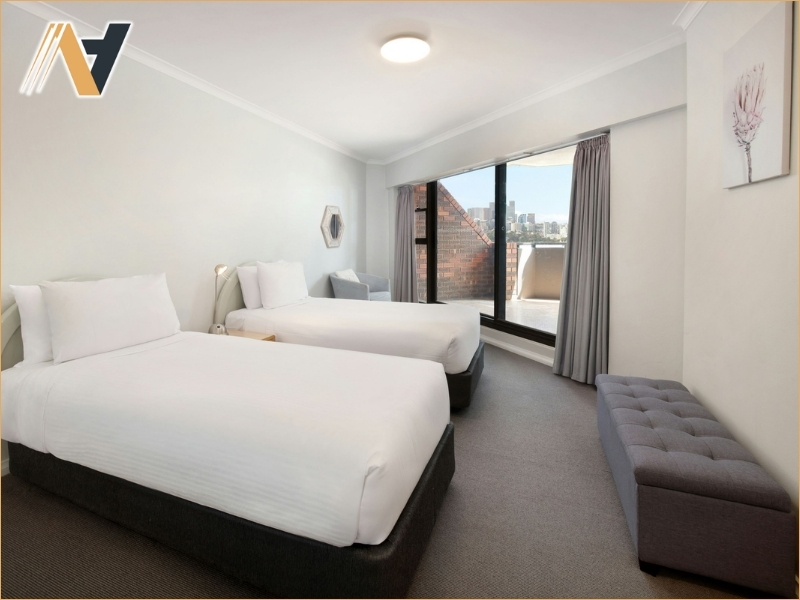
Personalized hotel interiors can help properties create more distinctive guest experiences, strengthen brand identity, and respond to different customer preferences while maintaining comfort and operational efficiency. By combining customized furniture, local design elements, flexible solutions, smart technology, and durable materials, hotels can create spaces with stronger long-term value.
For hotels seeking refined, durable, and fully customized solutions, Ngoc Hoang Anh offers premium Vietnam hotel furniture tailored to elevate the sophistication and functionality of modern hospitality interiors.
Contact us today for expert consultation and bespoke hospitality furniture production.
-----
NGOC HOANG ANH TRADING COMPANY LIMITED
Tax Code: 3702874413
Address: No. 288/28/10 Huynh Van Luy Street, Zone 7, Phu Loi Ward, Ho Chi Minh City, Vietnam
Warehouse: No. 1/91, Thuan Giao 02 Street, Binh Thuan 2 Residential Quarter, Thuan Giao Ward, Ho Chi Minh City, Vietnam
Phone/Whatsapp/Wechat: +84342076666
Email: info@ngochoanganh.com.vn