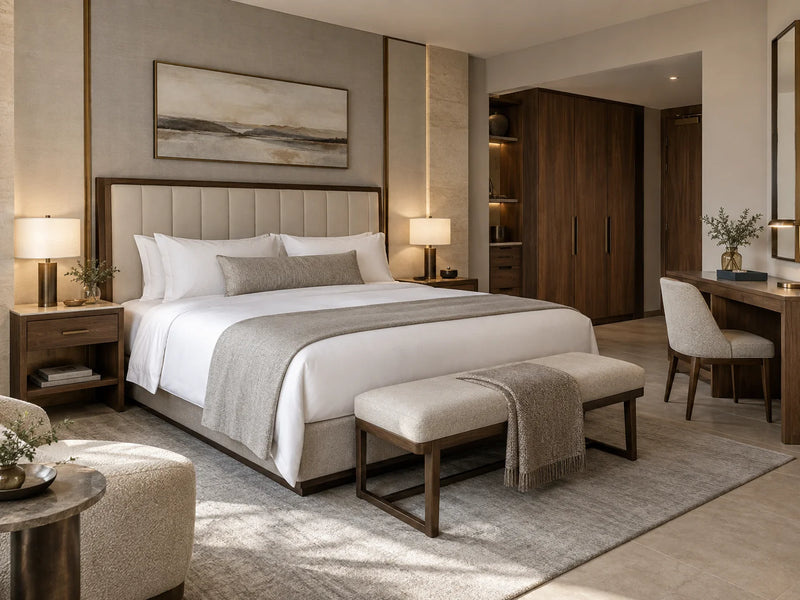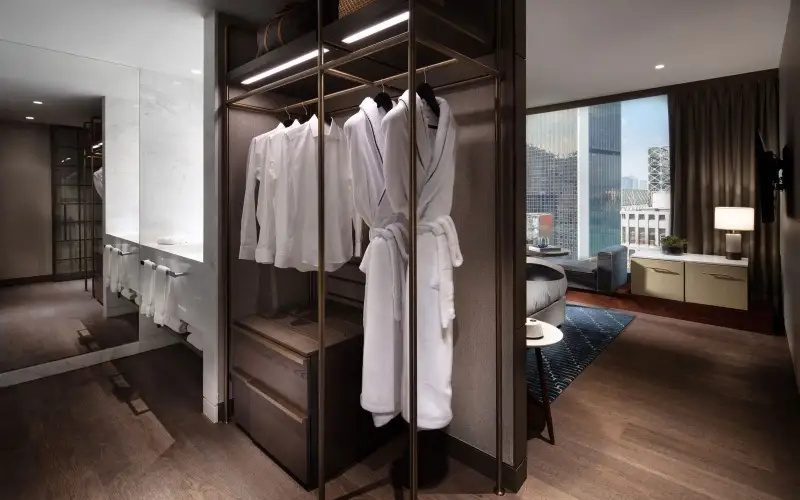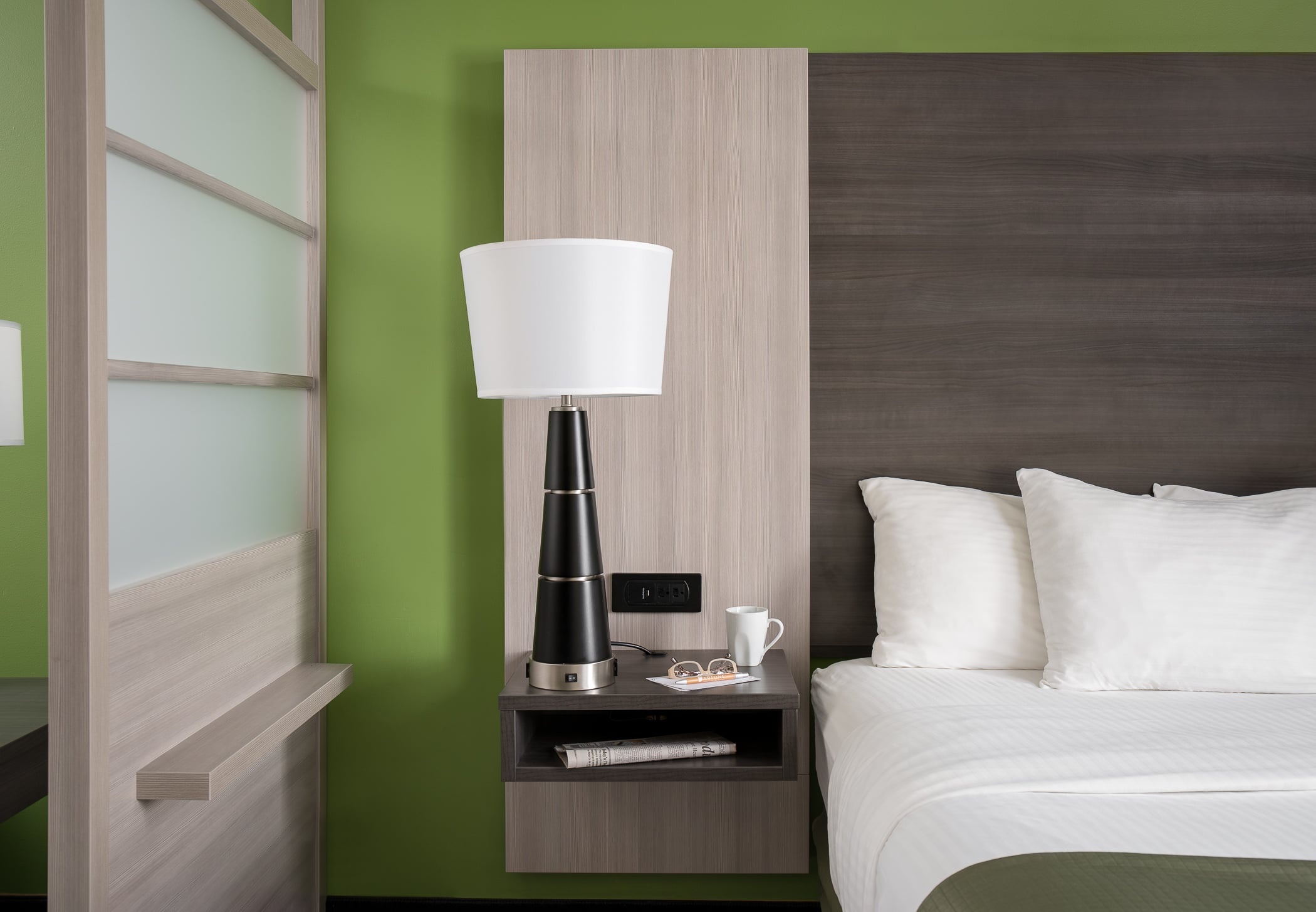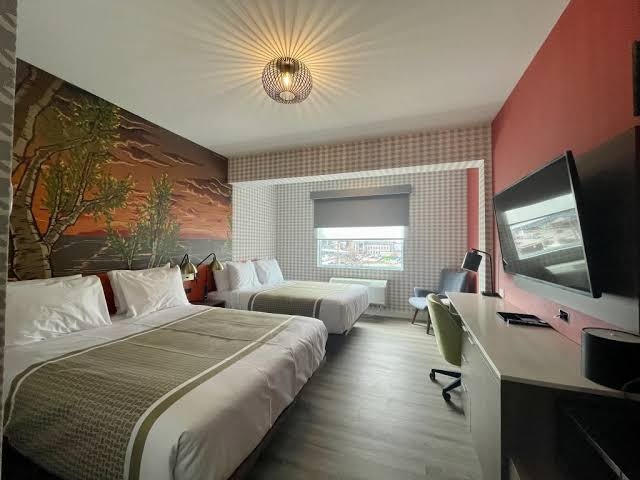
Hotel Desk Layout Solutions for Business Travelers
Thứ 3, 13/10/2026
Administrator
3
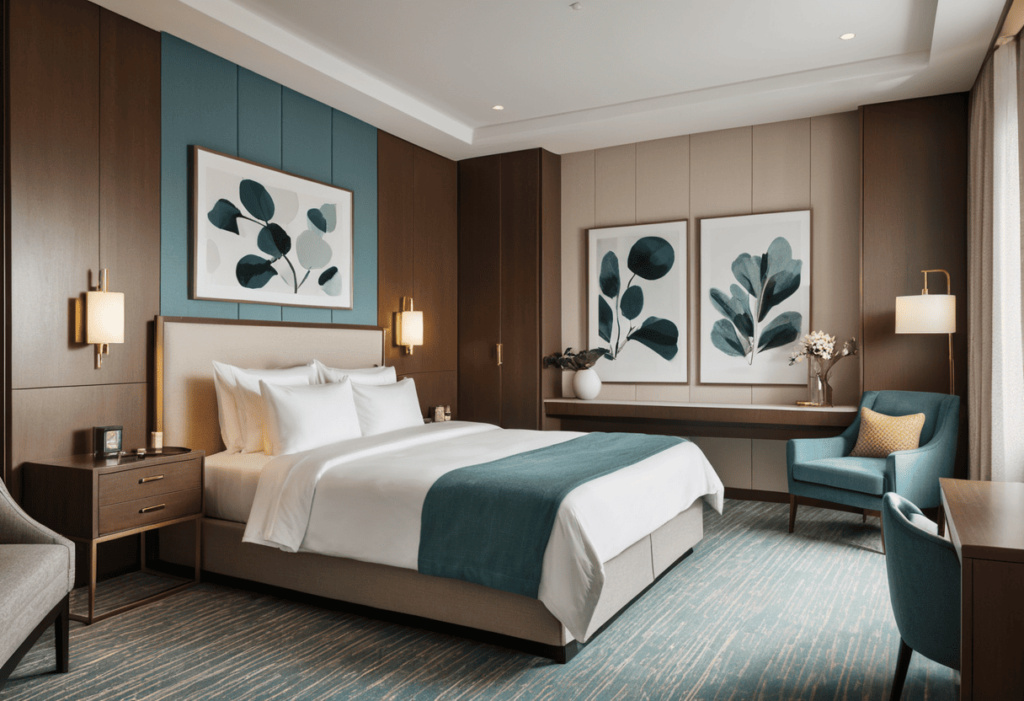
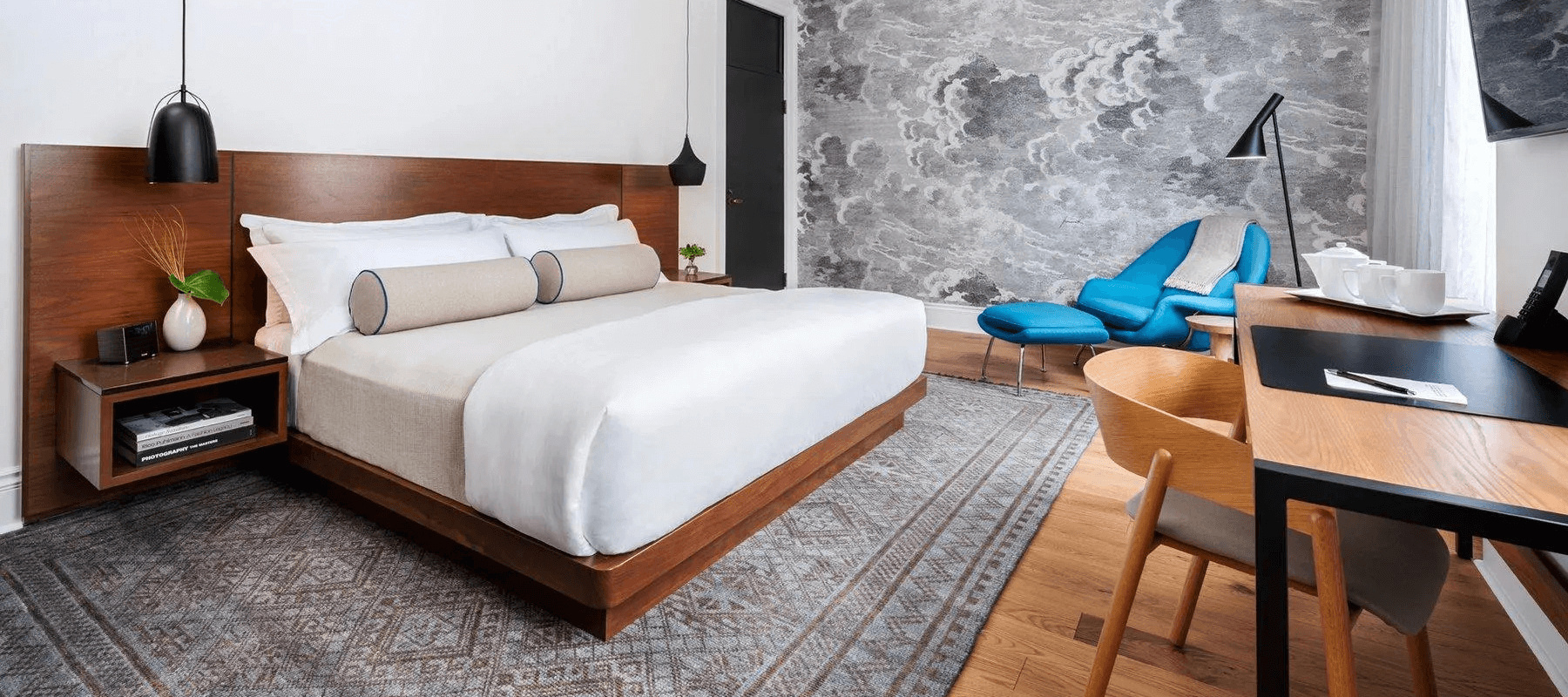
A well-designed work area can make a hotel room more practical and comfortable for business travelers who need to work during their stay. In this article, Ngoc Hoang Anh shares practical solutions for arranging hotel desks, seating, lighting, power access, and storage to create an efficient workspace without compromising the overall comfort of the room.
1. Planning the Hotel Desk Area Around Business Traveler Needs
A hotel desk should be planned around the actual needs of business travelers, who may use the workspace for laptop work, document review, online meetings, writing, or handling business equipment. Understanding these activities helps hotels determine the appropriate desk size, seating arrangement, placement, and surrounding space while keeping the guest room comfortable and functional.
1.1 Identifying Common Work Activities in Hotel Rooms
Business travelers may need to perform different tasks during their stay, from checking emails and preparing presentations to joining video conferences or reviewing documents. Identifying these activities allows the workspace to include the right surface area, seating, lighting, power access, and storage without adding unnecessary furniture to the room.
1.2 Determining Suitable Desk Dimensions and Working Space
The desk should provide enough space for a laptop, documents, mobile devices, stationery, and other essential work items. Its width and depth should be determined according to the room size and expected usage, while sufficient legroom and clearance around the chair should be maintained for comfortable movement.
1.3 Positioning the Desk According to Room Layout and Circulation
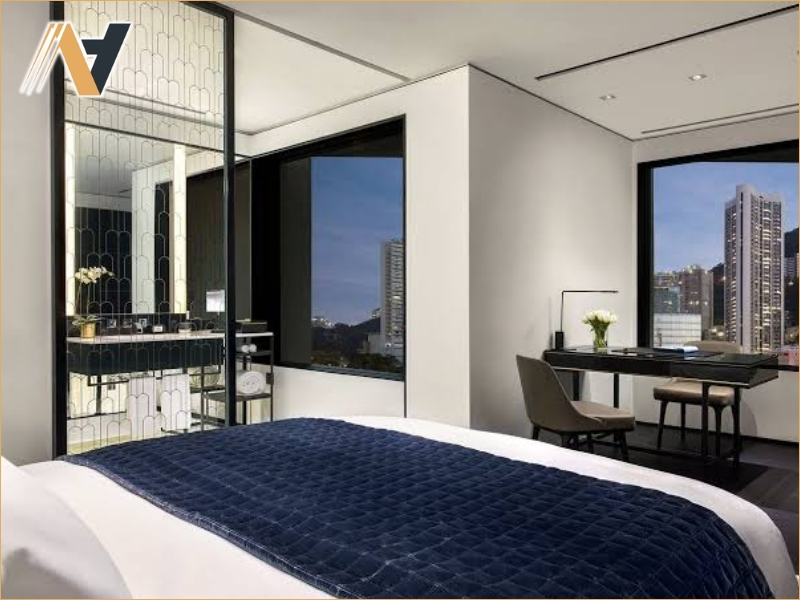
The desk should be placed where guests can work conveniently without blocking access to the bed, wardrobe, bathroom, entrance, or other functional areas. Positioning it near suitable lighting and electrical connections can further improve usability, while maintaining clear circulation helps prevent the workspace from making the room feel cramped.
2. Choosing a Suitable Desk and Chair for Hotel Business Rooms
The desk and chair are the main elements of a hotel workspace, so their design should balance functionality, comfort, durability, and visual consistency with the room interior. Selecting the right combination allows business travelers to work efficiently while ensuring that the furniture does not take up more space than necessary.
2.1 Selecting Desks with Sufficient Working Surfaces
A hotel desk should offer enough room for a laptop, documents, smartphone, stationery, and other frequently used items. A practical design can include drawers, shelves, or integrated cable openings to improve organization while keeping the main working surface clear and making the workspace easier to use.
2.2 Choosing Ergonomic Chairs for Extended Work
Business travelers may spend considerable time working at the desk, making seating comfort an important part of the overall workspace design. A chair with suitable back support, seat height, and proportions can encourage a more comfortable sitting position while complementing the style and dimensions of the selected hotel desk.
2.3 Matching Desk and Chair Dimensions for Comfortable Use
The relationship between desk height and chair height should be carefully considered to provide adequate legroom and a natural working posture. The chair should also have enough clearance to move in and out without hitting nearby furniture, allowing guests to use the workspace comfortably while preserving smooth movement throughout the room.
3. Integrating Lighting and Technology into the Work Area
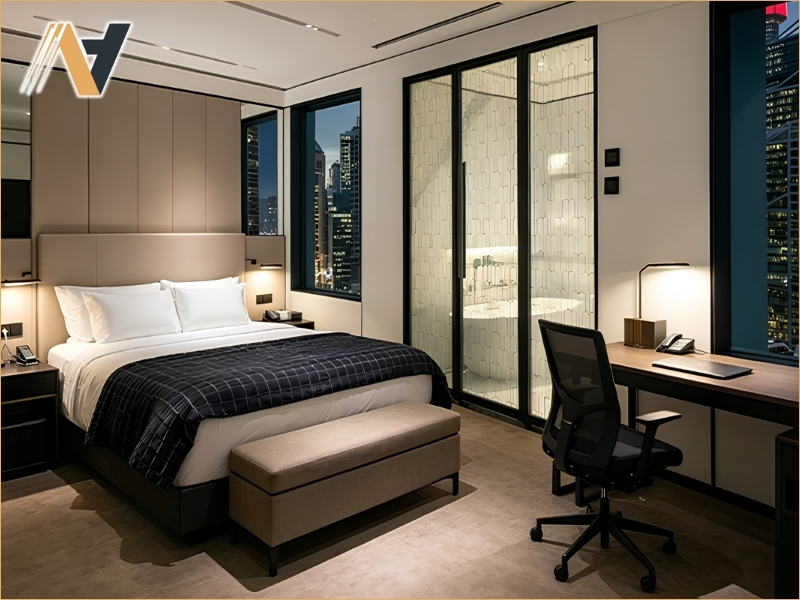
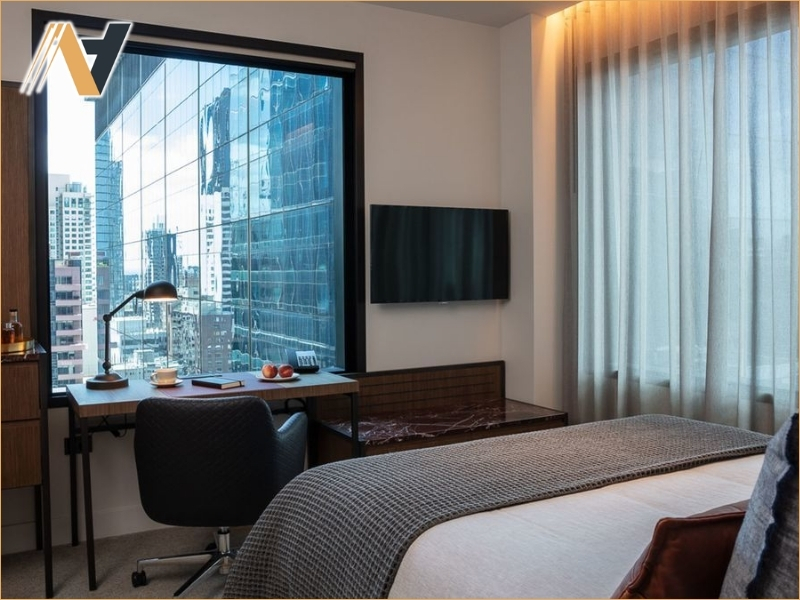
Lighting and technology are essential parts of a functional hotel workspace, particularly for guests who work with laptops or other electronic devices. Integrating these elements into the desk area from the planning stage can improve visibility, simplify device charging, and create a cleaner working environment without adding unnecessary clutter.
3.1 Providing Suitable Task Lighting for Desk Work
The desk should receive sufficient light for reading, writing, and working on digital screens without creating excessive glare or harsh shadows. Adjustable desk lamps or appropriately positioned lighting fixtures can provide more focused illumination, while natural light can be incorporated where room conditions allow.
3.2 Positioning Power Outlets and Charging Points
Power outlets should be located within easy reach of the seated guest so laptops, smartphones, tablets, and other devices can be connected without stretching cables across the desk. USB or other charging connections can also be integrated into the workstation to provide greater convenience for business travelers with multiple electronic devices.
3.3 Managing Cables and Technology Accessories Efficiently
Uncontrolled cables can make the workspace look untidy and interfere with everyday use. Cable management openings, concealed channels, under-desk solutions, and dedicated spaces for adapters can help keep electrical connections organized while preserving a clean appearance that complements the overall hotel interior.
4. Optimizing Storage and Functionality Around the Hotel Desk
A practical workspace should provide more than a suitable desk surface, especially when business travelers need to keep documents, personal belongings, and electronic equipment close at hand. Thoughtful storage solutions can improve organization while preventing the work area from becoming cluttered or taking up excessive space within the guest room.
4.1 Integrating Practical Storage for Documents and Personal Items
Drawers, shelves, and compact storage compartments can be incorporated around the desk to accommodate documents, stationery, chargers, and personal belongings. These features should be easy to access without creating visual clutter, allowing guests to keep essential items organized throughout their stay.
4.2 Creating Space for Laptops and Work Equipment
Business travelers may carry laptops, tablets, headphones, presentation materials, or other equipment that needs to be stored safely when not in use. Dedicated compartments or nearby shelving can provide convenient storage while keeping the main desk surface available for active work and reducing unnecessary items around the room.
4.3 Keeping the Workspace Organized Without Reducing Room Comfort
Storage should be designed according to the available floor area so that additional cabinets or shelves do not interfere with movement around the room. Compact, multifunctional furniture can help maximize usability while maintaining clear circulation and ensuring that the workspace remains visually consistent with the overall guest room design.
5. Customizing Hotel Workspaces for Business-Oriented Room Concepts
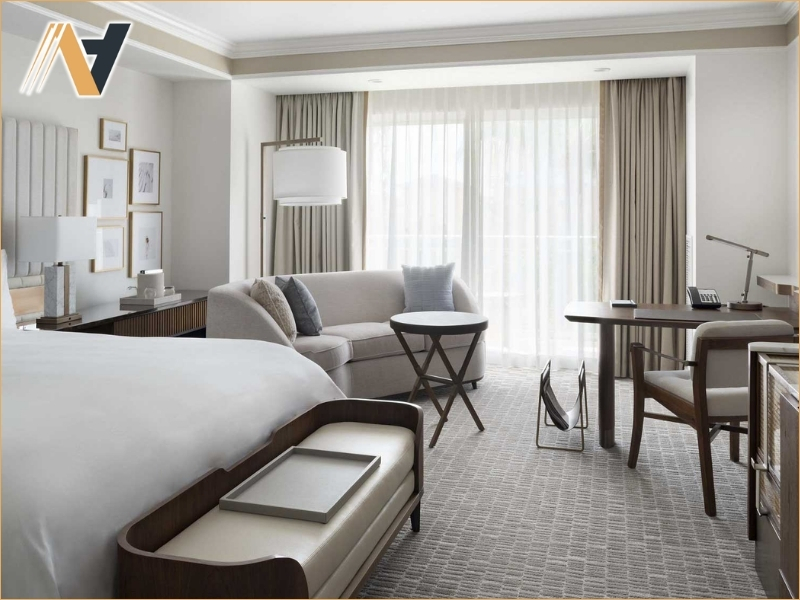
Hotels can customize workspaces according to room dimensions, guest profiles, interior concepts, and expected usage. Instead of applying the same desk configuration to every room, customized furniture allows each workstation to make better use of the available space while maintaining a consistent design language throughout the property.
5.1 Customizing Desks According to Room Dimensions
Desk dimensions should be adapted to the available floor area and layout of each room category. Compact rooms may benefit from slim desks or wall-mounted solutions, while larger rooms can accommodate wider workstations with additional storage, allowing hotels to maximize functionality without compromising circulation or guest comfort.
5.2 Standardizing Workstations Across Different Room Categories
Although desk sizes and configurations may vary between standard rooms, executive rooms, and suites, maintaining consistent design elements helps create a cohesive hotel identity. Materials, finishes, colors, hardware, and functional details can be standardized while the dimensions and features are adjusted to suit the requirements of each room type.
5.3 Working with Professional Hotel Furniture Manufacturers
Professional hotel furniture manufacturers can develop workstations based on specific room layouts, design concepts, and operational requirements. From selecting suitable materials and dimensions to integrating storage, lighting, and cable management, customized production allows hotels to create practical work areas that align with both guest expectations and the overall interior design.
Conclusion
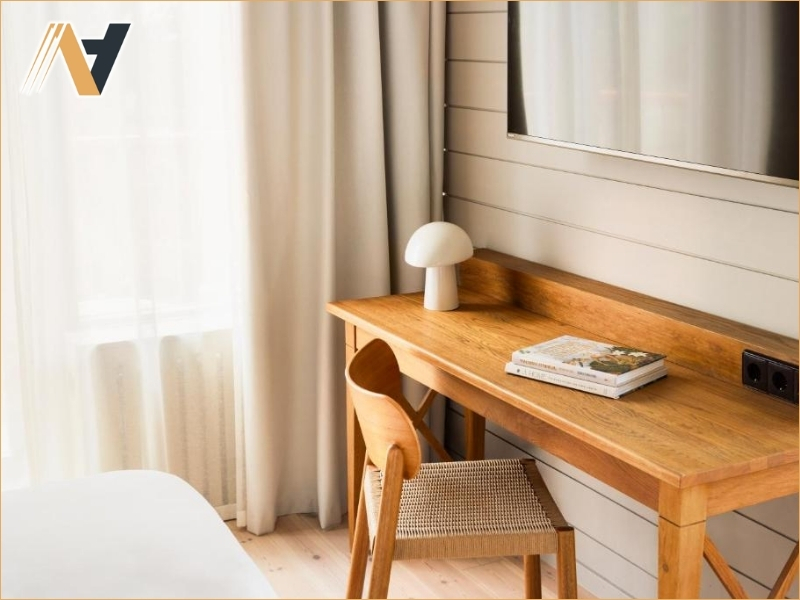
Designing a hotel workspace around the needs of business travelers can create a more comfortable and productive experience throughout their stay. By combining suitable desk and chair dimensions, thoughtful placement, effective lighting, convenient power access, organized storage, and customized furniture solutions, hotels can provide a practical working environment without compromising the comfort or aesthetics of the guest room.
For hotels seeking refined, durable, and fully customized solutions, Ngoc Hoang Anh offers premium Vietnam hotel furniture tailored to optimize workspace functionality while enhancing the overall design and comfort of modern hospitality interiors.
Contact us today for expert consultation and bespoke hospitality furniture production.
-----
NGOC HOANG ANH TRADING COMPANY LIMITED
Tax Code: 3702874413
Address: No. 288/28/10 Huynh Van Luy Street, Zone 7, Phu Loi Ward, Ho Chi Minh City, Vietnam
Warehouse: No. 1/91, Thuan Giao 02 Street, Binh Thuan 2 Residential Quarter, Thuan Giao Ward, Ho Chi Minh City, Vietnam
Phone/Whatsapp/Wechat: +84342076666
Email: info@ngochoanganh.com.vn