How to Design a Hotel Bedside Area That Is Both Stylish and Convenient
Thứ 3, 06/10/2026
Administrator
7
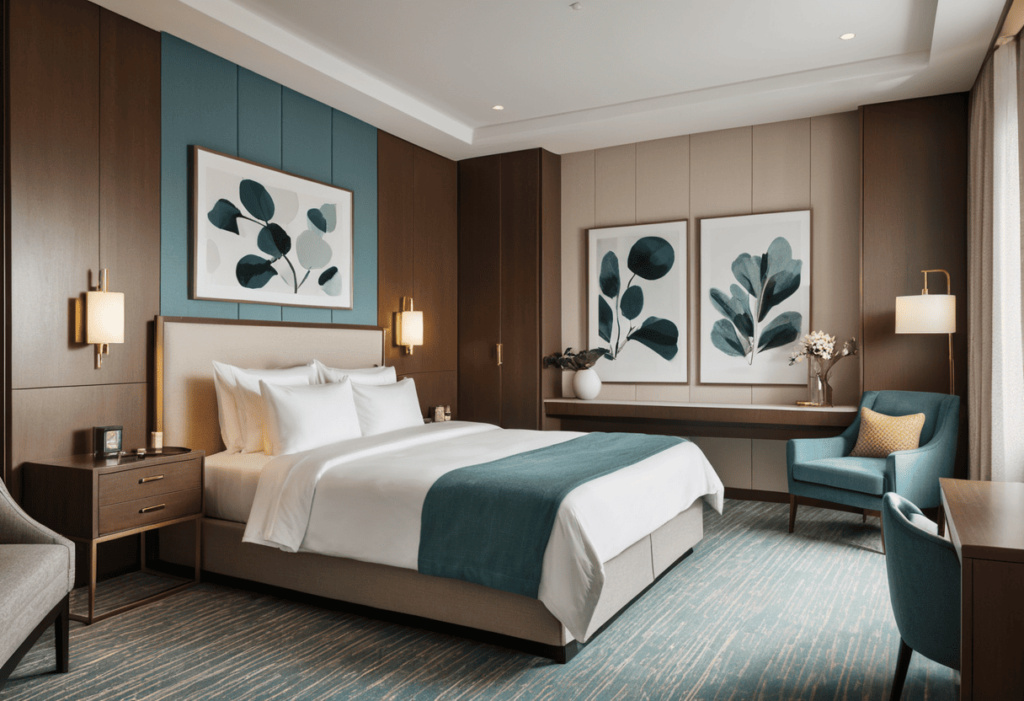
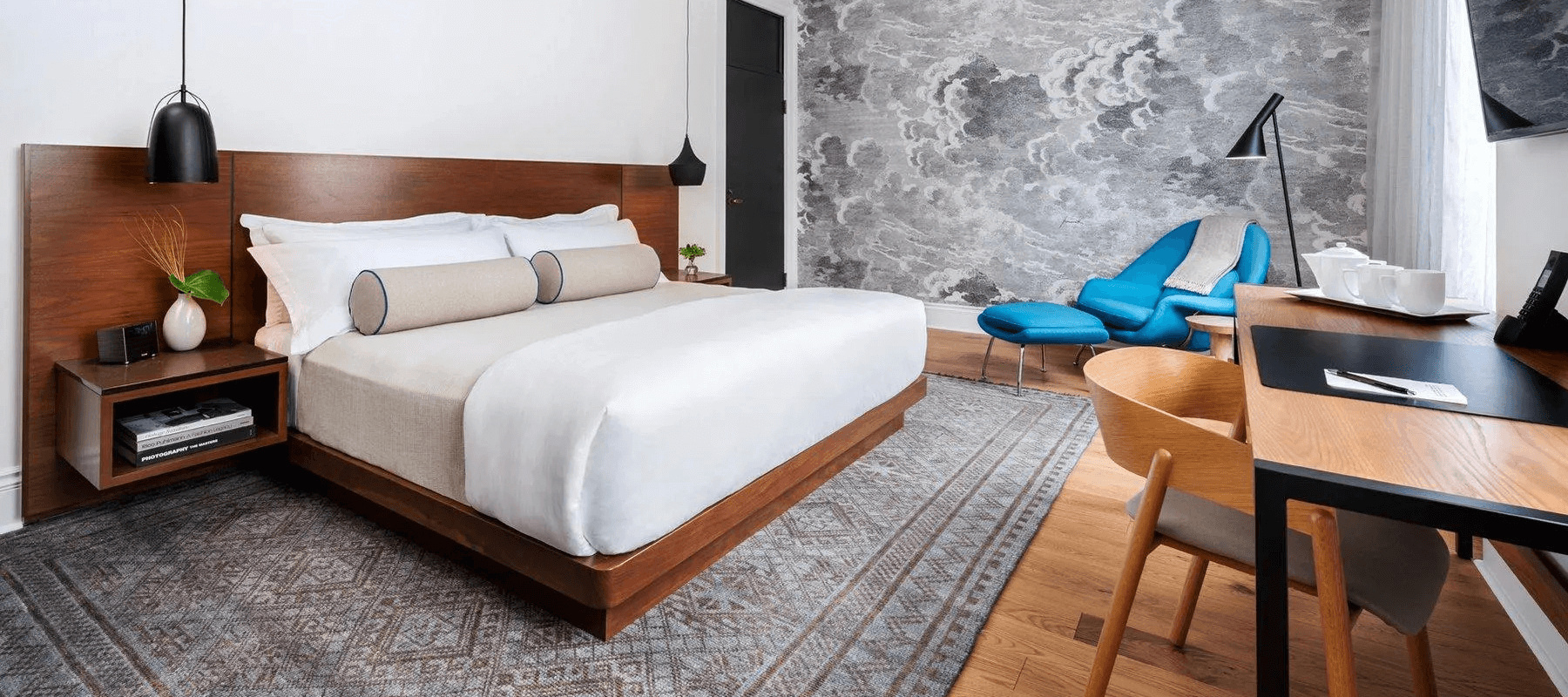
The hotel bedside area is one of the most frequently used spaces in a guest room, where guests need convenient access to lighting, charging points, personal belongings, and other essential amenities. In this article, Ngoc Hoang Anh shares practical solutions for designing a bedside area that combines aesthetic appeal, functionality, and everyday convenience.
1. Planning the hotel bedside area based on guest needs
A well-planned hotel bedside area should respond to guests’ everyday habits while making essential functions easy to access from the bed. Considering available space, furniture dimensions, technology, lighting, and storage requirements from the beginning can create a more comfortable and intuitive experience.
1.1 Identifying essential bedside functions and amenities
The bedside area should provide convenient access to essential features such as reading lights, switches, power outlets, charging points, alarm clocks, phones, and personal belongings. Identifying these requirements in advance helps ensure that each element has a practical position without making the area feel crowded or visually disorganized.
1.2 Determining suitable dimensions and available space
The size of bedside tables and surrounding elements should correspond to the bed dimensions, room layout, circulation space, and available wall area. Appropriate proportions allow guests to access bedside amenities comfortably while maintaining sufficient clearance for movement and ensuring a balanced appearance on both sides of the bed.
1.3 Arranging bedside elements according to guest habits
Frequently used items should be positioned within easy reach, while controls and charging points should be placed where guests can operate them conveniently from the bed. A thoughtful arrangement based on typical guest habits can reduce unnecessary movement and make the bedside area more intuitive to use.
2. Choosing practical bedside furniture for hotel rooms
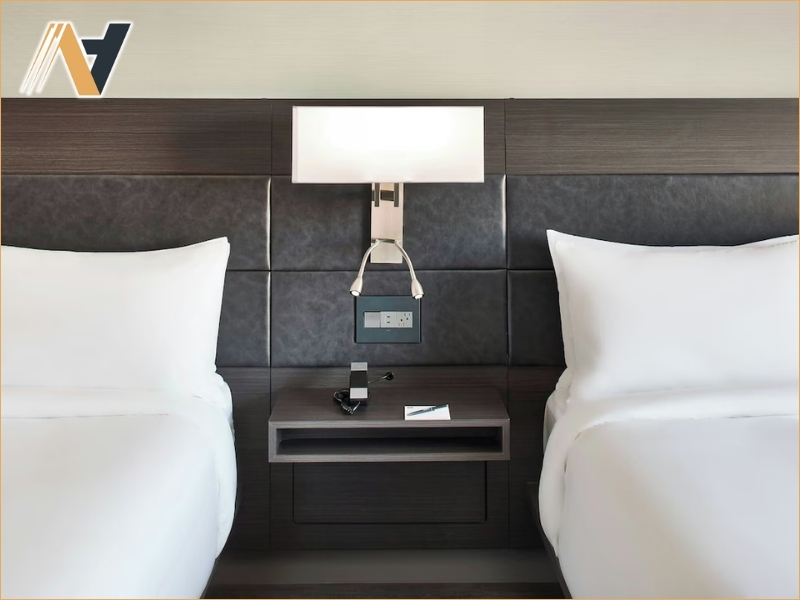
Bedside furniture should combine sufficient storage, convenient access, suitable proportions, and a design that complements the bed and surrounding interior. Choosing the right furniture helps guests keep essential belongings within reach while maintaining an organized and visually balanced sleeping area.
2.1 Selecting bedside tables with suitable storage
Bedside tables can include drawers, open compartments, or concealed storage depending on the room concept and guest requirements. These spaces provide convenient places for phones, books, personal items, and other essentials while helping keep the tabletop clear and the sleeping area more organized.
2.2 Designing furniture with convenient access to essential items
The height, depth, and layout of bedside furniture should allow guests to reach personal belongings, lighting controls, charging points, and other frequently used features without leaving the bed. Practical positioning of these elements can make everyday use more comfortable and reduce unnecessary movement.
2.3 Matching bedside furniture with the bed and room layout
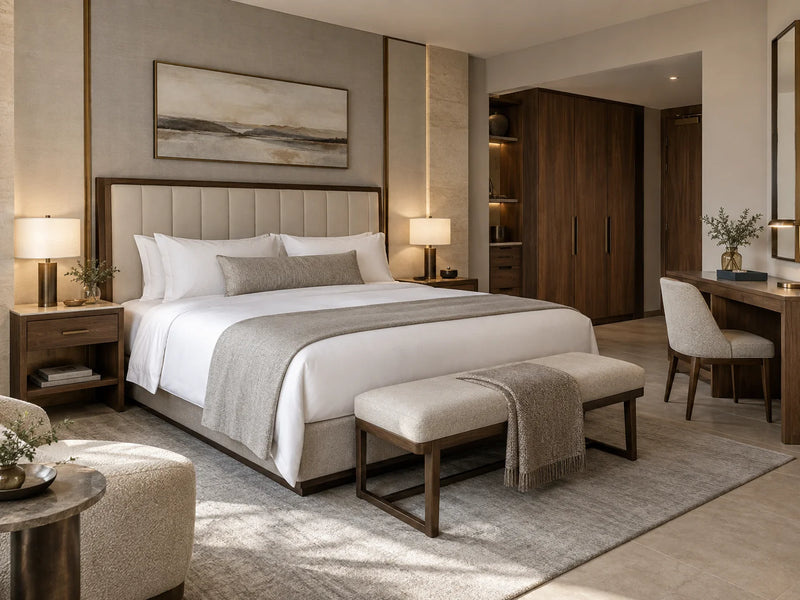
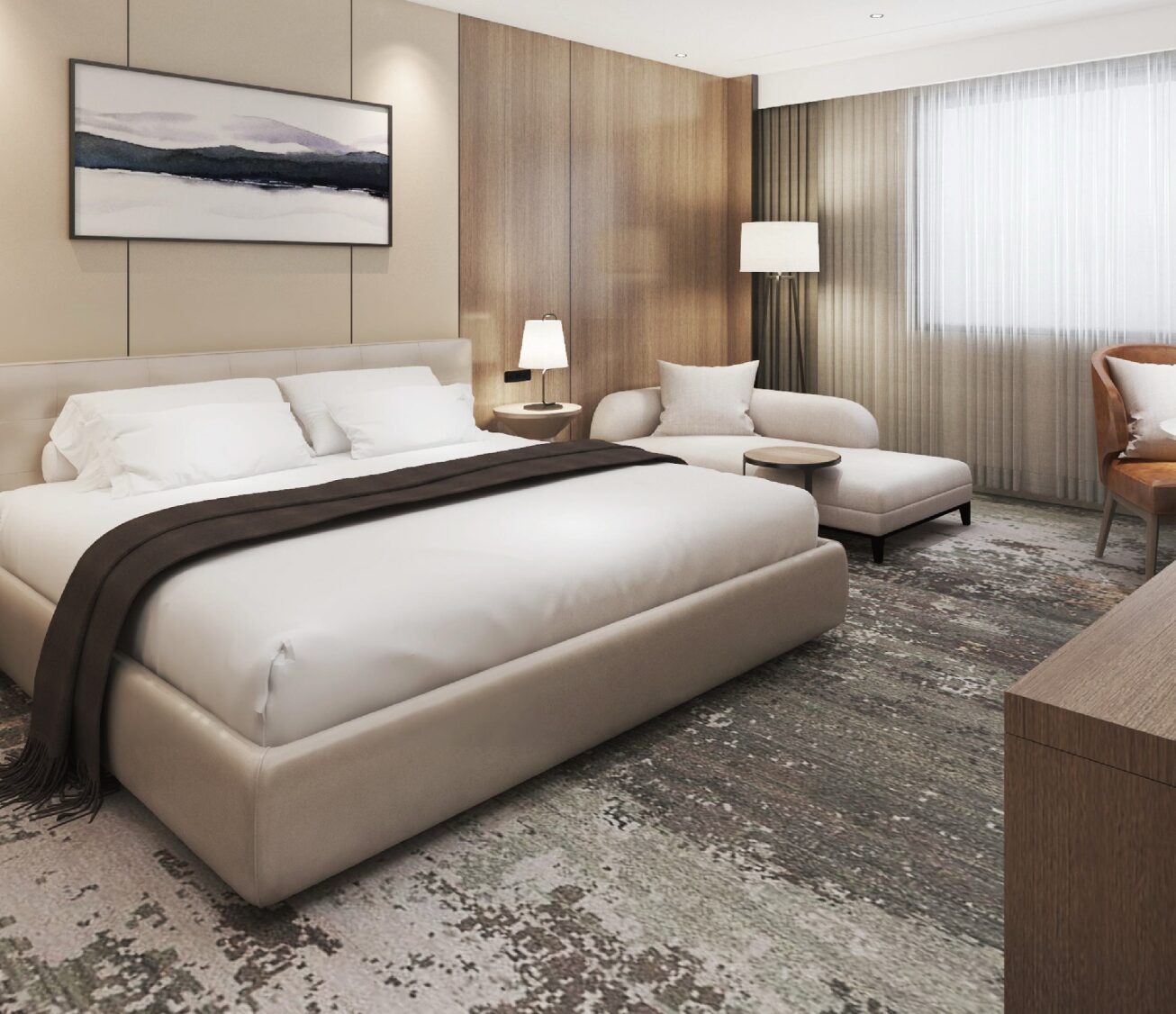
Bedside tables and other furniture should be proportionate to the bed, headboard, room dimensions, and surrounding furnishings to create a cohesive composition. Matching materials, colors, finishes, and design details can enhance visual balance while ensuring that the bedside area remains functional and easy to navigate.
3. Integrating lighting and technology into the bedside area
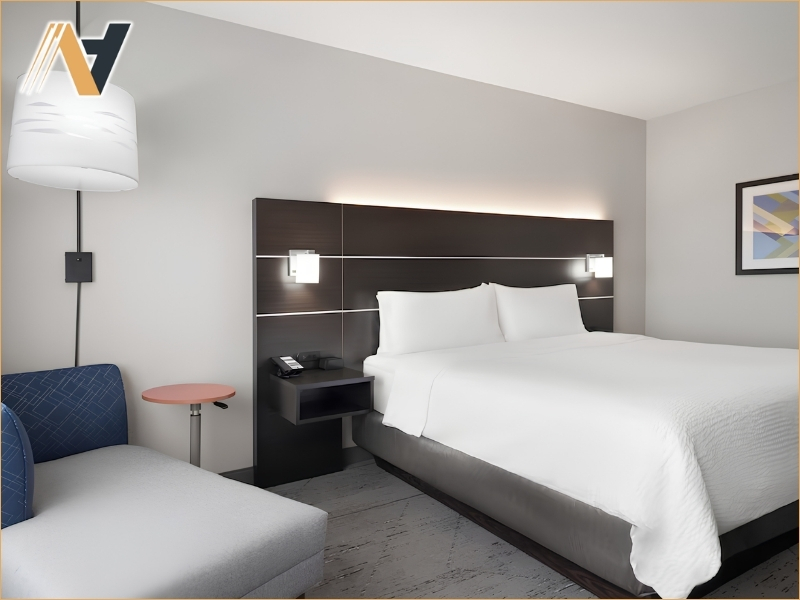
Lighting and technology are essential parts of a modern hotel bedside area, helping guests control their surroundings and access personal devices without leaving the bed. Integrating these features directly into the furniture and surrounding design can improve convenience while keeping the space organized and visually refined.
3.1 Positioning bedside lighting for convenient use
Bedside lighting should provide sufficient illumination for reading and other activities while allowing guests to operate it easily from the bed. Wall-mounted fixtures, integrated lights, or adjustable lamps can be positioned according to the bed layout to provide practical lighting without taking up unnecessary surface space.
3.2 Integrating power outlets and USB charging points
Power outlets and USB charging points should be positioned within comfortable reach of guests, particularly near the bedside table or headboard. Providing convenient charging access allows guests to charge smartphones, tablets, and other personal devices while resting without having to search for outlets elsewhere in the room.
3.3 Managing cables and technology components neatly
Charging cables, power connections, switches, and other technology components should be integrated into the furniture or concealed where practical to prevent clutter around the bedside area. Proper cable management helps maintain a clean appearance while reducing the risk of tangled cables or accidental interference with other bedside functions.
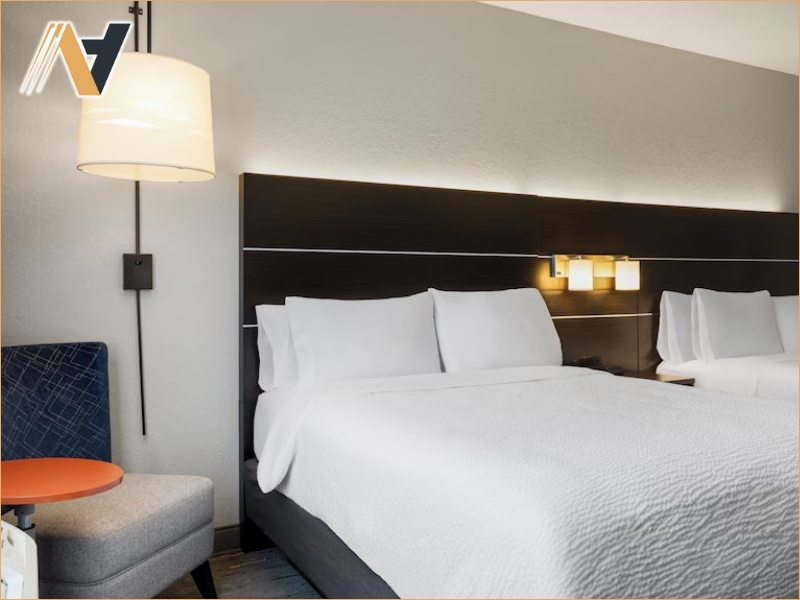
4. Combining aesthetics and functionality in bedside design
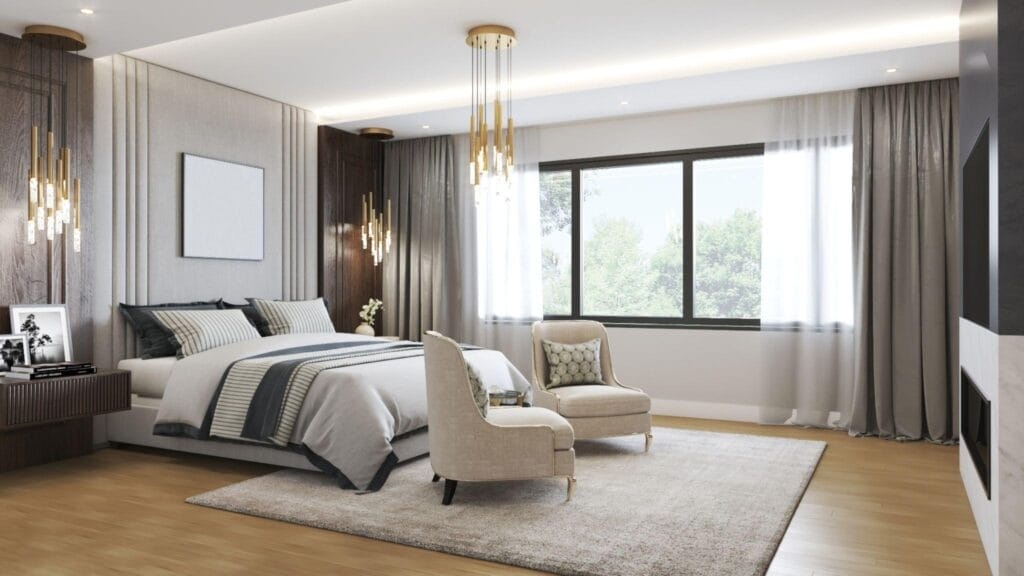
A well-designed hotel bedside area should balance visual appeal with practical daily use, ensuring that furniture, materials, lighting, and decorative elements work together without compromising comfort or accessibility. A thoughtful combination of these factors can create a refined sleeping environment while supporting the needs of different guests.
4.1 Coordinating materials, colors, and finishes
Bedside furniture should complement the hotel's overall interior concept through coordinated materials, colors, textures, and finishes. Wood, metal, upholstered elements, or other materials can be combined thoughtfully to create visual interest while maintaining a cohesive appearance with the bed, headboard, flooring, and surrounding furniture.
4.2 Creating visual balance around the bed
The bedside area should be arranged to create a balanced composition around the bed, with suitable proportions between bedside tables, lighting fixtures, headboards, and decorative elements. Symmetrical arrangements can provide a sense of order, while carefully planned variations can add character without making the sleeping area feel visually crowded.
4.3 Choosing durable and easy-to-maintain surfaces
Bedside furniture should use surfaces and finishes that can withstand frequent contact, cleaning, and everyday hotel use. Durable and easy-to-maintain materials help preserve the appearance of the furniture over time while allowing housekeeping teams to clean the area efficiently and maintain a consistently polished guest room.
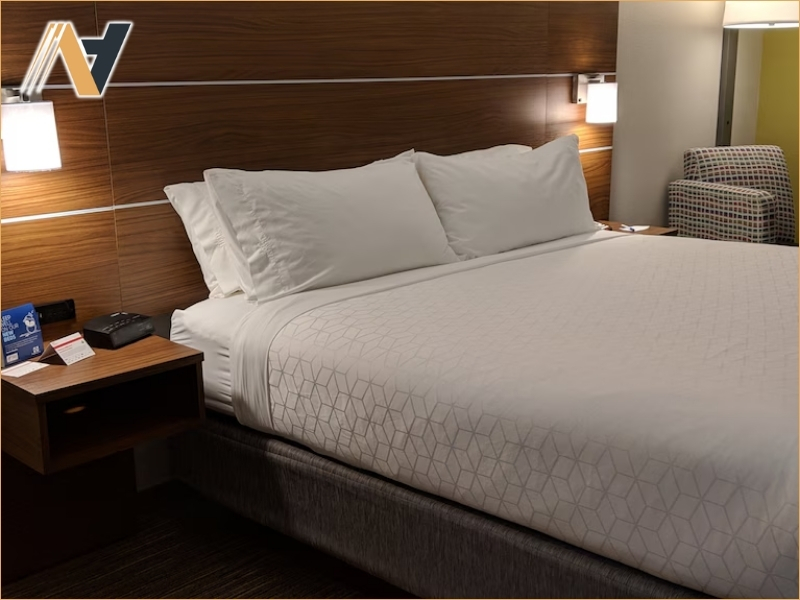
5. Customizing hotel bedside furniture for different room concepts
Customized bedside furniture allows hotels to adapt dimensions, storage, materials, technology features, and finishes to the specific requirements of each room concept. This approach helps maximize available space, improve guest convenience, and maintain a consistent design identity across different accommodation categories.
5.1 Customizing bedside furniture according to room dimensions
Bedside furniture should be developed according to the size of the room, bed dimensions, wall layout, circulation space, and location of electrical connections. Custom dimensions help maximize available space while ensuring guests can access lighting, charging points, storage, and other essential features comfortably.
5.2 Standardizing bedside solutions across room categories
Hotels can standardize core dimensions, materials, hardware, finishes, and functional features across suitable room categories while introducing selected variations for suites or premium rooms. This makes furniture management more efficient while maintaining a consistent visual identity throughout the property.
5.3 Working with professional hotel furniture manufacturers
An experienced hotel furniture manufacturer can develop bedside furniture according to the hotel's design concept, functional requirements, and production specifications. From material selection and integrated technology features to customized dimensions and finishes, professional manufacturing helps ensure the final furniture delivers both visual quality and practical performance.
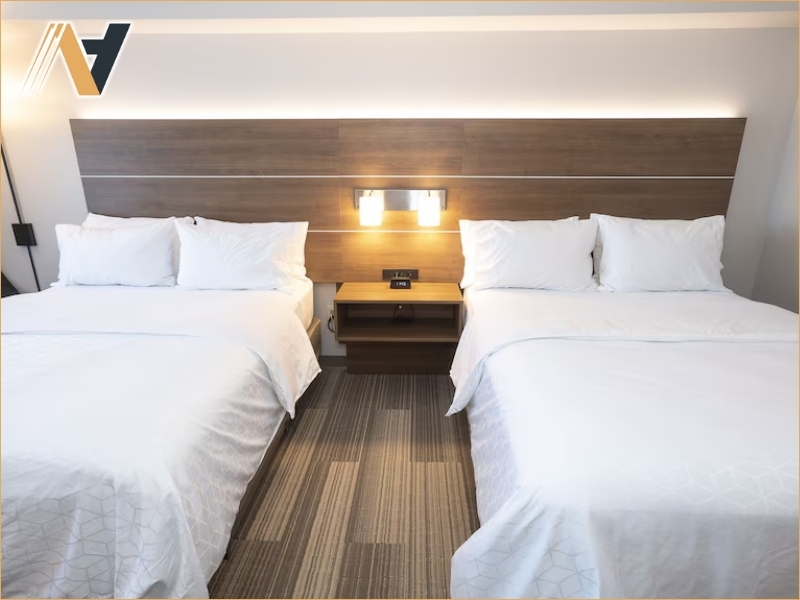
Conclusion
A well-designed hotel bedside area should combine aesthetic appeal, convenient access, practical technology, and durable materials to support guests throughout their stay. By carefully planning furniture dimensions, lighting, charging points, storage, and finishes, hotels can create a bedside space that is both visually refined and comfortable to use.
For hotels seeking customized solutions, Ngoc Hoang Anh offers premium Vietnam hotel furniture designed around specific room layouts, functional requirements, and interior concepts, helping create refined and practical guest room environments.
Contact us today for expert consultation and bespoke hospitality furniture solutions.
-----
NGOC HOANG ANH TRADING COMPANY LIMITED
Tax Code: 3702874413
Address: No. 288/28/10 Huynh Van Luy Street, Zone 7, Phu Loi Ward, Ho Chi Minh City, Vietnam
Warehouse: No. 1/91, Thuan Giao 02 Street, Binh Thuan 2 Residential Quarter, Thuan Giao Ward, Ho Chi Minh City, Vietnam
Phone/Whatsapp/Wechat: +84342076666
Email: info@ngochoanganh.com.vn