How to choose tables, chairs, and furniture for hotel dining and service areas
Thứ 7, 26/09/2026
Administrator
50
Hotel dining furniture should be carefully selected to balance guest comfort, space efficiency, durability, and visual appeal while supporting frequent use and smooth service operations. In this article, Ngoc Hoang Anh shares practical guidance for choosing suitable tables, chairs, and furniture for hotel dining areas.
1. Assessing hotel dining area requirements before choosing furniture
Understanding the function, available space, guest capacity, and traffic patterns of each dining area helps hotels select tables, chairs, and supporting furniture with suitable dimensions and features, ensuring comfortable guest experiences while maintaining efficient service operations and practical space utilization.
1.1 Identifying the function of each dining and service area
Hotels should identify whether each area is used for breakfast, all-day dining, restaurants, bars, lounges, banquets, or private dining, as different functions require different furniture types, seating arrangements, dimensions, and levels of flexibility to support both guest comfort and service efficiency.
1.2 Evaluating space, layout, and guest traffic
The available floor area, circulation routes, service paths, entrances, exits, and locations of kitchens or service stations should be evaluated before selecting furniture, helping hotels arrange tables and chairs with sufficient clearance while preventing congestion during busy dining periods.
1.3 Determining furniture requirements based on operating capacity
Furniture quantities and specifications should correspond to expected guest capacity, peak operating periods, table turnover, and service requirements, allowing hotels to provide sufficient seating without overcrowding the space while ensuring staff can move, serve guests, clean tables, and rearrange furniture efficiently.
2. Choosing suitable tables for hotel dining areas
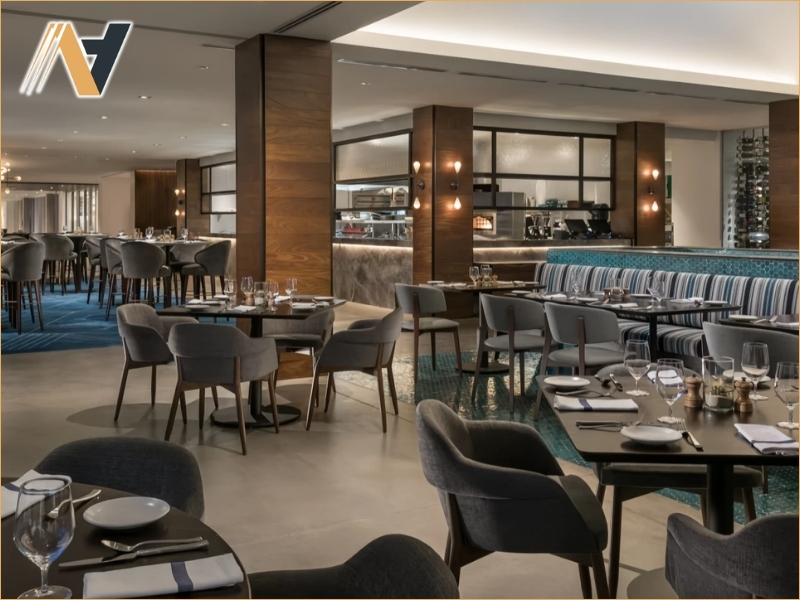
Hotel dining tables should be selected according to available space, guest capacity, service requirements, and interior design, ensuring sufficient dining comfort while supporting efficient circulation, easy cleaning, flexible arrangements, and reliable performance under frequent hospitality use.
2.1 Selecting table dimensions according to dining space
Table dimensions should correspond to the available floor area and expected number of guests, providing enough surface space for meals and tableware while maintaining comfortable clearance between tables, chairs, service paths, and surrounding furniture to support smooth guest and staff movement.
2.2 Choosing suitable table shapes for different layouts
Round, square, rectangular, and other table shapes can serve different spatial and operational requirements, with round tables supporting flexible social interaction, rectangular tables maximizing linear layouts, and modular designs allowing hotels to rearrange seating according to guest numbers or event requirements.
2.3 Balancing table durability, stability, and aesthetics
Dining tables should combine stable construction, durable materials, suitable surface finishes, and an appearance that complements the hotel's interior concept, helping them withstand frequent contact, cleaning, movement, and daily service while maintaining their functionality and visual quality over time.
3. Selecting chairs for guest comfort and frequent hotel use
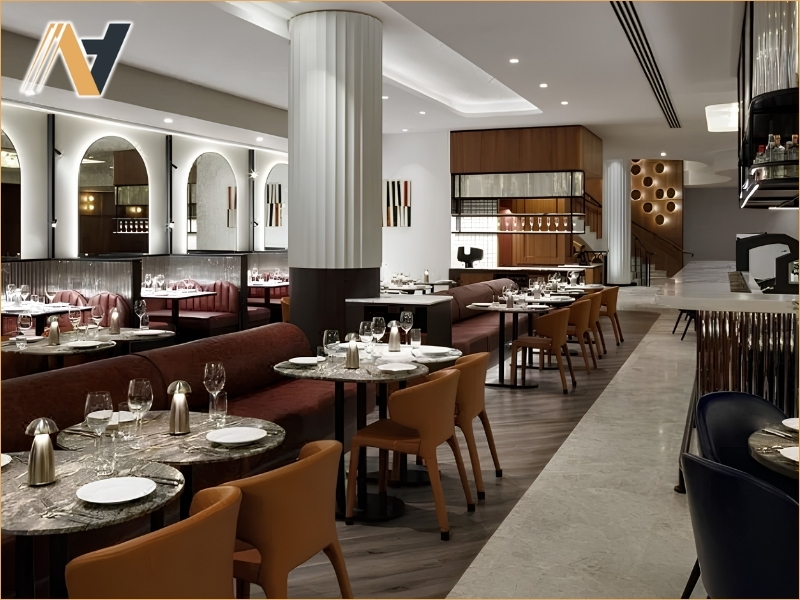
Hotel dining chairs should provide comfortable support while meeting the demands of frequent seating, movement, cleaning, and daily service, with appropriate dimensions, durable materials, and practical designs helping hotels maintain guest comfort and furniture quality throughout intensive operations.
3.1 Choosing ergonomic chairs for comfortable dining
Dining chairs should provide suitable seat height, depth, back support, and overall proportions to help guests maintain a comfortable posture during meals, while the design should allow guests to sit down and stand up easily without creating unnecessary restrictions around dining tables or circulation areas.
3.2 Selecting durable materials and easy-to-maintain finishes
Chairs used in hotel dining areas should be made from materials that can withstand repeated use, movement, spills, stains, and frequent cleaning, while durable upholstery, wood, metal, or other suitable finishes can help maintain appearance and reduce maintenance requirements during long-term operation.
3.3 Matching chair dimensions with dining tables and space
Chair dimensions should be coordinated with table height, tabletop proportions, and available circulation space to ensure guests can sit comfortably and staff can move efficiently, while stackable or easily movable designs can provide greater flexibility for cleaning, rearrangement, and different dining configurations.
4. Coordinating hotel dining furniture with interior design
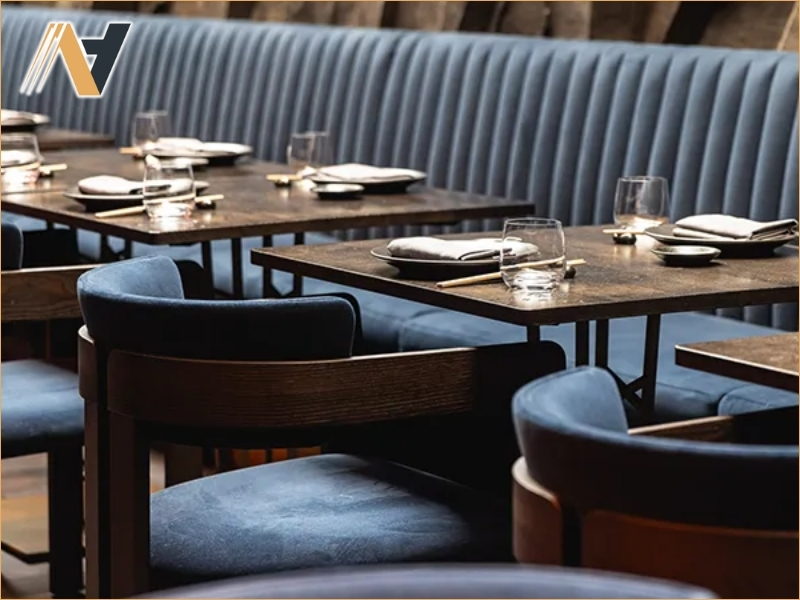
Hotel dining furniture should be coordinated with the surrounding interior to create a cohesive visual experience while maintaining comfort and functionality, with consistent colors, materials, textures, and finishes helping reinforce the hotel's design concept and overall brand identity.
4.1 Matching furniture colors with the overall interior
Table and chair colors should complement walls, flooring, lighting, decorative elements, and other furniture to create visual continuity, while carefully selected contrasts can highlight dining areas and add character without making the space feel overly busy or disconnected.
4.2 Coordinating materials, textures, and finishes
Materials and finishes should be selected according to the hotel's design direction, with wood, metal, upholstery, stone-inspired surfaces, and other finishes combined thoughtfully to create visual depth while ensuring tables and chairs remain durable, easy to clean, and suitable for frequent hospitality use.
4.3 Creating a consistent design identity across dining areas
Hotels with multiple restaurants, dining rooms, bars, or banquet spaces should maintain consistent design elements across furniture while allowing appropriate variations for each concept, helping create a recognizable interior identity and ensuring different service areas remain visually connected to the overall hotel brand.
5. Optimizing hotel dining furniture through customized solutions
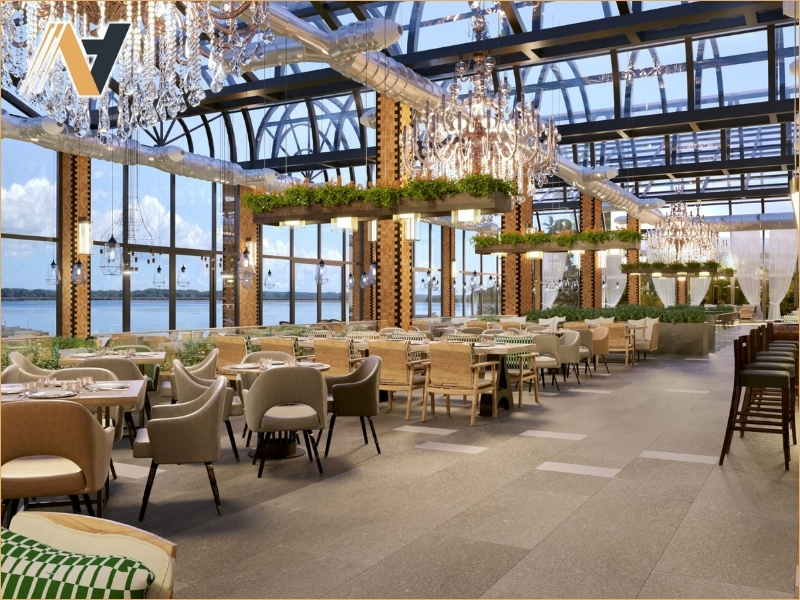
Customized hotel dining furniture allows properties to adapt tables, chairs, and supporting pieces to actual floor plans, service requirements, guest capacity, and design concepts, helping improve space efficiency, operational flexibility, durability, and visual consistency across different dining areas.
5.1 Customizing tables and chairs according to floor plans
Tables and chairs should be customized according to actual room dimensions, circulation routes, seating capacity, service paths, and functional zones, allowing hotels to maximize available space while maintaining comfortable distances and ensuring staff can move efficiently during busy dining periods.
5.2 Standardizing furniture specifications for efficient management
Hotels can standardize suitable dimensions, materials, finishes, hardware, and construction methods across dining furniture to simplify procurement, maintenance, replacement, and future expansion, while consistent specifications also help maintain a unified appearance across restaurants, banquet areas, lounges, and other service spaces.
5.3 Working with professional hotel furniture manufacturers
An experienced hotel furniture manufacturer can develop customized tables, chairs, and supporting furniture according to project requirements, helping hotels select suitable materials, refine dimensions, coordinate finishes, and maintain consistent production quality while ensuring furniture meets both aesthetic and operational expectations.
Conclusion
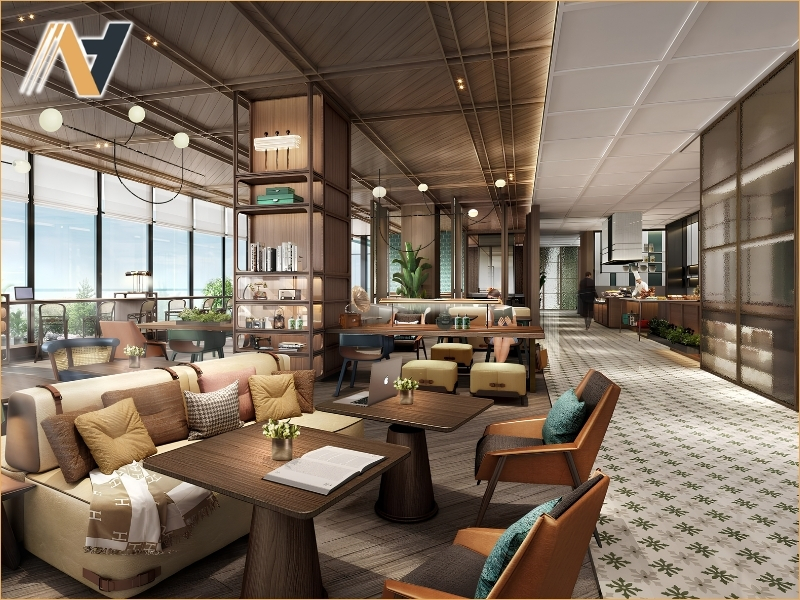
Choosing tables, chairs, and furniture for hotel dining areas requires careful consideration of space, guest capacity, comfort, durability, maintenance, and interior design. By selecting suitable dimensions, practical materials, coordinated finishes, and customized furniture solutions, hotels can create attractive dining spaces that support efficient service and long-term operation.
For hotels seeking refined, durable, and fully customized solutions, Ngoc Hoang Anh offers premium Vietnam hotel furniture tailored to optimize dining spaces while elevating the functionality and sophistication of modern hospitality interiors.
Contact us today for expert consultation and bespoke hospitality furniture production.
-----
NGOC HOANG ANH TRADING COMPANY LIMITED
Tax Code: 3702874413
Address: No. 288/28/10 Huynh Van Luy Street, Zone 7, Phu Loi Ward, Ho Chi Minh City, Vietnam
Warehouse: No. 1/91, Thuan Giao 02 Street, Binh Thuan 2 Residential Quarter, Thuan Giao Ward, Ho Chi Minh City, Vietnam
Phone/Whatsapp/Wechat: +84342076666
Email: info@ngochoanganh.com.vn