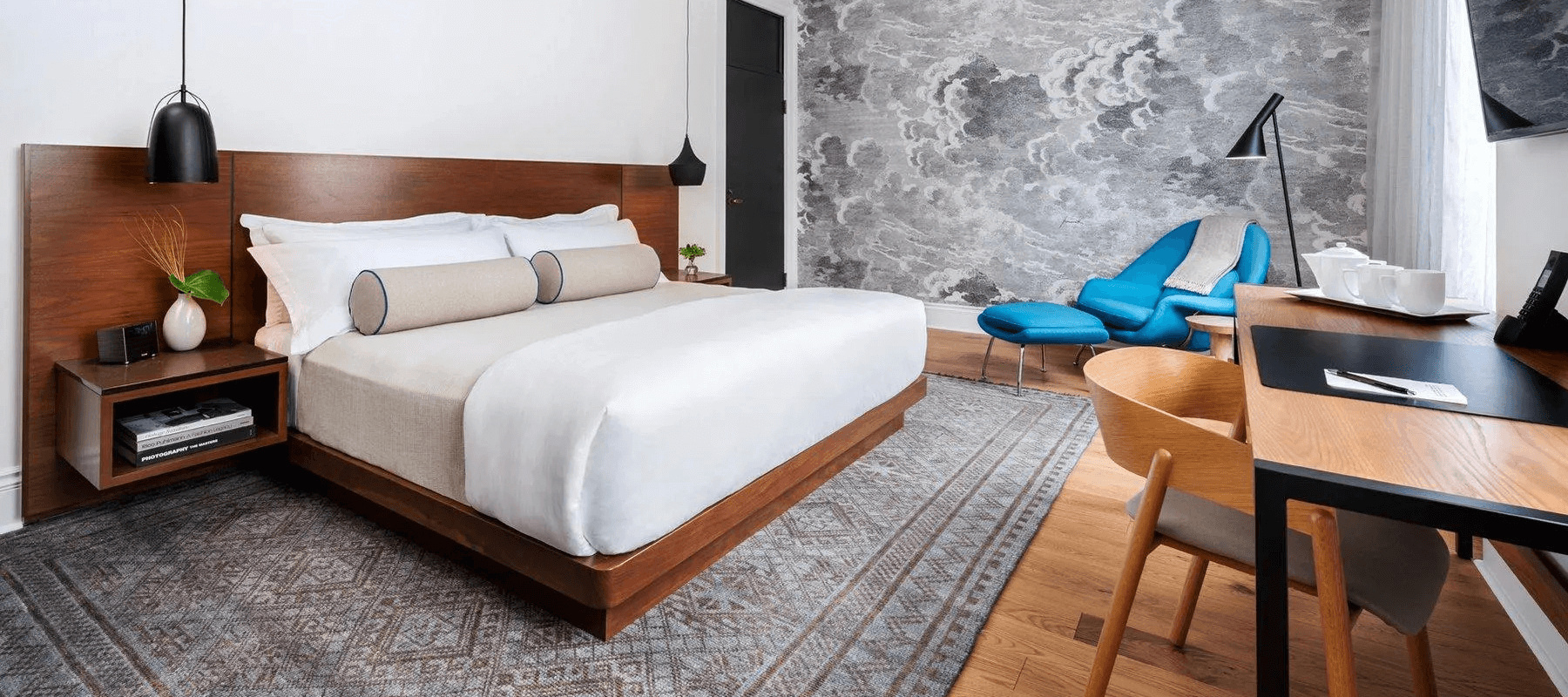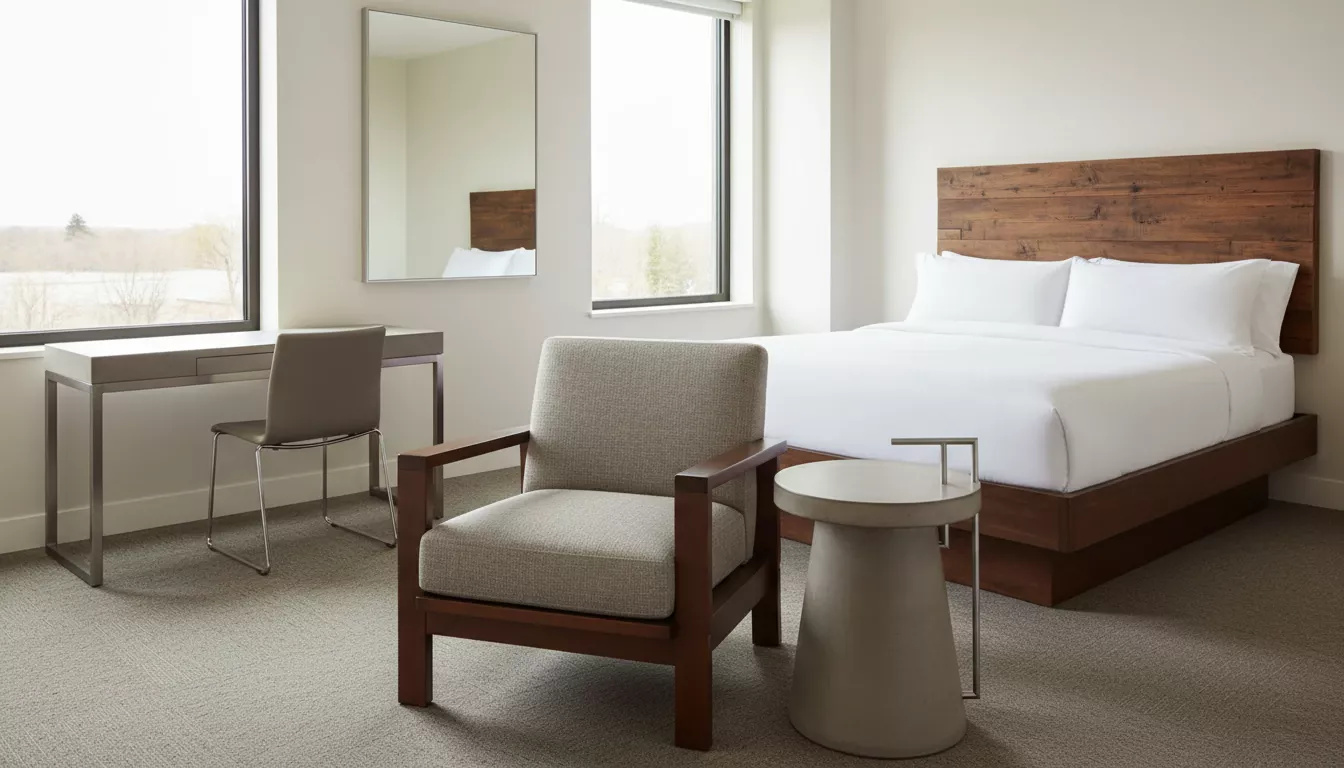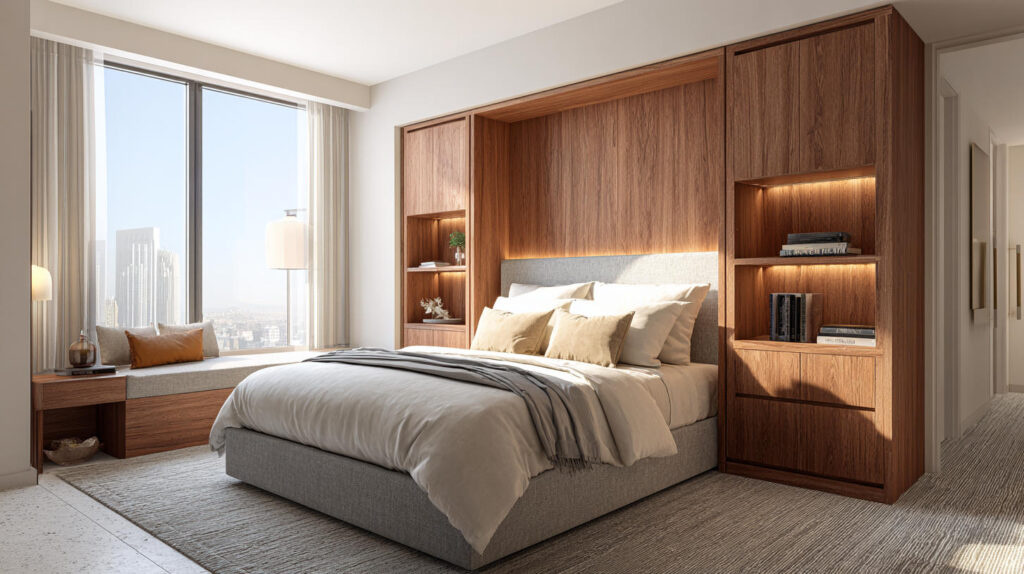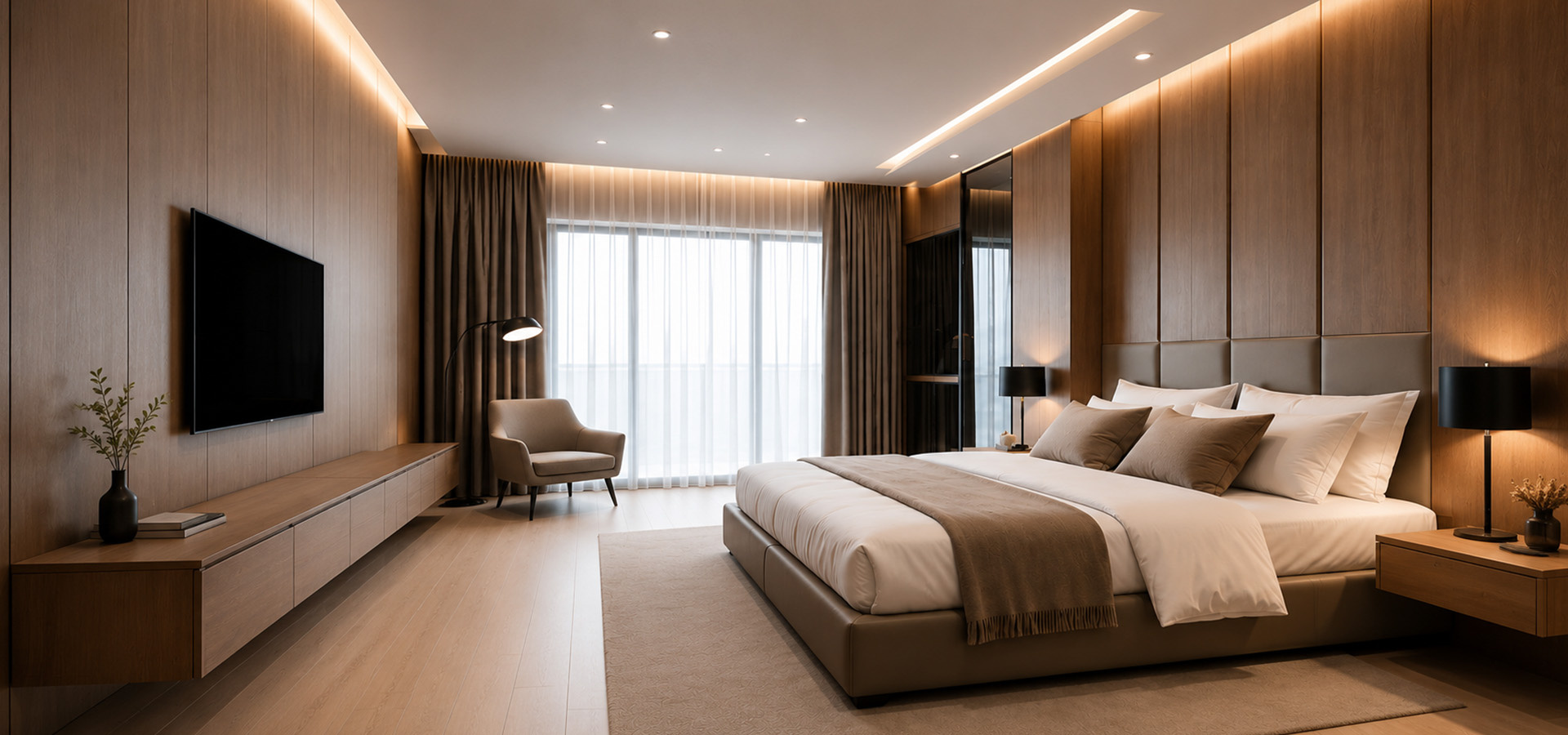
Experience in coordinating hotel interior colors for comfort and relaxation
Thứ 7, 19/09/2026
Administrator
44
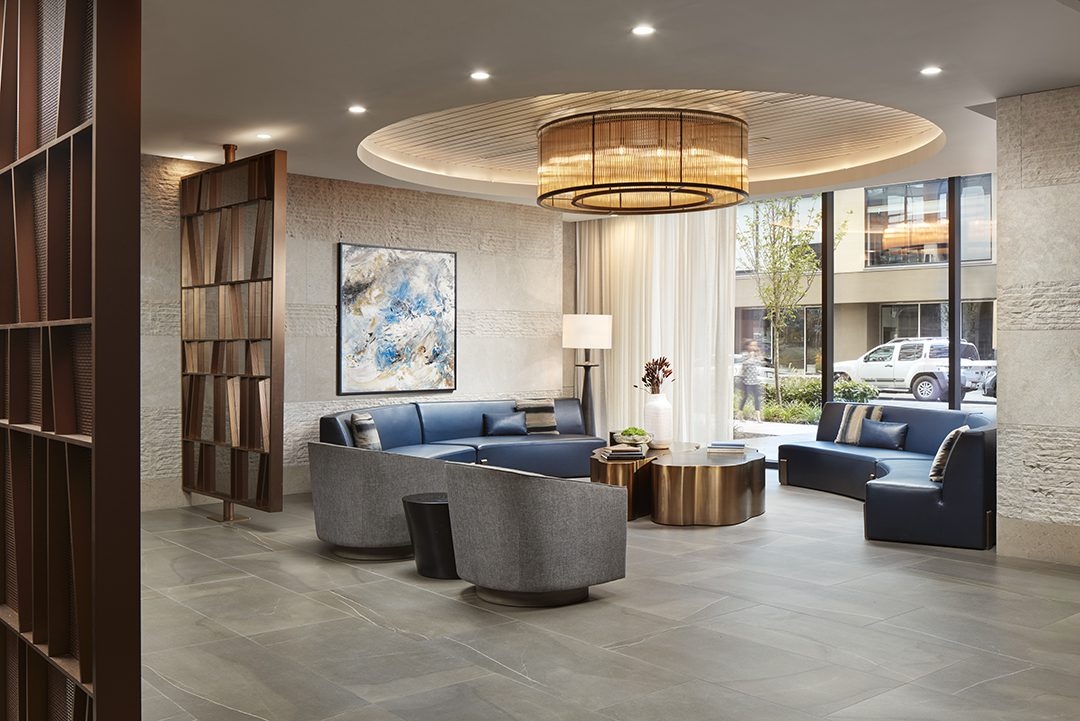
Hotel interior colors play an important role in shaping how guests perceive comfort, warmth, and relaxation, making thoughtful color coordination essential for creating a welcoming atmosphere that supports rest and a positive stay. In this article, Ngoc Hoang Anh shares practical experience in coordinating hotel interior colors for greater comfort and relaxation.
1. Understanding how color affects comfort in hotel interiors
Color has a strong influence on how guests perceive the atmosphere, spaciousness, warmth, and comfort of a hotel room, so understanding the psychological and visual effects of different tones helps designers create interiors that support relaxation and a pleasant overall guest experience.
1.1 Understanding the psychological effects of interior colors
Different colors can influence guests' emotional responses and perceptions of a space, with soft neutral, warm, and natural tones often creating a calmer atmosphere, while carefully controlled accent colors can add character without making the room feel visually overwhelming or reducing the sense of relaxation.
1.2 Choosing colors according to hotel room functions
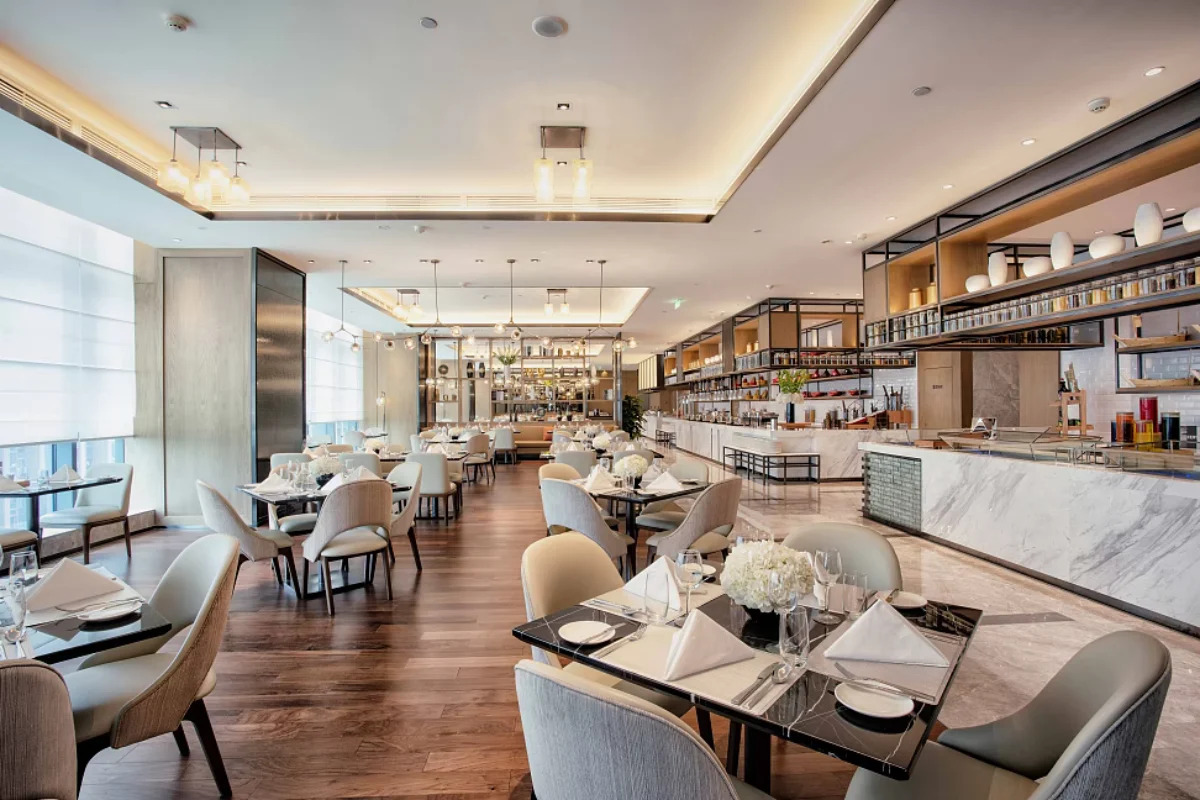
Color selection should reflect the function of each hotel space, with bedrooms generally benefiting from calm and soothing palettes, while working, dining, or social areas may accommodate slightly stronger tones, allowing each space to create an appropriate atmosphere while maintaining visual consistency throughout the hotel.
1.3 Considering guest profiles and design preferences
Hotels should consider the preferences and expectations of their target guests when developing color schemes, as different customer groups may respond differently to contemporary, natural, luxurious, warm, or minimalist palettes, helping properties create interiors that feel relevant, comfortable, and aligned with their intended market positioning.
2. Choosing a suitable color palette for relaxing hotel rooms
A well-planned color palette can create a calm and welcoming atmosphere by combining harmonious tones, appropriate contrast, and natural visual elements, helping hotel rooms feel more comfortable while supporting the property's overall interior design direction.
2.1 Using neutral and warm tones as the main colors
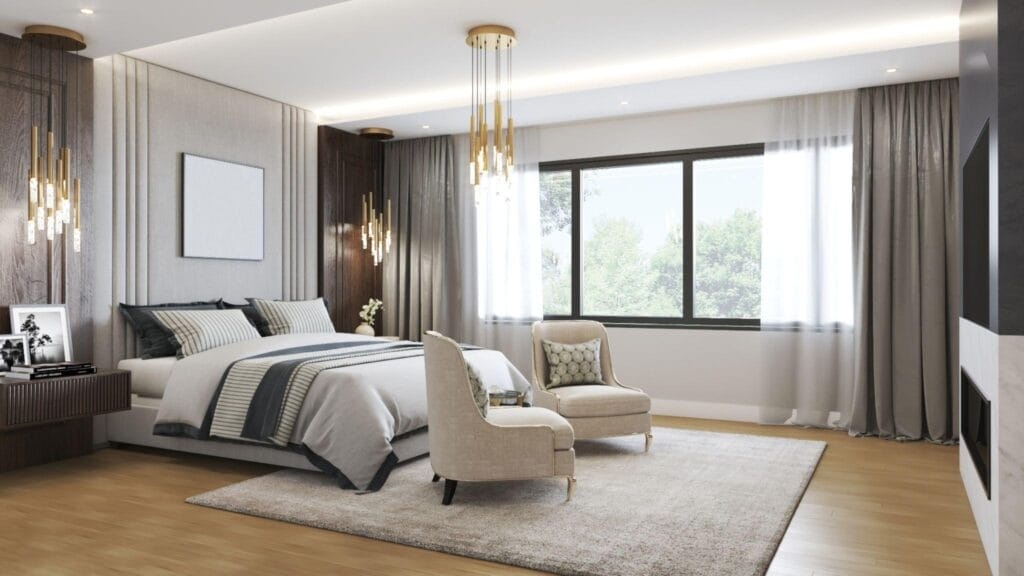
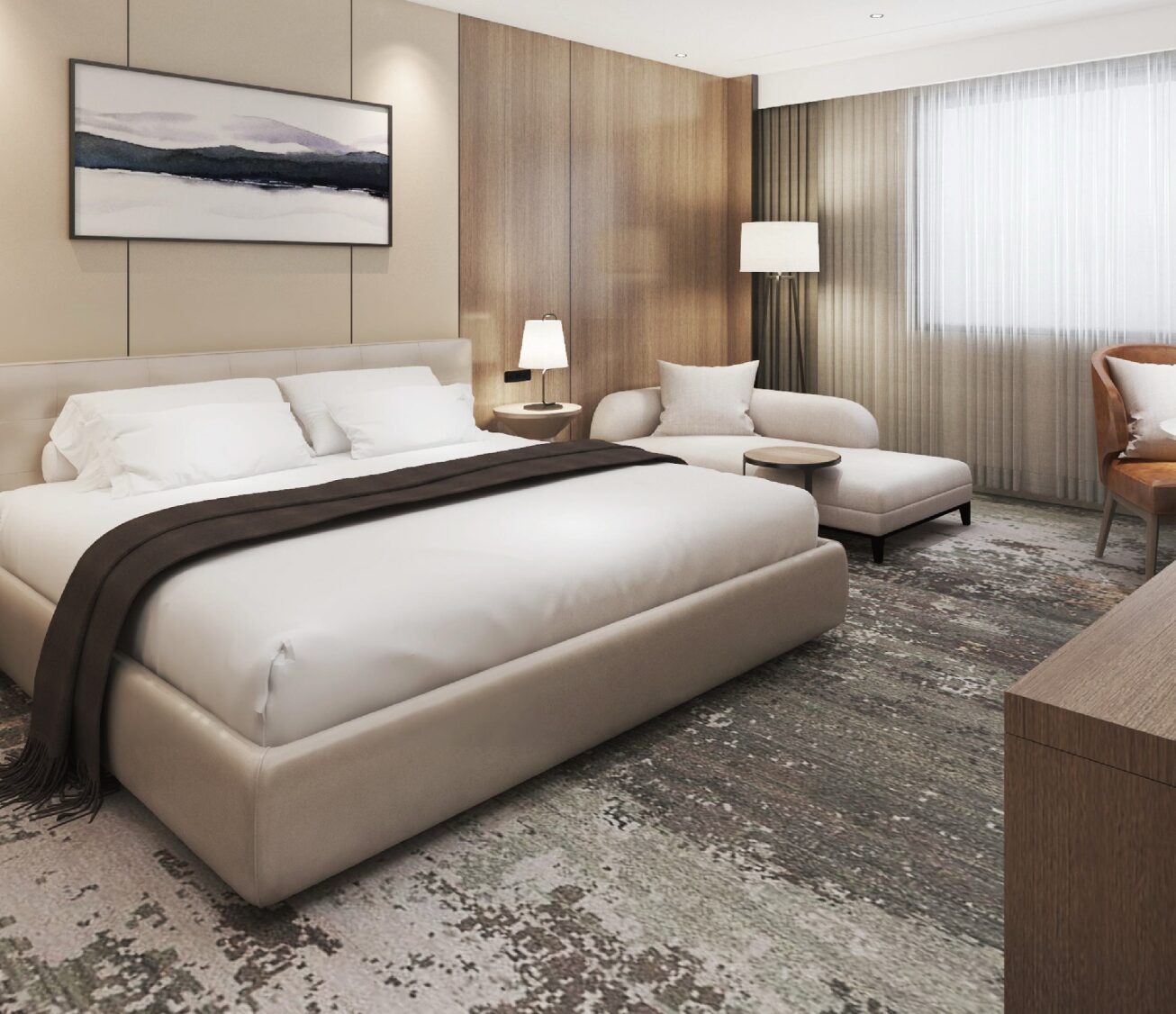
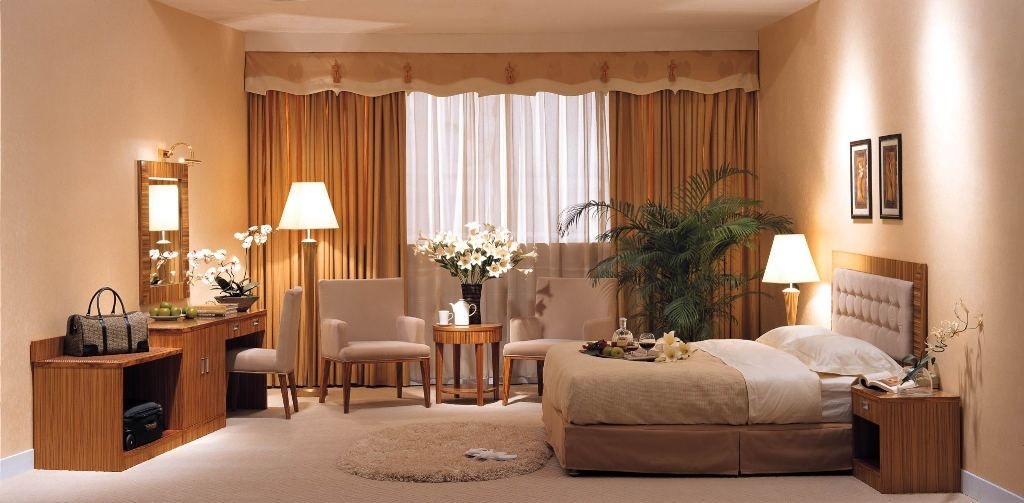
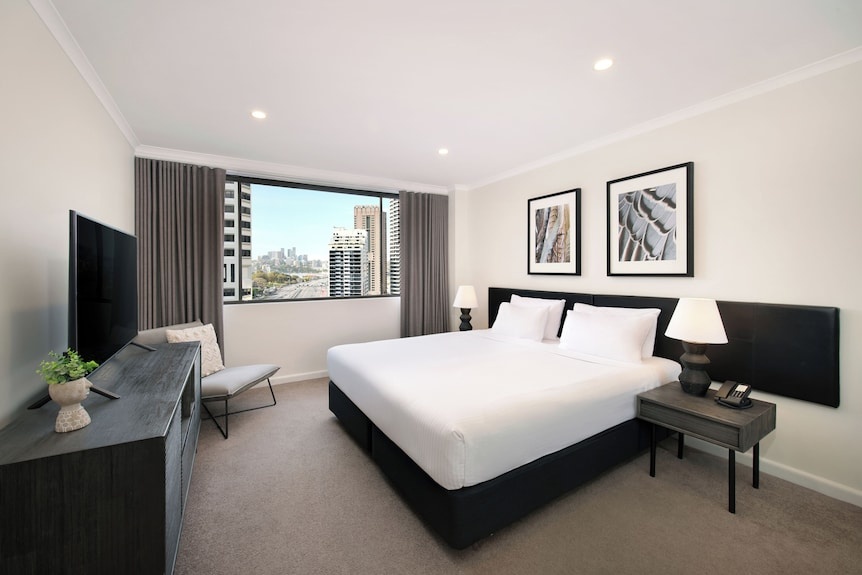
Neutral and warm tones such as beige, cream, light gray, soft brown, and muted earth colors can create a gentle visual foundation that feels welcoming and relaxing, while also making it easier to coordinate hotel furniture, flooring, textiles, lighting, and decorative elements within the guest room.
2.2 Adding accent colors without creating visual stress
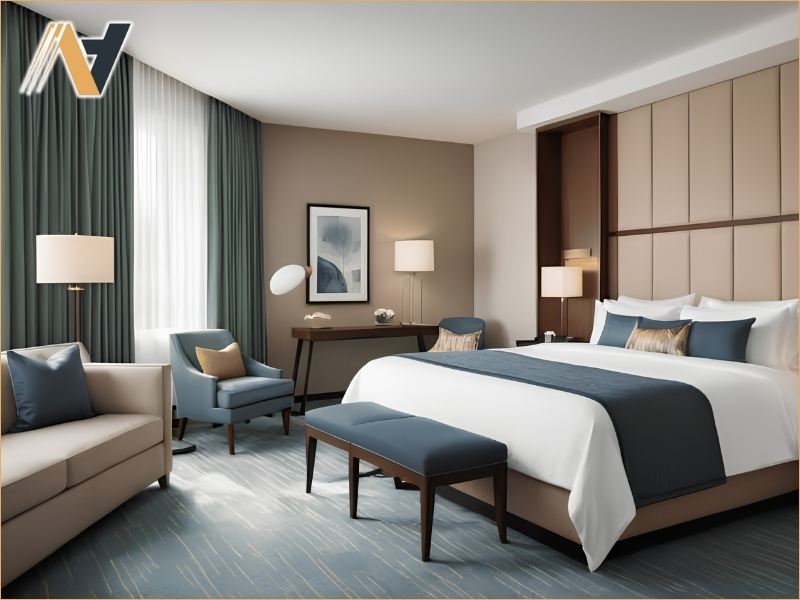
Accent colors can introduce personality and reinforce the hotel's design identity, but they should be used selectively through furniture details, decorative panels, cushions, artwork, or small accessories, allowing the room to remain visually interesting without excessive contrast or overly stimulating color combinations.
2.3 Combining natural colors with wood and textile finishes
Natural colors can be combined with wood tones, fabric textures, stone-inspired surfaces, and other organic finishes to create a warmer and more comfortable atmosphere, while the interaction between different materials adds visual depth and helps prevent a neutral color palette from appearing flat or monotonous.
3. Coordinating hotel furniture colors with the overall interior
Hotel furniture occupies a significant visual area in guest rooms, making its colors and finishes important to the overall atmosphere, with coordinated furniture, walls, flooring, textiles, and decorative elements helping create a consistent, comfortable, and relaxing interior environment.
3.1 Matching furniture colors with walls and flooring
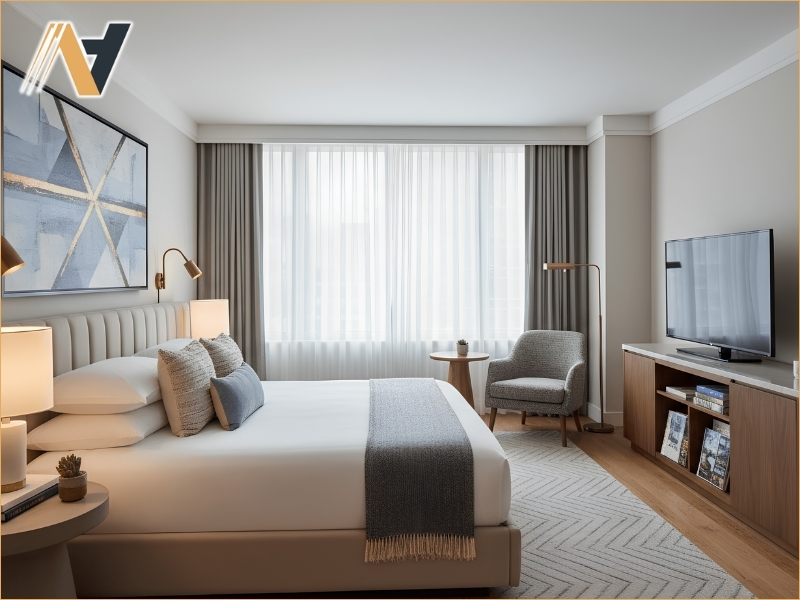
Furniture colors should complement the tones of walls and flooring to create visual continuity and prevent the room from feeling fragmented, while carefully selected contrasts can help define key furniture pieces without disrupting the calm and balanced atmosphere expected in a relaxing hotel environment.
3.2 Coordinating wood tones and surface finishes
Wood tones and surface finishes can add warmth and natural character to hotel interiors, so designers should coordinate their colors, textures, and gloss levels with the surrounding materials, creating a harmonious combination that enhances furniture appearance while supporting the overall relaxing design concept.
3.3 Creating visual balance through furniture accents
Furniture accents such as upholstered panels, decorative fronts, handles, cushions, and feature surfaces can introduce subtle color variations and visual interest, helping break up large neutral areas while maintaining a balanced palette that feels refined, cohesive, and comfortable for hotel guests.
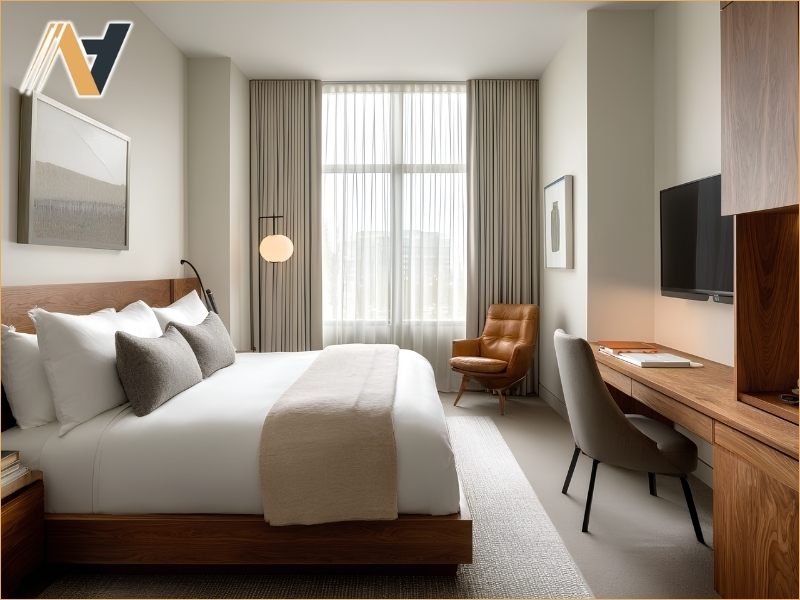
4. Combining color with lighting to enhance relaxation
Lighting can significantly influence how hotel interior colors are perceived, so coordinating color palettes with natural and artificial lighting helps maintain visual comfort, highlight suitable furniture finishes, and create a warm, relaxing atmosphere throughout different periods of the day.
4.1 Considering natural light when selecting colors
Natural light can change the perceived brightness and tone of interior colors, so hotels should evaluate window orientation, daylight intensity, and room exposure when selecting furniture and wall colors, helping prevent spaces from appearing excessively cold, dark, or visually harsh during different times of the day.
4.2 Matching color palettes with lighting temperature
Warm or neutral lighting temperatures can enhance beige, cream, brown, and natural wood tones, while cooler lighting may emphasize gray and contemporary finishes, making it important to coordinate artificial lighting with the selected color palette to create a consistent and comfortable visual atmosphere.
4.3 Using layered lighting to enhance color harmony
Combining ambient, task, and accent lighting allows hotels to control how colors and furniture surfaces appear across different areas of the room, while indirect lighting and carefully positioned decorative fixtures can add depth and warmth without creating excessive brightness or visual discomfort.
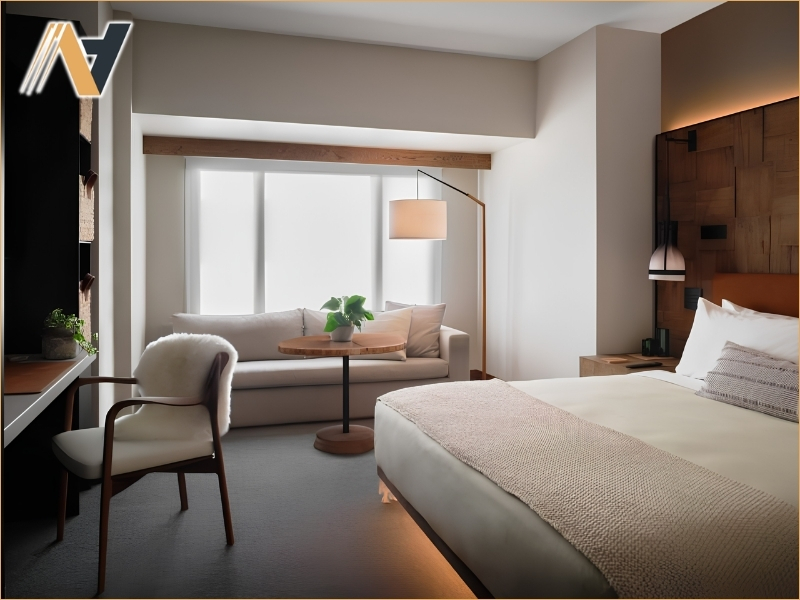
5. Applying customized color solutions for hotel furniture
Customized hotel furniture allows properties to control colors, materials, textures, and finishes according to specific design concepts, room categories, and brand identities, helping create a cohesive visual experience while ensuring furniture remains functional, durable, and suitable for long-term hospitality operations.
5.1 Developing furniture colors according to the design concept
Furniture colors should be developed alongside the hotel's overall interior concept, considering wall colors, flooring, lighting, textiles, and decorative elements to create a unified palette, while customized finishes allow manufacturers to reproduce specific tones and textures that support the property's desired atmosphere.
5.2 Maintaining color consistency across room categories
Hotels with multiple room categories should establish consistent color standards for key furniture components while allowing selected variations between standard rooms, premium rooms, and suites, helping create clear visual distinctions without losing the overall design identity and sense of continuity throughout the property.
5.3 Working with professional hotel furniture manufacturers
Professional hotel furniture manufacturers can help hotels select suitable materials, develop color samples, coordinate finishes, and maintain production consistency across large furniture orders, ensuring customized pieces accurately reflect the approved interior concept while meeting durability and functional requirements for long-term hotel operations.
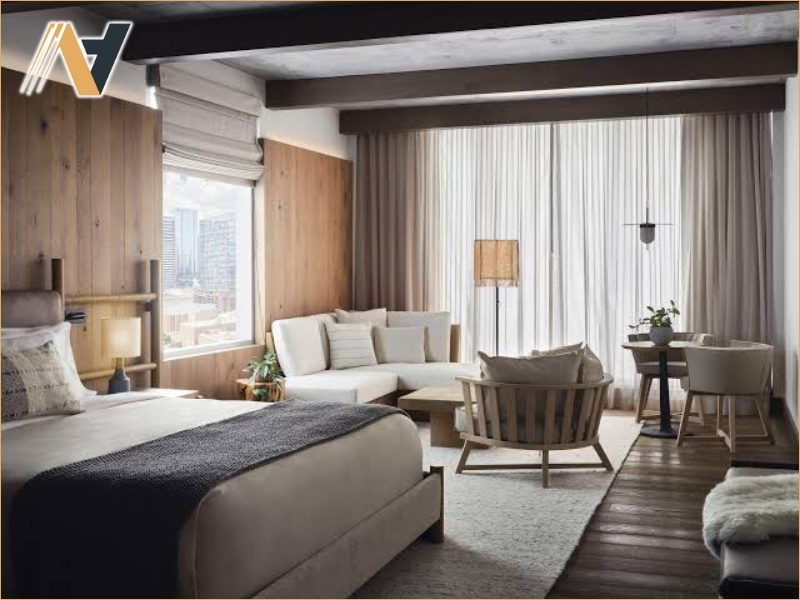
Conclusion
Effective hotel interior color coordination can create a more comfortable, harmonious, and relaxing atmosphere while strengthening the property's visual identity and enhancing the overall guest experience. By combining suitable color palettes with furniture finishes, lighting, materials, and room functions, hotels can achieve interiors that feel welcoming, balanced, and refined.
For hotels seeking refined, durable, and fully customized solutions, Ngoc Hoang Anh offers premium Vietnam hotel furniture tailored to complement carefully coordinated color concepts and elevate the sophistication and comfort of modern hospitality interiors.
Contact us today for expert consultation and bespoke hospitality furniture production.
-----
NGOC HOANG ANH TRADING COMPANY LIMITED
Tax Code: 3702874413
Address: No. 288/28/10 Huynh Van Luy Street, Zone 7, Phu Loi Ward, Ho Chi Minh City, Vietnam
Warehouse: No. 1/91, Thuan Giao 02 Street, Binh Thuan 2 Residential Quarter, Thuan Giao Ward, Ho Chi Minh City, Vietnam
Phone/Whatsapp/Wechat: +84342076666
Email: info@ngochoanganh.com.vn