How to choose hotel furniture for high-frequency use
Thứ 4, 16/09/2026
Administrator
53
Hotel furniture used frequently must withstand repeated contact, movement, cleaning, and daily operational demands while maintaining its stability, appearance, and functionality over time. In this article, Ngoc Hoang Anh shares practical guidance for choosing durable hotel furniture for high-frequency use.
1. Assessing hotel furniture usage frequency and operating conditions
Understanding how frequently hotel furniture is used and the conditions it must withstand helps properties determine appropriate durability requirements, select suitable specifications, and avoid investing in furniture that may deteriorate quickly under demanding daily operations.
1.1 Identifying high-frequency furniture in hotel spaces
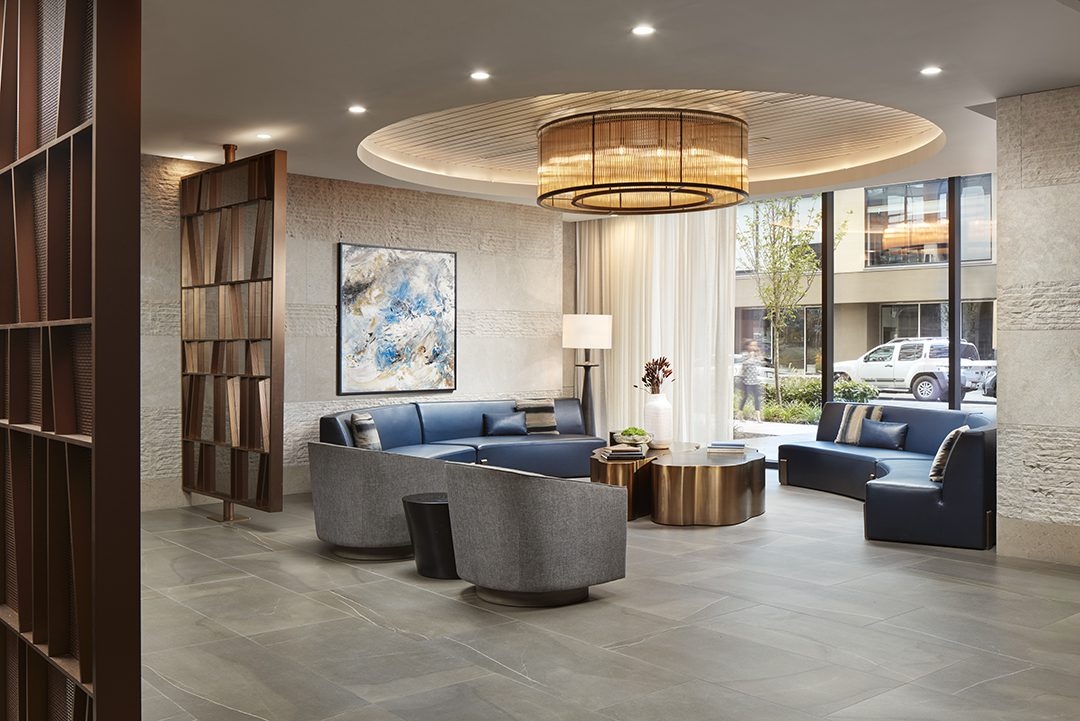
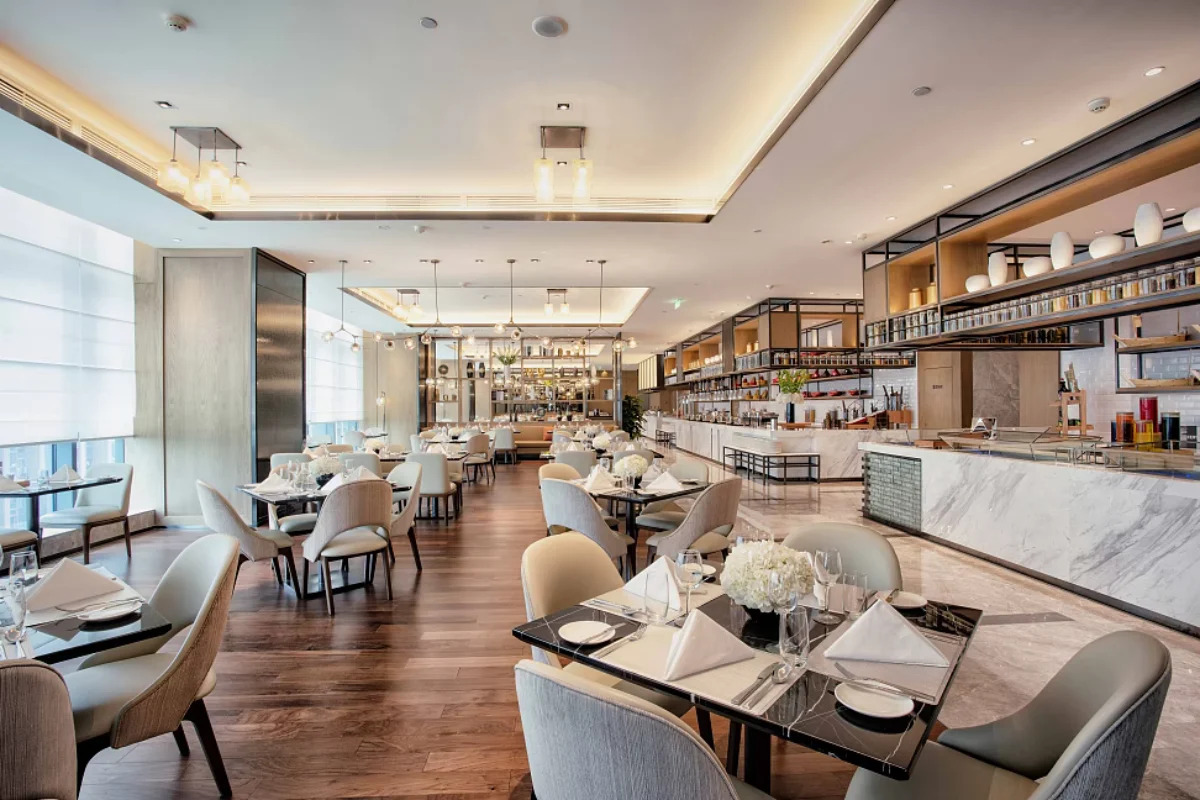
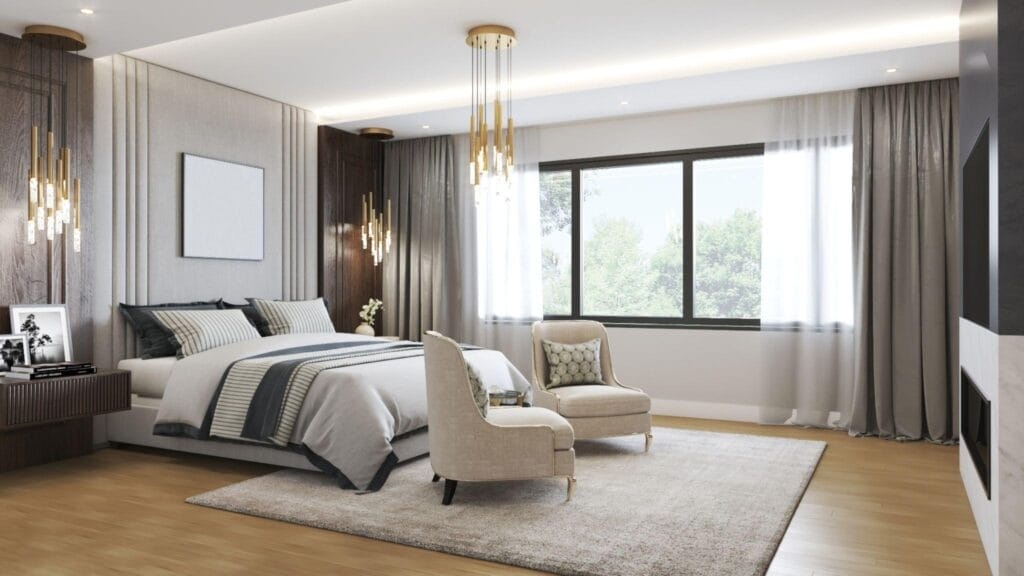
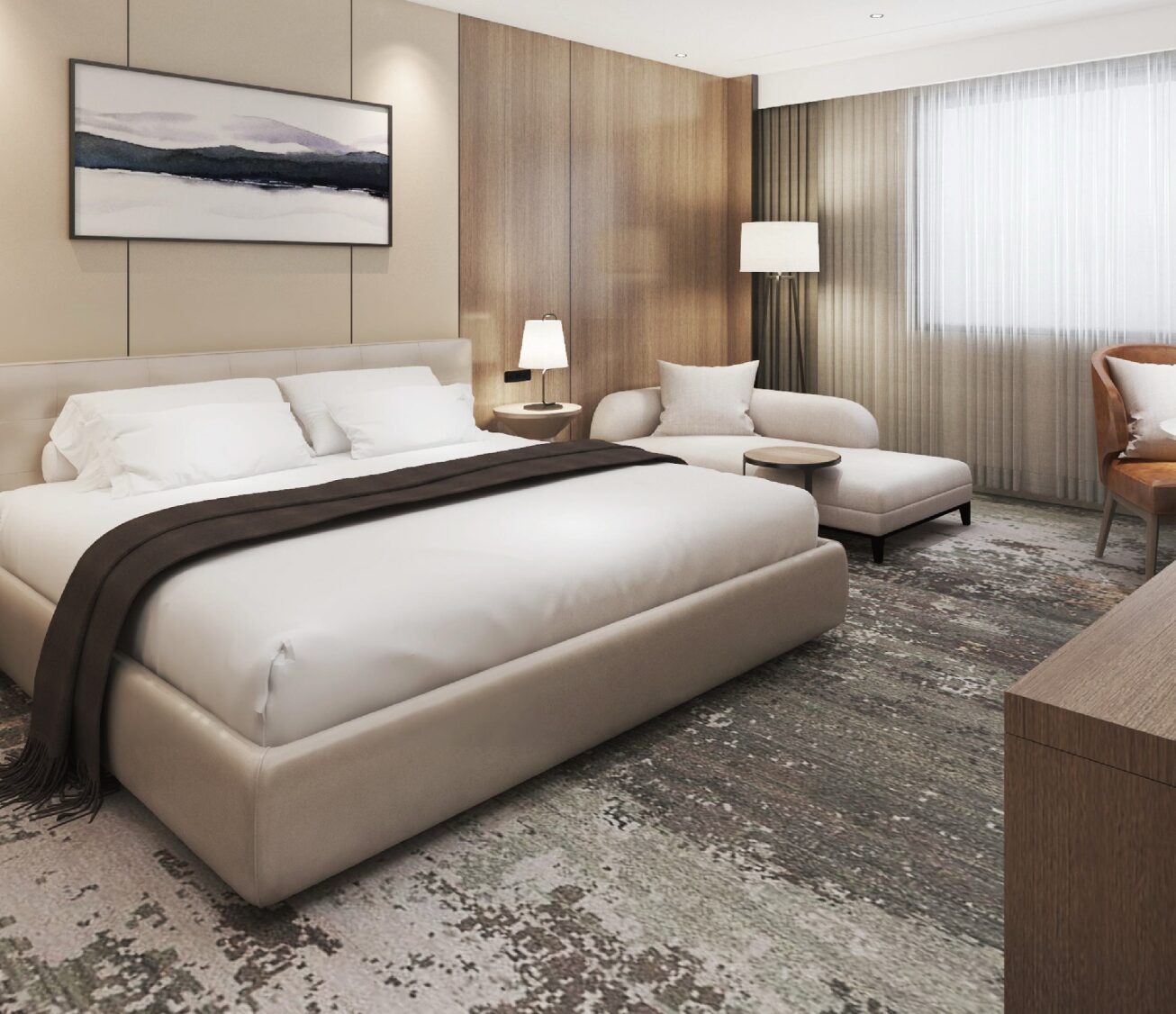
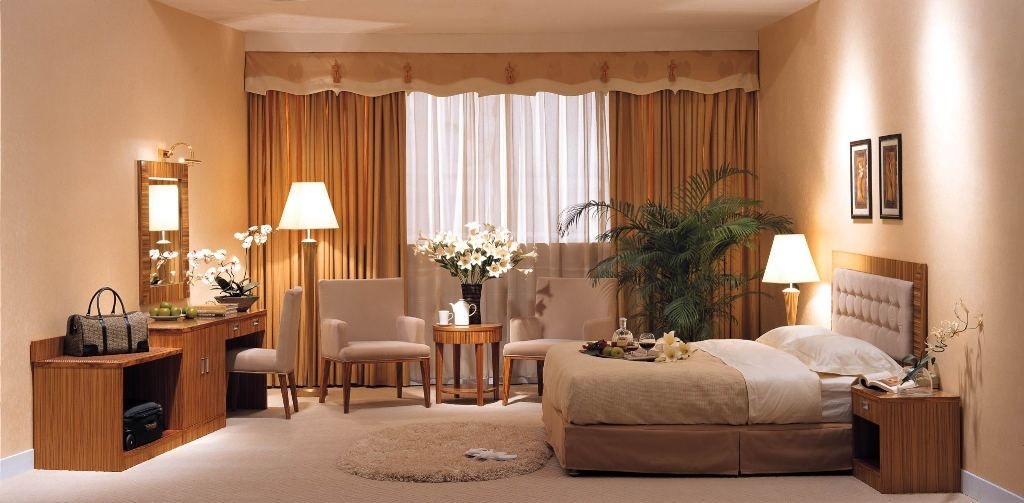
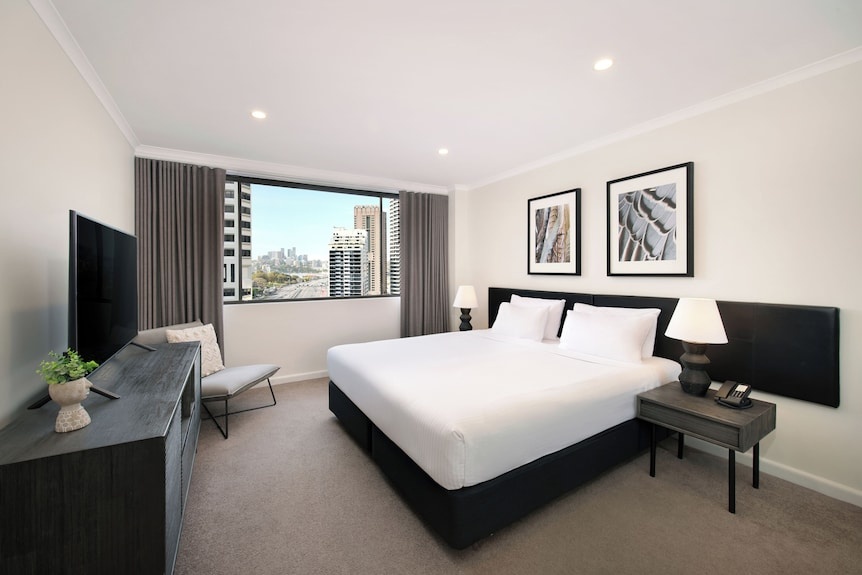
Hotels should identify furniture items that experience repeated use, such as beds, chairs, desks, wardrobes, bedside tables, luggage benches, and reception furniture, then prioritize durability when selecting these products to ensure they can withstand frequent guest contact and continuous operational demands.
1.2 Evaluating guest usage patterns and operating conditions
Furniture should be assessed according to how guests and staff interact with it, including repeated sitting, opening, closing, moving, cleaning, and handling, while environmental factors such as humidity, temperature changes, and cleaning frequency should also be considered when defining suitable material and construction requirements.
1.3 Defining durability requirements for different furniture categories
Different furniture categories require different performance standards, so hotels should establish specific requirements for load capacity, impact resistance, surface durability, hardware performance, moisture resistance, and expected service life, ensuring each product is selected according to its actual frequency and intensity of use.
2. Selecting durable materials for high-frequency hotel furniture
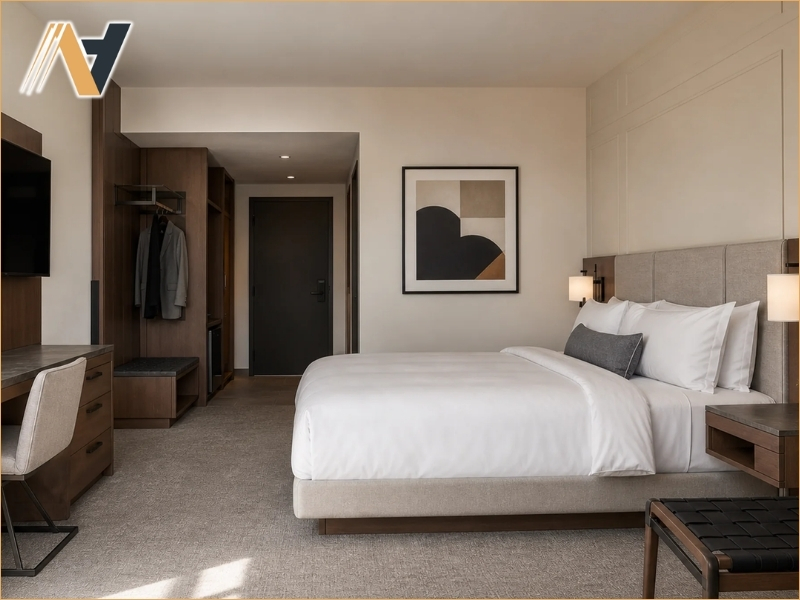
Material selection plays an important role in determining how well hotel furniture withstands repeated use, frequent cleaning, impact, moisture, and daily wear, so properties should prioritize materials that provide reliable durability while maintaining the desired appearance and controlling long-term operating costs.
2.1 Choosing materials with strong resistance to daily wear
Hotel furniture used frequently should be manufactured from materials with good resistance to scratches, abrasion, impact, and repeated contact, helping surfaces and structural components maintain their appearance and performance even when furniture is used continuously by different guests throughout the hotel's operating cycle.
2.2 Selecting surfaces that withstand frequent cleaning
Furniture surfaces should tolerate regular cleaning and exposure to commonly used cleaning products without excessive discoloration, swelling, peeling, or deterioration, making durable laminates, properly finished wood surfaces, and other easy-to-maintain materials suitable options for high-frequency hotel environments.
2.3 Balancing material durability, appearance, and cost
Choosing durable materials does not necessarily mean selecting the most expensive option, as hotels should compare expected service life, visual quality, maintenance requirements, replacement frequency, and initial investment to identify materials that provide an appropriate balance between long-term performance and the property's overall budget.
3. Evaluating hotel furniture structure and construction quality
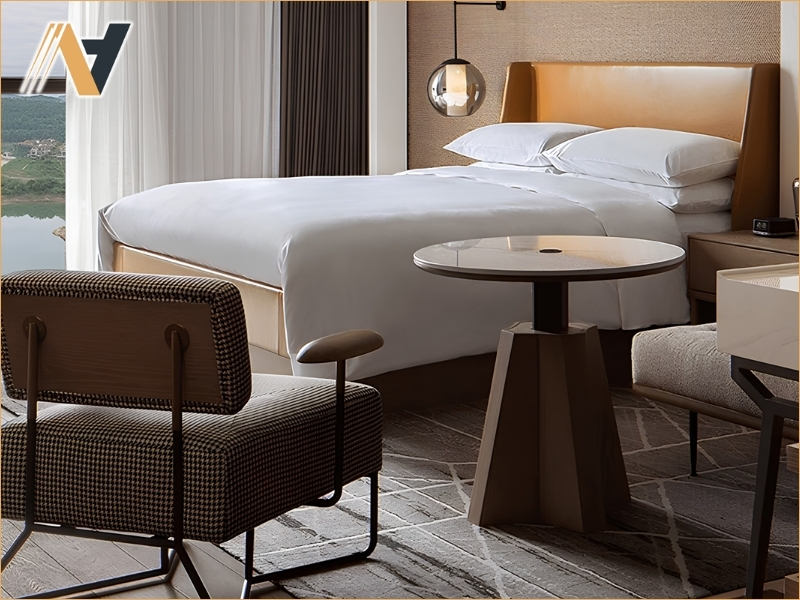
Strong construction is essential for hotel furniture exposed to frequent use, as frames, joints, hardware, and load-bearing components must withstand repeated movement and pressure while maintaining stability, safety, and functionality throughout the furniture's expected service life.
3.1 Checking frames and structural connections
Furniture frames should use appropriate materials and reliable construction methods, while joints, screws, brackets, and connection points need to be securely assembled to prevent loosening, deformation, or instability after repeated use, particularly for beds, chairs, tables, wardrobes, and other frequently handled furniture.
3.2 Evaluating hinges, slides, handles, and other hardware
Hardware components should be selected according to the expected frequency of operation, with hinges, drawer slides, handles, locks, and adjustable mechanisms designed to withstand repeated opening, closing, pulling, and adjustment without becoming loose or losing their intended functionality.
3.3 Considering load-bearing capacity and long-term stability
Hotels should evaluate whether each furniture item can safely support the loads expected during regular use, while also considering repeated loading and unloading, helping ensure that beds, chairs, desks, shelves, cabinets, and other structural components remain stable and functional throughout long-term operation.
4. Choosing practical hotel furniture for frequent use
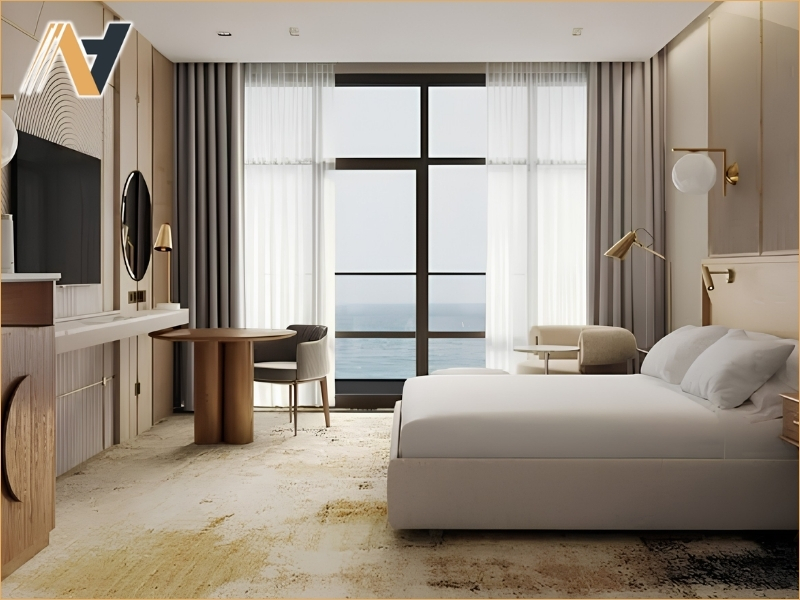
Hotel furniture designed for frequent use should combine durability with practical functionality, allowing guests and staff to operate, clean, move, and maintain each item efficiently while reducing unnecessary wear, simplifying repairs, and minimizing disruptions during daily hotel operations.
4.1 Prioritizing ergonomic and user-friendly furniture
Furniture should be designed with appropriate dimensions, proportions, accessibility, and ease of use to accommodate repeated guest interaction, helping beds, chairs, desks, wardrobes, and other frequently used items provide consistent comfort while reducing unnecessary pressure or improper handling that could accelerate wear.
4.2 Selecting furniture with replaceable and repairable components
Furniture with replaceable hardware, panels, handles, hinges, drawer mechanisms, or other components can make maintenance more efficient when individual parts become damaged, allowing hotels to repair specific elements instead of replacing entire furniture pieces and reducing long-term maintenance and replacement costs.
4.3 Designing furniture for easy cleaning and maintenance
Frequently used hotel furniture should have surfaces, edges, joints, and construction details that are easy to clean and inspect, helping housekeeping teams maintain hygiene more efficiently while reducing the accumulation of dirt and moisture that could affect surface quality, hardware performance, and overall furniture lifespan.
5. Working with professional hotel furniture manufacturers
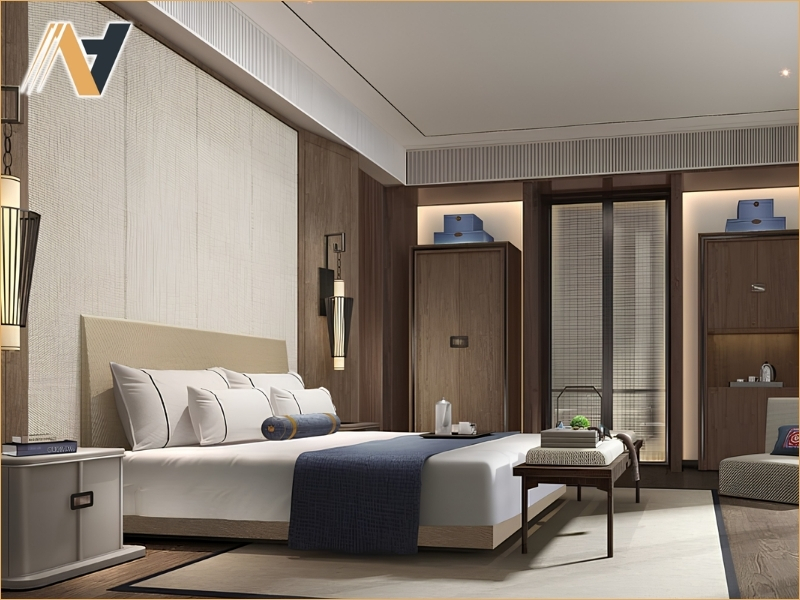
Partnering with an experienced hotel furniture manufacturer allows properties to develop furniture according to actual usage frequency, material requirements, structural demands, and operational conditions, while customized production can improve durability, consistency, maintenance efficiency, and long-term investment value.
5.1 Developing furniture specifications for high-frequency use
Professional manufacturers can help hotels establish suitable specifications for frequently used furniture, including material thickness, structural construction, hardware quality, surface finishing, load-bearing requirements, and component durability, ensuring each product is developed to withstand the specific demands of continuous hospitality operations.
5.2 Standardizing durable furniture across hotel spaces
Standardizing materials, dimensions, construction methods, finishes, and hardware across frequently used furniture helps hotels maintain consistent quality throughout guest rooms and public areas, while also simplifying procurement, replacement, maintenance, inventory management, and future expansion or renovation projects.
5.3 Building long-term value through customized hotel furniture
Customized hotel furniture can be developed around the property's floor plans, room categories, design concept, and operating requirements, allowing hotels to invest in durable solutions that provide reliable performance over time, reduce premature replacement, and maintain a consistent interior identity across the property.
.jpg)
Conclusion
Choosing hotel furniture for high-frequency use requires careful consideration of material durability, structural strength, hardware performance, functionality, maintenance, and actual operating conditions. By selecting furniture designed for intensive use and working with an experienced manufacturer, hotels can extend service life, reduce replacement costs, maintain consistent quality, and improve operational efficiency.
For hotels seeking refined, durable, and fully customized solutions, Ngoc Hoang Anh offers premium Vietnam hotel furniture tailored to withstand demanding hospitality environments while elevating the functionality and sophistication of modern hotel interiors.
Contact us today for expert consultation and bespoke hospitality furniture production.
-----
NGOC HOANG ANH TRADING COMPANY LIMITED
Tax Code: 3702874413
Address: No. 288/28/10 Huynh Van Luy Street, Zone 7, Phu Loi Ward, Ho Chi Minh City, Vietnam
Warehouse: No. 1/91, Thuan Giao 02 Street, Binh Thuan 2 Residential Quarter, Thuan Giao Ward, Ho Chi Minh City, Vietnam
Phone/Whatsapp/Wechat: +84342076666
Email: info@ngochoanganh.com.vn