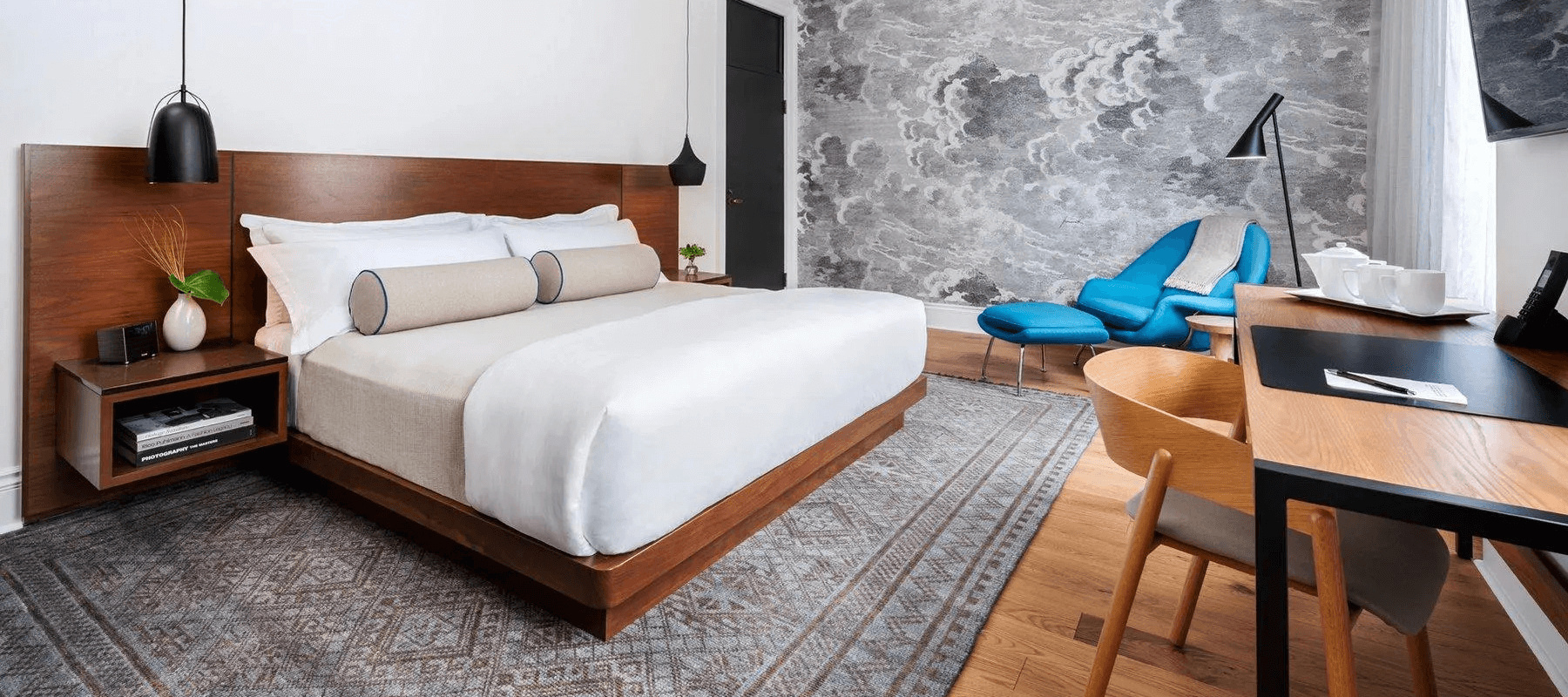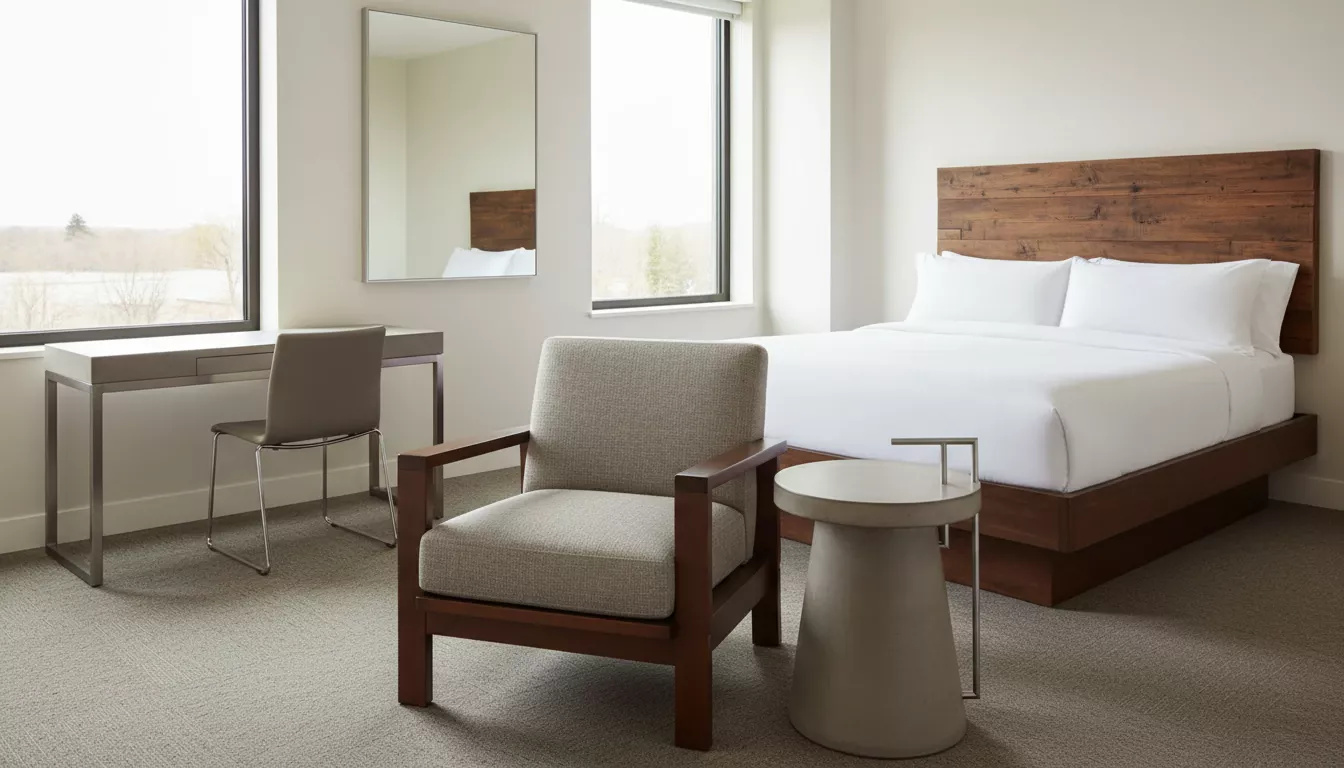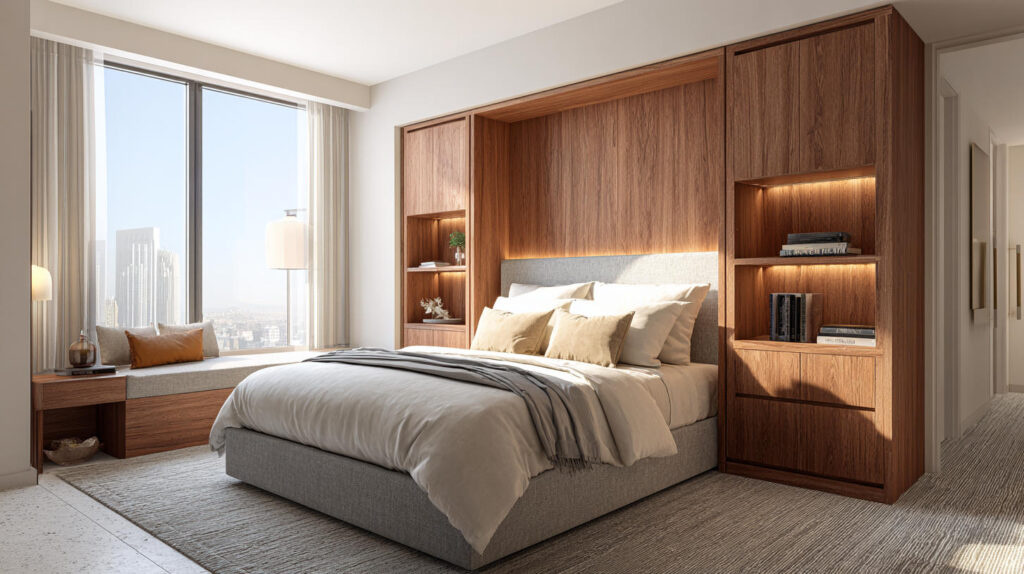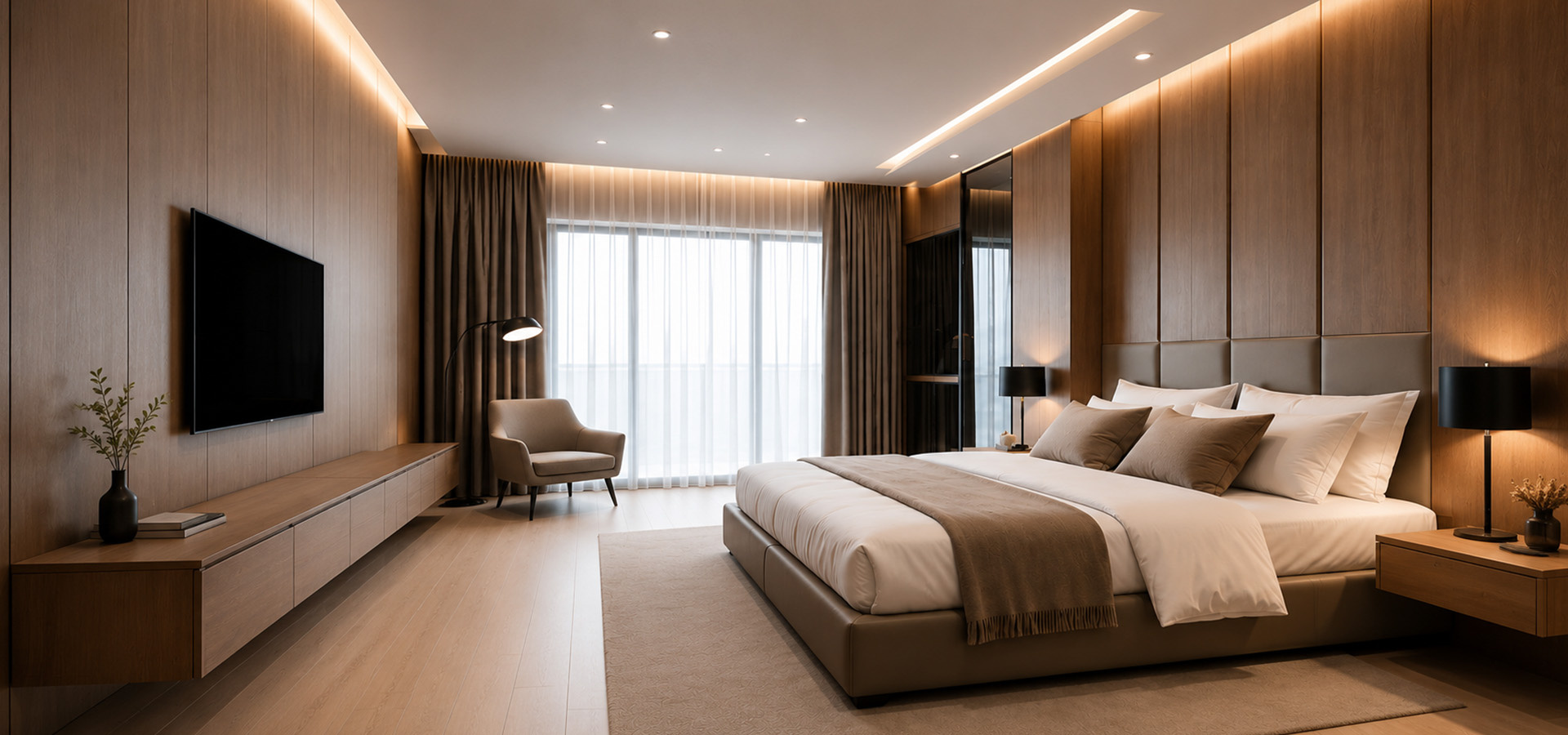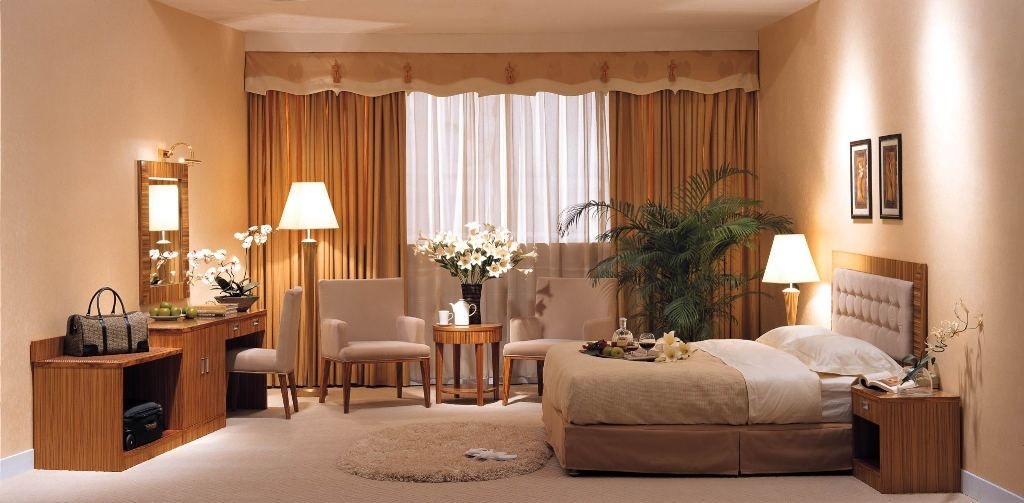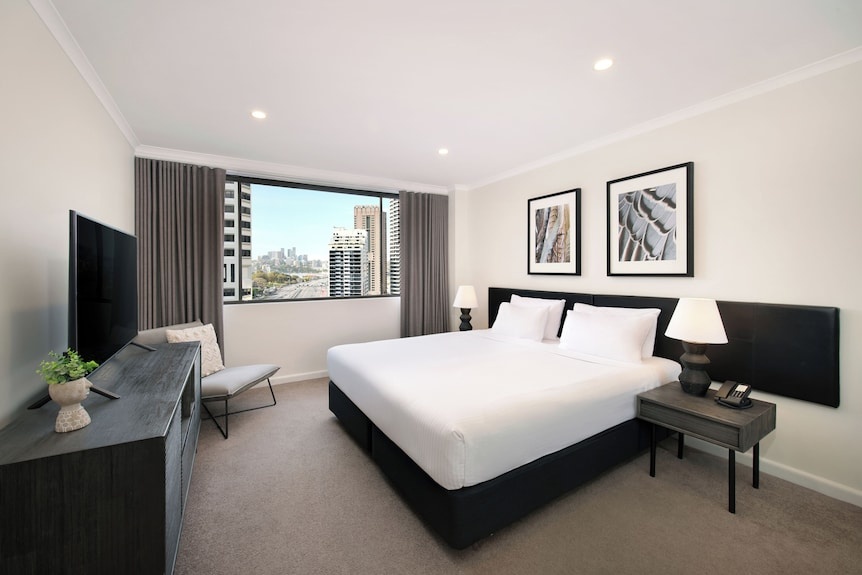
Interior design solutions that make hotel maintenance and item-by-item replacement easier
Thứ 5, 24/09/2026
Administrator
51
Hotel interior design should consider not only aesthetics and functionality but also how easily each furniture item can be inspected, repaired, and replaced, helping properties reduce maintenance time, control long-term costs, and minimize operational disruptions. In this article, Ngoc Hoang Anh shares practical solutions for easier hotel maintenance and replacement.
1. Designing hotel interiors for easier maintenance
Designing hotel interiors with maintenance requirements in mind from the beginning allows properties to inspect, repair, and replace furniture more efficiently, while reducing disruption to daily operations and helping maintain consistent interior quality throughout the property's service life.
1.1 Identifying furniture items that require frequent maintenance
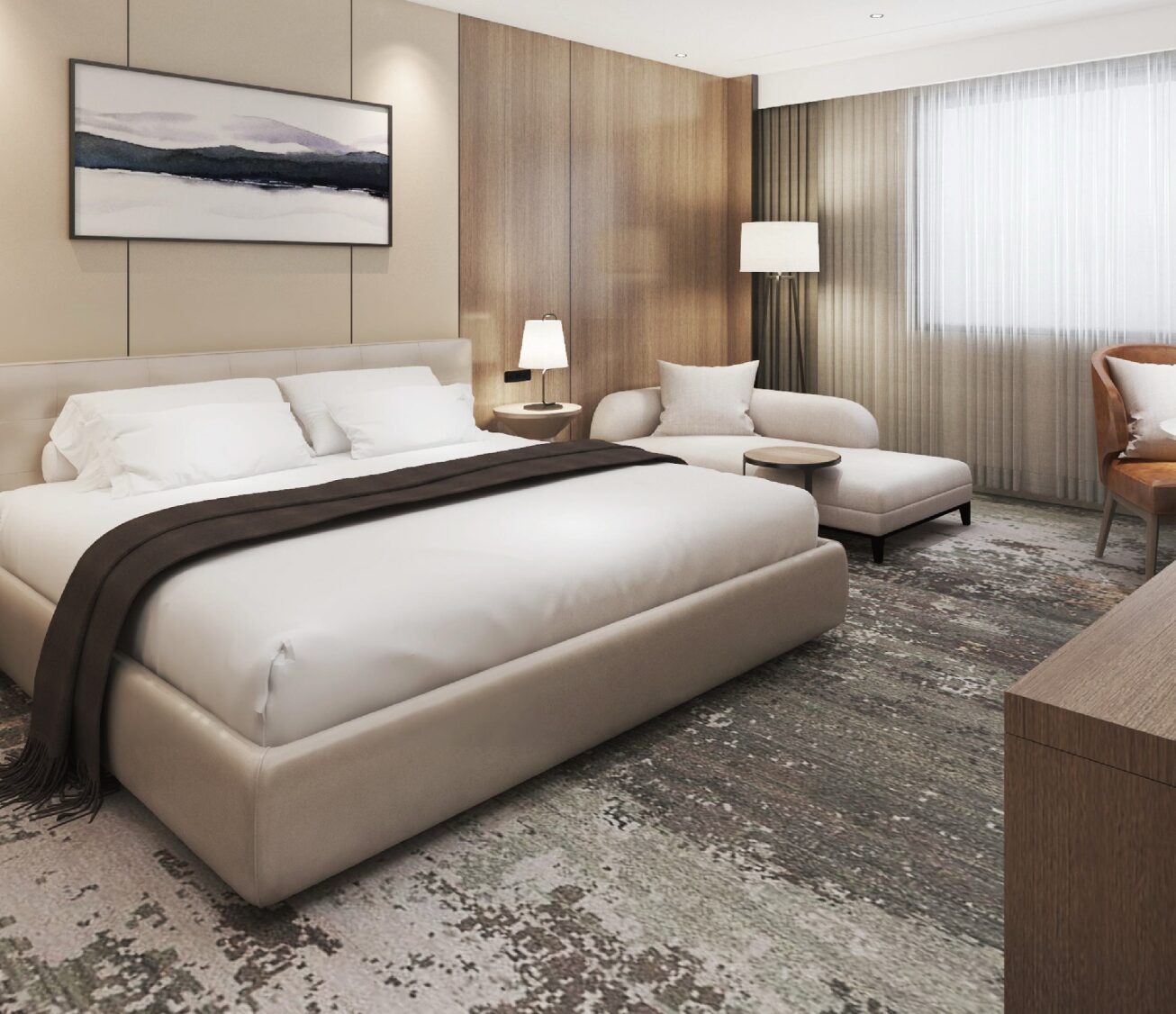
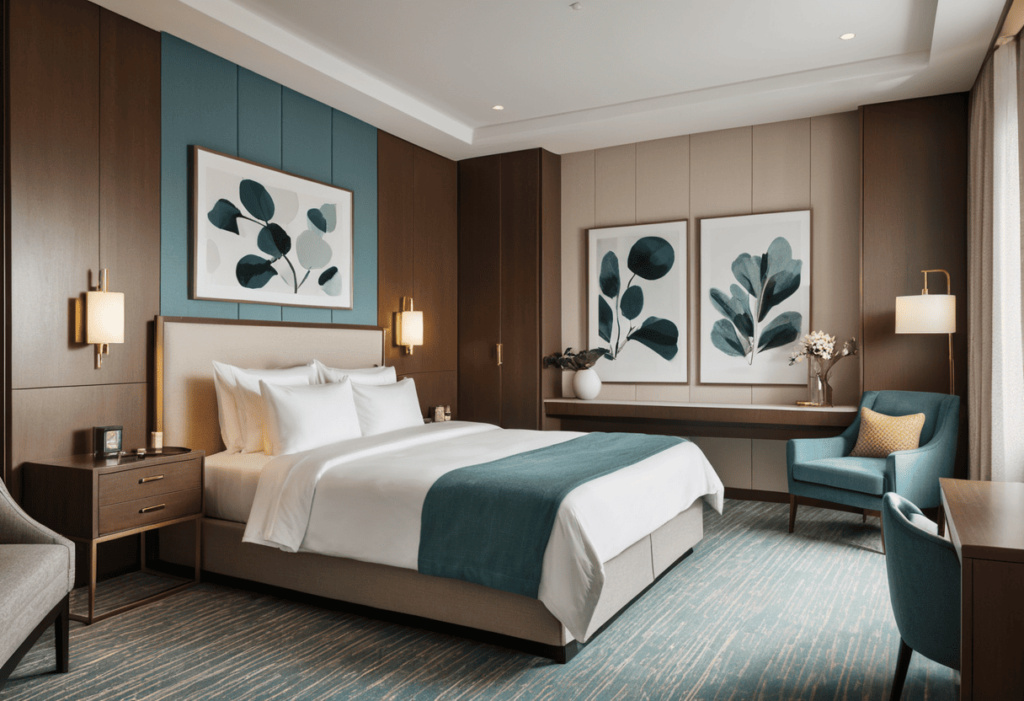
Hotels should identify furniture items that experience frequent use, movement, cleaning, or contact, such as beds, chairs, desks, wardrobes, bedside tables, and reception furniture, then prioritize accessible construction and replaceable components to simplify inspection and maintenance when wear or damage occurs.
1.2 Dividing furniture into independent components
Furniture should be divided into practical components such as frames, panels, doors, drawers, handles, hinges, and hardware so individual parts can be removed or replaced without dismantling the entire furniture piece, helping hotels reduce repair time and avoid unnecessary replacement costs.
1.3 Creating designs that allow convenient inspection and repair
Furniture layouts and construction should provide sufficient access to joints, hardware, moving mechanisms, and service areas, allowing maintenance teams to inspect and repair potential problems more easily while minimizing the need to move surrounding furniture or disrupt guest room operations.
2. Using modular hotel furniture for individual replacement
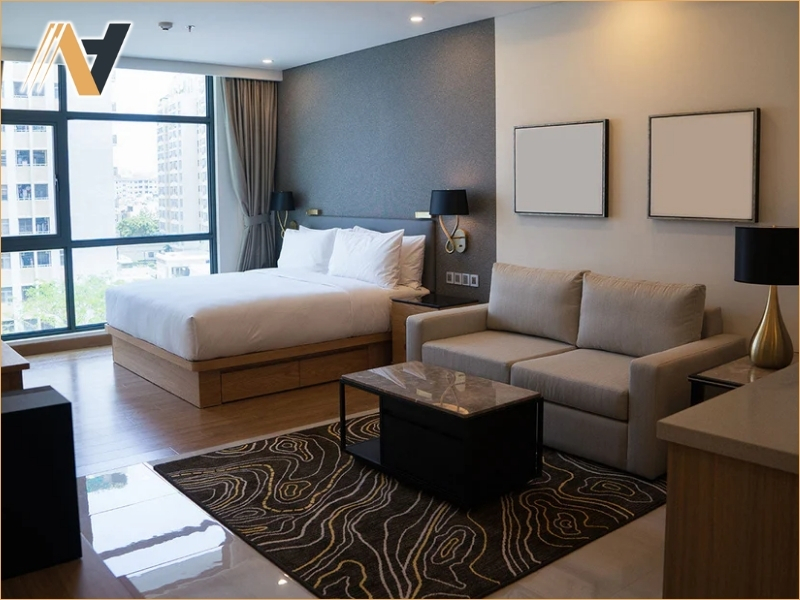
Modular hotel furniture allows individual components to be removed, repaired, or replaced without affecting the entire furniture structure, helping properties simplify maintenance, reduce replacement costs, shorten downtime, and maintain consistent design across guest rooms and other hospitality spaces.
2.1 Designing furniture components for easy removal and installation
Furniture components should be connected using practical assembly methods that allow panels, doors, drawers, hardware, and other parts to be removed without damaging surrounding structures, making it easier for maintenance teams to replace damaged components quickly and return furniture to normal use.
2.2 Using standardized modules for beds, cabinets, and desks
Standardized modules can help hotels maintain consistent dimensions, materials, hardware, and connection methods across suitable furniture categories, allowing replacement components to be produced or stored more efficiently while ensuring new parts match existing furniture in both function and appearance.
2.3 Avoiding complex furniture structures that are difficult to repair
Hotels should avoid unnecessarily complicated or permanently integrated furniture structures that require extensive dismantling when a single component becomes damaged, instead favoring practical construction that provides clear access to individual parts and allows maintenance teams to perform repairs with less time and operational disruption.
3. Selecting hotel furniture materials and hardware for easier maintenance
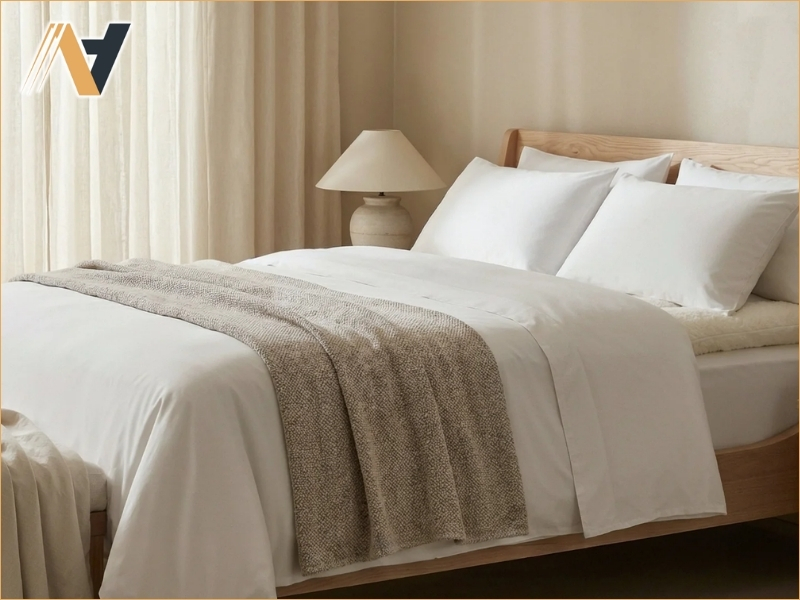
Choosing suitable materials and hardware helps hotel furniture withstand frequent use while making individual components easier to inspect, clean, repair, and replace, allowing properties to maintain furniture quality more efficiently without unnecessarily replacing complete furniture pieces.
3.1 Choosing durable and easy-to-clean materials
Hotel furniture should use materials and surface finishes that resist scratches, stains, moisture, and frequent cleaning, helping housekeeping teams maintain surfaces efficiently while reducing premature deterioration and making damaged areas easier to identify, clean, repair, or replace when necessary.
3.2 Using replaceable hardware and components
Hinges, drawer slides, handles, locks, brackets, and other hardware should be selected as replaceable components with standardized specifications where possible, allowing maintenance teams to replace individual parts when they wear out instead of removing or replacing the entire furniture structure.
3.3 Selecting surfaces and finishes that are easier to repair
Furniture surfaces should be selected according to the expected level of wear and maintenance, with practical finishes that can be cleaned, touched up, or replaced locally when minor damage occurs, helping hotels preserve a consistent appearance while reducing unnecessary furniture replacement.
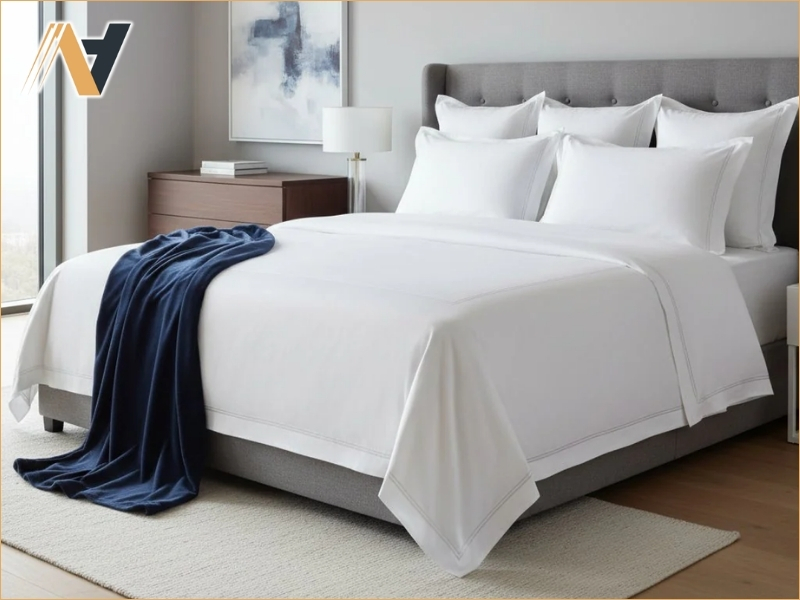
4. Optimizing hotel interior layouts for maintenance and replacement
A well-planned hotel interior layout should provide convenient access to furniture and functional areas, allowing maintenance teams to inspect, repair, or replace individual items without unnecessarily moving other furniture or significantly disrupting guest room operations and daily hotel activities.
4.1 Creating sufficient access around furniture items
Furniture should be positioned with adequate clearance around wardrobes, beds, desks, cabinets, and other frequently maintained items, allowing staff to reach connection points, hardware, and removable components easily while reducing the effort required to move furniture during inspection or replacement.
4.2 Positioning storage and functional furniture for easy access
Wardrobes, cabinets, desks, bedside tables, and other functional furniture should be arranged according to both guest use and maintenance access, ensuring doors, drawers, hinges, electrical connections, and removable components remain accessible without requiring extensive dismantling of surrounding elements.
4.3 Minimizing disruption to hotel operations during maintenance
Maintenance-friendly layouts should allow individual furniture items to be removed or replaced with minimal impact on nearby areas, helping hotels complete repairs within shorter periods, reduce room downtime, and return guest rooms or public spaces to normal operation more efficiently.
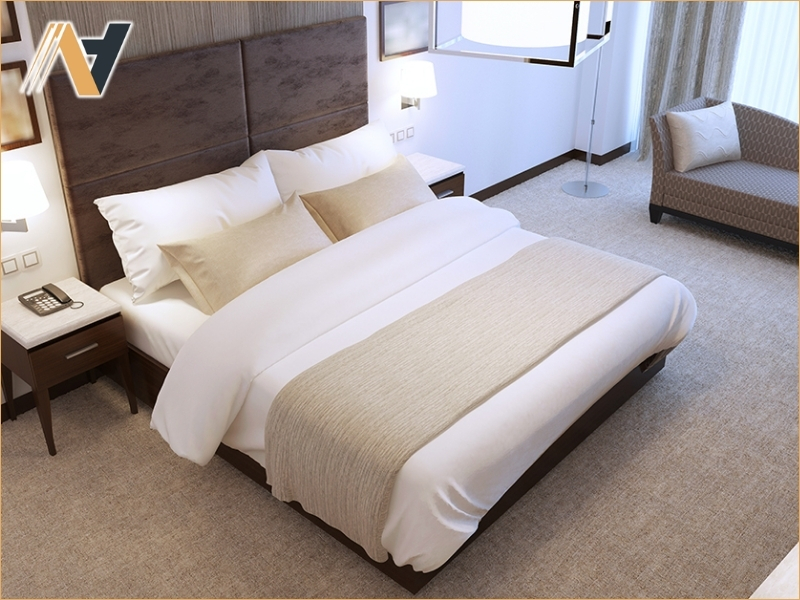
5. Developing customized hotel furniture for long-term maintenance
Customized hotel furniture can be developed around actual floor plans, room categories, usage conditions, and maintenance requirements, allowing properties to standardize replaceable components, simplify future repairs, and maintain consistent furniture quality throughout renovation and replacement cycles.
5.1 Designing furniture according to actual floor plans and maintenance requirements
Furniture should be customized according to room dimensions, structural conditions, circulation routes, functional zones, and access requirements, ensuring that each piece fits the space accurately while providing sufficient clearance for inspection, repair, removal, and replacement during hotel operations.
5.2 Standardizing dimensions, materials, and replacement components
Hotels can standardize furniture dimensions, materials, hardware, finishes, and connection methods across suitable room categories to make replacement components easier to produce and manage, while ensuring new parts remain compatible with existing furniture and maintain a consistent interior appearance.
5.3 Working with professional hotel furniture manufacturers
An experienced hotel furniture manufacturer can help properties develop maintenance-friendly furniture specifications, modular components, standardized replacement parts, and customized production solutions, ensuring that furniture meets the project's design requirements while supporting efficient maintenance and long-term operational management.
Conclusion
Designing hotel interiors with maintenance and replacement in mind helps properties simplify repairs, replace individual furniture components, reduce room downtime, and control long-term operating costs. By using modular furniture, durable materials, replaceable hardware, accessible layouts, and standardized components, hotels can maintain consistent quality while improving operational efficiency.
For hotels seeking refined, durable, and fully customized solutions, Ngoc Hoang Anh offers premium Vietnam hotel furniture tailored to simplify maintenance, support individual replacement, and elevate the functionality and sophistication of modern hospitality interiors.
Contact us today for expert consultation and bespoke hospitality furniture production.
-----
NGOC HOANG ANH TRADING COMPANY LIMITED
Tax Code: 3702874413
Address: No. 288/28/10 Huynh Van Luy Street, Zone 7, Phu Loi Ward, Ho Chi Minh City, Vietnam
Warehouse: No. 1/91, Thuan Giao 02 Street, Binh Thuan 2 Residential Quarter, Thuan Giao Ward, Ho Chi Minh City, Vietnam
Phone/Whatsapp/Wechat: +84342076666
Email: info@ngochoanganh.com.vn