The role of surface materials in improving hotel furniture durability
Thứ 7, 19/09/2026
Administrator
51
Surface materials play an important role in protecting hotel furniture from scratches, moisture, stains, cleaning, and repeated daily use while helping preserve its appearance and structural performance. In this article, Ngoc Hoang Anh explores how suitable surface materials can improve hotel furniture durability.
1. Understanding the role of surface materials in hotel furniture durability
Surface materials form the outer protective layer of hotel furniture and directly influence resistance to scratches, moisture, stains, impact, cleaning, and daily wear, making their selection an important factor in extending furniture service life and maintaining a consistent interior appearance.
1.1 Protecting furniture surfaces from daily wear
Surface materials help shield the underlying furniture structure from repeated contact, friction, scratches, and minor impacts caused by everyday guest and staff activities, allowing tables, cabinets, wardrobes, desks, and other frequently used furniture to maintain their appearance and functional quality for longer periods.
1.2 Improving resistance to moisture, stains, and impact
Appropriate surface materials can provide greater resistance to moisture penetration, stains, spills, and minor impacts, which is particularly important in hotel environments where furniture may be exposed to drinks, cleaning activities, luggage, and frequent handling, helping reduce premature deterioration and surface damage.
1.3 Supporting long-term furniture performance
A durable surface contributes to the overall service life of hotel furniture by protecting core materials from external conditions that can accelerate deterioration, while suitable finishes can also make surfaces easier to maintain, helping hotels preserve furniture quality and appearance throughout extended periods of daily operation.
2. Selecting suitable surface materials for high-use hotel furniture
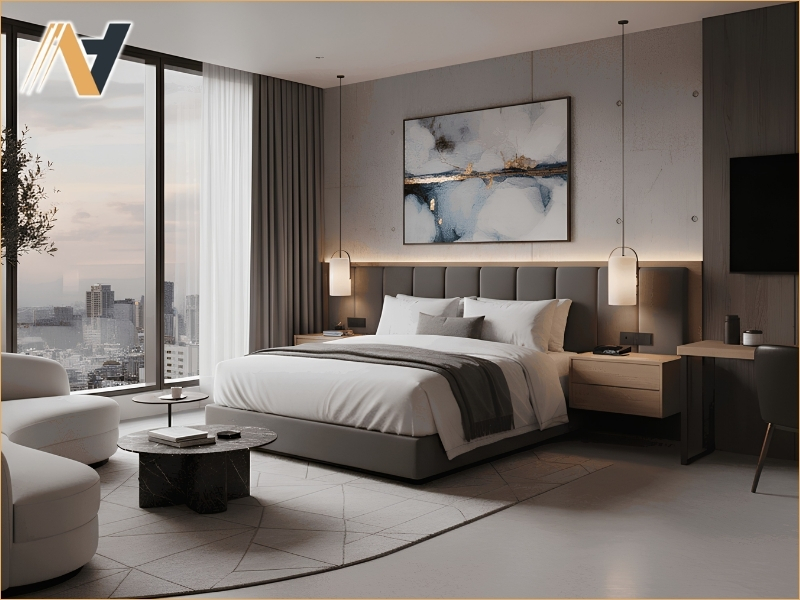
Different hotel furniture items experience varying levels of contact, cleaning, moisture, and environmental exposure, so surface materials should be selected according to usage frequency, functional requirements, room conditions, and expected service life to provide reliable protection while maintaining the desired appearance.
2.1 Choosing scratch-resistant surface materials
Scratch-resistant surfaces are particularly important for desks, tables, cabinets, wardrobes, and other furniture exposed to frequent contact or movement, as they help minimize visible damage caused by luggage, personal belongings, cleaning equipment, and repeated daily use while preserving a consistent appearance for longer.
2.2 Selecting moisture and stain-resistant finishes
Moisture and stain-resistant finishes can protect furniture surfaces from spills, humidity, food, beverages, and routine cleaning, making them especially valuable in guest rooms, bathrooms, dining areas, and other spaces where furniture is regularly exposed to liquids or substances that could cause discoloration and deterioration.
2.3 Matching surface materials with furniture usage conditions
Surface materials should be matched with the specific operating conditions of each furniture category, considering factors such as contact frequency, exposure to moisture, cleaning intensity, temperature, and location, allowing hotels to select finishes that provide appropriate protection without unnecessarily increasing material and production costs.
3. Evaluating surface finishes for hotel furniture maintenance
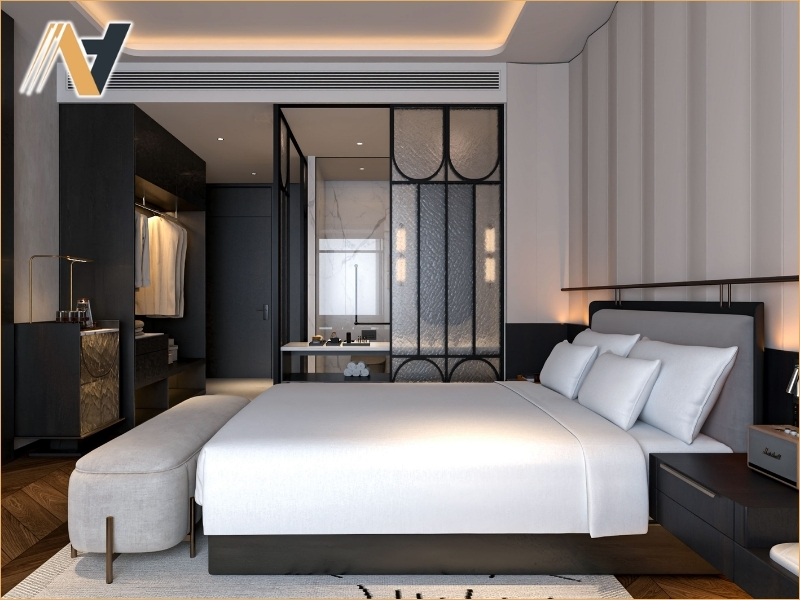
The right surface finish can make hotel furniture easier to clean, inspect, and maintain while reducing deterioration caused by repeated housekeeping activities, helping properties preserve furniture quality, appearance, and functionality while controlling long-term maintenance requirements.
3.1 Choosing surfaces that withstand frequent cleaning
Hotel furniture surfaces should tolerate frequent wiping and cleaning without excessive fading, peeling, swelling, or loss of finish, particularly for furniture in guest rooms, restaurants, reception areas, and other spaces where housekeeping teams regularly remove dust, stains, spills, and other contaminants.
3.2 Considering resistance to cleaning chemicals
Surface materials should be evaluated for their compatibility with commonly used hotel cleaning products, as repeated exposure to unsuitable chemicals can damage coatings, alter colors, or weaken protective layers, making chemical resistance an important factor when selecting furniture finishes for demanding hospitality environments.
3.3 Reducing maintenance and replacement requirements
Durable and easy-to-maintain surface finishes can reduce the frequency of refinishing, repairs, and furniture replacement, helping hotels maintain consistent interior quality while lowering long-term operating expenses and minimizing disruptions caused by removing damaged furniture from guest rooms or operational areas.
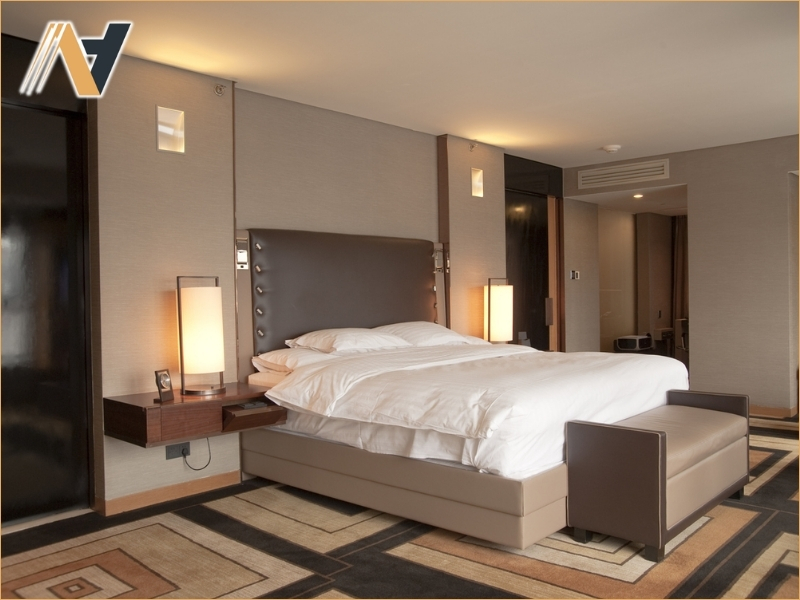
4. Balancing surface durability and hotel interior aesthetics
Durable surface materials should also complement the hotel's interior design concept, as colors, textures, patterns, gloss levels, and finishes influence guest perception, allowing properties to achieve a refined appearance while ensuring furniture can withstand demanding daily hospitality operations.
4.1 Coordinating surface finishes with interior design
Surface finishes should be selected to complement the hotel's overall design direction, with appropriate colors, textures, patterns, and gloss levels helping furniture integrate naturally with walls, flooring, lighting, and decorative elements while creating a cohesive visual experience across guest rooms and shared hospitality spaces.
4.2 Combining visual quality with practical durability
Hotel furniture should balance attractive finishes with resistance to scratches, stains, moisture, impact, and frequent cleaning, ensuring that aesthetically refined surfaces can maintain their appearance under real operating conditions rather than requiring frequent repairs or replacement due to premature deterioration.
4.3 Maintaining consistency across hotel furniture
Using consistent surface materials, colors, textures, and finishing standards across furniture items helps create a unified interior identity while making procurement, production, maintenance, and future replacement more efficient, particularly for hotels with multiple room categories or large-scale furniture installation requirements.
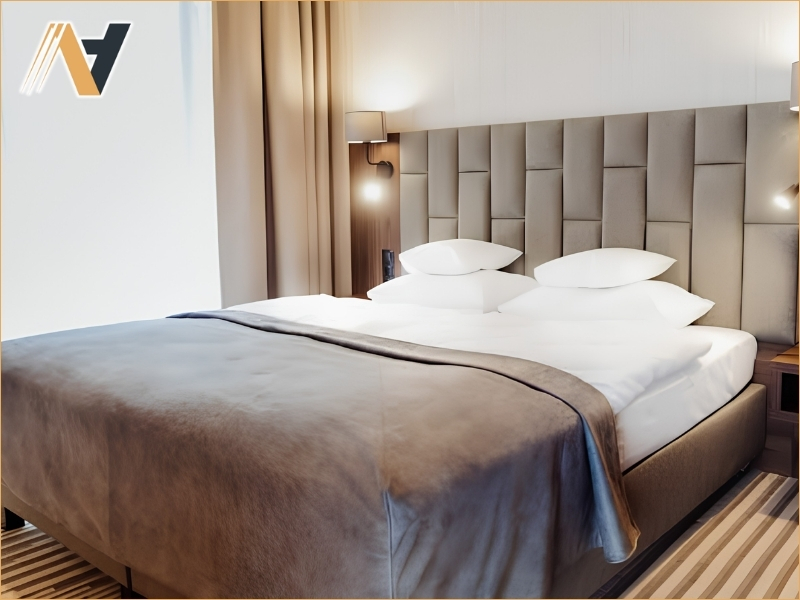
5. Customizing surface materials for long-term hotel furniture value
Customized surface material solutions allow hotels to select finishes according to specific operating conditions, furniture categories, design requirements, and maintenance expectations, helping improve durability, control lifecycle costs, and maintain a consistent interior identity throughout the property.
5.1 Developing surface specifications according to project requirements
Surface specifications should be developed according to furniture location, usage frequency, environmental exposure, cleaning requirements, and interior design standards, allowing hotels to select suitable materials and finishes for each application instead of applying the same surface solution to every furniture category.
5.2 Combining durable surfaces with strong furniture construction
Surface durability should be considered together with the quality of the furniture's core materials, structural frame, joints, and hardware, as a protective surface alone cannot compensate for weak construction, while a combination of reliable structure and appropriate finishing provides stronger long-term performance in demanding hotel environments.
5.3 Working with professional hotel furniture manufacturers
Professional hotel furniture manufacturers can help properties evaluate surface material options, develop appropriate specifications, test finishes, and coordinate production requirements, ensuring that selected surfaces meet both aesthetic and durability expectations while maintaining consistent quality across large-scale hospitality furniture projects.
Conclusion
Surface materials play a critical role in protecting hotel furniture from scratches, moisture, stains, cleaning, impact, and repeated daily use while helping preserve its appearance and functionality. By selecting suitable finishes according to operating conditions and combining them with strong furniture construction, hotels can extend service life, reduce maintenance costs, and maintain consistent interior quality.
For hotels seeking refined, durable, and fully customized solutions, Ngoc Hoang Anh offers premium Vietnam hotel furniture tailored to improve long-term durability while elevating the functionality and sophistication of modern hospitality interiors.
Contact us today for expert consultation and bespoke hospitality furniture production.
-----
NGOC HOANG ANH TRADING COMPANY LIMITED
Tax Code: 3702874413
Address: No. 288/28/10 Huynh Van Luy Street, Zone 7, Phu Loi Ward, Ho Chi Minh City, Vietnam
Warehouse: No. 1/91, Thuan Giao 02 Street, Binh Thuan 2 Residential Quarter, Thuan Giao Ward, Ho Chi Minh City, Vietnam
Phone/Whatsapp/Wechat: +84342076666
Email: info@ngochoanganh.com.vn