Which Materials Should Hotel Room Furniture Prioritize in Humid Environments?
Thứ 2, 19/10/2026
Administrator
34
Hotel room furniture that is frequently exposed to humidity requires carefully selected materials to maintain its appearance, structural stability, and service life over time. In this article, Ngoc Hoang Anh explores suitable material options for humid environments, including wood-based materials, metal, protective finishes, and customized furniture solutions for different areas of the hotel room.
1. Understanding How Humidity Affects Hotel Room Furniture
Humidity can gradually affect hotel furniture, particularly in rooms located in tropical or coastal environments where moisture levels remain high for extended periods. Understanding how moisture interacts with different materials helps hotels select appropriate furniture construction, protective finishes, and maintenance practices to reduce deterioration and extend service life.
1.1 Common Signs of Moisture-Related Furniture Damage
Prolonged exposure to humidity can cause wood-based furniture to swell, warp, peel, or lose surface integrity. Other visible signs may include discoloration, bubbling finishes, mold growth, loose joints, and unpleasant odors. Identifying these problems early allows hotel operators to address material or environmental issues before more serious damage develops.
1.2 Furniture Areas Most Exposed to Humidity
Furniture positioned near bathrooms, beverage stations, windows, or air-conditioning outlets may experience greater exposure to moisture. Wardrobes, cabinets, bedside tables, and other pieces placed directly against damp surfaces can also be affected when ventilation is limited, making material selection particularly important in these locations.
1.3 Factors That Increase Moisture Exposure in Hotel Rooms
Humidity-related deterioration can be influenced by poor ventilation, frequent bathroom use, condensation, water spills, temperature fluctuations, and insufficient drying. Room location and climate conditions may also affect moisture levels, so furniture specifications should be selected according to the actual environmental conditions in which the hotel operates.
2. Choosing Wood-Based Materials for Humid Hotel Environments
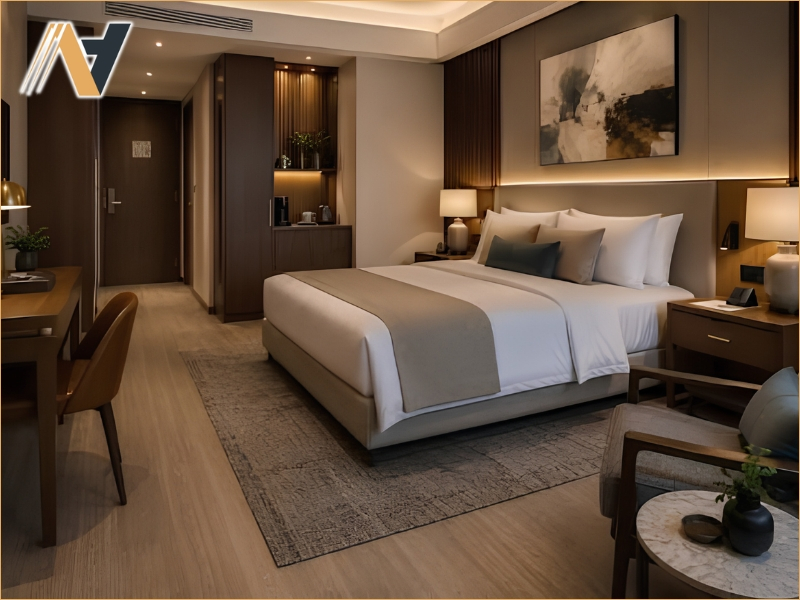
Wood-based materials are widely used in hotel furniture because they offer flexibility in design, a wide range of finishes, and the ability to create a warm and refined interior. However, when furniture is exposed to frequent humidity, the material structure, edge treatment, surface protection, and manufacturing quality should all be considered to improve resistance to moisture-related deterioration.
2.1 Moisture-Resistant Engineered Wood for Hotel Furniture
Engineered wood with suitable moisture-resistant properties can be considered for wardrobes, cabinets, desks, and other indoor furniture exposed to moderate humidity. The material should be selected according to the expected environmental conditions, while properly sealed edges and joints can help reduce the possibility of moisture entering vulnerable areas.
2.2 Selecting Suitable Surface Finishes and Protective Coatings
A suitable surface finish can provide an additional layer of protection against moisture, stains, and everyday wear. Laminates, decorative surfaces, coatings, and edge treatments should be selected according to the furniture's location and intended use, with particular attention given to exposed edges, joints, and areas that may come into contact with water.
2.3 Considering Solid Wood for Specific Furniture Applications
Solid wood can provide a distinctive appearance and strong structural characteristics when properly selected and processed for the intended environment. However, its response to changes in moisture and temperature should be considered during design and manufacturing. Appropriate wood species, surface treatment, construction methods, and maintenance can help improve long-term performance in humid hotel rooms.
3. Considering Metal and Other Moisture-Resistant Materials
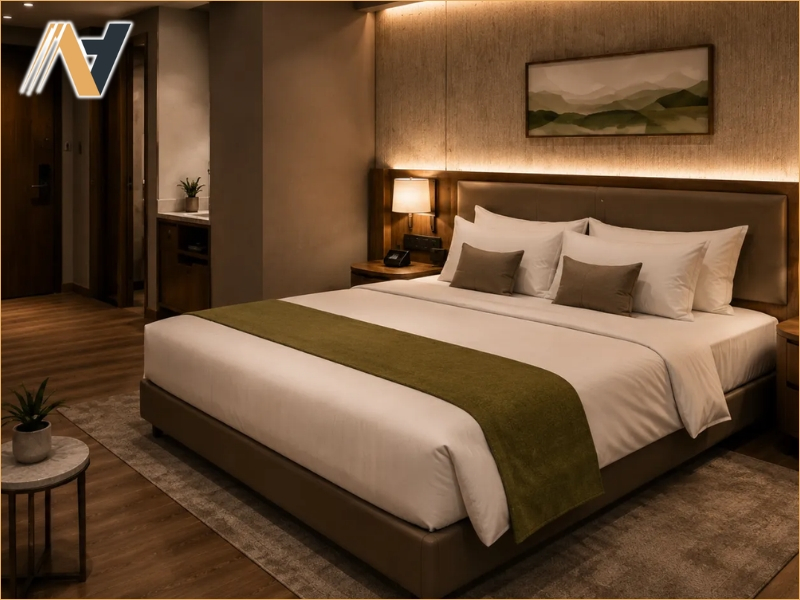
Metal and other moisture-resistant materials can provide useful alternatives or complements to wood-based furniture in areas where humidity exposure is higher. Choosing the right material depends on the location, expected contact with moisture, maintenance conditions, and the visual style of the hotel interior.
3.1 Using Stainless Steel for Humid Areas
Stainless steel can be a practical option for furniture components and fixtures exposed to moisture, particularly around bathrooms, beverage stations, and other areas where occasional water contact may occur. Its resistance to corrosion and relatively easy maintenance make it suitable for applications that require durability and a clean appearance.
3.2 Applying Suitable Metal Finishes to Prevent Corrosion
The protective finish applied to metal surfaces can influence their long-term performance in humid environments. Powder coating, suitable plating, or other protective treatments can help reduce surface deterioration while also allowing the furniture to match different hotel interior concepts through a range of textures and finishes.
3.3 Combining Different Materials for Better Durability
Combining moisture-resistant materials can create furniture that balances durability, functionality, and visual appeal. For example, metal frames can be paired with appropriately treated wood-based panels, while glass or other easy-to-clean surfaces can be incorporated where needed. The combination should be designed carefully to protect joints and connections from moisture accumulation.
4. Selecting Furniture Materials According to Specific Hotel Areas
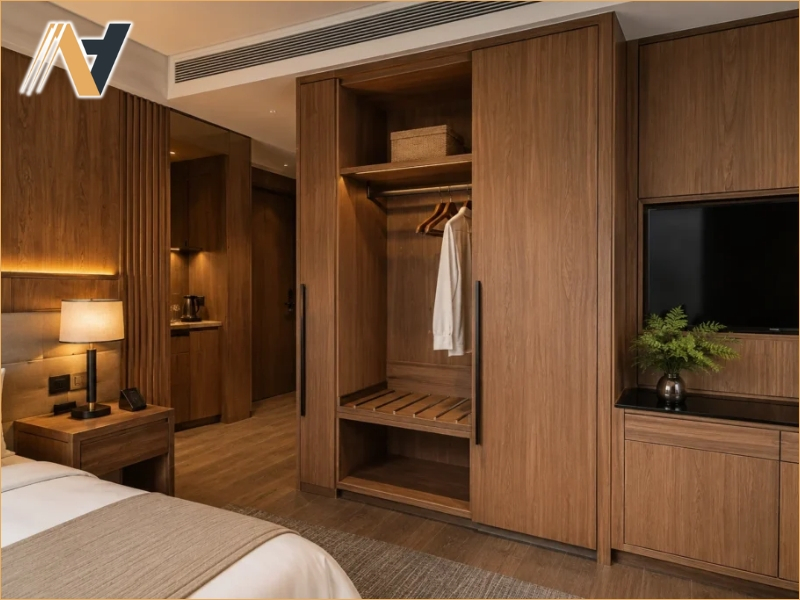
Different areas of a hotel room can have different levels of moisture exposure, so the same material specification may not be suitable for every furniture item. Selecting materials according to the location and function of each piece helps improve durability while ensuring that the furniture remains practical, visually consistent, and easy to maintain.
4.1 Materials for Wardrobes, Cabinets, and Storage Furniture
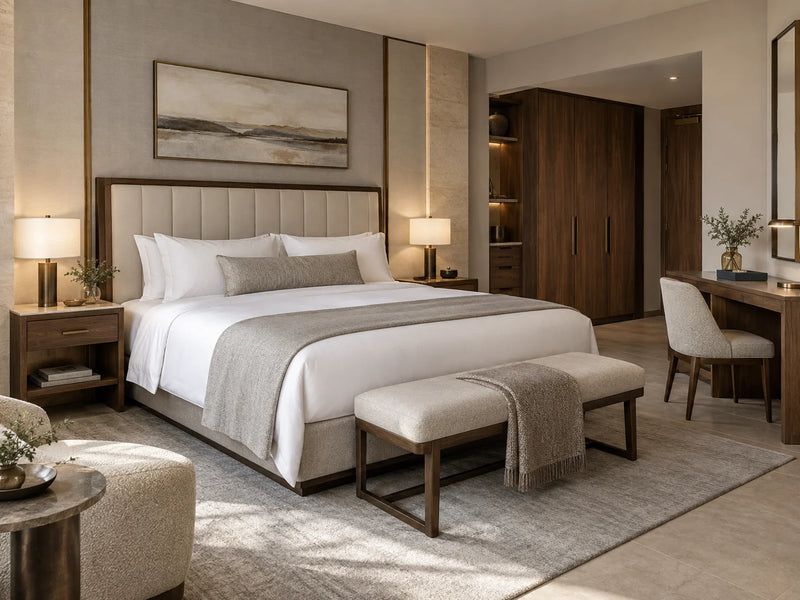
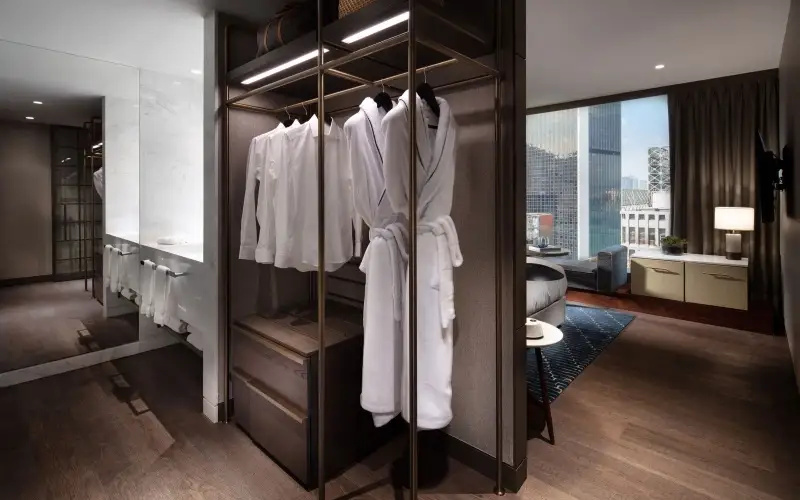
Wardrobes and storage cabinets are generally positioned away from direct water contact, but they may still be affected by high indoor humidity. Moisture-resistant engineered wood with properly sealed edges and durable surface finishes can provide a practical solution, particularly when the furniture is installed in rooms with limited ventilation.
4.2 Materials for Desks, Tables, and Bedside Furniture
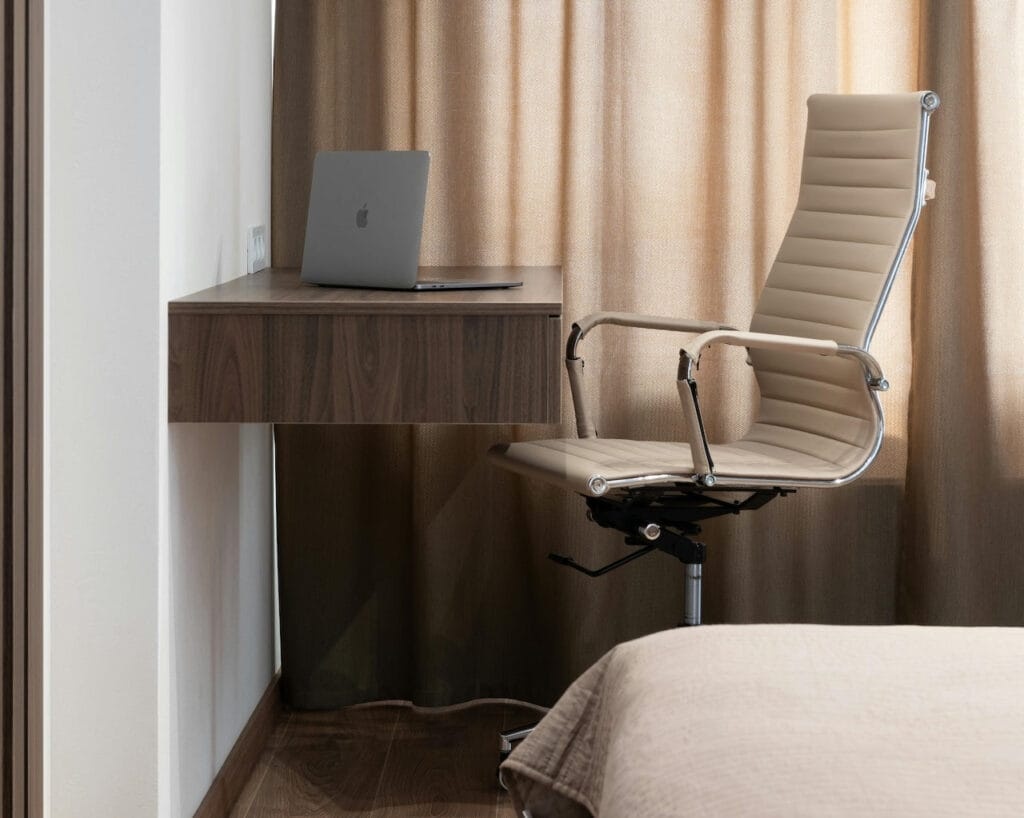
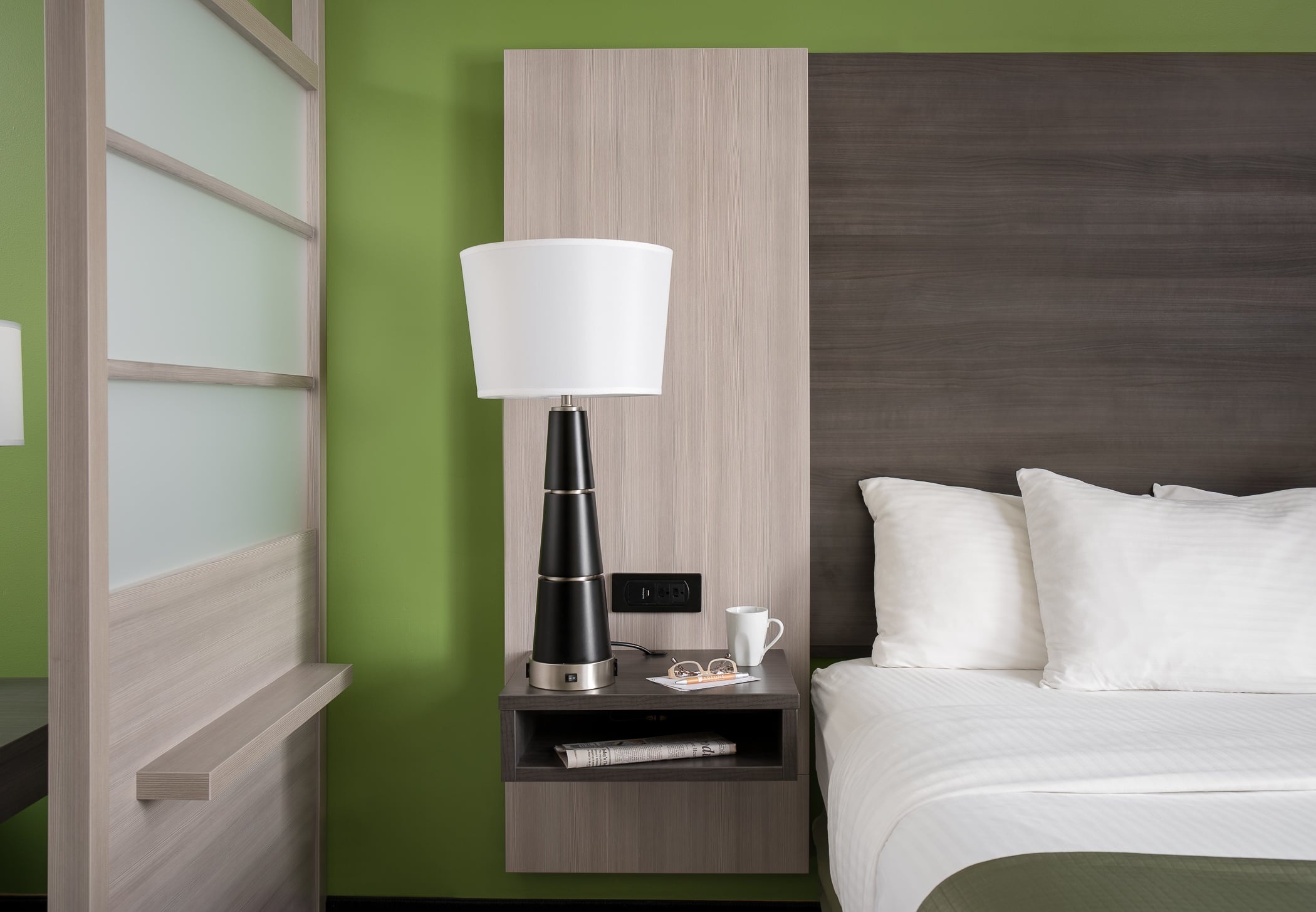
Desks, bedside tables, and other frequently handled furniture should combine resistance to everyday moisture with surfaces that are easy to clean. Durable laminates, protective coatings, and properly finished wood-based panels can help maintain the appearance of these pieces while reducing the impact of occasional spills, condensation, or humid conditions.
4.3 Materials for Furniture Near Bathrooms and Beverage Areas
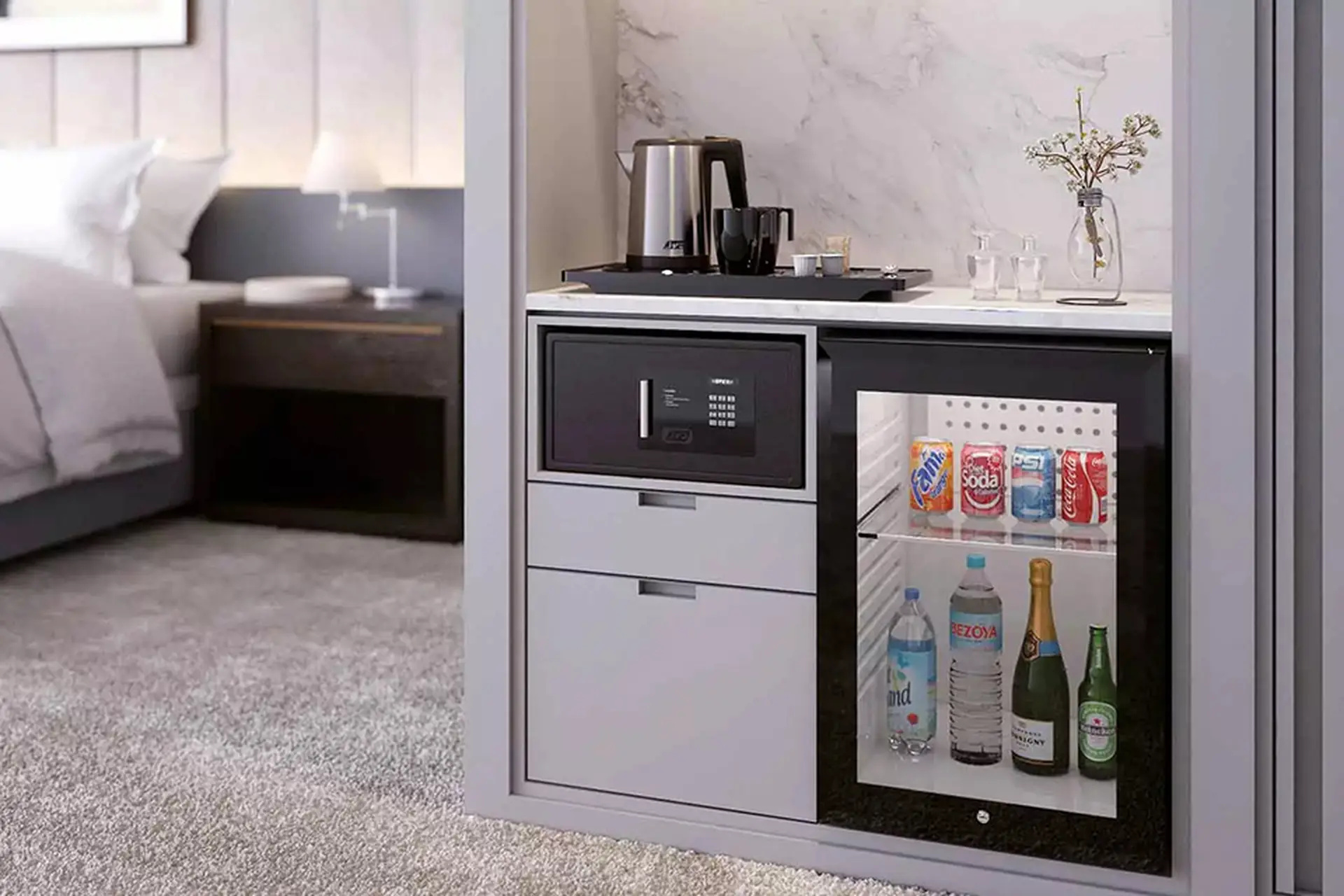
Furniture located near bathrooms, minibars, coffee stations, or other areas with a higher risk of water exposure requires greater attention to moisture resistance. Materials such as stainless steel, treated panels, and water-resistant surface finishes can be considered, while sealed edges, joints, and connections should be carefully constructed to minimize moisture penetration.
5. Balancing Moisture Resistance, Design, and Maintenance
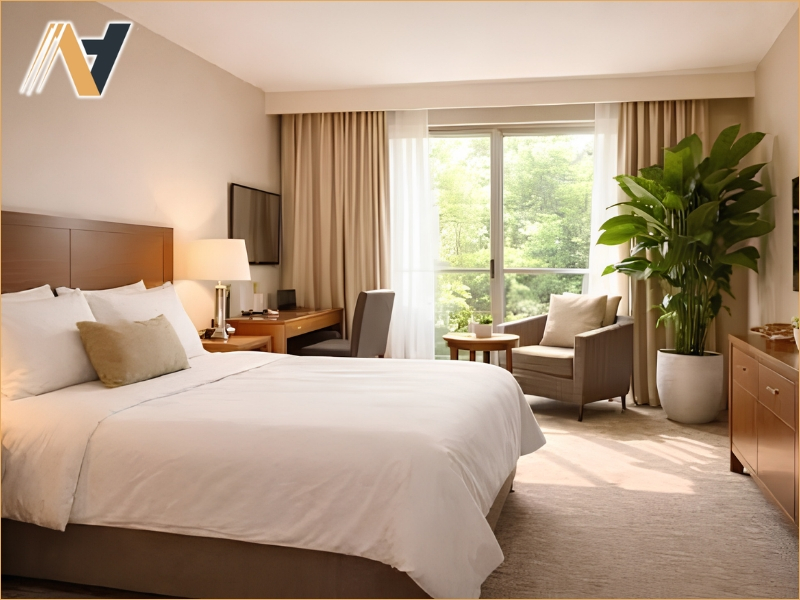
Choosing materials for humid hotel rooms requires more than focusing solely on moisture resistance. Furniture should also complement the interior concept, withstand frequent use, and remain practical to clean and maintain. A balanced approach can help hotels achieve durable furniture without sacrificing the visual quality of the guest room.
5.1 Choosing Materials That Match the Hotel Interior Concept
Moisture-resistant materials are available in different colors, textures, patterns, and finishes, allowing hotels to maintain their preferred design style. Wood-look surfaces can create a warm atmosphere, while metal, glass, or contemporary finishes can support modern concepts. Material selection should therefore consider both environmental performance and visual consistency.
5.2 Considering Cleaning and Long-Term Maintenance Requirements
Hotel furniture is exposed to frequent cleaning, handling, and daily use, so surfaces should be easy to maintain without deteriorating quickly. Smooth, durable finishes can simplify cleaning, while properly sealed edges and joints can reduce areas where moisture and dirt may accumulate. Maintenance requirements should be considered before finalizing material specifications.
5.3 Working with Professional Hotel Furniture Manufacturers
Professional hotel furniture manufacturers can recommend materials, finishes, construction methods, and protective treatments based on the hotel's environment and furniture requirements. Customized production also allows moisture-resistant specifications to be applied to individual components, helping create furniture that combines durability, functionality, and a cohesive interior design.
Conclusion
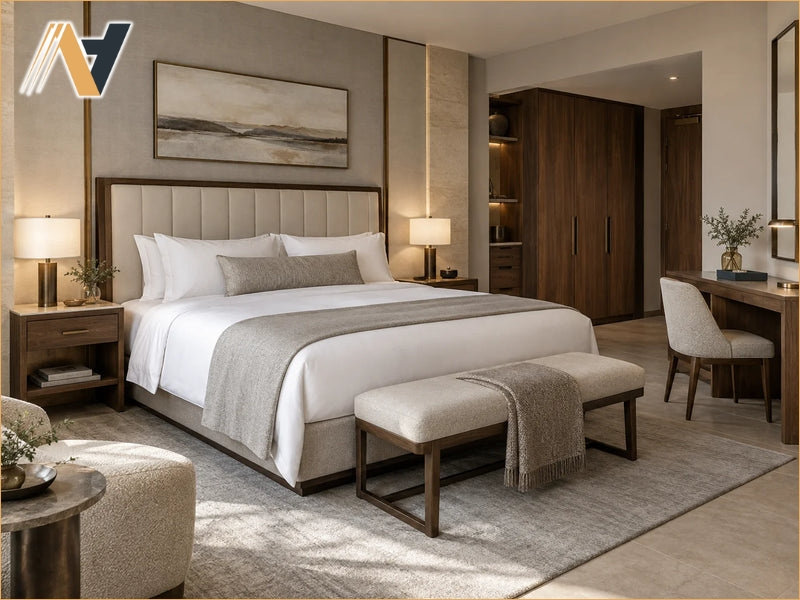
Choosing the right materials for hotel room furniture in humid environments can help maintain durability, appearance, and long-term functionality. By considering moisture-resistant engineered wood, suitable surface finishes, stainless steel and other durable materials, as well as selecting specifications according to each area of the room, hotels can reduce moisture-related deterioration while maintaining a comfortable and refined interior.
For hotels seeking refined, durable, and fully customized solutions, Ngoc Hoang Anh offers premium Vietnam hotel furniture tailored to different environmental conditions, interior concepts, and functional requirements while supporting long-term performance and easy maintenance.
Contact us today for expert consultation and bespoke hospitality furniture production.
-----
NGOC HOANG ANH TRADING COMPANY LIMITED
Tax Code: 3702874413
Address: No. 288/28/10 Huynh Van Luy Street, Zone 7, Phu Loi Ward, Ho Chi Minh City, Vietnam
Warehouse: No. 1/91, Thuan Giao 02 Street, Binh Thuan 2 Residential Quarter, Thuan Giao Ward, Ho Chi Minh City, Vietnam
Phone/Whatsapp/Wechat: +84342076666
Email: info@ngochoanganh.com.vn