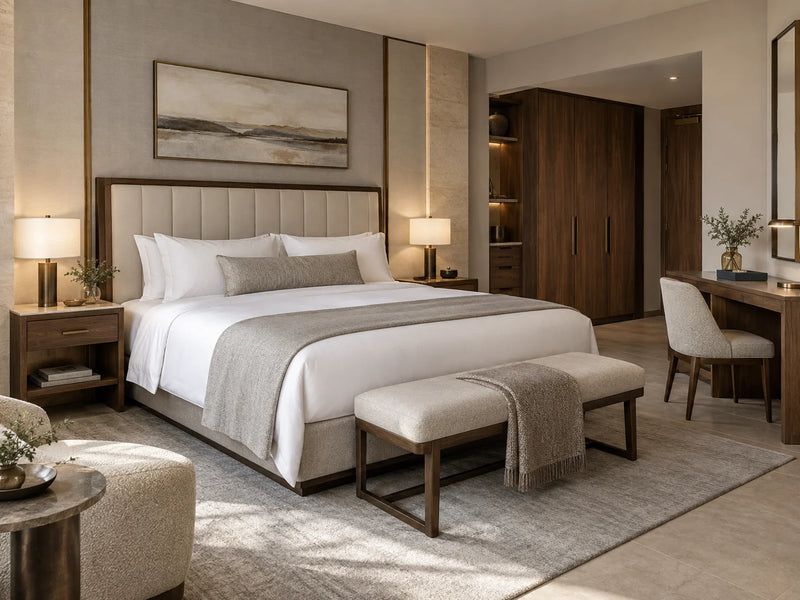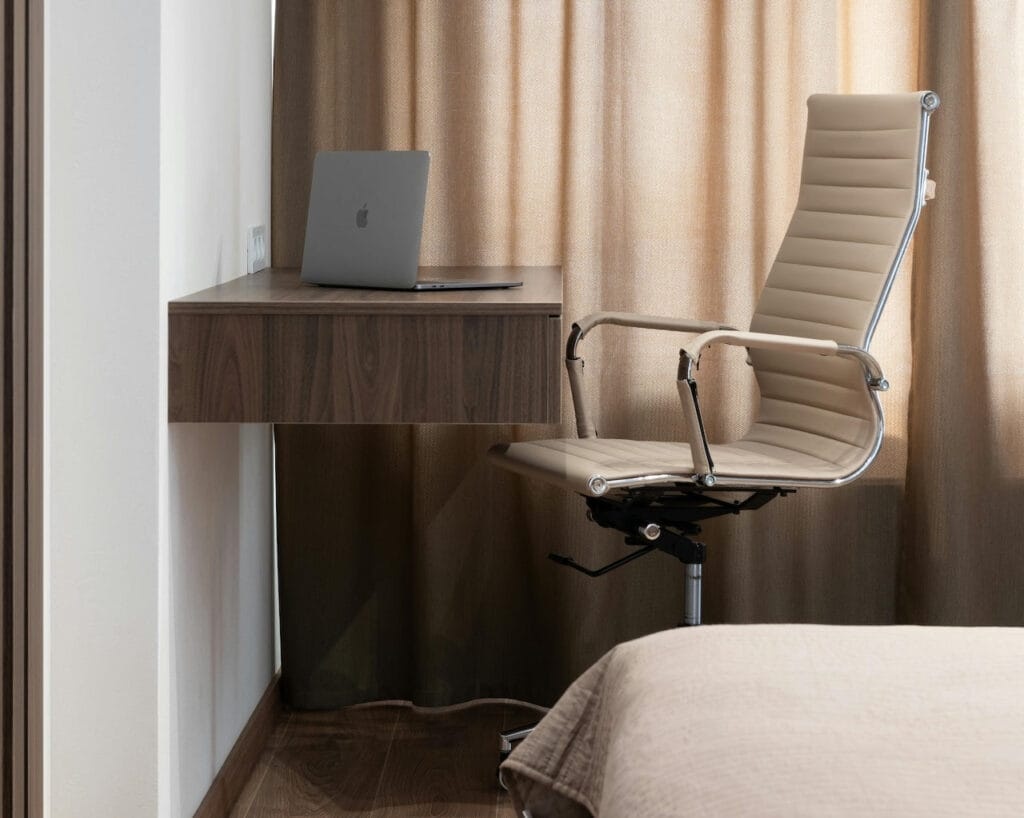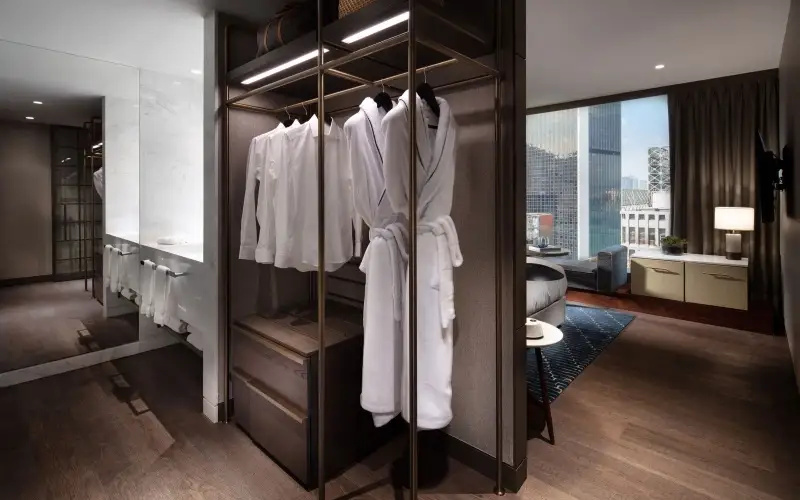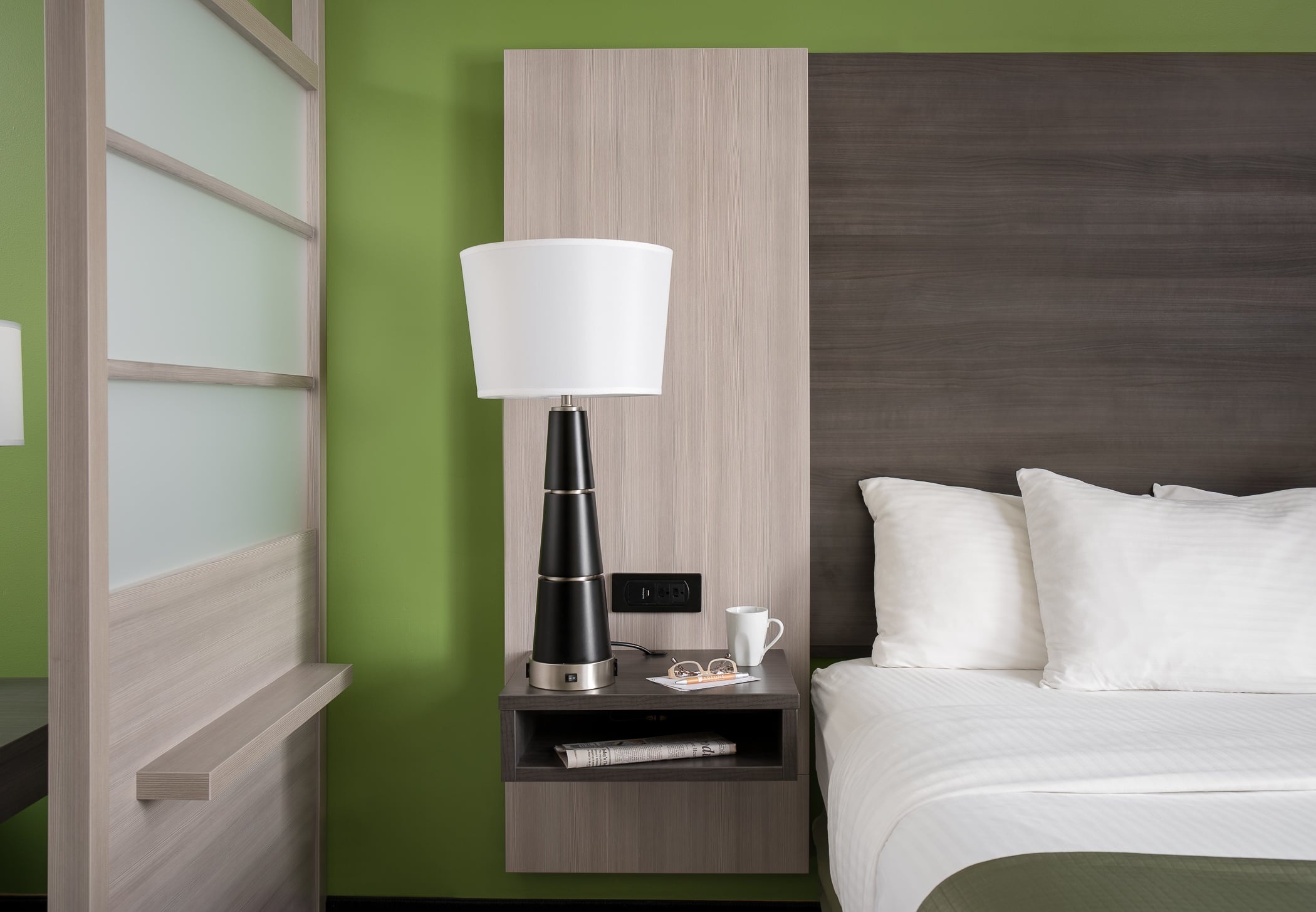
How to Reduce Noise Generated by Hotel Room Furniture
Thứ 6, 23/10/2026
Administrator
28
Unwanted noise from hotel room furniture can affect guest comfort, especially when doors, drawers, chairs, or cabinets are used frequently. In this article, Ngoc Hoang Anh shares practical solutions to reduce furniture-related noise through suitable materials, hardware, design, installation, and maintenance.
1. Identifying Common Sources of Furniture-Related Noise
Understanding where furniture-related noise comes from is the first step toward creating a quieter hotel room, as sounds may develop from repeated movement, impact, friction, loose connections, or worn hardware, making it important to identify specific sources before selecting suitable materials, components, and construction solutions.
1.1 Noise from Doors, Drawers, and Cabinet Hardware
Cabinet doors, drawers, and other movable components can generate noticeable sounds when they are opened, closed, or operated repeatedly, particularly when hinges, runners, handles, or contact points lack cushioning, so identifying these sources allows hotels to consider quieter hardware and smoother mechanisms during furniture selection.
1.2 Noise Caused by Furniture Movement and Impact
Chairs, tables, beds, and other movable furniture can produce noise when they are dragged across flooring, shifted during use, or come into contact with walls and neighboring pieces, while repeated impacts may also affect surrounding surfaces, making suitable positioning and protective components important for reducing unnecessary sounds.
1.3 Noise from Loose Joints and Worn Components
Furniture can become noisier over time when screws, joints, hinges, drawer runners, or other connecting components gradually loosen or wear through frequent use, allowing parts to move against one another and create rattling, squeaking, or clicking sounds that can disturb guests, particularly in quiet hotel environments.
2. Choosing Materials and Hardware to Minimize Noise
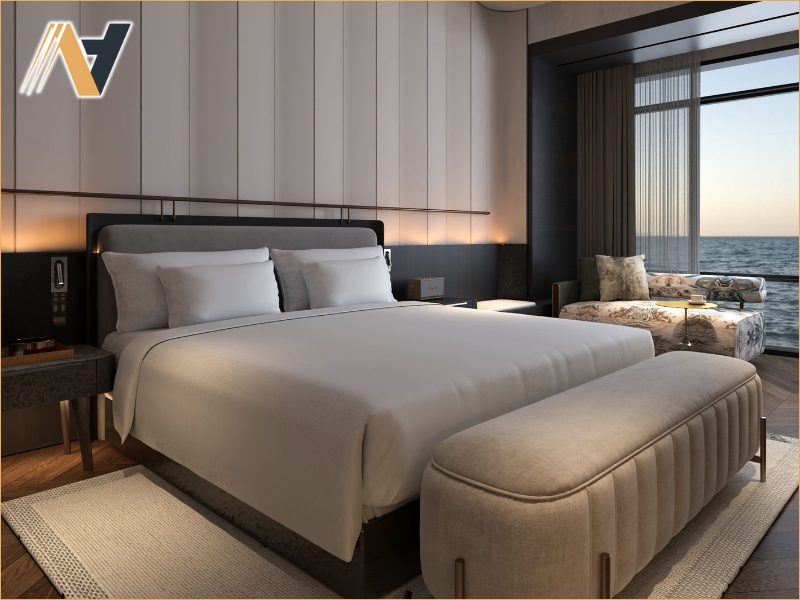
Material selection and hardware specifications can have a direct influence on the amount of noise produced during everyday furniture use, so hotels should consider not only appearance and durability but also the ability of components to absorb impact, reduce friction, and support smooth operation when selecting furniture for guest rooms.
2.1 Selecting Furniture Materials with Suitable Acoustic Properties
Furniture materials with appropriate density and structural stability can help reduce vibrations and impact sounds during everyday use, while combining solid construction with suitable surface treatments can minimize rattling and resonance, particularly for cabinets, desks, wardrobes, and other furniture pieces that are frequently opened, closed, or handled.
2.2 Using Soft-Close Hinges and Drawer Mechanisms
Soft-close hinges and drawer runners can slow down doors and drawers before they reach their closed position, reducing sudden impacts and sharp closing sounds, while also providing smoother operation and helping protect furniture components from repeated stress caused by frequent opening and closing throughout the hotel’s daily operation.
2.3 Adding Protective Pads and Cushioning Components
Rubber pads, felt strips, silicone buffers, and other cushioning components can be installed at furniture contact points to reduce friction, vibration, and impact between surfaces, making them particularly useful for cabinet doors, chair legs, table bases, drawers, and furniture positioned directly on hard flooring.
3. Designing Furniture to Reduce Unwanted Sounds
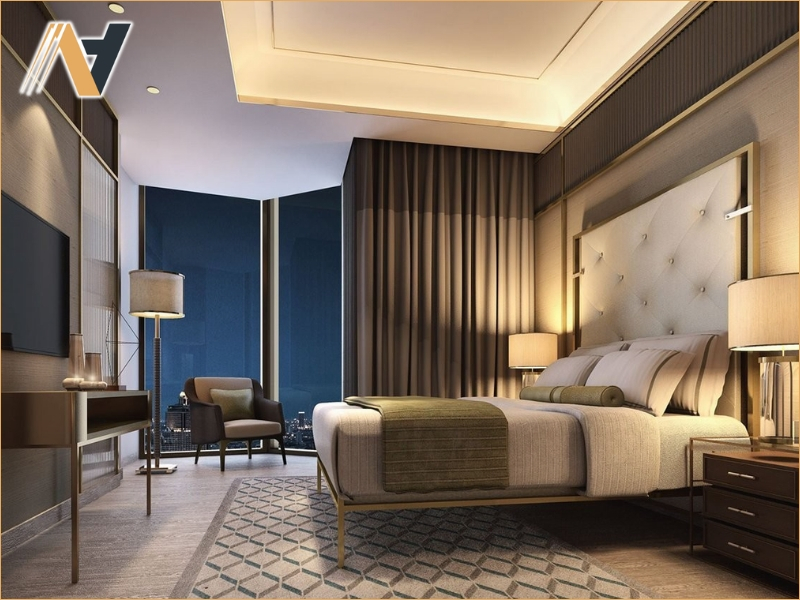
Furniture construction should be considered from the beginning if a hotel wants to minimize noise during everyday use, as stable structures, properly fitted components, and carefully designed moving parts can reduce vibration, friction, and impact while also improving the overall durability and operating quality of guest room furniture.
3.1 Improving the Stability of Furniture Structures
Stable furniture structures can reduce movement and vibration that may otherwise create rattling or squeaking sounds during use, so cabinets, wardrobes, beds, desks, and other large pieces should have secure joints, appropriate supports, and sufficient structural strength to remain steady when guests open, close, lean against, or reposition them.
3.2 Reducing Contact Noise Between Furniture Components
Direct contact between hard surfaces can produce noticeable sounds when furniture is opened, closed, moved, or subjected to repeated pressure, making it useful to incorporate suitable buffers, seals, spacing, or cushioning materials at contact points so that components can operate smoothly without creating unnecessary impact or friction.
3.3 Designing Doors, Drawers, and Movable Parts for Smoother Operation
Doors, drawers, sliding panels, and other movable components should be designed with appropriate clearances, hinges, runners, and closing mechanisms to prevent sudden impacts or friction during operation, while smooth movement also reduces wear on hardware and helps maintain quieter performance throughout the furniture's service life.
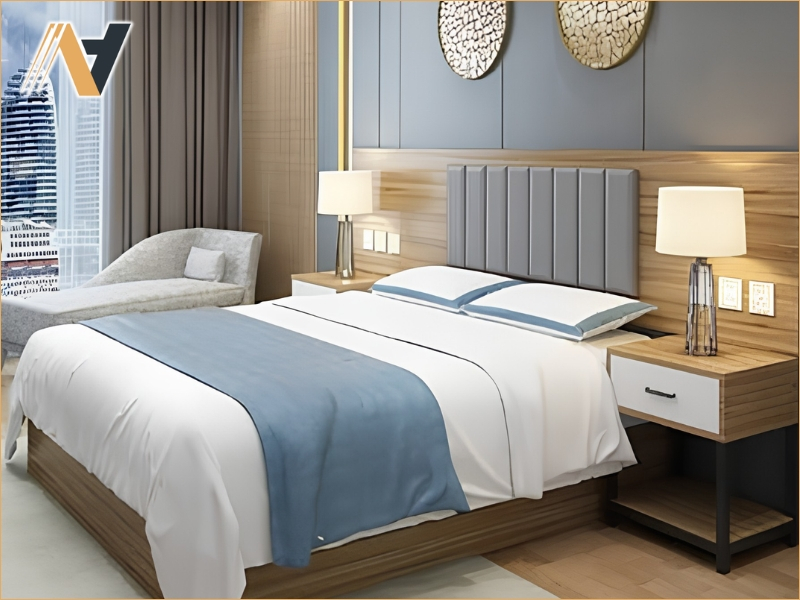
4. Positioning and Installing Furniture Correctly
Proper furniture placement and installation can significantly reduce unwanted sounds caused by movement, friction, vibration, or contact with surrounding surfaces, so each piece should be positioned with appropriate clearance and installed securely to prevent instability while maintaining comfortable circulation and convenient access for hotel guests.
4.1 Preventing Furniture from Rubbing Against Walls or Other Surfaces
Furniture should be positioned with sufficient clearance from walls, bed frames, cabinets, and other nearby objects to prevent surfaces from rubbing or striking each other during everyday use, while appropriate spacing also makes cleaning easier and reduces the possibility of scratches, vibration, and recurring contact noise.
4.2 Using Suitable Floor Protection Under Furniture
Protective pads, rubber feet, felt glides, or other suitable floor protection can be installed beneath chairs, tables, cabinets, and other furniture to reduce friction and impact when pieces are moved or adjusted, while these components can also help protect flooring from scratches and contribute to quieter furniture operation.
4.3 Maintaining Sufficient Clearance Between Movable Furniture Pieces
Chairs, tables, stools, luggage benches, and other movable pieces should have enough surrounding space to operate without repeatedly hitting nearby furniture or walls, allowing guests to move and reposition them smoothly while reducing impact sounds and maintaining clear, comfortable circulation throughout the room.
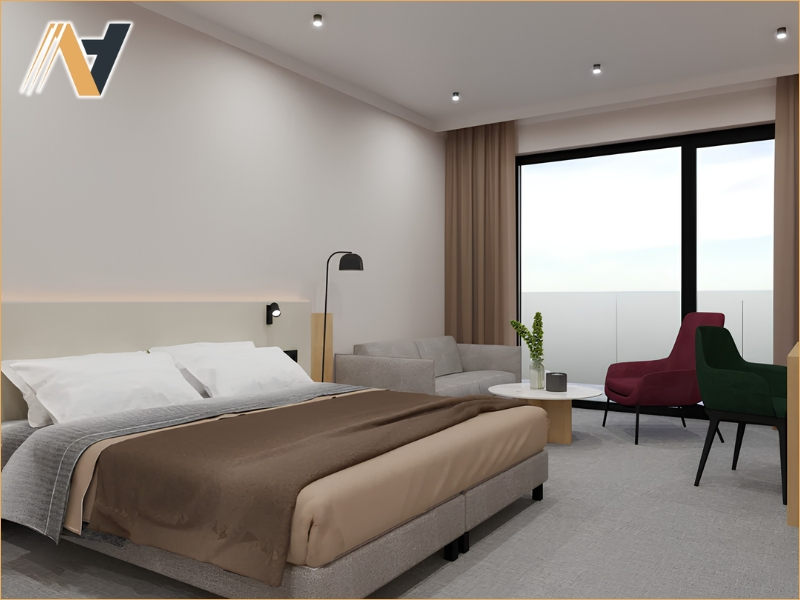
5. Maintaining Hotel Furniture to Control Noise Over Time
Even well-designed hotel furniture can develop unwanted sounds after prolonged use, making regular inspection and maintenance important for preserving smooth operation and guest comfort, while timely adjustments and replacement of worn components can prevent minor issues from developing into persistent noise or more serious furniture damage.
5.1 Checking and Tightening Loose Hardware Regularly
Screws, hinges, handles, runners, brackets, and other hardware should be inspected periodically because repeated use can gradually loosen connections and create movement, rattling, or squeaking, so tightening or adjusting these components when necessary can help restore furniture stability and maintain quieter operation.
5.2 Replacing Worn Hinges, Runners, and Protective Components
Worn hinges, drawer runners, rubber feet, buffers, and other protective components may no longer provide smooth movement or sufficient cushioning, allowing impact and friction to increase over time, so replacing damaged parts promptly can reduce recurring noise while extending the functional life of the furniture.
5.3 Working with Professional Hotel Furniture Manufacturers
Professional hotel furniture manufacturers can incorporate noise-reducing materials, hardware, structural details, and protective components into furniture from the design stage, while their experience can also help hotels select suitable specifications for frequent-use environments and develop durable solutions that maintain smooth and quiet operation over the long term.
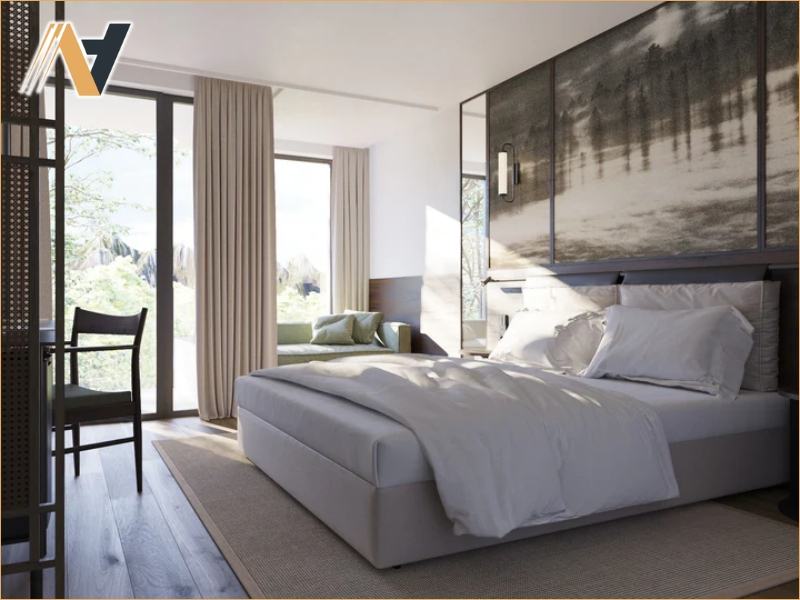
Conclusion
Reducing noise generated by hotel room furniture can contribute to a quieter and more comfortable guest experience, especially in spaces where furniture is used frequently throughout the day, so selecting suitable materials and hardware, improving structural stability, controlling contact points, installing furniture correctly, and maintaining components regularly can help minimize unwanted sounds over time.
For hotels seeking refined, durable, and fully customized solutions, Ngoc Hoang Anh offers premium Vietnam hotel furniture designed with practical construction, suitable hardware, and carefully considered details to support quiet operation while enhancing the functionality and appearance of modern hospitality interiors.
Contact us today for expert consultation and bespoke hospitality furniture production.
-----
NGOC HOANG ANH TRADING COMPANY LIMITED
Tax Code: 3702874413
Address: No. 288/28/10 Huynh Van Luy Street, Zone 7, Phu Loi Ward, Ho Chi Minh City, Vietnam
Warehouse: No. 1/91, Thuan Giao 02 Street, Binh Thuan 2 Residential Quarter, Thuan Giao Ward, Ho Chi Minh City, Vietnam
Phone/Whatsapp/Wechat: +84342076666
Email: info@ngochoanganh.com.vn