Tips for Arranging Hallways and Staircases to Enhance Interior Aesthetics
Thứ 5, 25/06/2026
Administrator
193
Hallways and staircases are more than connecting areas they influence how an entire interior is perceived and experienced. When designed thoughtfully, these transitional spaces can improve circulation, strengthen visual continuity, and become attractive architectural features rather than overlooked passageways. In this article, Ngoc Hoang Anh shares practical ideas to arrange hallways and staircases for a more refined and visually appealing interior.
1. Plan Hallway and Staircase Layouts for Better Flow
Hallways and staircases should do more than connect spaces they should contribute to the overall comfort, visual continuity, and functionality of the interior. A well-planned layout creates smoother movement, improves openness, and allows these transitional areas to become intentional design features rather than overlooked circulation zones.
1.1 Define Clear Movement Paths
Creating direct and organized circulation routes helps improve how people move throughout the interior while making spaces feel more comfortable and intuitive. Avoiding unnecessary obstacles and maintaining visual clarity allows hallways and staircases to appear more spacious and efficient.
1.2 Balance Spatial Openness and Function
Well-designed circulation spaces should provide enough openness to feel comfortable without becoming visually empty. Maintaining an appropriate relationship between architectural elements, decorative details, and usable space helps create interiors that are practical while preserving aesthetic appeal.
1.3 Connect Hallways and Staircases With Surrounding Areas
Hallways and staircases should feel integrated with adjacent spaces rather than visually separated. Consistent use of materials, proportions, and design language creates smoother transitions and strengthens the overall harmony and continuity of the interior environment.
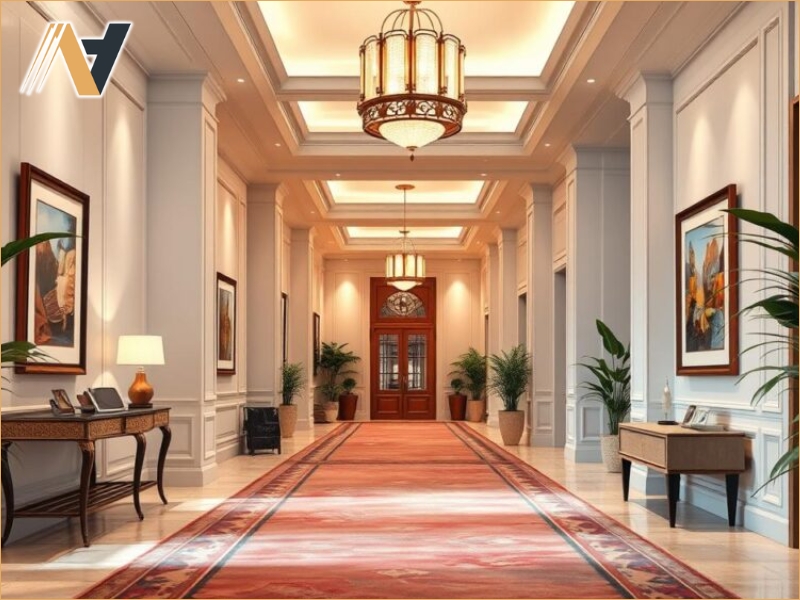
2. Use Materials and Finishes to Elevate Visual Quality
Materials and finishing details have a major impact on how hallways and staircases are perceived within an interior. Beyond durability, the right combination of surfaces, textures, and architectural accents can make transitional spaces feel more refined, visually connected, and intentionally designed while enhancing the overall atmosphere of the project.
2.1 Coordinate Flooring and Stair Finishes
Using complementary flooring and stair materials helps create visual continuity and prevents circulation spaces from feeling disconnected. Consistent finishes strengthen spatial flow while allowing hallways and staircases to blend naturally with surrounding interior areas.
2.2 Introduce Texture for Added Depth
Layering textures creates visual interest and prevents these areas from appearing plain or repetitive. Combining smooth and textured finishes, natural materials, or subtle surface variations helps add character while maintaining a clean and sophisticated appearance.
2.3 Choose Durable and Easy-Maintenance Surfaces
Hallways and staircases experience frequent daily use, making durability an essential consideration. Selecting materials that resist wear and simplify maintenance helps preserve appearance over time while reducing upkeep requirements and supporting long-term interior quality.
2.4 Use Handrails and Architectural Details as Design Features
Functional elements such as handrails, wall trims, and staircase details can become strong visual highlights when designed intentionally. Treating these components as part of the overall design concept helps elevate aesthetics and create more memorable interior experiences.
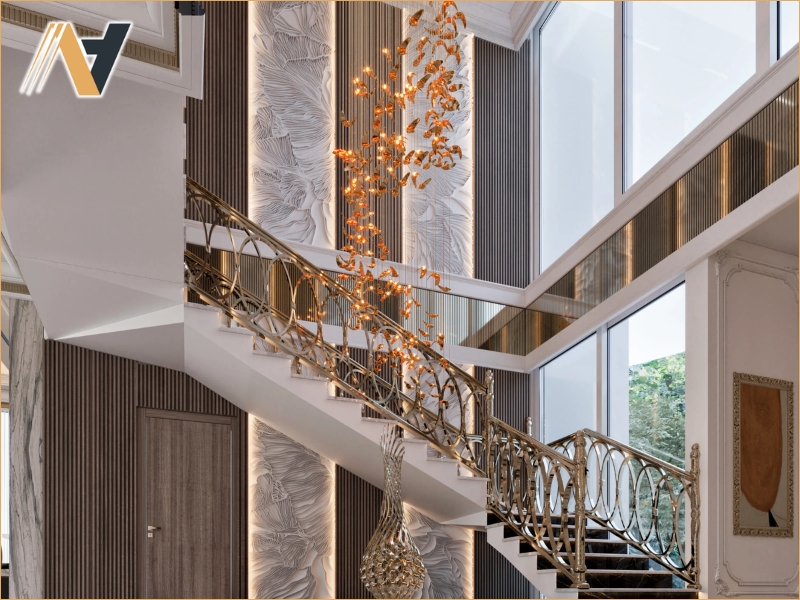
3. Enhance Atmosphere Through Lighting and Decorative Styling
Lighting and decorative details play an essential role in turning hallways and staircases into visually engaging interior features rather than simple connecting spaces. When styling is applied thoughtfully, these areas can feel brighter, more spacious, and better integrated with the overall design while creating stronger visual impact throughout the interior.
3.1 Use Layered Lighting for Better Spatial Effect
Combining different lighting layers helps improve both functionality and atmosphere. Ambient lighting provides overall visibility, while accent lighting highlights architectural details and creates depth, allowing hallways and staircases to appear more welcoming and visually dynamic.
3.2 Add Decorative Elements With Purpose
Decorative features should enhance the experience of the space without interrupting movement. Wall art, mirrors, decorative panels, and carefully selected accessories can introduce personality and visual interest while maintaining a clean and organized appearance.
3.3 Apply Color Strategies to Improve Spatial Perception
Color has a strong influence on how circulation spaces feel and function. Light and balanced tones can make narrow areas appear more open, while carefully placed contrast and accent colors help define architectural elements and create a more sophisticated interior atmosphere.
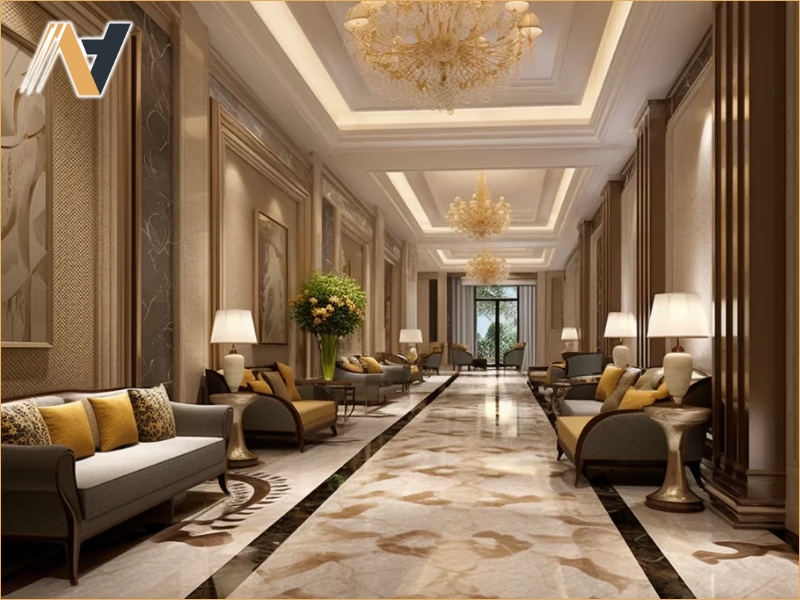
4. Create Long-Term Aesthetic and Practical Value
Beautiful hallways and staircases should continue to support daily use while maintaining their visual quality over time. Designing these areas with simplicity, adaptability, and durability in mind helps create interiors that remain attractive and functional even as design preferences and usage requirements evolve.
4.1 Keep Designs Simple but Distinctive
A refined hallway or staircase does not require excessive decoration to make an impact. Focusing on clean lines, balanced proportions, and a few intentional design details creates stronger visual identity while maintaining openness and elegance throughout the space.
4.2 Maintain Flexibility for Future Updates
Interior trends and functional needs often change over time, making adaptability an important consideration. Choosing timeless finishes, modular decorative elements, and versatile layouts allows hallways and staircases to be refreshed more easily without requiring major renovation work.
4.3 Prioritize Lasting Interior Performance
Since circulation spaces experience continuous use, durability should remain a key design priority. Selecting long-lasting materials, easy-maintenance surfaces, and practical design solutions helps preserve appearance, improve usability, and maintain overall interior quality over the long term.
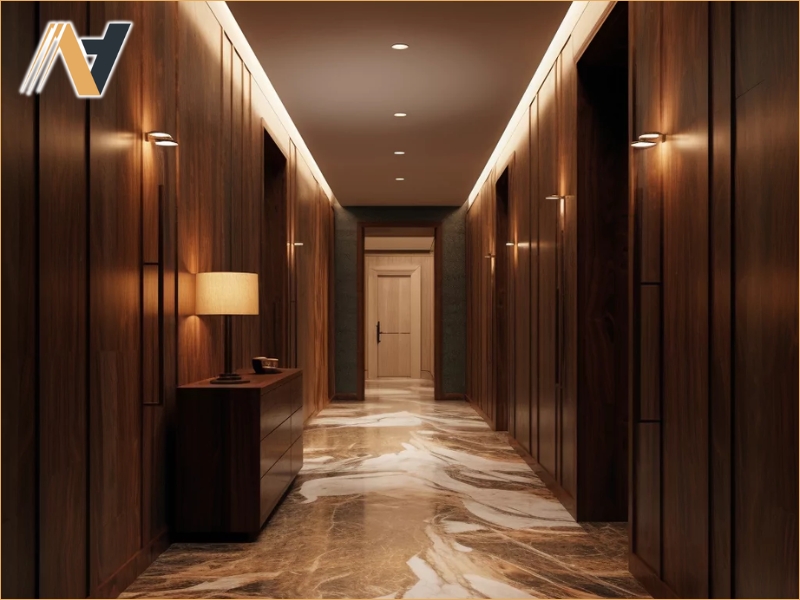
Conclusion
Thoughtful hallway and staircase design can significantly improve the overall perception of an interior while supporting everyday functionality. By combining effective layouts, refined material choices, and carefully planned styling, transitional spaces become valuable design features that elevate the entire environment.
For projects seeking customized interior solutions that combine aesthetics and long-term performance, Ngoc Hoang Anh provides premium Vietnam hotel furniture designed to enhance modern hospitality and interior spaces.
Contact us today for expert consultation and bespoke hospitality furniture production.
-----
NGOC HOANG ANH TRADING COMPANY LIMITED
Tax Code: 3702874413
Address: No. 288/28/10 Huynh Van Luy Street, Zone 7, Phu Loi Ward, Ho Chi Minh City, Vietnam
Warehouse: No. 1/91, Thuan Giao 02 Street, Binh Thuan 2 Residential Quarter, Thuan Giao Ward, Ho Chi Minh City, Vietnam
Phone/Whatsapp/Wechat: +84342076666
Email: info@ngochoanganh.com.vn