Smart Furniture Applications in Modern Hotels: Benefits and Limitations
Thứ 5, 06/08/2026
Administrator
132
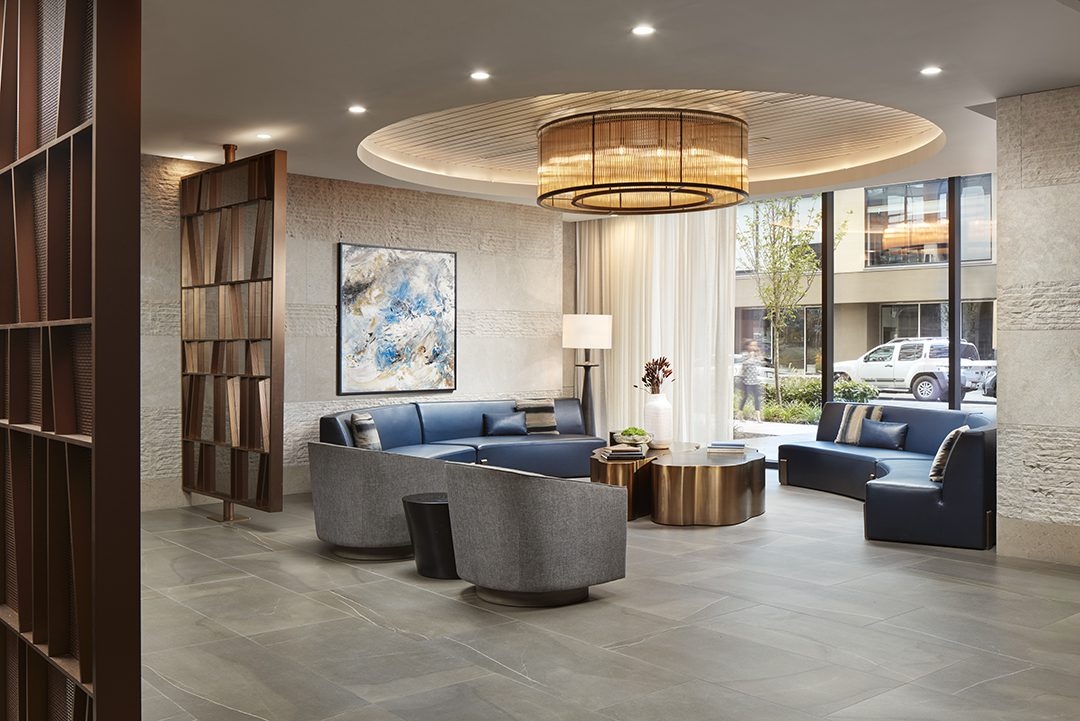
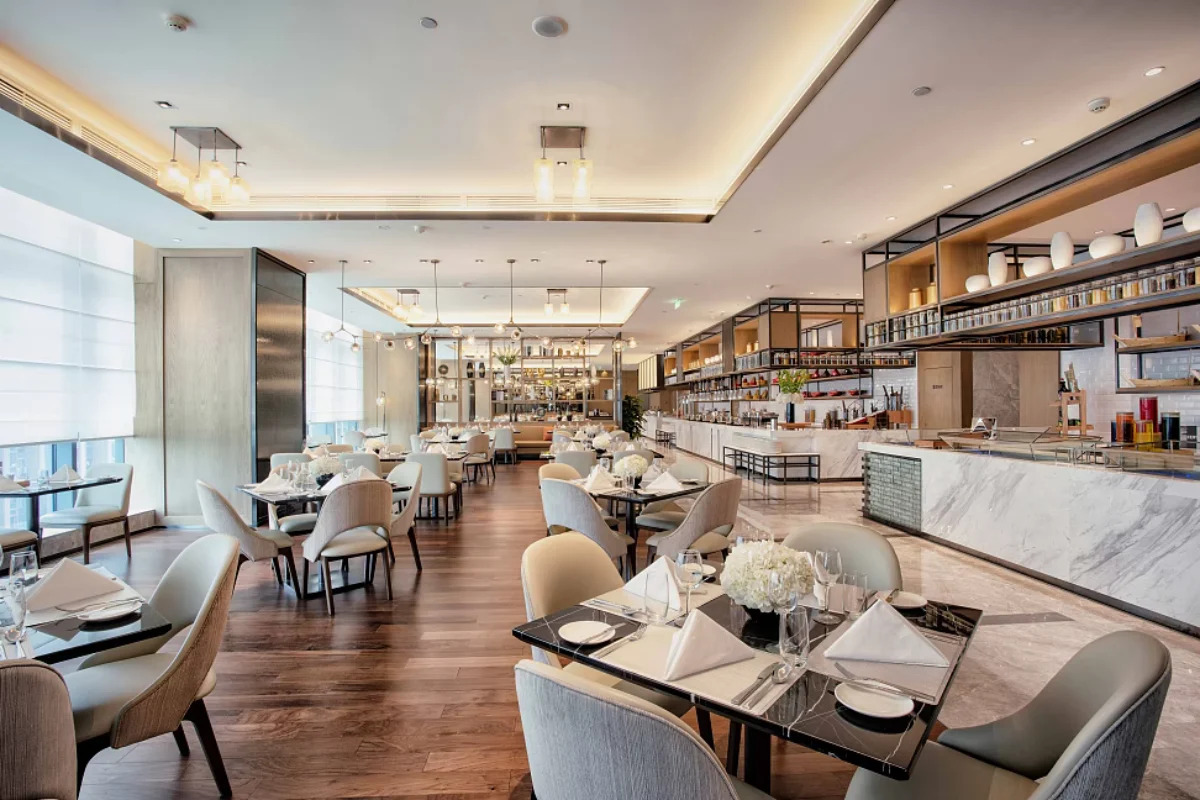
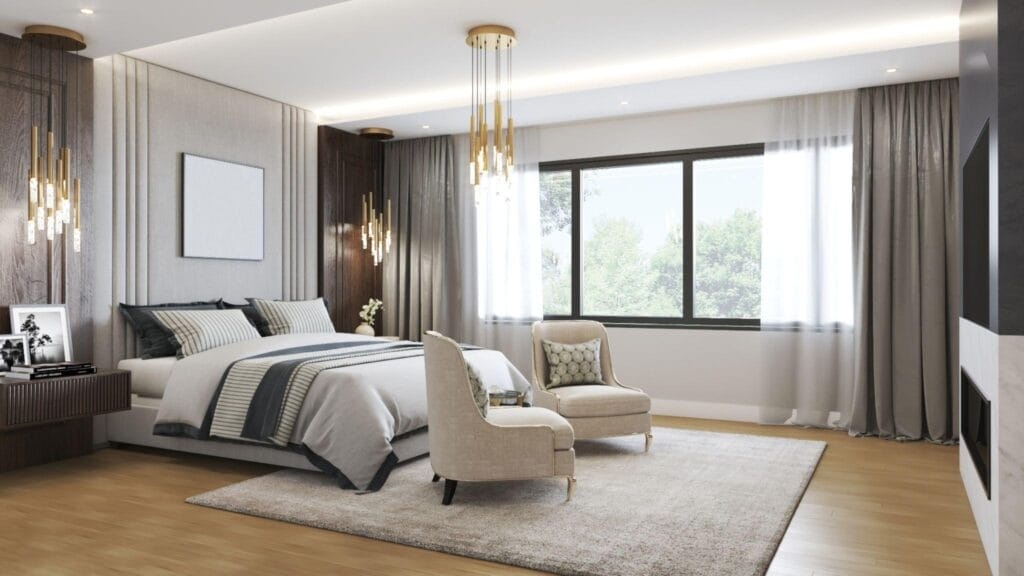
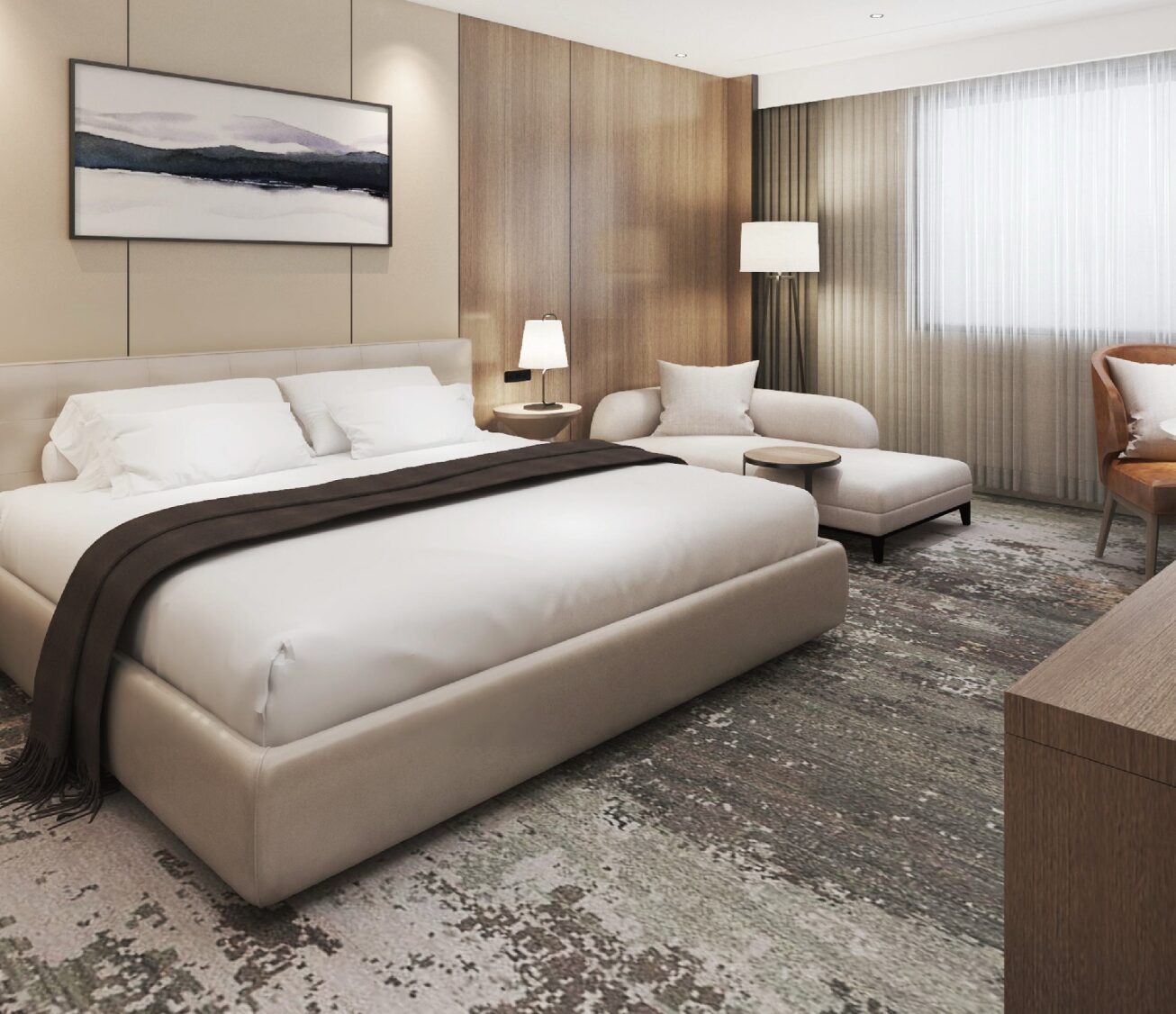
Smart furniture is transforming modern hotel interiors by combining innovative technology with practical functionality to deliver more convenient and personalized guest experiences. In this article, Ngoc Hoang Anh explores the benefits, limitations, and key considerations of adopting smart furniture solutions in today's hospitality industry.
1. Understanding Smart Furniture in Modern Hotels
Smart furniture has become an important component of modern hotel interiors, combining advanced technology with functional design to enhance both guest experience and operational efficiency. By integrating intelligent features into everyday furniture, hotels can provide greater convenience, optimize space utilization, and adapt more effectively to the evolving expectations of modern travelers.
1.1 What is smart hotel furniture?
Smart hotel furniture refers to furniture equipped with integrated technologies such as wireless charging, USB ports, motion sensors, automated controls, and Internet of Things (IoT) connectivity. These features enable furniture to perform multiple functions while improving convenience, comfort, and interaction within hotel rooms and public spaces.
1.2 Growing demand for smart hospitality solutions
As travelers increasingly expect seamless digital experiences, hotels are investing in smart furniture to remain competitive. Technology-enhanced interiors not only improve guest satisfaction but also support modern hospitality trends focused on personalization, efficiency, and sustainable building management.
1.3 Key characteristics of intelligent hotel furniture
Intelligent hotel furniture is designed to be multifunctional, user-friendly, and highly adaptable. It often combines ergonomic design with smart technologies, allowing hotels to maximize available space, improve operational flexibility, and create modern environments that meet the needs of both leisure and business travelers.
2. Benefits of Smart Furniture for Guest Experience
Smart furniture significantly enhances the overall guest experience by providing greater convenience, personalization, and comfort throughout the stay. By integrating advanced technology into everyday furniture, hotels can create intuitive living environments that meet the expectations of modern travelers while reinforcing a premium and innovative brand image.
2.1 Enhanced convenience and comfort
Smart furniture simplifies daily activities through features such as wireless charging, adjustable lighting, integrated power outlets, and automated controls. These practical functions allow guests to interact with their surroundings more easily, creating a seamless and comfortable experience that improves overall satisfaction.
2.2 Personalized room experiences
Many smart furniture solutions can be integrated with hotel management systems to support personalized settings for lighting, seating, or workspace configurations. This level of customization enables guests to tailor their environment according to individual preferences, making their stay more enjoyable and memorable.
2.3 Improved perception of hotel innovation
Hotels that incorporate smart furniture demonstrate a commitment to innovation and guest-centric design. Modern, technology-enabled interiors create a strong impression of quality and sophistication, helping strengthen brand reputation while appealing to travelers who value convenience, efficiency, and contemporary hospitality experiences.
3. Operational Advantages for Hotel Management
In addition to enhancing guest satisfaction, smart furniture provides significant operational benefits for hotel management. By combining intelligent technologies with functional furniture design, hotels can improve efficiency, optimize resource usage, and simplify maintenance processes, ultimately contributing to lower operating costs and more effective property management.
3.1 Better space utilization
Smart furniture is often designed with multiple functions, allowing hotels to maximize available space without sacrificing comfort. Foldable desks, integrated storage systems, and multifunctional furniture pieces help create more flexible room layouts, making them particularly valuable for compact guest rooms and urban hotels.
3.2 Energy-saving integration
Many smart furniture solutions work together with automated lighting, climate control, and occupancy sensors to improve energy efficiency. These integrated systems help reduce unnecessary electricity consumption by automatically adjusting room settings based on guest presence, lowering utility costs while supporting sustainable hotel operations.
3.3 Simplified maintenance and monitoring
Connected furniture systems can provide real-time performance monitoring and maintenance alerts, allowing hotel staff to identify potential issues before they become major problems. This proactive maintenance approach reduces equipment downtime, extends furniture lifespan, and ensures guestrooms remain in excellent condition for incoming guests.
4. Limitations and Challenges of Smart Furniture
Although smart furniture offers numerous advantages, hotels should carefully evaluate the challenges associated with its implementation. Higher investment costs, ongoing maintenance requirements, and technology compatibility issues can affect long-term performance if not properly planned. Understanding these limitations helps hotels make more informed and sustainable investment decisions.
4.1 Higher initial investment costs
Smart furniture typically requires a larger upfront investment than conventional hotel furniture due to integrated technologies, specialized components, and installation requirements. While the long-term operational benefits may offset these costs, hotels should carefully assess their budget, expected return on investment, and business objectives before implementation.
4.2 Maintenance and technology updates
Unlike traditional furniture, smart furniture requires periodic software updates, technical inspections, and occasional hardware replacements to maintain optimal performance. Hotels must ensure they have access to reliable technical support and maintenance services to minimize operational disruptions and preserve system functionality over time.
4.3 Compatibility and long-term scalability
Technology evolves rapidly, making compatibility an important consideration when selecting smart furniture solutions. Hotels should choose systems that can integrate easily with existing property management platforms and support future upgrades, ensuring long-term flexibility while avoiding costly replacements caused by outdated or incompatible technologies.
5. Best Practices for Implementing Smart Furniture in Hotels
Successfully integrating smart furniture into hotel interiors requires more than adopting the latest technology. Hotels should develop a long-term strategy that balances innovation, functionality, operational efficiency, and guest expectations. Careful planning helps maximize return on investment while ensuring that smart solutions remain practical, reliable, and easy to manage.
5.1 Selecting technology based on hotel positioning
Not every hotel requires the same level of smart functionality. Luxury hotels may prioritize advanced automation and personalized controls, while business hotels may focus on practical features such as wireless charging and ergonomic workstations. Choosing technology that aligns with the hotel's target market ensures better value and guest satisfaction.
5.2 Prioritizing reliability and ease of use
Smart furniture should simplify the guest experience rather than make it more complicated. Interfaces must be intuitive, reliable, and easy for both guests and hotel staff to operate. Well-designed systems reduce user frustration, improve operational efficiency, and encourage wider acceptance of smart hospitality technologies.
5.3 Working with experienced hospitality furniture manufacturers
Partnering with an experienced hotel furniture OEM manufacturer ensures that smart technology is seamlessly integrated into furniture without compromising durability or design quality. Professional manufacturers can also provide customized solutions, technical support, and scalable products that meet the evolving needs of modern hospitality projects.
Conclusion
Smart furniture is redefining modern hotel interiors by combining technology, functionality, and contemporary design to enhance both guest experiences and operational efficiency. Although it requires careful planning and a higher initial investment, the long-term benefits of improved convenience, space optimization, and intelligent management make it a valuable solution for forward-thinking hospitality businesses.
For hotels looking to adopt innovative interior solutions, Ngoc Hoang Anh provides Vietnam hotel furniture OEM services with customized smart furniture designed to integrate advanced technology, premium craftsmanship, and long-lasting performance for modern hospitality environments.
-----
NGOC HOANG ANH TRADING COMPANY LIMITED
Tax Code: 3702874413
Address: No. 288/28/10 Huynh Van Luy Street, Zone 7, Phu Loi Ward, Ho Chi Minh City, Vietnam
Warehouse: No. 1/91, Thuan Giao 02 Street, Binh Thuan 2 Residential Quarter, Thuan Giao Ward, Ho Chi Minh City, Vietnam
Phone/Whatsapp/Wechat: +84342076666
Email: info@ngochoanganh.com.vn