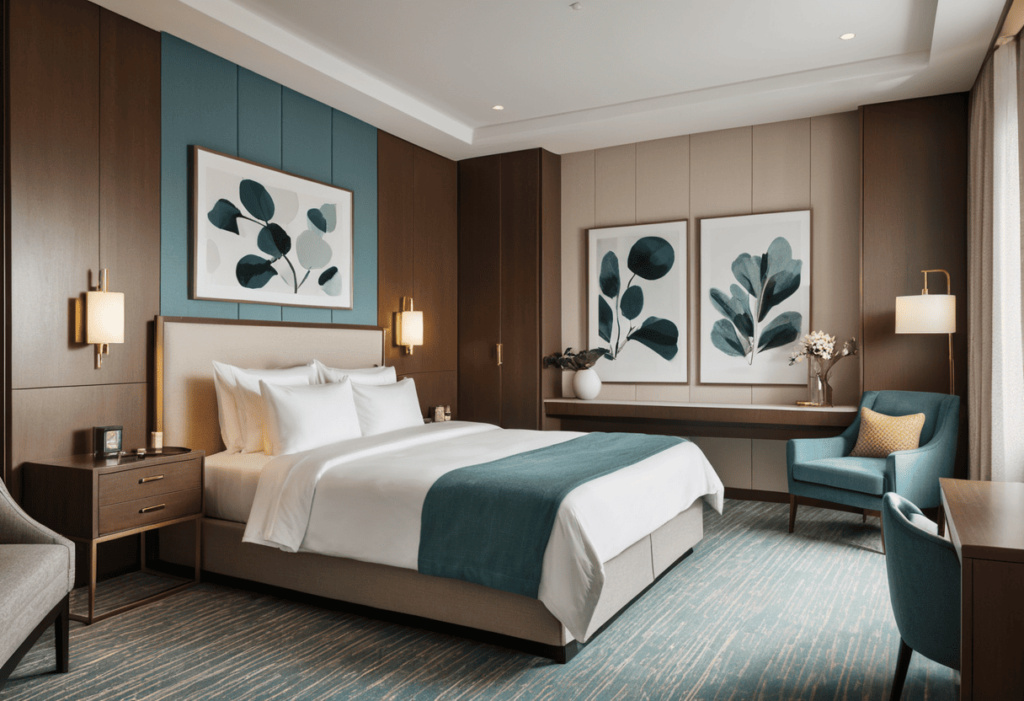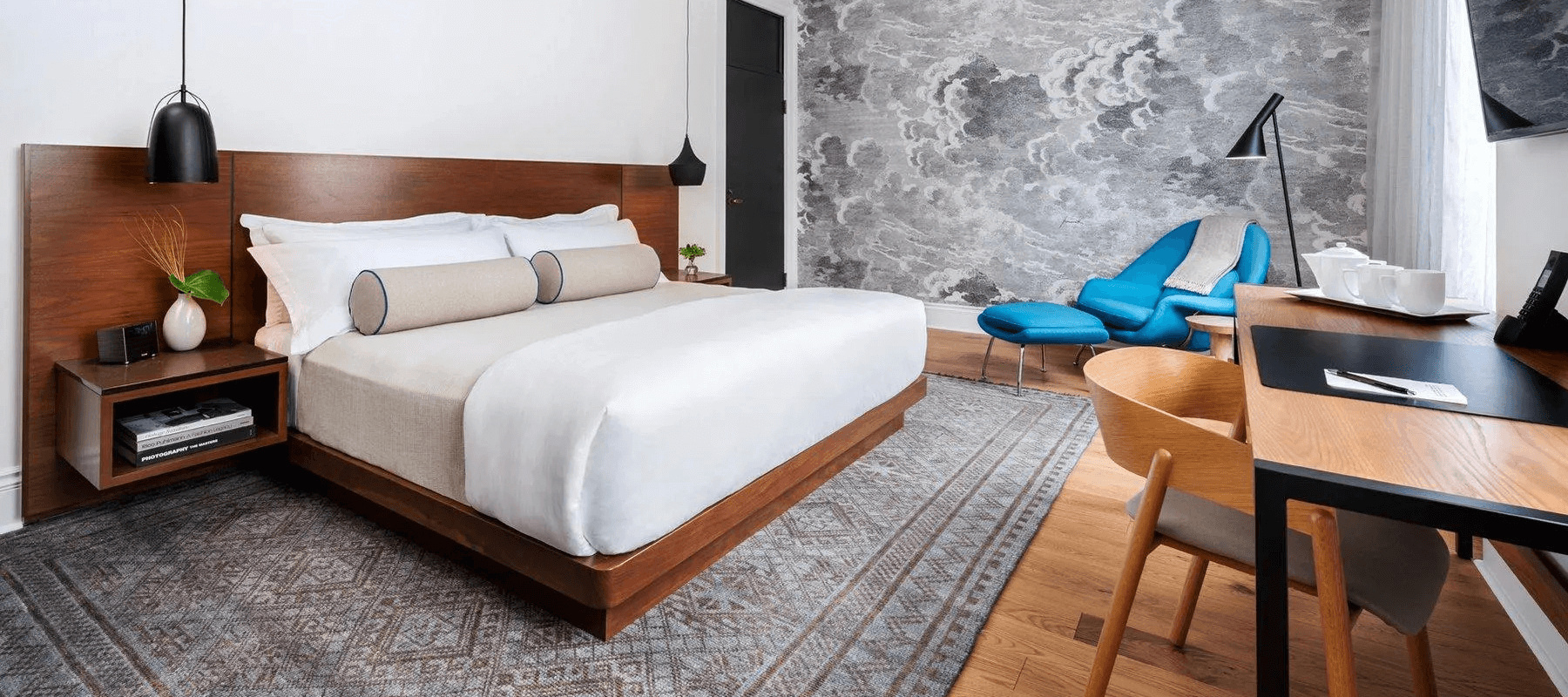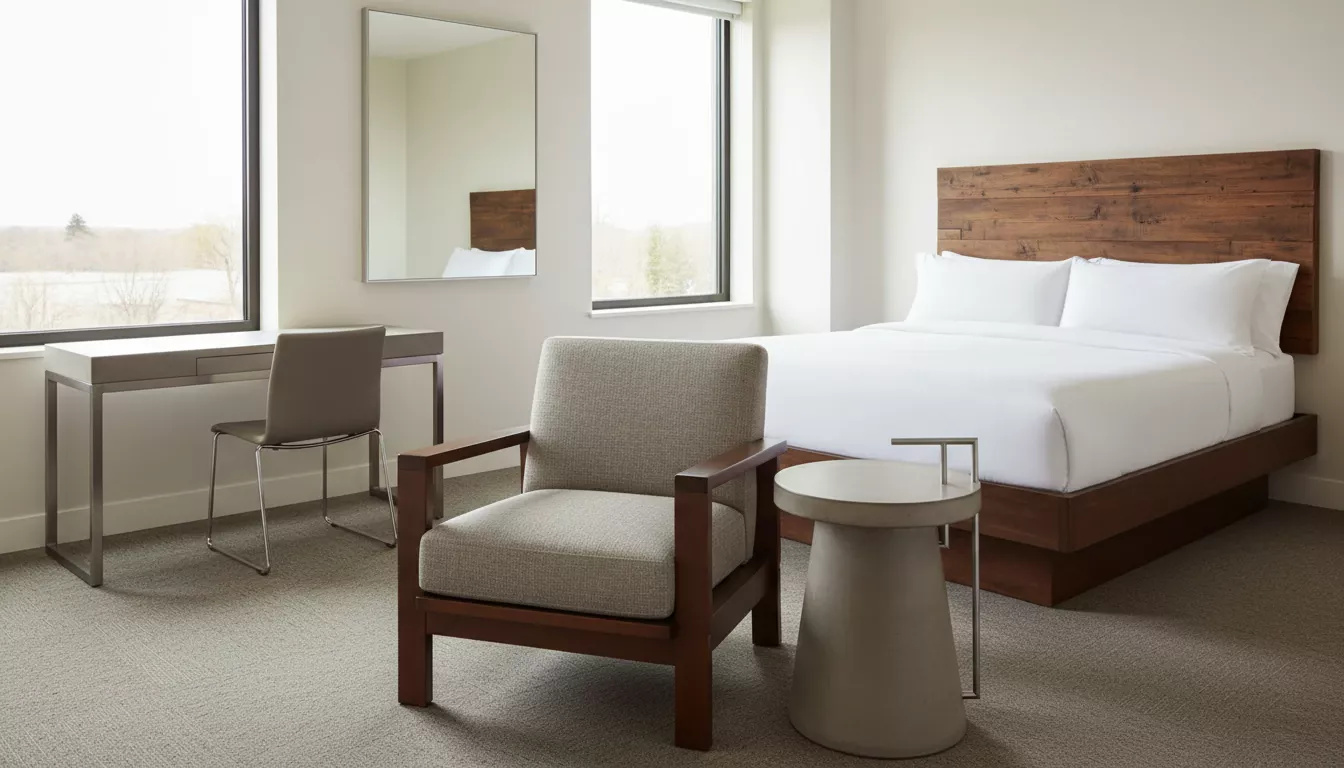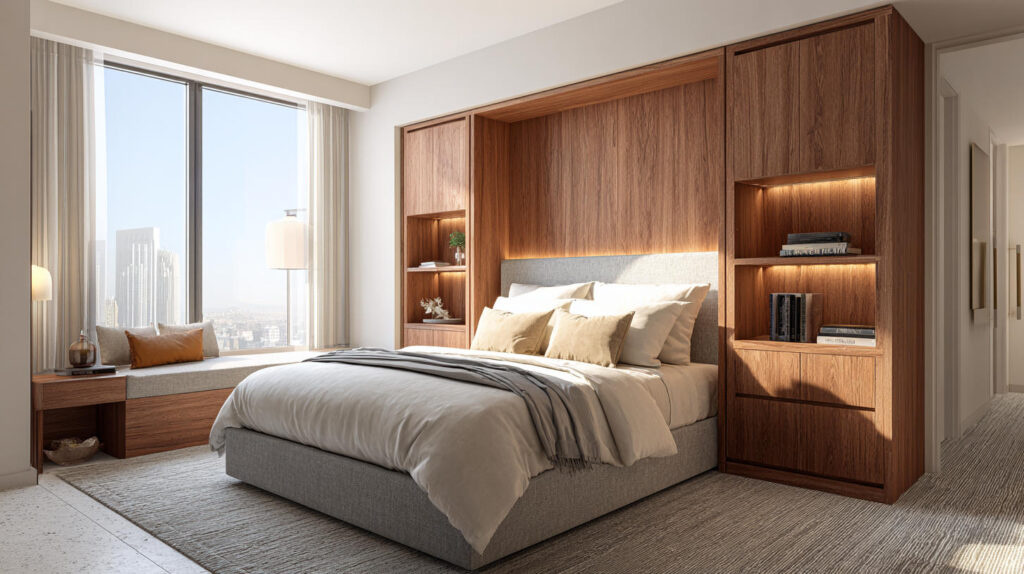
Optimizing Small Hotel Rooms with Smart Interior Design
Thứ 3, 11/08/2026
Administrator
120
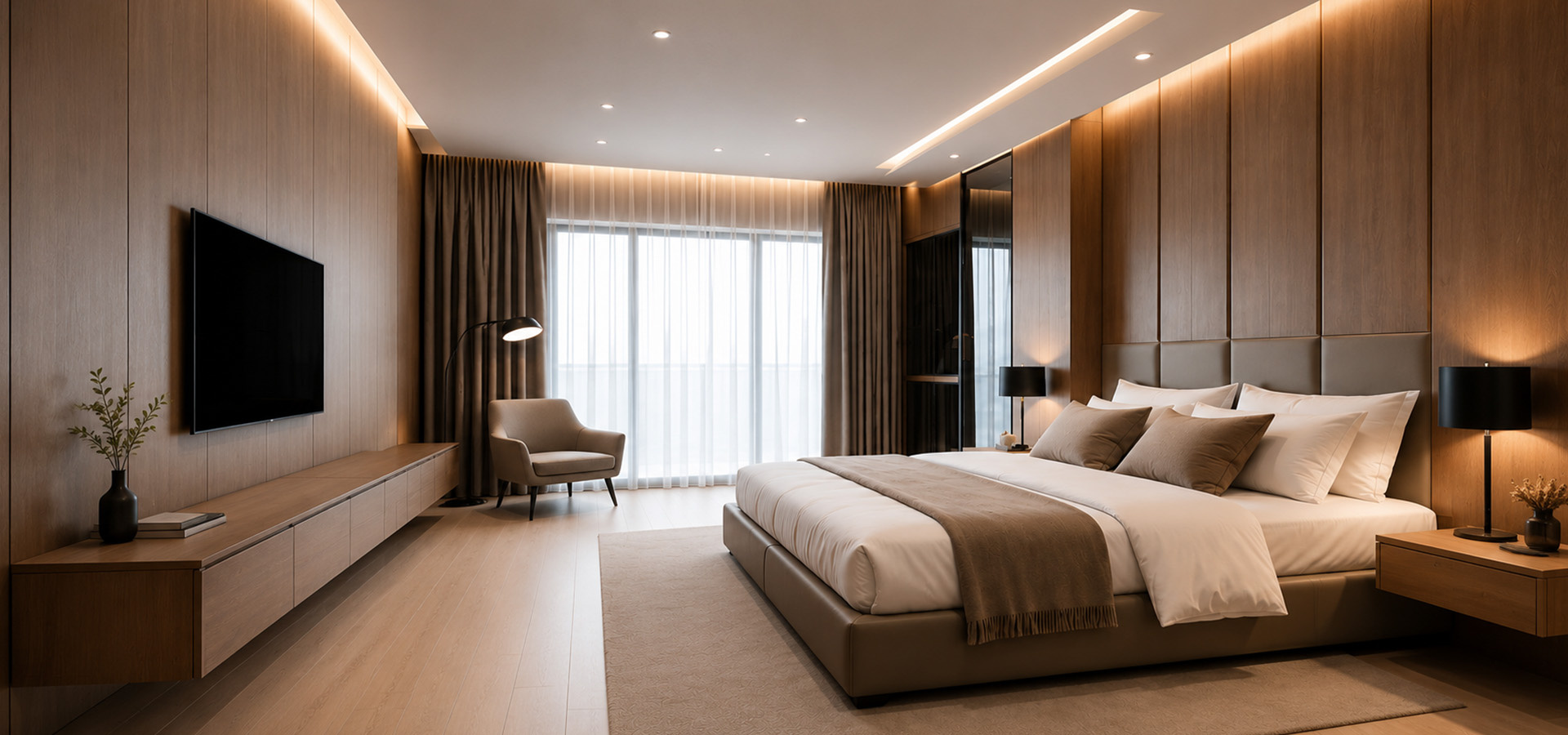
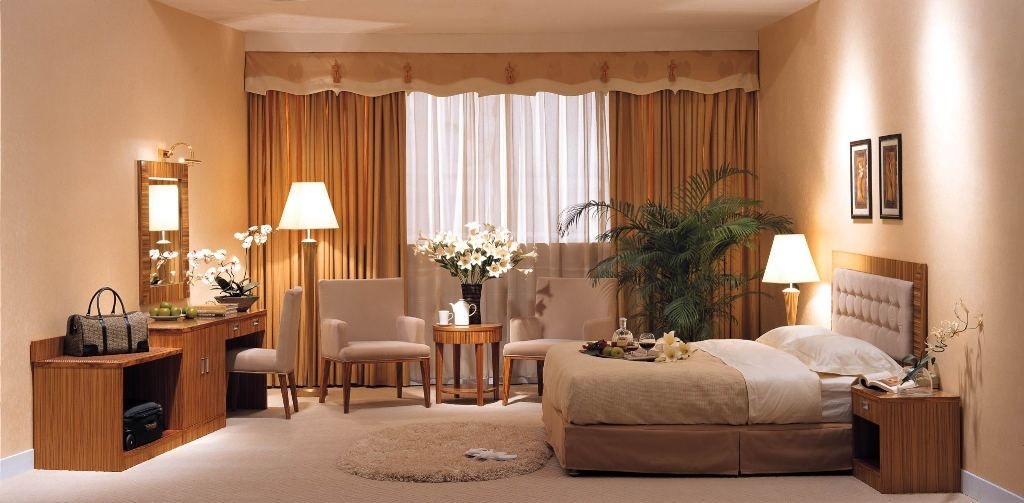
Hotel room size may be limited, but thoughtful interior design can maximize functionality without sacrificing comfort or aesthetics. In this article, Ngoc Hoang Anh explores smart interior design solutions that help optimize small hotel rooms, improve guest experience, and increase operational efficiency for modern hospitality projects.
1. Challenges of Designing Small Hotel Rooms
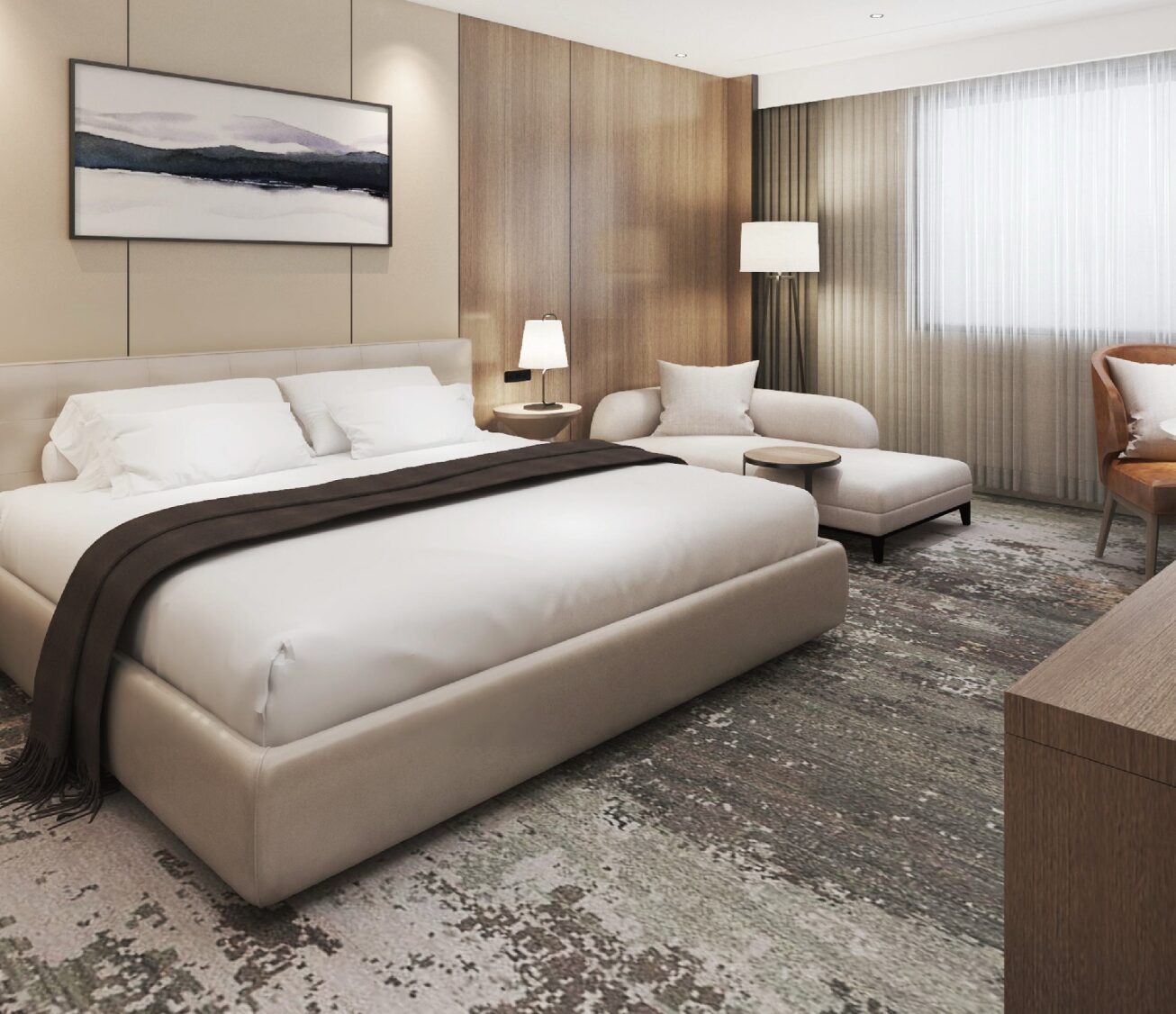
Designing small hotel rooms requires careful planning to maximize every square meter while maintaining comfort, functionality, and visual appeal. Unlike larger guestrooms, compact spaces demand intelligent design solutions that balance operational efficiency with guest expectations. Understanding these challenges is essential for creating interiors that feel spacious, practical, and welcoming despite limited floor areas.
1.1 Limited usable floor area
One of the biggest challenges in small hotel rooms is the restricted amount of usable space. Designers must carefully position furniture and circulation paths to avoid overcrowding while ensuring that guests can move comfortably and access essential amenities without feeling confined.
1.2 Balancing comfort and functionality
Every piece of furniture in a compact hotel room should serve a clear purpose. The challenge is to provide comfortable sleeping, working, storage, and relaxation areas without introducing unnecessary furniture that reduces available space or creates visual clutter.
1.3 Meeting guest expectations despite compact spaces
Modern travelers expect hotel rooms to be comfortable, stylish, and well-equipped regardless of their size. Through thoughtful layouts, efficient furniture selection, and smart design techniques, hotels can create compact guestrooms that feel inviting, functional, and capable of delivering a satisfying hospitality experience.
2. Choosing Smart and Multifunctional Furniture
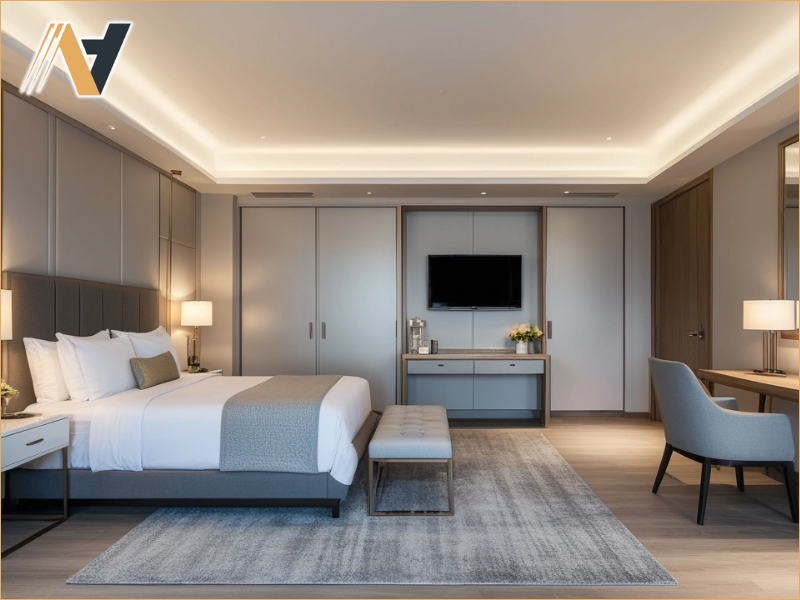
Smart and multifunctional furniture is one of the most effective solutions for optimizing small hotel rooms. By combining multiple functions into a single piece of furniture, hotels can maximize usable space, reduce clutter, and provide guests with greater convenience without increasing the room's footprint. This approach improves both operational efficiency and the overall guest experience.
2.1 Beds with integrated storage solutions
Beds featuring built-in drawers, hidden compartments, or lift-up storage systems provide valuable additional space for storing linens, luggage, or housekeeping supplies. These integrated solutions eliminate the need for extra storage furniture, helping maintain a clean, organized, and spacious room layout.
2.2 Foldable and convertible furniture
Foldable desks, convertible tables, and multifunctional seating allow hotel rooms to adapt to different guest activities throughout the day. Furniture that can be easily transformed provides greater flexibility while maximizing available floor space, making compact guestrooms feel more versatile and comfortable.
2.3 Built-in wardrobes and wall-mounted furniture
Custom-built wardrobes, floating shelves, and wall-mounted desks help free up valuable floor space while maintaining essential storage capacity. These integrated furniture solutions create a streamlined appearance, improve circulation, and contribute to a more open and visually balanced interior suitable for modern hotel environments.
3. Maximizing Visual Space Through Interior Design
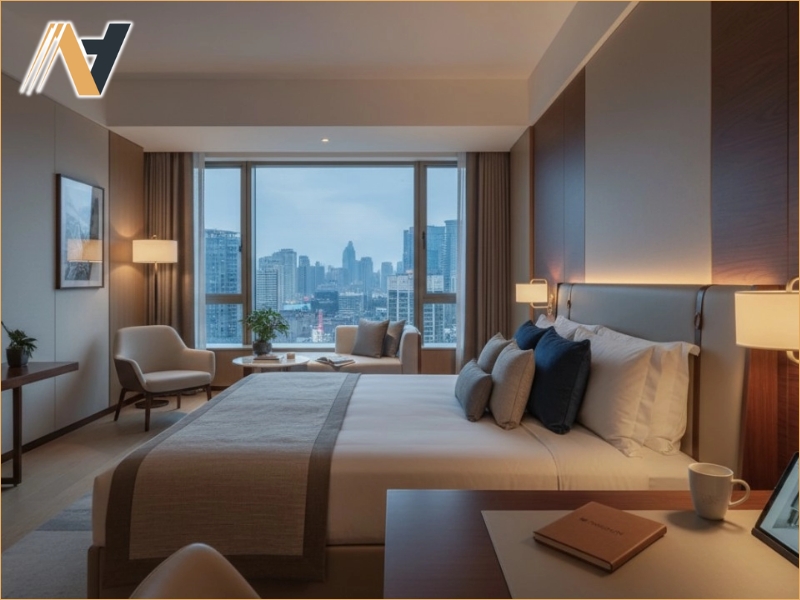
In addition to selecting the right furniture, interior design techniques play a crucial role in making small hotel rooms appear larger than they actually are. Through thoughtful use of colors, lighting, and reflective surfaces, designers can create a greater sense of openness while maintaining a comfortable and elegant hospitality environment.
3.1 Light color palettes for openness
Light shades such as white, beige, soft gray, and warm neutral tones help reflect natural and artificial light, making compact rooms feel brighter and more spacious. These color palettes also create a clean, calming atmosphere that enhances guest comfort while providing a timeless foundation for modern hotel interiors.
3.2 Mirrors to create depth and brightness
Strategically positioned mirrors visually expand the room by reflecting light and surrounding spaces. Large wall mirrors, mirrored wardrobe doors, or decorative mirror panels can create the illusion of greater depth, making small guestrooms appear significantly larger without requiring structural changes.
3.3 Natural and layered lighting design
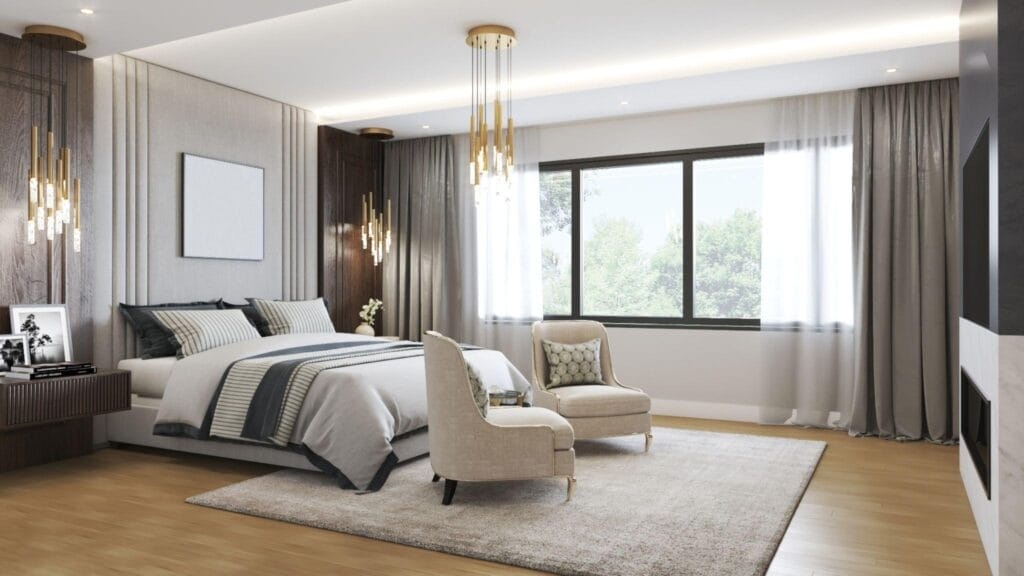
A well-planned lighting scheme enhances both functionality and visual comfort. Combining natural daylight with ambient, task, and accent lighting eliminates dark corners, highlights architectural features, and creates a balanced atmosphere that makes compact hotel rooms feel more open, welcoming, and luxurious.
4. Efficient Space Planning and Storage Solutions
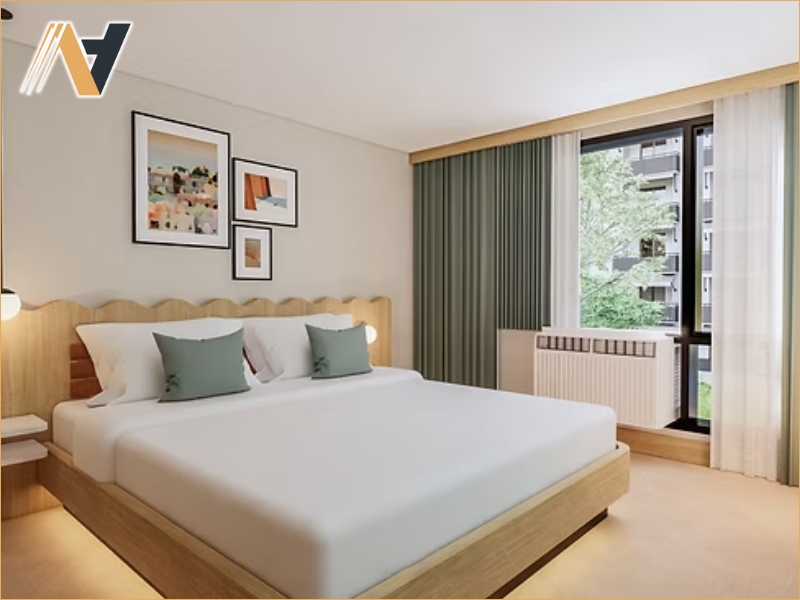
Effective space planning is essential for maximizing the functionality of small hotel rooms. By organizing furniture strategically and incorporating efficient storage solutions, hotels can create interiors that feel spacious, organized, and comfortable while ensuring that every area serves a practical purpose and supports daily guest activities.
4.1 Defining functional zones within compact rooms
Even in limited spaces, hotel rooms should include clearly defined areas for sleeping, working, relaxing, and storing personal belongings. Thoughtful furniture placement helps separate these functions without using physical partitions, creating a more organized layout that improves both usability and guest comfort.
4.2 Utilizing vertical storage space
Making use of wall space is an effective way to increase storage without reducing valuable floor area. Tall wardrobes, floating shelves, overhead cabinets, and wall-mounted storage units provide additional capacity while maintaining an open and uncluttered room layout that feels larger and more efficient.
4.3 Reducing unnecessary furniture and accessories
Avoiding oversized furniture and excessive decorative items helps preserve valuable circulation space in compact guestrooms. Selecting only essential furnishings with clean lines and multifunctional features creates a minimalist environment that improves movement, enhances visual balance, and contributes to a more relaxing hospitality experience.
5. Long-Term Benefits of Smart Interior Design for Small Hotels
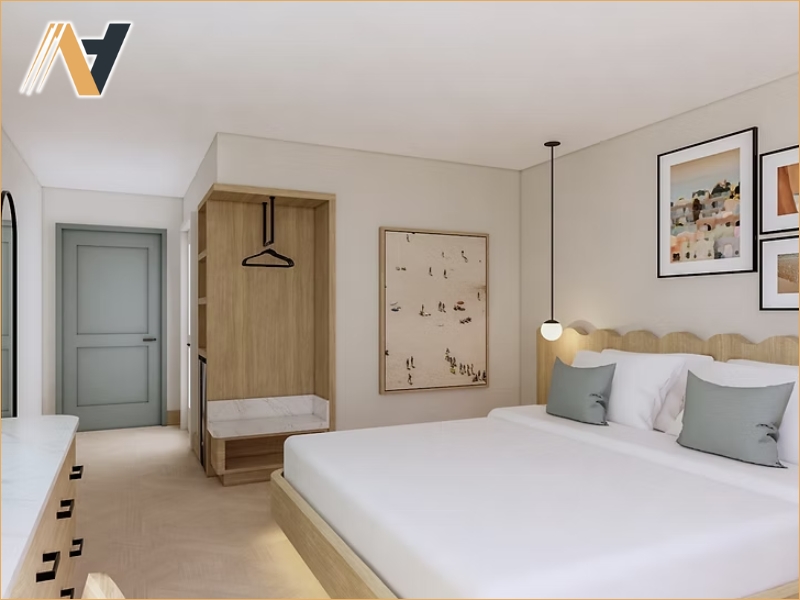
Investing in smart interior design for small hotel rooms provides benefits that extend far beyond improving aesthetics. Efficient layouts, multifunctional furniture, and space-saving solutions contribute to better guest satisfaction, lower operating costs, and greater flexibility for future upgrades. These long-term advantages make intelligent interior planning a valuable investment for modern hospitality businesses.
5.1 Enhanced guest comfort despite limited room size
A thoughtfully designed compact room can feel spacious, organized, and comfortable even with a smaller floor area. Smart furniture, efficient layouts, and well-planned storage solutions allow guests to enjoy all essential amenities without feeling restricted, resulting in a more pleasant and memorable stay.
5.2 Lower maintenance and operational costs
Space-efficient furniture and simplified room layouts make housekeeping, maintenance, and daily operations more efficient. Durable multifunctional furniture also reduces the need for frequent replacements, helping hotels lower long-term maintenance expenses while maintaining a consistently high standard of presentation.
5.3 Greater flexibility for future renovations
Modular and multifunctional furniture provides hotels with greater adaptability as guest expectations and design trends evolve. Rooms can be updated or reconfigured with minimal structural modifications, allowing hotel owners to refresh their interiors more efficiently while protecting their long-term investment in hospitality furniture.
Conclusion
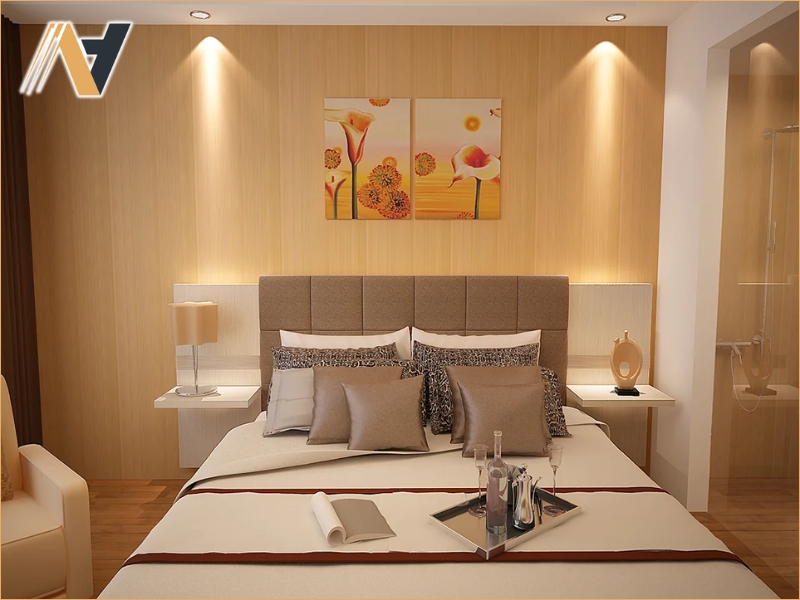
Optimizing small hotel rooms through smart interior design is an effective way to maximize available space while maintaining comfort, functionality, and visual appeal. By incorporating multifunctional furniture, efficient layouts, and intelligent storage solutions, hotels can enhance the guest experience, improve operational efficiency, and increase the long-term value of their interior investment.
For hospitality projects seeking customized space-saving solutions, Ngoc Hoang Anh provides Vietnam hotel furniture OEM services with bespoke furniture designed to optimize compact hotel rooms, combining premium craftsmanship, smart functionality, and modern aesthetics for every hospitality concept.
-----
NGOC HOANG ANH TRADING COMPANY LIMITED
Tax Code: 3702874413
Address: No. 288/28/10 Huynh Van Luy Street, Zone 7, Phu Loi Ward, Ho Chi Minh City, Vietnam
Warehouse: No. 1/91, Thuan Giao 02 Street, Binh Thuan 2 Residential Quarter, Thuan Giao Ward, Ho Chi Minh City, Vietnam
Phone/Whatsapp/Wechat: +84342076666
Email: info@ngochoanganh.com.vn