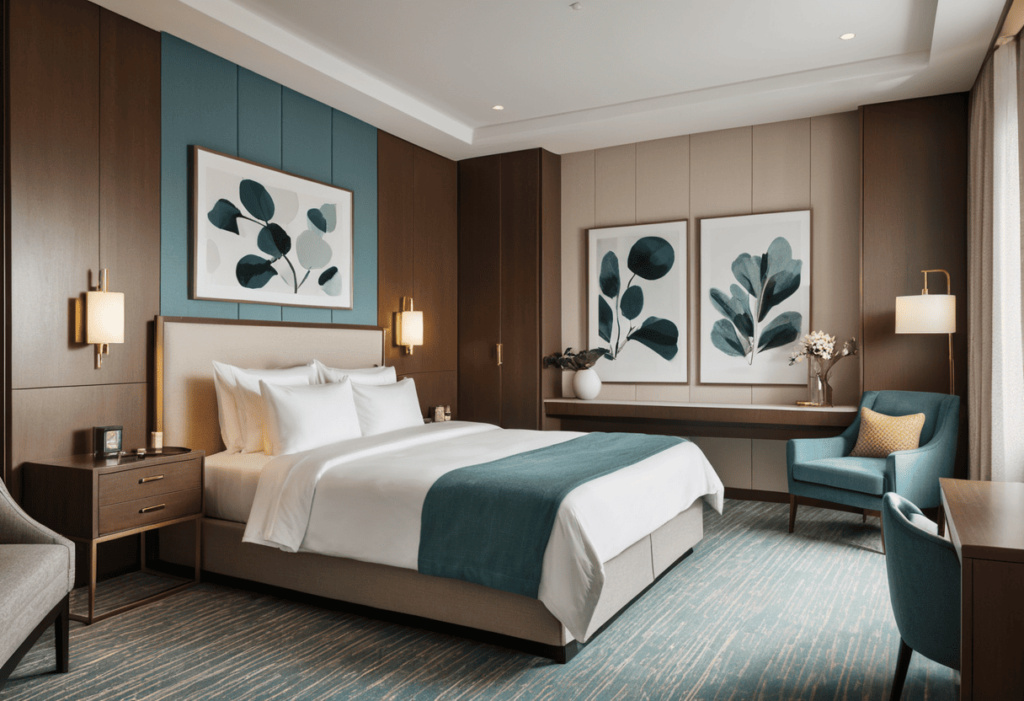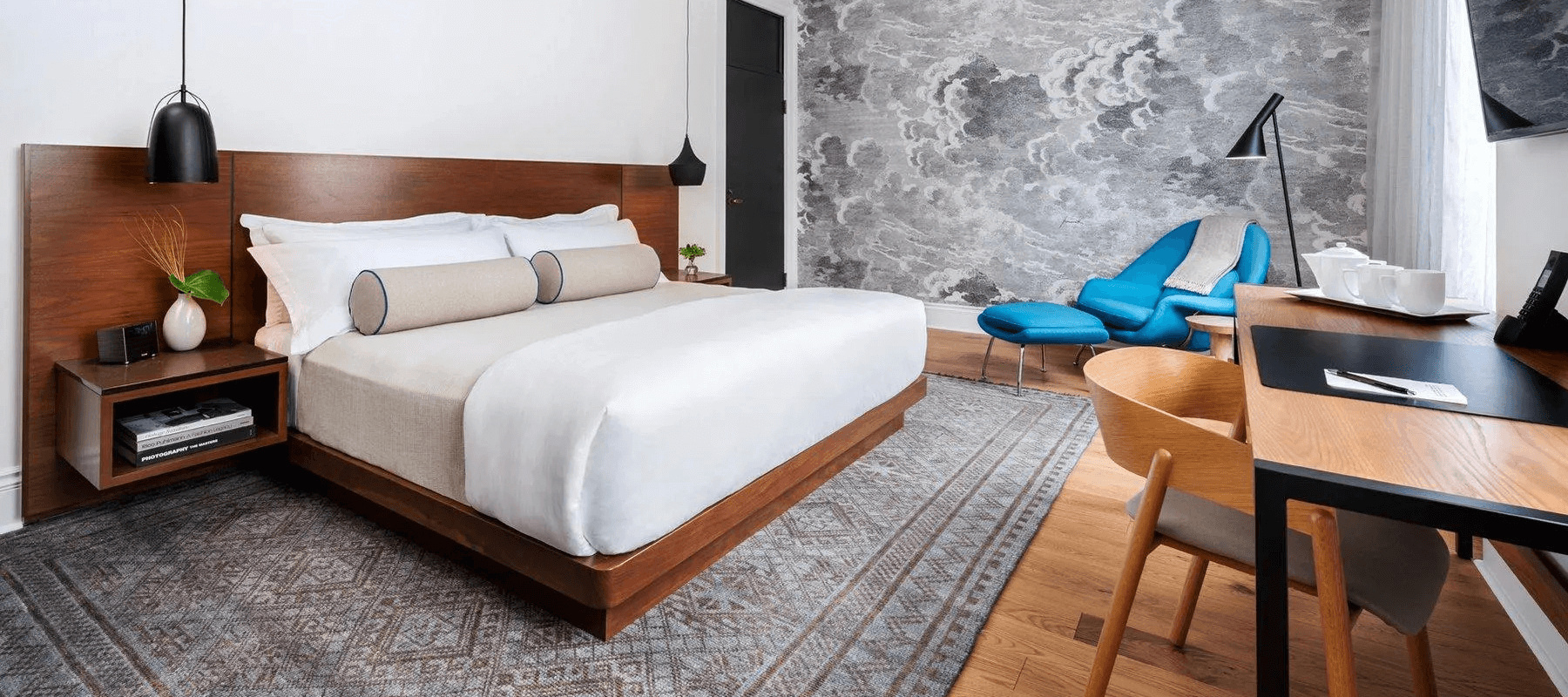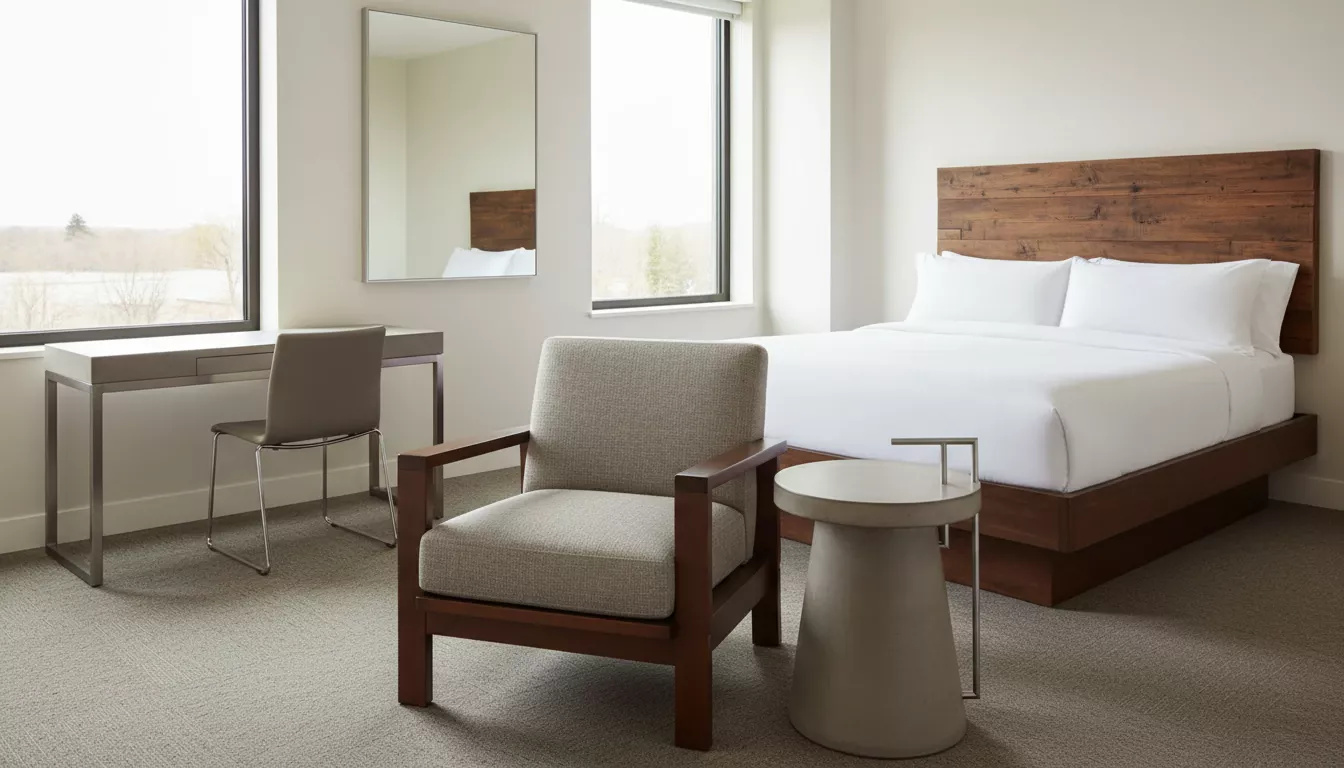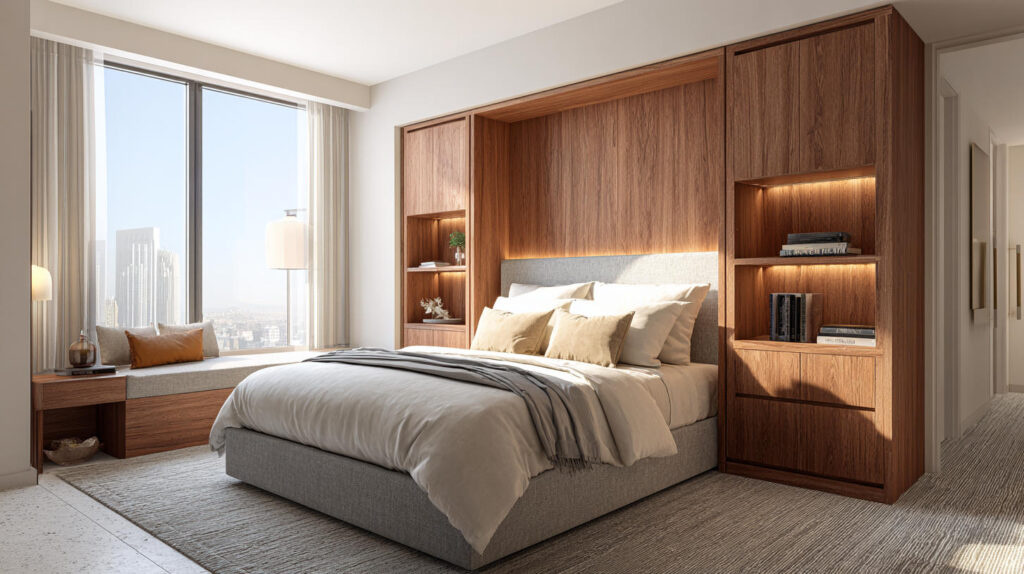
Most Popular Hotel Interior Design Styles Today
Thứ 4, 08/04/2026
Administrator
282
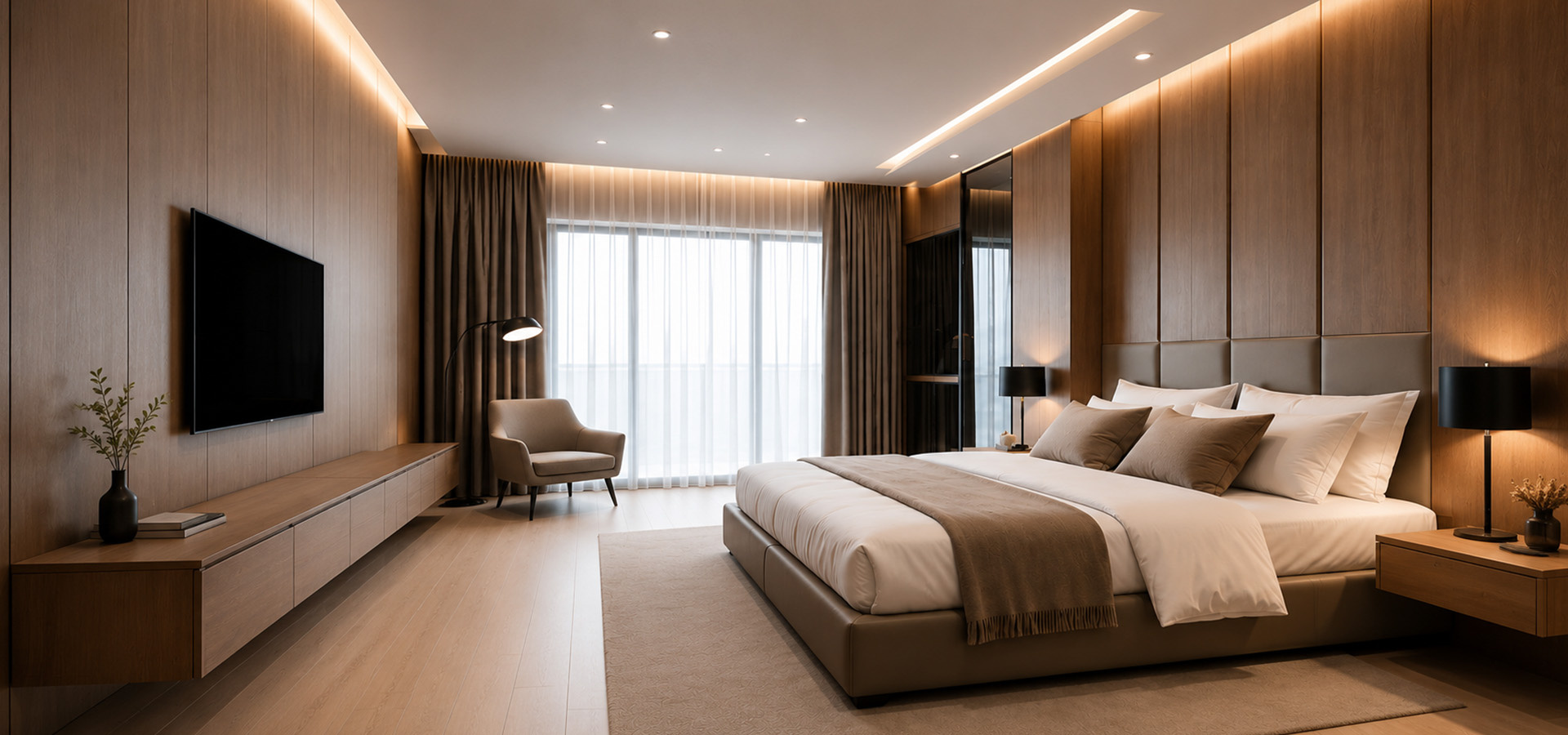
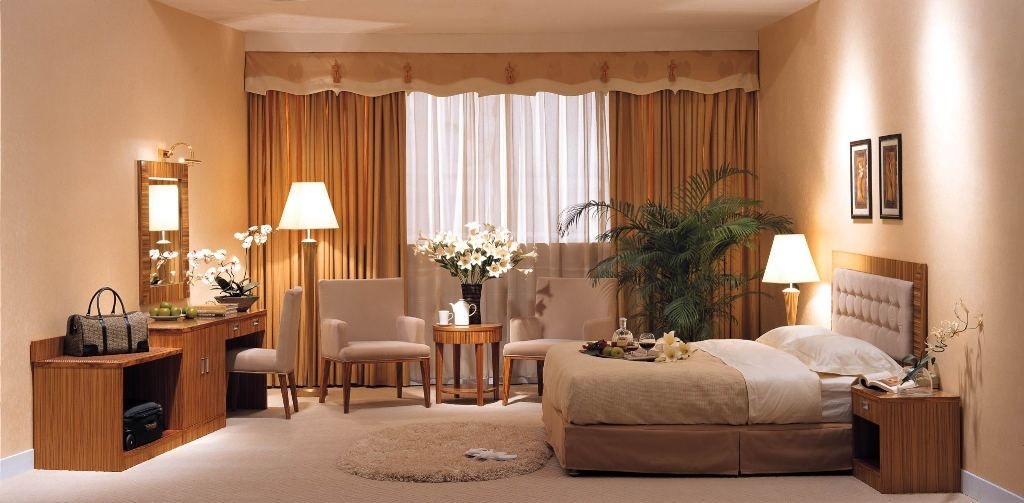
Hotel interior design today is no longer defined by a single style but by a combination of aesthetics, functionality, and guest experience. Modern hospitality spaces blend comfort, identity, and emotional connection, moving beyond purely visual appeal. From minimalist elegance to culturally inspired concepts, each style reflects evolving guest expectations. In this article, Ngoc Hoang Anh explores the most popular hotel interior design styles shaping the industry today.
1. Modern Minimalist Style
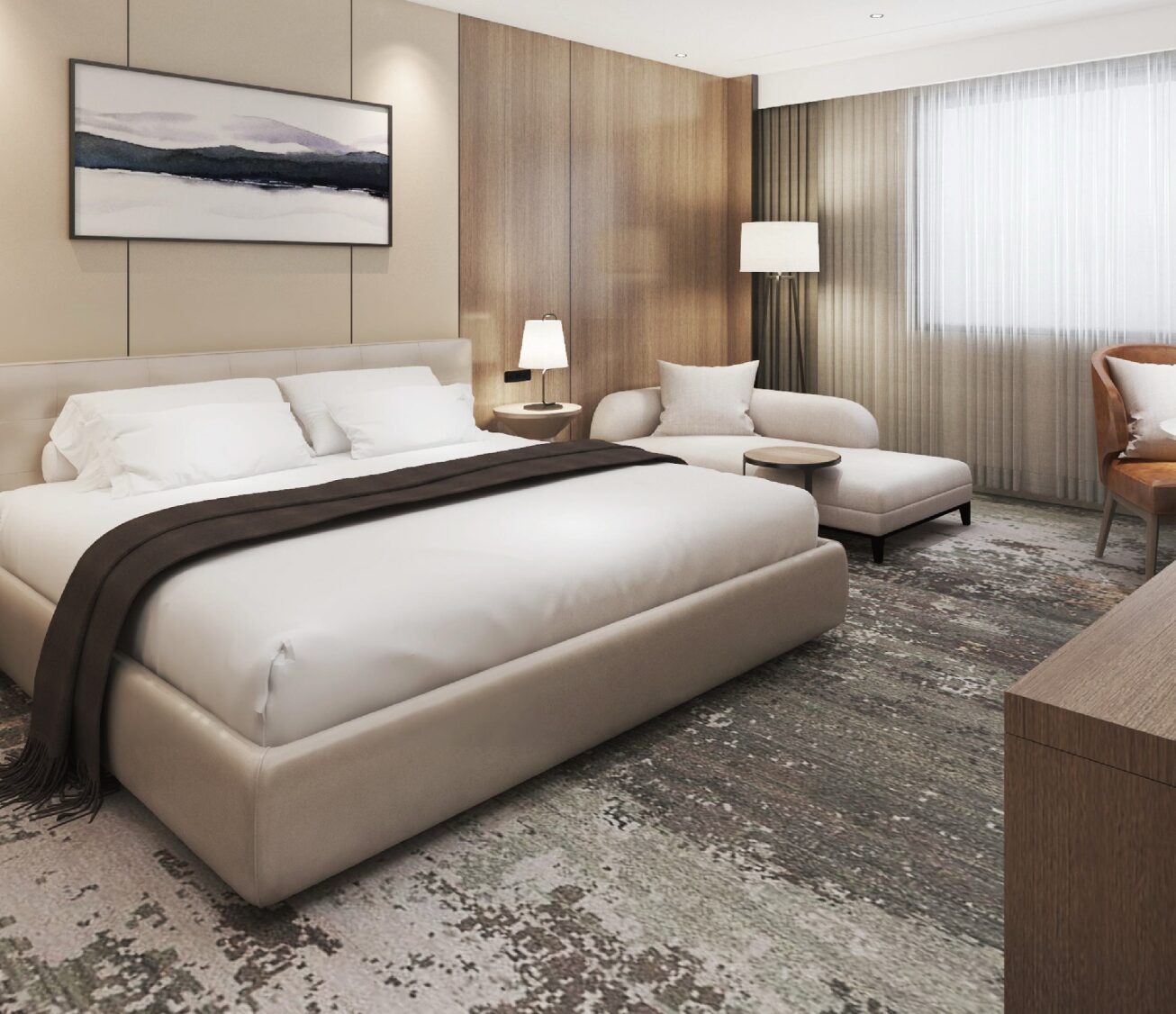
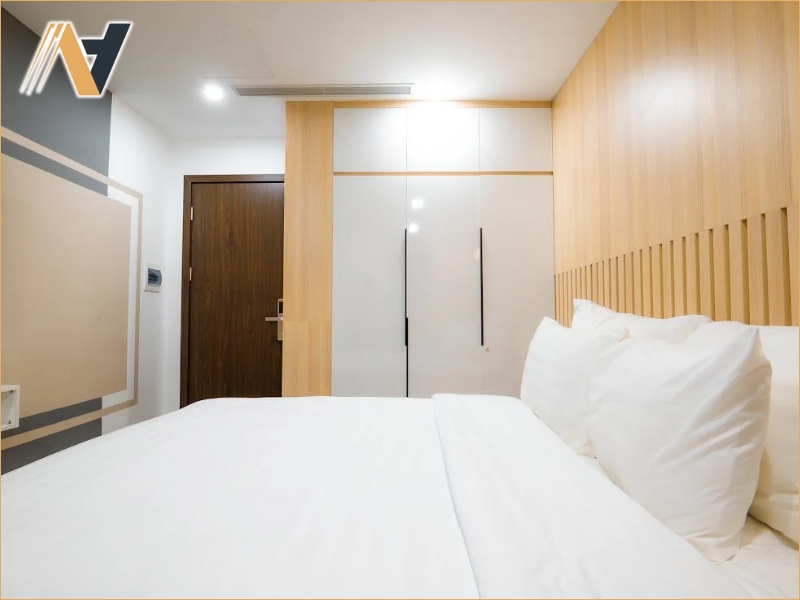
Modern minimalist style remains one of the most popular choices in hotel interior design due to its clean aesthetic and functional efficiency. This approach focuses on eliminating unnecessary elements while emphasizing clarity, balance, and usability. When executed well, minimalist interiors create a calm and sophisticated environment that enhances the overall guest experience.
1.1 Clean lines and uncluttered layouts
Furniture and architectural elements are designed with simple, straight lines and minimal ornamentation. This helps create a sense of order and openness, making the room feel more spacious and visually comfortable.
1.2 Neutral color palettes with subtle textures
Minimalist interiors often use neutral tones such as white, beige, and soft gray. These colors are complemented by subtle textures from materials like wood or fabric, adding depth without disrupting the clean design.
1.3 Focus on functionality and simplicity
Every furniture piece serves a clear purpose, avoiding unnecessary decoration. This functional approach ensures that the space remains practical while maintaining a refined and elegant appearance.
2. Contemporary Luxury (Quiet Luxury)
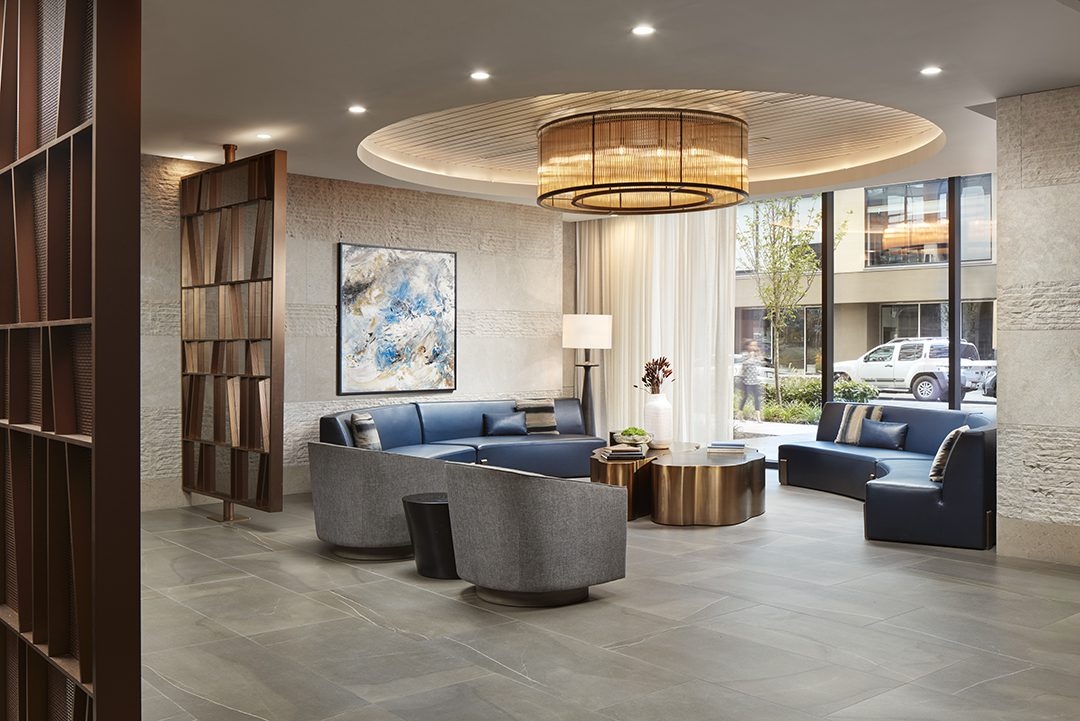
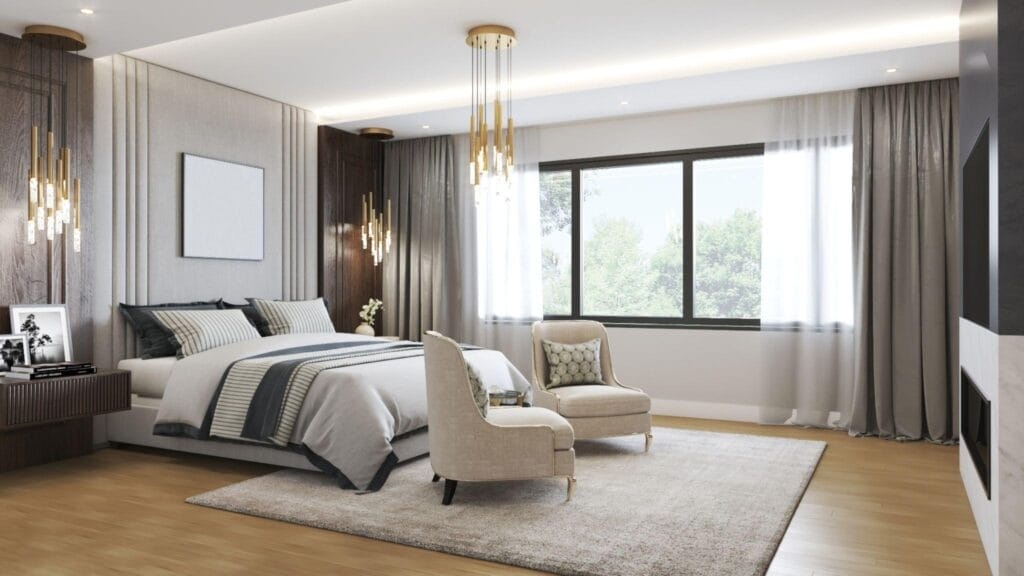
Contemporary luxury, often referred to as “quiet luxury,” is becoming a dominant style in modern hotel interiors. Instead of bold and extravagant decoration, this approach focuses on subtle elegance, refined materials, and a calm, sophisticated atmosphere. The emphasis is on quality and detail rather than visual excess, creating a more timeless and comfortable guest experience.
2.1 Understated elegance over excessive decoration
Rather than using ornate details or flashy elements, this style prioritizes clean forms and restrained design. The result is a space that feels luxurious without being overwhelming, appealing to guests who value sophistication and comfort.
2.2 High-quality materials and refined detailing
Premium materials such as natural stone, fine wood veneers, and high-end fabrics are carefully selected and crafted. Attention to small details, from stitching to finishing, enhances the overall sense of quality.
2.3 Warm and sophisticated color schemes
Color palettes often include warm neutrals, soft browns, and muted tones that create a cozy yet upscale atmosphere. These colors help balance minimalism with a sense of richness and depth.
3. Boutique and Thematic Design Style
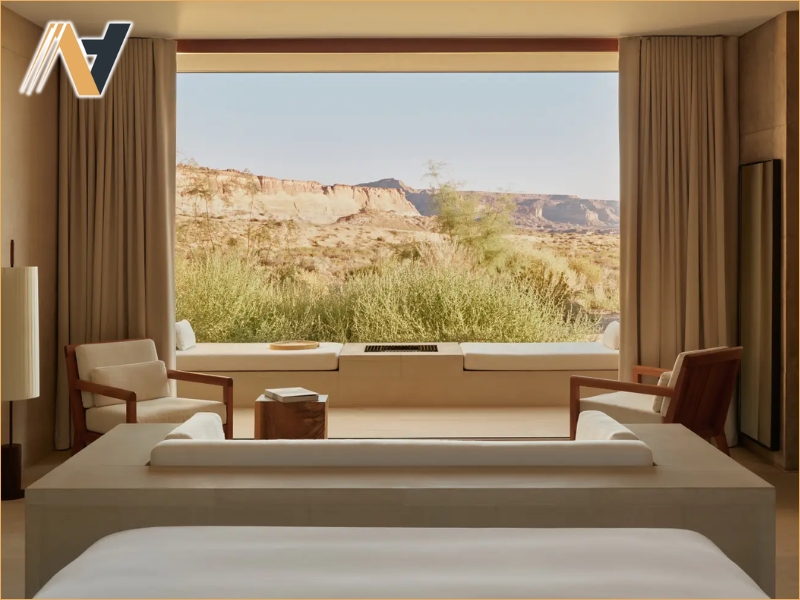
Boutique and thematic design styles focus on creating unique and memorable experiences rather than standardized interiors. These hotels use design as a storytelling tool, allowing each space to reflect a distinct concept, personality, or narrative. This approach helps properties stand out in a competitive market while offering guests a more engaging and personalized stay.
3.1 Unique storytelling through interior design
Each design element contributes to a broader theme or story, whether inspired by culture, history, or a specific concept. This creates a cohesive environment that feels intentional and immersive.
3.2 Personalized furniture and décor elements
Custom-made furniture and carefully selected décor pieces are often used to reinforce the theme. These elements help differentiate the hotel from generic interiors and enhance its identity.
3.3 Strong visual identity for brand differentiation
Boutique hotels rely on distinctive design to build brand recognition. A consistent and recognizable interior style helps create a lasting impression and encourages repeat visits from guests.
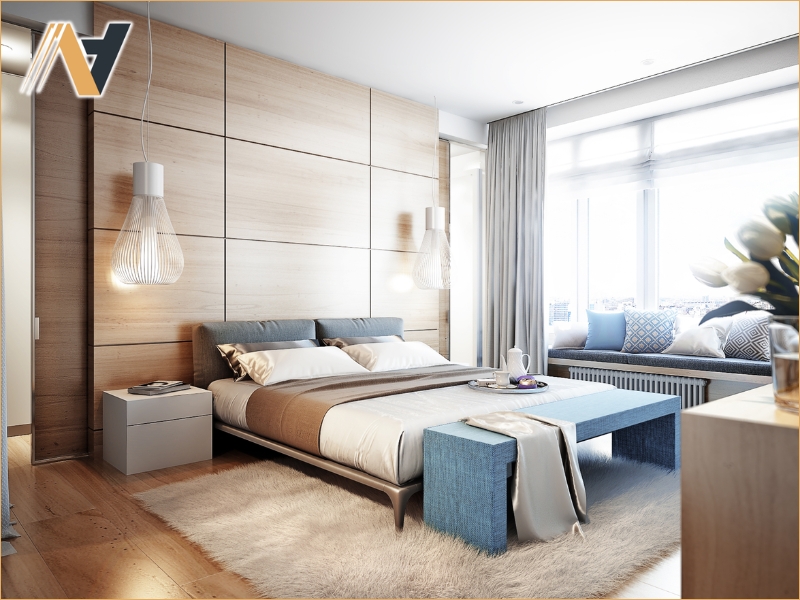
4. Nature-Inspired (Biophilic) Design
Nature-inspired design, also known as biophilic design, has become one of the most influential trends in hotel interiors. This approach focuses on connecting guests with nature through materials, light, and spatial experience. By incorporating natural elements into minimalist or modern spaces, hotels can create environments that feel calming, refreshing, and restorative.
4.1 Integration of greenery and natural light
Indoor plants, vertical gardens, and large windows are used to bring natural elements into the space. Access to daylight and views of nature helps improve mood and enhances the overall guest experience.
4.2 Use of wood, stone, and organic materials
Natural materials such as wood, stone, linen, and rattan introduce texture and warmth. These elements create a grounded and authentic atmosphere while maintaining a refined and elegant aesthetic.
4.3 Creating a calming and restorative environment
Biophilic design emphasizes relaxation and well-being. By reducing visual stress and incorporating natural elements, hotel interiors can offer guests a peaceful retreat from busy urban surroundings.
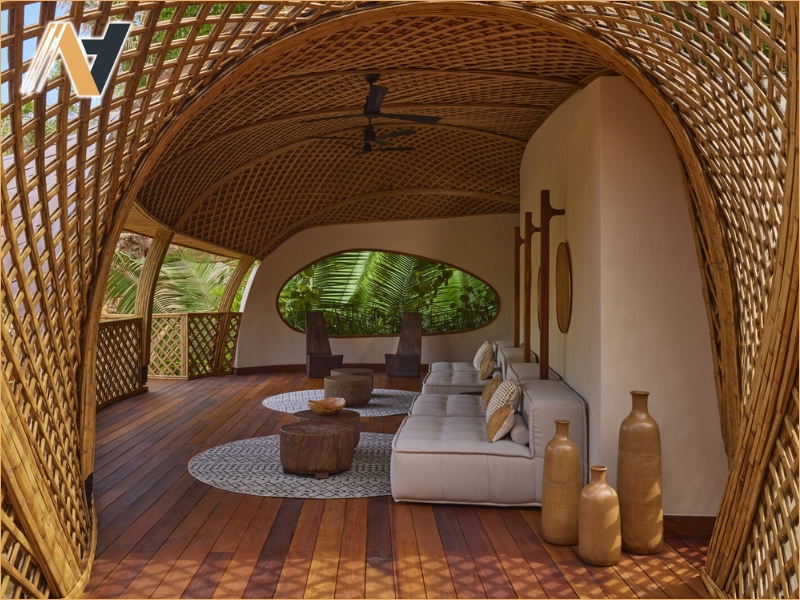
5. Industrial Style
Industrial style brings a raw and distinctive character to hotel interiors by highlighting structural elements and unfinished materials. Inspired by old factories and warehouses, this design approach emphasizes authenticity, simplicity, and strong visual identity. When applied thoughtfully, it can create bold yet functional spaces that appeal to modern and urban-oriented guests.
5.1 Raw materials such as metal, concrete, and brick
Industrial interiors often feature exposed materials like steel frames, concrete surfaces, and brick walls. These elements add texture and character while reducing the need for excessive decorative finishes.
5.2 Open layouts and exposed structures
Ceilings, pipes, and structural components are sometimes left visible as part of the design. This openness creates a spacious feel and reinforces the industrial aesthetic.
5.3 Minimal decoration with strong character
Instead of relying on decorative details, industrial design focuses on form and material contrast. The simplicity of the space is balanced by bold textures and finishes that create a unique visual impact.
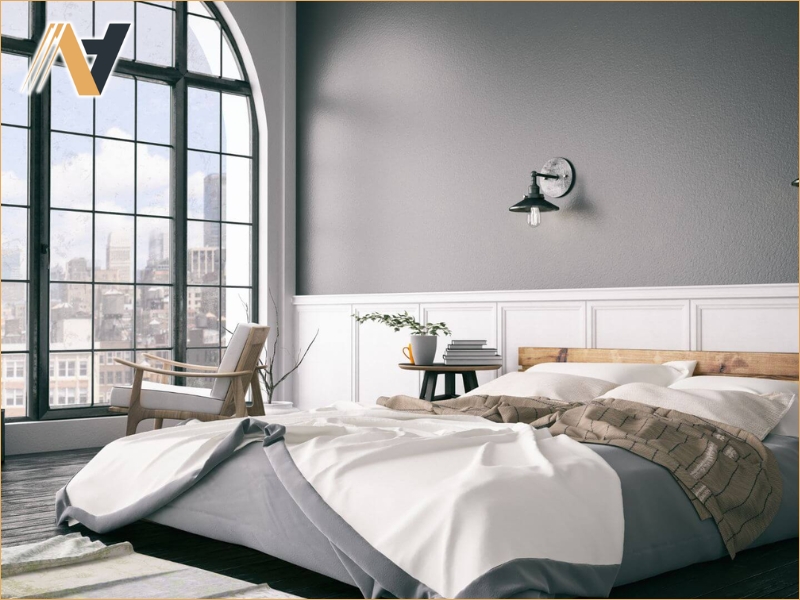
6. Classic and Neo-Classical Style
Classic and neo-classical styles continue to be favored in upscale hotels for their timeless elegance and refined aesthetic. These styles draw inspiration from traditional European design, emphasizing symmetry, proportion, and decorative detailing. When adapted to modern hospitality spaces, they create a luxurious atmosphere while maintaining a sense of familiarity and comfort.
6.1 Symmetry and balanced proportions
Furniture layout and architectural elements are arranged in a symmetrical manner to create visual harmony. This balanced composition enhances the sense of order and sophistication within the space.
6.2 Decorative moldings and elegant detailing
Wall moldings, carved wood elements, and refined finishes are commonly used to add depth and character. These details contribute to the overall sense of luxury without overwhelming the design.
6.3 Luxurious yet timeless atmosphere
Classic interiors focus on enduring beauty rather than passing trends. By combining traditional design elements with modern comfort, hotels can create spaces that feel both prestigious and welcoming.
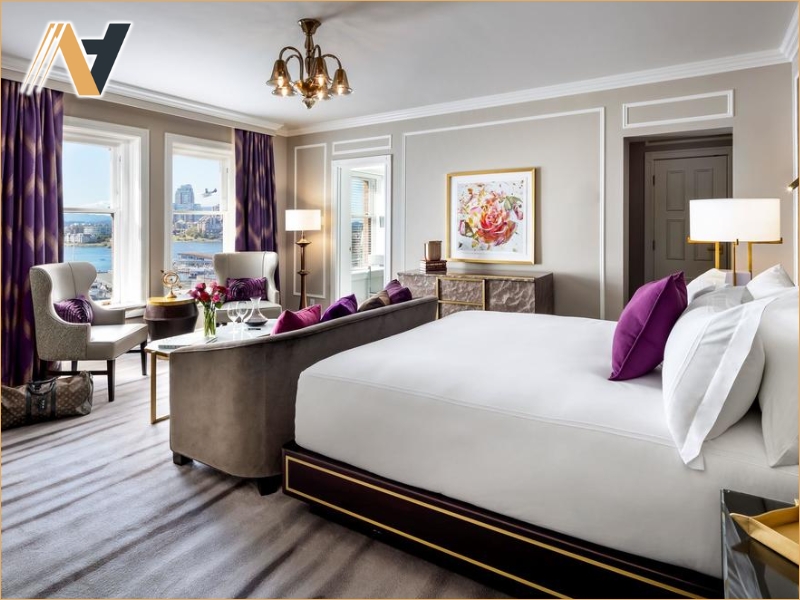
7. Localized and Cultural Design Style
Localized and cultural design styles are increasingly popular as hotels seek to create more authentic and memorable guest experiences. Instead of using generic interiors, this approach incorporates local identity, traditions, and craftsmanship into the design. By reflecting the character of the surrounding region, hotels can offer guests a deeper connection to the destination.
7.1 Incorporating local materials and craftsmanship
Designers often use locally sourced materials such as regional wood, stone, or textiles. Handcrafted elements created by local artisans add uniqueness and highlight the cultural value of the space.
7.2 Reflecting regional identity and heritage
Interior design can draw inspiration from local history, architecture, or cultural motifs. These elements help create a distinctive atmosphere that represents the spirit of the location.
7.3 Creating authentic guest experiences
By integrating cultural elements into the design, hotels can provide guests with a more immersive stay. This authenticity enhances emotional connection and makes the experience more memorable.
8. Hybrid and Experience-Driven Style
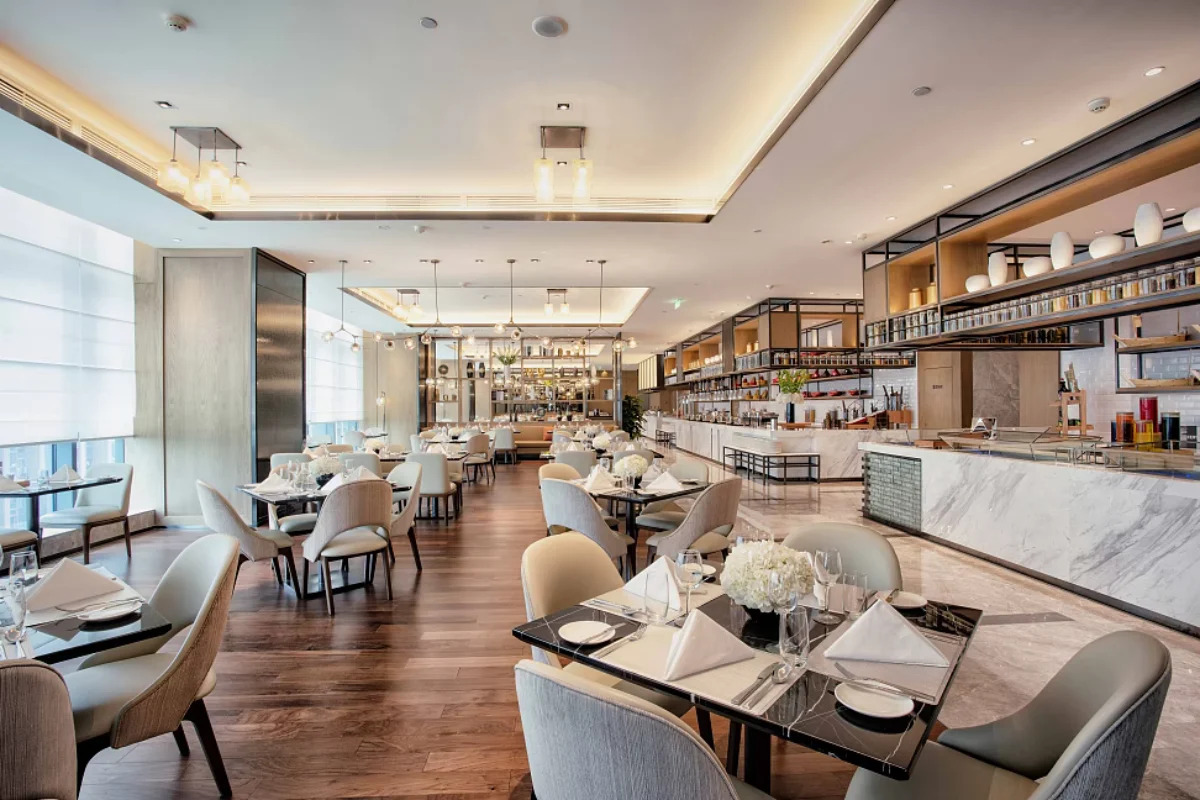
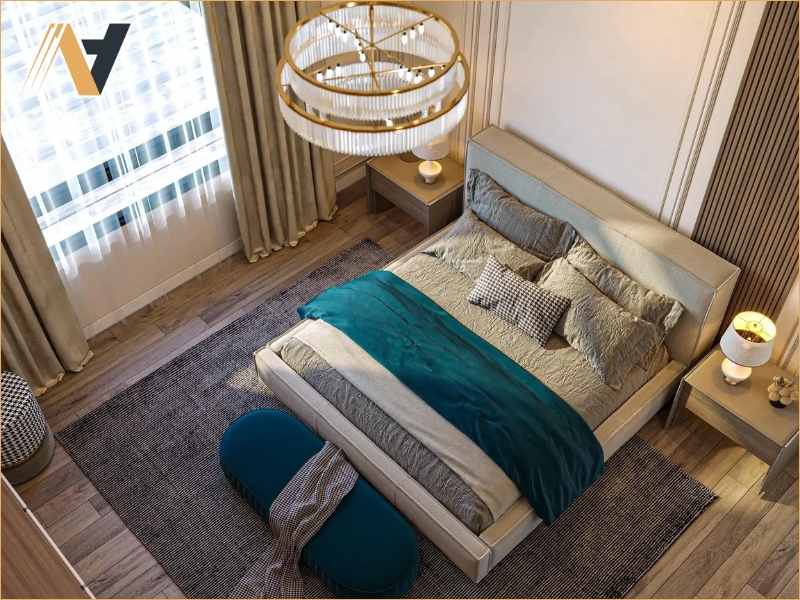
Modern hotel interiors are increasingly moving toward hybrid and experience-driven design, where multiple styles are blended to create unique and engaging spaces. Instead of following a single design language, hotels combine elements from different styles to meet diverse guest expectations and support a wide range of activities within the same environment.
8.1 Blending multiple design styles in one space
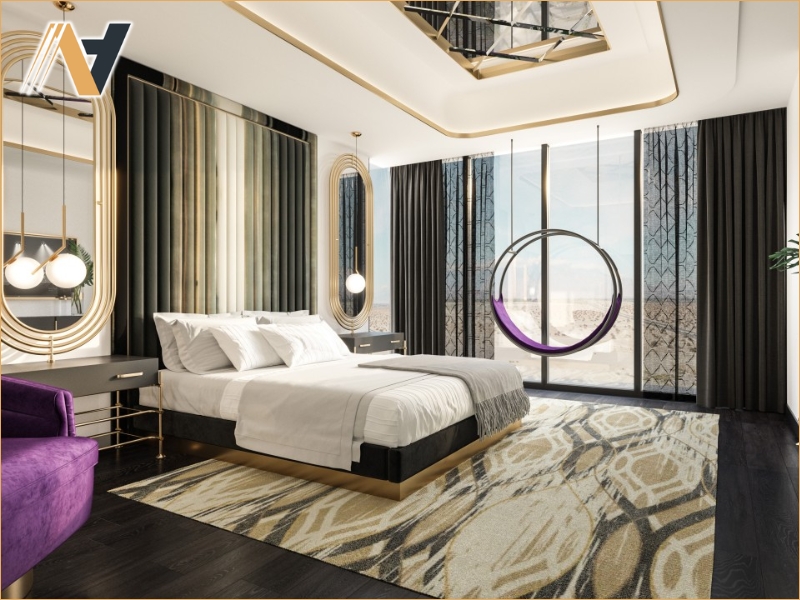
Designers may combine minimalist layouts with natural materials or mix industrial elements with luxury finishes. This layered approach creates visually dynamic spaces while still maintaining overall harmony.
8.2 Creating immersive and interactive environments
Experience-driven design focuses on how guests interact with the space. Elements such as lighting, layout, and furniture are arranged to encourage movement, exploration, and engagement.
8.3 Flexible spaces for modern guest behavior
Hotel spaces are designed to adapt to different functions, from working and relaxing to socializing. Flexible layouts and multi-purpose furniture allow the same area to serve multiple needs without compromising comfort or style.
Conclusion
Hotel interior design today is defined by diversity, flexibility, and a strong focus on guest experience. From modern minimalism and quiet luxury to cultural, biophilic, and hybrid styles, each approach offers unique advantages that cater to different hotel concepts and target audiences. The key is not choosing a single style, but applying it thoughtfully to create a cohesive and functional environment.
By combining aesthetics with practicality, hotels can design spaces that are not only visually appealing but also comfortable and memorable for guests. As trends continue to evolve, the ability to adapt and personalize interior design will become increasingly important in the hospitality industry.
For projects seeking high-quality and tailored solutions, Ngoc Hoang Anh provides premium Vietnam hotel furniture designed to support a wide range of interior styles while ensuring durability and refined craftsmanship. Contact us today for expert consultation and bespoke furniture manufacturing.
-----
NGOC HOANG ANH TRADING COMPANY LIMITED
Tax Code: 3702874413
Address: No. 288/28/10 Huynh Van Luy Street, Zone 7, Phu Loi Ward, Ho Chi Minh City, Vietnam
Warehouse: No. 1/91, Thuan Giao 02 Street, Binh Thuan 2 Residential Quarter, Thuan Giao Ward, Ho Chi Minh City, Vietnam
Phone/Whatsapp/Wechat: +84342076666
Email: info@ngochoanganh.com.vn