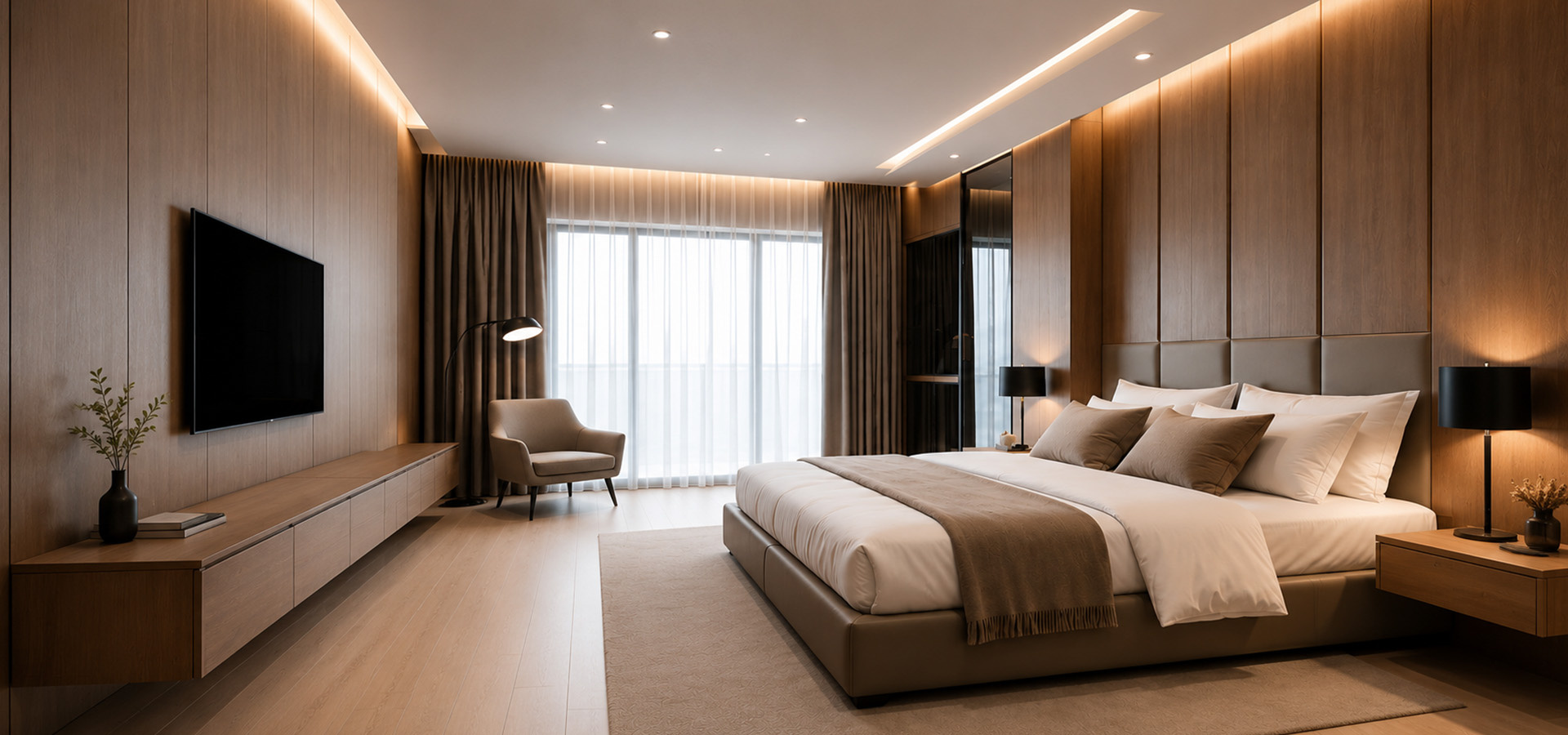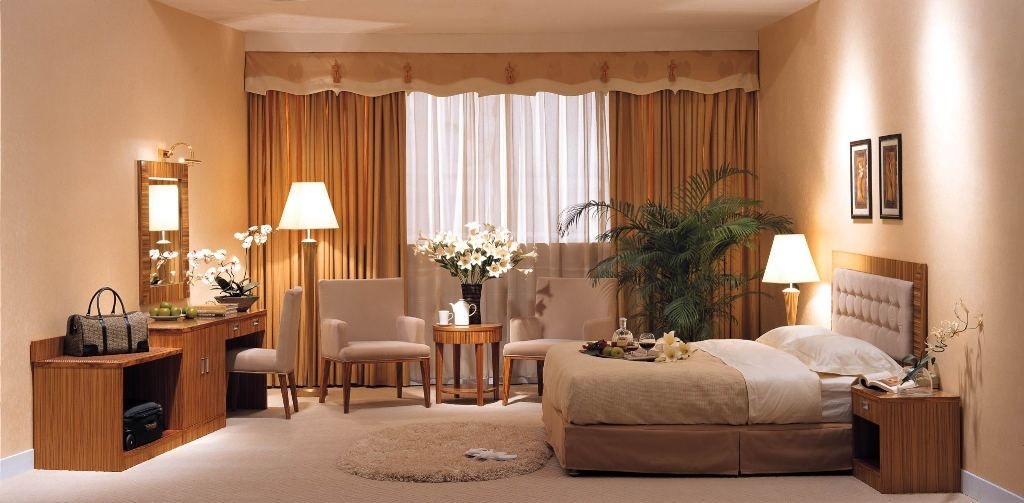
Luxury Guest Room Design Trends for Resorts and Homestays
Chủ nhật, 21/06/2026
Administrator
157
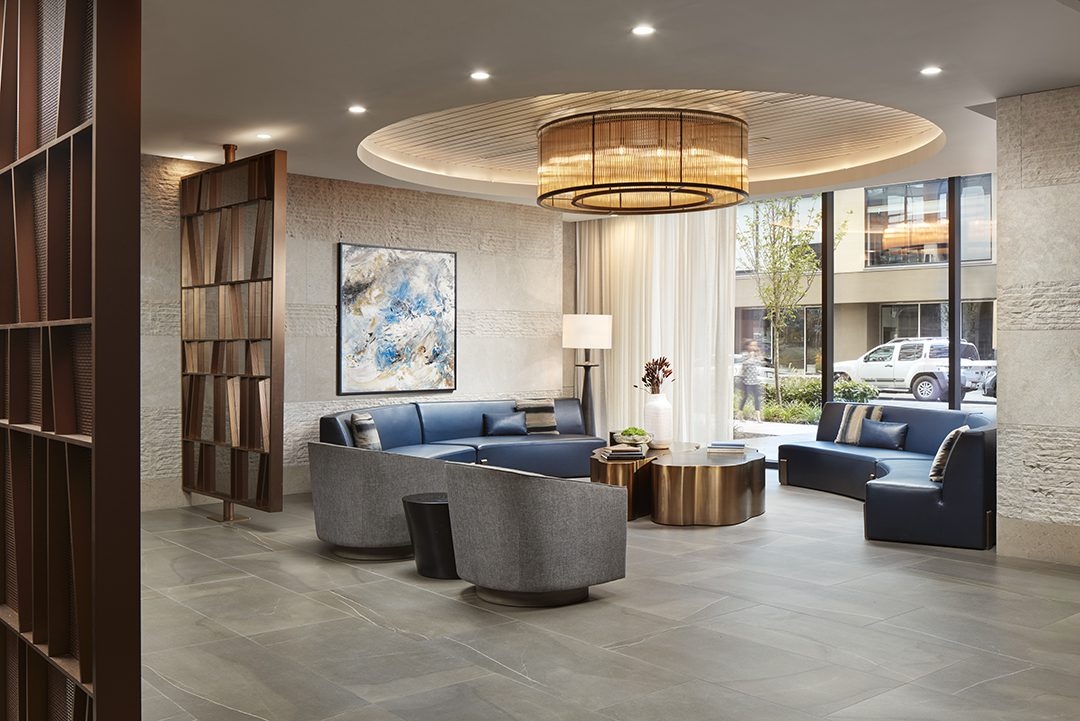
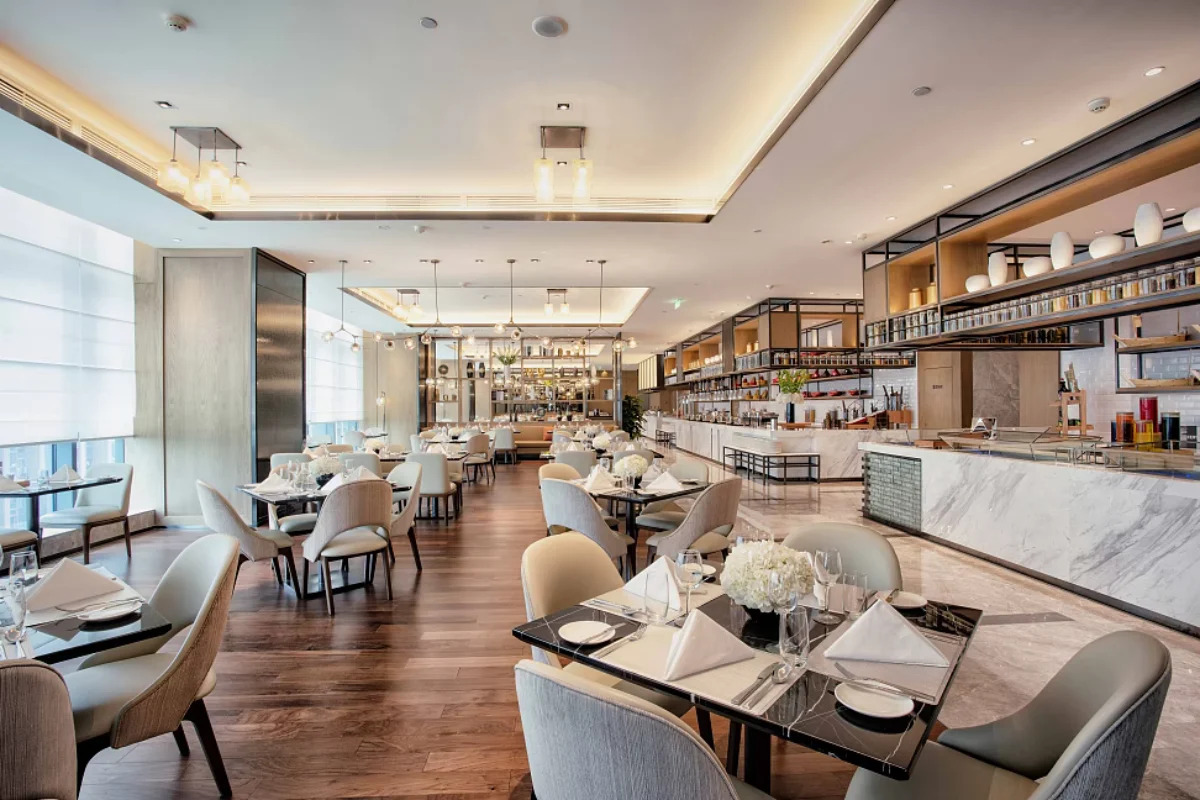
Luxury guest room design is becoming an important factor in helping resorts and homestays attract travelers, strengthen brand identity, and create memorable hospitality experiences. Today’s premium accommodation spaces are no longer defined only by aesthetics but also by comfort, personalization, and connection with the surrounding environment. In this article, Ngoc Hoang Anh explores leading design trends shaping luxury resort and homestay interiors.
1. Create Immersive Guest Experiences Through Interior Design
Luxury resort and homestay guest room design is increasingly centered on creating immersive experiences that go beyond accommodation and become memorable parts of the journey itself. Modern travelers seek spaces that evoke emotion, reflect identity, and deliver a balance between comfort, aesthetics, and meaningful interaction with the environment.
1.1 Design Spaces That Tell a Story
Guest rooms with strong concepts and storytelling elements create more distinctive and memorable hospitality experiences. Through carefully selected materials, furniture, colors, and spatial arrangements, resorts and homestays can express a unique identity that leaves lasting impressions on visitors.
1.2 Blend Hospitality Comfort With Lifestyle Elements
Luxury interiors are evolving to reflect lifestyle expectations by combining premium comfort with practical functionality. Thoughtful furniture selection, flexible layouts, and curated amenities allow guests to enjoy a more personalized and elevated stay experience.
1.3 Strengthen Emotional Connection Through Design Details
Small interior details often create the strongest emotional impact during a stay. Layered textures, custom finishes, warm lighting, and refined decorative accents help transform guest rooms into inviting environments that encourage relaxation and increase overall satisfaction.
2. Prioritize Natural Materials and Organic Aesthetics
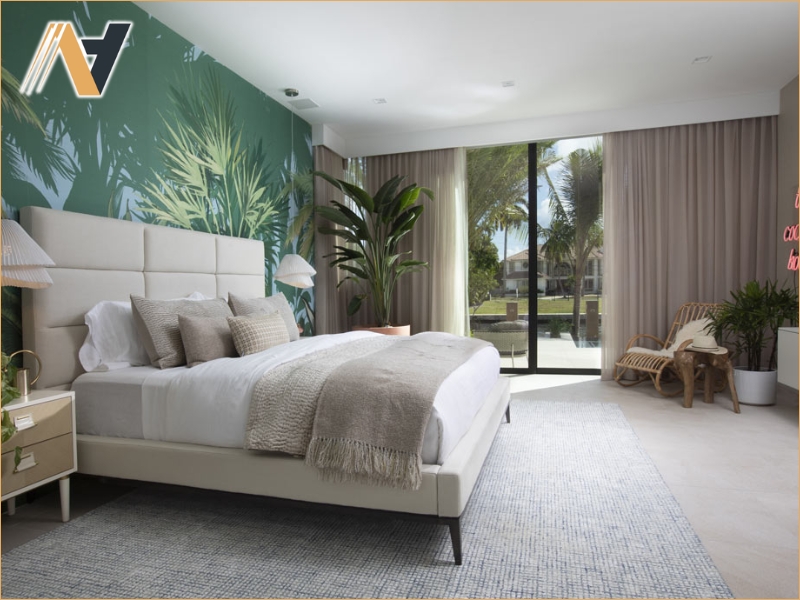
Natural materials and organic design aesthetics continue to dominate luxury resort and homestay interiors because they create calming environments and strengthen the connection between guests and surrounding landscapes. This approach combines visual sophistication with warmth and authenticity to deliver more immersive and premium hospitality experiences.
2.1 Use Warm and Textured Material Palettes
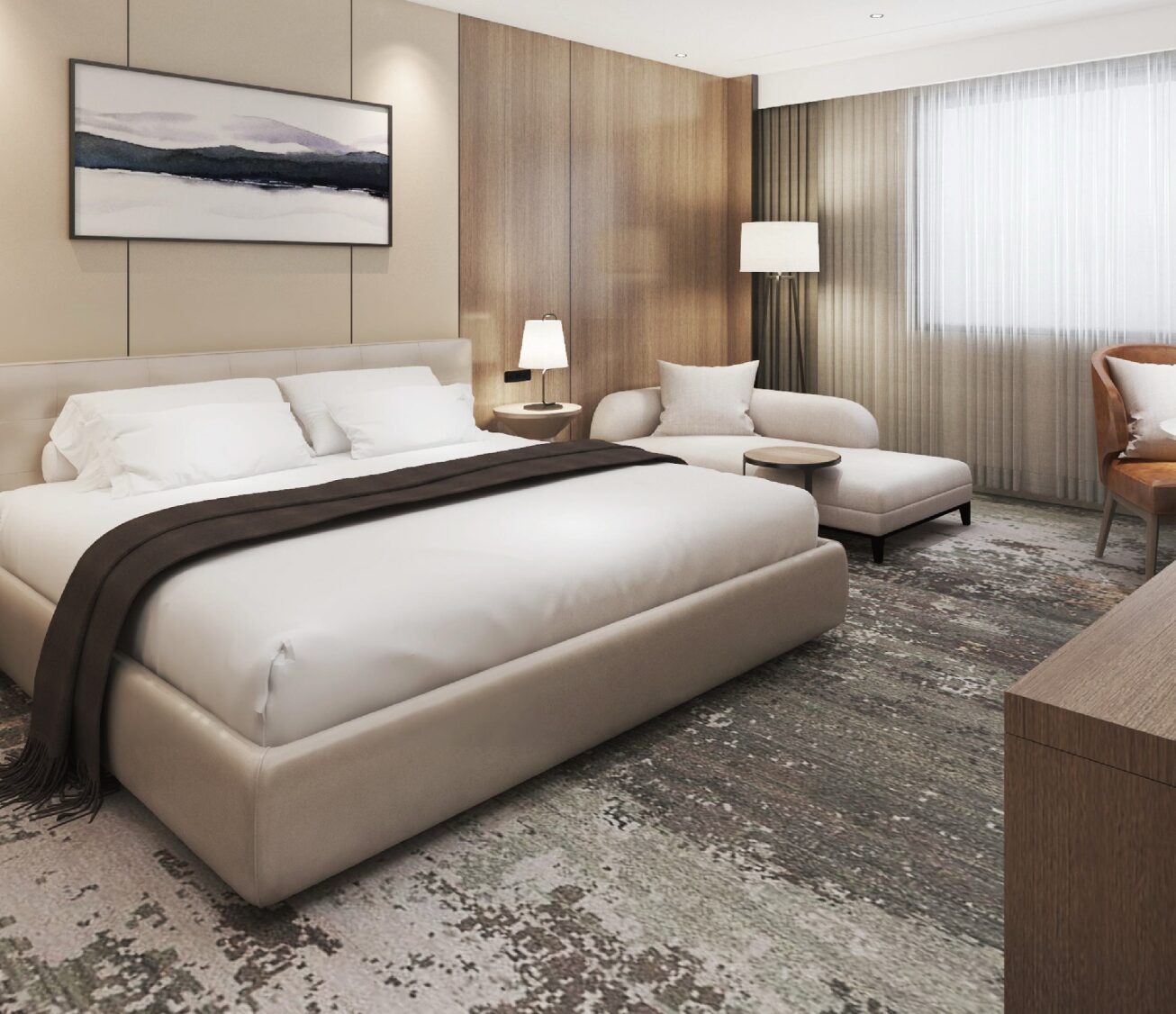
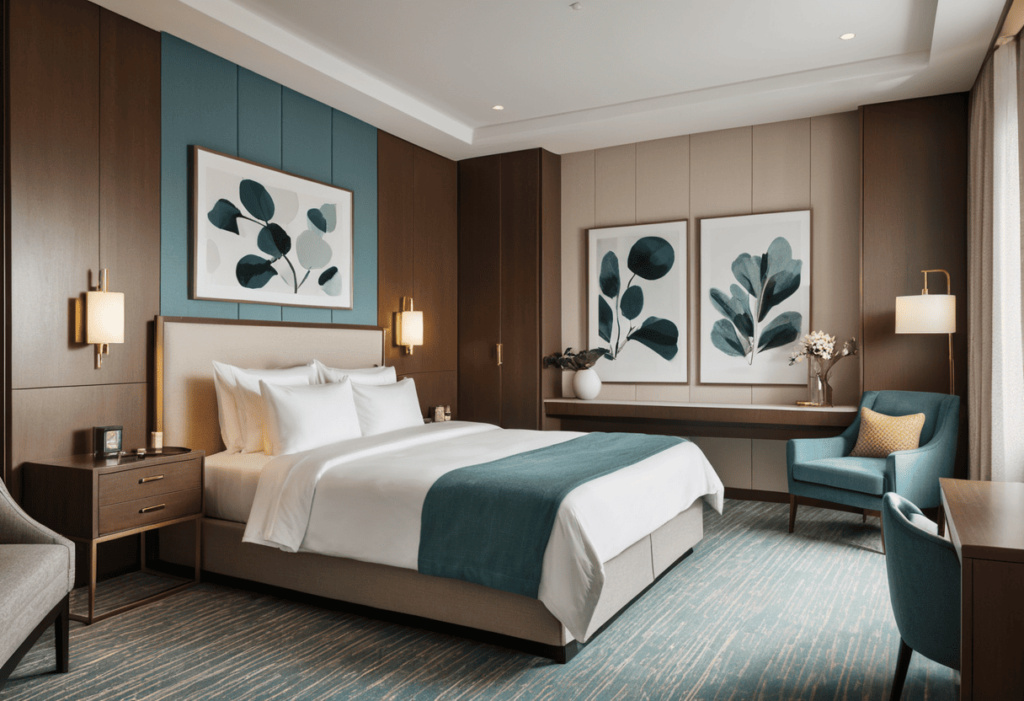
Luxury accommodation spaces increasingly favor natural wood, stone, linen, woven surfaces, and tactile finishes to create depth and comfort. Layering warm textures helps soften interiors, enhance visual richness, and provide a more welcoming atmosphere for guests.
2.2 Integrate Nature Into Interior Concepts
Bringing natural elements into guest room interiors enhances relaxation and supports wellness-oriented hospitality experiences. Interior greenery, natural materials, and seamless indoor-outdoor transitions create environments that feel more peaceful, refreshing, and connected to the destination.
2.3 Maximize Natural Light and Open Views
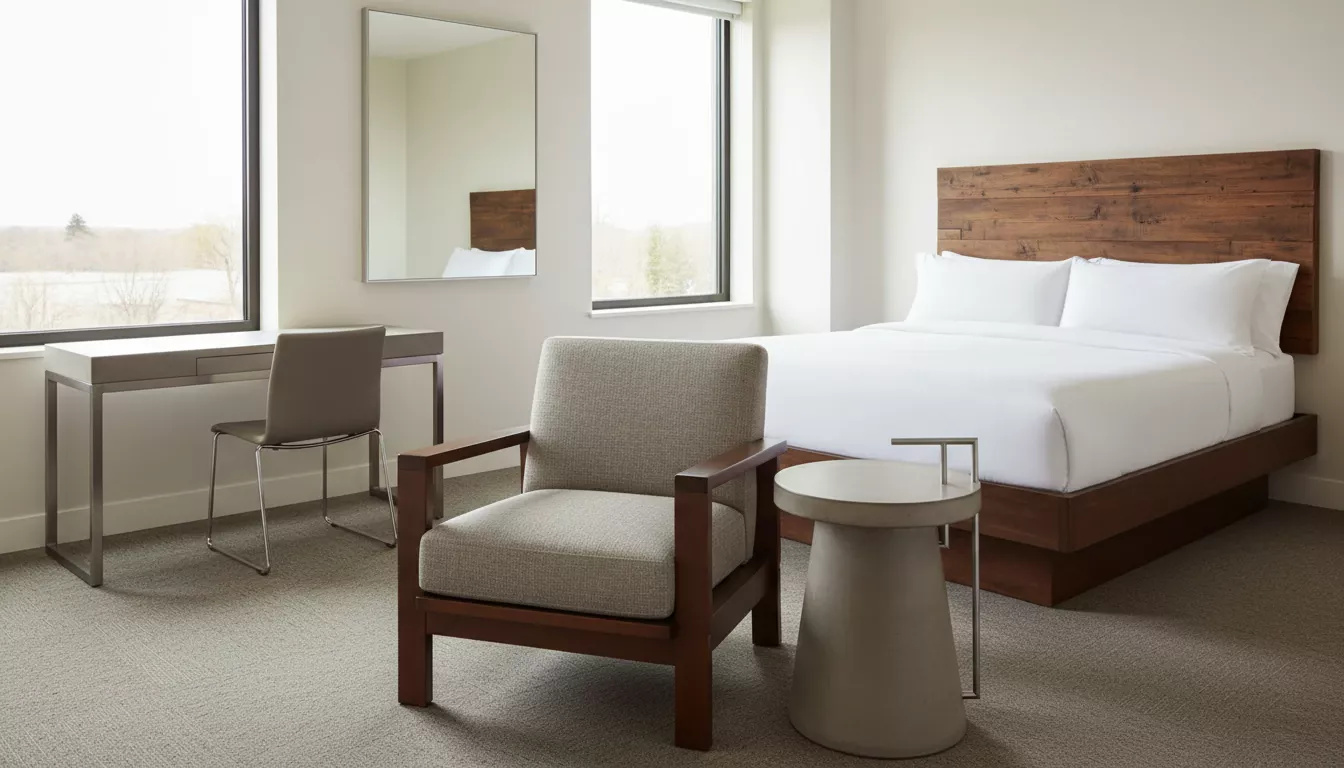
Large openings, thoughtful room orientation, and unobstructed views have become defining features of luxury hospitality design. Maximizing daylight creates brighter and more spacious interiors while allowing guests to experience surrounding landscapes more naturally.
2.4 Focus on Sustainable Design Choices
Sustainable interior decisions are increasingly valued in premium hospitality because they combine environmental awareness with long-term operational benefits. Durable materials, responsible sourcing, and timeless design solutions help resorts and homestays maintain luxury appeal while supporting future adaptability.
3. Elevate Comfort Through Premium Functional Design
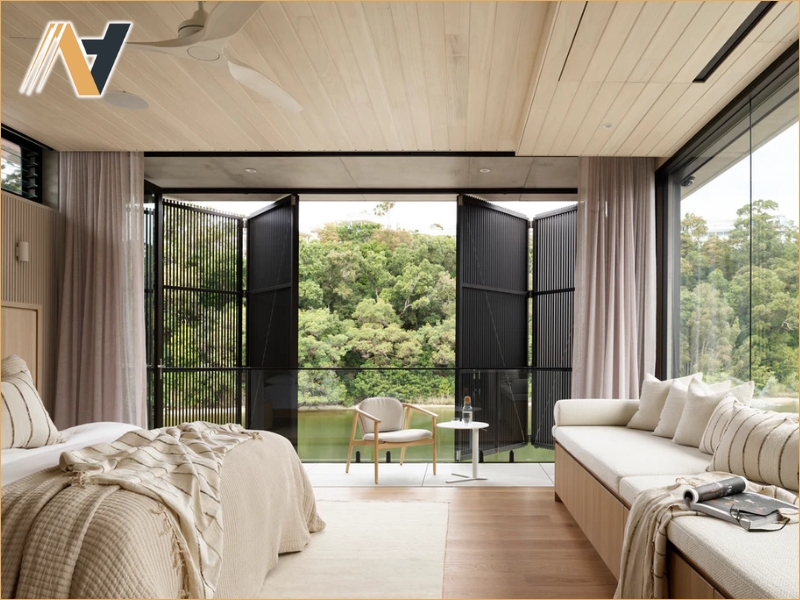
Luxury room design for resorts and homestays is increasingly focused on delivering comfort through functional and purposeful interiors rather than visual richness alone. Premium hospitality spaces must support relaxation, convenience, and flexibility while maintaining refined aesthetics that enhance the overall guest experience.
3.1 Invest in High-Comfort Furniture Solutions
Furniture selection plays a central role in defining luxury because guests interact with these elements throughout their stay. High-quality beds, ergonomic seating, premium upholstery, and carefully designed storage solutions improve comfort while elevating the perception of hospitality quality.
3.2 Create Flexible and Multi-Use Layouts
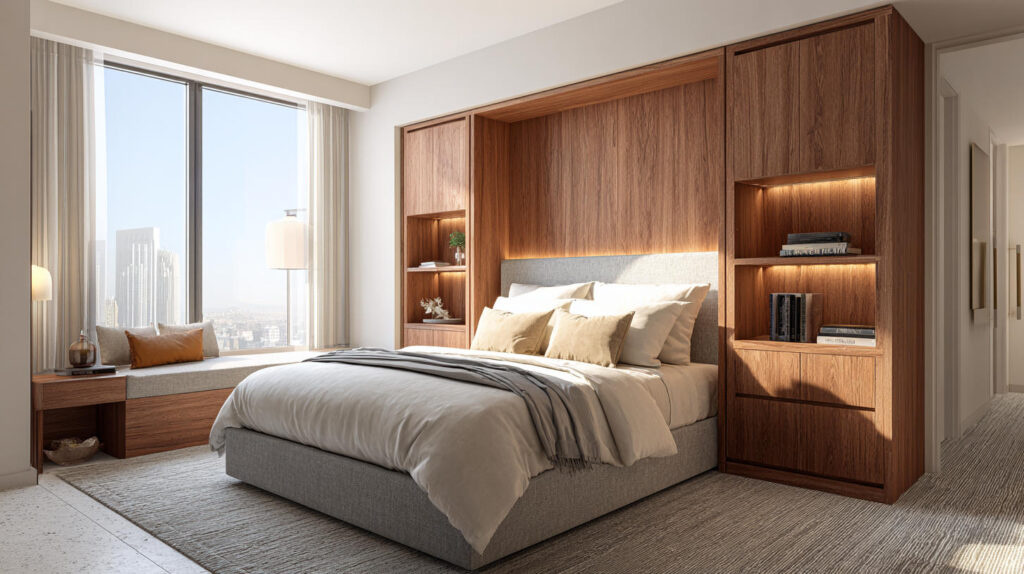
Modern travelers increasingly expect spaces that adapt to different activities such as resting, working, dining, and leisure. Flexible layouts with efficient zoning and multifunctional furniture help maximize usability while maintaining a spacious and elegant atmosphere.
3.3 Improve Wellness-Oriented Room Features
Wellness-centered design is becoming a key trend in premium accommodation by creating environments that support physical and mental relaxation. Thoughtful lighting, improved air quality, calming materials, and comfortable spatial arrangements contribute to a more restorative guest experience.
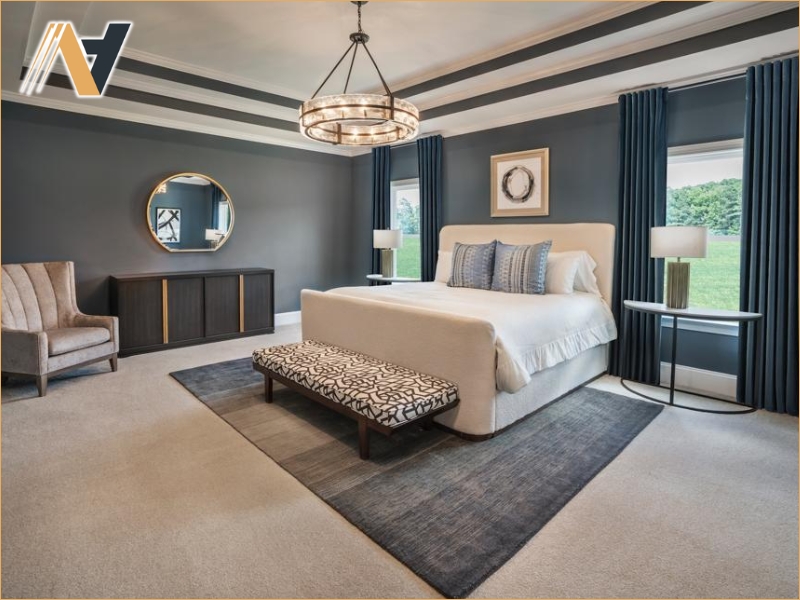
4. Introduce Distinctive Visual Elements for Higher Appeal
Luxury resort and homestay interiors are increasingly defined by distinctive visual identities that make guest rooms more memorable and emotionally engaging. Beyond traditional elegance, modern hospitality design emphasizes unique details, curated aesthetics, and immersive visual experiences that encourage stronger guest connection and higher perceived value.
4.1 Develop Signature Interior Focal Points
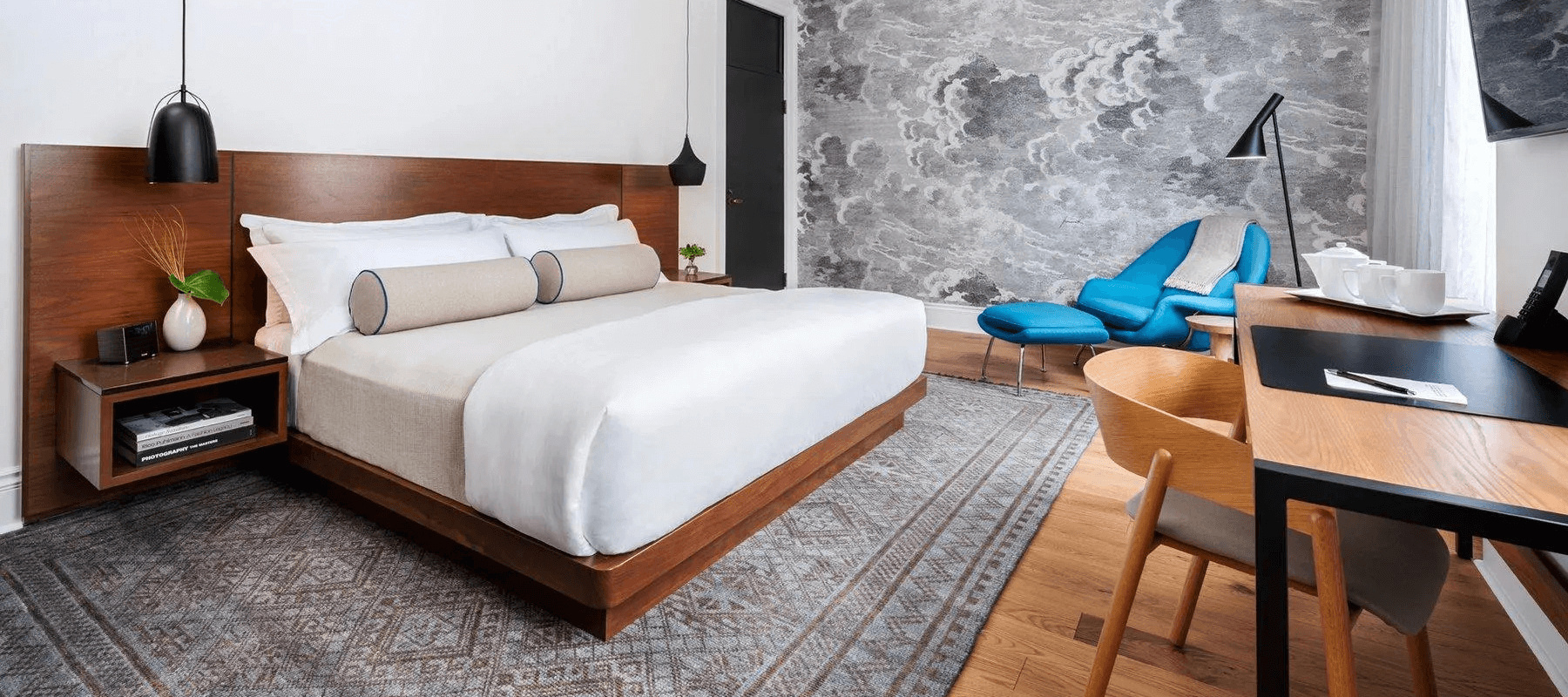
Creating a signature feature within the room helps establish a recognizable identity and elevate the guest experience. Statement headboards, sculptural furniture, custom finishes, or unique architectural details can transform standard accommodations into memorable hospitality destinations.
4.2 Balance Luxury With Local Character
One of the strongest luxury trends is combining premium design with regional identity to create more authentic hospitality experiences. Local craftsmanship, cultural influences, and destination-inspired materials help resort and homestay interiors feel distinctive while maintaining sophisticated appeal.
4.3 Use Lighting as a Design Feature
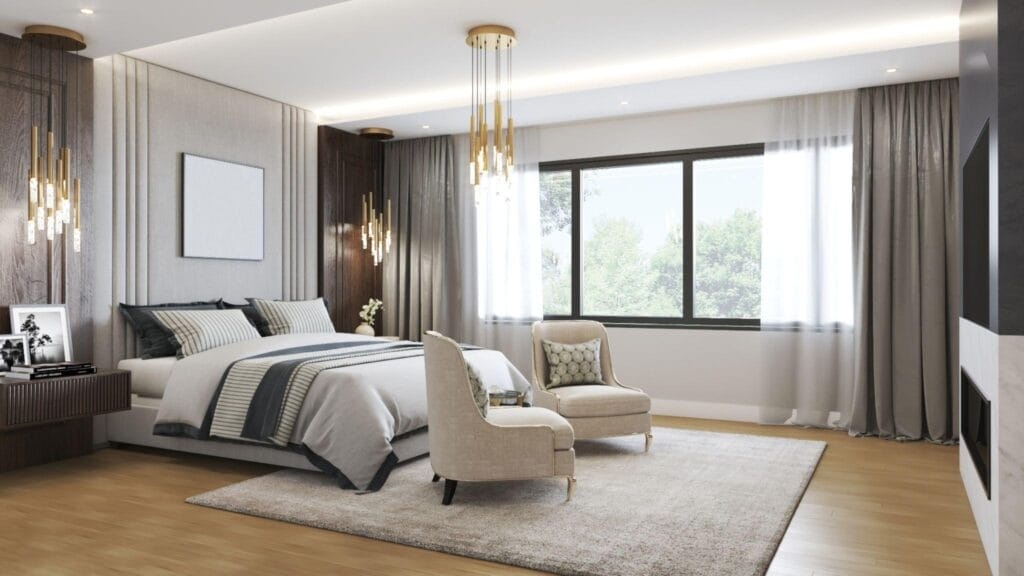
Lighting is increasingly treated as a decorative and experiential element rather than purely functional infrastructure. Layered lighting schemes with ambient, accent, and feature illumination help define mood, highlight design details, and create a more refined atmosphere.
4.4 Curate Decorative Details With Purpose
Decorative accessories should be selected intentionally to support the overall design story rather than create visual clutter. Thoughtfully curated artwork, textiles, textures, and styling elements help reinforce luxury perception and create a more cohesive hospitality environment.
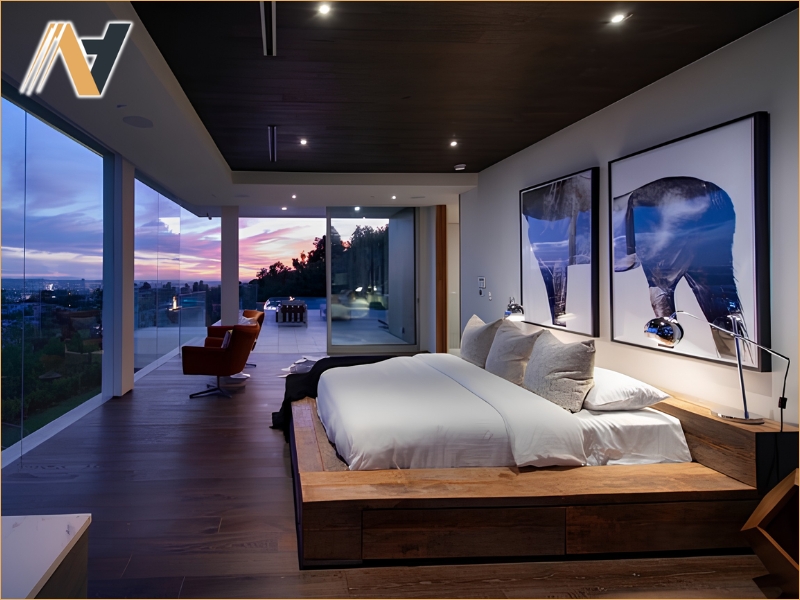
5. Design for Long-Term Hospitality Value and Market Appeal
Luxury guest room design should deliver more than immediate visual impact by supporting operational performance, maintaining relevance over time, and strengthening market competitiveness. Interior decisions that balance aesthetics, durability, and adaptability help resorts and homestays create sustainable value while continuing to meet evolving guest expectations.
5.1 Align Design With Target Guest Expectations
Successful hospitality interiors begin with understanding the preferences, travel habits, and lifestyle expectations of target guests. Designing spaces that match customer profiles helps create more personalized experiences and increases overall satisfaction and brand loyalty.
5.2 Build Durable Yet Elegant Interior Systems
Luxury interiors must maintain their appearance and functionality despite continuous usage in hospitality environments. Selecting durable materials, quality furniture, and timeless finishes allows resorts and homestays to preserve premium standards while reducing long-term maintenance requirements.
5.3 Plan Spaces for Future Adaptability
Hospitality trends evolve continuously, making flexibility an important consideration in guest room design. Adaptable layouts, modular furniture solutions, and scalable interior concepts allow accommodation spaces to remain competitive and respond more efficiently to changing market demands.
Conclusion
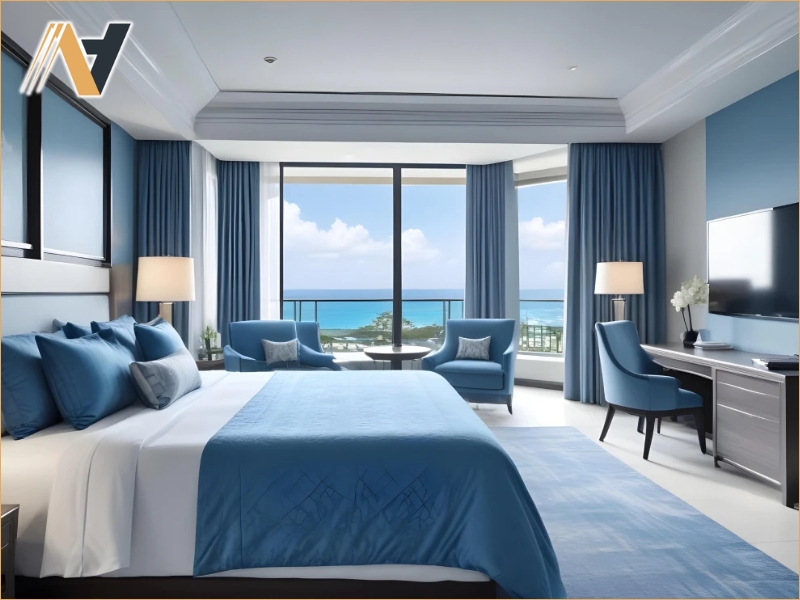
Luxury room design for resorts and homestays is no longer defined only by premium finishes or impressive visuals it is increasingly shaped by experience, comfort, authenticity, and long-term usability. By combining natural aesthetics, functional design, distinctive identity, and flexible planning, hospitality properties can create spaces that leave lasting impressions and strengthen guest preference in a competitive market.
For resort and homestay projects aiming to deliver elevated hospitality experiences through customized interior solutions, Ngoc Hoang Anh provides premium Vietnam hotel furniture crafted to meet the demands of modern luxury accommodation.
Contact us today to explore bespoke hospitality furniture solutions designed for exceptional guest experiences.
-----
NGOC HOANG ANH TRADING COMPANY LIMITED
Tax Code: 3702874413
Address: No. 288/28/10 Huynh Van Luy Street, Zone 7, Phu Loi Ward, Ho Chi Minh City, Vietnam
Warehouse: No. 1/91, Thuan Giao 02 Street, Binh Thuan 2 Residential Quarter, Thuan Giao Ward, Ho Chi Minh City, Vietnam
Phone/Whatsapp/Wechat: +84342076666
Email: info@ngochoanganh.com.vn