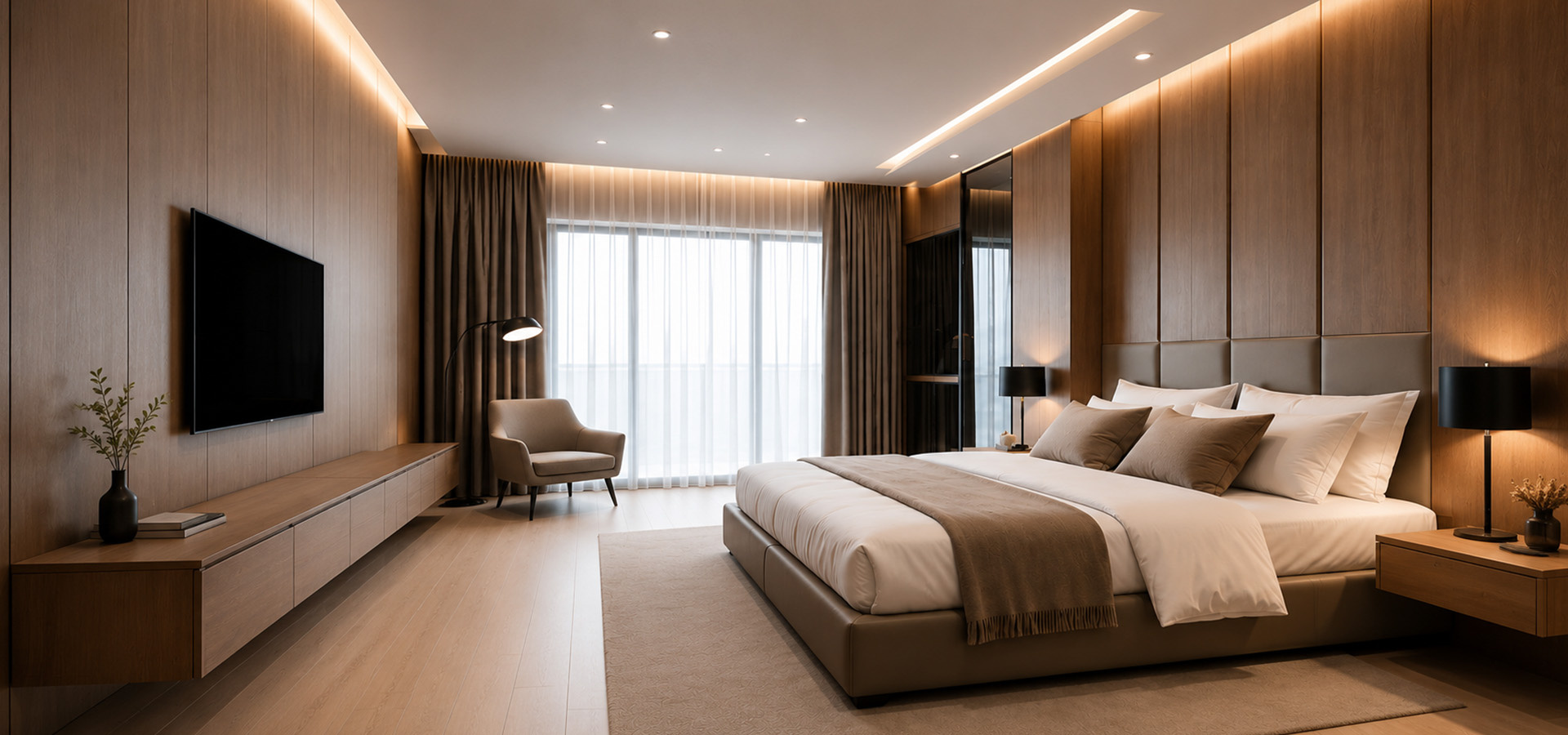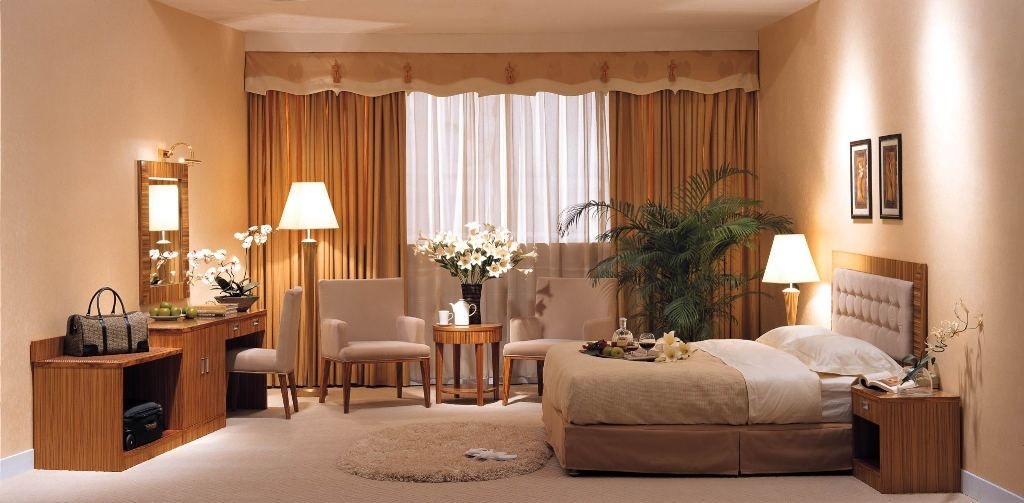
Latest Hotel Interior Standards and Requirements
Thứ 3, 12/05/2026
Administrator
277
Hotel interior standards play an important role in ensuring guest comfort, operational efficiency, safety, and overall hospitality quality. From guest room layouts and furniture specifications to lighting, technical systems, and public area design, every element must support both functional performance and modern hospitality expectations. In this article, Ngoc Hoang Anh explores important hotel interior standards that hotels should consider when developing or upgrading hospitality projects.
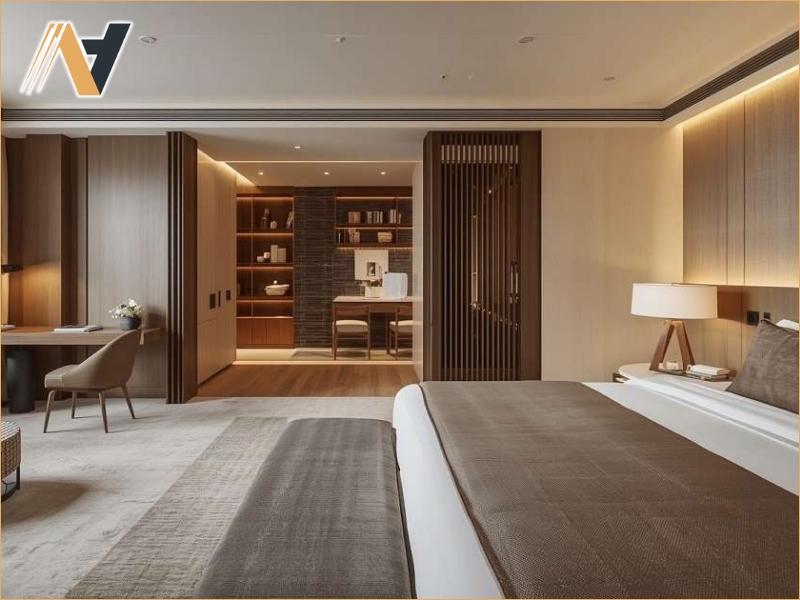
1. Guest Room Interior Standards
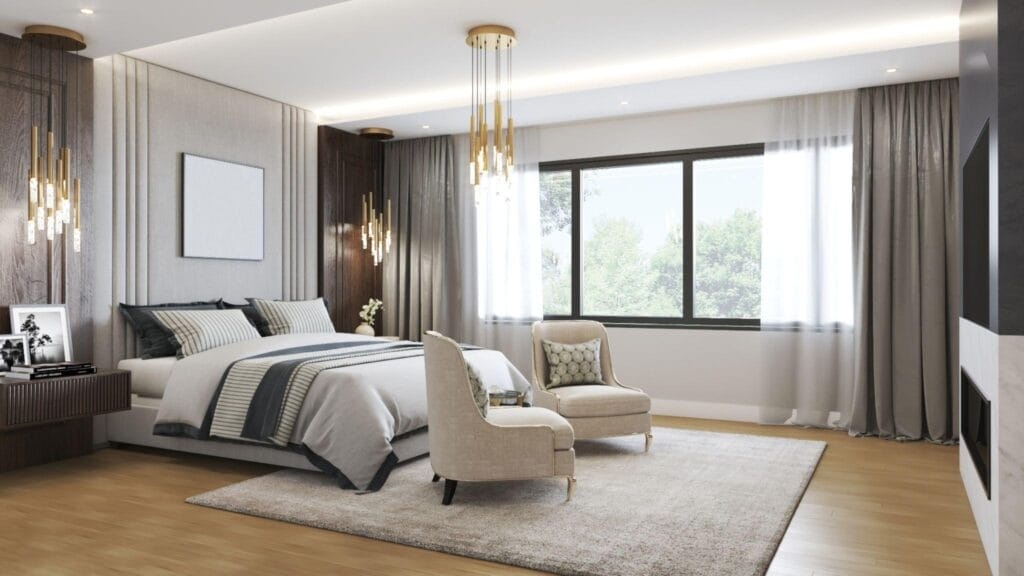
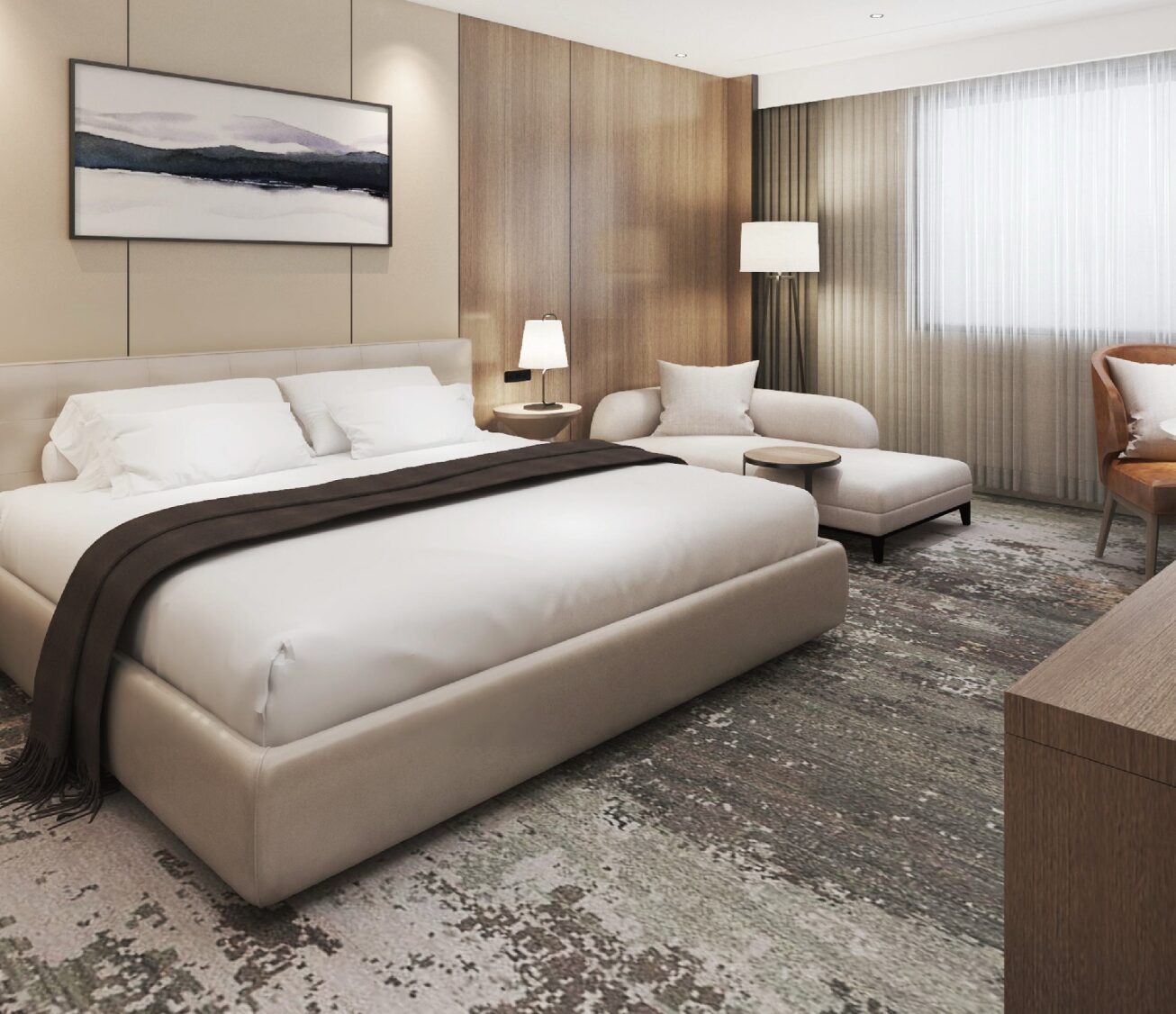
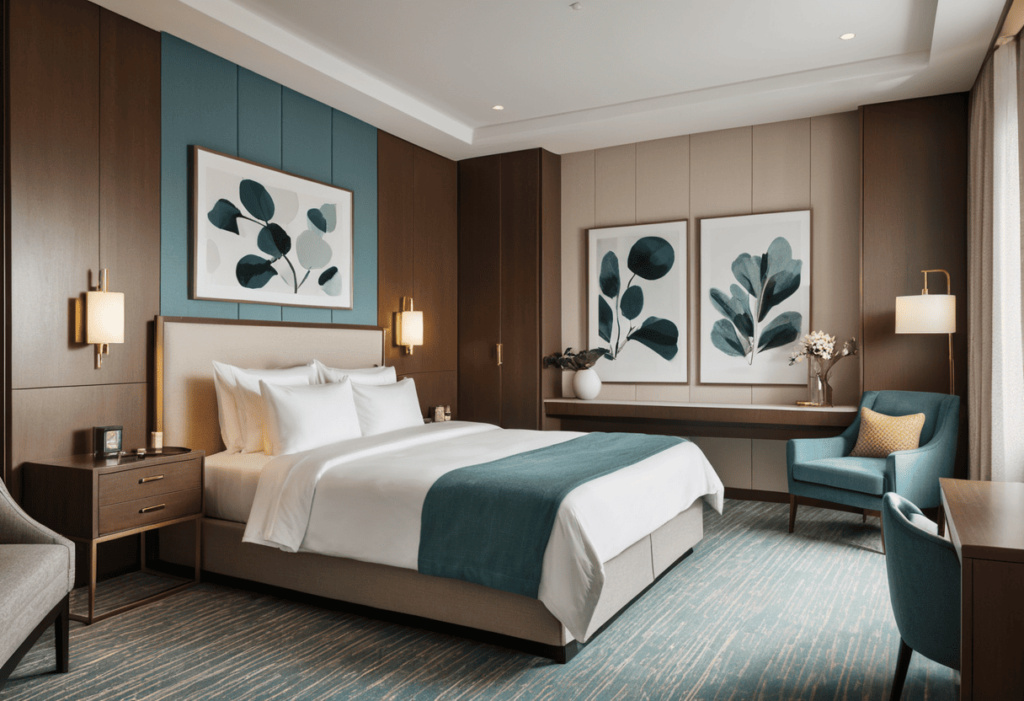
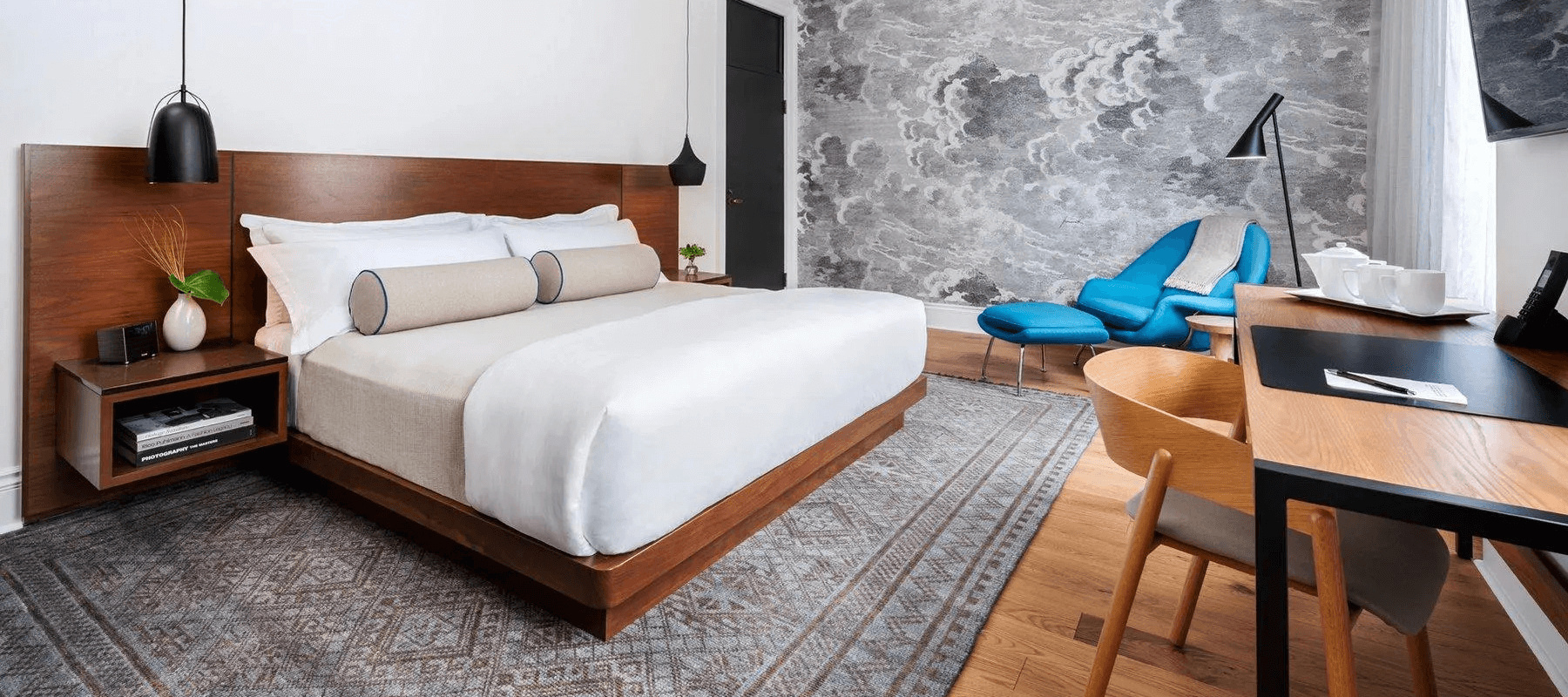
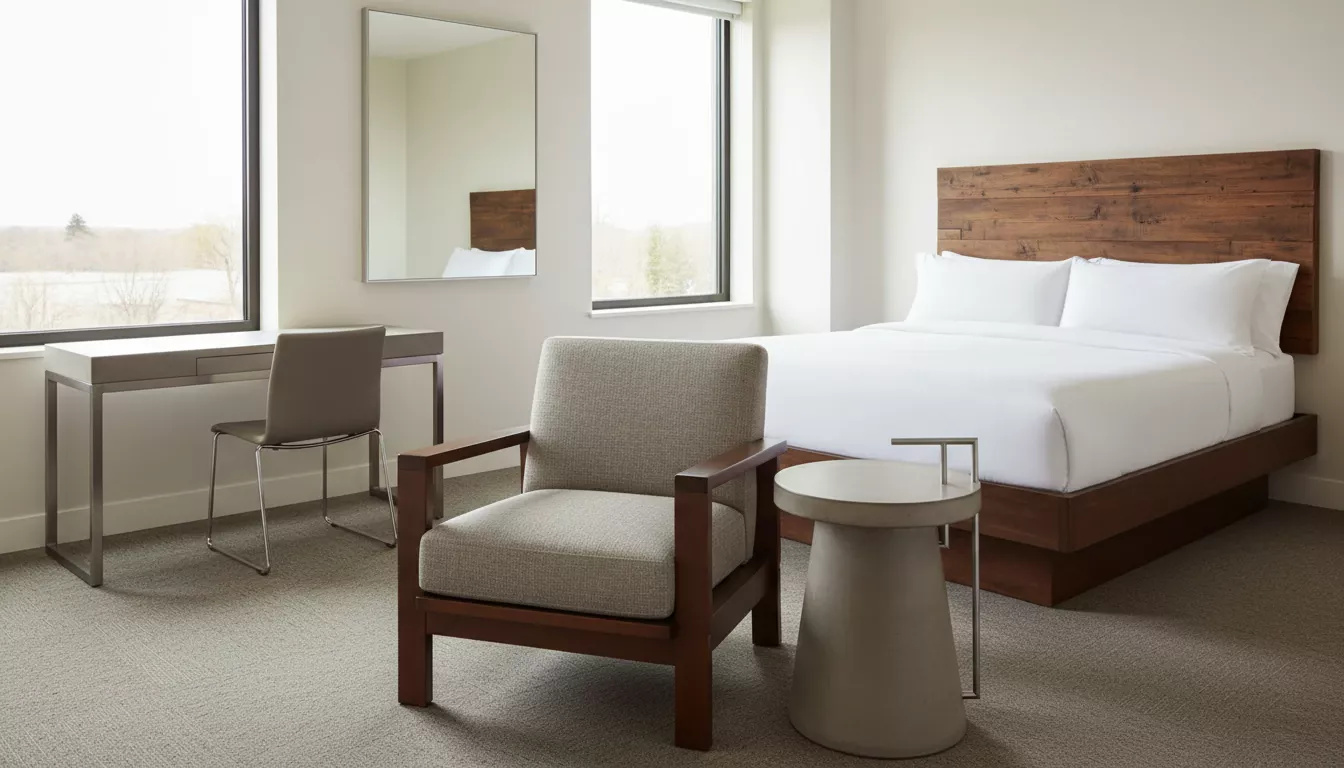
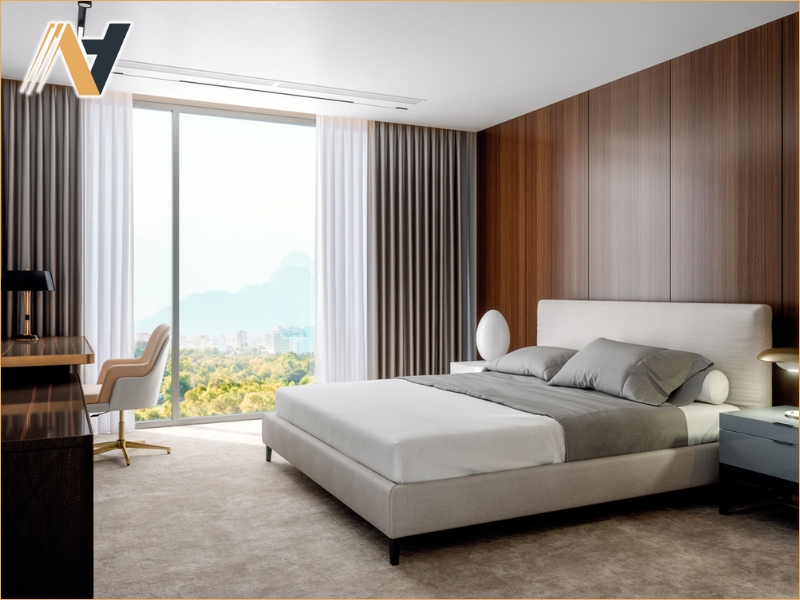
Guest room interiors must balance comfort, functionality, durability, and hospitality aesthetics to meet modern hotel standards, ensuring guests experience convenience, relaxation, and operational consistency throughout their stay while supporting efficient long-term hotel operations.
1.1 Bed and Furniture Arrangement Standards
Furniture layouts should provide comfortable circulation paths, efficient space utilization, and practical functionality while maintaining visual harmony throughout the room, allowing guests to move comfortably and use all amenities conveniently without creating overcrowded or inefficient hospitality environments.
1.2 Lighting and Ventilation Requirements
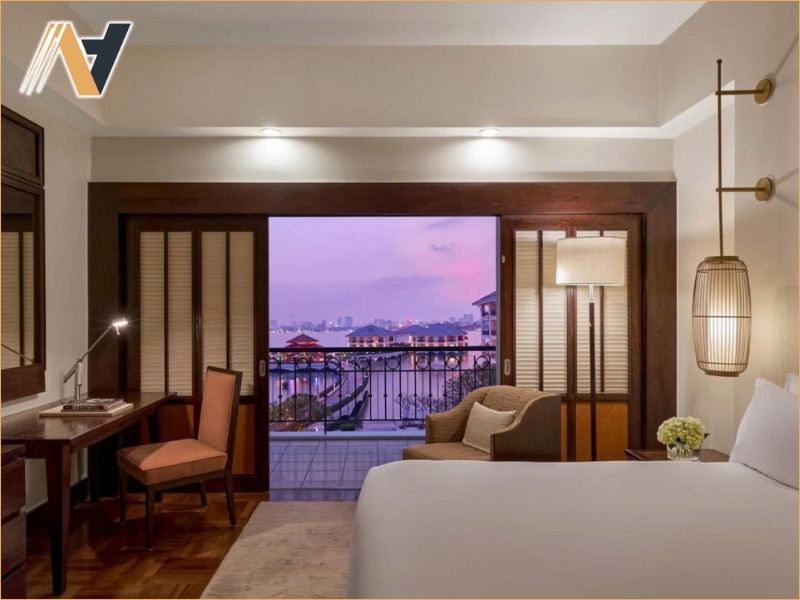
Guest rooms should combine natural lighting, layered artificial lighting, and reliable ventilation systems to maintain visual comfort, healthy indoor air quality, and balanced hospitality ambiance, helping improve guest relaxation, sleep quality, and overall room functionality during daily hotel operations.
1.3 Bathroom Functionality and Hygiene Standards
Hotel bathrooms require durable fixtures, efficient drainage systems, reliable waterproofing, and practical layouts that support cleanliness, guest convenience, and long-term operational durability while minimizing maintenance risks and preserving hospitality hygiene standards over time.
1.4 Storage and Multifunctional Furniture Solutions
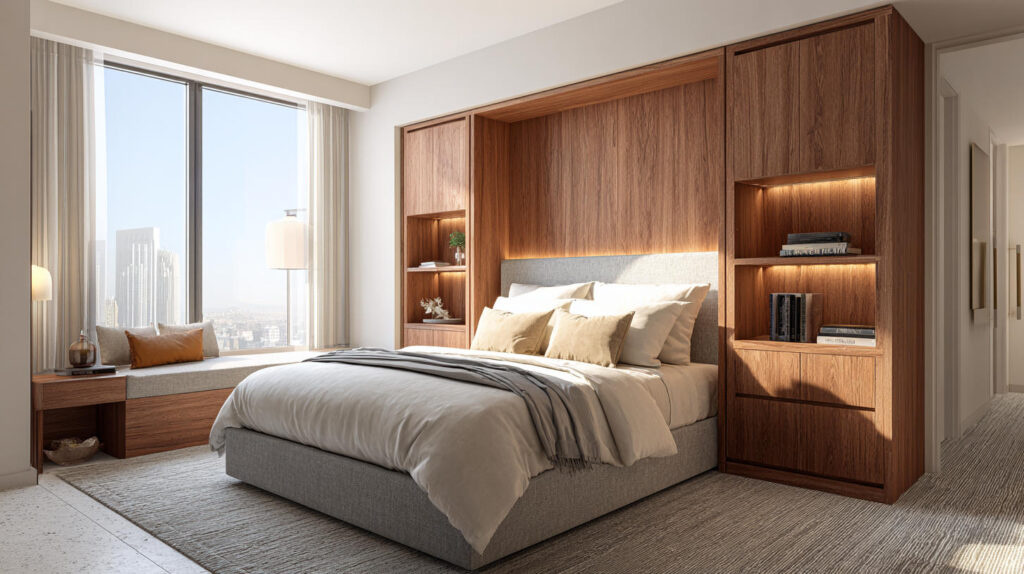
Wardrobes, luggage benches, desks, and multifunctional furniture should improve organization and maximize available space efficiency, helping guests store belongings comfortably while supporting both leisure and business travel needs within modern hospitality environments.
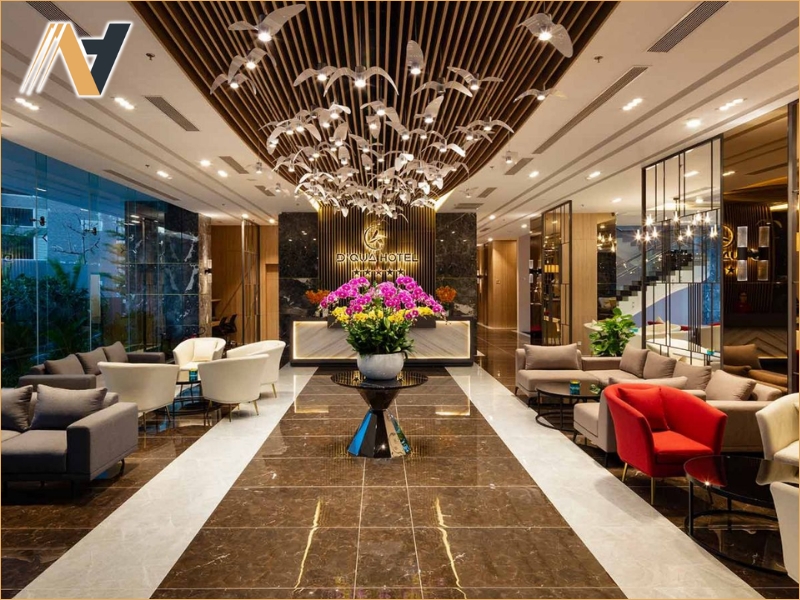
2. Lobby and Public Area Interior Standards
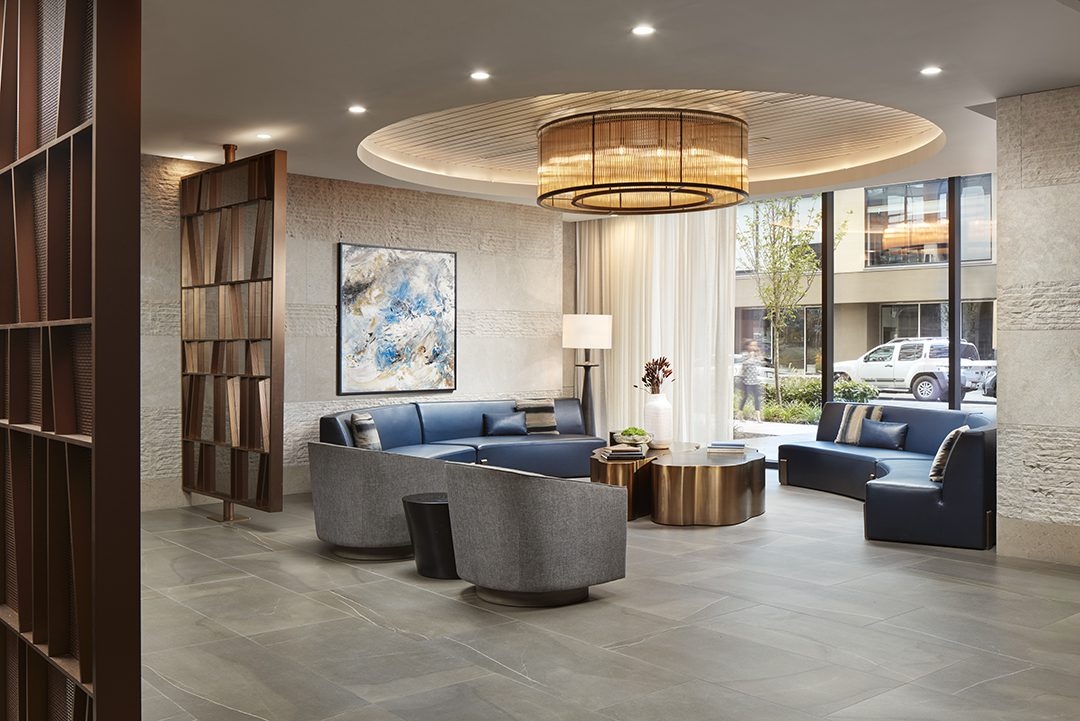
Lobby and public area interiors must combine hospitality aesthetics, efficient circulation, durability, and operational functionality to create welcoming environments that support guest interaction, brand identity, and smooth daily hotel activities across shared spaces.
2.1 Reception Area Design Standards
Reception counters, waiting areas, and lounge seating should support efficient guest service while maintaining visual sophistication, comfortable circulation, and organized spatial layouts that help create stronger first impressions and reinforce the hotel’s hospitality identity from the moment guests arrive.
2.2 Corridor and Circulation Requirements
Corridors and transitional spaces should provide safe movement, clear directional flow, sufficient lighting, and comfortable walking dimensions that allow guests and staff to navigate the property efficiently while maintaining visual consistency throughout the hotel interior environment.
2.3 Lounge and Shared Space Comfort Standards
Lounge areas, shared seating zones, and multifunctional hospitality spaces should include comfortable furniture, balanced lighting, and practical layouts that encourage relaxation, social interaction, and flexible usage while maintaining durability and operational efficiency under continuous guest activity.
3. Restaurant and Dining Area Standards
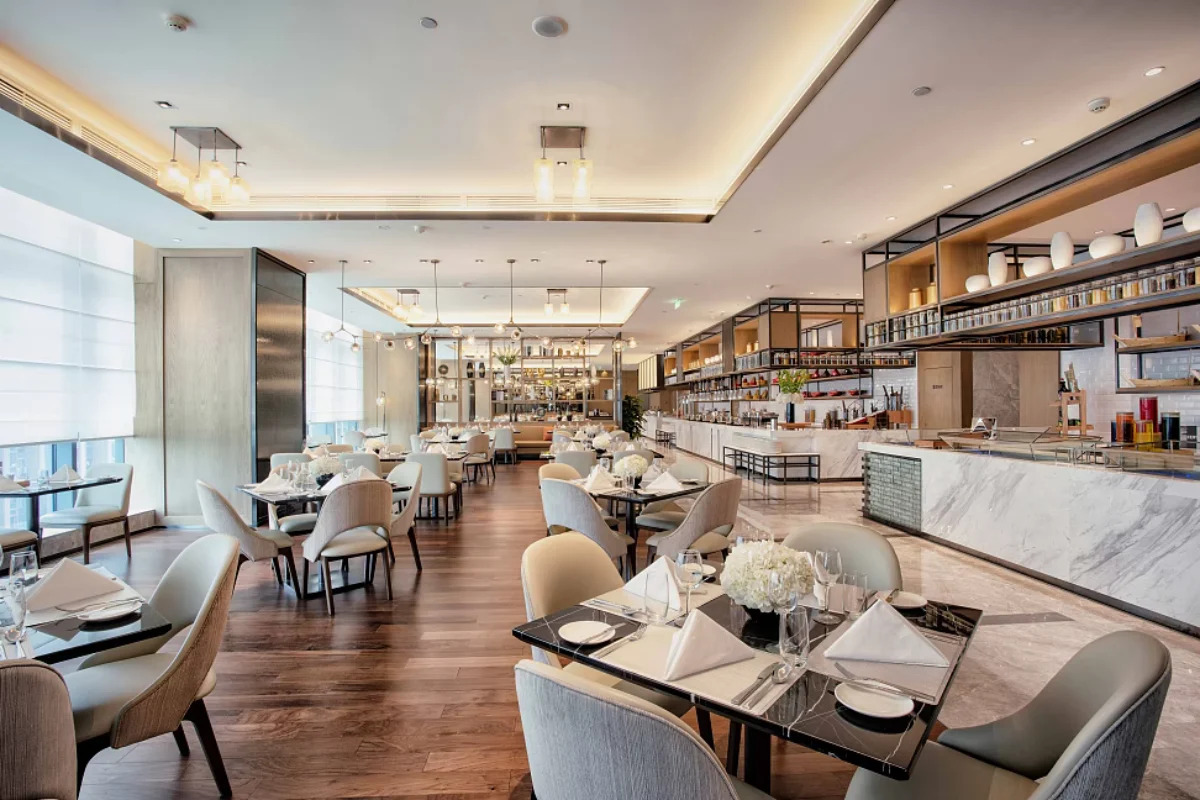
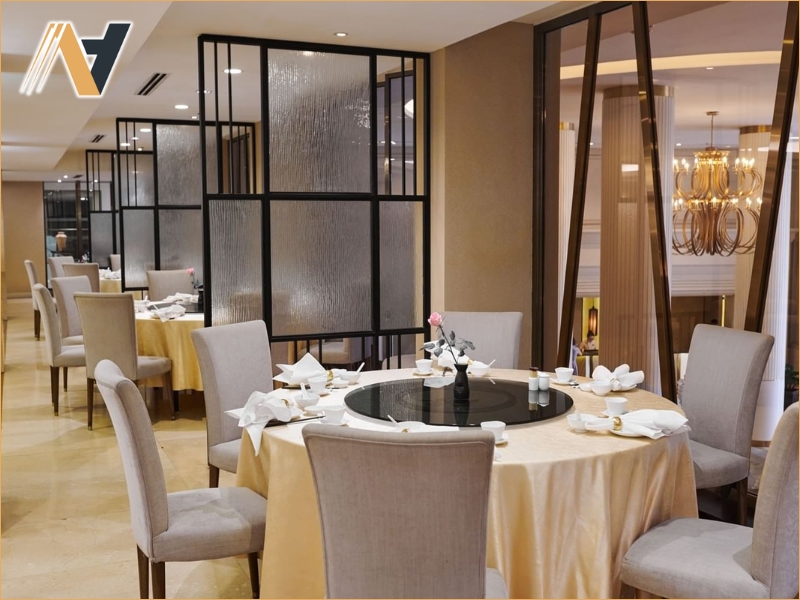
Restaurant and dining areas in hotels must support comfort, hygiene, operational efficiency, and hospitality ambiance, ensuring guests enjoy pleasant dining experiences while allowing staff to maintain smooth service operations throughout daily hospitality activities.
3.1 Dining Furniture and Space Planning
Dining tables, chairs, booths, and circulation layouts should provide comfortable seating, efficient guest movement, and practical service access while maximizing seating capacity without creating overcrowded environments that negatively affect dining comfort or operational workflow.
3.2 Material Durability and Maintenance Standards
Restaurant materials and furniture finishes should resist stains, moisture, scratches, and continuous daily usage while remaining easy to clean and maintain, helping hotels preserve hygiene standards, operational efficiency, and long-term visual quality within dining environments.
3.3 Lighting and Ambiance Requirements
Restaurant lighting systems, decorative elements, and interior finishes should create warm and comfortable dining atmospheres aligned with the hotel’s hospitality identity, helping improve guest relaxation, social interaction, and overall dining satisfaction during breakfast, lunch, and evening service periods.
3.4 Hygiene and Ventilation Standards
Ventilation systems, airflow planning, and hygienic material selection help maintain fresh indoor air quality, minimize odors, and support cleaner dining environments, ensuring both guests and staff experience healthier, more comfortable hospitality spaces during restaurant operations.
4. Technical and Safety Interior Standards
Technical infrastructure and safety-related interior standards are essential in hotel operations because they support guest comfort, operational stability, emergency preparedness, and long-term building performance across all hospitality environments and service areas.
4.1 Electrical and Lighting Safety Standards
Electrical systems should provide stable power distribution, safe equipment operation, and reliable lighting performance throughout guest rooms and public areas, helping hotels maintain operational continuity while reducing technical risks, electrical overloads, and potential safety hazards during daily hospitality activities.
4.2 HVAC and Indoor Comfort Standards
Air conditioning and ventilation systems should maintain balanced indoor temperatures, proper airflow, and healthy air quality across all hospitality spaces, helping improve guest comfort, operational efficiency, and overall environmental consistency throughout the hotel property.
4.3 Acoustic and Privacy Requirements
Soundproofing solutions for walls, ceilings, windows, and doors help minimize noise transmission between rooms and public spaces, ensuring greater privacy, improved relaxation, better sleep quality, and a more comfortable hospitality experience for hotel guests.
4.4 Fire Safety and Emergency Accessibility
Interior layouts, circulation paths, emergency exits, and fire-resistant materials should support safe evacuation procedures and compliance with safety regulations, helping hotels protect guests, staff, and property during emergency situations while maintaining operational preparedness.
5. Interior Material and Finishing Standards
Material selection and finishing quality significantly influence durability, maintenance efficiency, hospitality aesthetics, and long-term operational performance, making them essential considerations when developing hotel interiors that meet modern hospitality standards and guest expectations.
5.1 Hospitality-Grade Furniture Materials
Commercial-grade wood finishes, upholstery fabrics, metal hardware, and engineered materials should withstand continuous daily usage while maintaining durability, visual consistency, and operational performance in demanding hospitality environments with high guest turnover.
5.2 Flooring and Wall Finish Standards
Flooring systems, wall panels, and decorative finishes should resist scratches, stains, moisture, and heavy traffic while preserving visual quality and supporting easier maintenance, helping hotels maintain cleaner and more sophisticated hospitality environments over time.
5.3 Decorative and Brand Identity Elements
Decorative details such as lighting accents, artwork, feature walls, and custom furniture finishes should align with the hotel’s design concept and hospitality identity, creating more memorable guest experiences while strengthening overall brand recognition and interior consistency.
Conclusion
Modern hotel interior standards require a careful balance between aesthetics, functionality, durability, operational efficiency, and safety to create hospitality environments that support both guest satisfaction and long-term business performance. Thoughtful planning and high-quality execution across all interior areas help hotels maintain stronger brand value and more consistent hospitality experiences.
For hotels seeking refined, durable, and fully customized solutions, Ngoc Hoang Anh provides premium Vietnam hotel furniture tailored to elevate modern hospitality interiors.
Contact us today for expert consultation and bespoke hospitality furniture production.
-----
NGOC HOANG ANH TRADING COMPANY LIMITED
Tax Code: 3702874413
Address: No. 288/28/10 Huynh Van Luy Street, Zone 7, Phu Loi Ward, Ho Chi Minh City, Vietnam
Warehouse: No. 1/91, Thuan Giao 02 Street, Binh Thuan 2 Residential Quarter, Thuan Giao Ward, Ho Chi Minh City, Vietnam
Phone/Whatsapp/Wechat: +84342076666
Email: info@ngochoanganh.com.vn