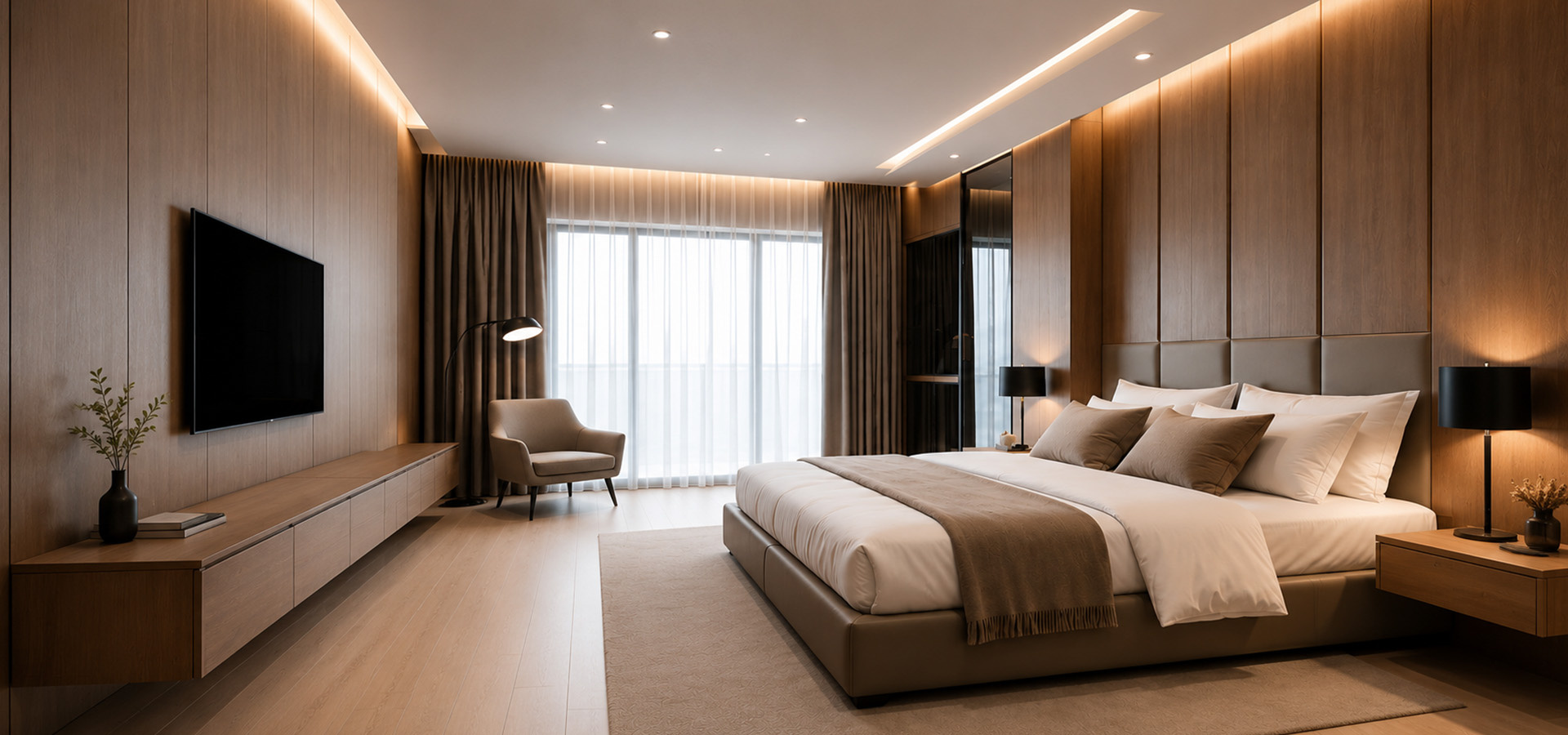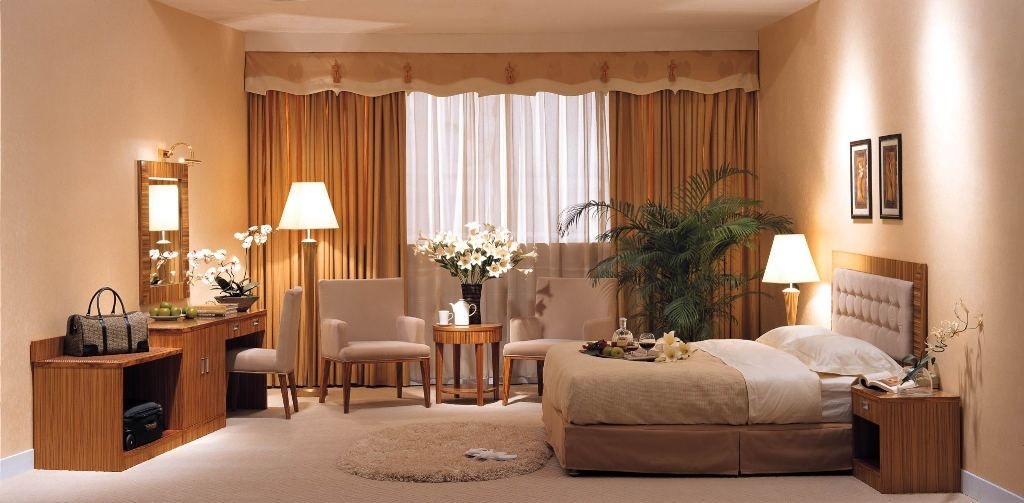
Interior Items to Prioritize Before Hotel Renovation
Thứ 5, 20/08/2026
Administrator
115
Hotel interior renovation requires a strategic approach to identify the most important items that need investment first, ensuring the project improves functionality, enhances guest experience, and creates long-term value for the property. In this article, Ngoc Hoang Anh highlights key interior categories that hotels should prioritize during renovation.
1. Assessing Existing Interior Conditions Before Hotel Renovation
Assessing the current interior condition is the first important step before renovating a hotel. A detailed evaluation helps owners identify outdated elements, determine which areas require immediate improvement, and create a practical investment plan that balances budget, functionality, and aesthetic goals.
1.1 Inspecting the condition of existing furniture
Existing furniture should be carefully evaluated based on appearance, durability, functionality, and level of damage. Identifying worn-out, outdated, or inefficient furniture allows hotels to decide which items need replacement while maintaining elements that still provide value and match the new interior direction.
1.2 Identifying areas that directly affect guest experience
Certain areas have a stronger impact on guest satisfaction and should receive higher renovation priority. Guest rooms, lobbies, bathrooms, and common spaces are key areas where outdated interiors can reduce comfort and affect overall perceptions of service quality.
1.3 Developing a renovation priority plan based on budget
A clear renovation plan helps hotels allocate resources effectively and avoid unnecessary expenses. By ranking interior items based on importance, usage frequency, and expected impact, property owners can gradually upgrade spaces while ensuring the renovation process remains financially efficient.
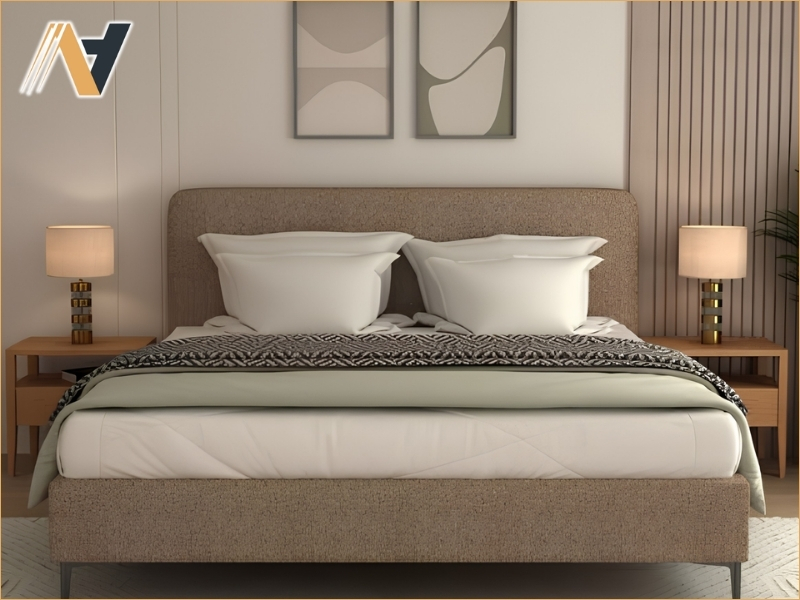
2. Prioritizing Guest Room Furniture Upgrades
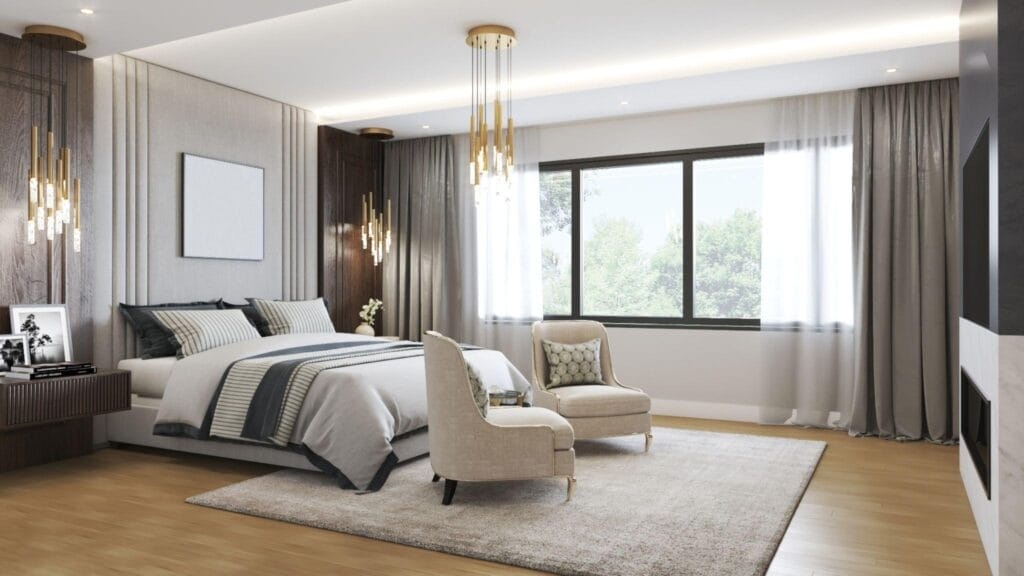
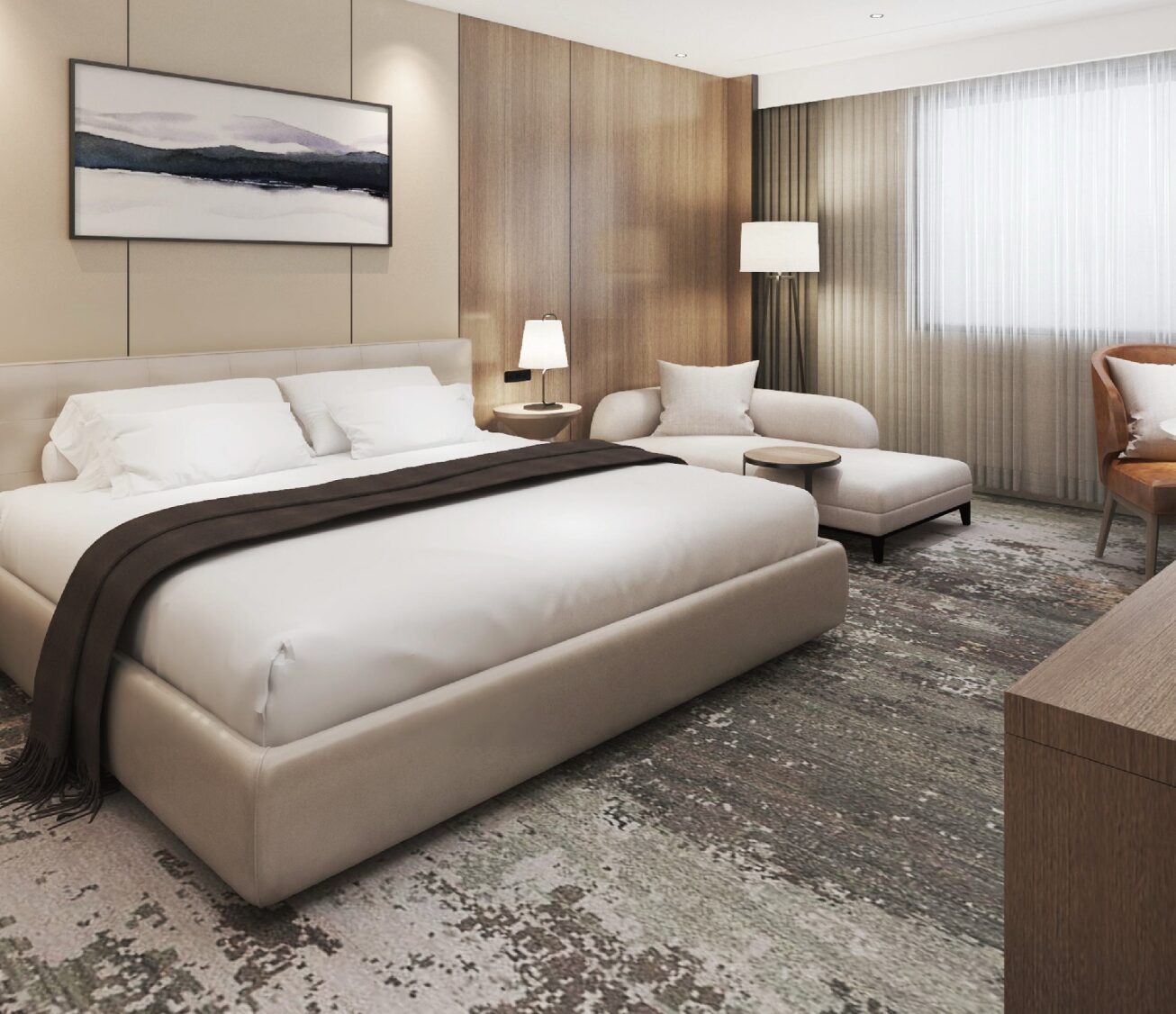
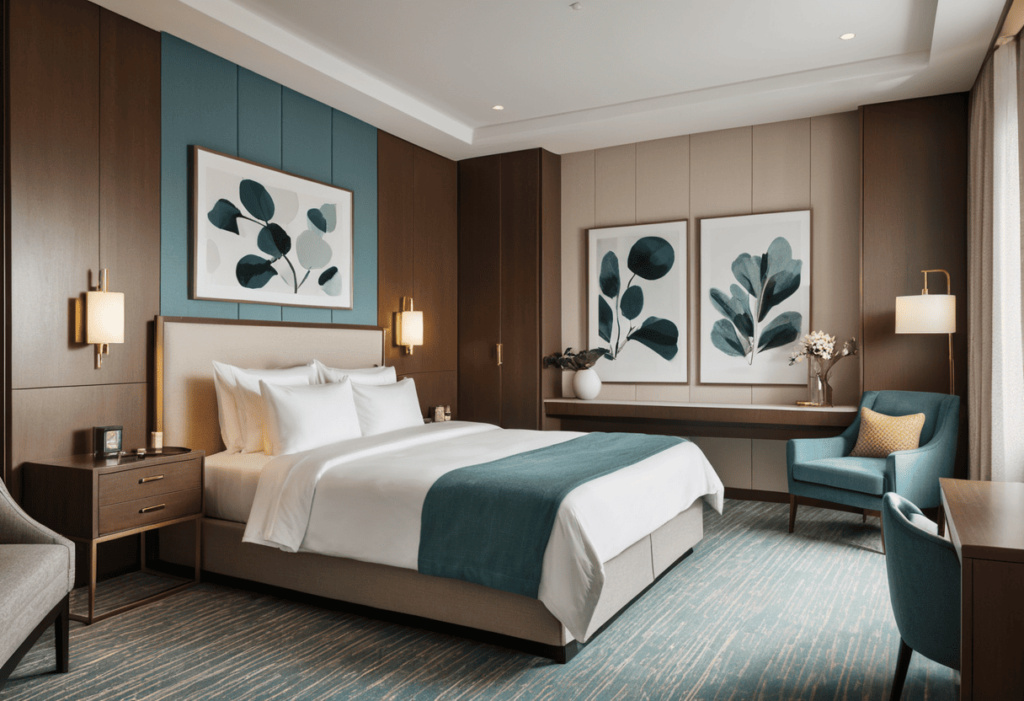
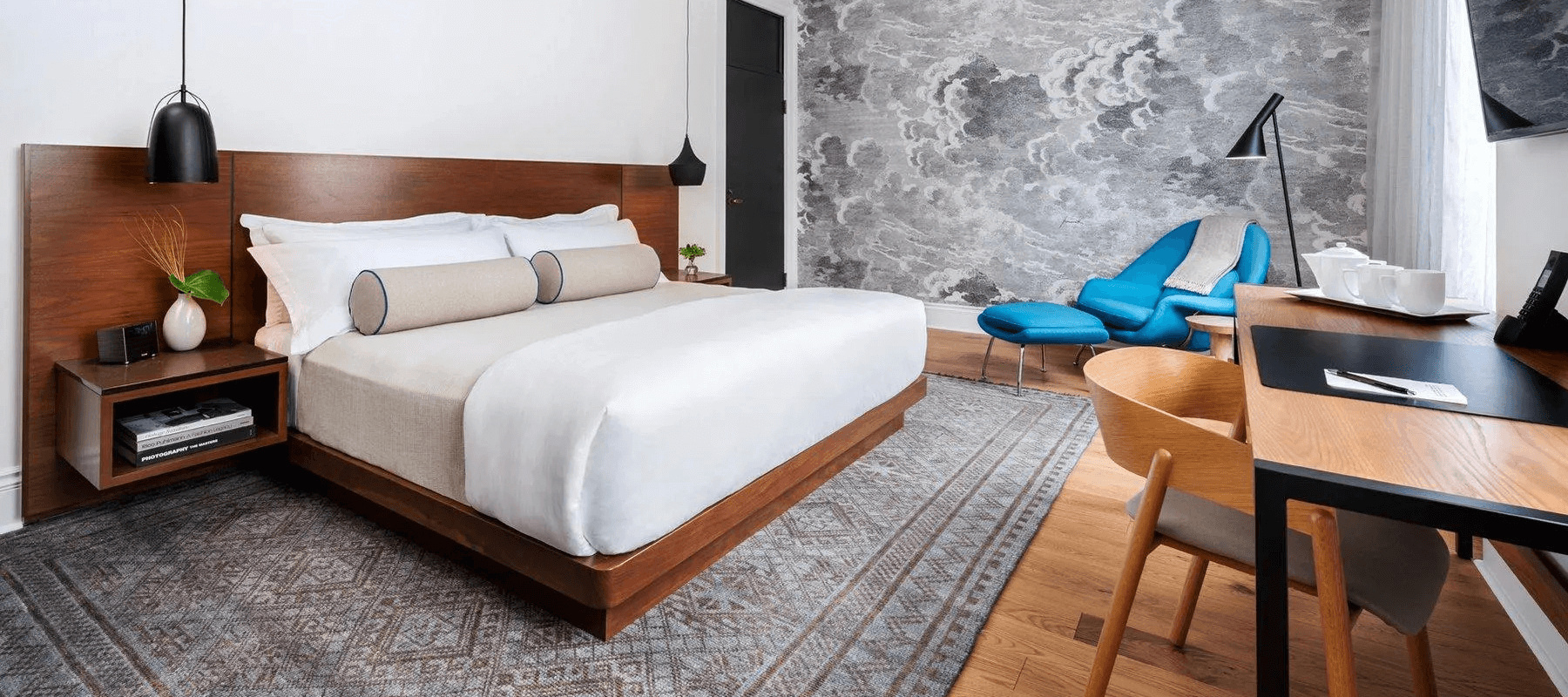
Guest rooms are the core spaces of any hotel because they directly influence guests’ comfort, satisfaction, and overall impression of the property. During renovation, upgrading guest room furniture should be a top priority to improve functionality, enhance aesthetics, and create a more comfortable environment that meets modern hospitality expectations.
2.1 Upgrading beds and essential bedroom furniture
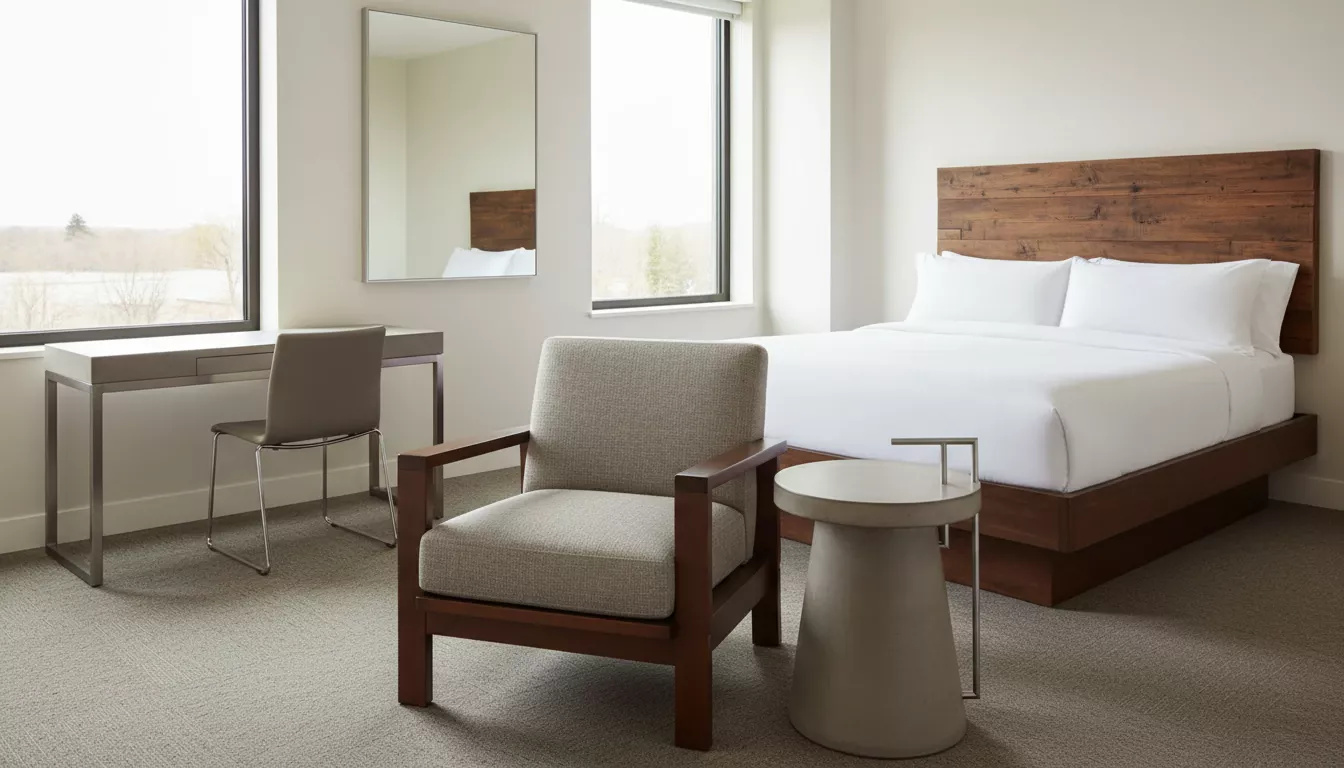
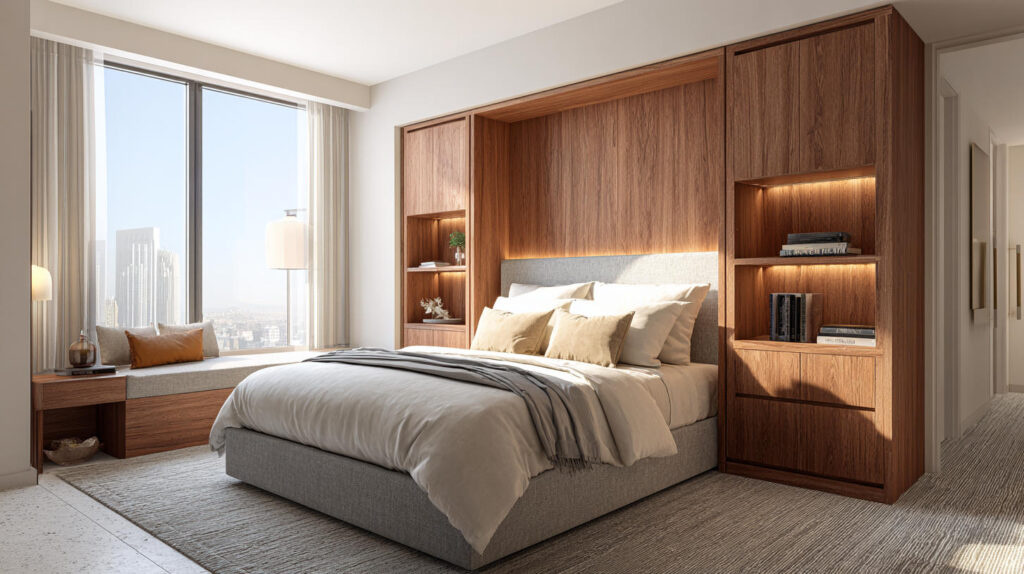
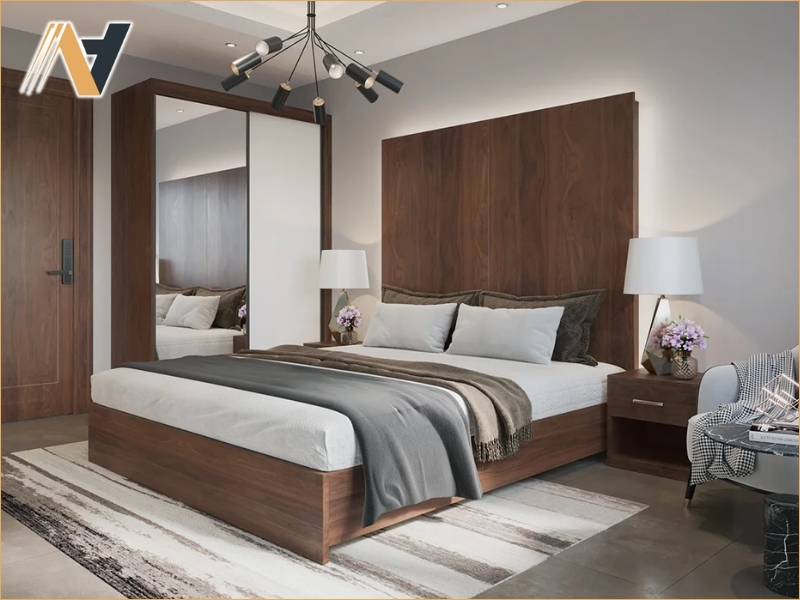
Beds and primary bedroom furniture are among the most important elements affecting guest comfort. Investing in high-quality beds, bedside tables, wardrobes, and seating furniture helps improve the sleeping experience while creating a more refined and welcoming atmosphere that reflects the hotel's service standards.
2.2 Improving storage, working, and convenience areas
Modern hotel rooms require practical furniture solutions that support different guest needs, including storage, working, and relaxation. Upgrading wardrobes, desks, luggage areas, and functional furniture helps optimize room layouts while providing greater convenience for both leisure and business travelers.
2.3 Creating a consistent guest room design concept
A cohesive guest room design ensures that furniture, materials, colors, and decorative elements work together harmoniously. By maintaining consistency throughout all rooms, hotels can create a stronger visual identity, improve brand recognition, and provide guests with a more professional and memorable stay experience.
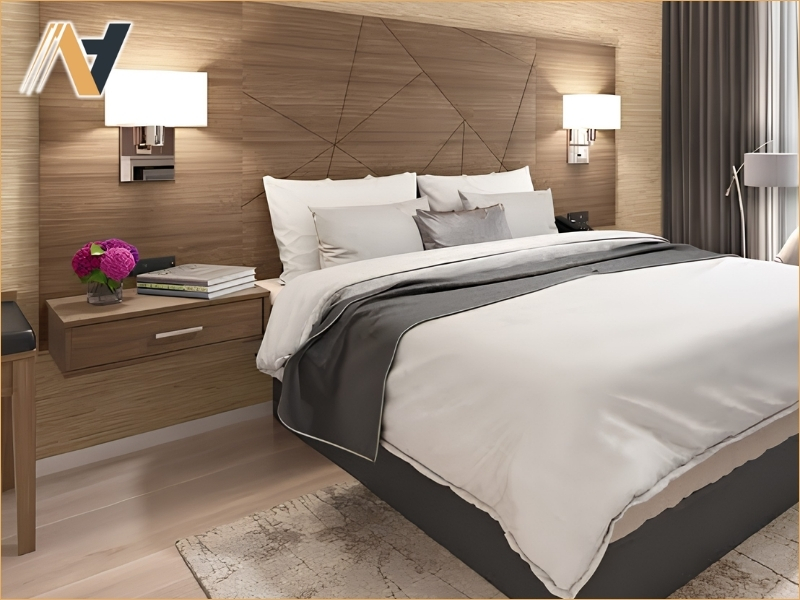
3. Enhancing Lobby and Common Area Interiors
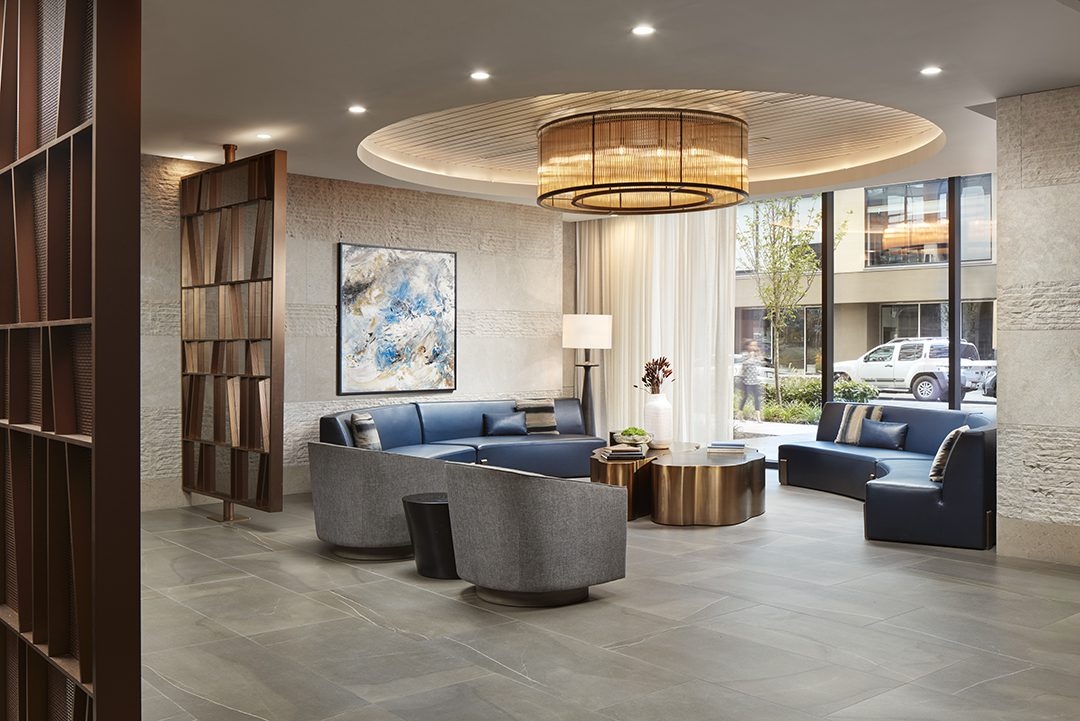
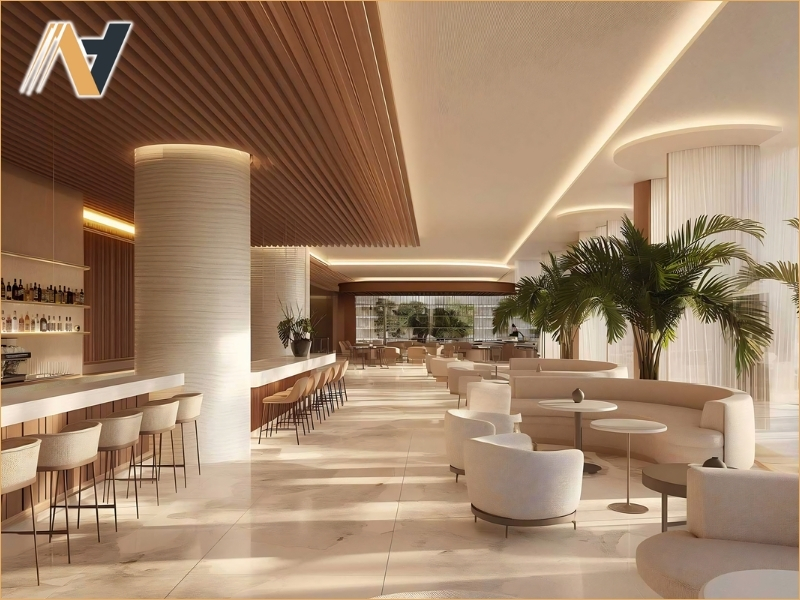
Lobby and common areas are important spaces that shape guests’ first impressions and represent the overall identity of a hotel. During renovation, investing in these areas helps create a more welcoming atmosphere, improve guest interaction, and enhance the property's professional image through carefully selected furniture and design solutions.
3.1 Renovating reception desks and welcome areas
The reception area is the first point of contact between guests and the hotel, making it a key renovation priority. Upgrading reception desks, seating arrangements, and surrounding furniture helps create a more organized, comfortable, and premium welcome experience that reflects the hotel's service quality.
3.2 Upgrading lounge, restaurant, and waiting areas
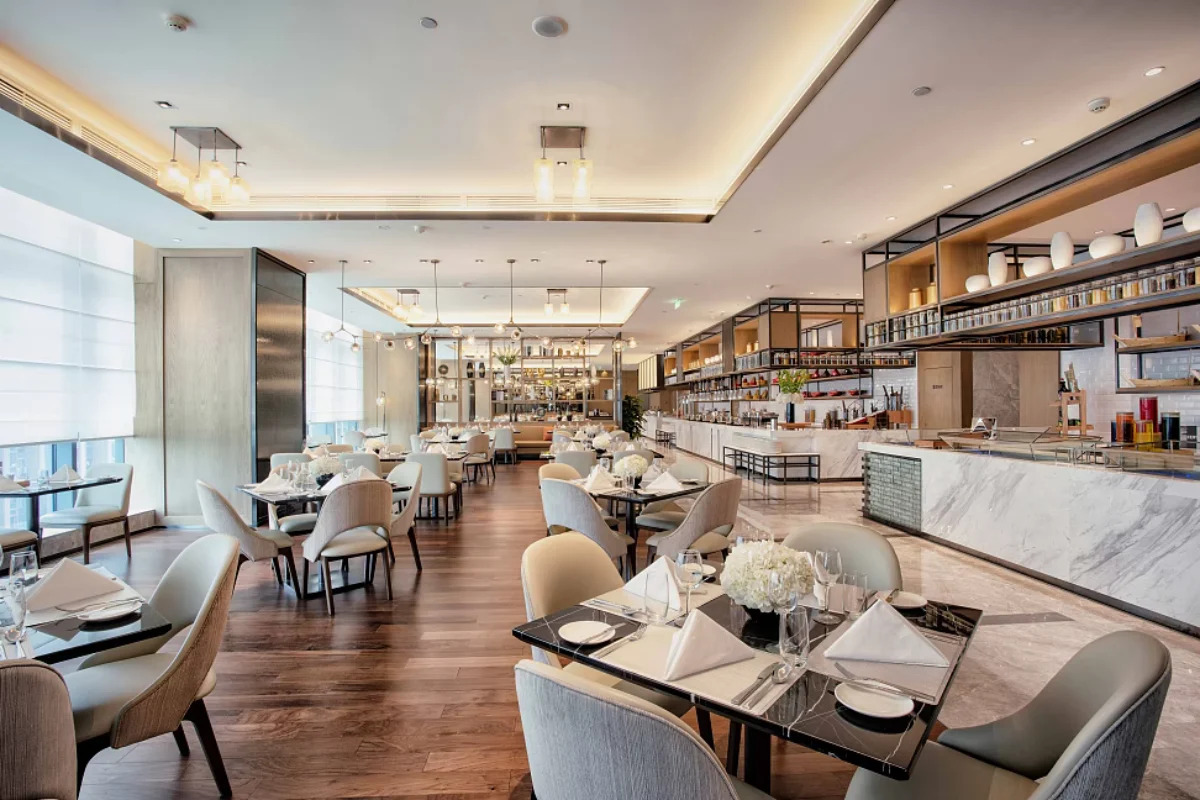
Common spaces such as lounges, restaurants, and waiting areas require furniture that combines comfort, durability, and visual appeal. Renovating these areas with suitable tables, chairs, sofas, and decorative furniture improves functionality while encouraging guests to spend more time enjoying the hotel's facilities.
3.3 Adding distinctive design elements through furniture and materials
Unique furniture designs and carefully selected materials help hotels create memorable spaces that strengthen brand identity. By incorporating customized furniture, signature finishes, and coordinated design details, renovated common areas can become distinctive features that differentiate the property from competitors.
4. Improving Bathroom and Functional Space Interiors
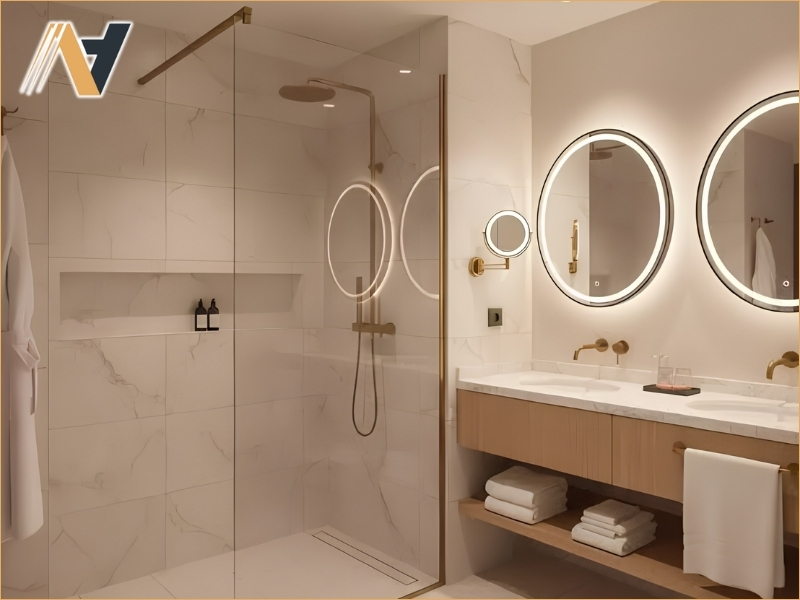
Bathroom and functional areas are essential parts of the hotel experience, directly influencing guest comfort, convenience, and overall satisfaction. Renovating these spaces with suitable furniture, durable materials, and practical layouts helps hotels improve operational efficiency while maintaining a consistent and high-quality interior concept throughout the property.
4.1 Replacing outdated bathroom furniture and fixtures
Old or damaged bathroom furniture can negatively affect guests’ perception of cleanliness and service quality. Upgrading vanities, storage units, mirrors, and other essential elements helps create a more modern, comfortable, and hygienic environment while improving the overall appearance of guest rooms.
4.2 Choosing durable and easy-to-maintain materials
Bathrooms and functional spaces require materials that can withstand frequent use, moisture, and regular cleaning. Selecting durable surfaces, water-resistant finishes, and easy-care materials helps hotels reduce maintenance requirements while ensuring interiors remain attractive and functional over a longer period.
4.3 Optimizing functionality for better guest convenience
A successful renovation should focus on improving how guests interact with each space. Thoughtful layouts, practical storage solutions, and well-designed furniture arrangements help maximize usability, enhance convenience, and create a smoother experience for guests throughout their stay.
5. Investing in Long-Term Interior Solutions After Renovation
A successful hotel renovation should focus on creating long-term value rather than only improving the property's appearance in the short term. By selecting durable furniture, flexible design solutions, and reliable manufacturing partners, hotels can maintain interior quality, reduce future costs, and ensure spaces continue to meet changing operational and guest expectations.
5.1 Selecting furniture with long-lasting durability
Durability is a key consideration when investing in hotel interiors because furniture is exposed to frequent daily use. Choosing high-quality materials, reliable construction methods, and suitable finishes helps extend product lifespan, minimize replacement costs, and maintain a consistent appearance throughout the hotel's operation.
5.2 Prioritizing flexible and upgrade-friendly designs
Flexible furniture designs allow hotels to adapt their spaces more easily when business needs or guest preferences change. Modular solutions, practical layouts, and timeless design concepts provide greater adaptability, making future renovations and interior updates more efficient and cost-effective.
5.3 Partnering with professional hotel furniture manufacturers
Working with an experienced hotel furniture manufacturer ensures that renovation projects receive customized solutions, consistent quality, and professional support. A reliable partner can help hotels select suitable materials, develop furniture designs, and deliver products that align with the property's brand identity and long-term development goals.
Conclusion
Investing in the right interior items before hotel renovation is essential for creating a more functional, attractive, and guest-focused hospitality environment. By prioritizing key areas such as guest rooms, lobbies, bathrooms, and durable furniture solutions, hotels can improve service quality, enhance brand image, and maximize long-term investment value.
For hospitality projects seeking reliable interior solutions, Ngoc Hoang Anh provides Vietnam hotel furniture OEM services with customized designs, premium materials, and professional manufacturing capabilities to help hotels achieve consistent, high-quality interiors that support sustainable growth.
-----
NGOC HOANG ANH TRADING COMPANY LIMITED
Tax Code: 3702874413
Address: No. 288/28/10 Huynh Van Luy Street, Zone 7, Phu Loi Ward, Ho Chi Minh City, Vietnam
Warehouse: No. 1/91, Thuan Giao 02 Street, Binh Thuan 2 Residential Quarter, Thuan Giao Ward, Ho Chi Minh City, Vietnam
Phone/Whatsapp/Wechat: +84342076666
Email: info@ngochoanganh.com.vn