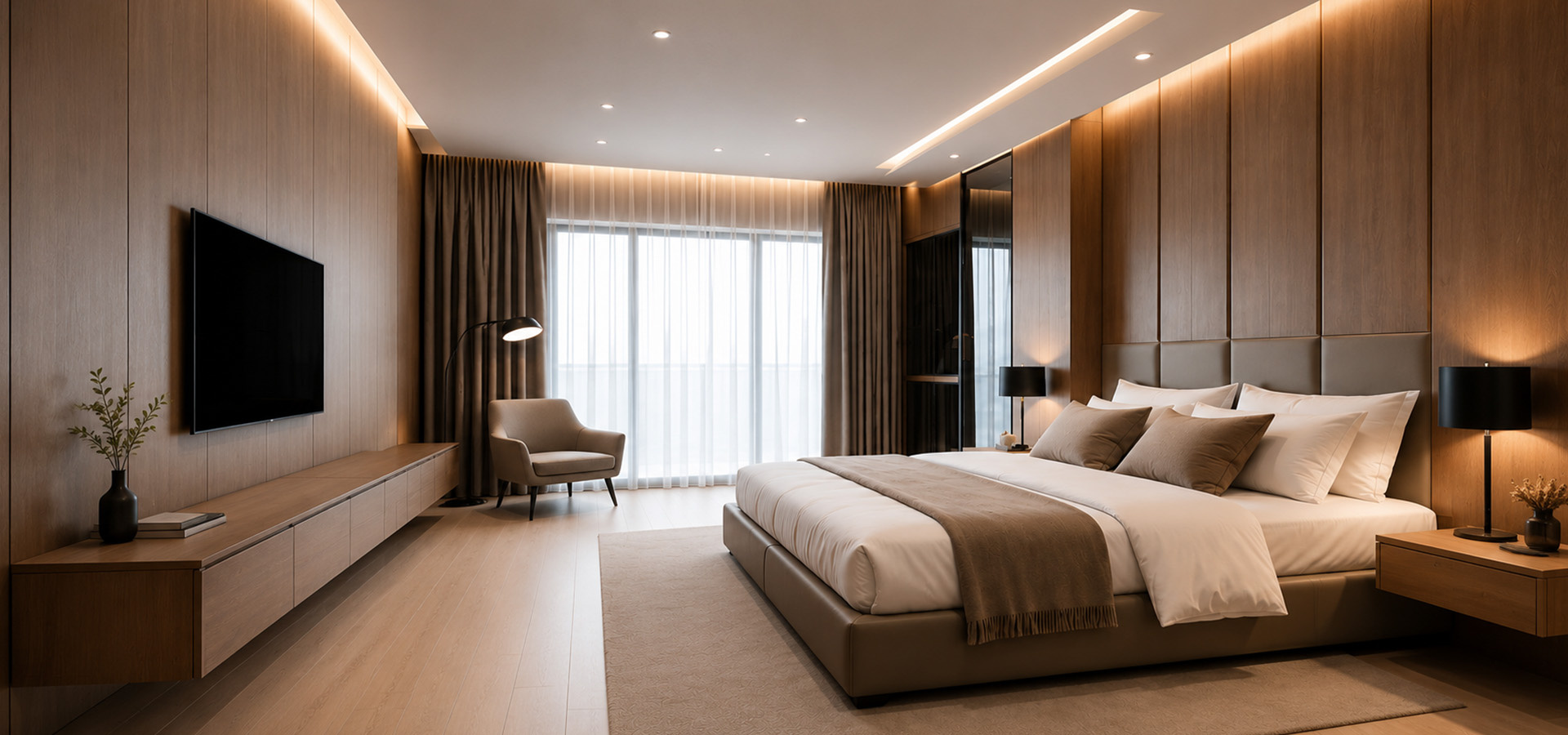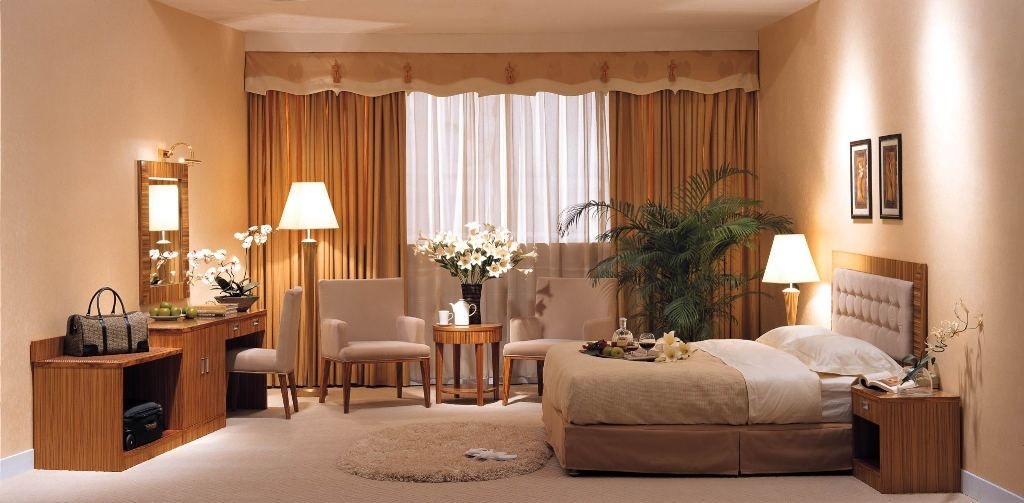
Interior Design Secrets That Help Hotels Increase Booking Rates
Thứ 7, 20/06/2026
Administrator
152
Hotel interior design plays a critical role in attracting guests, shaping first impressions, and influencing booking decisions. Beyond aesthetics, well-planned interiors improve comfort, strengthen brand positioning, and create memorable hospitality experiences that encourage higher occupancy and repeat bookings. In this article, Ngoc Hoang Anh shares interior design strategies that help hotels increase booking performance and long-term business value.
1. Create Strong First Impressions Through Interior Design
First impressions play a decisive role in whether guests feel excited, confident, and willing to complete a booking. Hotel interiors that communicate comfort, quality, and visual sophistication from the very beginning can increase perceived value, strengthen brand appeal, and positively influence reservation decisions.
1.1 Design an Attractive and Memorable Lobby
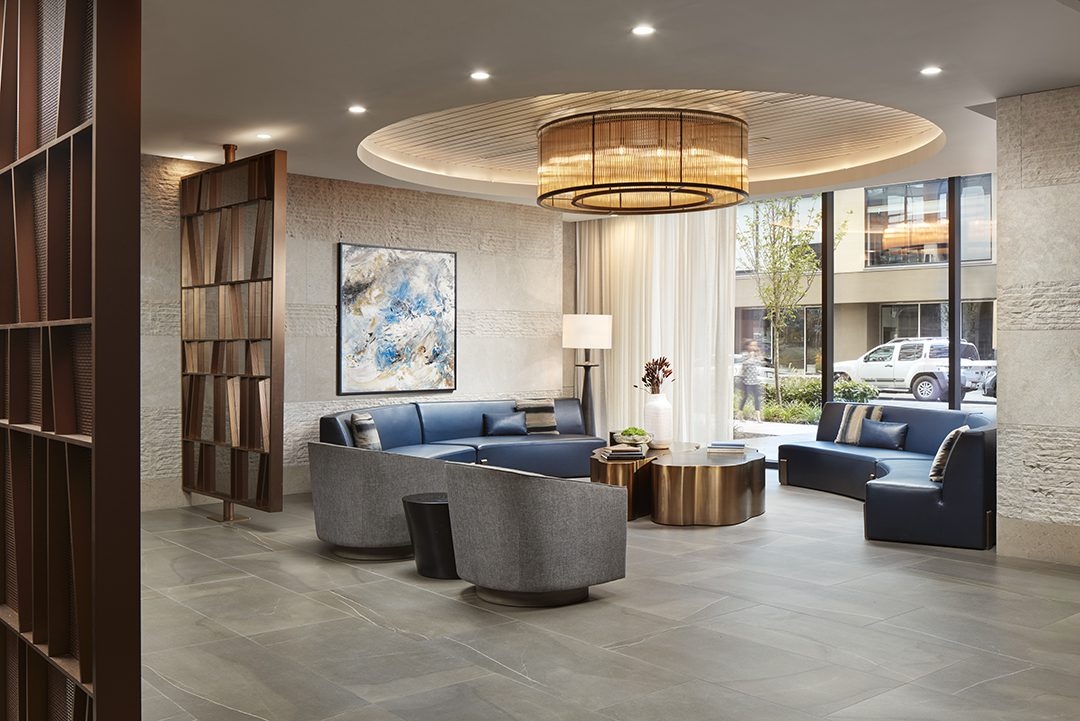
The lobby is often the first physical interaction guests have with the hotel, making it a critical space for creating emotional connection and trust. Thoughtful furniture selection, balanced lighting, and a refined layout help create a welcoming atmosphere that supports stronger booking conversion.
1.2 Build a Consistent Interior Identity
A consistent interior concept across all spaces helps hotels establish a recognizable hospitality image and reinforce guest expectations. Cohesive materials, colors, and furniture styles create a more professional experience that encourages confidence before and during the stay.
1.3 Prioritize Photogenic Spaces
Visually appealing hotel interiors encourage guests to take photos and share their experiences online, increasing brand exposure and attracting future customers. Designing spaces with strong visual character can support organic marketing and improve booking opportunities.
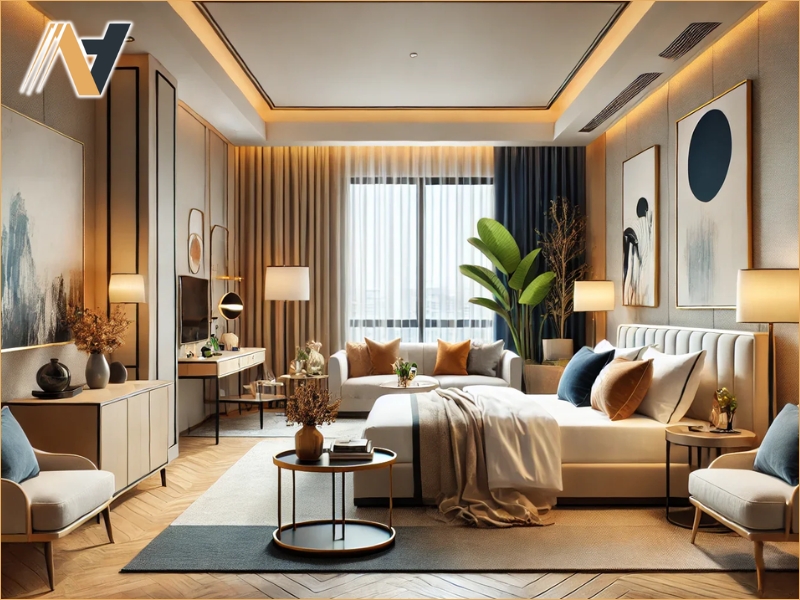
2. Optimize Guest Room Interiors for Higher Satisfaction
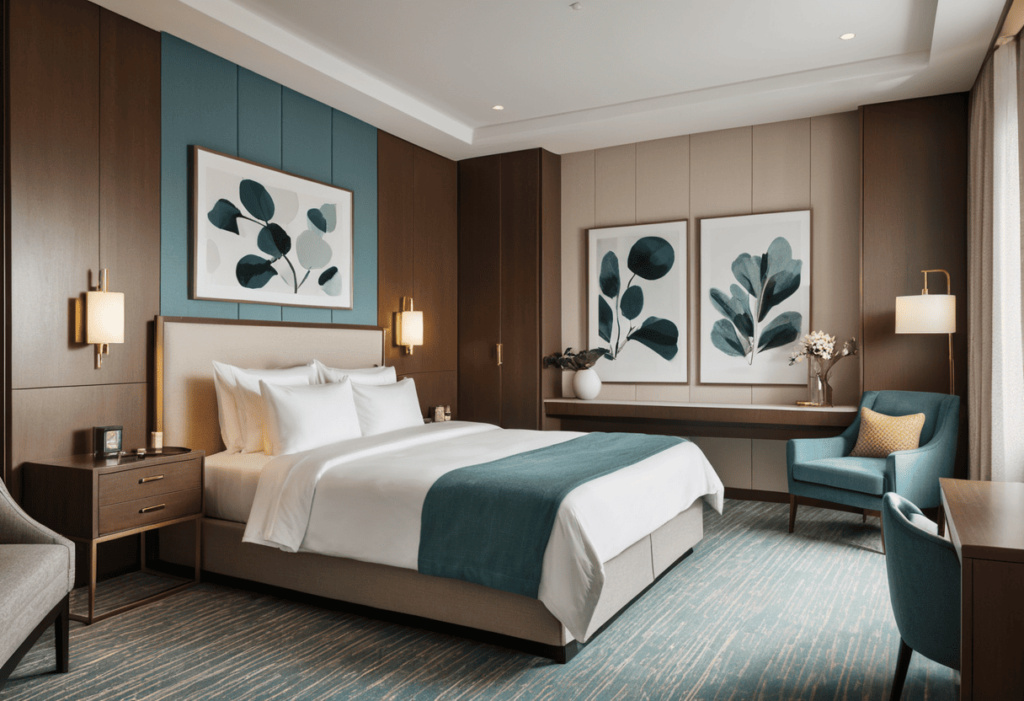
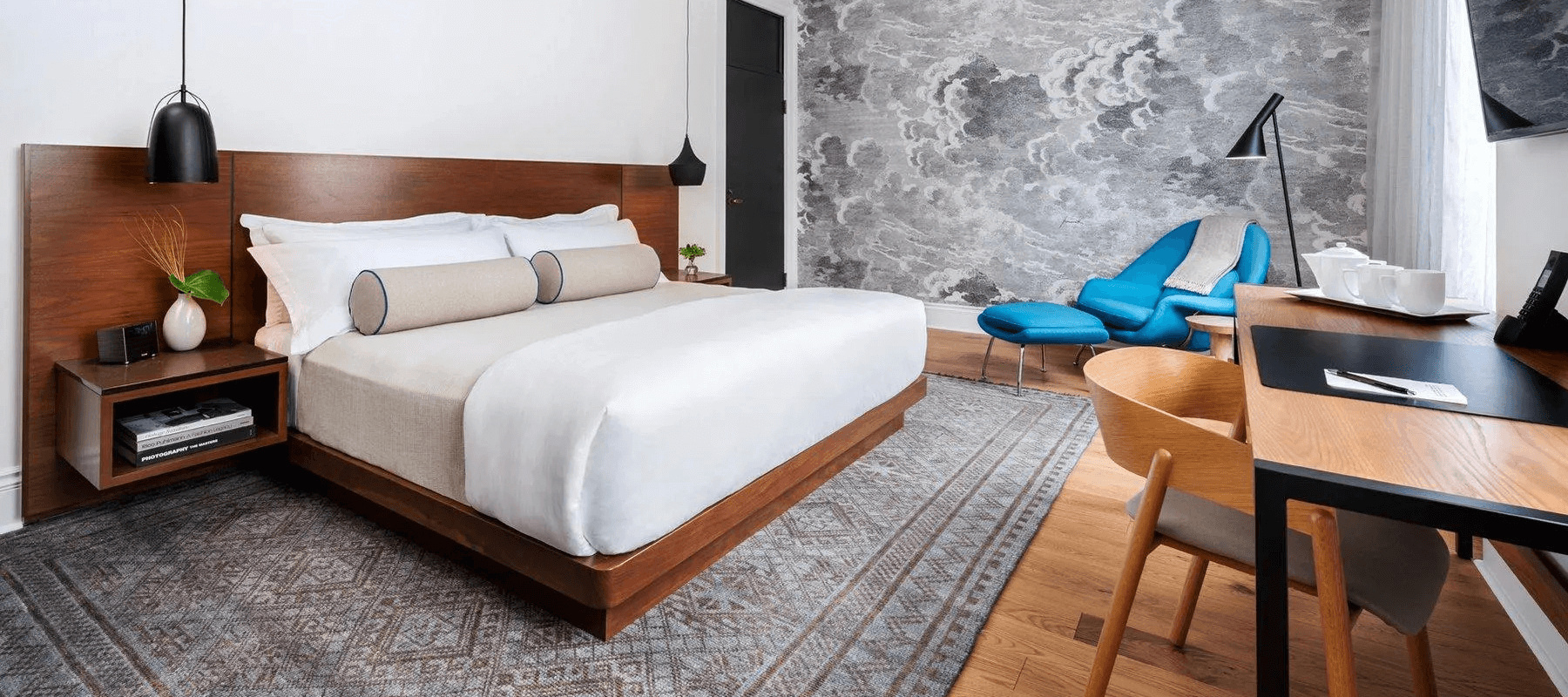
Guest rooms are the most influential spaces in determining guest satisfaction because they directly affect comfort, relaxation, and perceived value. Well-designed room interiors not only improve the overall stay experience but also encourage positive reviews, repeat visits, and stronger booking performance over time.
2.1 Focus on Sleep and Relaxation Comfort
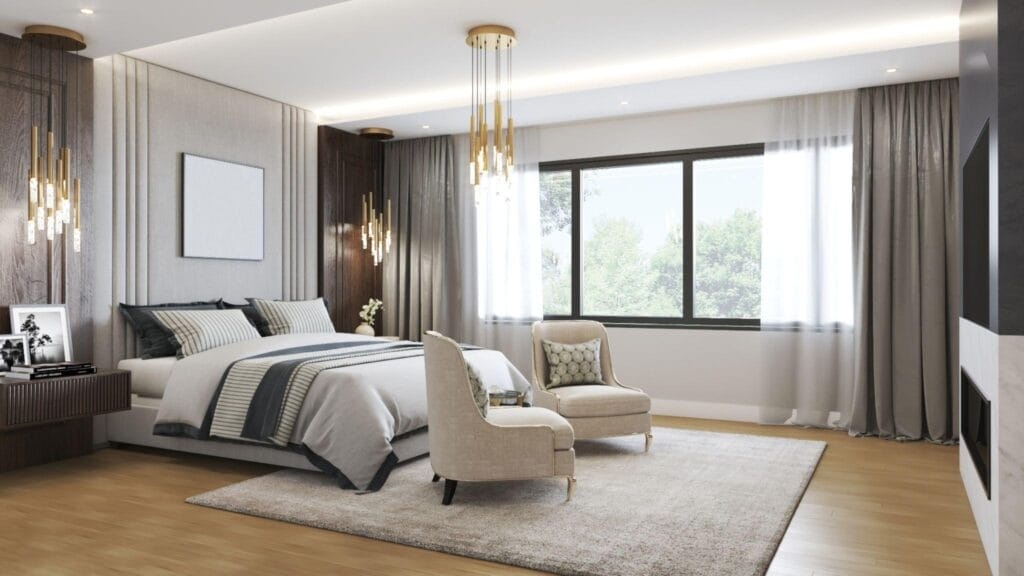
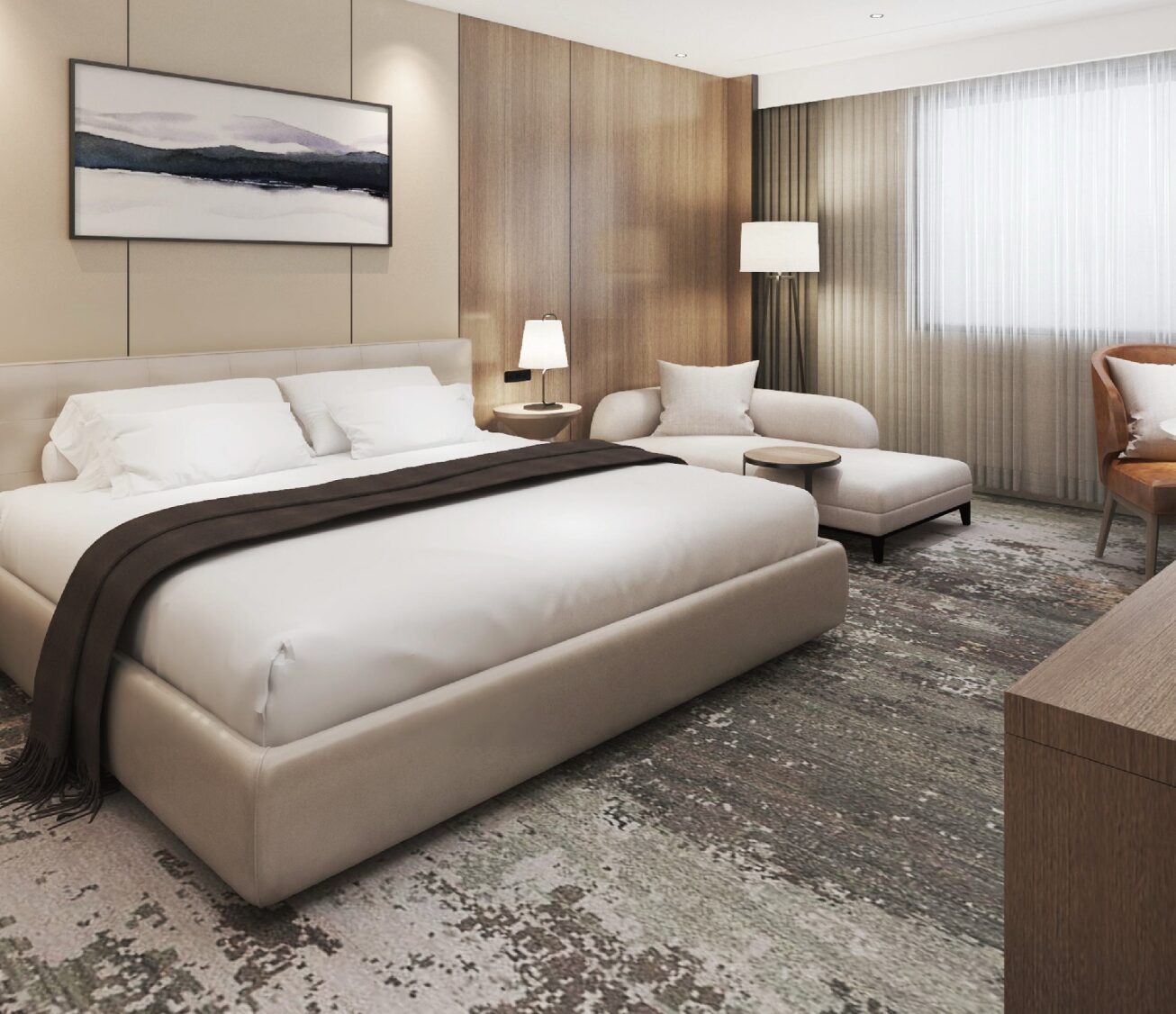
High-quality beds, supportive seating, and carefully selected materials contribute to better rest and overall guest well-being. Hotels that prioritize comfort in room interiors often achieve higher satisfaction scores and increase the likelihood of guests returning in the future.
2.2 Improve Functional Space Utilization
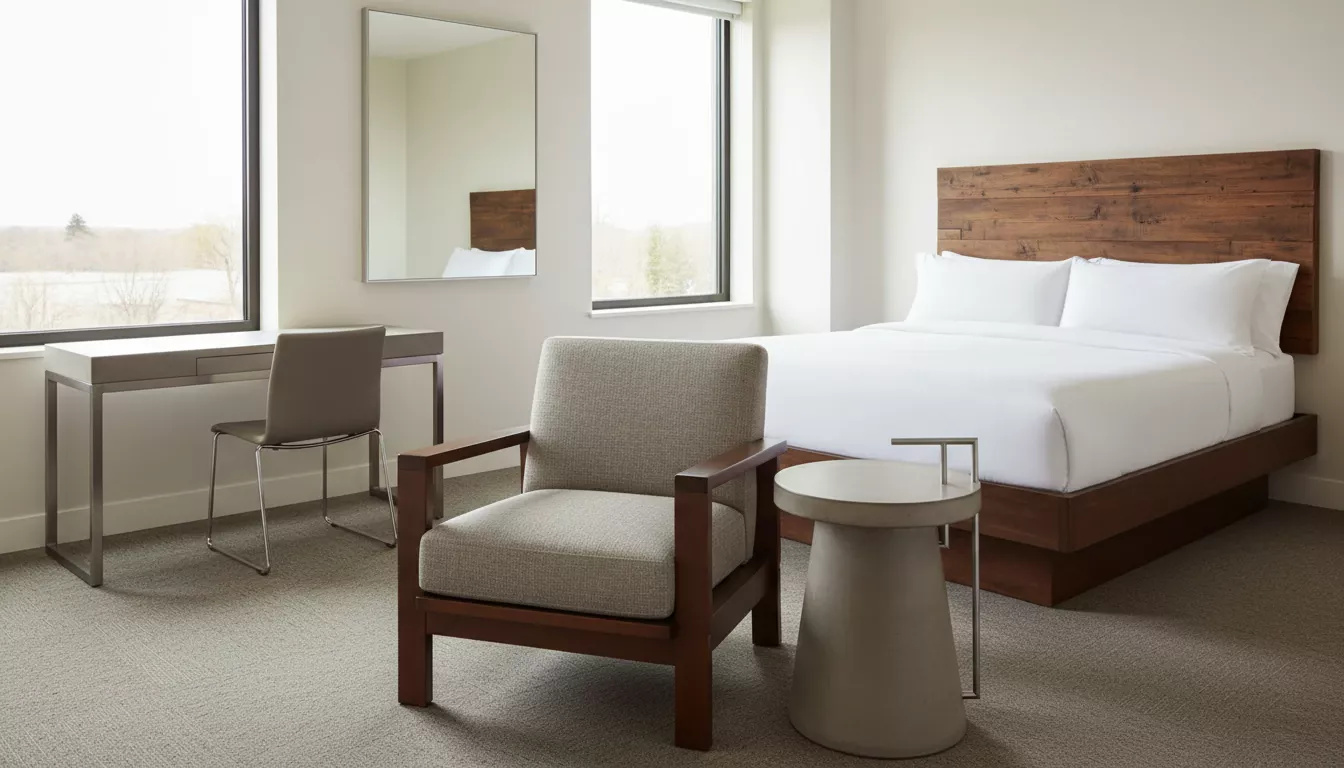
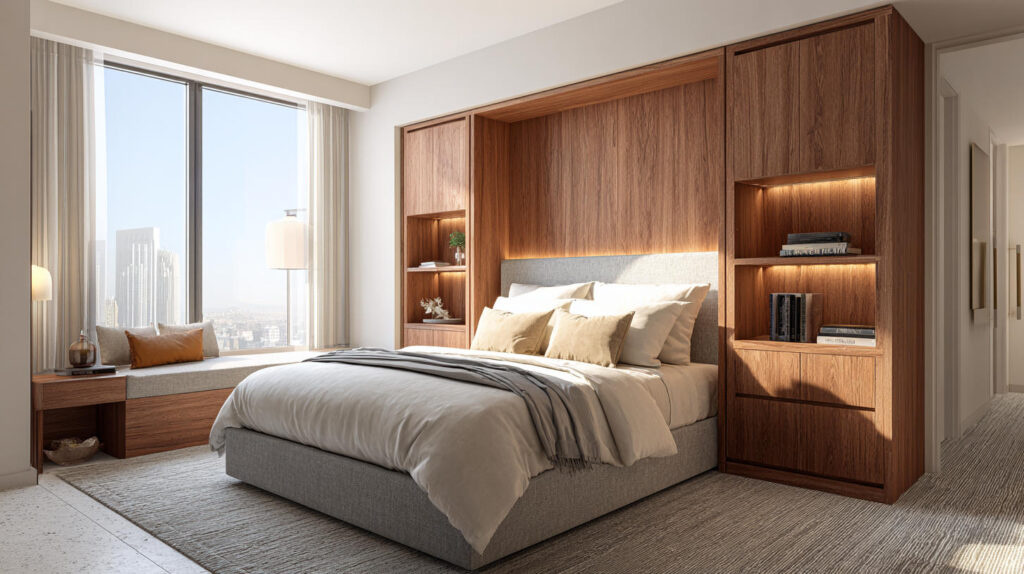
Efficient room layouts allow guests to move comfortably and use available amenities more effectively. Strategic furniture placement and smart storage solutions help maximize usability while creating a more spacious and premium hospitality experience.
2.3 Select Durable and Premium Materials
Choosing hospitality-grade materials improves both aesthetics and long-term performance by maintaining appearance under continuous usage. Durable finishes and quality furniture help reduce maintenance needs while reinforcing perceptions of professionalism and value.
2.4 Balance Luxury and Practicality
Luxury hotel interiors should combine visual refinement with operational functionality to ensure lasting comfort and easier maintenance. Creating spaces that feel premium yet practical helps improve guest perception and supports sustainable hotel operations.
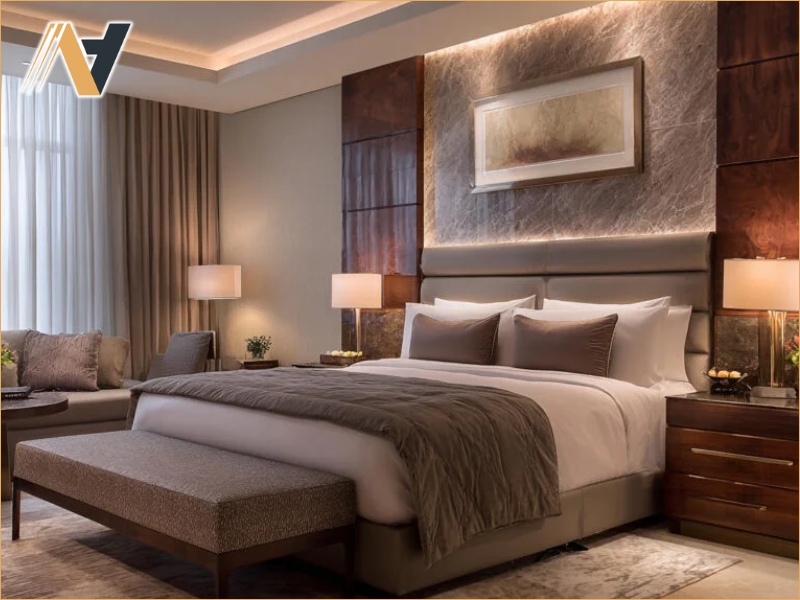
3. Enhance Guest Experience Through Sensory Design
Hotel interiors become more memorable when they engage multiple senses rather than relying only on visual appeal. Sensory design helps create stronger emotional connections, improve comfort perception, and influence how guests evaluate their stay, ultimately supporting higher booking rates and stronger customer loyalty.
3.1 Use Lighting to Influence Mood
Lighting has a powerful effect on guest emotions and the perceived quality of hospitality spaces. Combining ambient, functional, and accent lighting helps create warm, inviting environments that improve relaxation, enhance aesthetics, and encourage positive guest experiences.
3.2 Control Acoustics for Better Rest
Sound quality is an essential but often overlooked factor in hospitality design because excessive noise can negatively impact comfort and sleep. Effective acoustic planning helps create quieter environments that improve guest satisfaction and strengthen the overall hotel experience.
3.3 Select Materials With Tactile Comfort
The textures and finishes guests interact with throughout their stay influence how they perceive quality and luxury. Soft fabrics, refined surfaces, and premium materials create a more comfortable and elevated hospitality experience that encourages stronger emotional engagement.
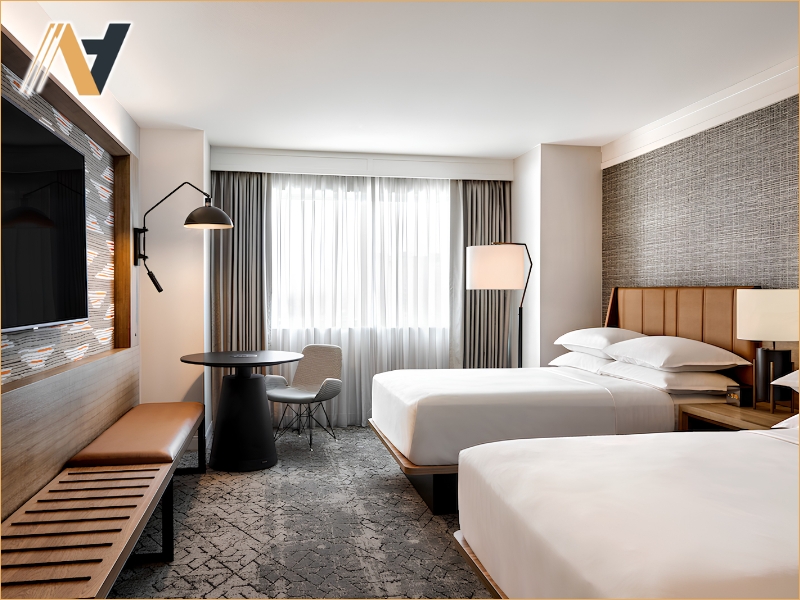
4. Design Interiors That Encourage Positive Reviews and Repeat Bookings
Hotel interiors play an important role in shaping guest memories and influencing whether customers return or recommend the property to others. Spaces that combine visual appeal, comfort, and consistency create stronger emotional connections, generate better reviews, and support long-term booking growth.
4.1 Create Instagrammable Interior Moments
Distinctive interior details and visually attractive spaces encourage guests to capture and share their experiences online, increasing organic exposure and strengthening hotel visibility. Memorable visual elements can become powerful drivers of future booking interest.
4.2 Maintain Consistency Across Guest Touchpoints
Guests evaluate hotel quality through every interaction, from the lobby to guest rooms and shared facilities. Maintaining consistent interior standards across all spaces builds trust, improves satisfaction, and creates a more reliable hospitality experience.
4.3 Personalize Interior Experiences Where Possible
Interior solutions that accommodate different guest expectations help create a more welcoming and memorable stay. Flexible layouts, functional furniture, and thoughtful details contribute to stronger emotional engagement and increase the likelihood of repeat visits.
4.4 Ensure Long-Term Interior Maintenance Standards
Even well-designed interiors lose value if they are not maintained properly over time. Consistent maintenance practices preserve aesthetics, support service quality, and ensure guests continue to experience the same level of comfort and professionalism with every stay.
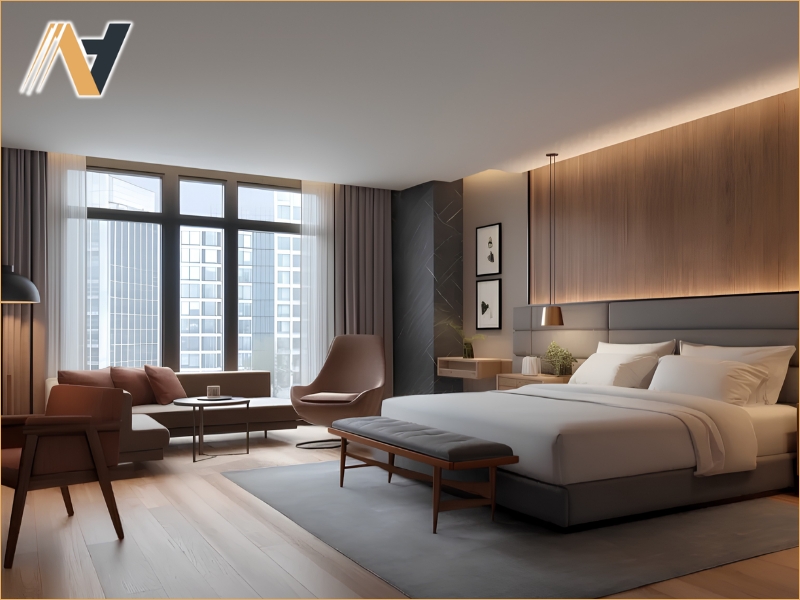
5. Align Interior Investment With Business Performance Goals
Successful hotel interior design is not only about creating attractive spaces but also about supporting measurable business outcomes. Strategic interior investment helps improve occupancy, strengthen guest satisfaction, increase booking conversion, and generate stronger long-term returns while maintaining operational efficiency.
5.1 Prioritize High-Impact Investment Areas
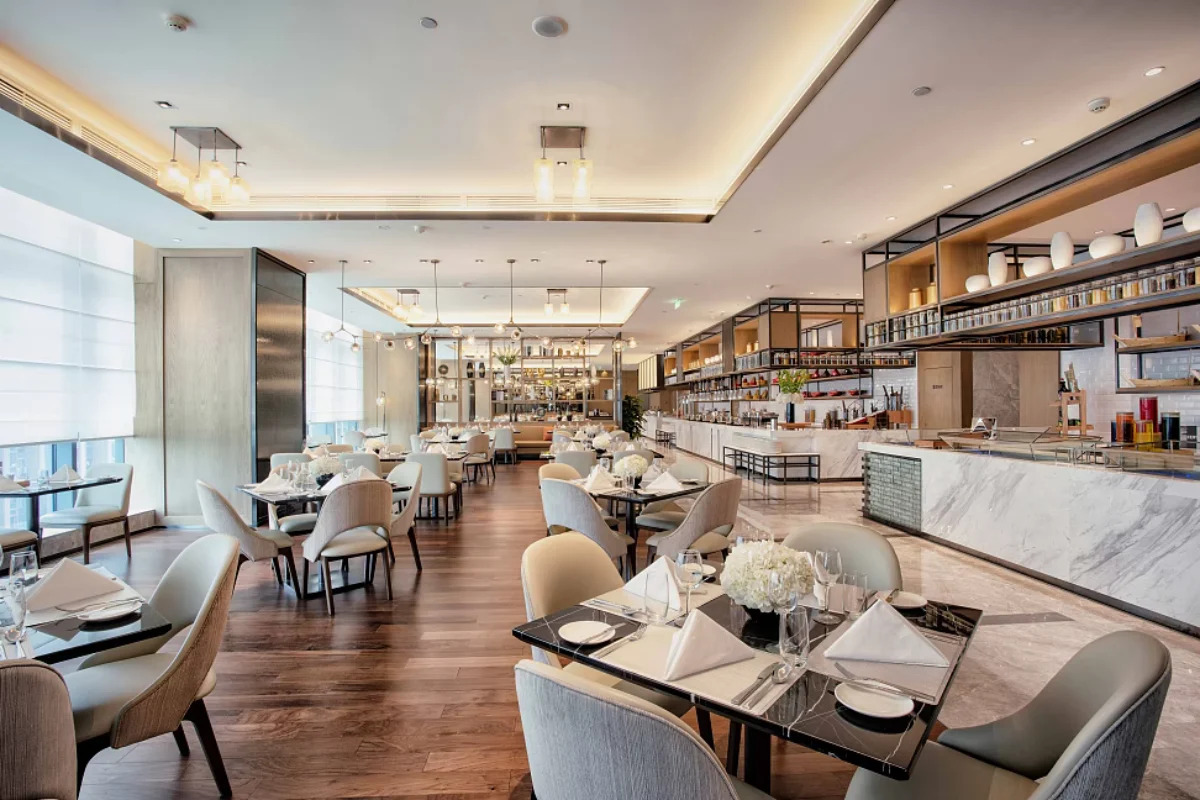
Hotels should allocate budgets toward spaces that have the greatest influence on guest decisions, including guest rooms, lobbies, dining areas, and public amenities. Prioritizing these areas creates stronger impressions and delivers more visible improvements in booking performance.
5.2 Measure Interior Performance Through Guest Feedback
Guest reviews and satisfaction data provide valuable insights into how interior environments affect overall experiences. Regular evaluation allows hotels to identify improvement opportunities and make more informed interior investment decisions that support business growth.
5.3 Build Flexible Interiors for Market Changes
Hospitality trends and guest expectations continue to evolve, making flexibility an important design principle. Adaptable interior solutions allow hotels to refresh spaces more efficiently, reduce renovation costs, and remain competitive in changing market conditions.
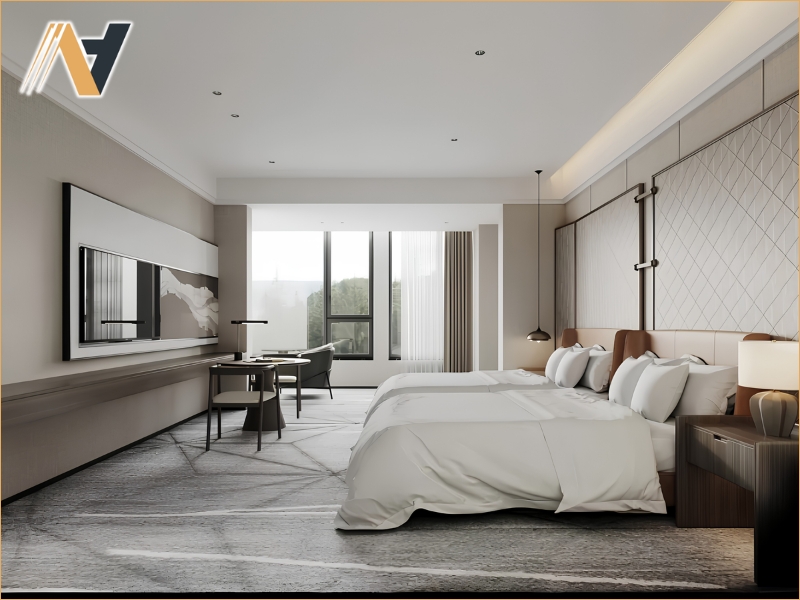
Conclusion
Hotel interior design has a direct impact on booking decisions by shaping first impressions, improving guest comfort, encouraging positive reviews, and strengthening overall brand perception. Hotels that invest strategically in functional, visually appealing, and guest-focused interiors are more likely to increase occupancy rates and build long-term hospitality success.
For hotels seeking refined, durable, and fully customized solutions, Ngoc Hoang Anh offers premium Vietnam hotel furniture tailored to elevate the sophistication and functionality of modern hospitality interiors.
Contact us today for expert consultation and bespoke hospitality furniture production.
-----
NGOC HOANG ANH TRADING COMPANY LIMITED
Tax Code: 3702874413
Address: No. 288/28/10 Huynh Van Luy Street, Zone 7, Phu Loi Ward, Ho Chi Minh City, Vietnam
Warehouse: No. 1/91, Thuan Giao 02 Street, Binh Thuan 2 Residential Quarter, Thuan Giao Ward, Ho Chi Minh City, Vietnam
Phone/Whatsapp/Wechat: +84342076666
Email: info@ngochoanganh.com.vn