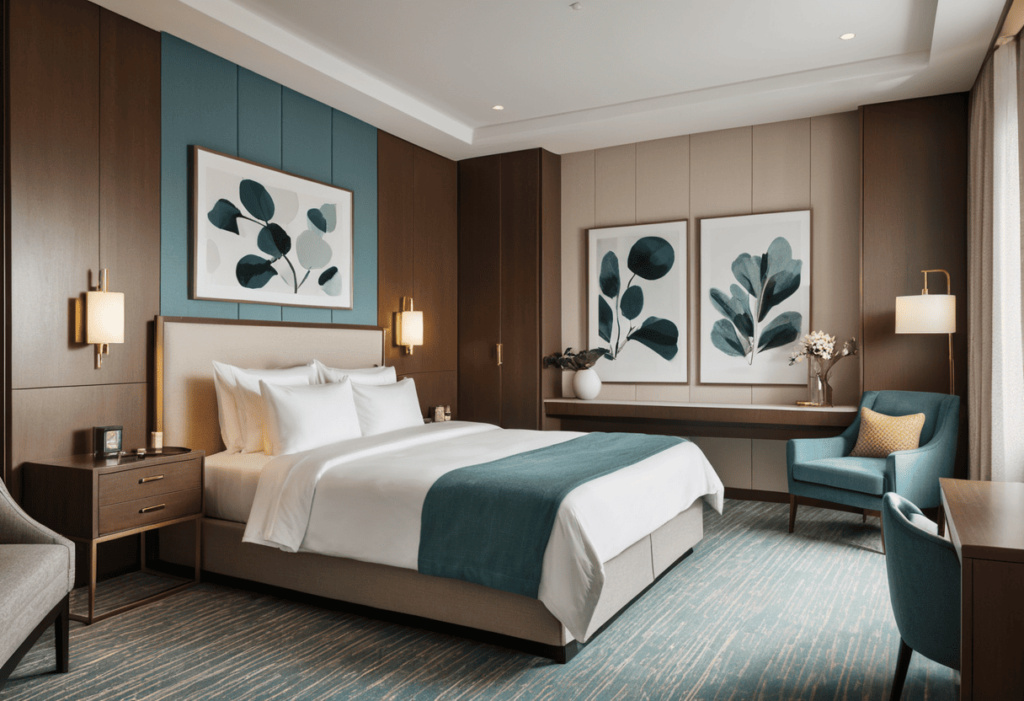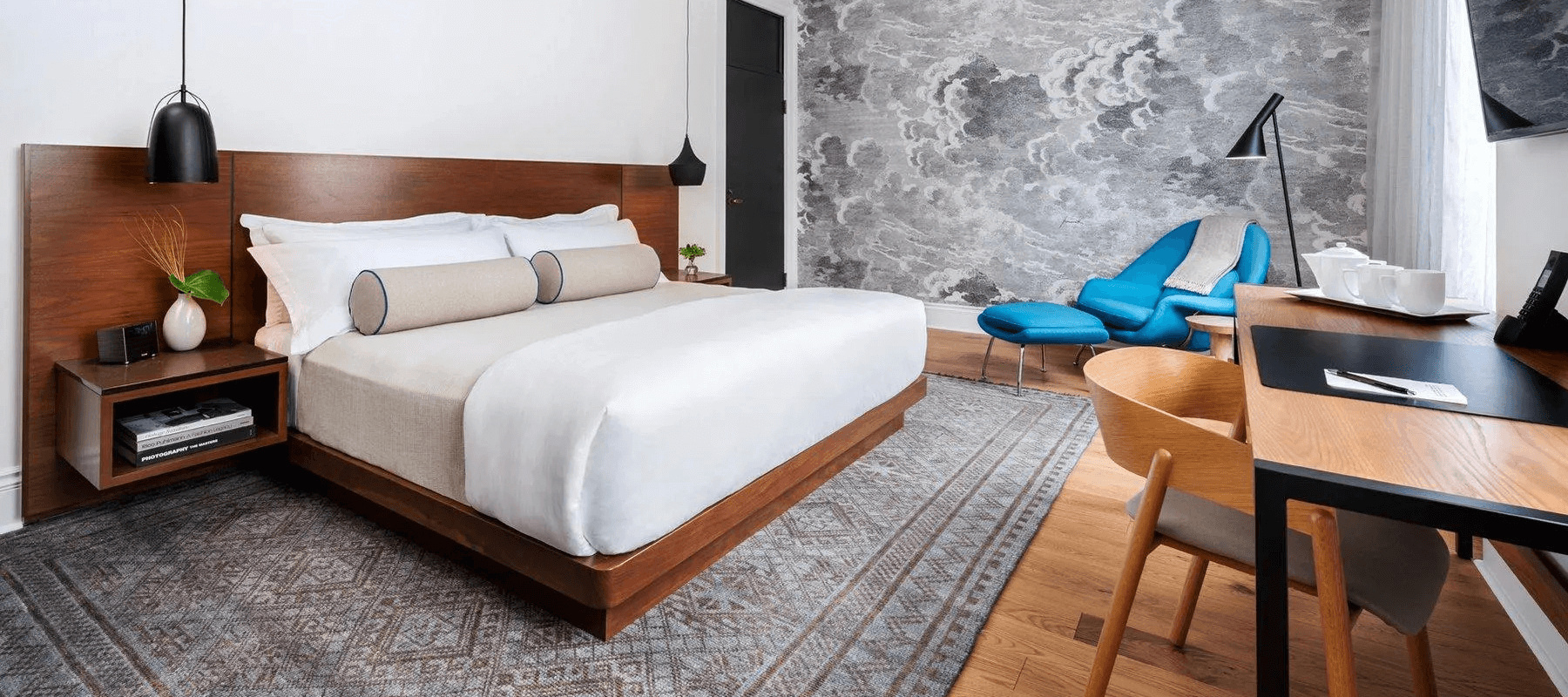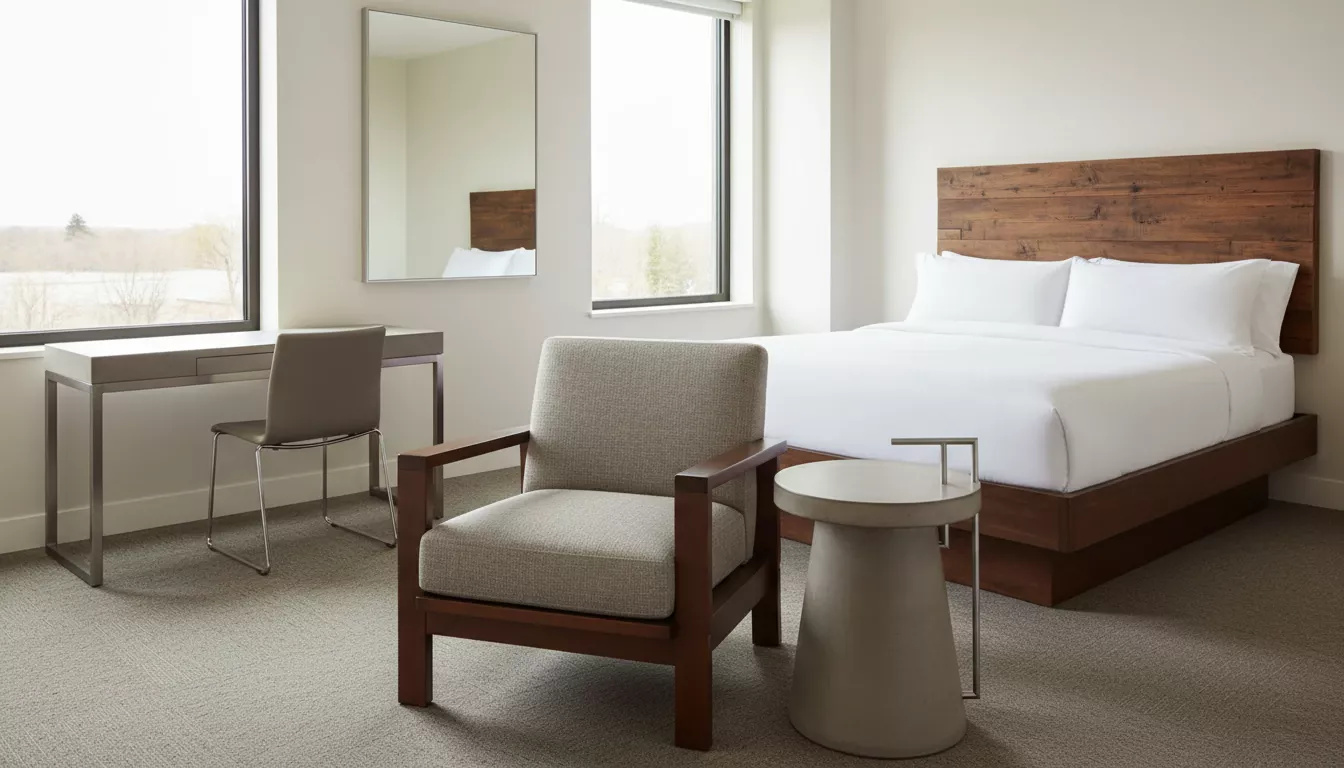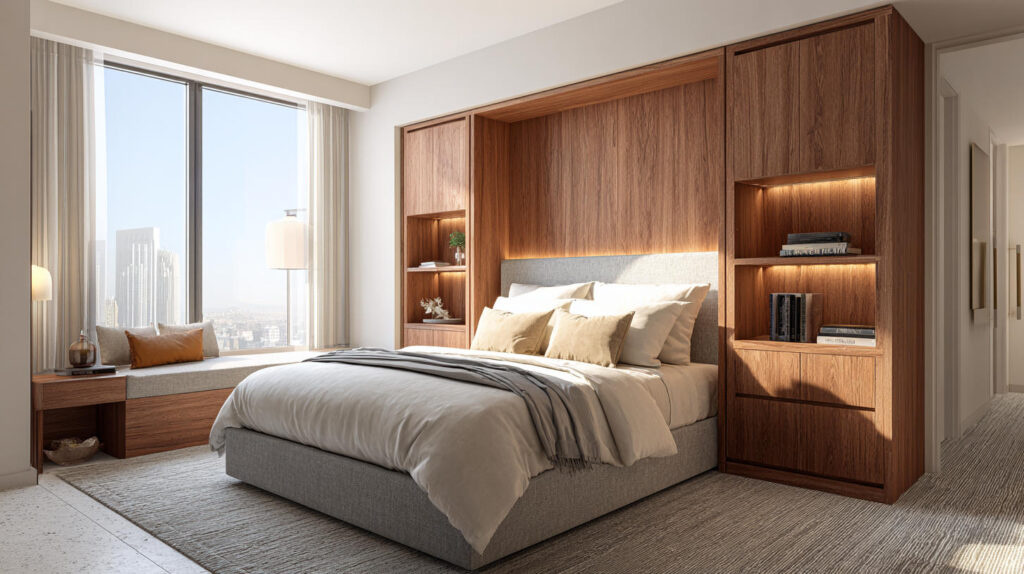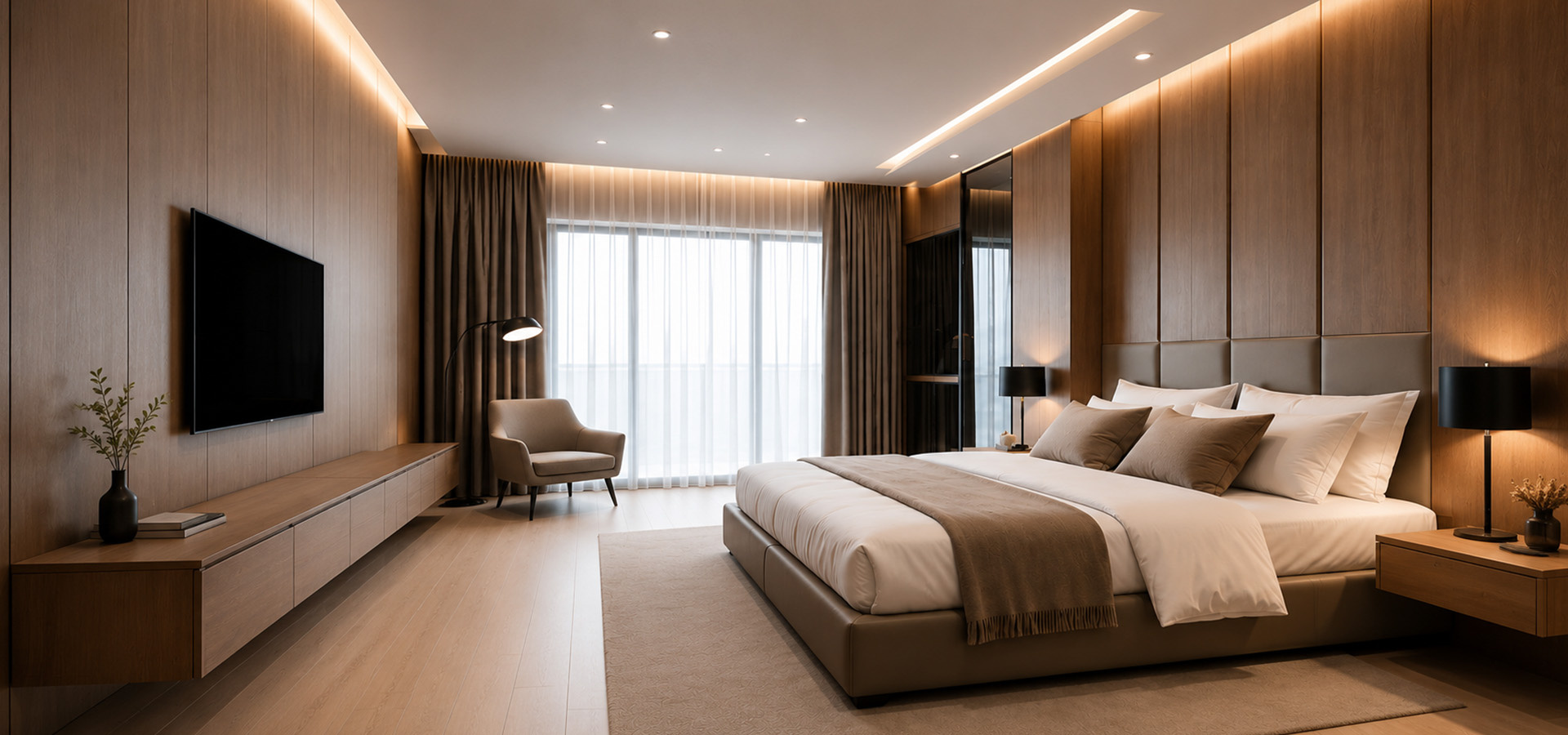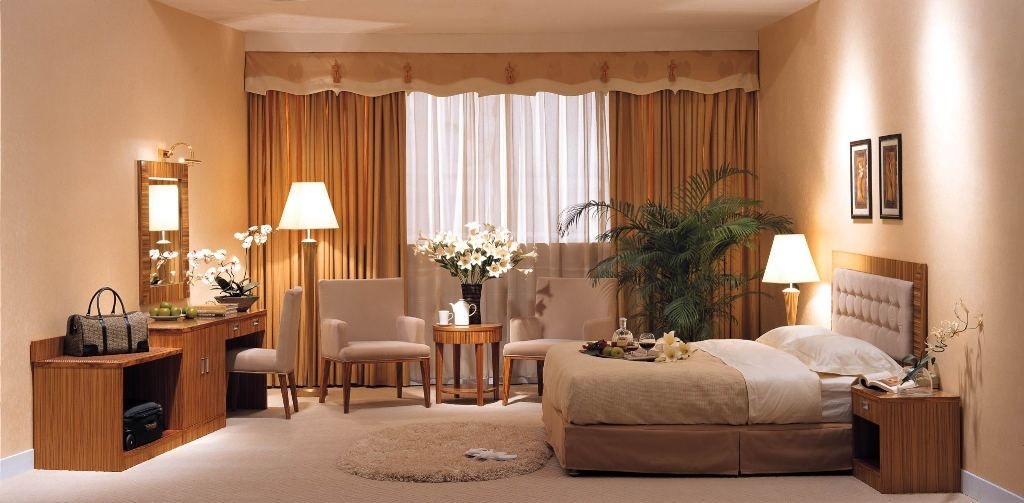
How to Maximize ROI From Hotel Interiors Effectively
Thứ 7, 09/05/2026
Administrator
269
Hotel interiors are more than visual investments; they directly influence guest satisfaction, operational efficiency, brand positioning, and long-term profitability. Strategic interior planning allows hotels to improve durability, reduce maintenance costs, enhance guest experiences, and generate stronger returns over time. In this article, Ngoc Hoang Anh shares practical strategies to help hotels maximize ROI through smarter interior investment decisions.
1. Prioritize High-Impact Interior Investments
Not every hotel interior element generates the same level of operational and financial value, making it essential to prioritize investments that directly influence guest satisfaction, brand perception, maintenance efficiency, and long-term profitability.
1.1 Invest More in Guest Comfort Areas
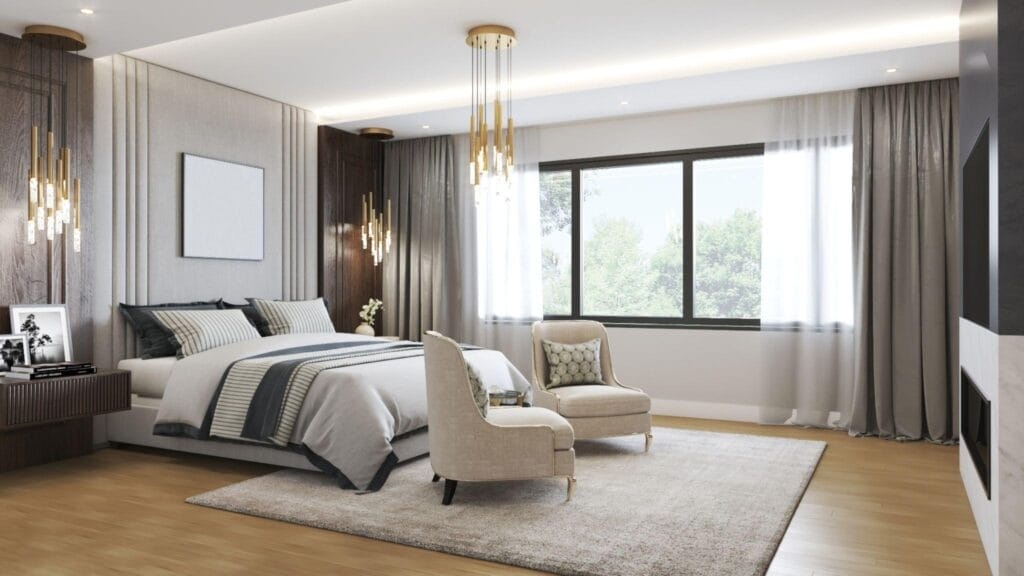
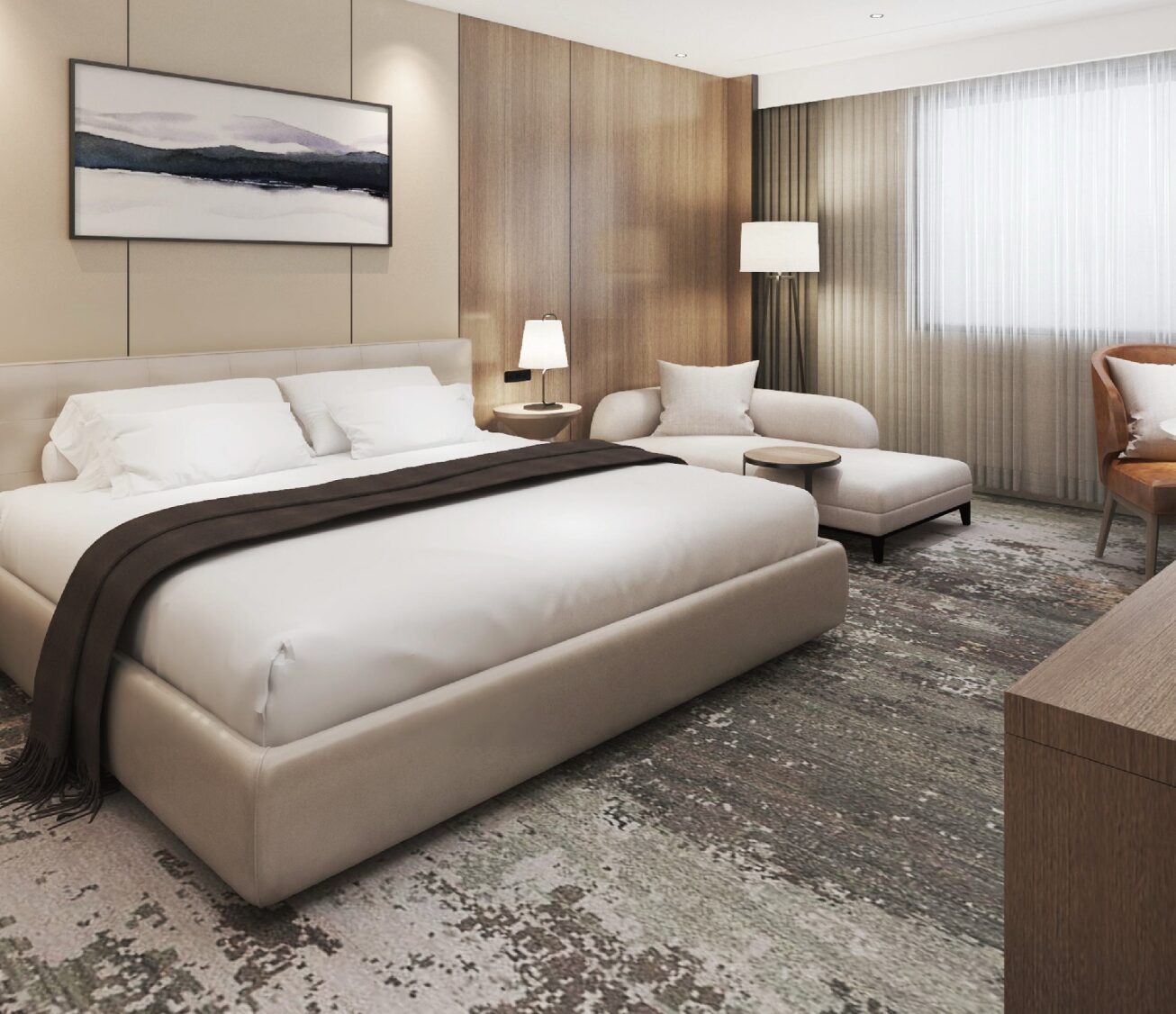
Beds, mattresses, seating, lighting, and bathroom comfort strongly affect sleep quality, relaxation, and guest reviews, making these areas some of the most important contributors to repeat bookings and long-term hospitality performance.
1.2 Focus on High-Visibility Public Spaces
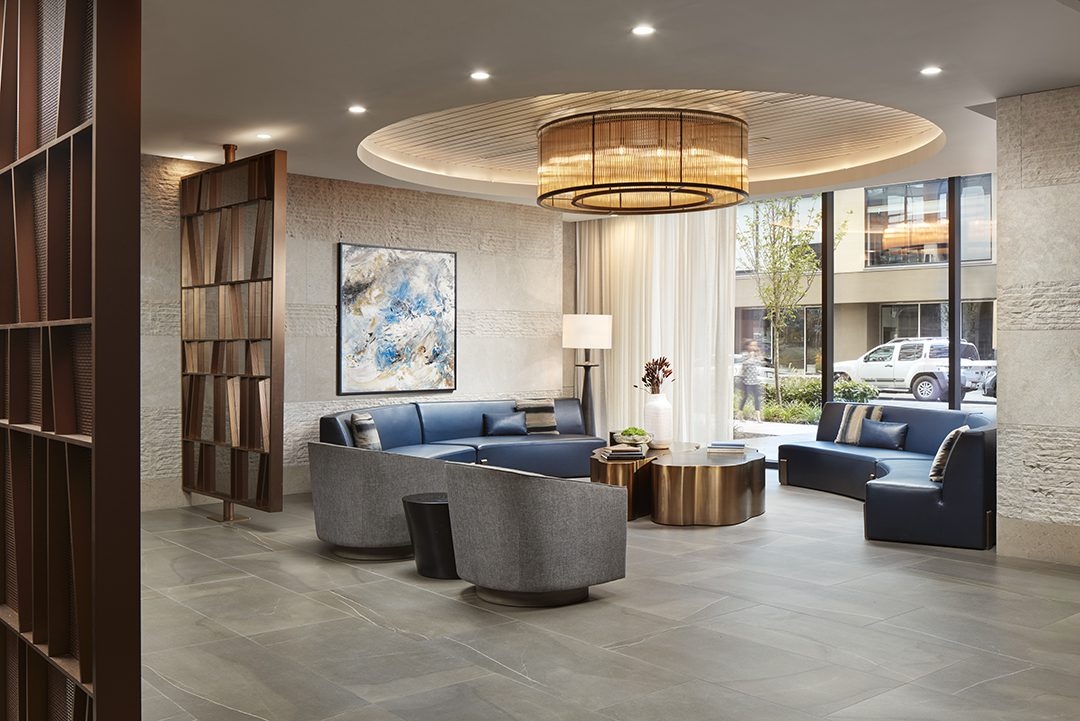
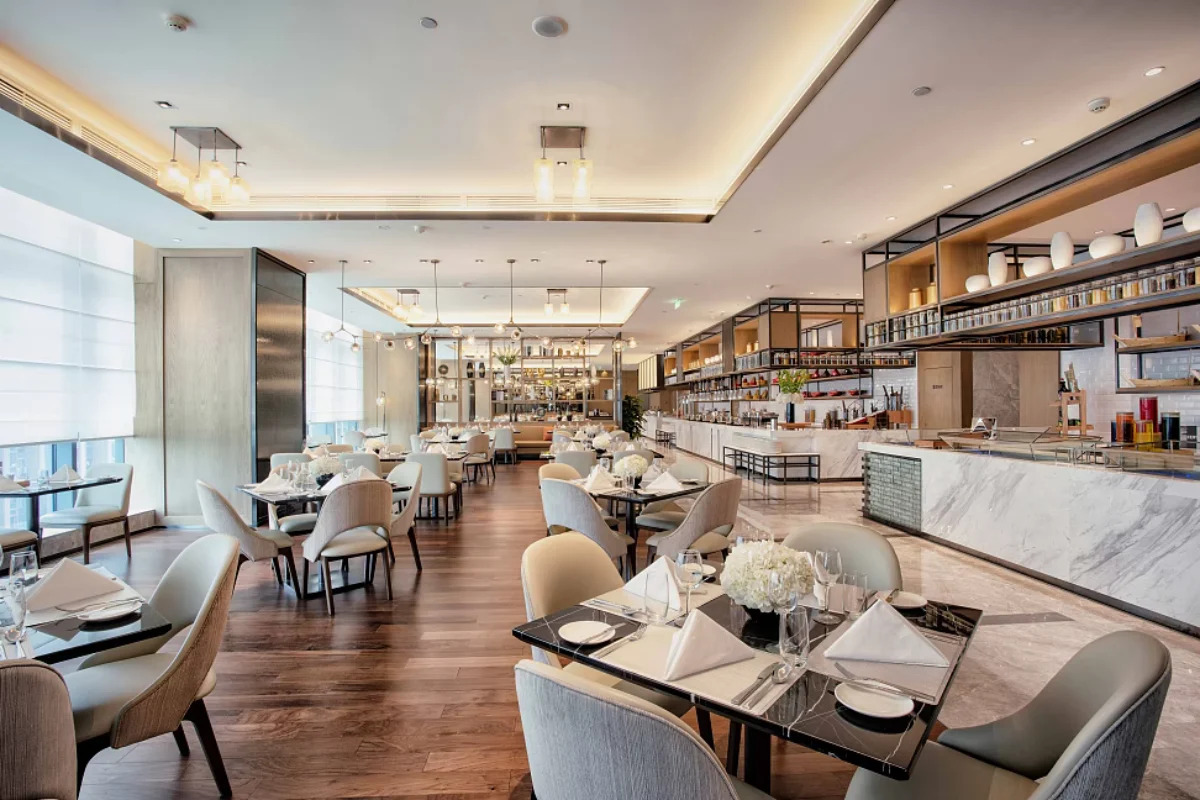
Lobbies, lounges, restaurants, and corridors are often the first areas guests experience, meaning high-quality furniture, lighting, and finishes in these spaces can significantly strengthen brand image and perceived hotel value.
1.3 Balance Aesthetics and Operational Functionality
Interior investments should combine visual sophistication with practical functionality to improve durability, simplify maintenance, and reduce operational disruptions while still delivering a refined hospitality atmosphere.
2. Select Durable Materials With Long-Term Value
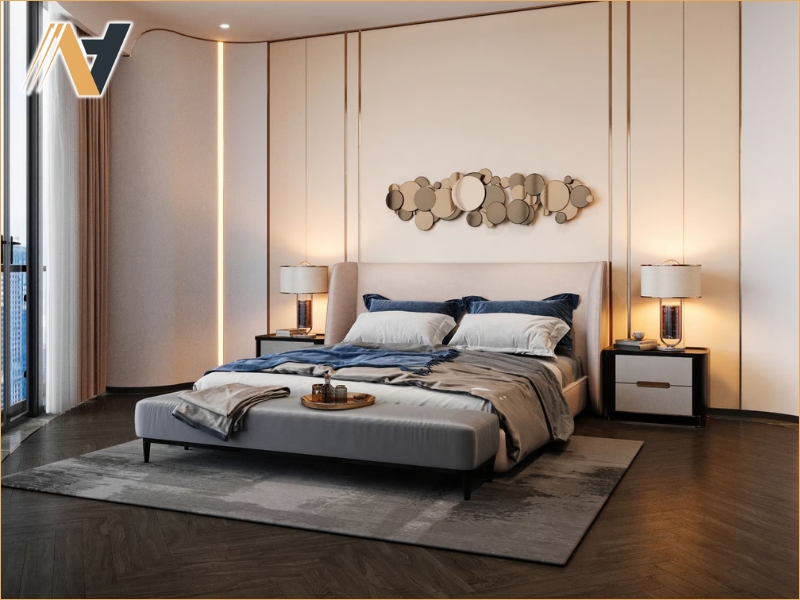
Choosing durable hospitality-grade materials is one of the most effective ways to maximize ROI from hotel interiors, as high-performance finishes and furniture components help reduce maintenance frequency, replacement costs, and operational disruptions over time.
2.1 Use Hospitality-Grade Furniture Materials
Commercial-grade wood finishes, durable upholstery fabrics, premium hardware, and reinforced furniture structures maintain appearance and functionality longer despite constant daily use in hospitality environments.
2.2 Prioritize Easy Maintenance Surfaces
Materials resistant to stains, moisture, scratches, and heavy cleaning help reduce operational maintenance costs while preserving the hotel’s visual quality and cleanliness standards over extended periods.
2.3 Avoid Trend-Driven Overdesign
Timeless interior styles and balanced decorative concepts remain visually relevant for longer periods, helping hotels avoid costly renovations and unnecessary redesign cycles caused by short-lived design trends.
2.4 Invest in Energy-Efficient Systems
Energy-saving lighting, HVAC technologies, and smart operational systems help lower utility expenses, improve sustainability performance, and generate stronger long-term financial efficiency for hotel operations.
3. Optimize Furniture Production and Procurement Strategies
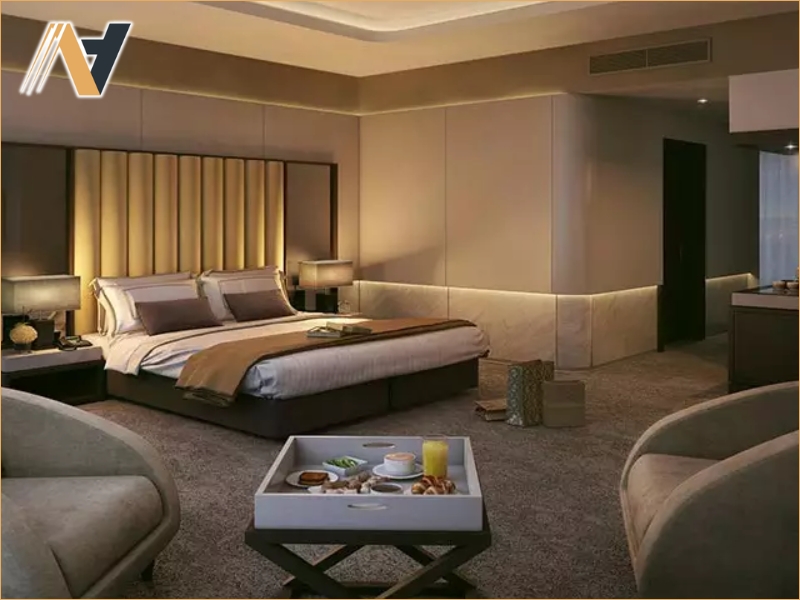
Efficient furniture production and procurement planning can significantly improve hotel interior ROI by reducing unnecessary expenses, improving construction coordination, and ensuring long-term operational consistency without compromising hospitality quality or visual sophistication.
3.1 Standardize Core Furniture Designs
Using standardized furniture structures and dimensions improves manufacturing efficiency, shortens production timelines, simplifies future replacements, and reduces maintenance complexity while still maintaining consistent hospitality aesthetics throughout the property.
3.2 Combine Custom and Modular Solutions
Blending custom-designed feature furniture with modular production elements allows hotels to achieve unique visual identity while maintaining better cost control, faster production, and more efficient installation processes during project execution.
3.3 Work With Experienced Hospitality Manufacturers
Manufacturers specializing in hotel interiors understand hospitality durability standards, construction coordination, and operational functionality, helping investors avoid costly production mistakes and improve long-term project efficiency.
4. Improve Operational Efficiency Through Interior Design
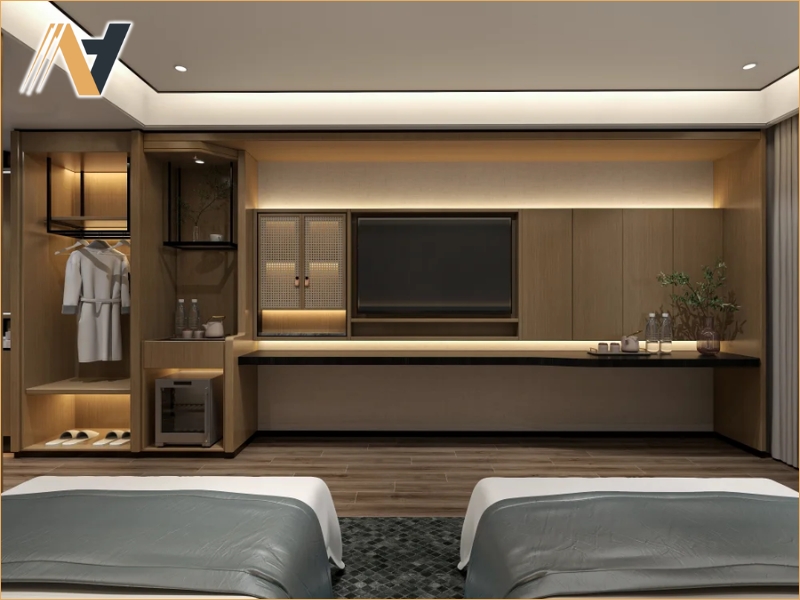
Well-planned hotel interiors can significantly improve operational efficiency by simplifying maintenance processes, optimizing space utilization, reducing renovation frequency, and supporting smoother daily operations across guest and service areas.
4.1 Design for Easy Maintenance Access
Furniture layouts, technical systems, and material selections should allow faster cleaning, repairs, and equipment access, helping hotels reduce maintenance downtime while improving operational continuity and staff productivity.
4.2 Enhance Space Utilization Efficiency
Optimized room layouts and multifunctional furniture solutions improve guest comfort while maximizing the commercial value of available floor space, especially in hotels with limited room dimensions or high occupancy demands.
4.3 Reduce Future Renovation Complexity
Flexible interior planning allows hotels to update furniture, finishes, and decorative elements gradually without requiring large-scale reconstruction, minimizing operational disruption and reducing future renovation expenses.
4.4 Support Sustainable Hospitality Operations
Energy-efficient lighting, eco-friendly materials, and smart operational systems help reduce utility consumption and long-term operational costs while strengthening the hotel’s sustainability image and hospitality value.
5. Strengthen Brand Identity Through Interior Consistency
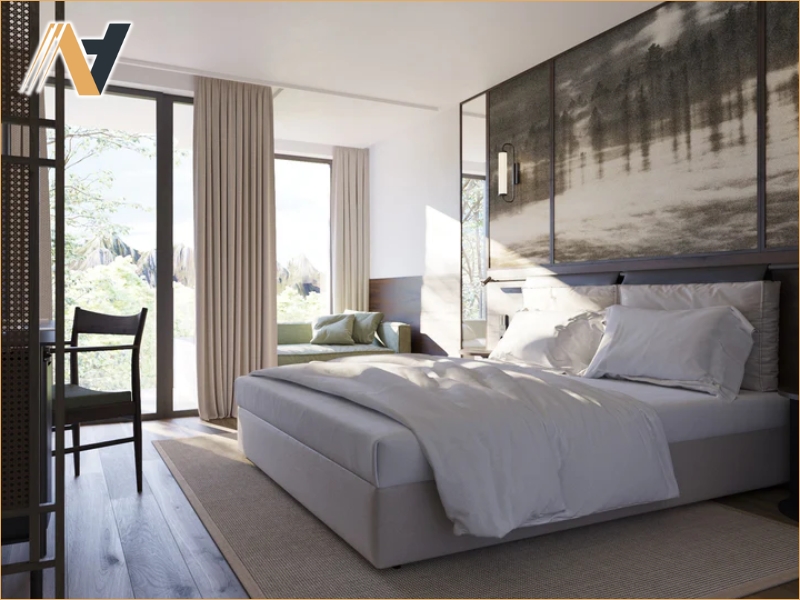
Consistent interior branding helps hotels create stronger emotional connections with guests while improving recognition, perceived value, and long-term market positioning, ultimately contributing to better occupancy performance and stronger return on investment.
5.1 Create a Recognizable Hospitality Experience
Consistent furniture styles, materials, lighting concepts, and decorative elements across guest rooms and public areas help hotels establish a stronger identity and deliver a more memorable hospitality experience.
5.2 Align Interiors With Target Guest Expectations
Interior design should reflect the lifestyle preferences, comfort expectations, and travel behaviors of the hotel’s target audience to create stronger emotional engagement and improve overall guest satisfaction.
5.3 Increase Perceived Value Through Design Quality
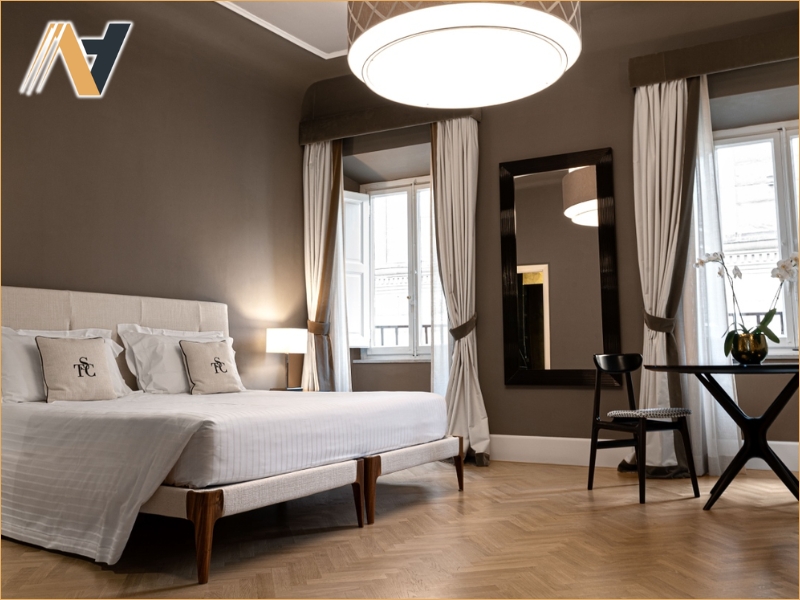
Well-executed interiors with refined detailing and durable materials help elevate perceived hotel quality, allowing properties to strengthen pricing strategies, improve guest trust, and support long-term competitive positioning.
Conclusion
Maximizing ROI from hotel interiors requires strategic investment decisions that balance aesthetics, durability, operational efficiency, and long-term guest satisfaction rather than focusing only on short-term cost reduction. Thoughtful hospitality interior planning helps hotels improve profitability while maintaining stronger brand value and operational performance over time.
For hotels seeking refined, durable, and fully customized solutions, Ngoc Hoang Anh provides premium Vietnam hotel furniture tailored to elevate modern hospitality interiors.
Contact us today for expert consultation and bespoke hospitality furniture production.
-----
NGOC HOANG ANH TRADING COMPANY LIMITED
Tax Code: 3702874413
Address: No. 288/28/10 Huynh Van Luy Street, Zone 7, Phu Loi Ward, Ho Chi Minh City, Vietnam
Warehouse: No. 1/91, Thuan Giao 02 Street, Binh Thuan 2 Residential Quarter, Thuan Giao Ward, Ho Chi Minh City, Vietnam
Phone/Whatsapp/Wechat: +84342076666
Email: info@ngochoanganh.com.vn