How to Maintain Hotel Interiors Like New
Thứ 6, 15/05/2026
Administrator
251
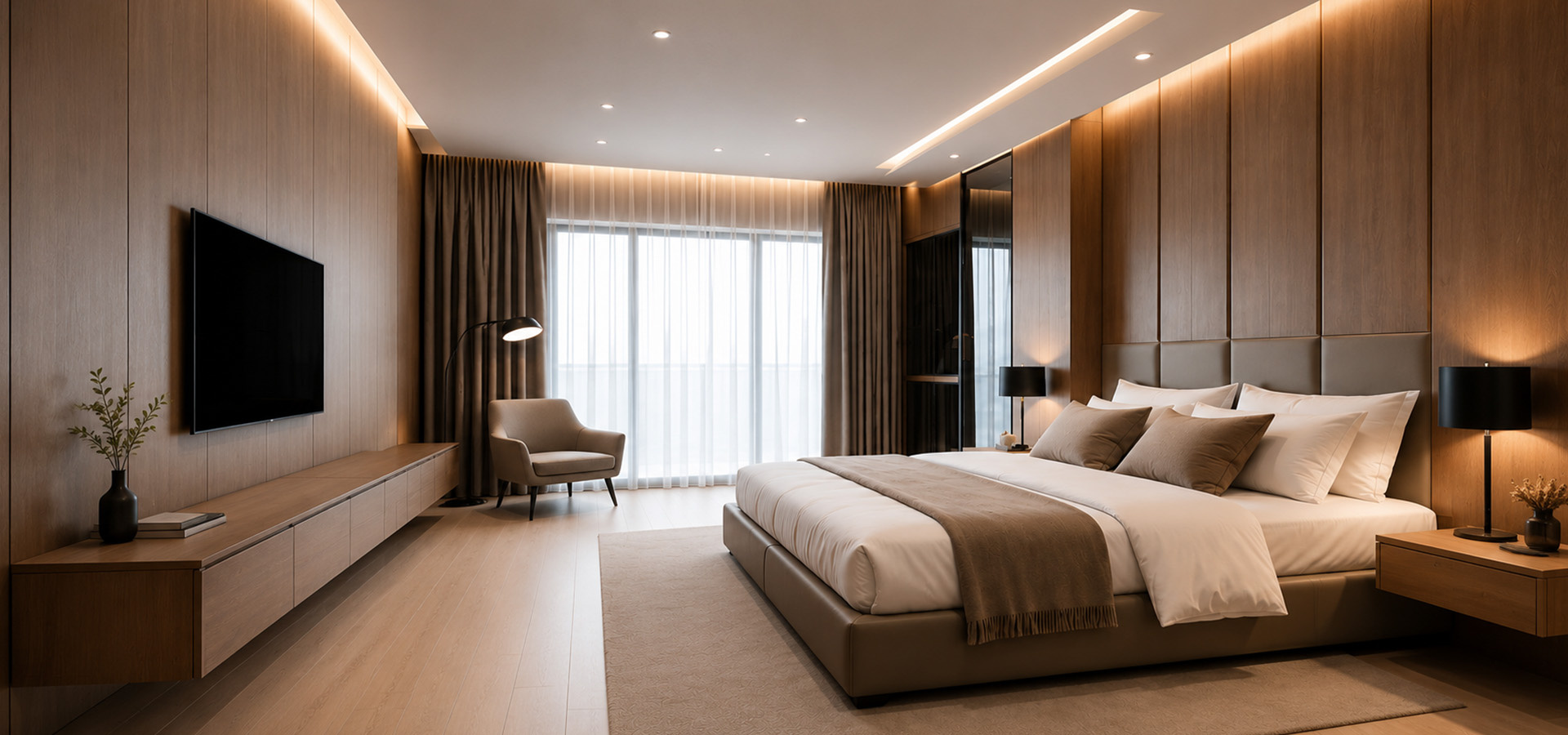
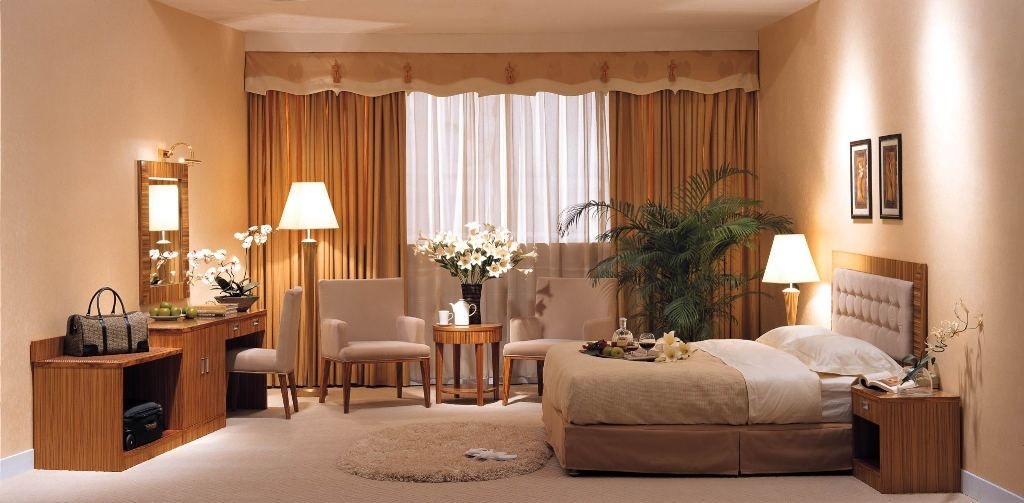
Hotel interiors are exposed to continuous use, making regular maintenance essential to preserve aesthetics, durability, and guest comfort. Proper care not only extends the lifespan of furniture and materials but also enhances the overall hospitality experience and reduces long-term operational costs. In this article, Ngoc Hoang Anh shares practical strategies to keep hotel interiors looking fresh and well-maintained over time.
1. Daily Cleaning and Housekeeping Standards
Daily cleaning and housekeeping standards are the foundation of hotel interior maintenance, ensuring all spaces remain clean, hygienic, and visually well-presented, while also helping preserve furniture quality and enhance overall guest satisfaction throughout continuous hotel operations.
1.1 Surface Cleaning and Dust Control
Regular dusting and surface cleaning help prevent dirt buildup on furniture, decorative elements, and high-touch areas, maintaining a fresh appearance and reducing long-term material damage, while also supporting a more comfortable and hygienic guest environment.
1.2 Floor and Carpet Maintenance
Consistent floor cleaning, vacuuming, and stain removal help preserve carpet quality and flooring durability, ensuring safe movement, improved aesthetics, and long-lasting interior value within high-traffic hotel environments.
1.3 Bathroom and Wet Area Hygiene
Frequent cleaning and disinfection of bathrooms and wet areas ensure high hygiene standards, prevent mold and odor issues, and maintain guest comfort while protecting fixtures and surfaces from long-term damage caused by moisture exposure.
2. Protecting Furniture and Interior Materials
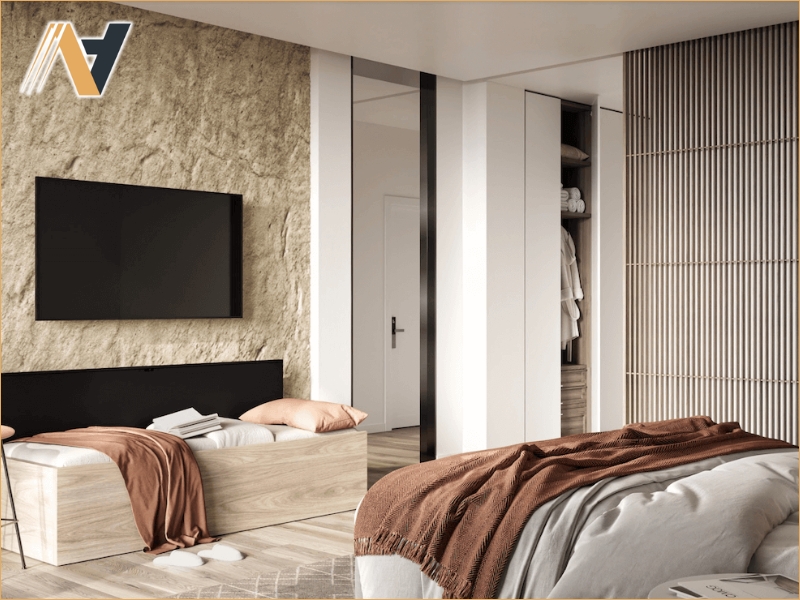
Protecting hotel furniture and interior materials is essential for maintaining long-term durability, preserving aesthetic quality, and reducing replacement costs, especially in high-traffic hospitality environments where furniture is exposed to continuous guest usage and daily operational impact.
2.1 Using Protective Covers and Pads
Protective covers, pads, and surface layers help prevent scratches, stains, and impact damage on furniture surfaces, ensuring that beds, tables, and seating areas maintain their original appearance and extend their lifespan under frequent hotel usage conditions.
2.2 Avoiding Direct Sunlight Damage
Limiting direct exposure to sunlight helps prevent fading, discoloration, and material degradation in wood, fabric, and upholstery, thereby preserving the visual quality and long-term value of hotel interior furniture and decorative elements.
2.3 Moisture Control in Key Areas
Controlling humidity levels in bathrooms, guest rooms, and storage areas helps prevent swelling, mold, and corrosion issues, protecting wooden furniture, fabrics, and metal components while ensuring stable interior conditions and long-lasting durability.
3. Regular Maintenance and Inspection Schedule
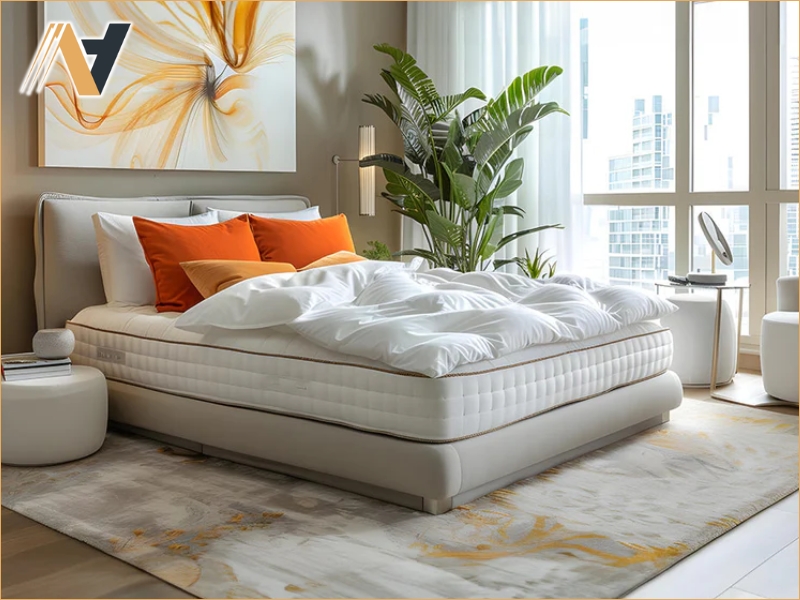
Regular maintenance and inspection schedules are essential for keeping hotel interiors in optimal condition, ensuring early detection of issues, reducing repair costs, and maintaining consistent quality standards across all furniture, fixtures, and interior elements in hospitality environments.
3.1 Monthly Furniture Inspection
Monthly inspections help identify early signs of wear, loose joints, surface damage, or structural issues in hotel furniture, allowing timely repairs that prevent further deterioration and ensure long-term durability and guest safety.
3.2 Repair and Replacement Planning
A clear repair and replacement strategy ensures that damaged or aging furniture is addressed promptly, maintaining consistent interior quality, minimizing guest complaints, and optimizing operational efficiency in hotel management.
3.3 Preventive Maintenance Strategy
Preventive maintenance involves regular care and proactive servicing of furniture and interior elements, helping reduce unexpected breakdowns, extend product lifespan, and maintain stable hospitality performance over time.
4. Professional Cleaning and Deep Maintenance
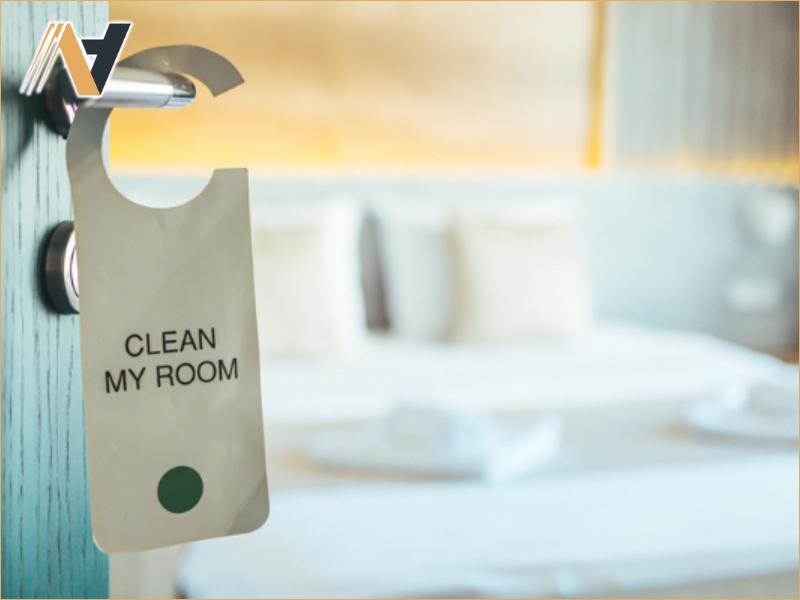
Professional cleaning and deep maintenance are essential for restoring and preserving hotel interior quality over time, ensuring that furniture, flooring, and decorative elements remain fresh, hygienic, and visually appealing despite continuous guest usage and operational demands.
4.1 Deep Cleaning for Upholstery and Fabrics
Professional upholstery cleaning removes deep stains, dust, and allergens from sofas, chairs, and bedding fabrics, helping restore freshness, improve hygiene, and extend the lifespan of soft interior materials in hotel rooms and public spaces.
4.2 Floor Polishing and Restoration
Periodic floor polishing and surface restoration help maintain shine, durability, and scratch resistance for wood, tile, or stone flooring, ensuring a clean, elegant appearance and improving long-term material performance in high-traffic hotel areas.
4.3 Sanitization of High-Touch Areas
Regular sanitization of high-contact surfaces such as door handles, switches, desks, and reception counters helps maintain hygiene standards, reduce bacteria spread, and ensure a safe and comfortable environment for hotel guests and staff.
5. Staff Training and Maintenance Procedures
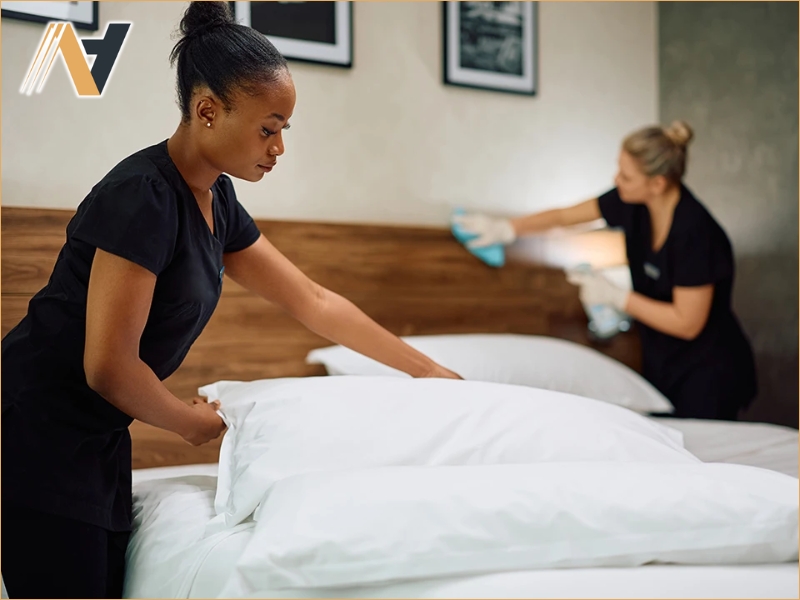
Staff training and clear maintenance procedures are crucial for ensuring consistent hotel interior upkeep, improving operational efficiency, and maintaining long-term furniture and material quality, while also helping standardize cleaning and handling practices across all departments in hospitality operations.
5.1 Housekeeping Training Programs
Regular housekeeping training ensures staff understand proper cleaning techniques, material care methods, and hygiene standards, helping maintain consistent service quality, reduce damage risks, and improve overall efficiency in daily hotel operations.
5.2 Proper Handling of Furniture
Correct furniture handling techniques help prevent scratches, structural damage, and unnecessary wear during room setup or cleaning processes, ensuring long-term durability and preserving the aesthetic quality of hotel interiors.
5.3 Standard Operating Procedures (SOPs)
Clear SOPs provide structured guidelines for cleaning, maintenance, and inspection tasks, ensuring all staff follow the same standards, reducing errors, and maintaining consistent quality across all hotel areas and service departments.
Conclusion
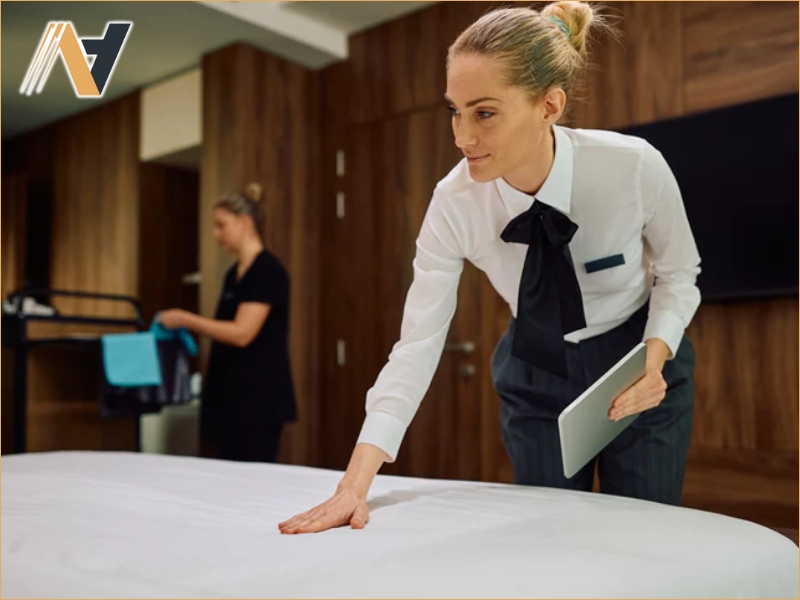
Maintaining hotel interiors requires a combination of daily care, preventive maintenance, professional cleaning, and well-trained staff to ensure long-lasting beauty and functionality. A structured maintenance strategy helps hotels preserve guest satisfaction and reduce long-term operational costs.
For hotels seeking durable and easy-to-maintain solutions, Ngoc Hoang Anh provides premium Vietnam hotel furniture designed to support long-term hospitality performance and interior quality.
Contact us today for expert consultation and bespoke hospitality furniture production.
-----
NGOC HOANG ANH TRADING COMPANY LIMITED
Tax Code: 3702874413
Address: No. 288/28/10 Huynh Van Luy Street, Zone 7, Phu Loi Ward, Ho Chi Minh City, Vietnam
Warehouse: No. 1/91, Thuan Giao 02 Street, Binh Thuan 2 Residential Quarter, Thuan Giao Ward, Ho Chi Minh City, Vietnam
Phone/Whatsapp/Wechat: +84342076666
Email: info@ngochoanganh.com.vn