How to Decorate an Empty Room to Create an Instant Impression
Thứ 4, 24/06/2026
Administrator
223
An empty room offers a blank canvas but also presents the challenge of creating impact without making the space feel overcrowded. Effective interior decoration is not simply about filling the room it is about building atmosphere, highlighting focal points, and balancing aesthetics with functionality. In this article, Ngoc Hoang Anh shares practical ideas to turn empty spaces into interiors that immediately impress guests.
1. Start With a Clear Design Direction Before Decorating
An empty room can either feel full of possibilities or difficult to shape without a clear plan. Before adding furniture or decorative pieces, defining a design direction helps create visual consistency and ensures every element contributes to a stronger first impression. A clear concept also prevents unnecessary additions and allows the room to feel more refined, spacious, and purposeful.
1.1 Define the Purpose and User Experience
Every successful interior starts by understanding how people will interact with the space. Whether the goal is relaxation, hospitality, social gathering, or premium accommodation, defining the expected experience helps determine furniture arrangement, decoration priorities, and the overall atmosphere.
1.2 Establish a Visual Theme Early
Selecting a visual identity at the beginning creates better coordination between materials, colors, furniture, and accessories. A unified design approach allows the room to appear more polished and creates a stronger emotional response when guests enter for the first time.
1.3 Create Balance Between Function and Aesthetics
A room that looks impressive but lacks comfort quickly loses its appeal. Combining practical layouts with thoughtful styling allows the space to remain visually attractive while supporting daily activities and creating a more enjoyable overall experience.
2. Build Strong First Impressions Through Key Interior Elements
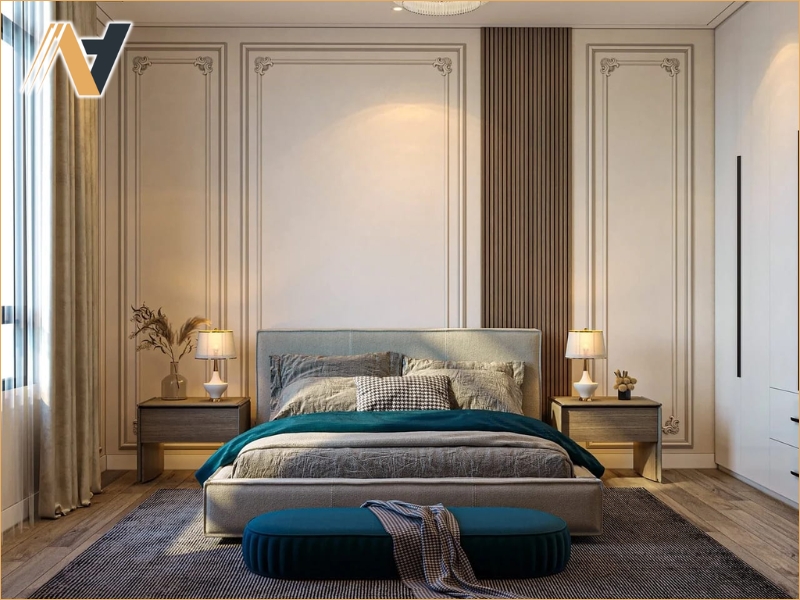
When guests enter a room, their impression is often formed within seconds through what they immediately see and feel. Strategic use of visual focal points, lighting, textures, and color allows an empty room to appear complete, welcoming, and memorable without relying on excessive decoration or unnecessary furnishings.
2.1 Create a Distinctive Focal Point
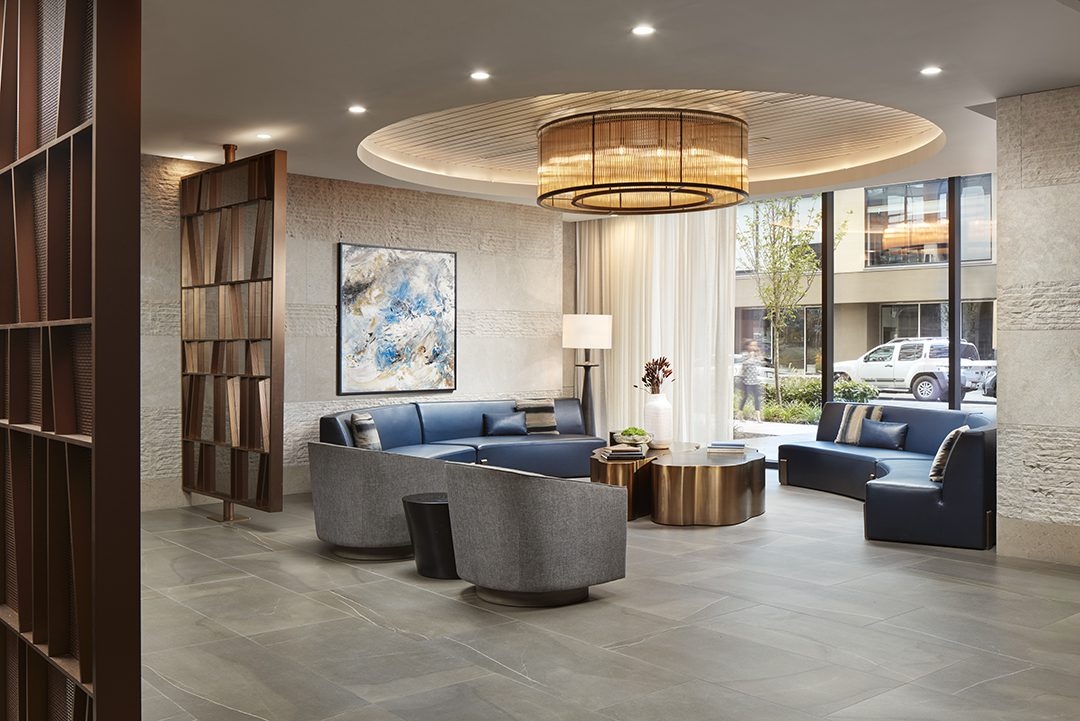
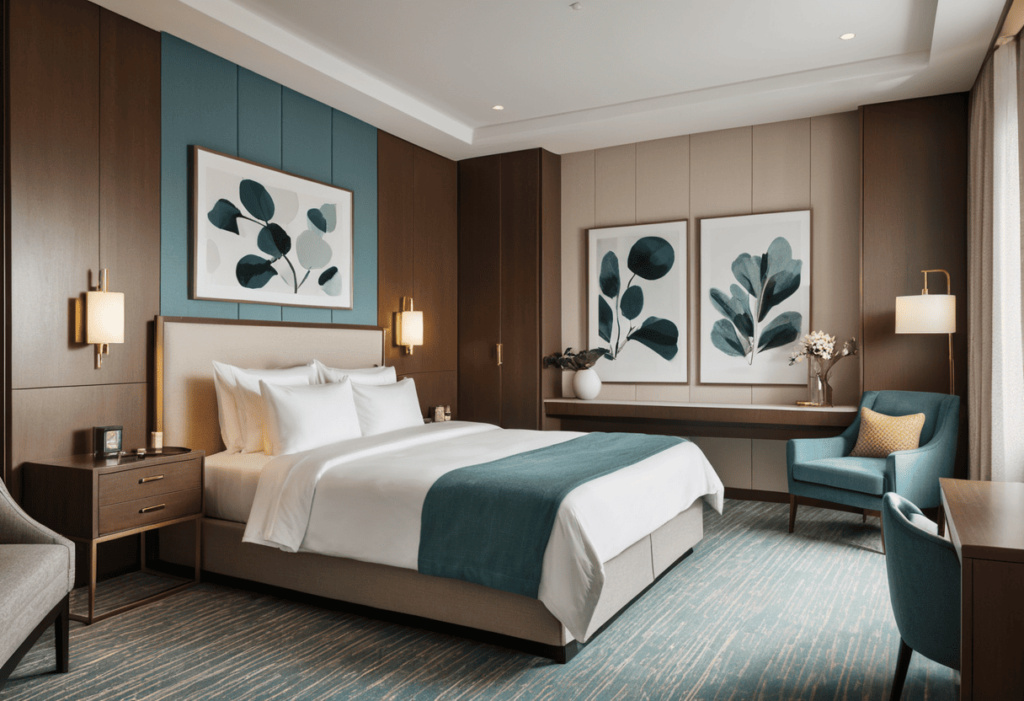
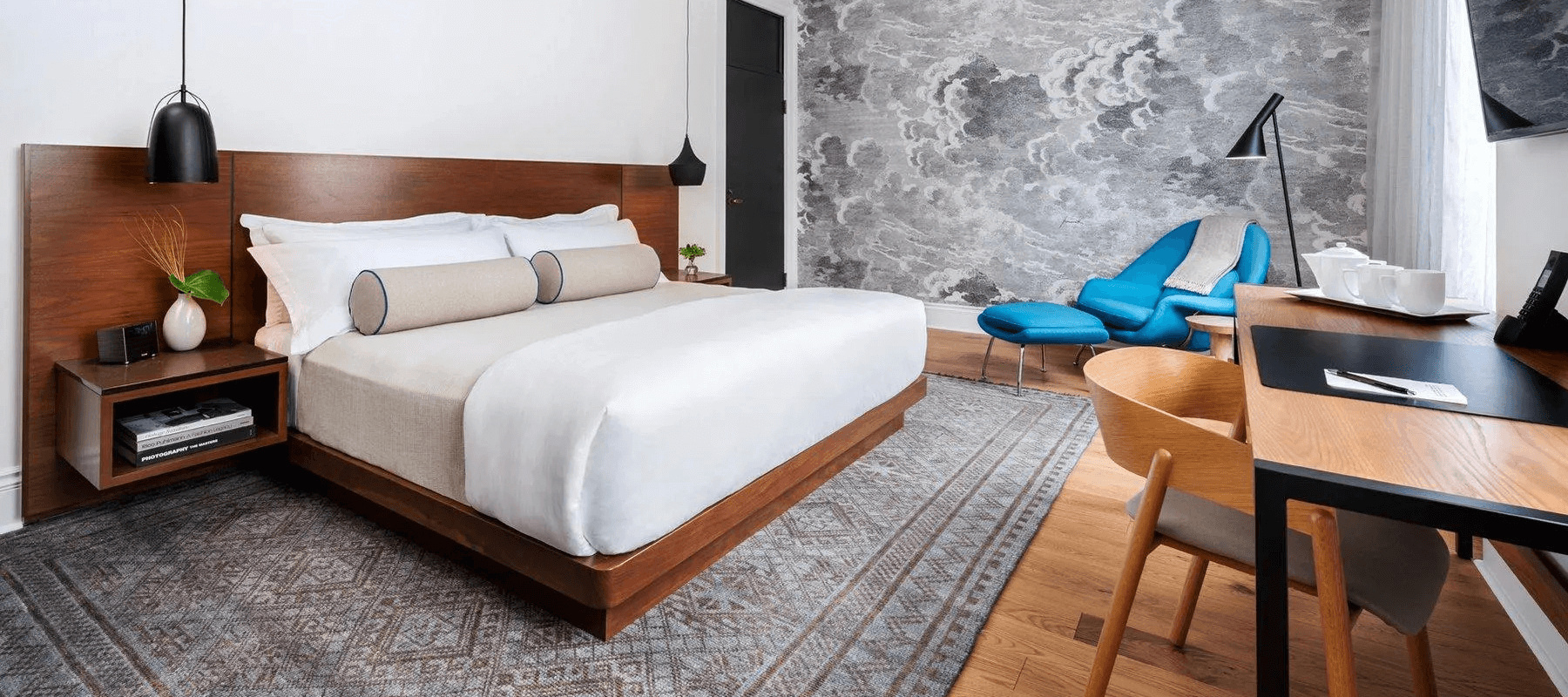
Every impressive room benefits from having one visual element that naturally attracts attention. This focal point may come from a feature wall, statement furniture piece, artwork, architectural detail, or decorative installation that gives the room a stronger identity and creates an immediate sense of interest.
2.2 Use Lighting to Set the Atmosphere
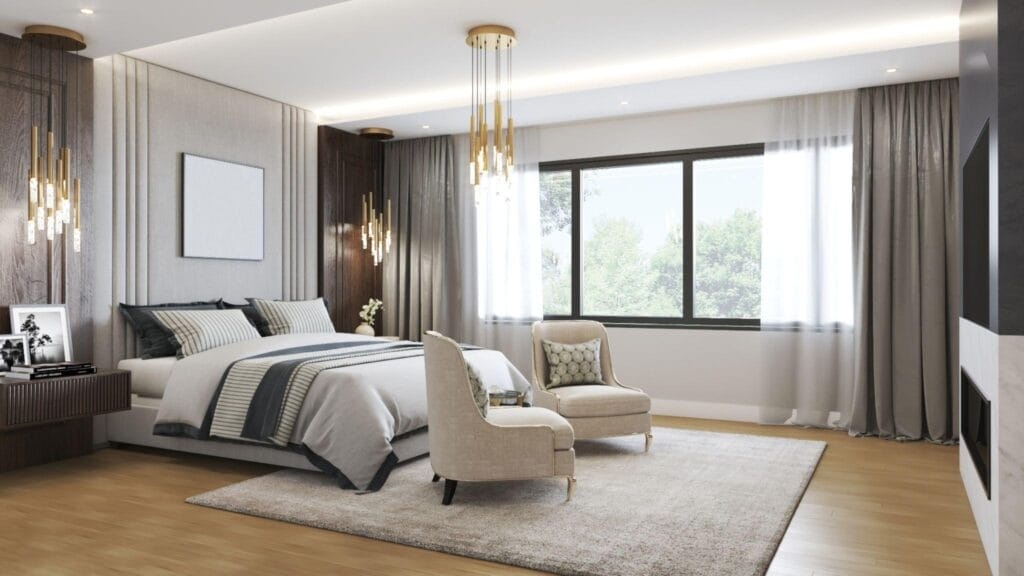
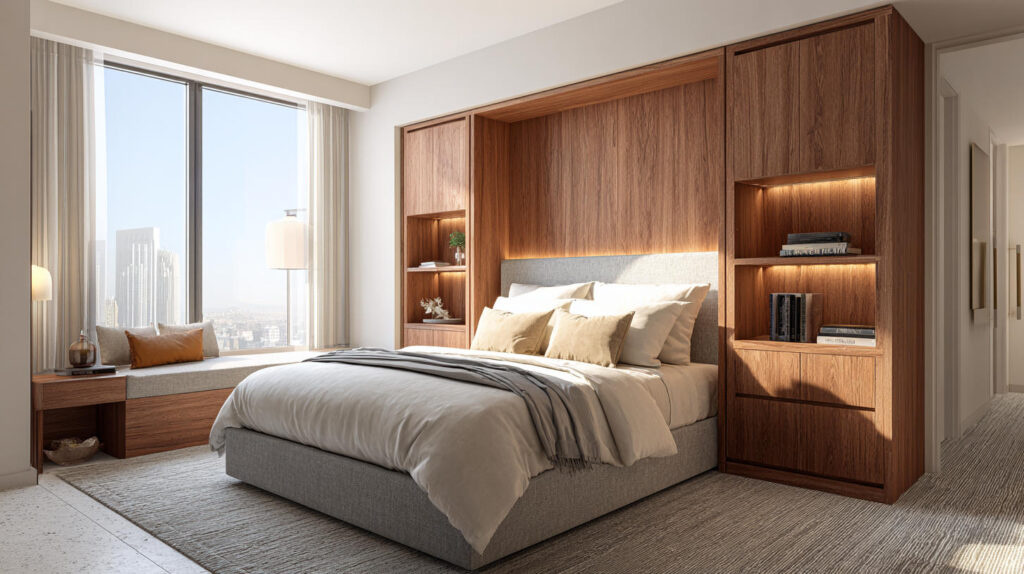
Lighting plays a major role in shaping how a room feels the moment someone enters. Combining ambient lighting with accent and functional lighting creates depth, highlights important design elements, and makes the space appear warmer, more comfortable, and visually refined.
2.3 Introduce Texture and Material Contrast
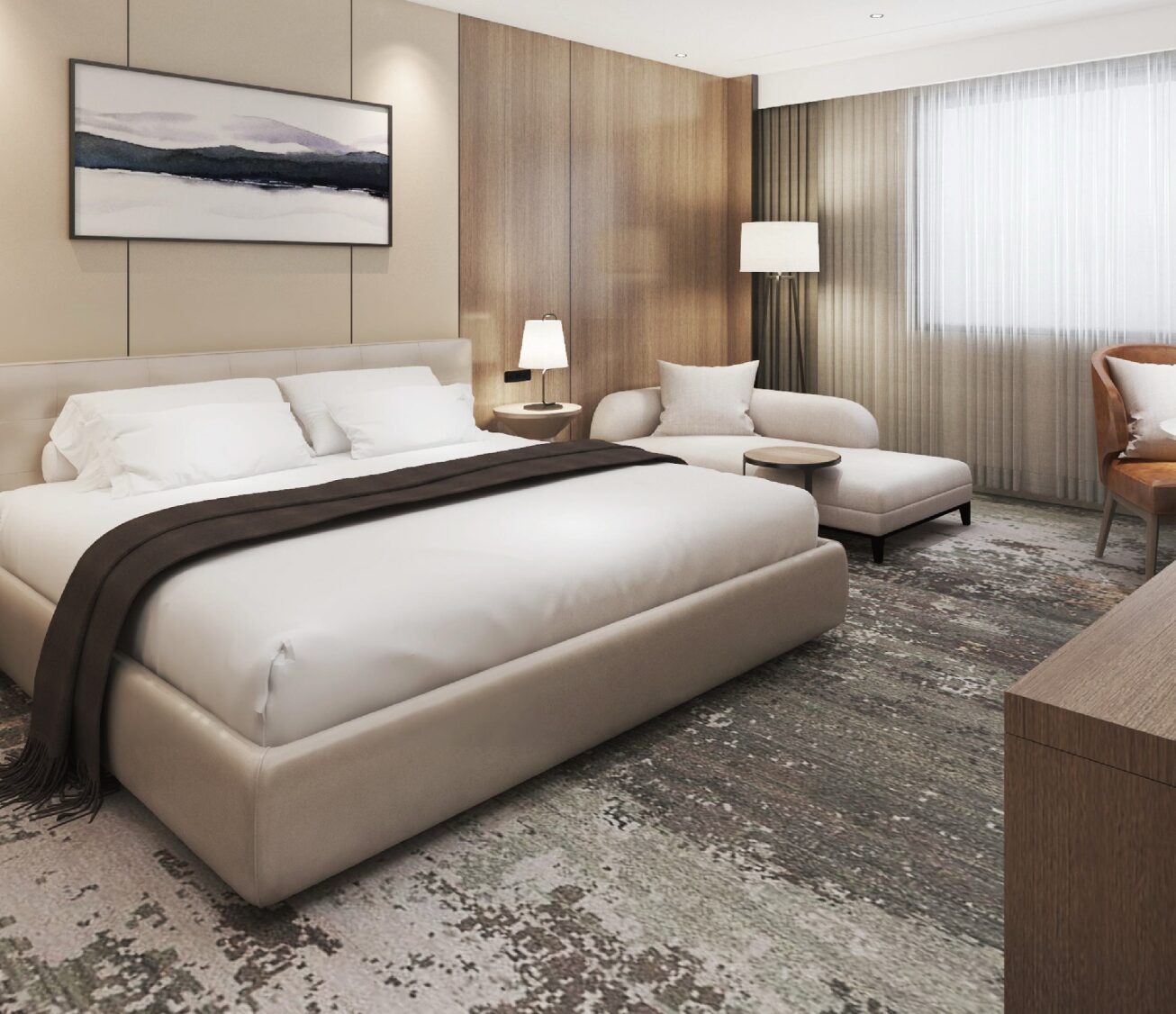
Mixing textures and materials adds dimension and prevents empty rooms from feeling flat or unfinished. Combining soft fabrics, natural surfaces, reflective finishes, and layered materials creates richer visual experiences and enhances the perceived quality of the interior.
2.4 Apply Color Strategically
Color selection influences both emotional response and spatial perception. Using a controlled palette with balanced accents helps establish mood, strengthen visual harmony, and create interiors that feel sophisticated while maintaining a welcoming atmosphere.
3. Arrange Furniture to Maximize Comfort and Visual Appeal
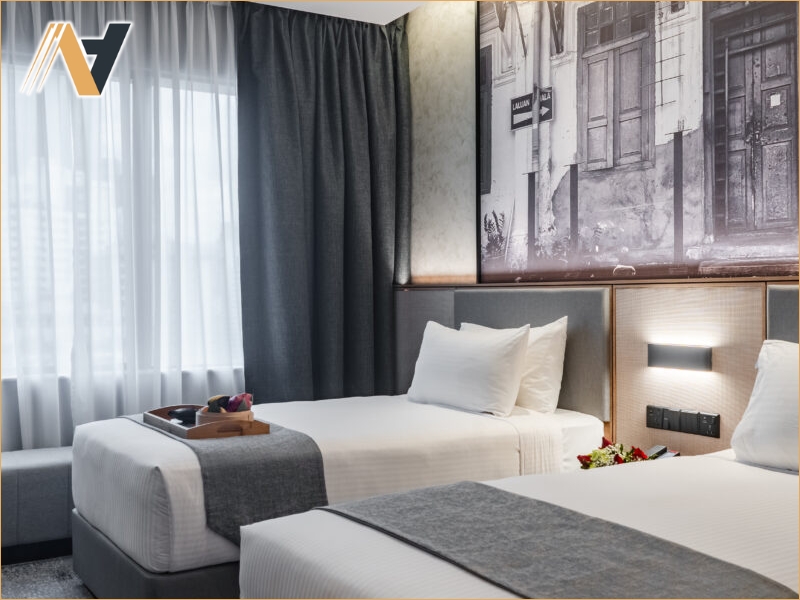
Furniture arrangement has a major influence on how an empty room is perceived and experienced. Even with high-quality pieces, an unbalanced layout can make the space feel crowded or incomplete. Strategic furniture placement helps create stronger visual order, improve comfort, and make the room feel naturally inviting from the first glance.
3.1 Select Furniture With Intent
Every furniture piece should have a clear role in supporting both appearance and functionality. Instead of filling the room with unnecessary items, focus on selecting furniture that contributes to comfort, strengthens the design concept, and enhances the overall experience of the space.
3.2 Maintain Open and Comfortable Circulation
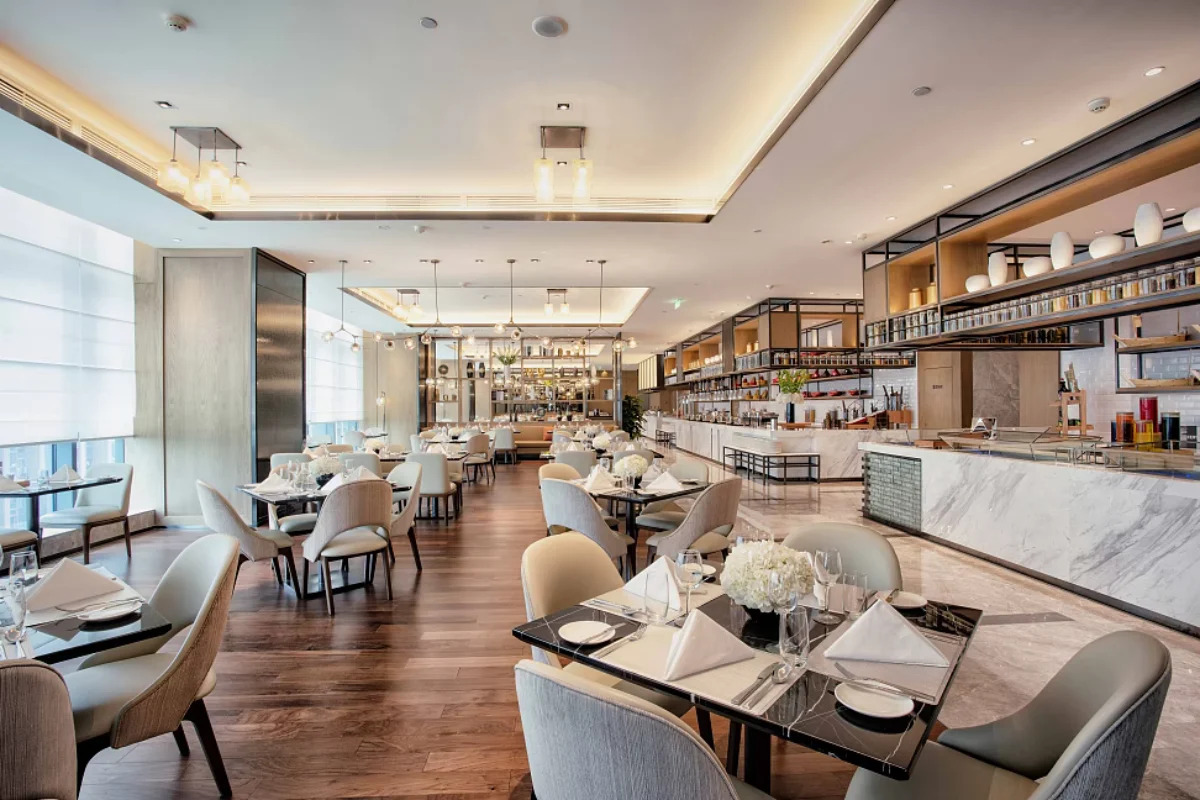
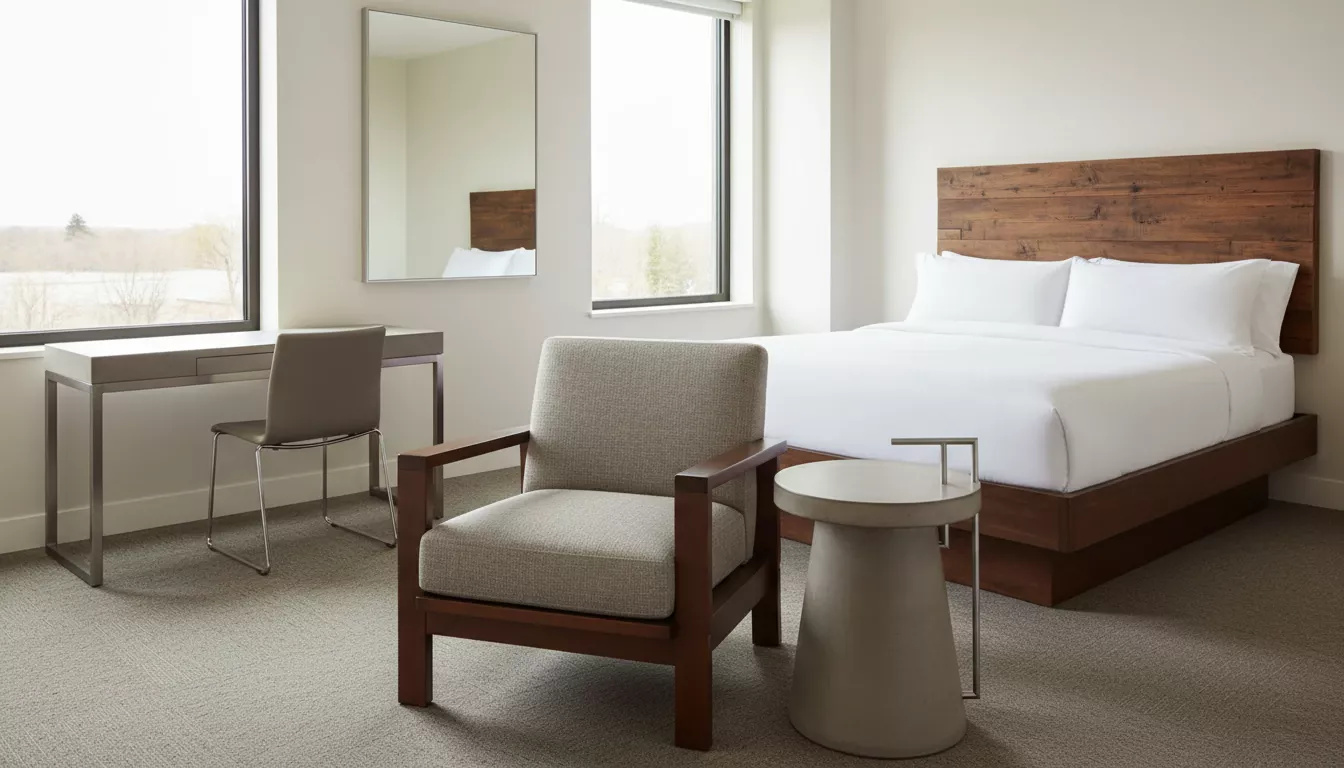
An impressive room should feel easy to move through and comfortable to use. Keeping circulation paths clear and avoiding excessive furniture density helps create a more spacious atmosphere while improving convenience and visual balance throughout the interior.
3.3 Balance Empty Areas and Decorative Elements
Leaving intentional open space is just as important as choosing decorative details. A balanced relationship between furniture, accessories, and empty areas prevents visual overload and allows important design elements to stand out more effectively, creating a refined and premium impression.
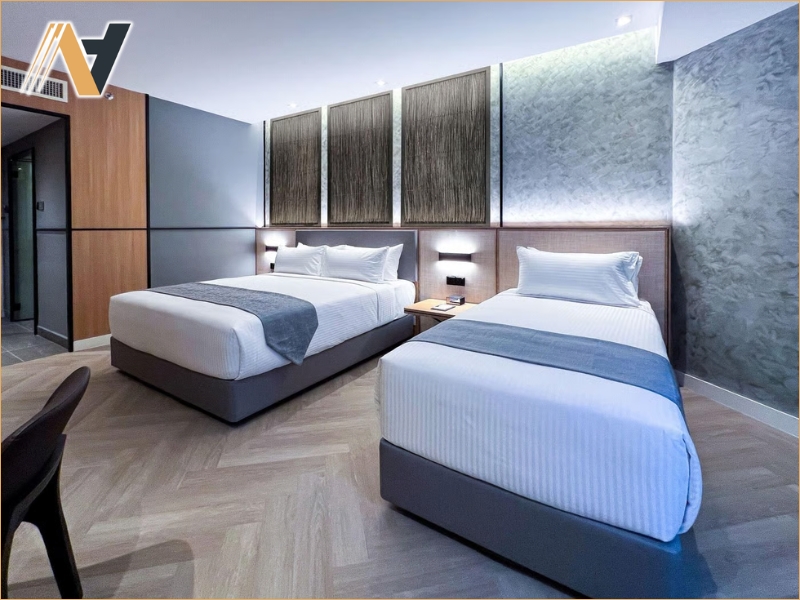
4. Add Details That Make the Space Memorable
Once the main layout and furniture arrangement are complete, carefully selected finishing details help transform an ordinary room into a space that guests remember instantly. Decorative layers, natural accents, and sensory elements create emotional impact and make interiors feel more complete, comfortable, and visually engaging.
4.1 Style Decorative Accessories Thoughtfully
Decorative objects should support the overall design concept instead of competing for attention. Artwork, cushions, mirrors, decorative trays, and curated accessories help reinforce the room’s identity while adding personality and visual refinement without overwhelming the space.
4.2 Integrate Natural Elements Into the Room
Natural details introduce warmth and create a more welcoming atmosphere. Indoor plants, organic textures, wood finishes, and nature-inspired materials soften the interior and help empty rooms feel more comfortable and emotionally connected.
4.3 Use Layering Techniques for a Premium Feel
Layering different interior elements creates depth and makes rooms appear more complete and sophisticated. Combining textiles, textures, lighting, and decorative accents in balanced proportions enhances comfort while delivering a richer visual experience.
4.4 Refresh the Space Through Sensory Design
A memorable room experience extends beyond appearance alone. Lighting atmosphere, material touch, spatial openness, and subtle environmental details contribute to creating a stronger emotional impression that guests notice immediately upon entering the space.
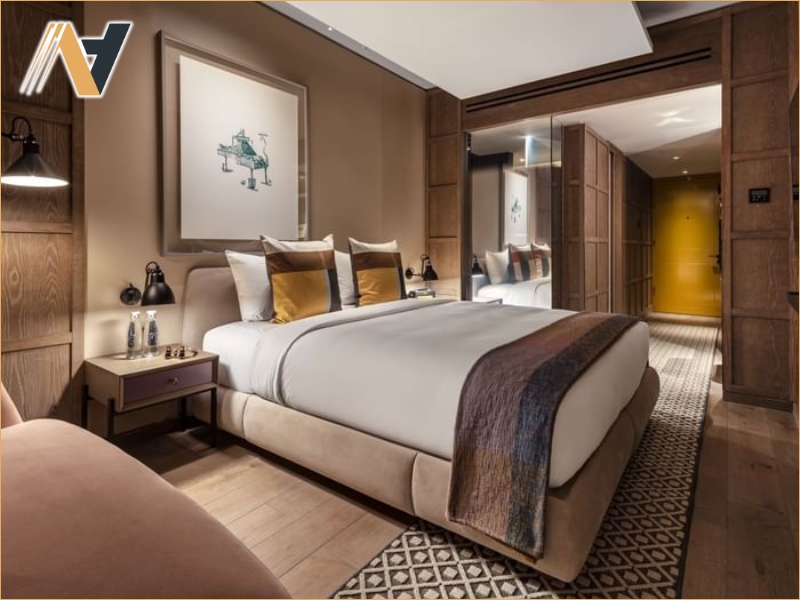
5. Design for Lasting Impressions and Practical Use
Creating an impressive room is not only about achieving an attractive first look but also ensuring the space remains comfortable, functional, and visually appealing over time. A successful interior combines memorable design with practical decisions so that guests continue to enjoy the environment beyond the initial impression.
5.1 Maintain Simplicity Without Losing Character
Rooms often feel more impressive when design choices are intentional rather than excessive. Limiting unnecessary decorative elements while emphasizing a few carefully selected features creates cleaner aesthetics, stronger identity, and a more sophisticated overall atmosphere.
5.2 Keep Interiors Adaptable and Easy to Update
Flexible interiors allow rooms to evolve without requiring complete redesigns. Selecting adaptable furniture, modular accessories, and timeless design foundations makes it easier to refresh the space while maintaining visual consistency and long-term usability.
5.3 Prioritize Long-Term Interior Quality
An impressive room should preserve its appearance and performance through regular use. Choosing durable furniture, easy-maintenance materials, and quality finishing details helps maintain the overall experience and ensures the space continues to create positive impressions over time.
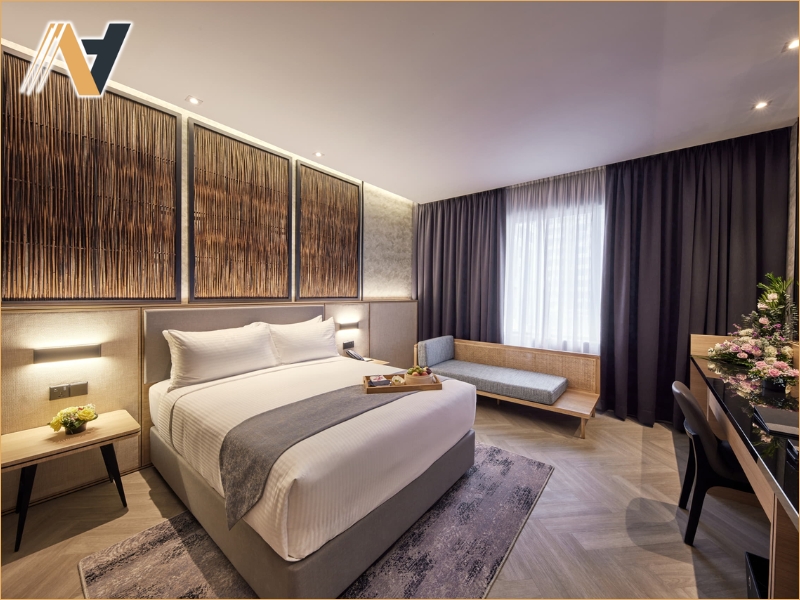
Conclusion
Decorating an empty room successfully means creating spaces that immediately attract attention while remaining comfortable and functional. Through thoughtful styling, strategic furniture placement, and carefully selected details, interiors can deliver stronger impressions and more memorable experiences.
For projects seeking refined and customized interior solutions, Ngoc Hoang Anh provides premium Vietnam hotel furniture designed to elevate interior quality and long-term hospitality performance.
Contact us today for expert consultation and bespoke hospitality furniture production.
-----
NGOC HOANG ANH TRADING COMPANY LIMITED
Tax Code: 3702874413
Address: No. 288/28/10 Huynh Van Luy Street, Zone 7, Phu Loi Ward, Ho Chi Minh City, Vietnam
Warehouse: No. 1/91, Thuan Giao 02 Street, Binh Thuan 2 Residential Quarter, Thuan Giao Ward, Ho Chi Minh City, Vietnam
Phone/Whatsapp/Wechat: +84342076666
Email: info@ngochoanganh.com.vn