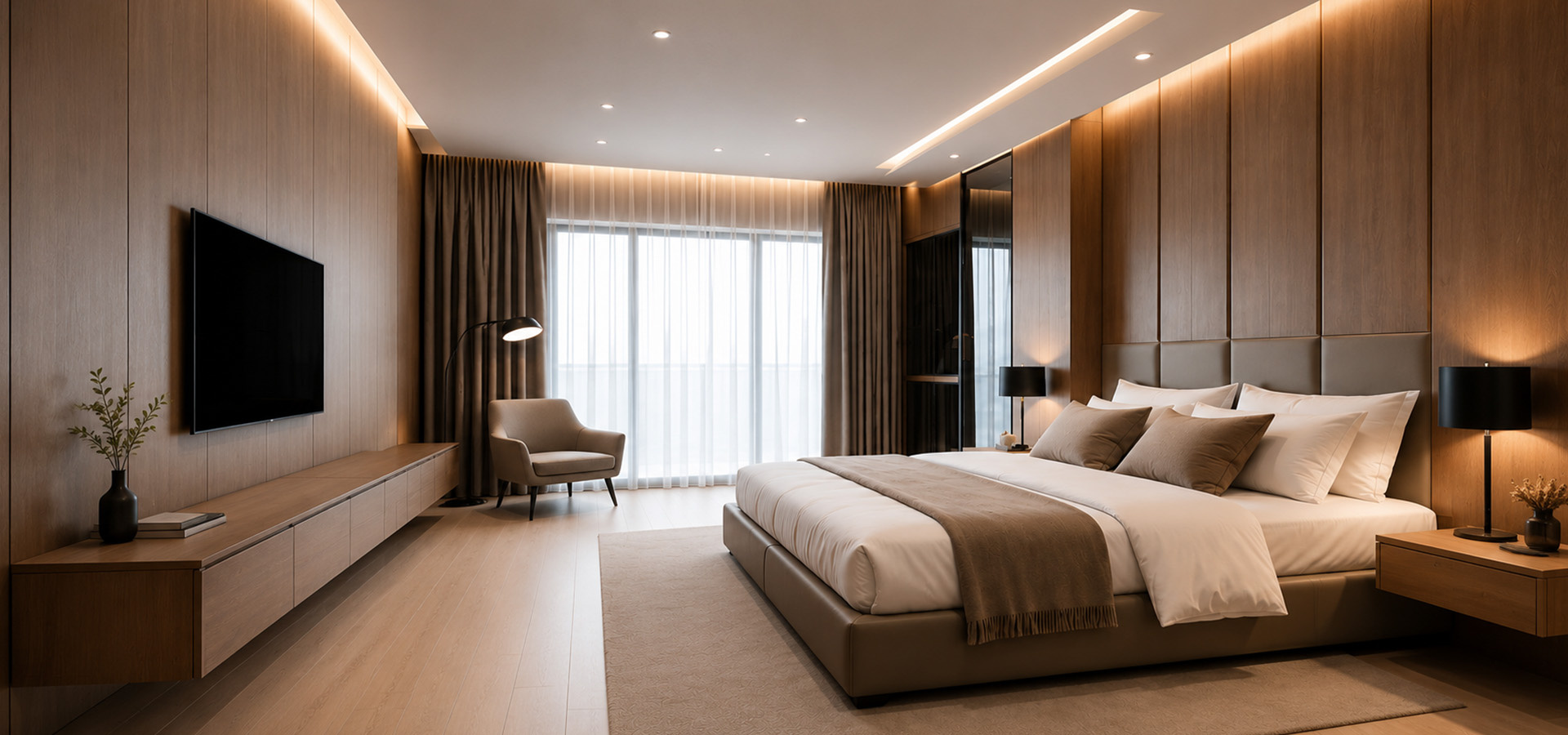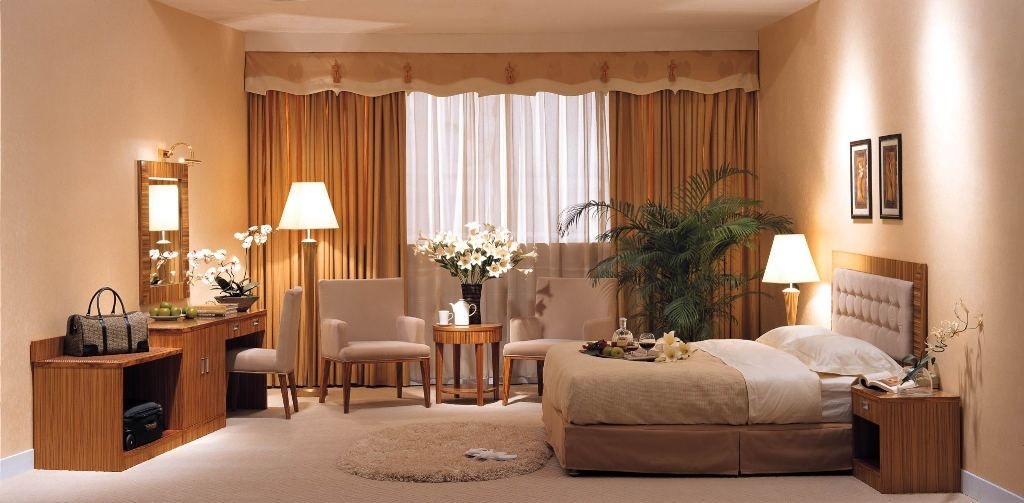
How to Create Interior Focal Points That Make Hotels More Memorable
Thứ 4, 05/08/2026
Administrator
147
Creating memorable interior focal points is an effective way for hotels to differentiate their brand and enhance guest experiences. In this article, Ngoc Hoang Anh explores practical design strategies that help hotel interiors stand out while maintaining functionality, elegance, and long-term visual appeal.
1. Why Interior Focal Points Matter in Hotel Design
Interior focal points are essential in hotel design because they shape how guests perceive a space from the moment they arrive. Beyond enhancing visual appeal, carefully designed focal points create emotional connections, strengthen brand recognition, and make the overall hospitality experience more memorable. When thoughtfully integrated, these standout features help hotels differentiate themselves in an increasingly competitive market.
1.1 Creating a strong first impression
The first few moments of a guest's arrival have a lasting impact on their overall perception of the hotel. Eye-catching elements such as a grand reception desk, feature wall, or statement lighting immediately attract attention, setting the tone for a premium hospitality experience and creating a welcoming atmosphere.
1.2 Strengthening hotel brand identity
Distinctive interior focal points communicate the hotel's personality and reinforce its brand identity. Whether inspired by modern minimalism, local culture, or luxury aesthetics, signature design features help guests recognize and remember the property, creating a stronger emotional association with the brand.
1.3 Enhancing the guest experience through memorable spaces
Memorable interiors encourage guests to engage more deeply with the hotel environment. Well-designed focal points create visually appealing spaces for relaxation, social interaction, and photography, increasing guest satisfaction while also generating valuable social media exposure and positive word-of-mouth recommendations.
2. Using Statement Furniture as Visual Highlights
Statement furniture plays a significant role in creating memorable hotel interiors by serving as both functional elements and visual centerpieces. Carefully designed furniture can instantly capture guests' attention, reinforce the hotel's design concept, and establish a distinctive identity that differentiates the property from competitors.
2.1 Signature reception desks and lobby furniture
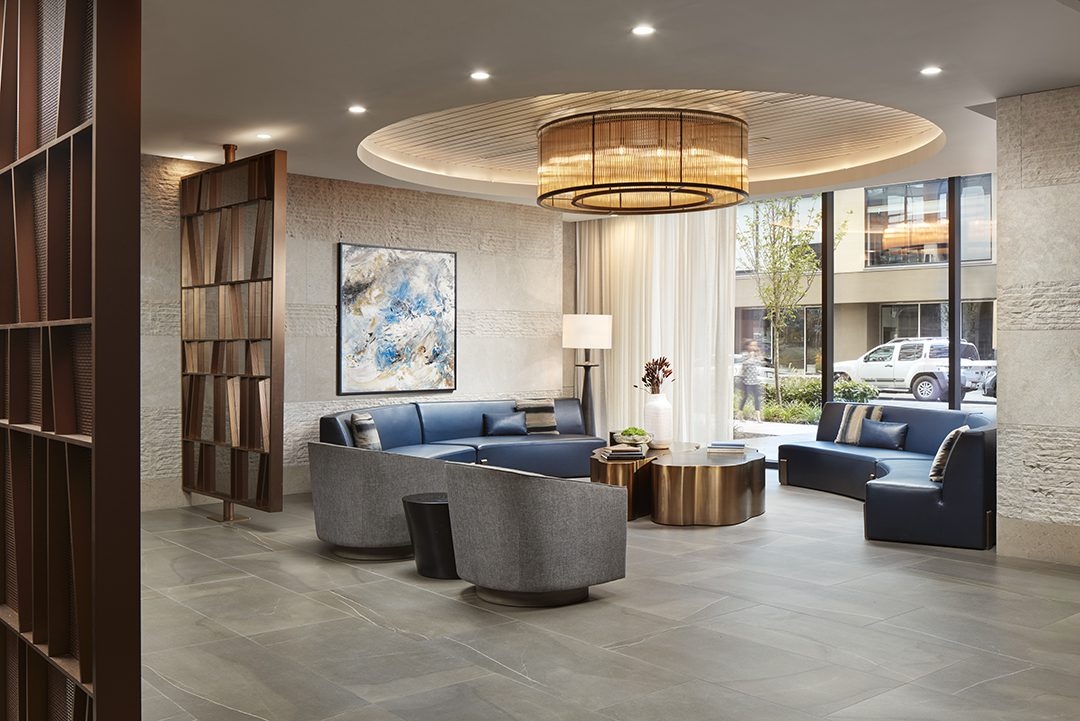
The reception area is often the first interior space guests experience, making the reception desk a natural focal point. A custom-designed reception counter combined with elegant lounge seating creates a strong visual statement, enhances the arrival experience, and immediately communicates the hotel's quality and brand character.
2.2 Bespoke furniture in guest rooms
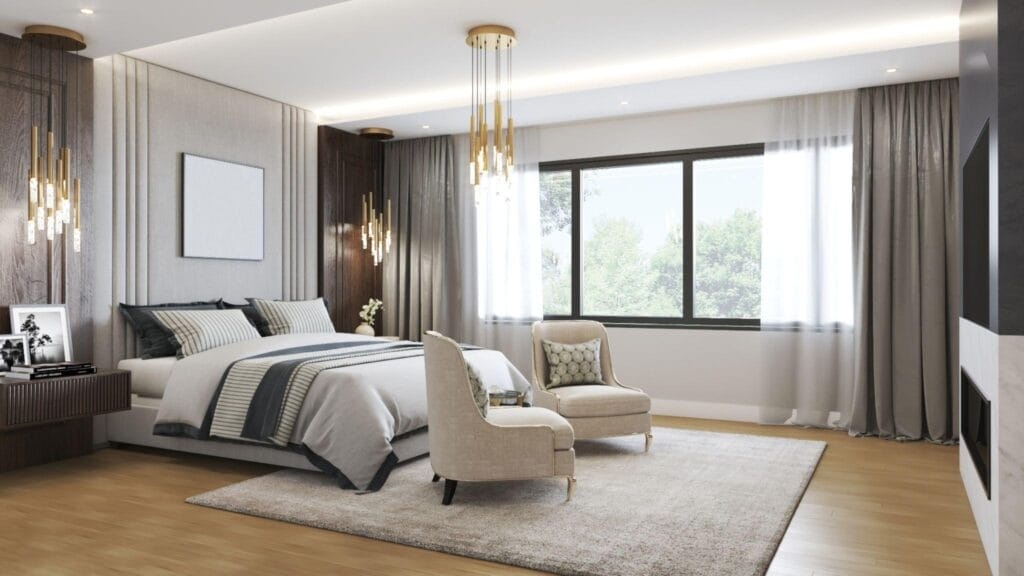
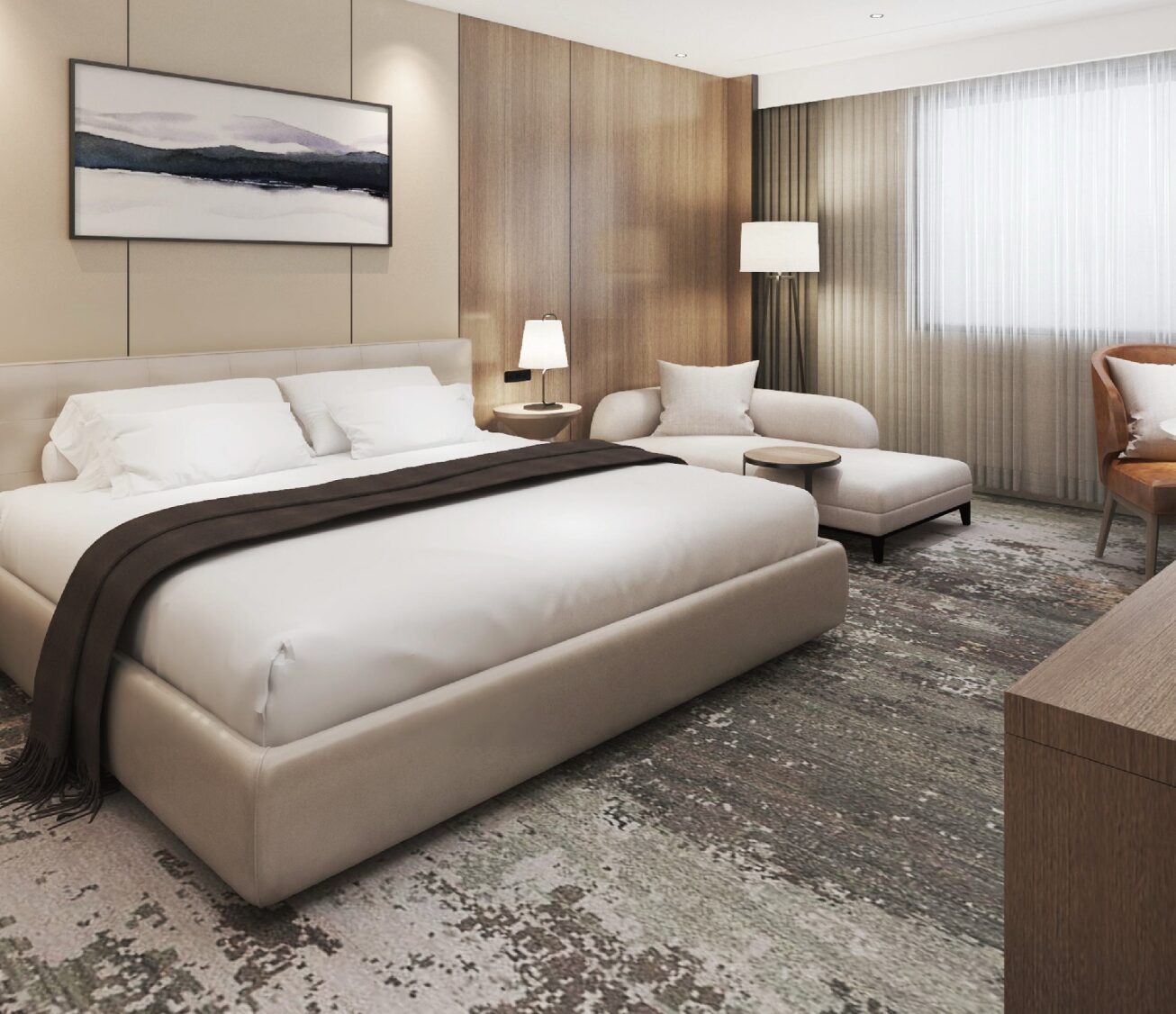
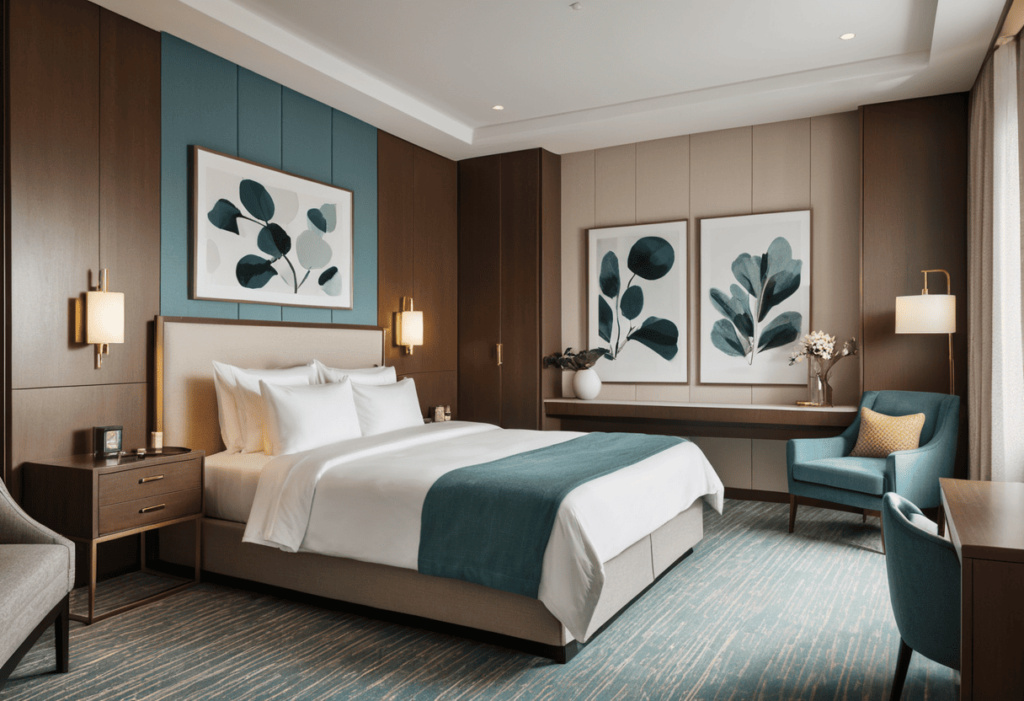
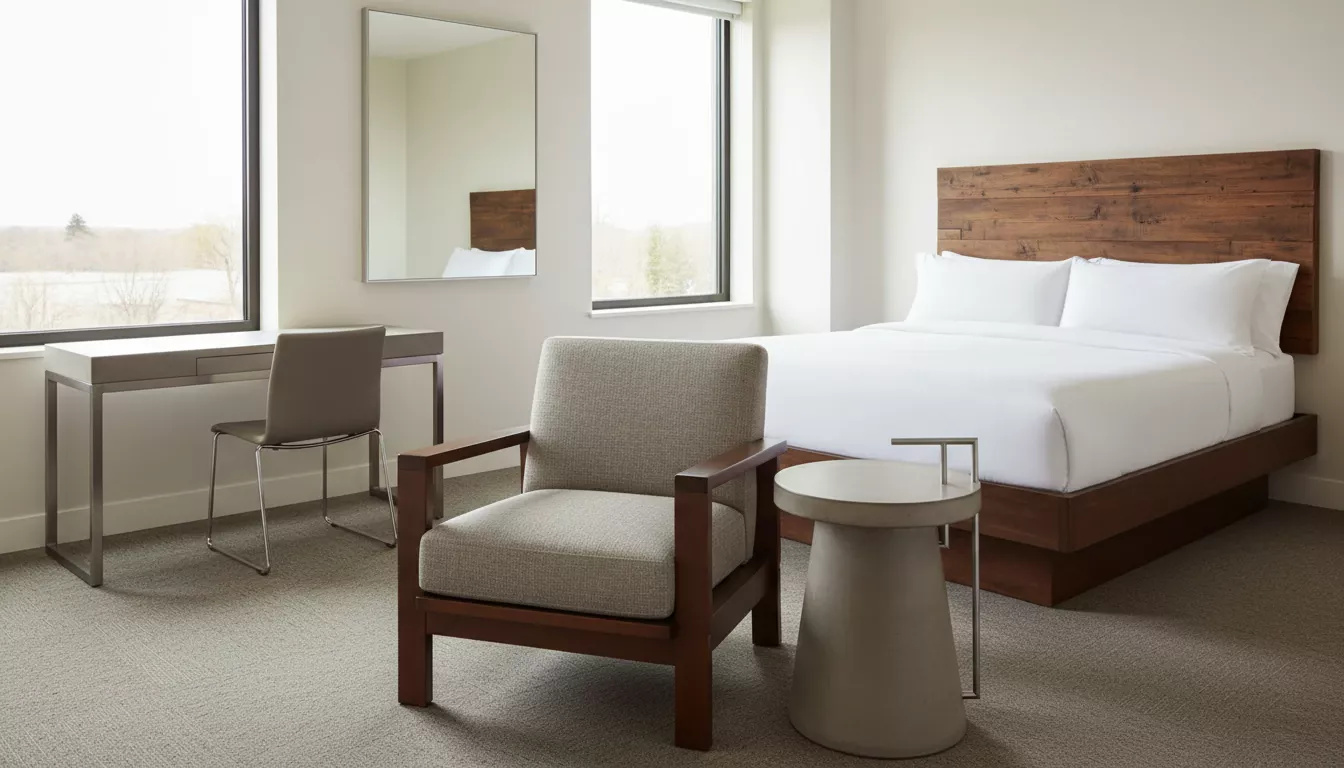
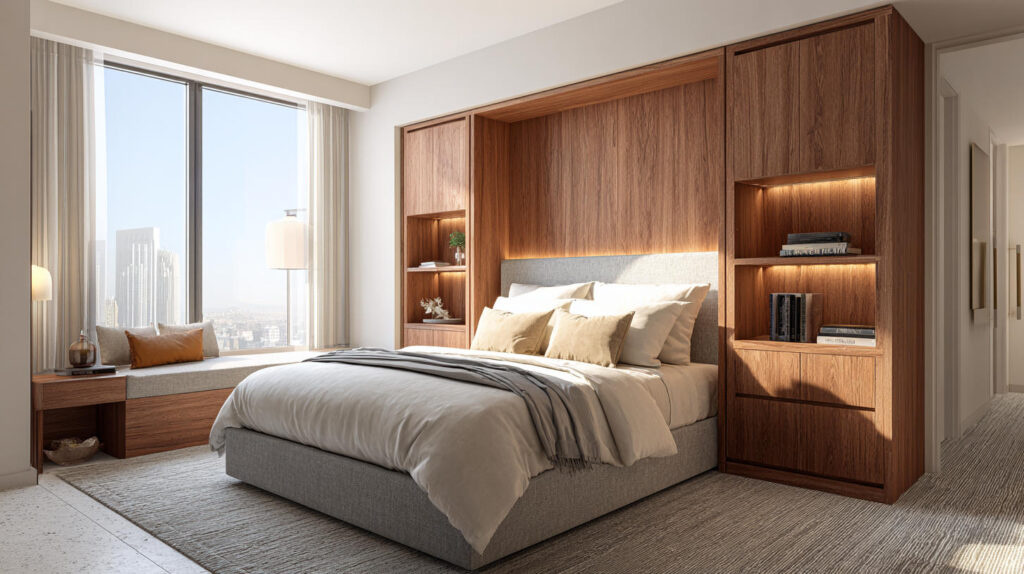
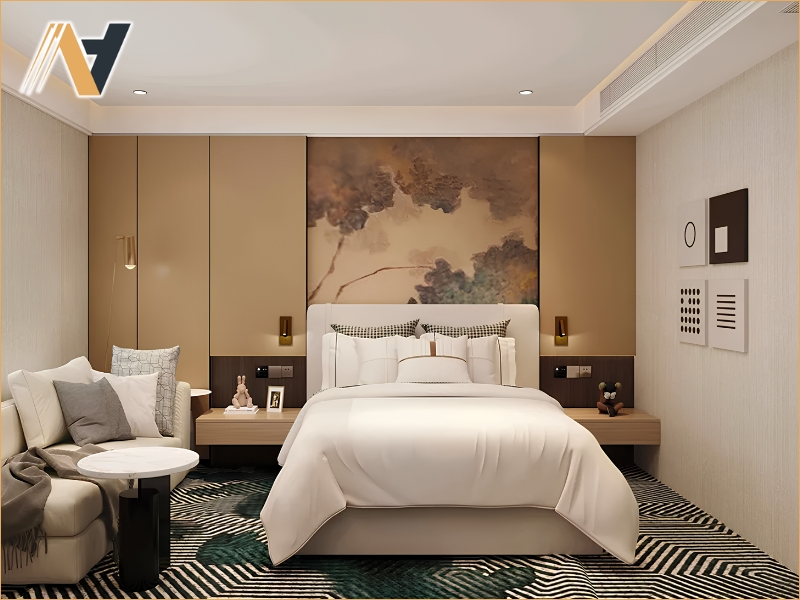
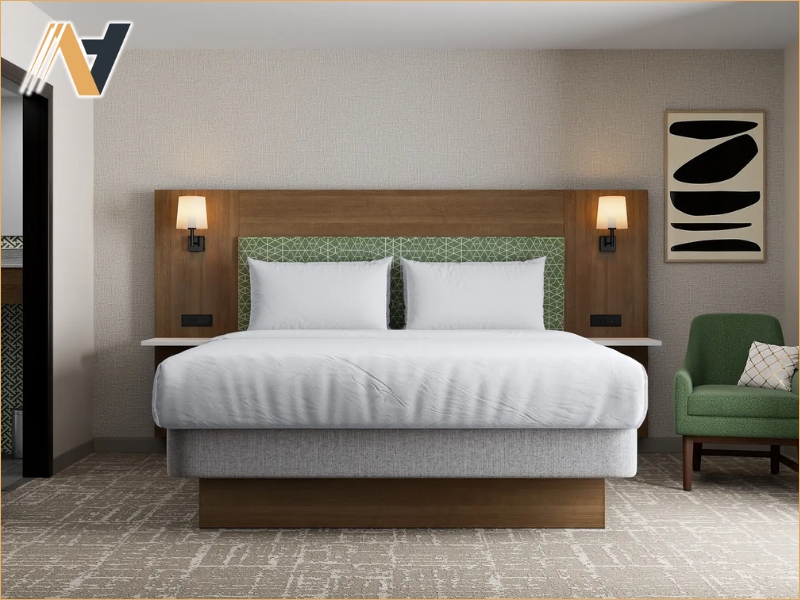
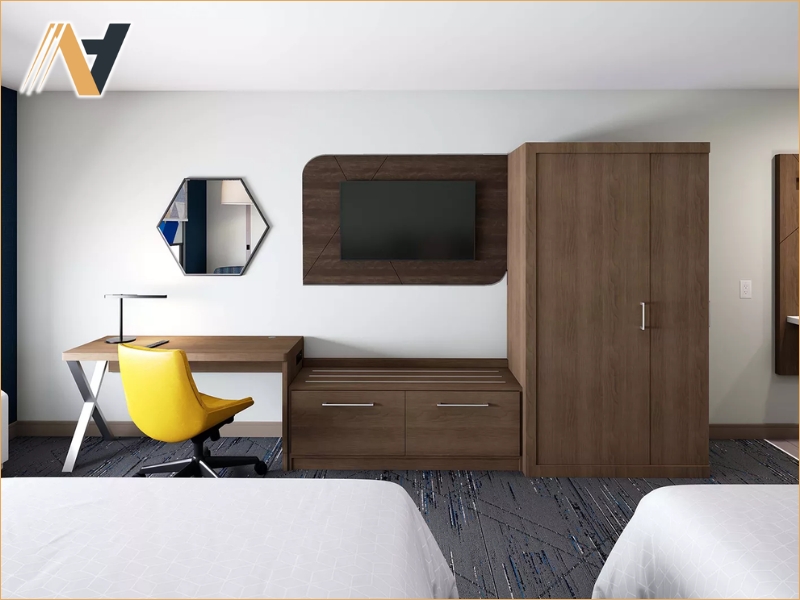
Custom furniture such as upholstered headboards, designer wardrobes, and unique bedside tables helps create a personalized atmosphere within guest rooms. These tailored pieces not only improve functionality but also contribute to a cohesive interior concept that enhances comfort and leaves a lasting impression on visitors.
2.3 Artistic furniture with functional value
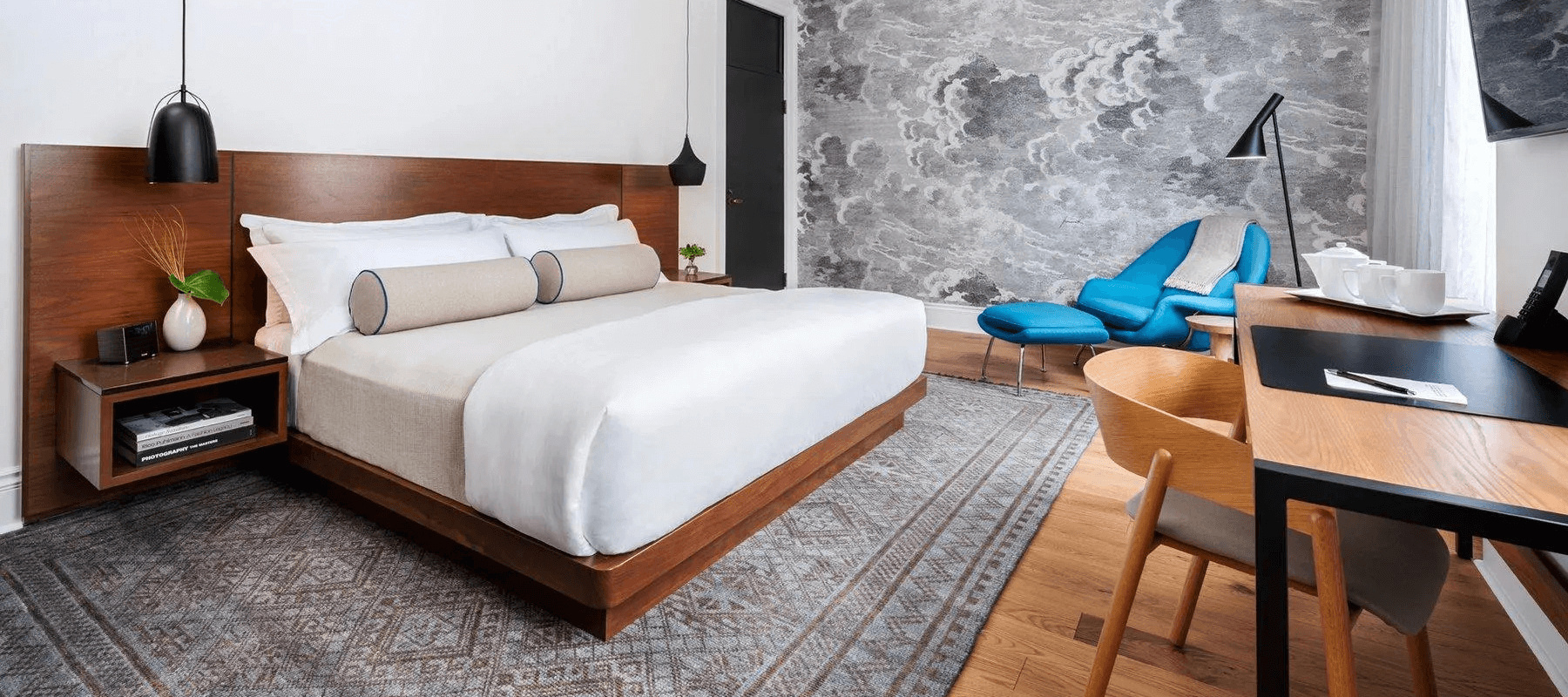
Furniture that combines artistic expression with everyday practicality adds distinctive character to hotel interiors. Sculptural lounge chairs, uniquely shaped coffee tables, or custom shelving units become conversation pieces while continuing to serve practical hospitality needs, achieving a perfect balance between aesthetics and functionality.
.jpg)
3. Incorporating Lighting to Emphasize Key Spaces
Lighting is one of the most effective design tools for creating interior focal points in hotels. Beyond providing illumination, strategic lighting highlights architectural features, enhances decorative elements, and guides guests' attention toward the most important areas of the space. A well-planned lighting design adds depth, elegance, and a memorable atmosphere that elevates the overall hospitality experience.
3.1 Decorative lighting fixtures as focal points
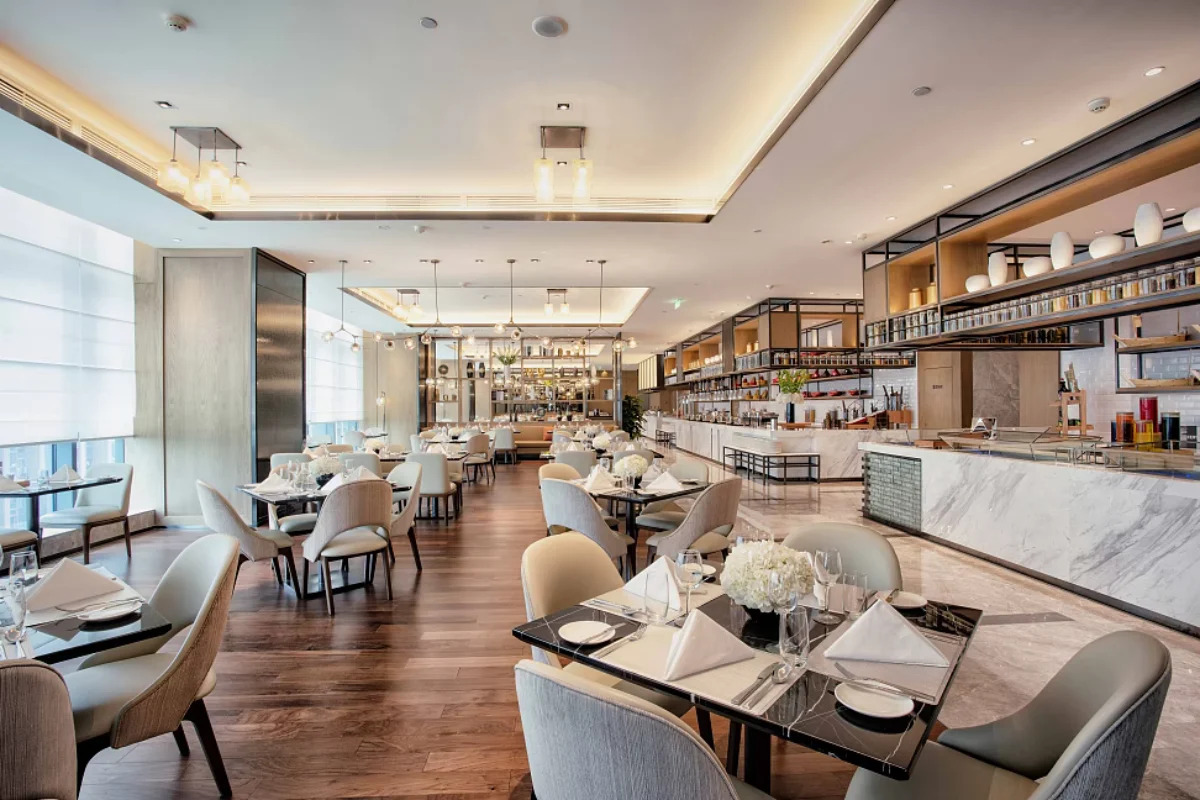
Large chandeliers, sculptural pendant lights, and designer lighting installations can become iconic features within hotel interiors. Positioned in lobbies, atriums, or dining areas, these statement fixtures immediately capture attention while reinforcing the hotel's luxury positioning and creating a dramatic visual impact.
3.2 Accent lighting for architectural details
Accent lighting is used to emphasize feature walls, artwork, textured materials, and architectural elements that define the hotel's character. By directing light precisely where it is needed, designers can create visual hierarchy, add dimension, and draw guests' attention to carefully curated interior highlights.
3.3 Layered lighting for visual depth
Combining ambient, task, and accent lighting creates a layered illumination strategy that enhances both functionality and aesthetics. This approach allows different areas of the hotel to feel more dynamic and inviting while ensuring that focal points stand out naturally without overwhelming the surrounding interior design.
4. Integrating Art, Materials, and Decorative Features
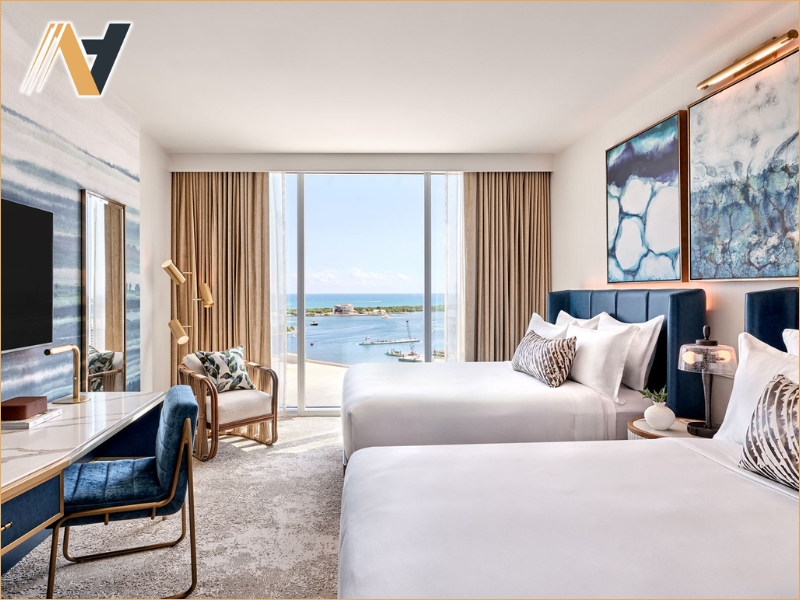
Artistic elements, premium materials, and carefully selected decorative features help transform ordinary hotel interiors into memorable hospitality environments. When thoughtfully integrated, these design components create distinctive focal points that reflect the hotel's identity, enrich the guest experience, and add lasting visual value without compromising functionality.
4.1 Large-scale artwork and feature walls
Oversized artwork, murals, or feature walls immediately attract attention and establish a unique visual identity for the hotel. Positioned in lobbies, corridors, or guest rooms, these elements create memorable landmarks that enhance the overall atmosphere while encouraging guests to engage with and remember the space.
4.2 Premium materials with unique textures
Natural stone, wood, metal, glass, and textured fabrics add depth and sophistication to hotel interiors. Combining materials with contrasting finishes creates rich visual layers that enhance perceived quality, making spaces feel more luxurious while reinforcing the overall interior design concept.
4.3 Local cultural elements in contemporary design
Incorporating regional craftsmanship, traditional patterns, or locally inspired decorative pieces gives hotel interiors a stronger sense of place. Blending cultural references with modern design creates authentic experiences that help guests connect with the destination while giving the property a distinctive and memorable identity.
5. Maintaining Balance Between Visual Impact and Functionality
Creating memorable interior focal points should never compromise the practicality and comfort of hotel spaces. The most successful hospitality interiors achieve a balance between striking aesthetics and everyday functionality, ensuring that standout design features enhance the guest experience while supporting efficient hotel operations.
5.1 Avoiding excessive decorative elements
Too many decorative features can make hotel interiors appear cluttered and distract from the intended focal point. Instead, designers should emphasize one or two signature elements in each space, allowing them to stand out naturally while maintaining a clean, elegant, and visually balanced environment.
5.2 Ensuring harmony with the overall interior concept
Every focal point should complement the hotel's overall design language rather than compete with it. Furniture, lighting, artwork, materials, and color palettes should work together cohesively to reinforce the property's identity, creating a seamless and sophisticated hospitality experience throughout the hotel.
5.3 Designing memorable yet practical hospitality spaces
A successful focal point combines visual appeal with long-term usability. Furniture and decorative elements should be durable, easy to maintain, and suitable for high-traffic hospitality environments. This approach ensures that hotels can preserve their distinctive character while minimizing maintenance costs and delivering a consistently high-quality guest experience.
Conclusion
Creating distinctive interior focal points is an effective way for hotels to strengthen their brand identity and leave a lasting impression on guests. By combining statement furniture, strategic lighting, premium materials, and thoughtfully curated decorative elements, hotels can build memorable spaces that balance visual impact with everyday functionality.
For hospitality projects seeking customized interior solutions, Ngoc Hoang Anh provides Vietnam hotel furniture OEM services with bespoke furniture designed to complement unique design concepts, helping hotels create signature interiors that enhance guest experience and long-term brand value.
-----
NGOC HOANG ANH TRADING COMPANY LIMITED
Tax Code: 3702874413
Address: No. 288/28/10 Huynh Van Luy Street, Zone 7, Phu Loi Ward, Ho Chi Minh City, Vietnam
Warehouse: No. 1/91, Thuan Giao 02 Street, Binh Thuan 2 Residential Quarter, Thuan Giao Ward, Ho Chi Minh City, Vietnam
Phone/Whatsapp/Wechat: +84342076666
Email: info@ngochoanganh.com.vn