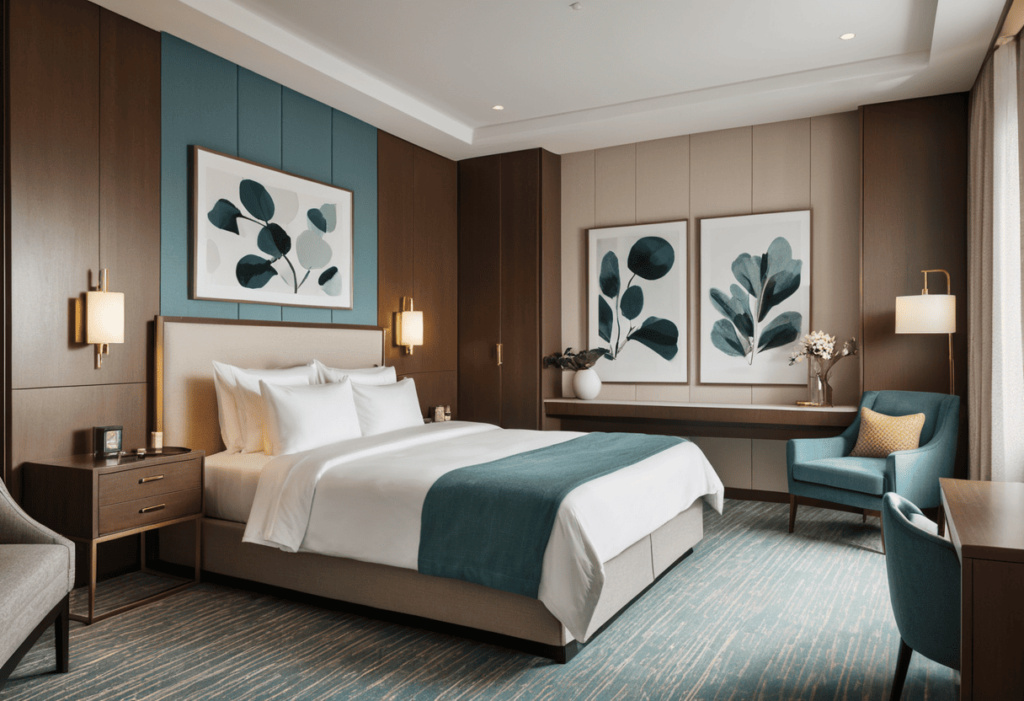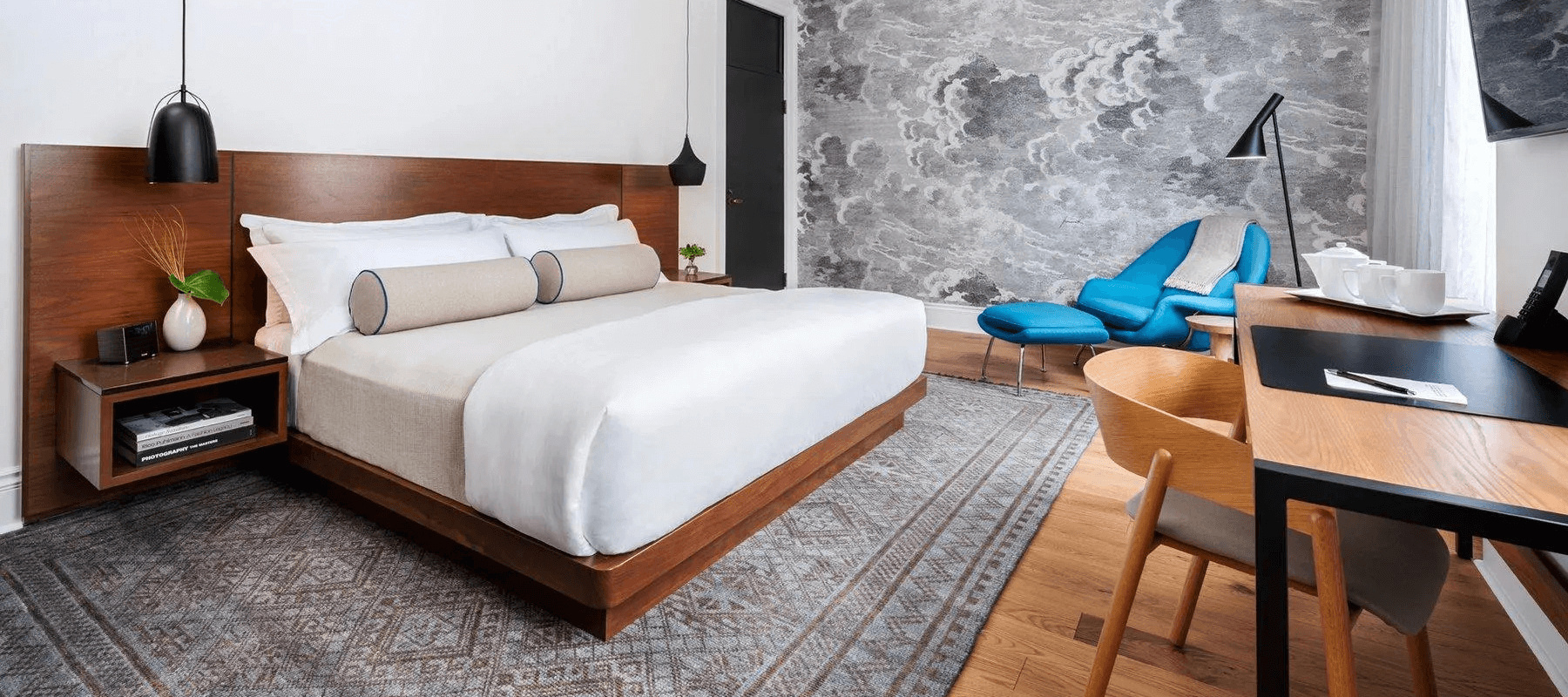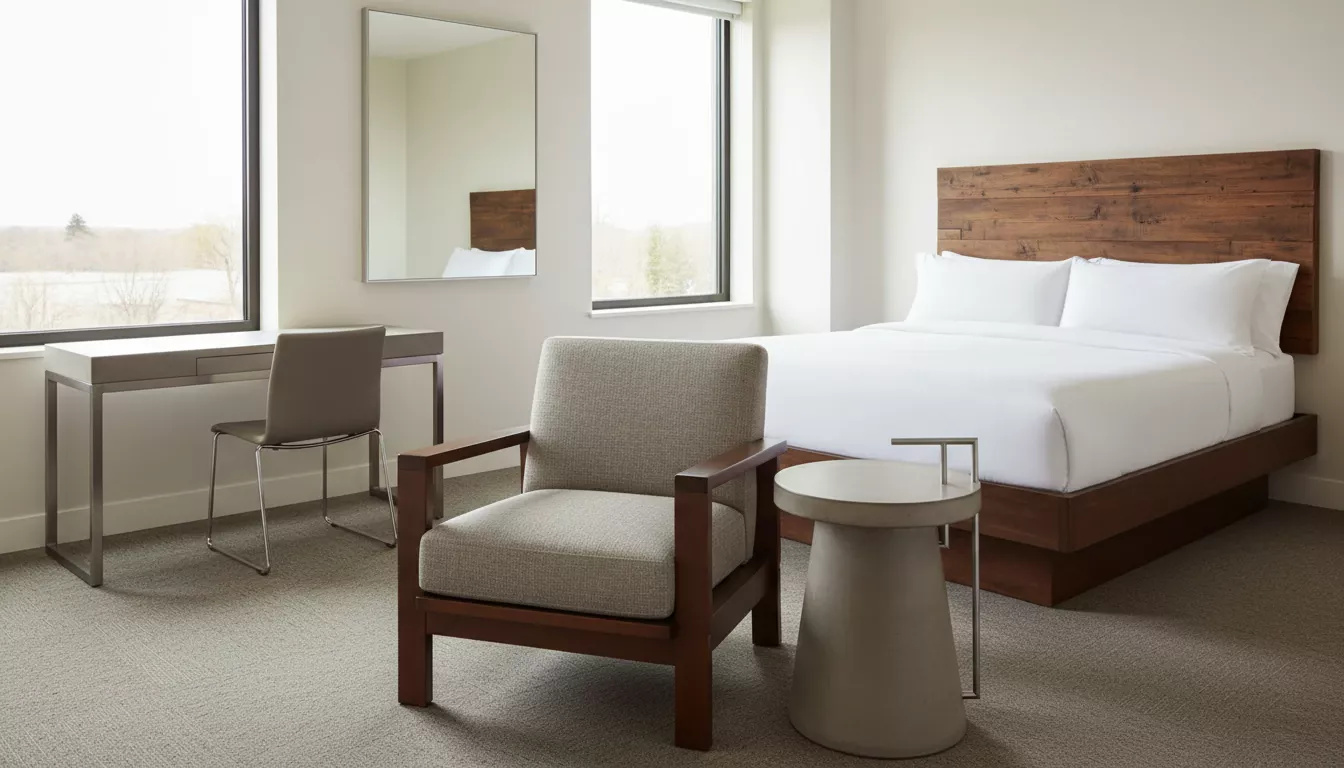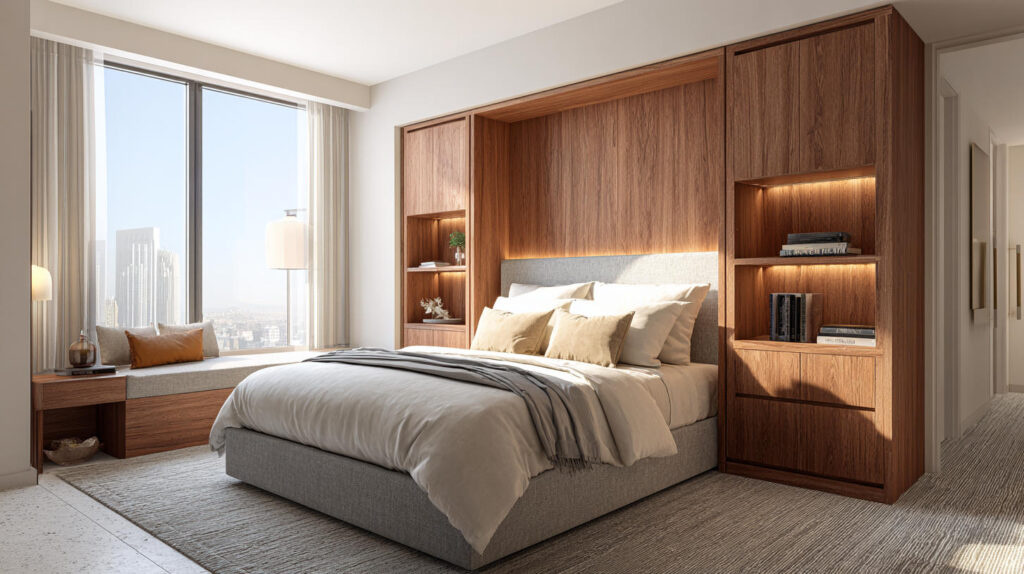
How to Coordinate Interior Design Between Hotel Bedrooms, Bathrooms, and Common Areas
Thứ 2, 17/08/2026
Administrator
143
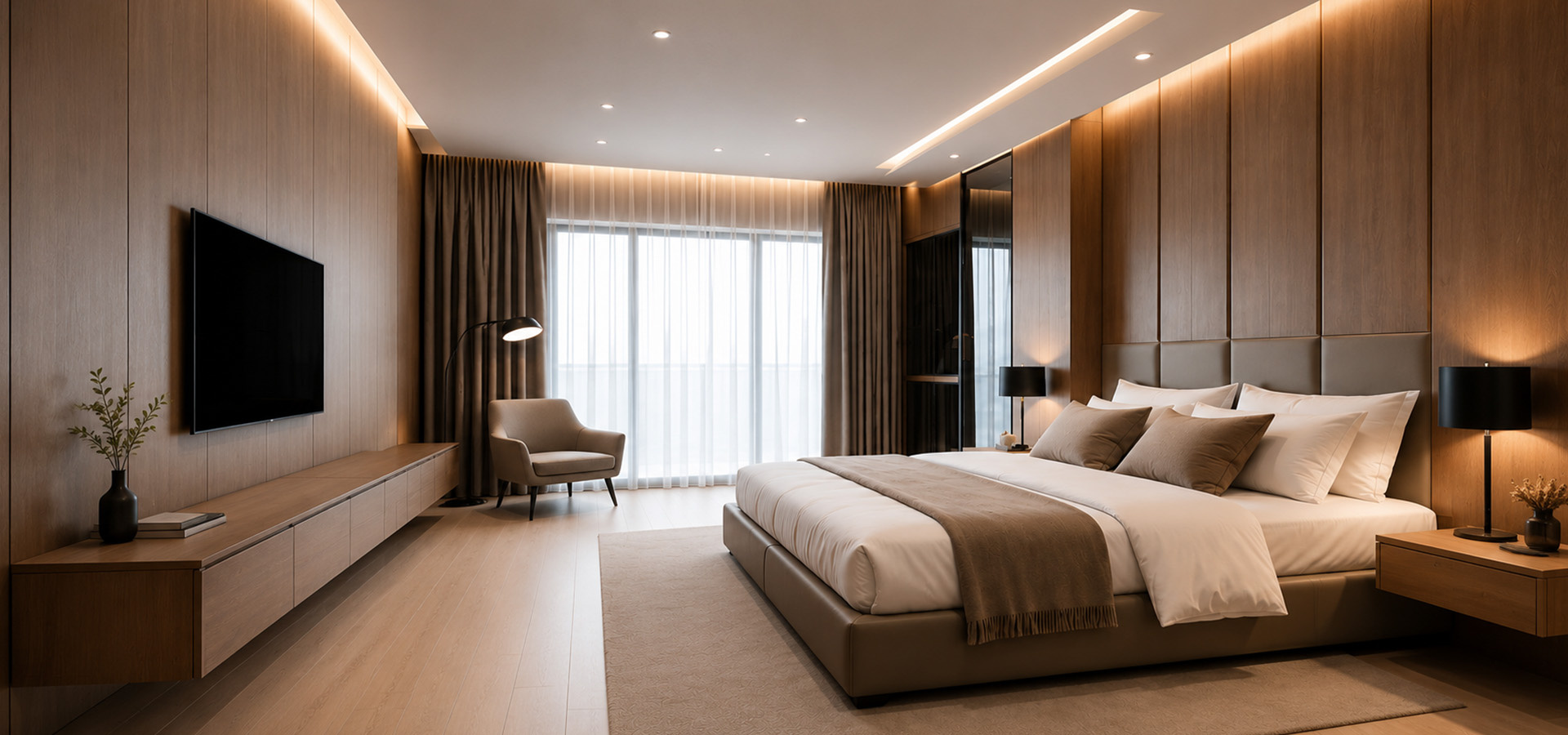
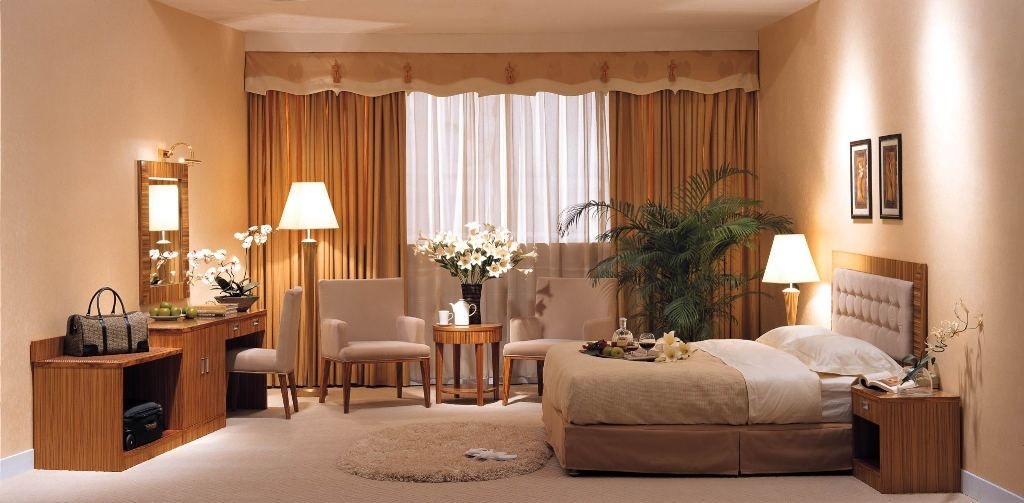
Hotel interior design synchronization plays an important role in creating a consistent and memorable guest experience throughout the property. In this article, Ngoc Hoang Anh explores effective ways to coordinate interior elements between bedrooms, bathrooms, and common areas, helping hotels maintain design harmony, strengthen brand identity, and improve the overall value of hospitality spaces.
1. Establishing a Consistent Interior Design Concept Across Hotel Spaces
A consistent interior design concept is the foundation for creating harmony between hotel bedrooms, bathrooms, and common areas. Instead of designing each space separately, hotels should develop a unified direction that connects different areas through style, colors, materials, and visual elements. This approach helps create a seamless guest journey while reinforcing the property's overall identity.
1.1 Defining a clear design style from the beginning
Establishing a clear design style at the early planning stage helps guide all interior decisions throughout the project. Whether the hotel follows a modern, luxury, minimalist, or boutique concept, a consistent style direction ensures that bedrooms, bathrooms, and common areas maintain a cohesive appearance and avoid disconnected visual experiences.
1.2 Maintaining consistency in colors and visual language
Color palettes and visual elements play an important role in connecting different hotel spaces. Using complementary tones, similar textures, and consistent decorative approaches across guestrooms, bathrooms, and shared areas creates a unified atmosphere while allowing each space to maintain its own functional characteristics.
1.3 Aligning design concepts with hotel positioning
The interior concept should reflect the hotel's target market, service level, and brand positioning. Luxury hotels may focus on premium materials and sophisticated details, while boutique or business hotels may prioritize practicality and modern aesthetics. Aligning design choices with positioning ensures a consistent experience that matches guest expectations.
2. Coordinating Materials and Finishes Between Bedrooms, Bathrooms, and Common Areas
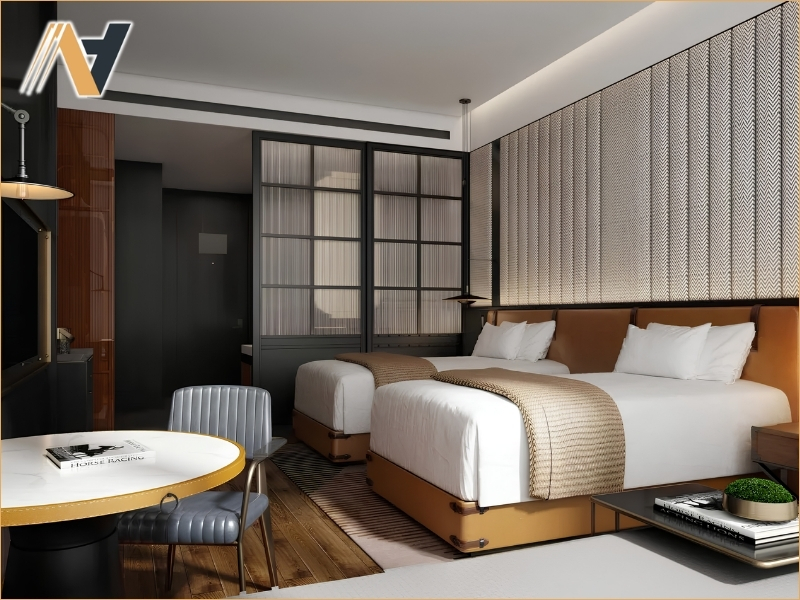
Materials and finishes are key elements that help connect different spaces within a hotel interior design concept. By carefully selecting materials with similar characteristics, colors, and textures, hotels can create visual continuity while ensuring each area still meets specific functional requirements such as durability, maintenance, and user comfort.
2.1 Using consistent material palettes
Applying a consistent material palette across bedrooms, bathrooms, and common areas helps create a unified visual experience. Similar wood tones, stone surfaces, metal finishes, or decorative materials can be repeated strategically to connect different spaces while maintaining a sophisticated and harmonious hotel interior style.
2.2 Balancing aesthetics with functional requirements
Each hotel area has different usage conditions, requiring materials that combine beauty with practical performance. Bedrooms may prioritize warmth and comfort, while bathrooms require moisture-resistant solutions and common areas need high-durability finishes. Selecting suitable materials while maintaining design consistency ensures both functionality and visual harmony.
2.3 Maintaining harmony in furniture and surface finishes
Furniture designs and surface finishes should complement the overall interior concept throughout the hotel. Consistent wood finishes, hardware styles, textures, and design details between guestrooms and shared areas help strengthen brand identity while creating a seamless transition between different functional spaces.
3. Creating Visual Connections Through Colors, Lighting, and Decorative Elements
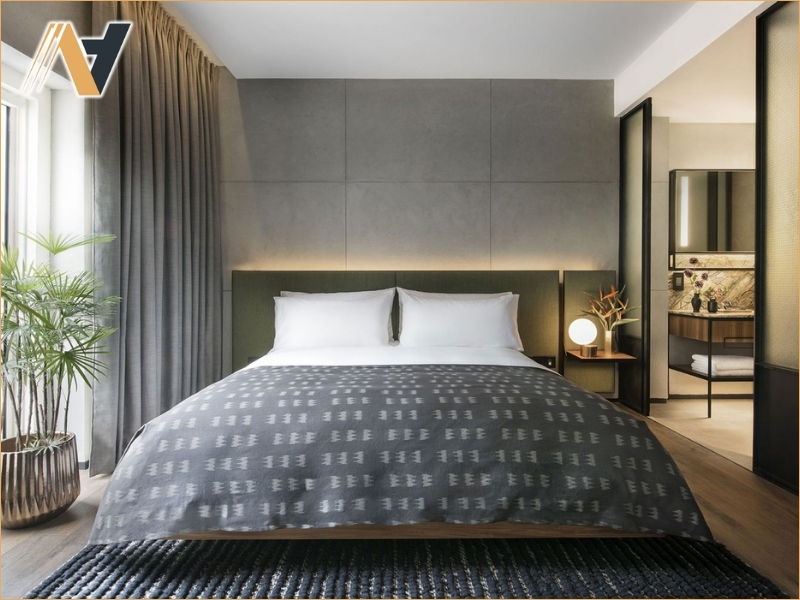
Colors, lighting, and decorative details are essential tools for creating visual connections between different hotel areas. Although bedrooms, bathrooms, and common spaces serve different purposes, consistent application of these elements helps maintain a unified design language, enhances guest perception, and creates a smoother transition throughout the entire hospitality environment.
3.1 Applying consistent color schemes
A well-planned color scheme helps different hotel spaces feel connected and cohesive. By using a shared palette of primary, secondary, and accent colors across bedrooms, bathrooms, and common areas, designers can create a recognizable visual identity while adjusting tones and combinations to suit the function and atmosphere of each space.
3.2 Using lighting to unify different spaces
Lighting design plays an important role in maintaining consistency throughout a hotel. Similar color temperatures, lighting styles, and fixture designs can create a continuous atmosphere between guestrooms, bathrooms, and public areas while allowing each space to achieve the appropriate level of brightness and comfort.
3.3 Selecting decorative elements that reinforce brand identity
Decorative details such as artwork, patterns, accessories, and architectural accents help strengthen the hotel's unique character. When these elements are thoughtfully coordinated across different areas, they create a recognizable design story that improves guest impressions and makes the entire property feel more complete and professionally planned.
4. Balancing Functionality and Aesthetic Consistency in Each Area
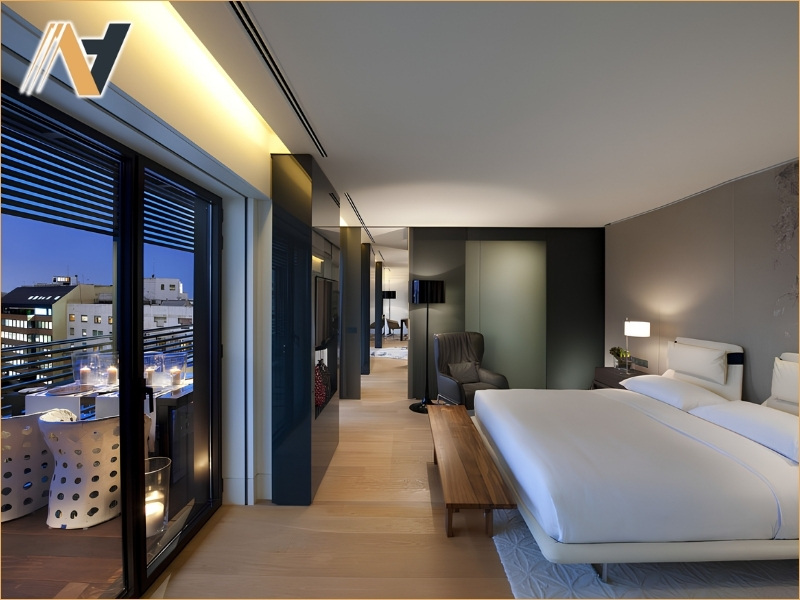
While maintaining a unified interior design concept is important, each hotel space has its own functional requirements and user expectations. A successful design approach must balance visual consistency with practical needs, ensuring that bedrooms, bathrooms, and common areas provide maximum comfort, durability, and efficiency while still connecting through a cohesive overall style.
4.1 Designing bedrooms for comfort and relaxation
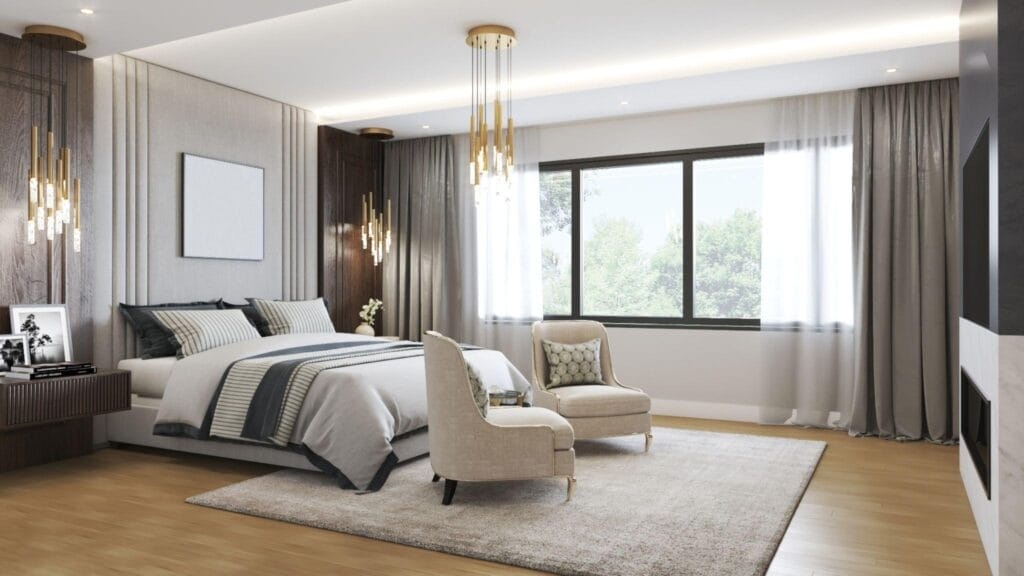
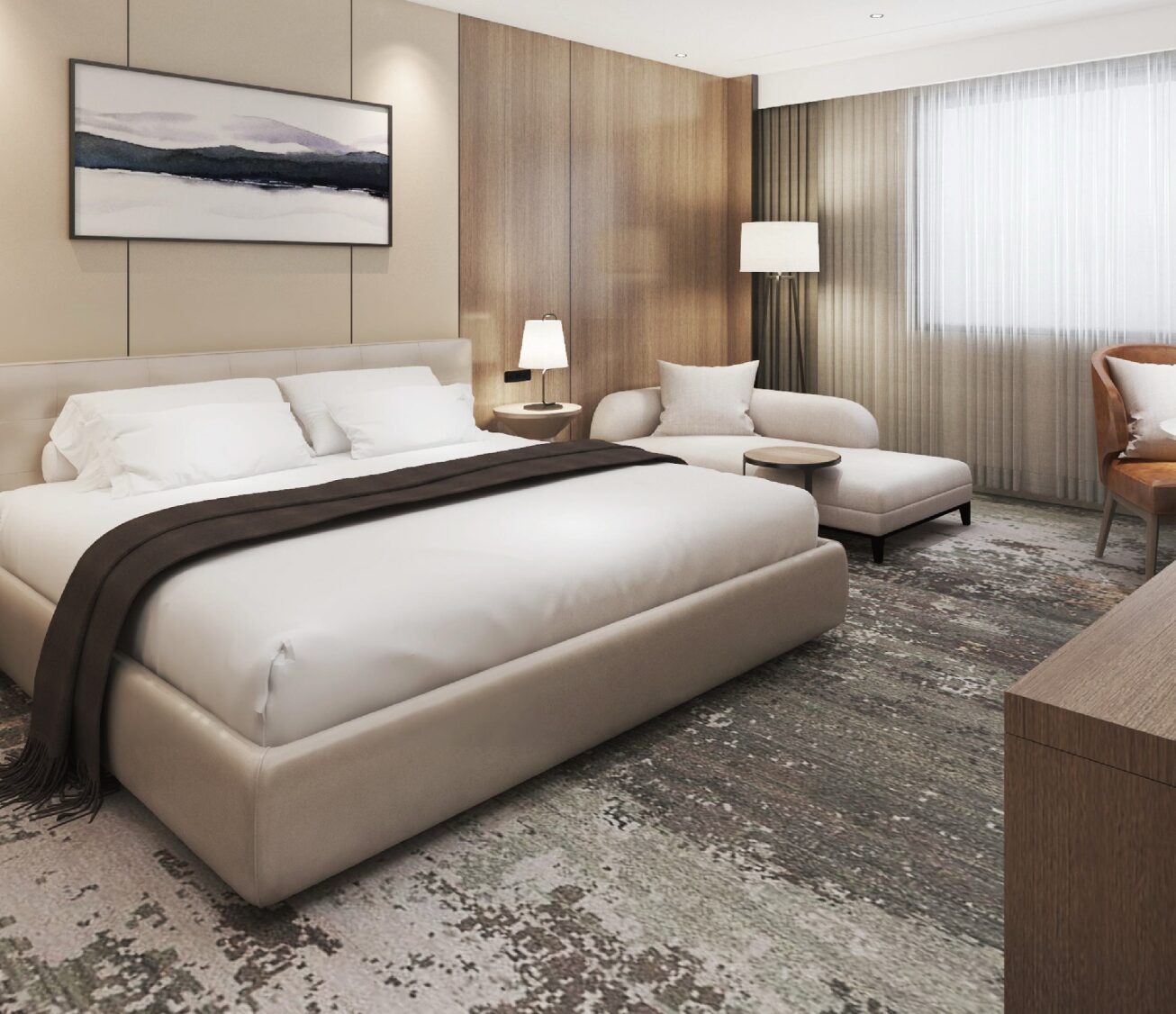
Hotel bedrooms should prioritize guest comfort by focusing on relaxing layouts, ergonomic furniture, and a warm atmosphere. While maintaining consistency with the hotel's overall design language, bedroom interiors should incorporate suitable lighting, comfortable materials, and practical storage solutions to create a private space that supports rest and relaxation.
4.2 Creating practical and durable bathroom interiors
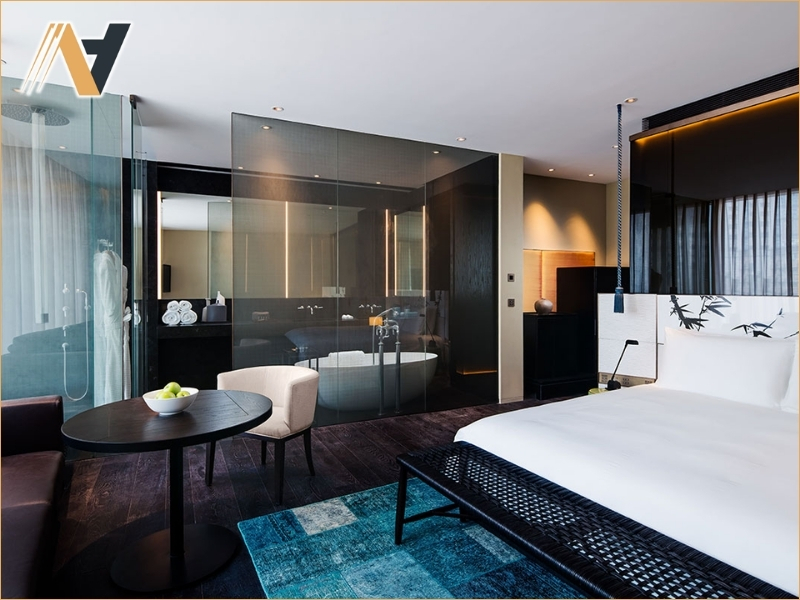
Bathrooms require design solutions that combine aesthetics with moisture resistance and easy maintenance. By using coordinated materials, matching color schemes, and consistent design details with guestrooms, hotels can create bathroom spaces that feel connected while ensuring durability, hygiene, and convenience for daily guest use.
4.3 Developing welcoming and functional common areas
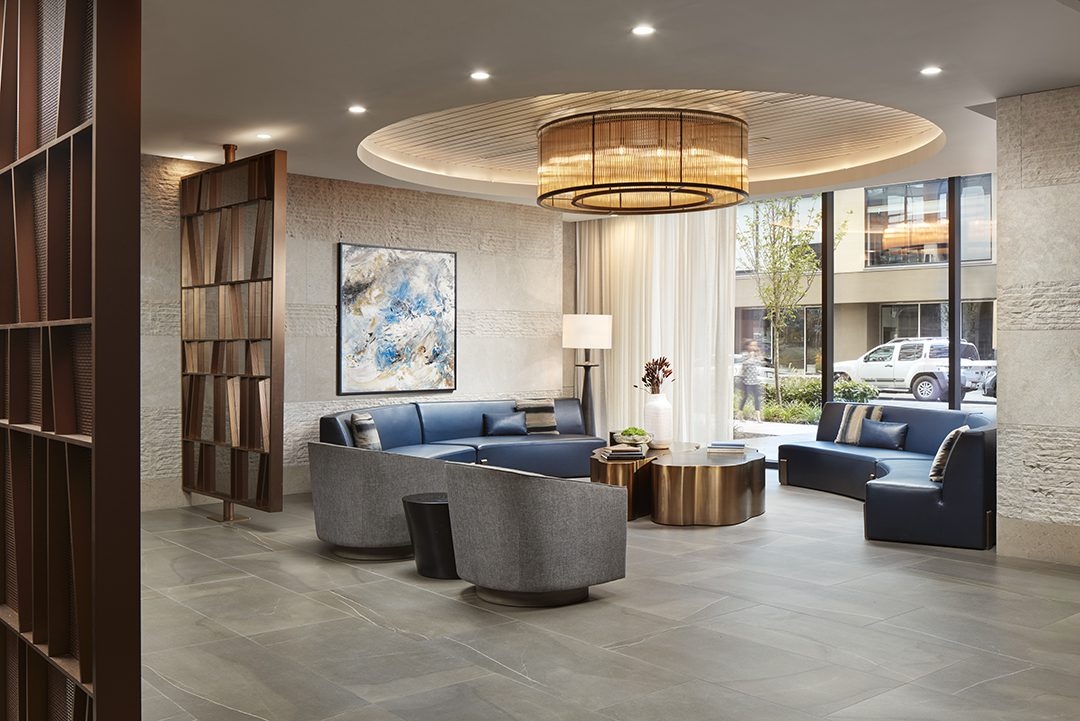
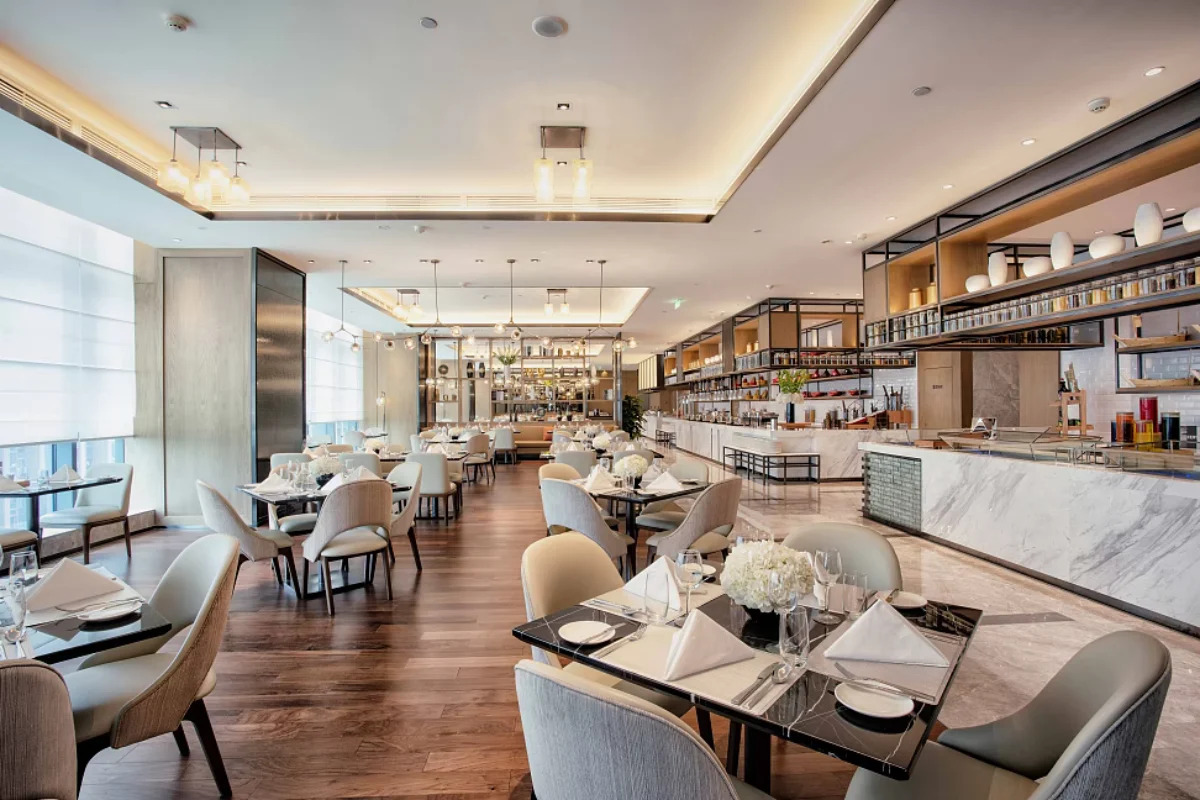
Common areas such as lobbies, lounges, and dining spaces represent the hotel's public identity and require designs that encourage interaction and comfort. Maintaining similar design elements from guestrooms and bathrooms while adapting furniture layouts, lighting, and materials to higher traffic conditions helps create a seamless and professional hospitality environment.
5. Benefits of Synchronized Hotel Interior Design
A synchronized interior design approach between bedrooms, bathrooms, and common areas provides significant value for modern hotels. By creating a consistent visual experience across different spaces, hotels can improve guest satisfaction, strengthen brand recognition, and achieve better long-term efficiency in design management and investment planning.
5.1 Enhancing guest perception and overall experience
A cohesive interior design creates a smoother and more enjoyable journey for guests from arrival areas to private guestrooms. Consistent styles, materials, and design details help guests perceive greater professionalism and attention to detail, resulting in a more memorable stay and a stronger connection with the hotel brand.
5.2 Creating a stronger hotel identity
When all interior spaces follow a unified design direction, the hotel can establish a clearer and more recognizable identity. Consistent colors, furniture styles, finishes, and decorative elements help differentiate the property from competitors while reinforcing its positioning and overall brand image.
5.3 Improving long-term operational and investment value
A coordinated interior design strategy makes future maintenance, upgrades, and expansions more efficient. Using standardized materials, furniture styles, and design principles allows hotels to manage replacements more easily, control costs, and maintain a consistent appearance throughout the property's lifecycle.
Conclusion
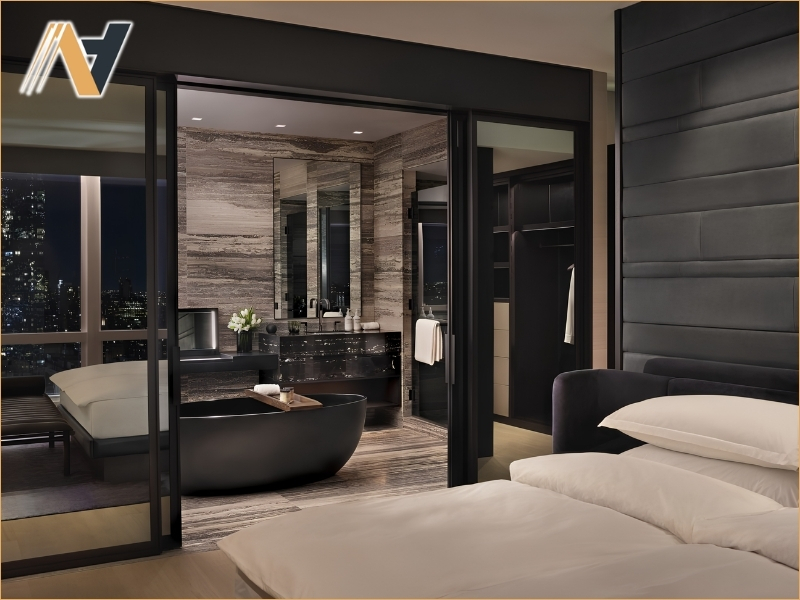
Synchronizing interior design between hotel bedrooms, bathrooms, and common areas is essential for creating a cohesive and professional hospitality environment. By maintaining consistency in design concepts, materials, colors, lighting, and decorative elements, hotels can enhance guest experiences, strengthen brand identity, and increase long-term investment value.
For hospitality projects seeking comprehensive interior solutions, Ngoc Hoang Anh provides Vietnam hotel furniture OEM services with customized furniture designs, high-quality materials, and professional manufacturing capabilities to help hotels create harmonious, functional, and distinctive interior spaces across every area.
-----
NGOC HOANG ANH TRADING COMPANY LIMITED
Tax Code: 3702874413
Address: No. 288/28/10 Huynh Van Luy Street, Zone 7, Phu Loi Ward, Ho Chi Minh City, Vietnam
Warehouse: No. 1/91, Thuan Giao 02 Street, Binh Thuan 2 Residential Quarter, Thuan Giao Ward, Ho Chi Minh City, Vietnam
Phone/Whatsapp/Wechat: +84342076666
Email: info@ngochoanganh.com.vn