How to Choose Hotel Furniture for Different Types of Accommodation Businesses
Thứ 3, 18/08/2026
Administrator
101
Choosing hotel furniture for different accommodation business models is essential for creating spaces that meet operational needs and guest expectations. In this article, Ngoc Hoang Anh shares practical guidance on selecting furniture that aligns with various hospitality concepts, helping hotels optimize functionality, strengthen brand identity, and maximize long-term investment value.
1. Understanding the Requirements of Different Accommodation Business Models
Every accommodation business model serves a different target audience and operates with unique service standards, making furniture selection an important strategic decision. Understanding the functional needs, guest expectations, and brand positioning of each property allows hotel owners to choose furniture that supports daily operations while creating the desired hospitality experience.
1.1 Furniture requirements for luxury hotels
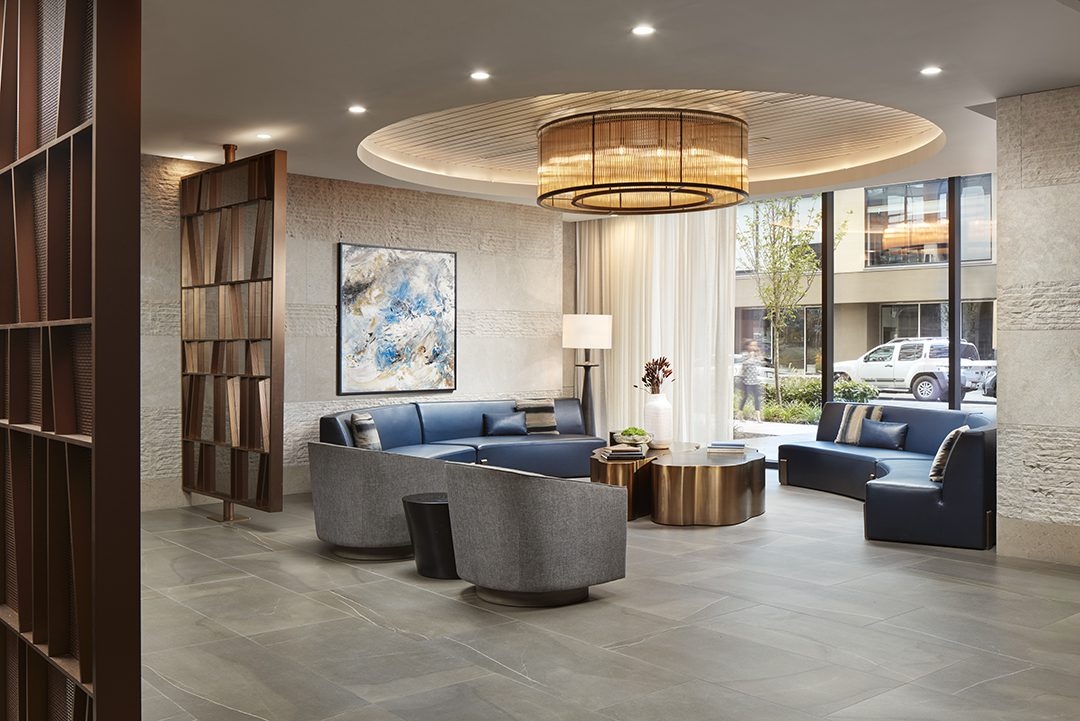
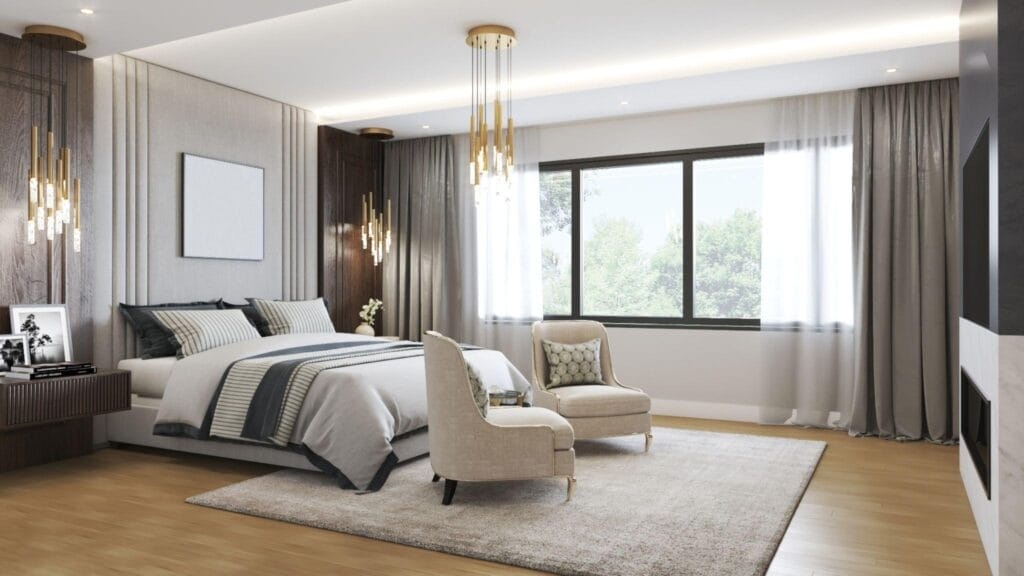
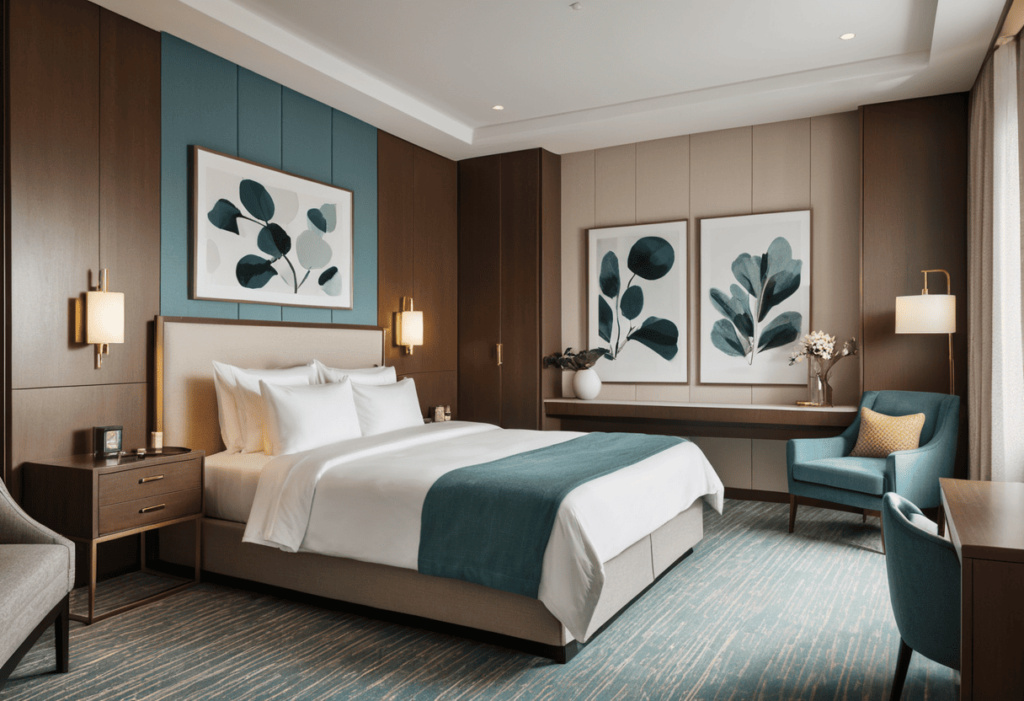
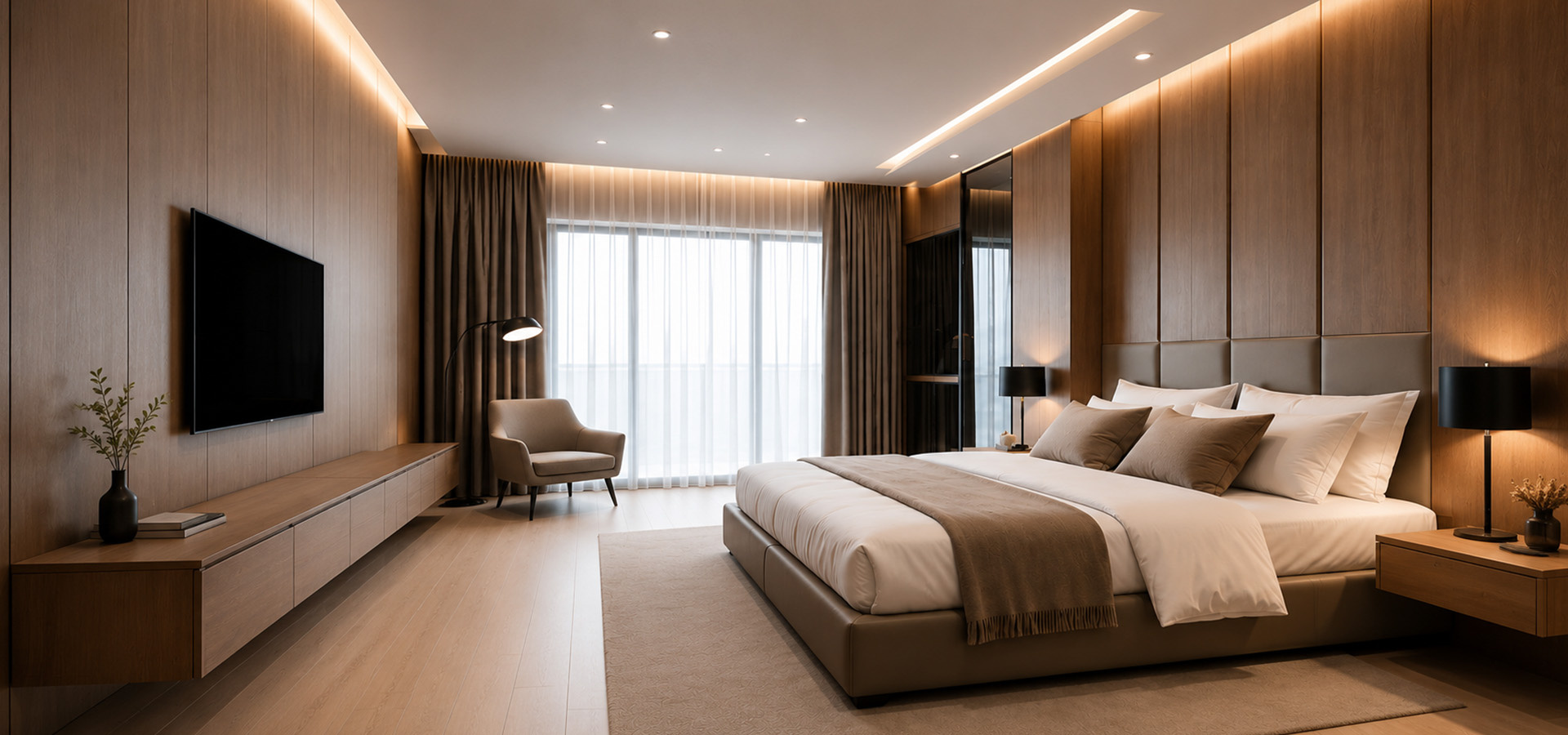
Luxury hotels require premium furniture that reflects elegance, exclusivity, and exceptional comfort. High-quality materials, refined craftsmanship, customized designs, and sophisticated finishes help create a luxurious atmosphere while meeting the expectations of guests seeking a high-end hospitality experience.
1.2 Interior solutions for boutique hotels
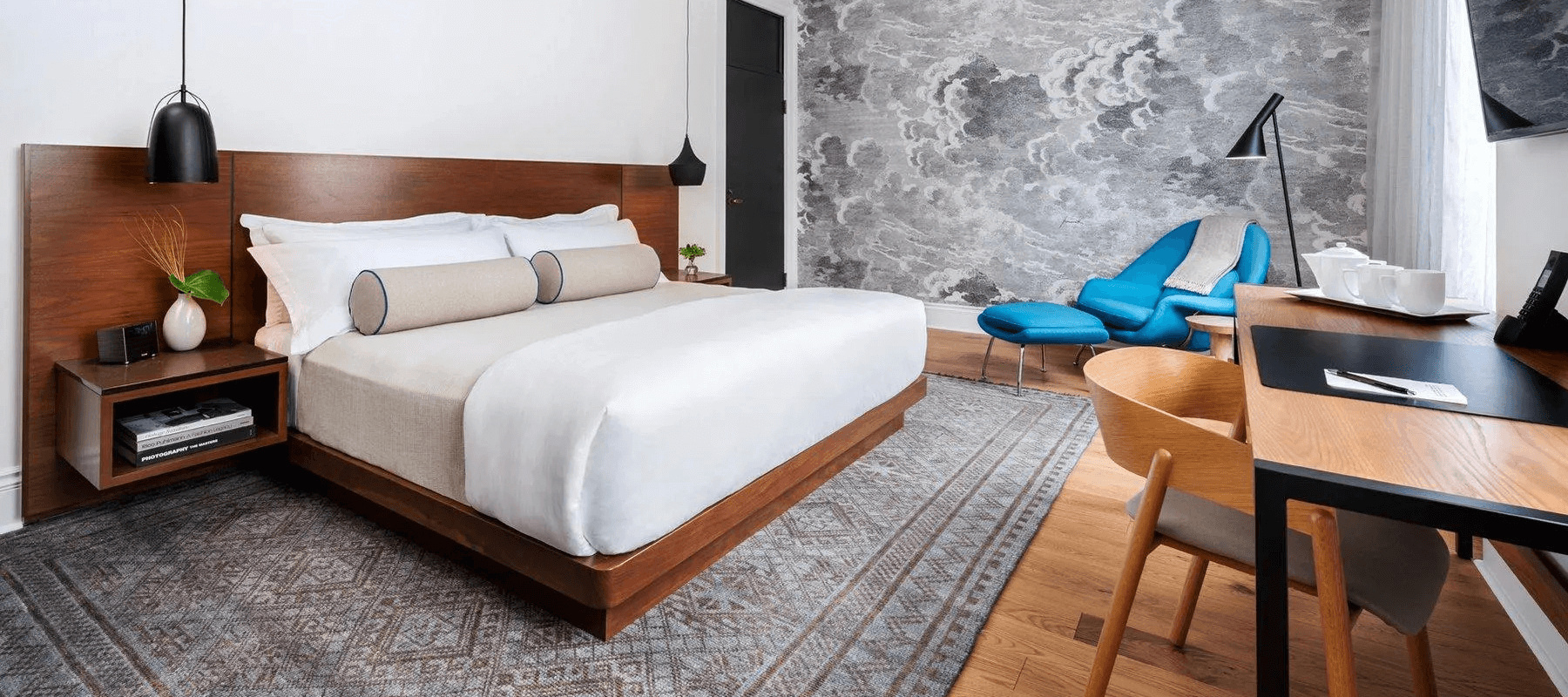
Boutique hotels focus on creating distinctive identities through personalized interior concepts. Furniture should emphasize originality, character, and design consistency while maximizing available space. Customized pieces, unique decorative details, and carefully selected materials help boutique hotels deliver memorable guest experiences that differentiate them from larger hotel brands.
1.3 Choosing furniture for serviced apartments, resorts, and budget hotels
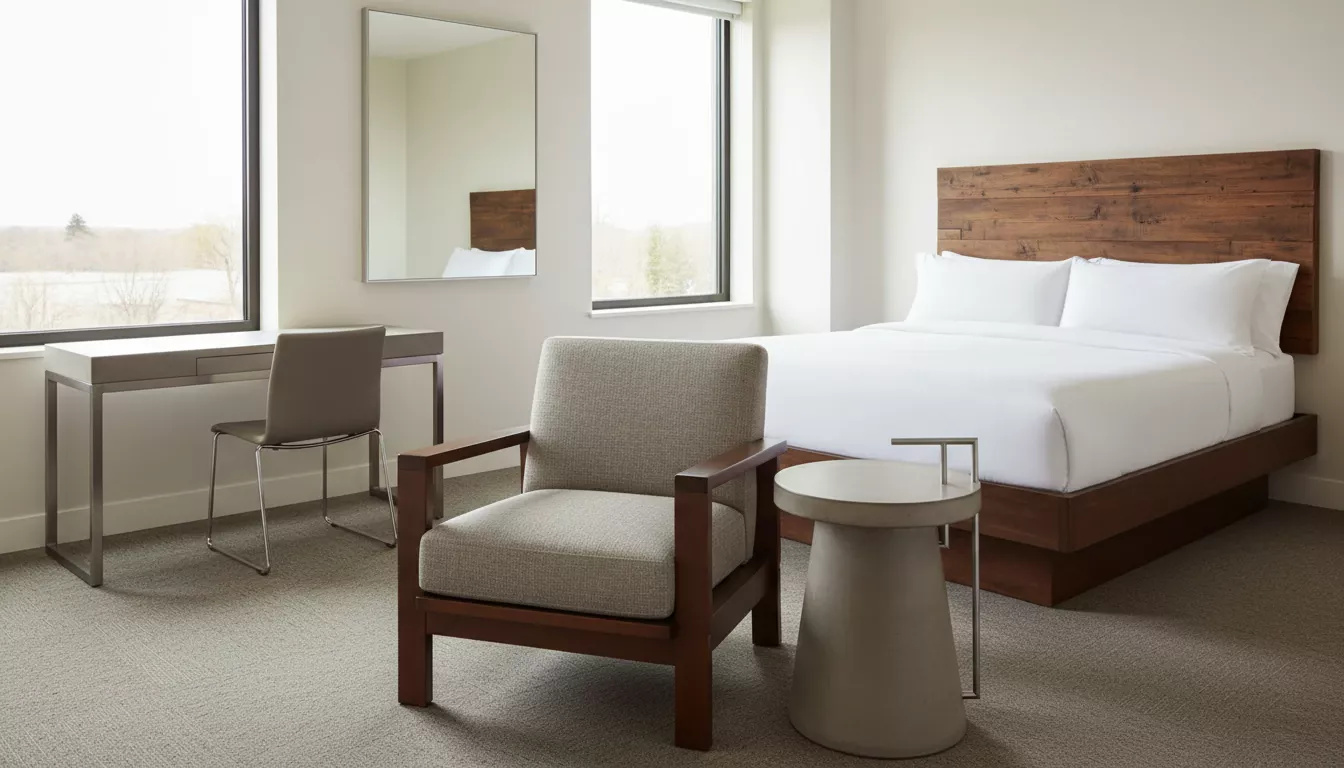
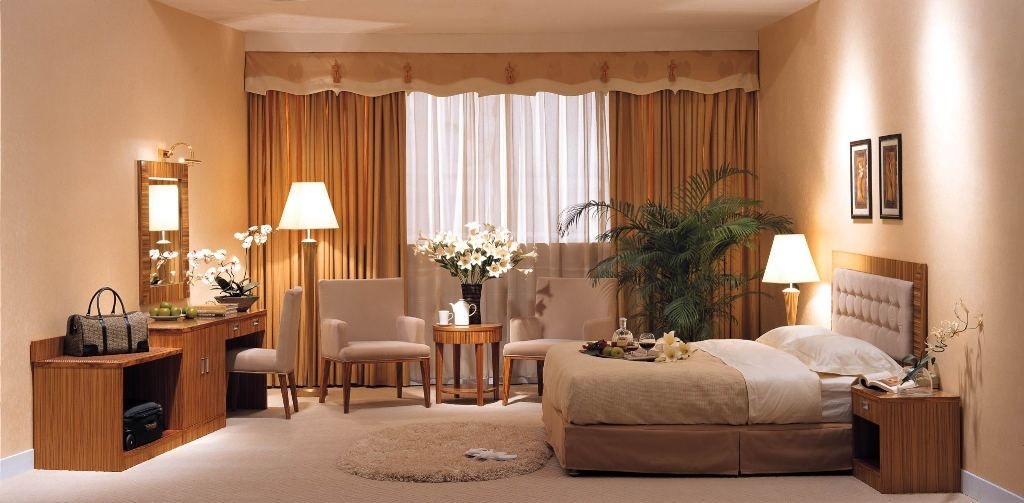
Different accommodation types require furniture solutions that reflect their operational priorities. Serviced apartments benefit from multifunctional and residential-style furniture, resorts prioritize comfort and relaxation with durable materials suited to outdoor environments, while budget hotels focus on practical, cost-efficient furniture that offers durability and easy maintenance without compromising guest comfort.
2. Selecting Furniture Based on Functionality and Guest Experience
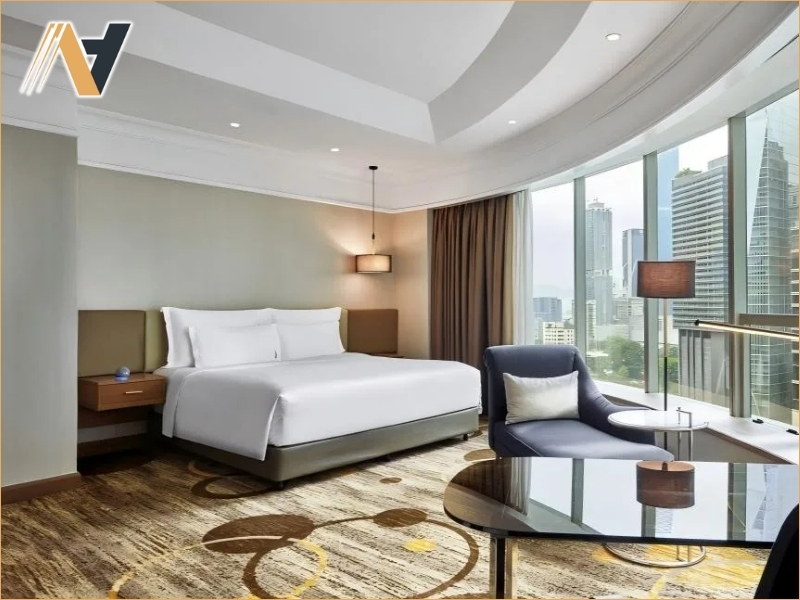
Hotel furniture should not only contribute to the visual appeal of a property but also support daily operations and enhance guest comfort. Selecting furniture based on functionality ensures that each item serves its intended purpose, improves space efficiency, and creates a convenient experience that meets the practical needs of different accommodation models.
2.1 Prioritizing comfort and ergonomic design
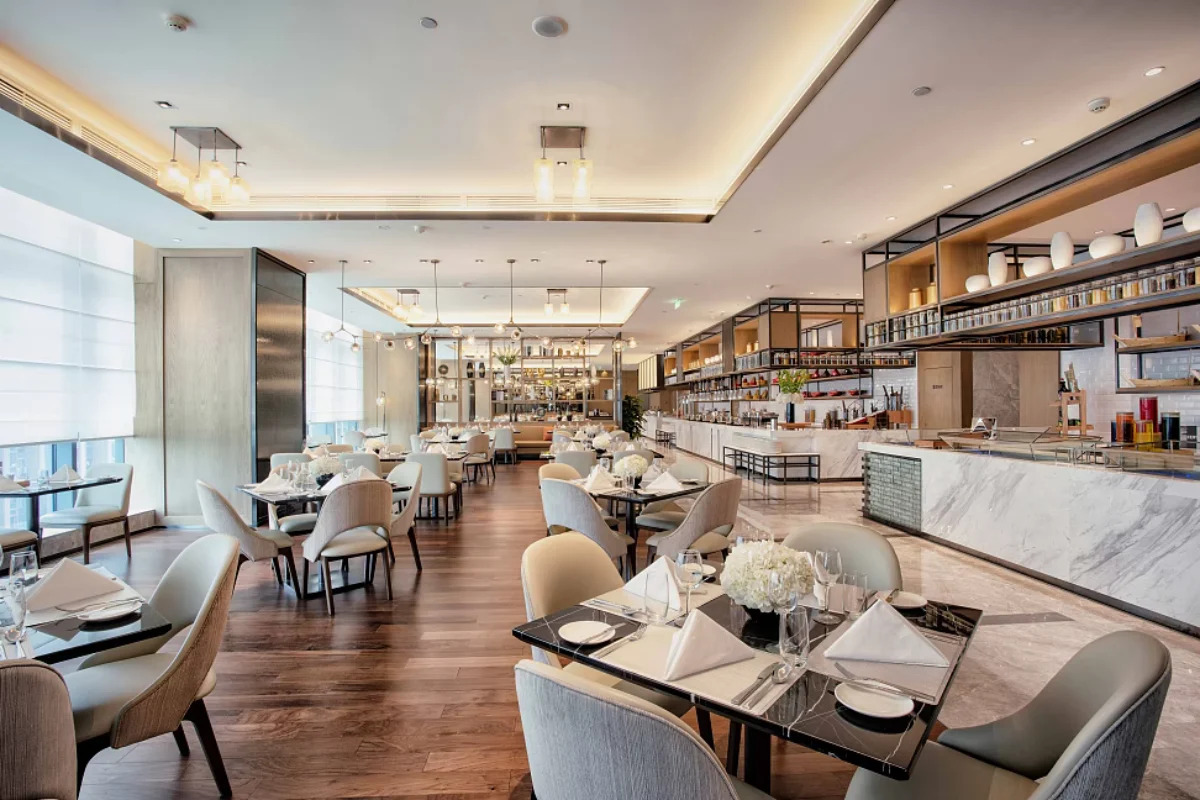
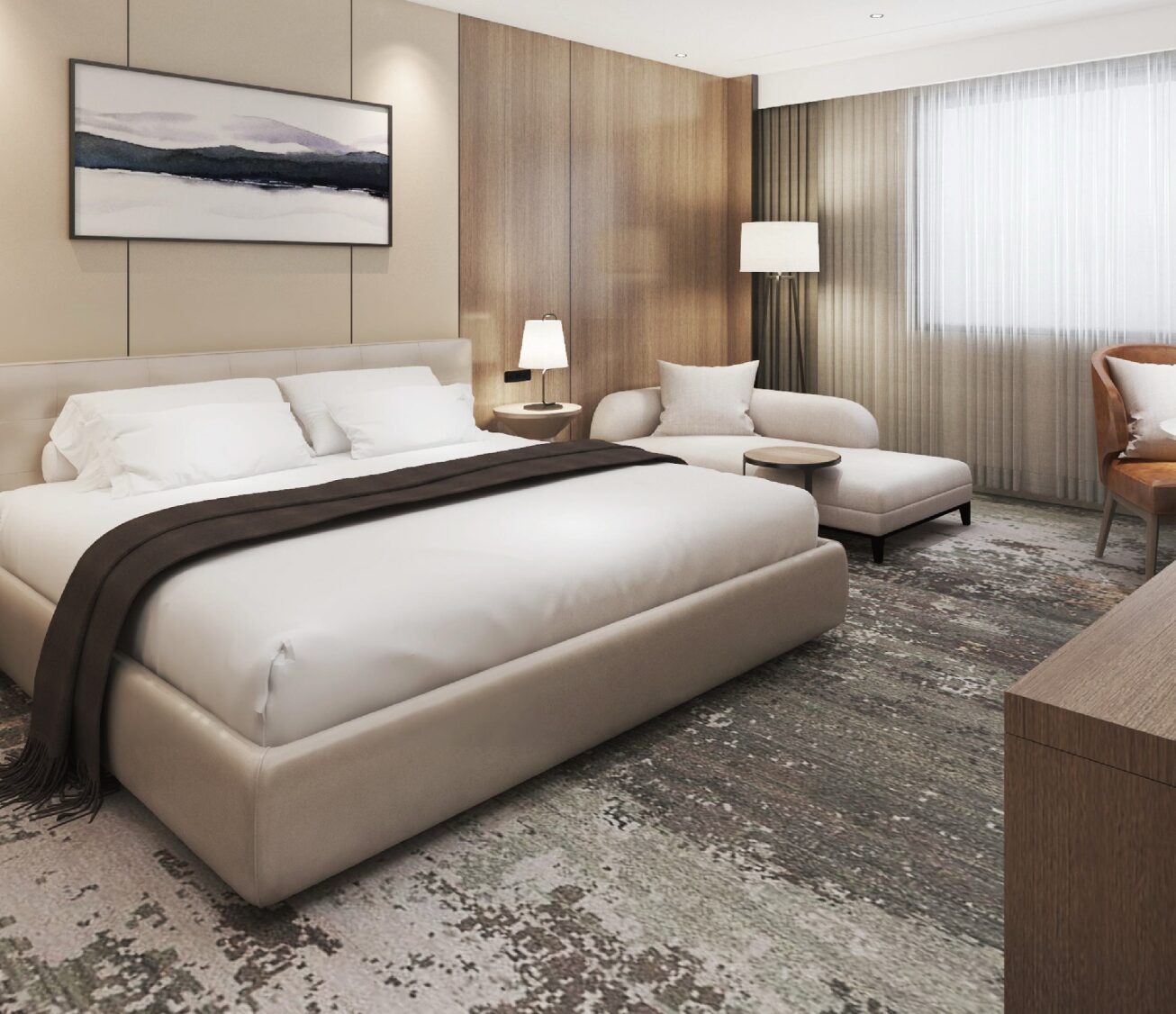
Comfort is a key factor influencing guest satisfaction, especially in areas such as bedrooms, lounges, and dining spaces. Furniture with ergonomic designs, appropriate dimensions, and comfortable materials helps guests feel relaxed during their stay while improving the overall quality and perception of the hotel's service.
2.2 Choosing multifunctional furniture for efficient space utilization
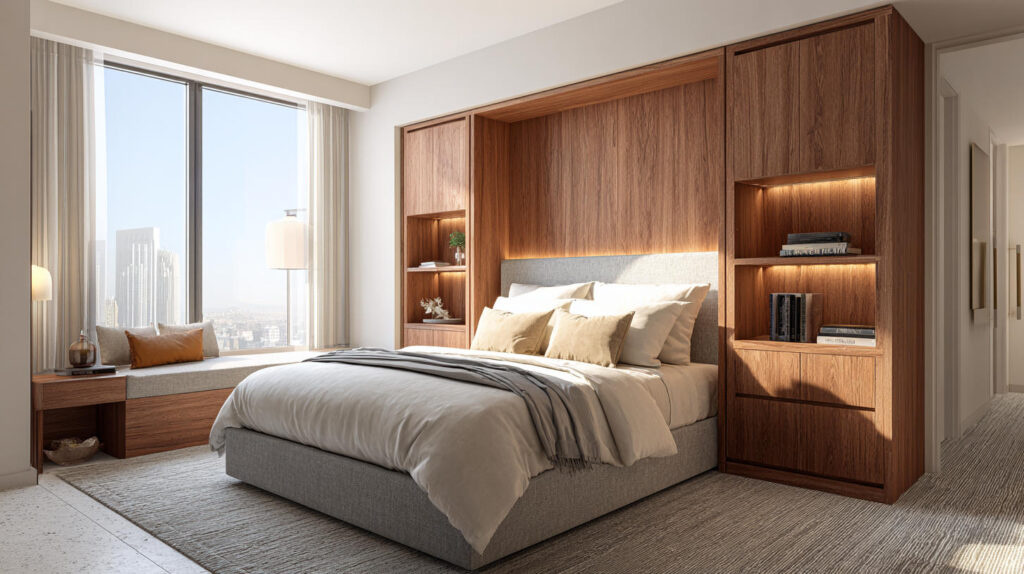
Multifunctional furniture is an effective solution for accommodation models with limited space, such as boutique hotels, serviced apartments, or compact guest rooms. Items that combine multiple functions, optimize storage, or adapt to different usage needs help maximize available space while maintaining a modern and organized interior environment.
2.3 Balancing aesthetics with practical functionality
A successful hotel furniture selection process requires a balance between design appeal and operational practicality. Furniture should match the hotel's style while offering durability, easy maintenance, and suitability for frequent use. This balance helps properties maintain attractive interiors while ensuring long-term efficiency in daily operations.
3. Matching Furniture Design with Brand Identity and Interior Concept
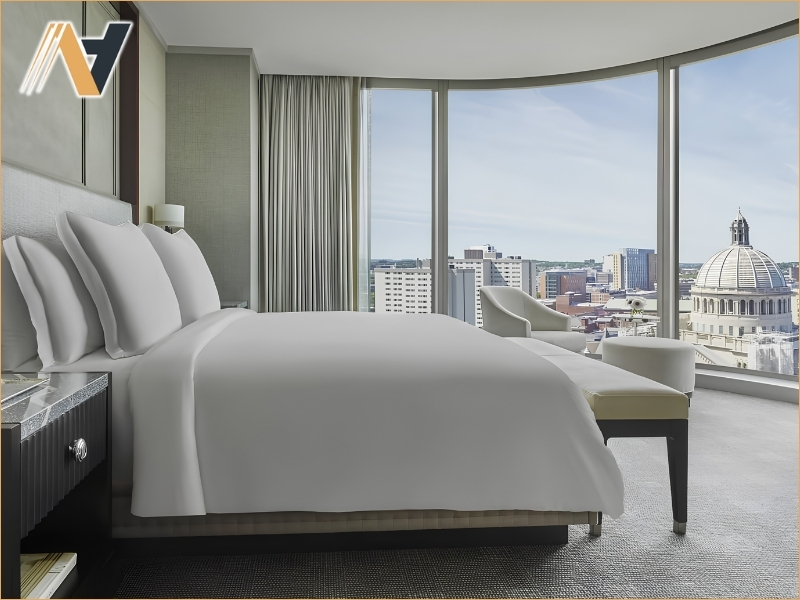
Hotel furniture plays an important role in expressing a property's identity and creating a consistent guest experience. Beyond functionality, furniture design should complement the hotel's architectural style, color scheme, and service positioning. A well-coordinated furniture concept helps strengthen brand recognition and creates a memorable atmosphere that aligns with guest expectations.
3.1 Maintaining a consistent interior style
A consistent interior style ensures that all hotel spaces feel connected and professionally designed. Furniture selections should follow the overall concept, whether modern, luxury, minimalist, tropical, or classic, allowing guestrooms, public areas, and service spaces to create a harmonious visual experience throughout the property.
3.2 Selecting colors, materials, and finishes that reflect the brand
Colors, materials, and surface finishes directly influence how guests perceive a hotel's personality and quality. Choosing furniture with suitable wood tones, fabrics, metals, and decorative finishes helps reinforce the brand message while creating an atmosphere that matches the target market and accommodation positioning.
3.3 Customizing furniture for unique hospitality concepts
Customized furniture solutions allow hotels to create distinctive spaces that cannot be achieved through standard products. By adapting designs, dimensions, materials, and details to specific concepts, hotels can highlight their unique character, improve space functionality, and deliver a more personalized experience for guests.
4. Evaluating Durability, Maintenance, and Long-Term Costs
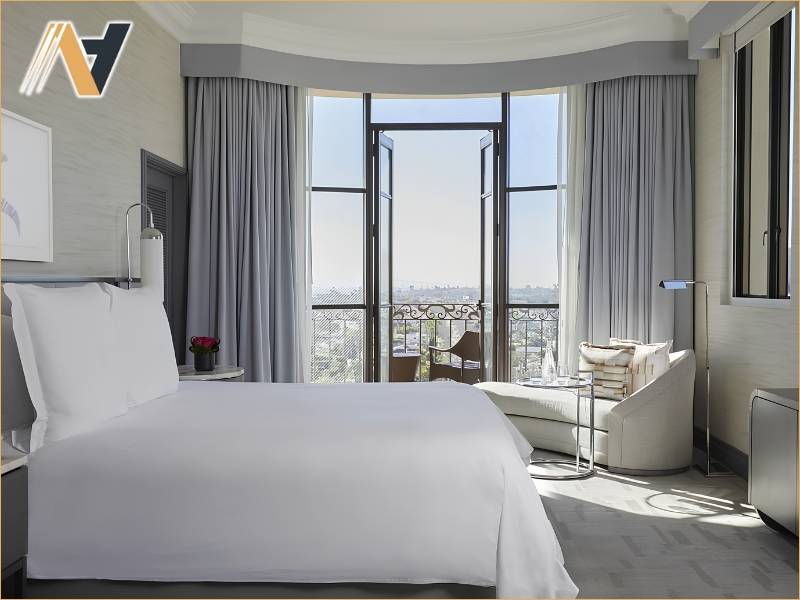
When selecting hotel furniture, durability and long-term operating efficiency are important factors that directly affect investment value. Since hospitality furniture is exposed to frequent use, choosing products with suitable materials, easy maintenance requirements, and reliable performance helps hotels reduce replacement costs while maintaining interior quality over time.
4.1 Choosing durable materials for frequent use
Hotel furniture must withstand continuous daily usage from different guests and operational activities. Selecting durable materials such as high-quality engineered wood, resistant surface finishes, and reliable hardware helps improve product lifespan, maintain appearance, and ensure furniture performs effectively in demanding hospitality environments.
4.2 Selecting easy-to-maintain furniture solutions
Furniture that is easy to clean and maintain helps hotels improve operational efficiency and reduce ongoing costs. Materials with good resistance to stains, moisture, scratches, and wear allow housekeeping teams to maintain interior quality more effectively while minimizing the time and resources required for regular care.
4.3 Considering lifecycle costs instead of purchase price alone
The initial furniture cost should not be the only consideration when making an investment decision. Hotels should evaluate the total lifecycle value, including durability, maintenance expenses, repair requirements, and replacement frequency, to choose furniture solutions that provide better financial efficiency throughout long-term operation.
5. Working with the Right Hotel Furniture Manufacturer
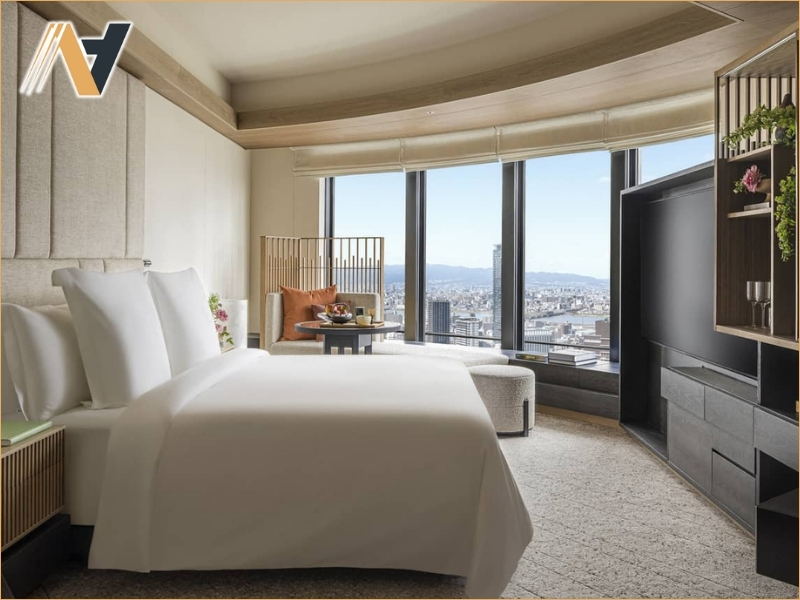
Choosing the right hotel furniture manufacturer is a crucial step in ensuring product quality, design consistency, and project efficiency. An experienced manufacturing partner can provide customized solutions, professional guidance, and reliable production capabilities, helping hotels achieve interiors that meet both aesthetic expectations and long-term operational requirements.
5.1 Evaluating hospitality project experience
A manufacturer with experience in hotel furniture projects understands the specific requirements of different accommodation models, from luxury hotels and resorts to boutique properties and serviced apartments. Reviewing previous projects helps hotel owners assess the manufacturer's expertise, quality standards, and ability to deliver solutions that match hospitality needs.
5.2 Assessing customization and manufacturing capabilities
Hotels often require furniture that fits unique design concepts, space conditions, and brand standards. A capable manufacturer should offer flexible customization, advanced production facilities, and skilled craftsmanship to create furniture with suitable dimensions, materials, and finishes while maintaining consistent quality across the entire project.
5.3 Choosing a long-term furniture partner for future expansion
Building a long-term partnership with a reliable furniture manufacturer provides advantages beyond the initial project. A trusted partner can support future renovations, additional furniture production, and property expansion while maintaining consistency in design, quality, and brand identity throughout different stages of hotel development.
Conclusion
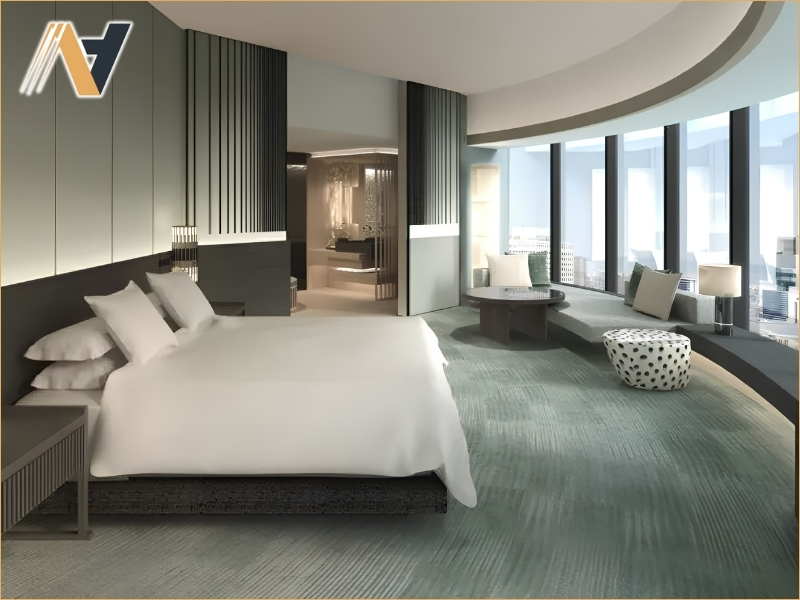
Choosing hotel furniture that matches each accommodation business model is essential for creating functional, attractive, and efficient hospitality spaces. By considering factors such as design concept, guest expectations, durability, maintenance requirements, and long-term investment value, hotels can select furniture solutions that support both operational performance and brand development.
For hospitality businesses seeking customized interior solutions, Ngoc Hoang Anh provides Vietnam hotel furniture OEM services with professional manufacturing capabilities, flexible designs, and high-quality materials, helping hotels create distinctive spaces that align with their unique concepts and long-term growth strategies.
-----
NGOC HOANG ANH TRADING COMPANY LIMITED
Tax Code: 3702874413
Address: No. 288/28/10 Huynh Van Luy Street, Zone 7, Phu Loi Ward, Ho Chi Minh City, Vietnam
Warehouse: No. 1/91, Thuan Giao 02 Street, Binh Thuan 2 Residential Quarter, Thuan Giao Ward, Ho Chi Minh City, Vietnam
Phone/Whatsapp/Wechat: +84342076666
Email: info@ngochoanganh.com.vn