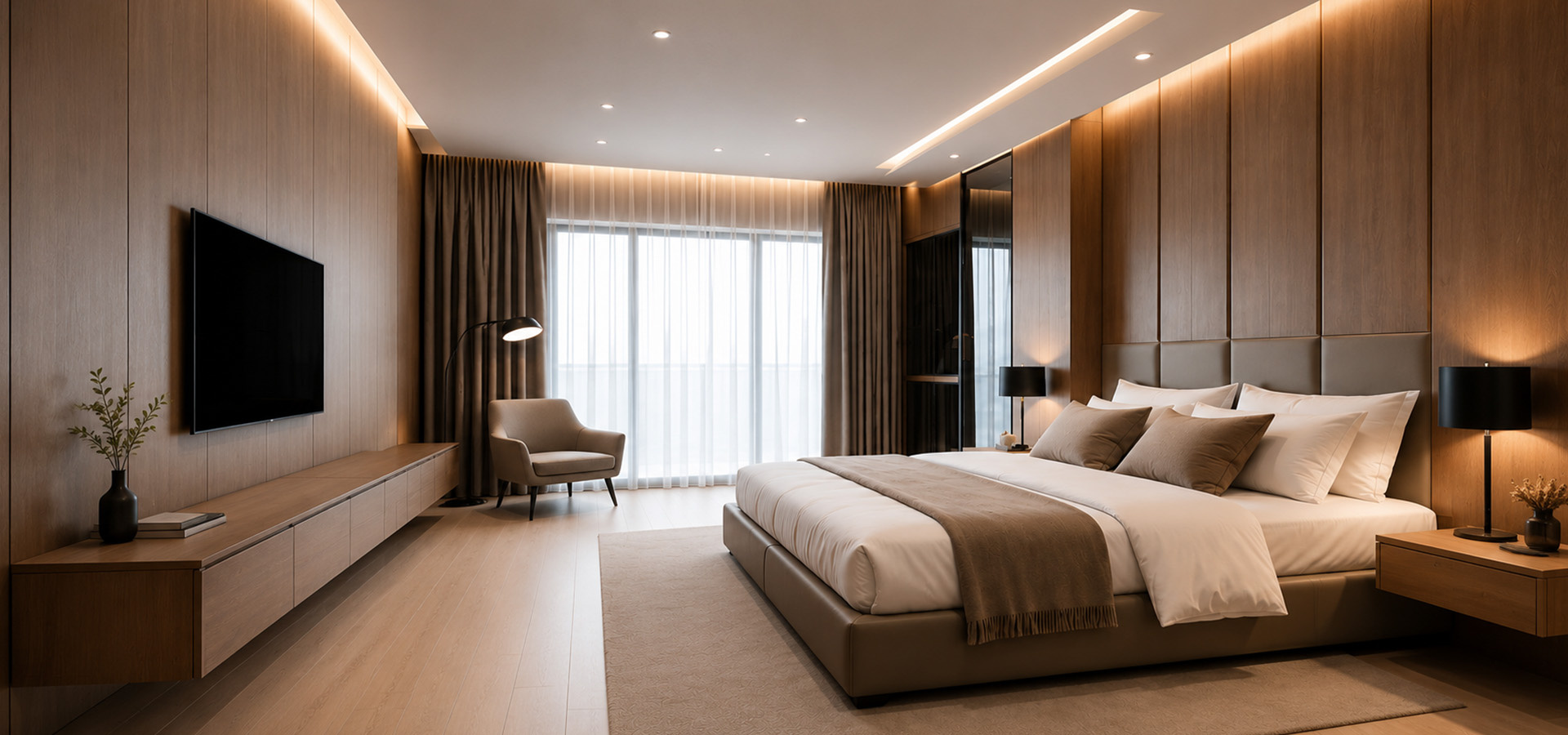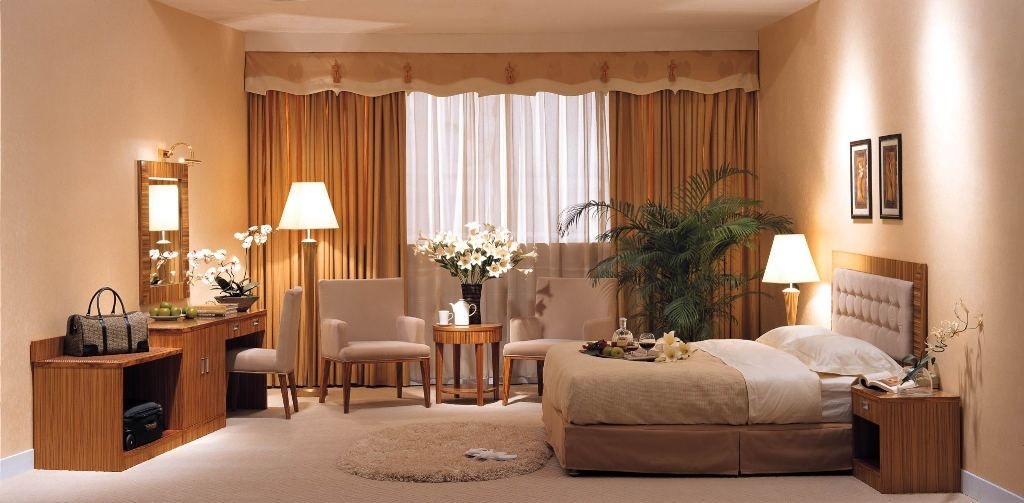
How to Choose Durable, Easy-to-Clean Hotel Interior Materials for High-Usage Spaces
Thứ 6, 10/07/2026
Administrator
171
Choosing the right materials for hotel interiors is essential in high-traffic hospitality environments where durability, hygiene, and aesthetics must work together seamlessly. In this article, Ngoc Hoang Anh explores how to select materials that are not only long-lasting and easy to clean but also capable of maintaining a refined appearance under continuous use.
1. Key Requirements for Hotel Interior Materials in High-Traffic Areas
Hotel interiors operate under continuous pressure from daily guest usage, frequent cleaning cycles, and constant operational activity. For this reason, material selection must go beyond aesthetics and focus on durability, maintenance efficiency, and long-term performance to ensure a consistently high-quality hospitality environment.
1.1 Durability under continuous usage
Materials used in hotel furniture and interiors must withstand repeated impact, abrasion, and load without losing structural integrity. High-traffic areas such as lobbies, guest rooms, and corridors demand surfaces that resist scratches, dents, and deformation while maintaining stability over long-term use.
1.2 Easy maintenance and cleaning efficiency
In hospitality operations, quick and effective cleaning is essential to maintain hygiene standards and reduce downtime between guest turnovers. Materials should allow for simple cleaning processes using standard products, without requiring specialized treatment or intensive maintenance procedures.
1.3 Maintaining aesthetic consistency over time
Beyond durability, materials must retain their original color, texture, and finish even after prolonged exposure to usage and cleaning chemicals. This ensures that hotel interiors consistently reflect a premium and well-maintained appearance, reinforcing guest perception of quality and professionalism.
2. Best Material Options for Hotel Furniture and Interiors
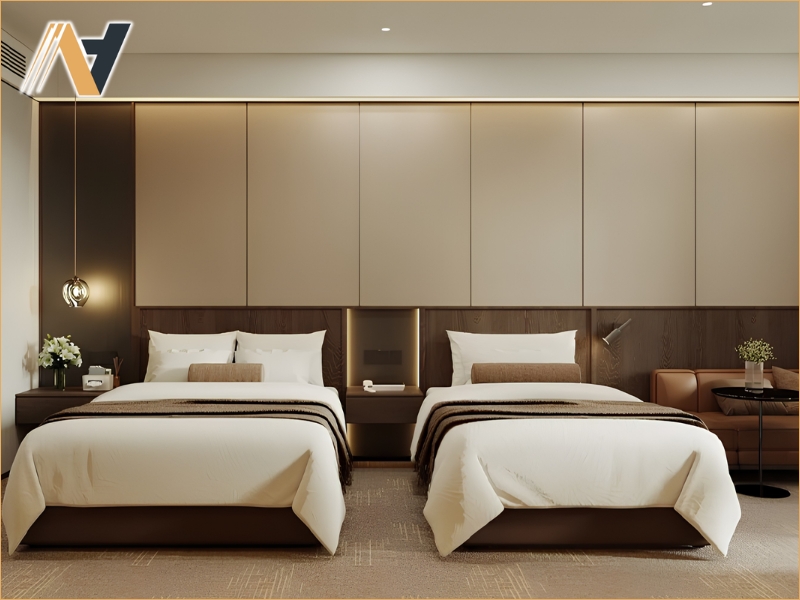
Selecting the right materials plays a crucial role in ensuring hotel interiors remain durable, easy to maintain, and visually appealing under high-frequency usage. Each material category offers unique advantages that help hotels balance performance, hygiene, and long-term aesthetic value in different functional areas.
2.1 Engineered wood and high-pressure laminates
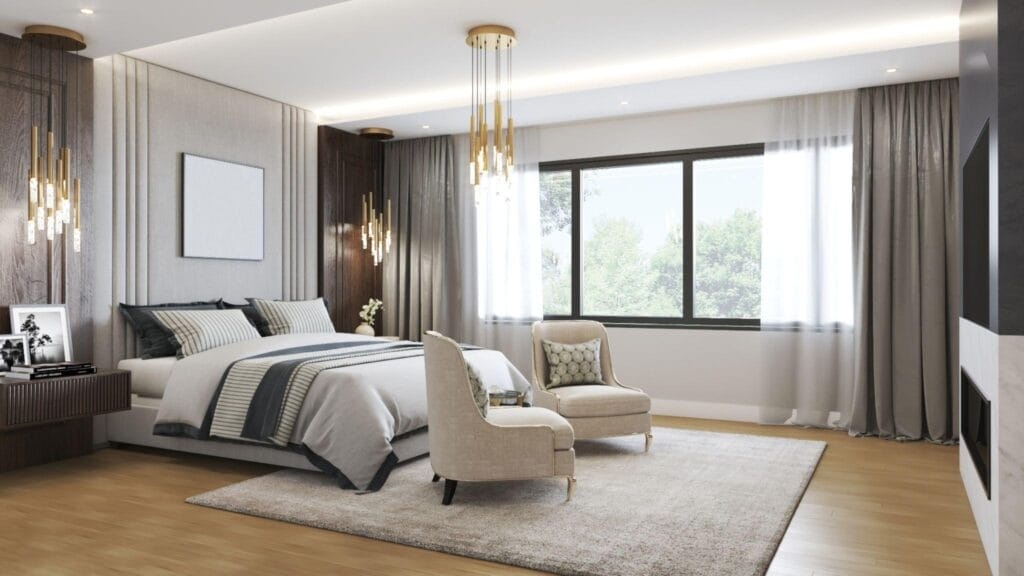
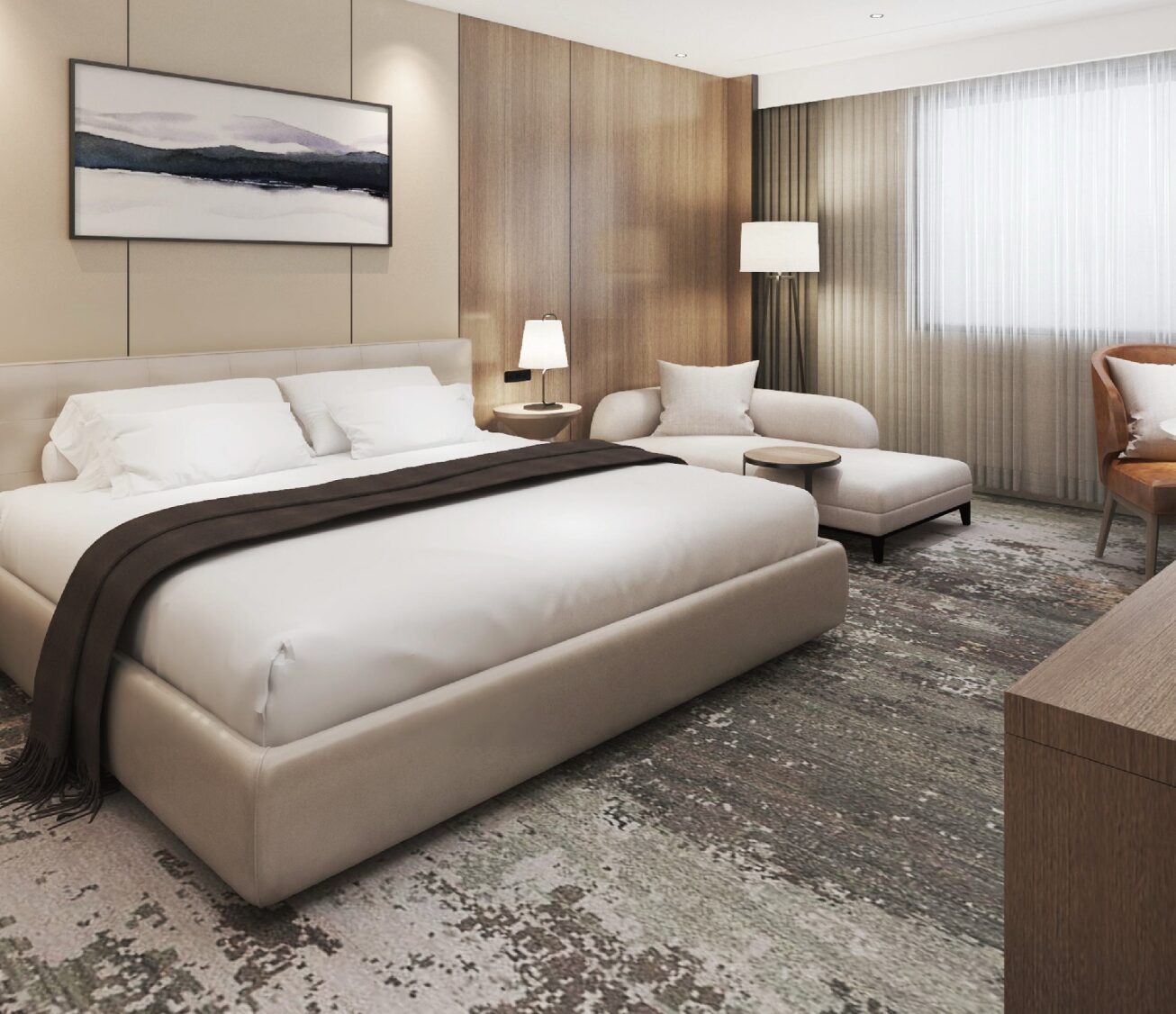
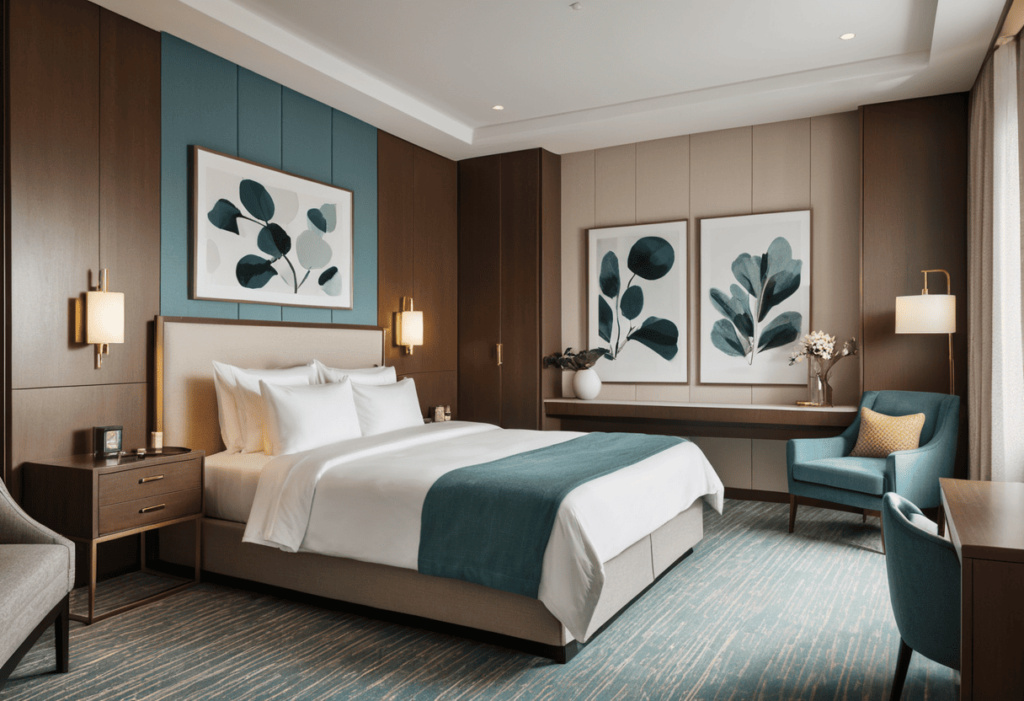
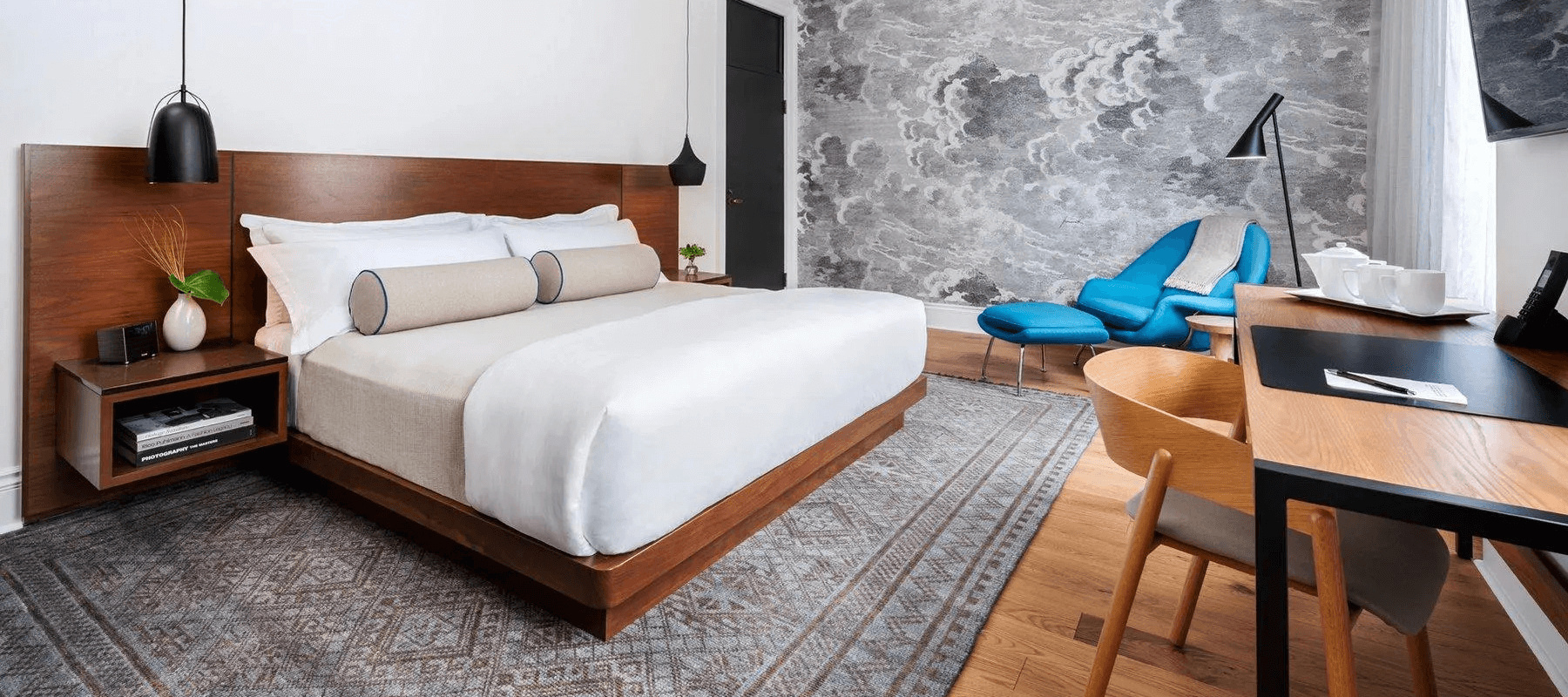
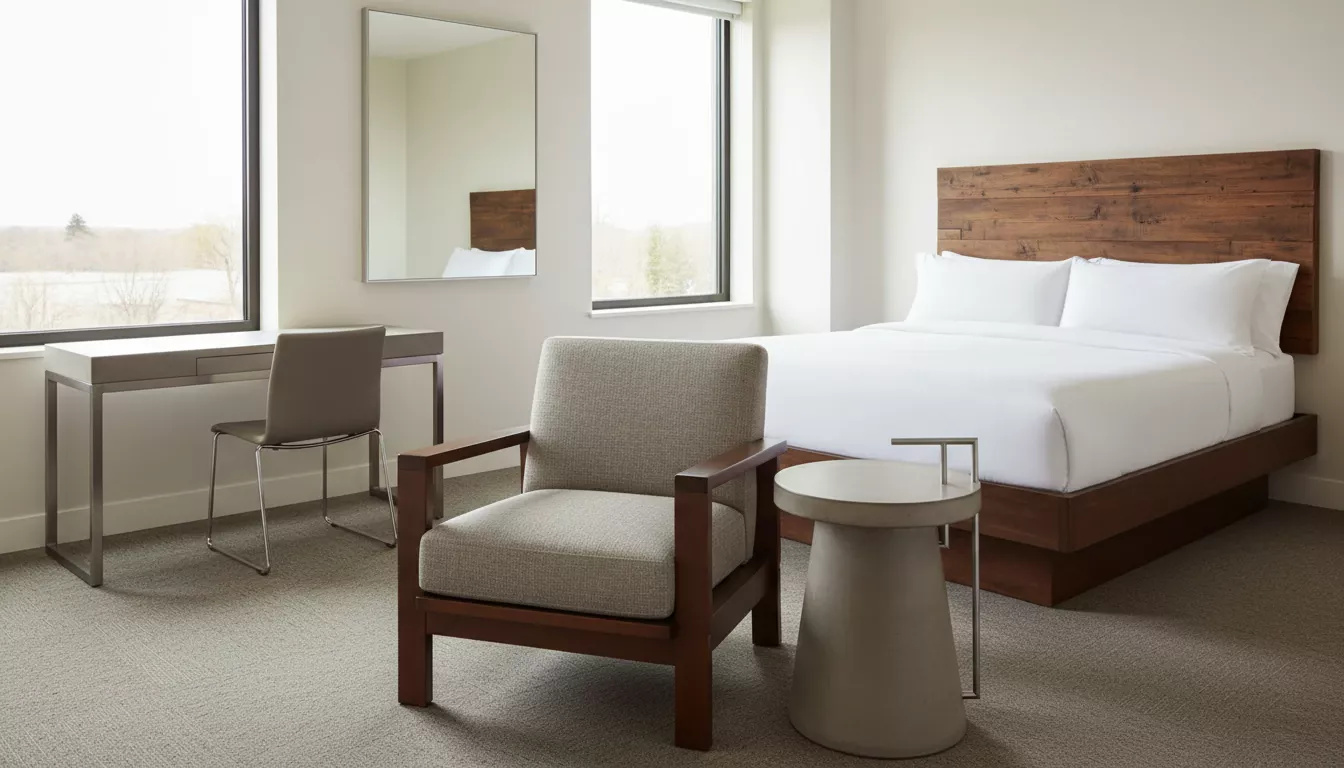
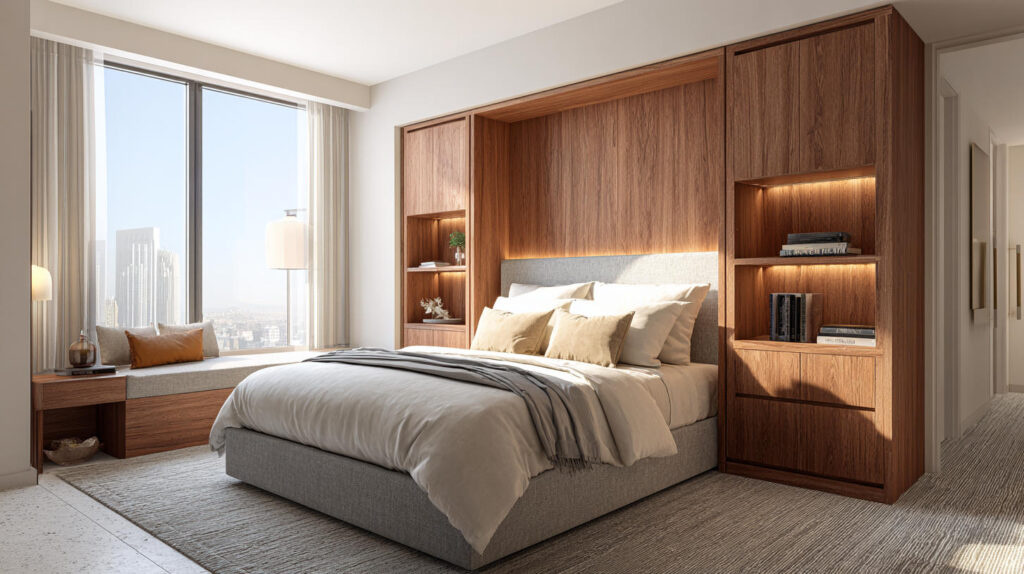
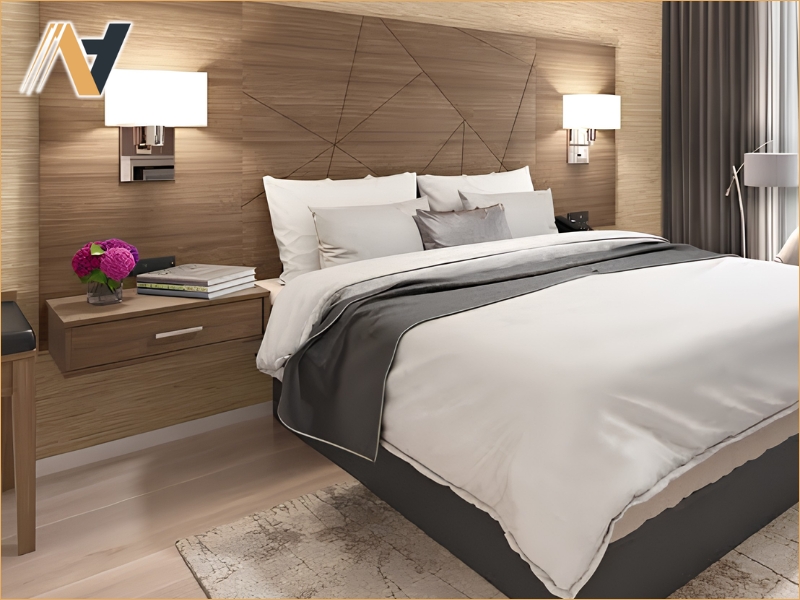
Engineered wood combined with high-pressure laminates is widely used in hotel furniture due to its strong durability, moisture resistance, and cost efficiency. These materials provide a stable structure while offering a wide range of surface finishes that mimic natural wood, making them ideal for guest room furniture and built-in cabinetry.
2.2 Performance fabrics and synthetic leather
For upholstered furniture, performance fabrics and synthetic leather are preferred choices because of their stain resistance, ease of cleaning, and ability to withstand frequent use. These materials help maintain a fresh and elegant appearance in sofas, headboards, and seating areas even after continuous guest turnover.
2.3 Stone, metal, and glass surfaces for high-use zones
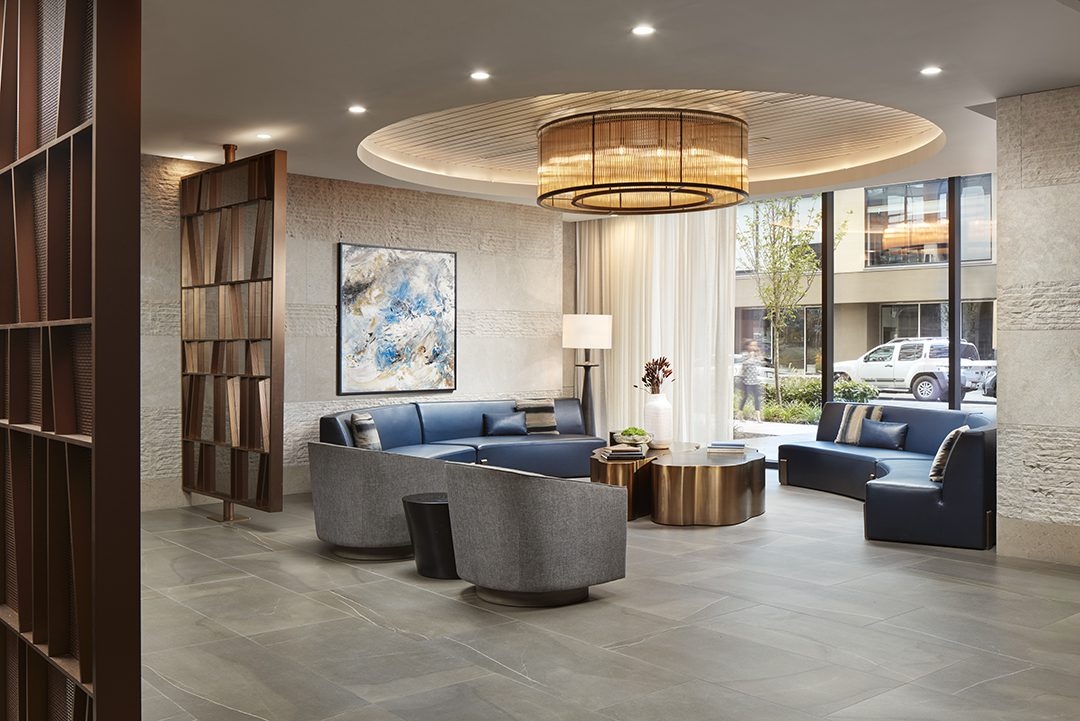
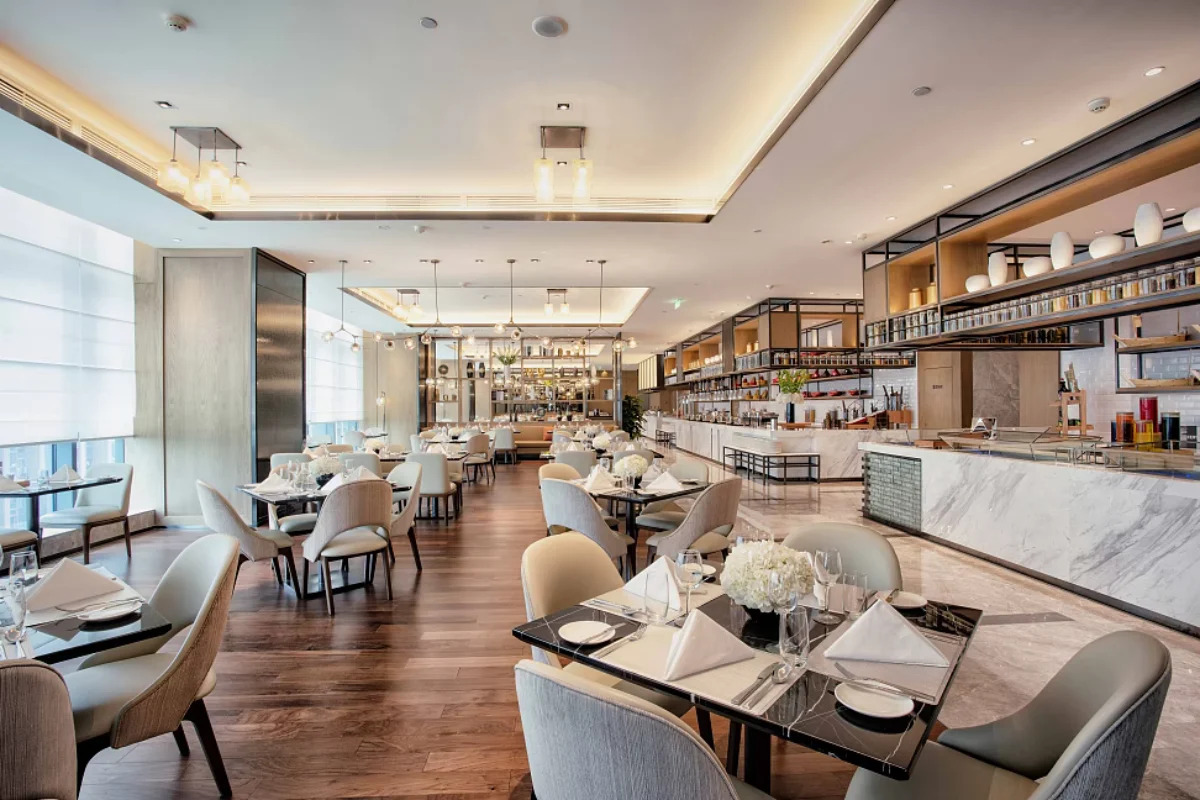
In public and high-traffic areas, materials such as stone, metal, and tempered glass are commonly used for their strength, hygiene, and premium look. These surfaces are highly resistant to wear and easy to sanitize, making them suitable for lobbies, dining areas, and bathroom fixtures where durability and cleanliness are top priorities.
3. Factors to Consider When Selecting Hotel Materials
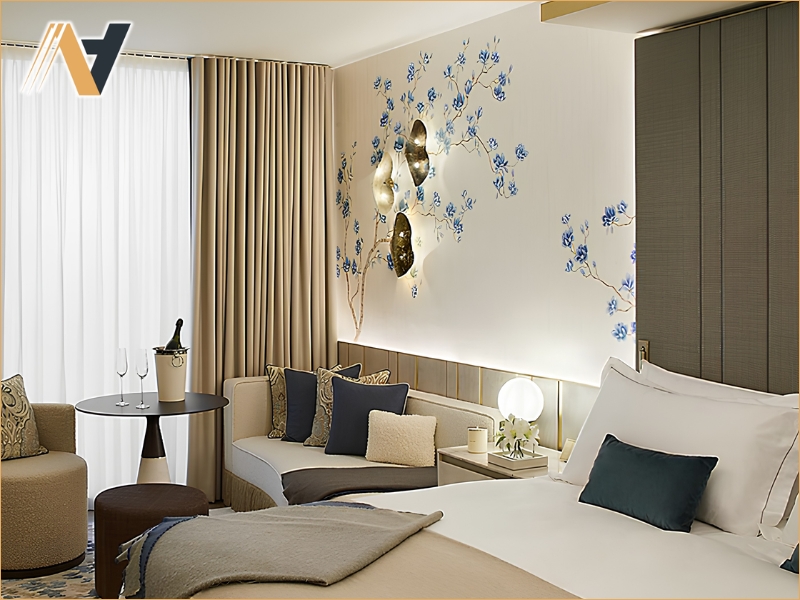
Beyond choosing the right material types, hotels must carefully evaluate practical and operational factors to ensure long-term performance, safety, and maintenance efficiency. These considerations help align material selection with real-world usage conditions in high-traffic hospitality environments.
3.1 Resistance to moisture, heat, and humidity
Hotel interiors are often exposed to varying environmental conditions, especially in tropical or coastal regions. Materials must be able to resist moisture, temperature changes, and humidity without warping, swelling, or losing structural integrity to ensure long-lasting durability.
3.2 Maintenance frequency and cleaning compatibility
Different materials require different levels of maintenance, so it is essential to choose options that match housekeeping capabilities and operational schedules. Materials that are compatible with standard cleaning agents and require minimal upkeep help reduce labor costs and improve operational efficiency.
3.3 Safety and guest comfort considerations
In addition to durability, materials must ensure guest safety and comfort by being non-toxic, smooth to touch, and free from harmful emissions. Surfaces should also be designed to avoid sharp edges or discomfort, contributing to a safe and pleasant hospitality experience.
4. Cost vs Durability Balance in Material Selection
In hotel interior projects, finding the right balance between initial cost and long-term durability is essential for achieving both financial efficiency and sustainable performance. A well-planned material strategy helps hotels avoid unnecessary replacements while still maintaining a refined and consistent guest experience.
4.1 Long-term value over initial cost
While low-cost materials may reduce upfront investment, they often lead to higher maintenance and replacement expenses over time. Prioritizing long-lasting materials ensures better lifecycle value, reduces operational disruptions, and supports a more stable budget plan for hotel operations.
4.2 Lifecycle performance of materials
Understanding how materials age under continuous use is crucial in hospitality environments. High-quality materials maintain their structure, color, and texture over time, helping hotels preserve a premium appearance even after years of heavy guest traffic and regular cleaning cycles.
4.3 Standardization for bulk hotel projects
Using standardized materials across multiple rooms or areas improves procurement efficiency and reduces overall costs. This approach also ensures visual consistency throughout the property while simplifying maintenance, replacement, and inventory management processes.
5. Maintenance Practices to Extend Material Lifespan
Proper maintenance is a critical factor in ensuring hotel interior materials remain durable, hygienic, and visually appealing throughout their lifecycle. A well-structured care routine not only preserves material quality but also helps hotels reduce long-term operational costs and maintain a consistent guest experience.
5.1 Routine cleaning protocols for different materials
Each material type requires specific cleaning methods to avoid damage and maintain performance. For example, wood surfaces need gentle cleaning agents, while metal, glass, and stone can withstand stronger sanitizing solutions, ensuring effective hygiene without compromising material integrity.
5.2 Preventive maintenance strategies
Regular inspections and early detection of wear signs such as scratches, loose joints, or fading finishes help prevent major damage. Preventive maintenance allows hotels to address small issues before they escalate, extending the overall lifespan of furniture and interior surfaces.
5.3 Protective coatings and surface treatments
Applying protective layers such as anti-scratch coatings, waterproof sealants, and stain-resistant finishes significantly enhances material resistance. These treatments reduce daily wear and tear, simplify cleaning processes, and help maintain a fresh, premium appearance over time.
Conclusion
Selecting durable, easy-to-clean materials for hotel interiors is essential to ensure long-term performance, hygiene, and consistent aesthetic quality in high-traffic hospitality environments. When materials are chosen with careful attention to durability, maintenance efficiency, and lifecycle value, hotels can significantly improve operational stability while maintaining a refined guest experience.
For hospitality projects seeking reliable solutions, Ngoc Hoang Anh provides premium Vietnam hotel furniture designed to meet strict durability standards and support modern hotel interior requirements.
Contact us today for expert consultation and bespoke hospitality furniture production.
-----
NGOC HOANG ANH TRADING COMPANY LIMITED
Tax Code: 3702874413
Address: No. 288/28/10 Huynh Van Luy Street, Zone 7, Phu Loi Ward, Ho Chi Minh City, Vietnam
Warehouse: No. 1/91, Thuan Giao 02 Street, Binh Thuan 2 Residential Quarter, Thuan Giao Ward, Ho Chi Minh City, Vietnam
Phone/Whatsapp/Wechat: +84342076666
Email: info@ngochoanganh.com.vn