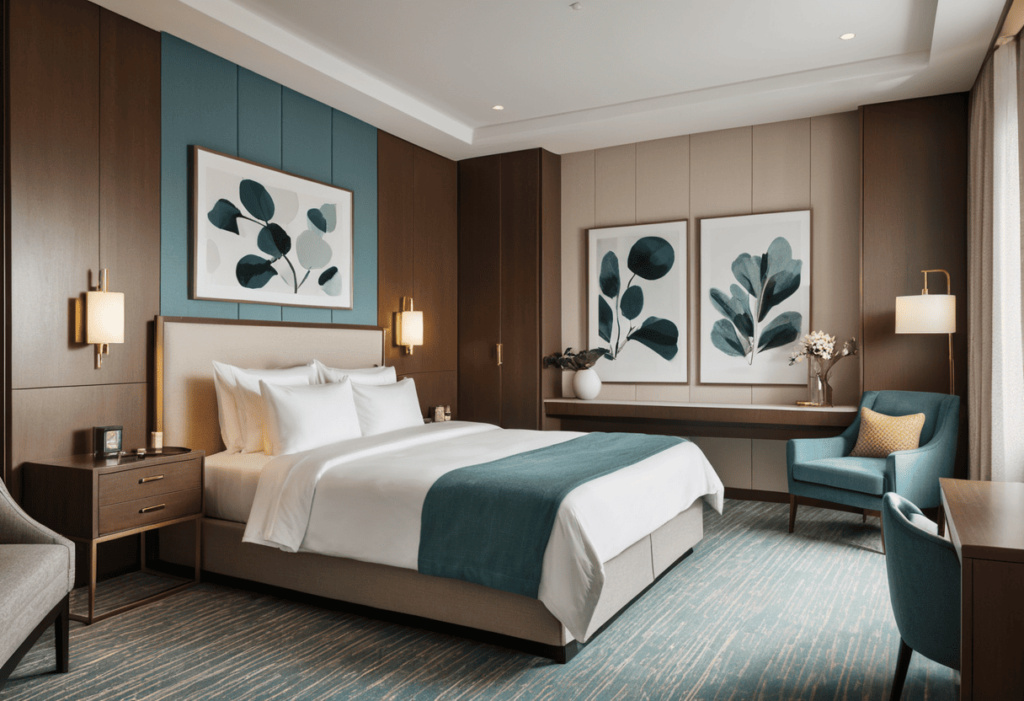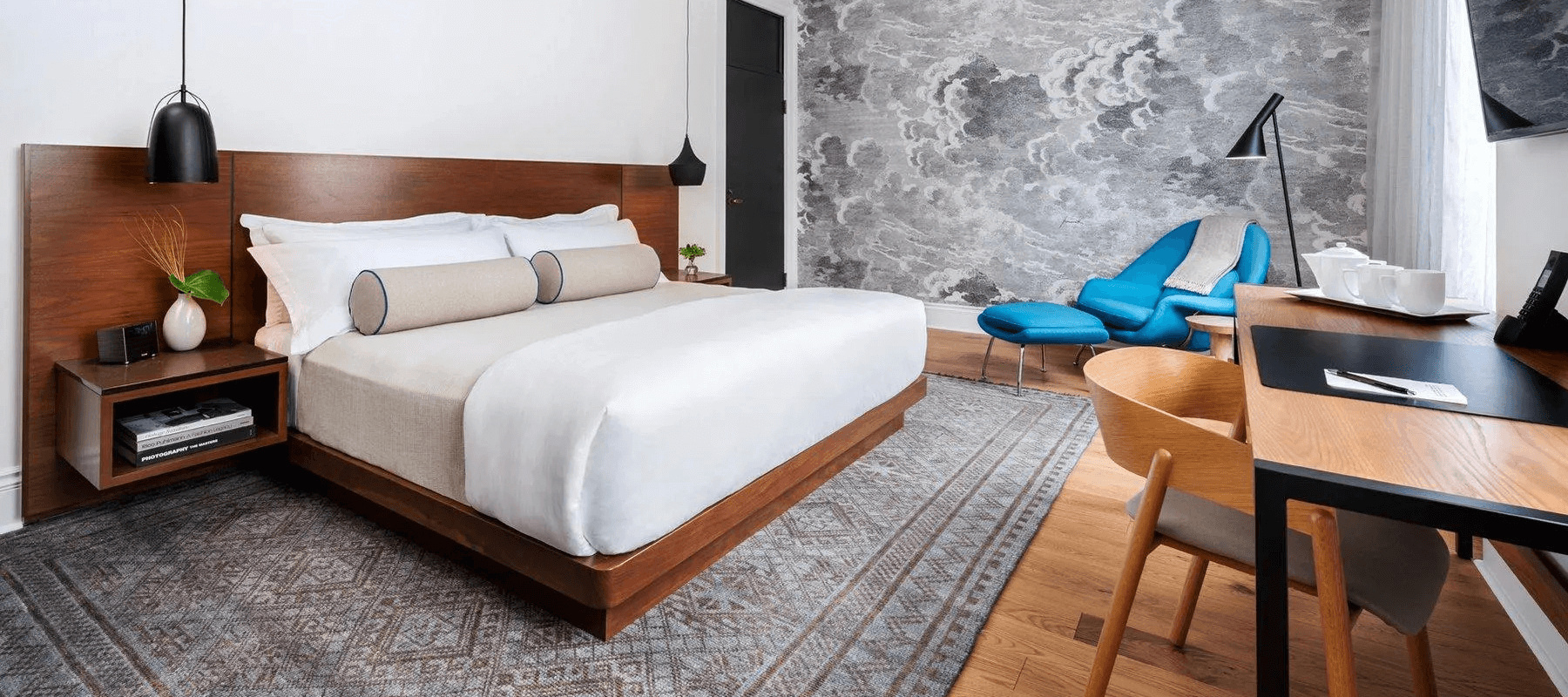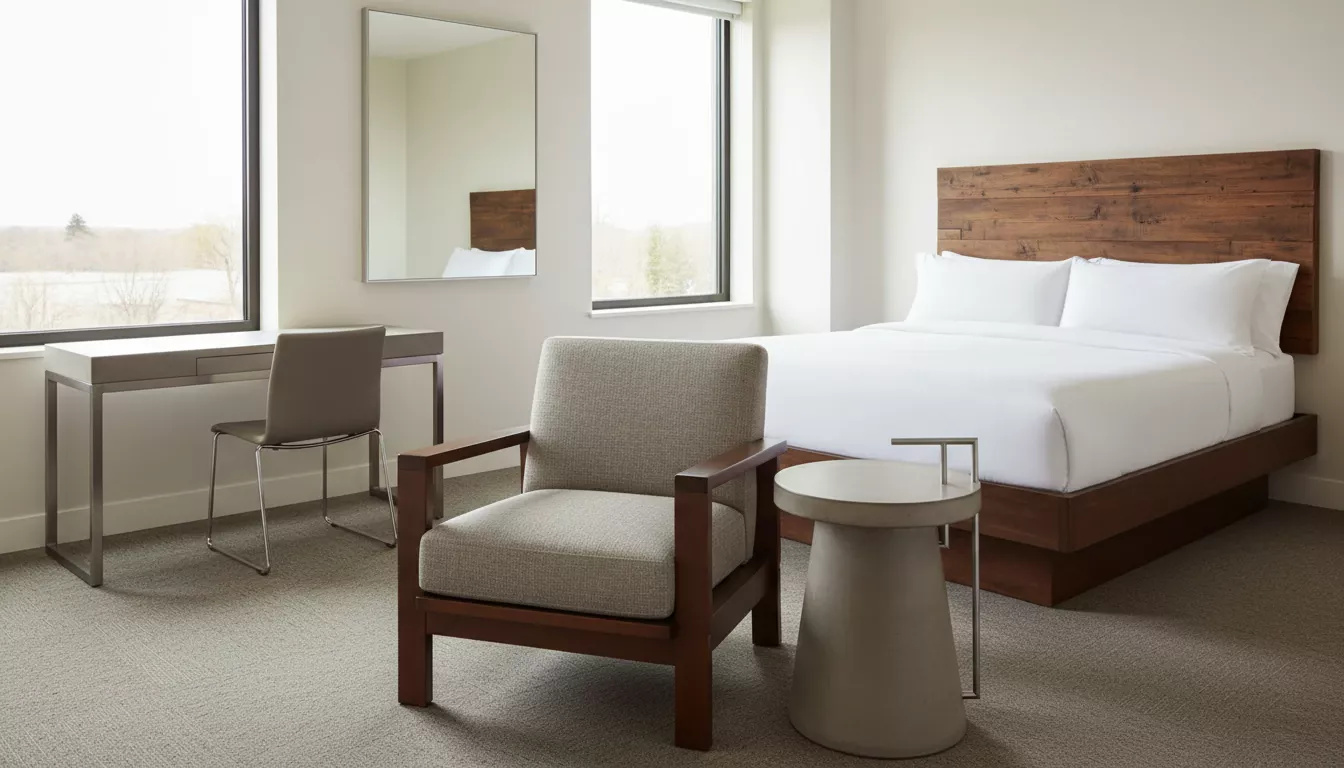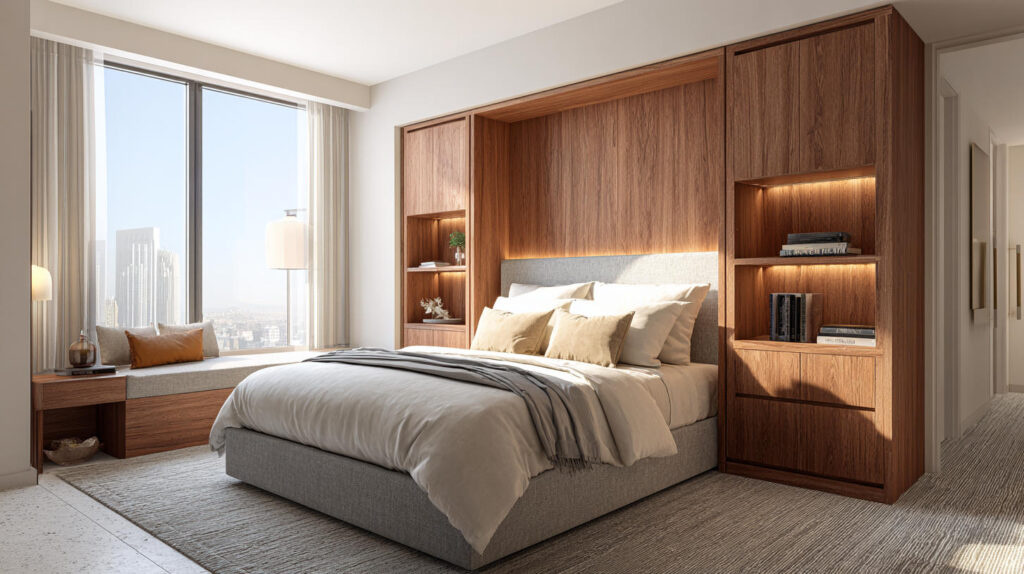
How to Arrange a Dining Room for Both Convenience and Visual Appeal
Thứ 4, 24/06/2026
Administrator
190
A well-arranged dining room does more than provide a place to eat it shapes how people gather, interact, and experience the space. Thoughtful furniture placement, balanced proportions, and coordinated interior details help create dining environments that feel both practical and visually inviting. In this article, Ngoc Hoang Anh shares effective ways to arrange dining spaces that combine convenience with aesthetic appeal.
1. Plan the Dining Room Layout Around Daily Use
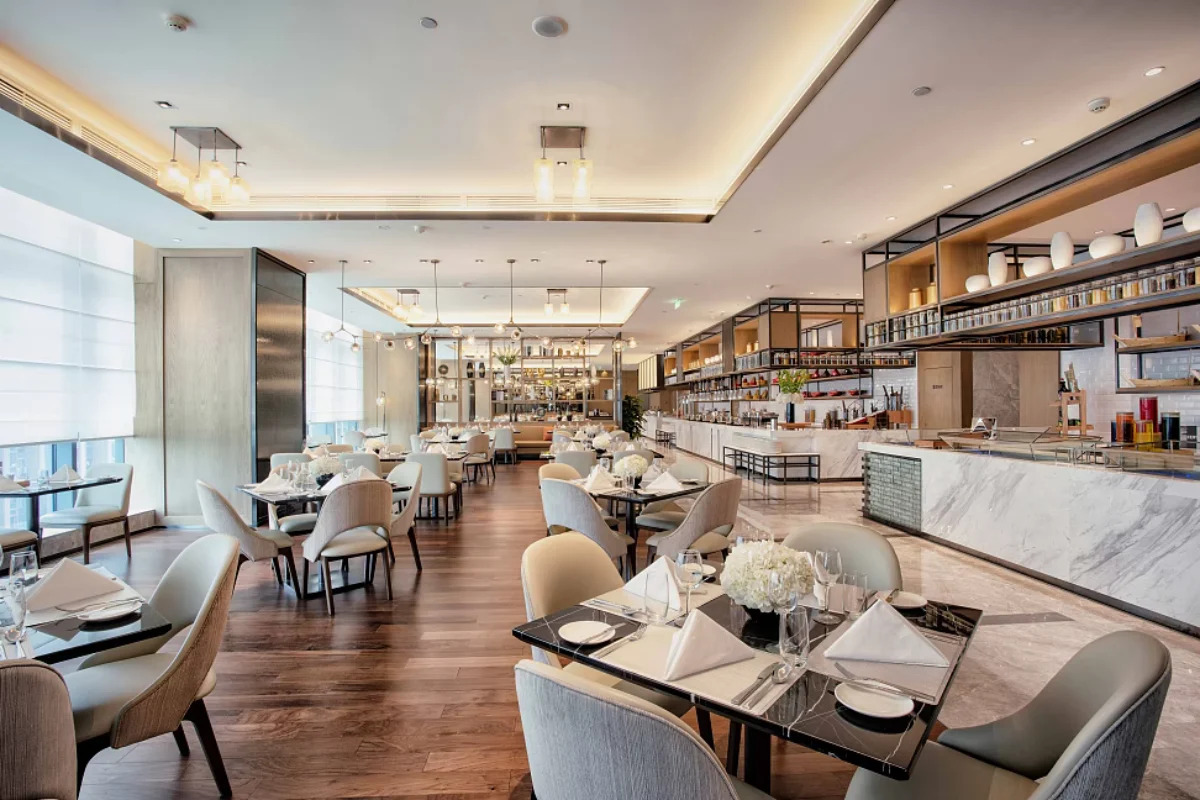
A well-arranged dining room should support both comfortable dining experiences and efficient daily use. Instead of focusing only on appearance, thoughtful space planning helps improve circulation, maximize seating comfort, and create a more welcoming environment. A balanced layout allows the dining area to feel organized, spacious, and visually appealing without sacrificing practicality.
1.1 Define the Main Dining Zone Clearly
Establishing a clear dining area helps organize the room and creates stronger visual structure. Positioning the dining table as the central element allows surrounding furniture and decorative features to support the overall composition while improving usability and comfort.
1.2 Maintain Comfortable Circulation Paths
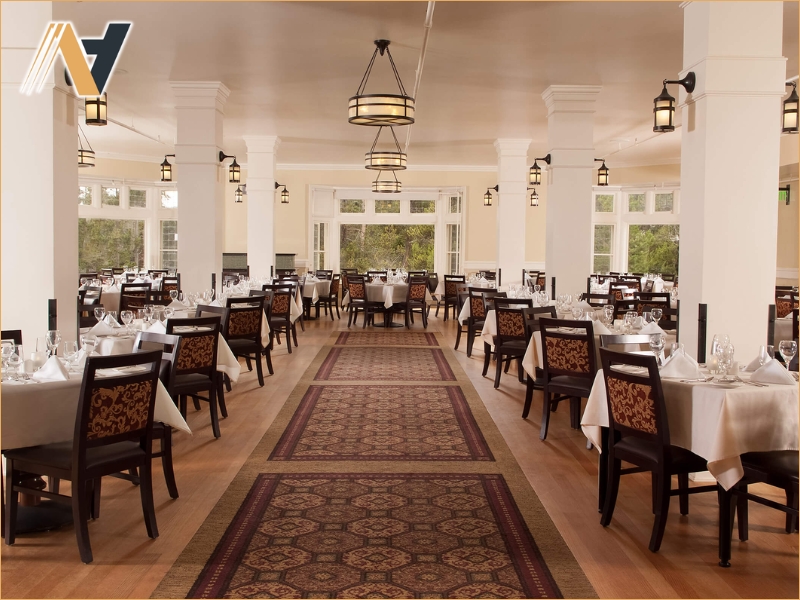
Dining spaces should allow people to move naturally without obstruction during meals and everyday activities. Leaving sufficient space around tables and seating improves accessibility, prevents overcrowding, and creates a more open and enjoyable dining experience.
1.3 Balance Seating Capacity and Spatial Openness
Adding more seats does not always improve functionality if the room becomes crowded. Selecting an appropriate seating arrangement based on room size helps maintain comfort, preserve visual balance, and ensure the dining area feels both practical and inviting.
2. Select Furniture That Enhances Both Function and Style
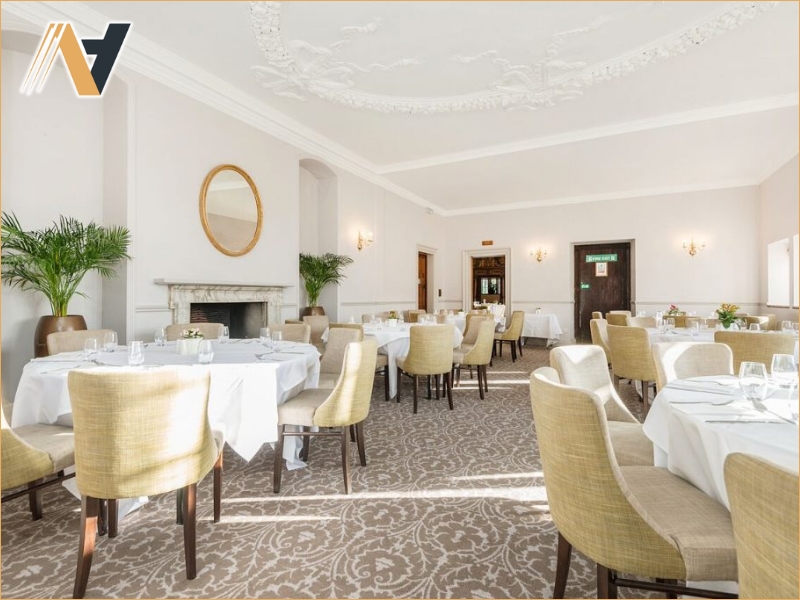
Furniture plays a central role in determining how comfortable, efficient, and visually appealing a dining room feels. The right selection goes beyond appearance by improving usability, supporting movement, and creating a more cohesive interior atmosphere. Choosing furniture strategically allows dining spaces to remain elegant while serving everyday needs effectively.
2.1 Choose Table Dimensions That Fit the Room
The dining table should complement the proportions of the space rather than dominate it. Selecting an appropriate table size creates better balance, improves seating comfort, and allows enough surrounding space for circulation and daily use without making the room feel crowded.
2.2 Coordinate Seating for Comfort and Cohesion
Dining chairs contribute significantly to both comfort and visual harmony. Selecting seating that aligns with table proportions and overall interior style creates a more unified appearance while ensuring guests enjoy a comfortable dining experience.
2.3 Use Flexible Furniture Solutions
Flexible furniture choices improve adaptability and maximize available space. Extendable tables, movable seating, and multifunctional furniture allow dining rooms to accommodate different group sizes and changing usage needs while maintaining a refined appearance.
2.4 Consider Storage as Part of the Layout
Storage should be integrated into the dining room design to support convenience without adding visual clutter. Sideboards, display cabinets, and concealed storage solutions help organize dining essentials while contributing to a cleaner and more sophisticated environment.
3. Improve Visual Appeal Through Interior Styling
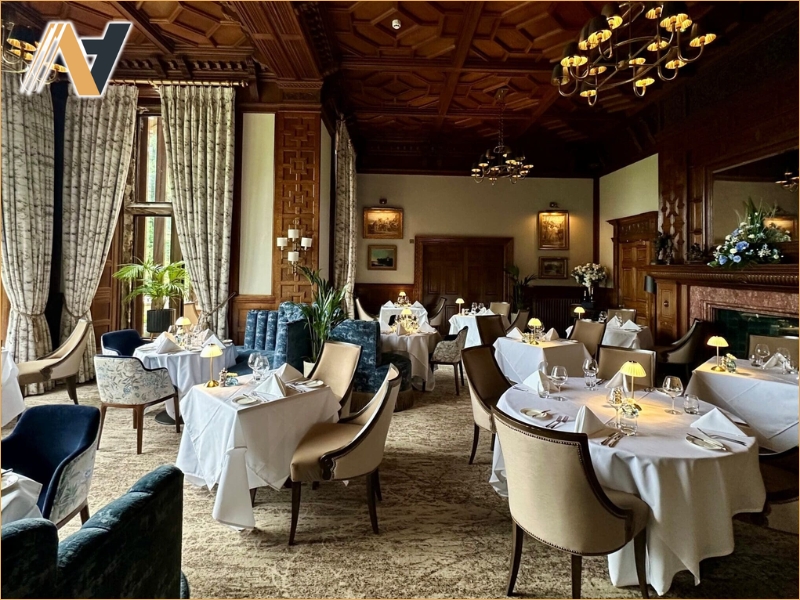
Beyond layout and furniture selection, interior styling gives the dining room its atmosphere and character. Thoughtful use of lighting, materials, and color can make the space feel warmer, more inviting, and visually balanced while enhancing the overall dining experience. Even simple styling decisions can significantly improve how the room is perceived and enjoyed.
3.1 Use Lighting to Define the Dining Experience
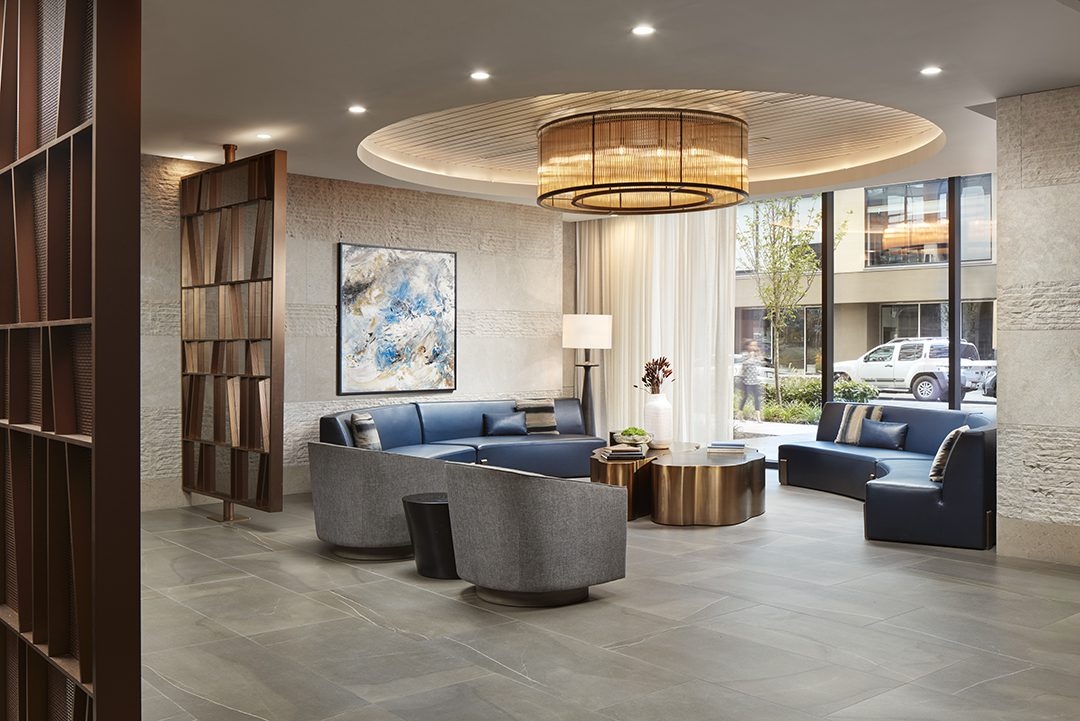
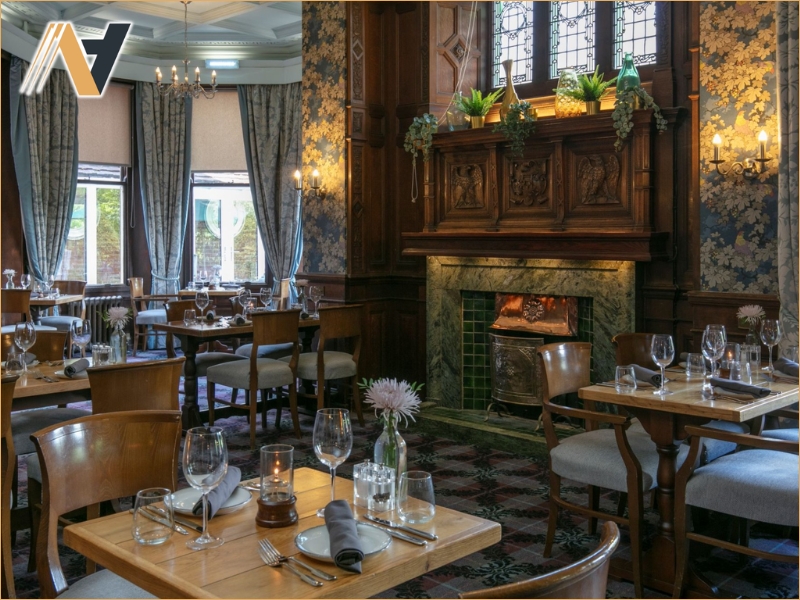
Lighting helps shape mood and draw attention to the dining area as the focal point of the room. Combining ambient lighting with decorative fixtures creates a more comfortable environment while adding visual depth and making meals feel more enjoyable and memorable.
3.2 Layer Materials and Textures
Mixing textures and finishes adds dimension and prevents dining spaces from appearing flat or monotonous. Combining wood, fabric, glass, stone, or soft decorative elements helps create richer interiors that feel more comfortable and visually refined.
3.3 Coordinate Colors for Better Balance
A cohesive color palette helps connect furniture, decorative accents, and architectural elements into a unified composition. Choosing complementary tones creates a calmer atmosphere, improves visual harmony, and allows the dining room to remain elegant and timeless.
4. Create a Dining Space That Remains Practical Over Time
A well-designed dining room should continue to feel comfortable, functional, and visually appealing even as daily routines and interior preferences evolve. Long-term practicality comes from making thoughtful decisions about layout, maintenance, and flexibility so the space remains efficient without losing its aesthetic value.
4.1 Design for Easy Cleaning and Maintenance
Dining areas are frequently used and require practical solutions that simplify everyday upkeep. Choosing easy-to-clean surfaces, durable materials, and layouts that allow convenient access helps preserve the appearance and usability of the room over time.
4.2 Keep Decorative Elements Purposeful
Decorative details should enhance the dining atmosphere rather than create visual clutter. Selecting a limited number of meaningful accessories allows the room to feel more refined while maintaining openness and supporting a cleaner overall appearance.
4.3 Allow Flexibility for Future Updates
Dining spaces should be adaptable enough to accommodate changing lifestyles and evolving design preferences. Flexible furniture arrangements and timeless interior foundations make it easier to refresh the space while maintaining functionality and visual consistency over the long term.
Conclusion
An effective dining room arrangement combines visual balance with everyday convenience. By planning layouts carefully, selecting furniture intentionally, and refining styling details, dining spaces can become more comfortable, practical, and enjoyable for every gathering.
For projects seeking customized furniture solutions that combine aesthetics with functionality, Ngoc Hoang Anh provides premium Vietnam hotel furniture designed to elevate interior quality and long-term hospitality performance.
Contact us today for expert consultation and bespoke hospitality furniture production.
-----
NGOC HOANG ANH TRADING COMPANY LIMITED
Tax Code: 3702874413
Address: No. 288/28/10 Huynh Van Luy Street, Zone 7, Phu Loi Ward, Ho Chi Minh City, Vietnam
Warehouse: No. 1/91, Thuan Giao 02 Street, Binh Thuan 2 Residential Quarter, Thuan Giao Ward, Ho Chi Minh City, Vietnam
Phone/Whatsapp/Wechat: +84342076666
Email: info@ngochoanganh.com.vn