How Hotel Interiors Influence Guest Reviews and Satisfaction
Thứ 6, 19/06/2026
Administrator
163
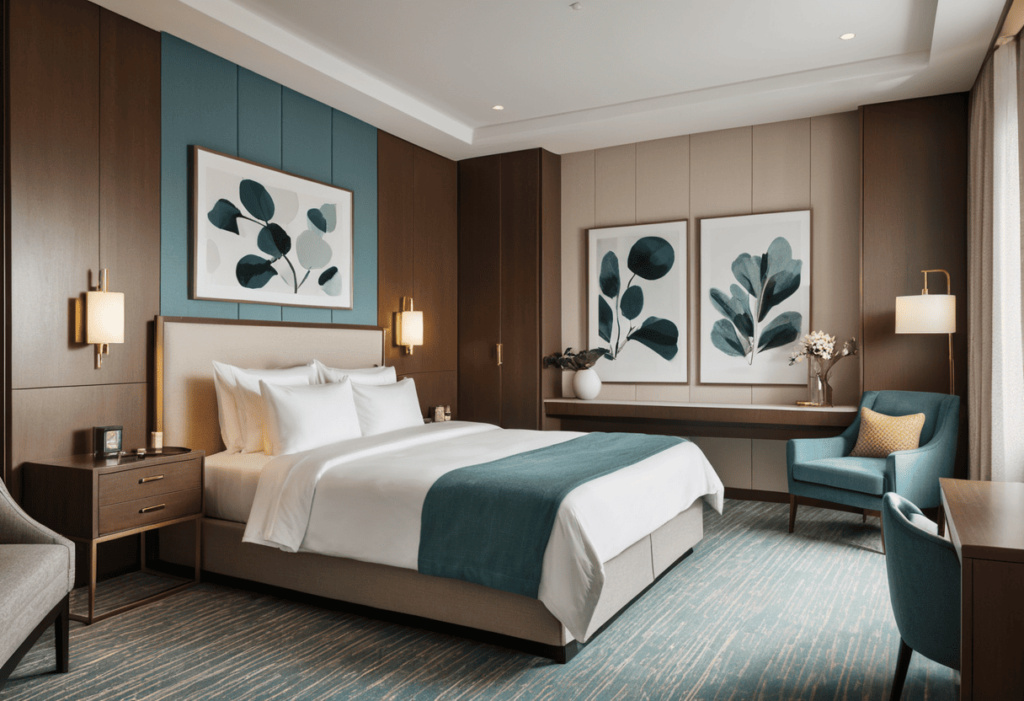
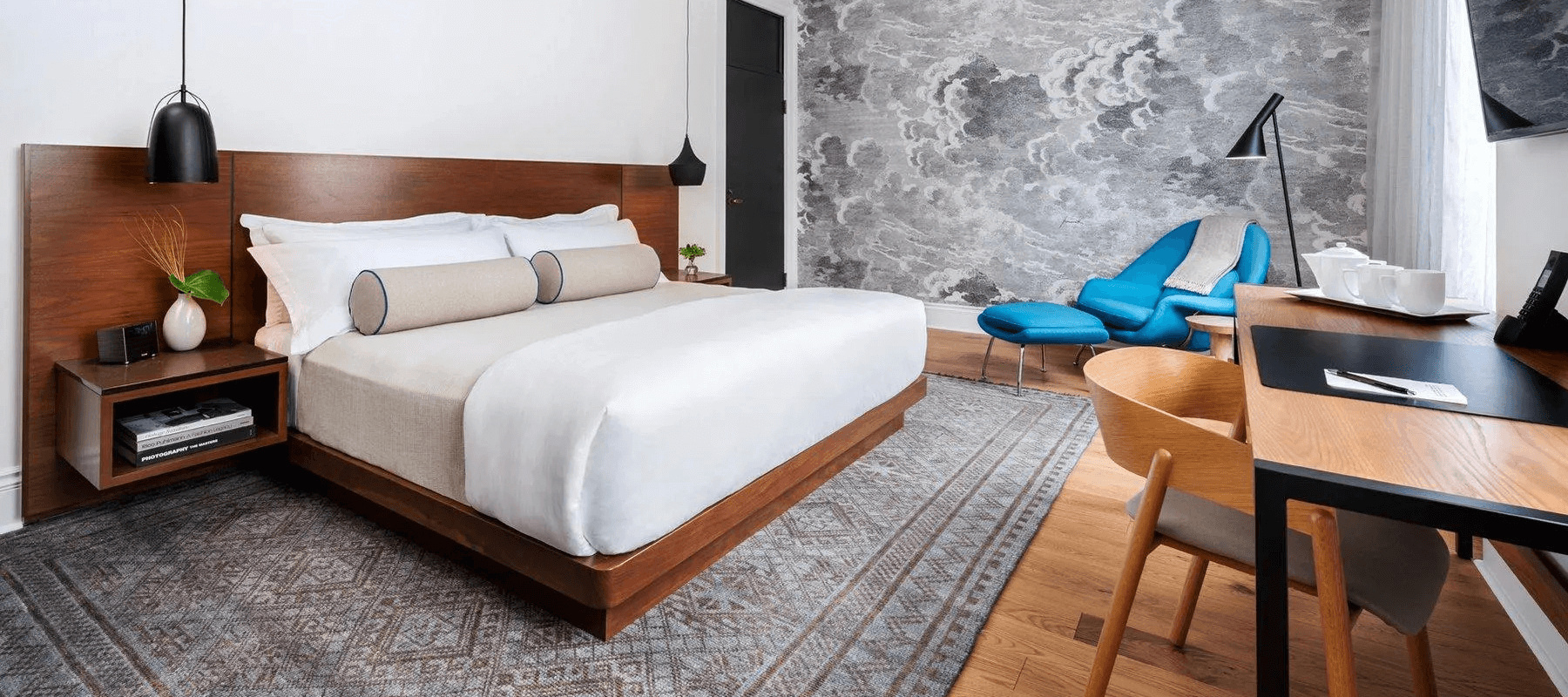
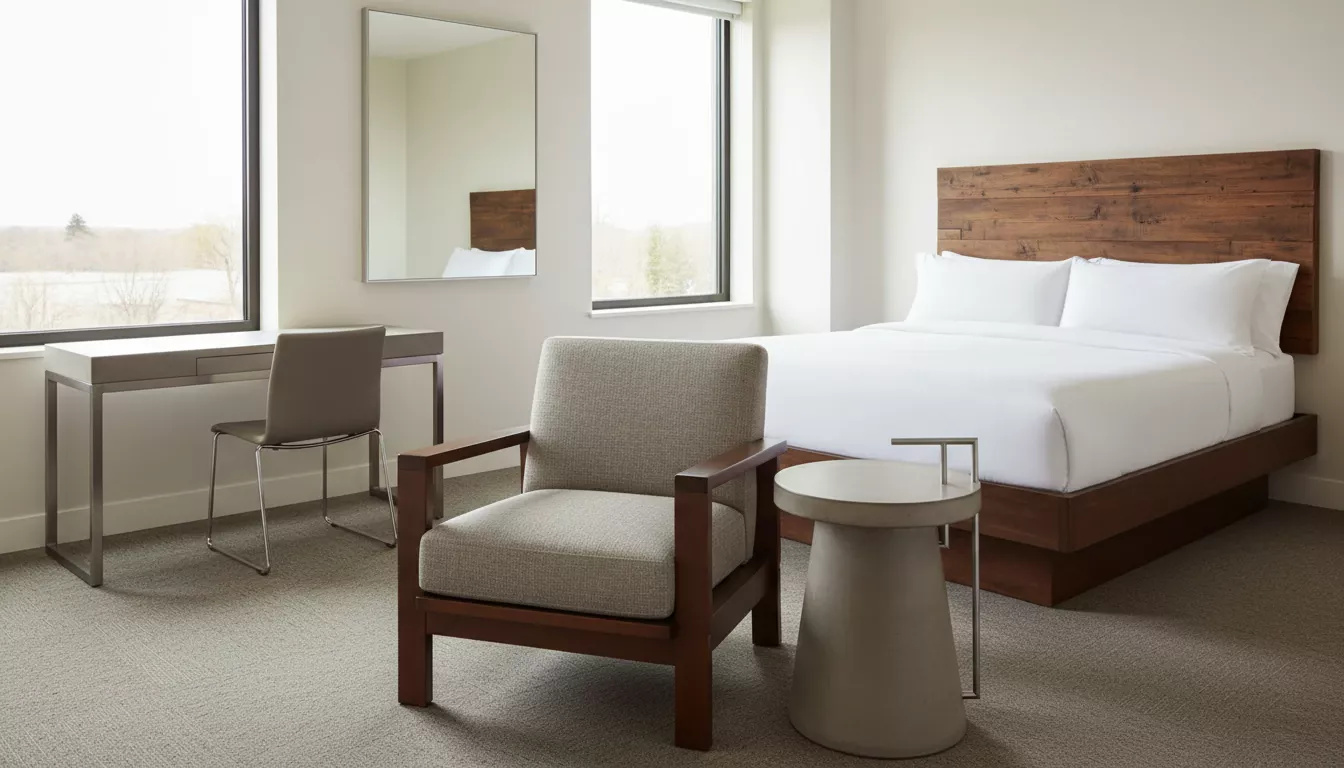
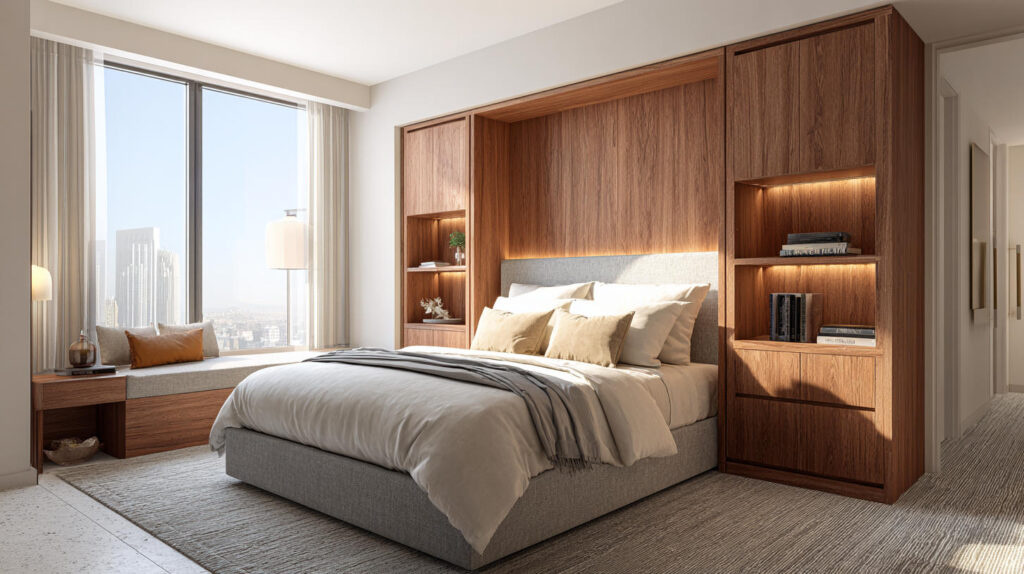
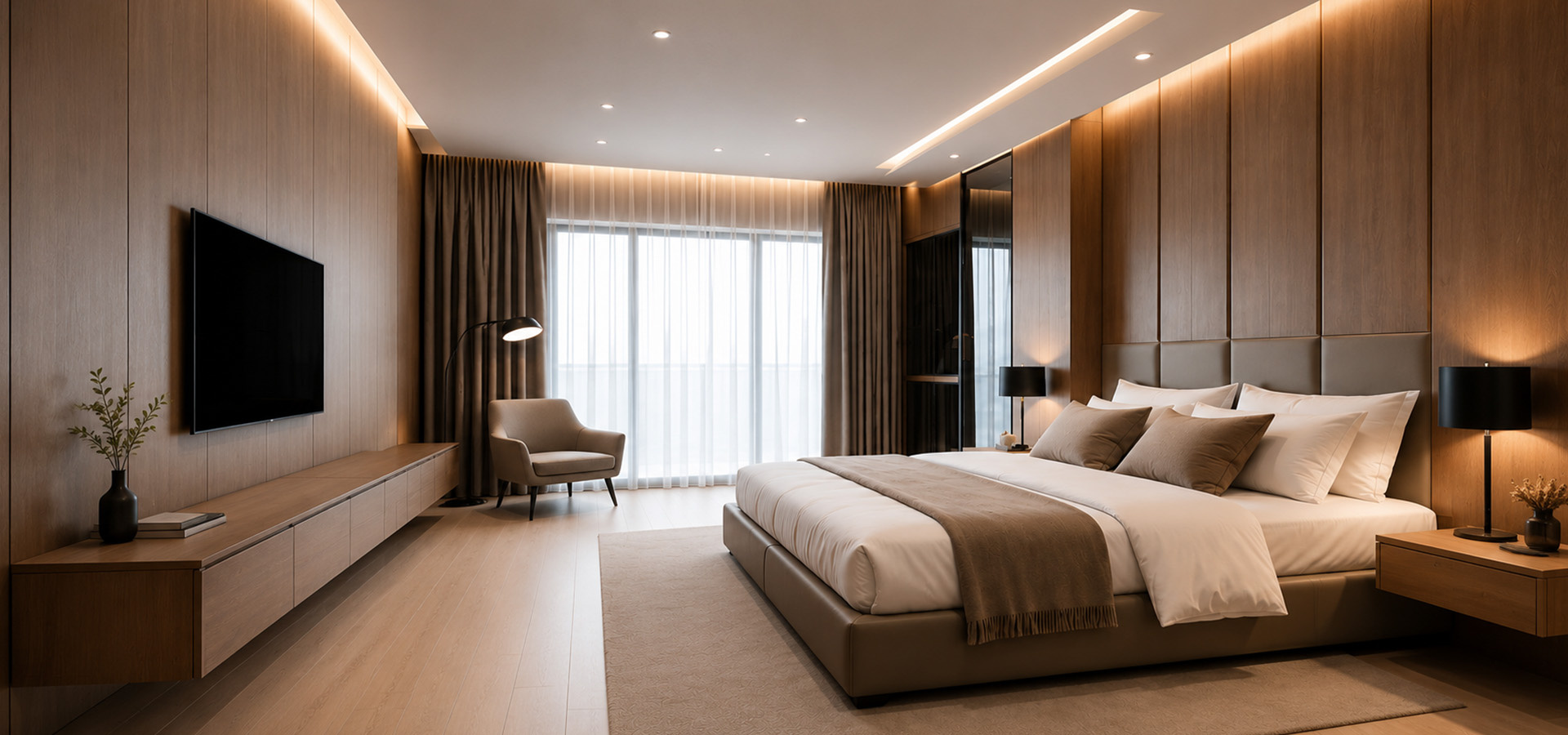
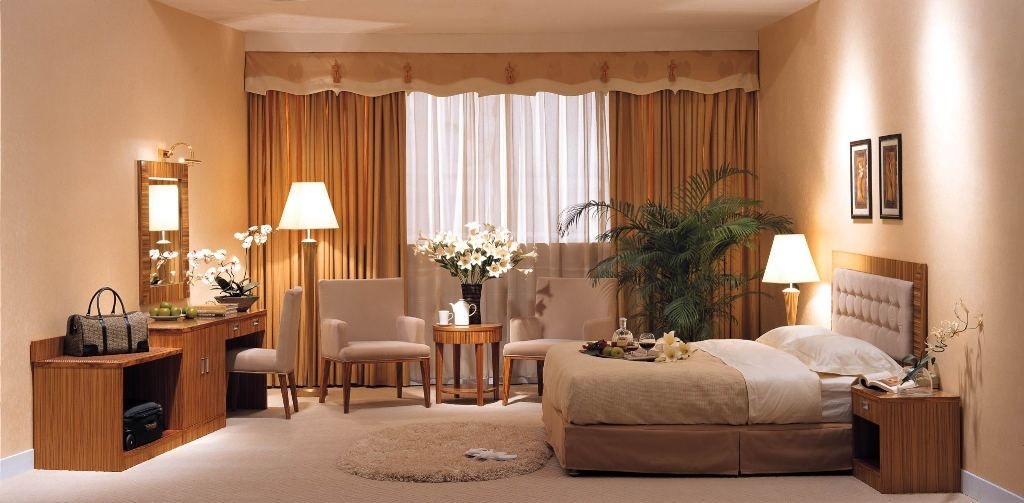
Hotel interiors play a major role in shaping first impressions, guest comfort, and overall hospitality experiences. From aesthetics and functionality to material quality and atmosphere, every interior decision can directly influence customer satisfaction and online reviews. In this article, Ngoc Hoang Anh explores how hotel interiors impact guest evaluations and long-term brand value.
1. First Impressions Begin With Interior Design
Hotel interiors are often the first physical touchpoint guests experience, making them a powerful factor in shaping expectations, perceived service quality, and emotional connection. A well-designed environment immediately communicates professionalism, comfort, and brand value, while poorly planned interiors can negatively influence guest impressions before service interactions even begin.
1.1 Visual Appeal Creates Immediate Perception
Guests naturally form opinions within moments of entering a hotel, and interior aesthetics strongly influence these judgments. Clean layouts, harmonious colors, quality materials, and refined furniture selections help create a sense of trust, elevate perceived value, and encourage more favorable customer evaluations.
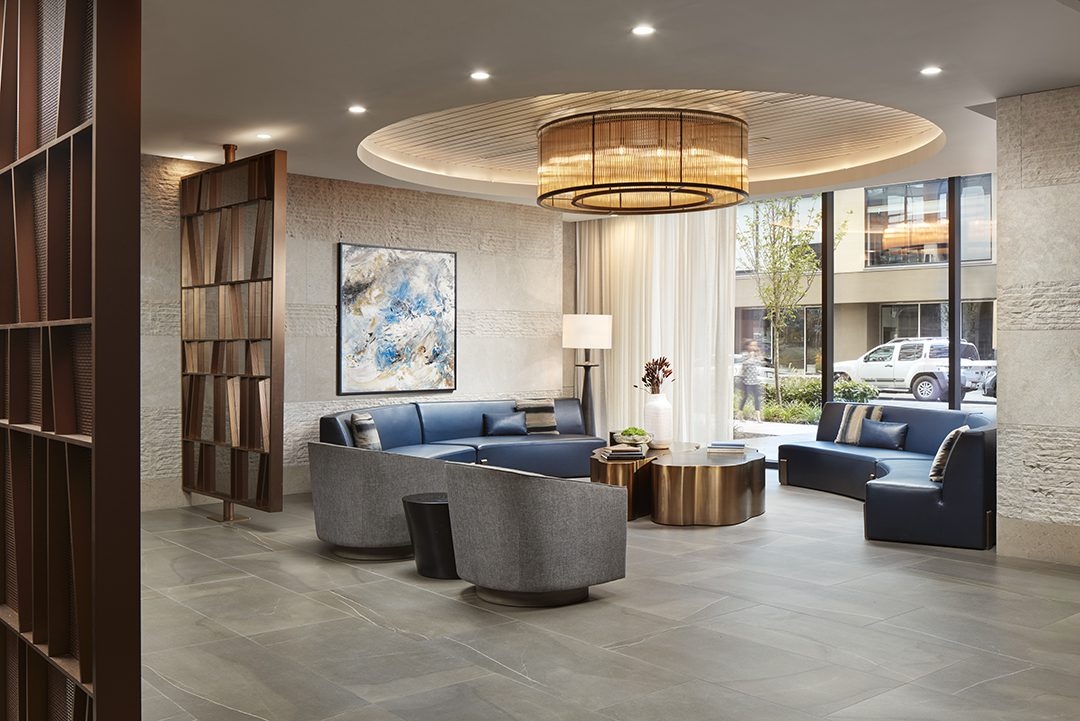
1.2 Reception and Lobby Influence Guest Expectations
The reception and lobby areas establish the tone for the entire hospitality experience because they are where guests spend their first moments. Thoughtfully designed public spaces improve comfort, reinforce professionalism, and create stronger confidence in overall hotel service standards.
1.3 Consistent Design Strengthens Brand Identity
A consistent interior language across guest rooms and shared spaces helps create a recognizable hospitality identity and a more memorable stay experience. Cohesive design strengthens brand positioning and increases the likelihood of positive reviews and repeat visits.
2. Interior Comfort Directly Impacts Guest Satisfaction
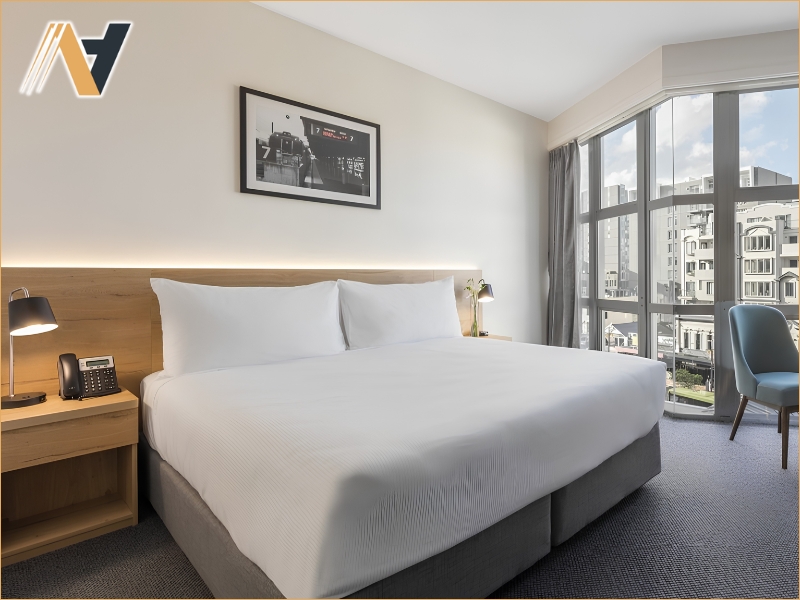
Interior comfort is one of the strongest factors influencing how guests evaluate their hotel experience because it affects relaxation, convenience, and emotional response throughout the stay. Well-designed hospitality interiors create a sense of ease and satisfaction that often translates into stronger reviews, repeat bookings, and positive recommendations.
2.1 Furniture Quality Affects Daily Experience
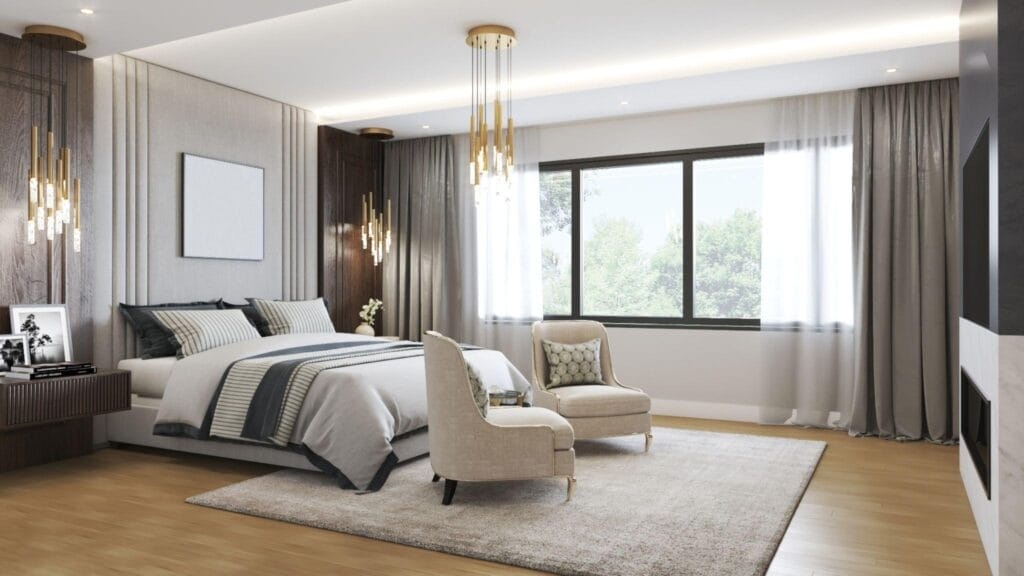
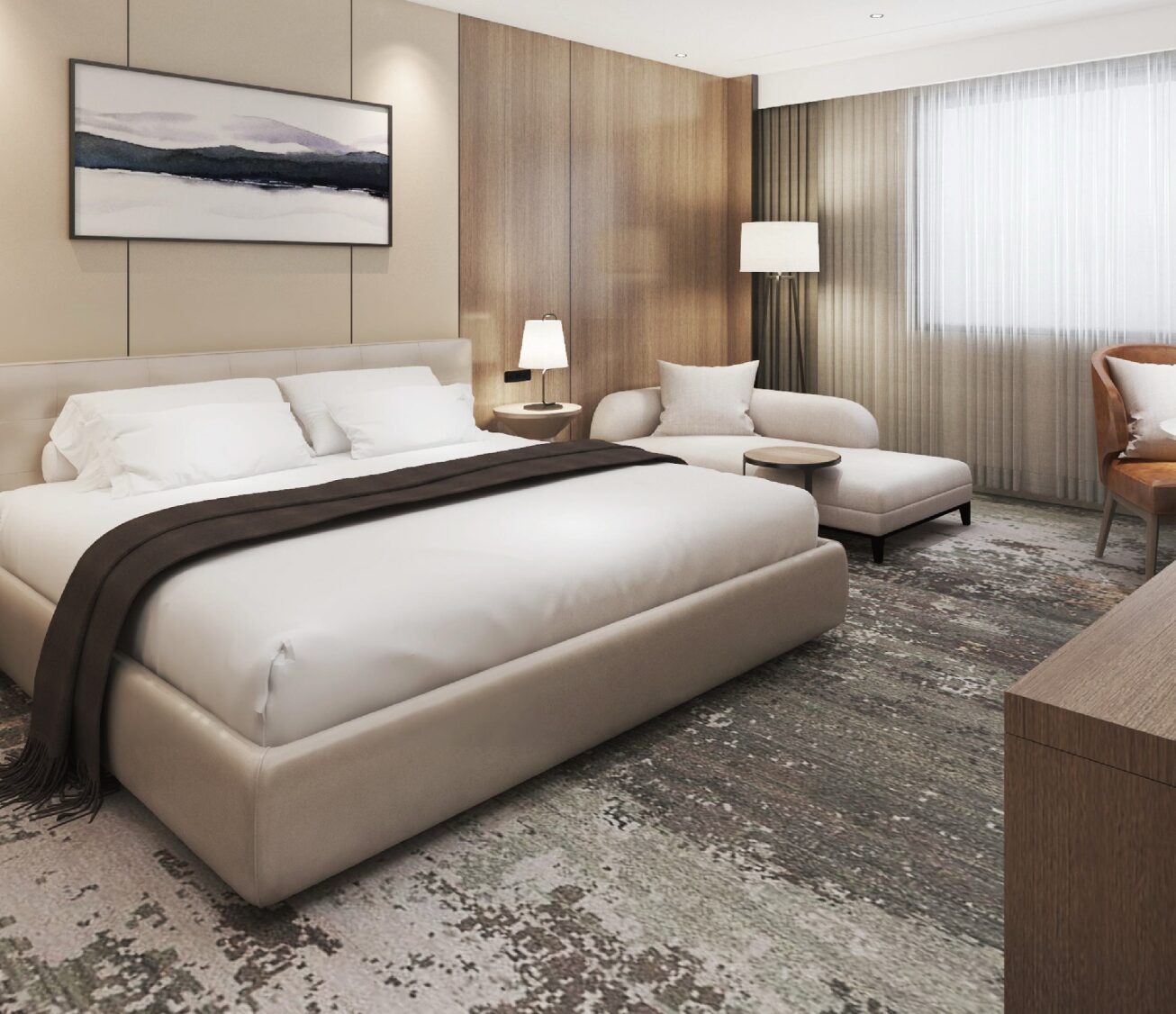
Furniture is used continuously during a guest’s stay, making comfort, material quality, and functionality essential evaluation factors. Comfortable seating, supportive beds, and practical furniture layouts contribute directly to better rest, convenience, and a more enjoyable hospitality experience.
2.2 Lighting and Ambience Shape Emotional Response
Lighting conditions influence how guests perceive interior quality and overall comfort throughout their stay. Balanced lighting combined with an inviting atmosphere helps create a relaxing environment, enhances visual appeal, and positively affects customer impressions and satisfaction levels.
2.3 Functional Layout Improves Convenience
A well-organized room layout allows guests to move comfortably and access essential amenities with ease. Efficient use of space improves usability, reduces inconvenience, and creates a smoother hospitality experience that contributes to more positive customer evaluations.
2.4 Acoustic and Environmental Comfort Matter
Noise levels, temperature control, and air quality have a significant effect on guest comfort and sleep quality. Hotels that prioritize acoustic performance and environmental conditions are more likely to receive positive feedback and deliver memorable hospitality experiences.
3. Interior Quality Influences Online Reviews and Reputation
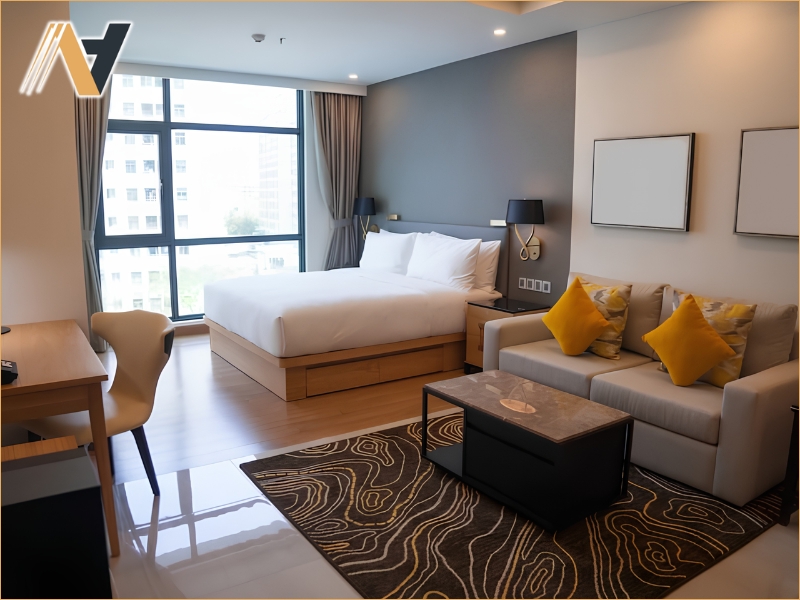
Hotel interior quality has a direct impact on guest reviews and brand reputation because guests increasingly evaluate their experiences through both comfort and visual standards. Well-maintained and thoughtfully designed interiors often become a deciding factor in ratings, recommendations, and long-term customer loyalty.
3.1 Interior Appearance Encourages Positive Reviews
Guests are more likely to leave favorable reviews when hotel interiors feel attractive, clean, and professionally designed. High-quality visual presentation enhances perceived value, creates memorable experiences, and increases the chances of stronger ratings across booking and review platforms.
3.2 Poor Interior Maintenance Creates Negative Feedback
Visible signs of wear such as damaged furniture, faded finishes, poor lighting, or outdated interiors can quickly reduce guest satisfaction and become common reasons for negative feedback, affecting overall ratings and weakening trust in hotel service quality.
3.3 Social Sharing Increases Brand Exposure
Photogenic hotel interiors encourage guests to capture and share their experiences across social media platforms, generating organic exposure and strengthening brand visibility. Well-designed spaces can turn guest content into a valuable marketing channel for hospitality businesses.
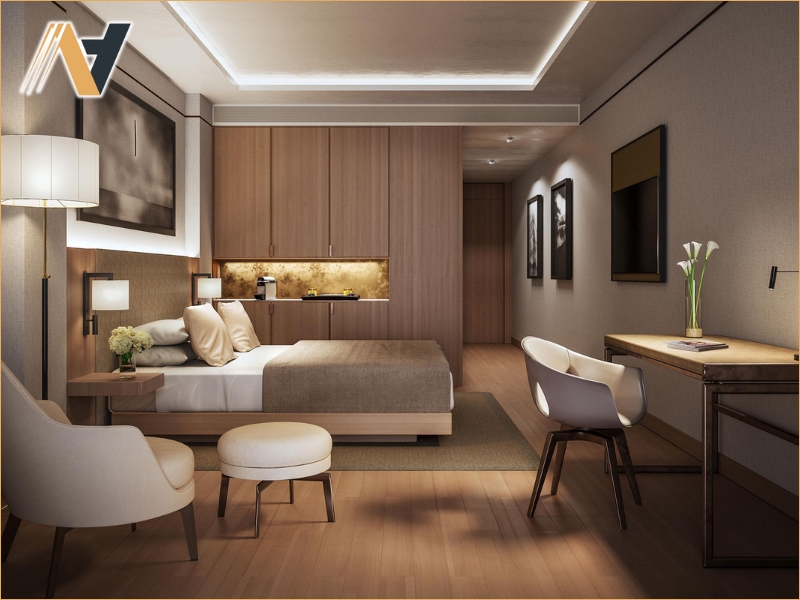
4. Interior Design Supports Operational and Business Performance
Hotel interiors influence more than guest impressions because they also affect operational efficiency, maintenance planning, and long-term business performance. Well-designed hospitality spaces help hotels operate more smoothly, reduce unnecessary costs, and create consistent service experiences that strengthen overall customer satisfaction.
4.1 Durable Interiors Reduce Maintenance Issues
Using durable materials and hospitality-grade furniture helps hotels minimize repair frequency and replacement costs while maintaining a consistently high-quality appearance. Long-lasting interiors support operational continuity and improve the return on interior investment over time.
4.2 Efficient Layout Improves Service Delivery
Interior layouts that support logical circulation and accessibility allow hotel staff to perform daily operations more efficiently. Better workflow coordination improves service speed, enhances guest convenience, and contributes to a smoother hospitality experience.
4.3 Flexible Design Supports Future Upgrades
Flexible interior planning allows hotels to adapt more easily to changing market trends, guest expectations, and renovation needs. Modular and adaptable design solutions reduce future upgrade costs while helping maintain a modern and competitive hospitality environment.
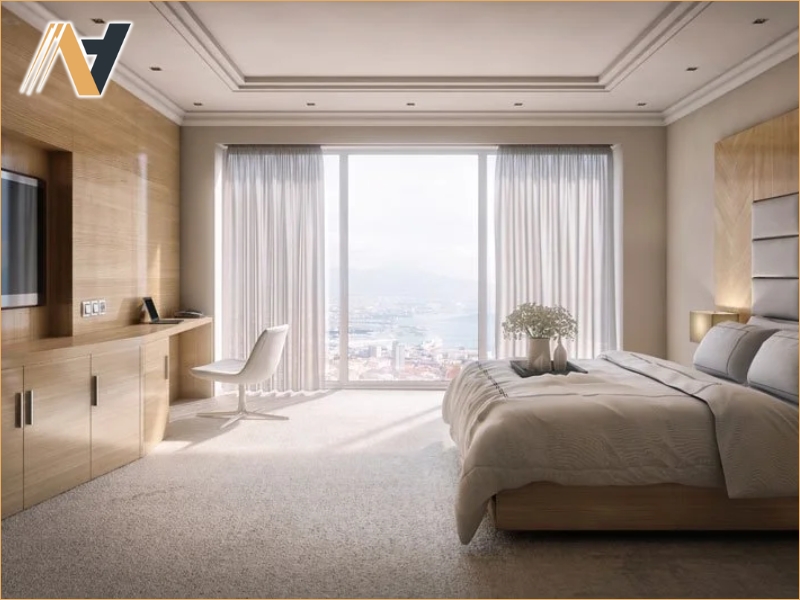
5. Strategies to Improve Guest Reviews Through Interior Upgrades
Improving guest reviews through interior upgrades requires a strategic balance between aesthetics, functionality, comfort, and operational practicality. Hotels that continuously optimize interior quality based on guest expectations are more likely to strengthen satisfaction levels, increase positive feedback, and improve long-term hospitality performance.
5.1 Prioritize High-Impact Interior Areas
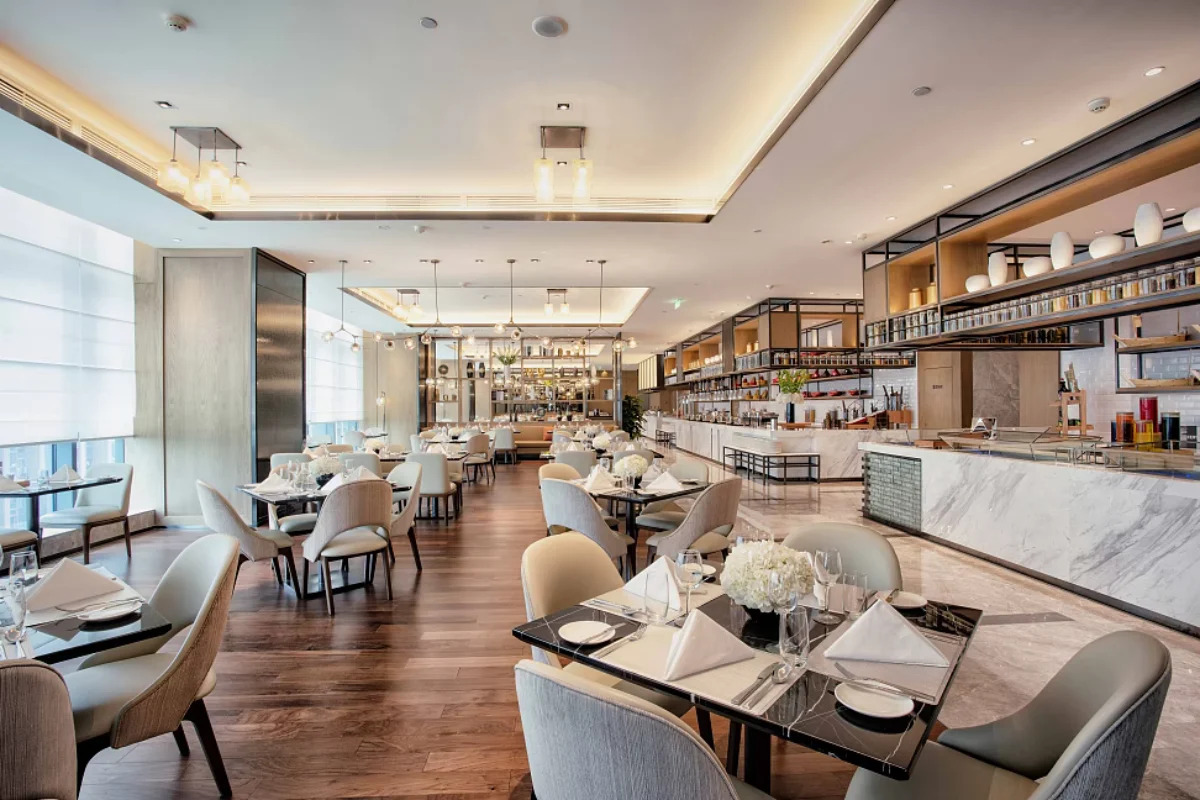
Hotels should prioritize upgrading areas that guests interact with most frequently, including lobbies, guest rooms, bathrooms, and dining spaces. Improving these touchpoints creates stronger impressions and often delivers the most noticeable impact on customer satisfaction and review quality.
5.2 Standardize Interior Quality Across Rooms
Maintaining consistent interior standards across all room categories helps align guest expectations with actual experiences. Uniform furniture quality, finishes, and room presentation reduce dissatisfaction and contribute to more stable review performance.
5.3 Combine Aesthetics With Practical Functionality
Interior upgrades should not focus solely on appearance because comfort and usability strongly influence customer evaluations. Hotels that balance elegant design with practical hospitality solutions create more memorable and satisfying guest experiences.
5.4 Establish Ongoing Interior Evaluation Processes
Regular interior assessments and feedback analysis allow hotels to identify improvement opportunities before issues affect customer perception. Continuous evaluation supports quality consistency and helps maintain stronger guest satisfaction over time.
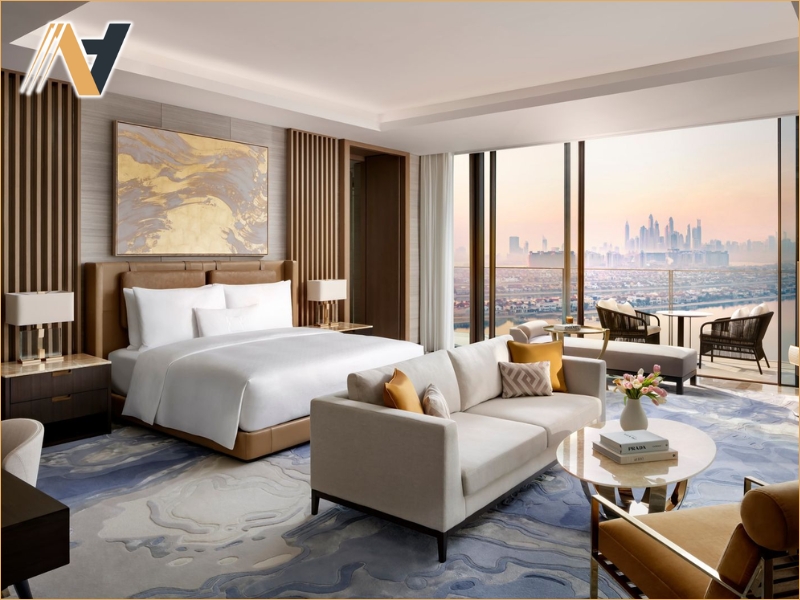
Hotel interiors have a direct influence on how guests perceive quality, evaluate their stay, and decide whether to return or recommend the property to others. From first impressions and daily comfort to online reviews and operational efficiency, every interior element contributes to shaping the overall hospitality experience and long-term business value. Investing in thoughtful, durable, and guest-centered interior solutions helps hotels build stronger satisfaction and a more competitive market position.
For hotels seeking refined, durable, and fully customized solutions, Ngoc Hoang Anh offers premium Vietnam hotel furniture tailored to elevate the sophistication and functionality of modern hospitality interiors.
Contact us today for expert consultation and bespoke hospitality furniture production.
-----
NGOC HOANG ANH TRADING COMPANY LIMITED
Tax Code: 3702874413
Address: No. 288/28/10 Huynh Van Luy Street, Zone 7, Phu Loi Ward, Ho Chi Minh City, Vietnam
Warehouse: No. 1/91, Thuan Giao 02 Street, Binh Thuan 2 Residential Quarter, Thuan Giao Ward, Ho Chi Minh City, Vietnam
Phone/Whatsapp/Wechat: +84342076666
Email: info@ngochoanganh.com.vn