Hotel Interior Design Trends 2026: Minimalism with a Touch of Luxury
Thứ 4, 08/04/2026
Administrator
1088
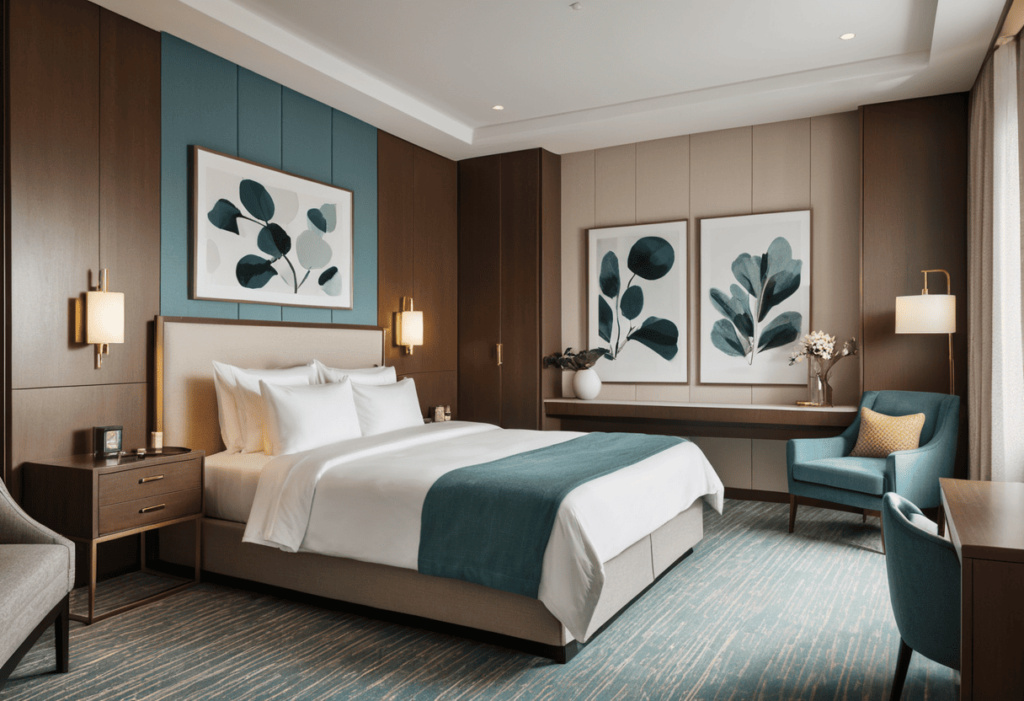
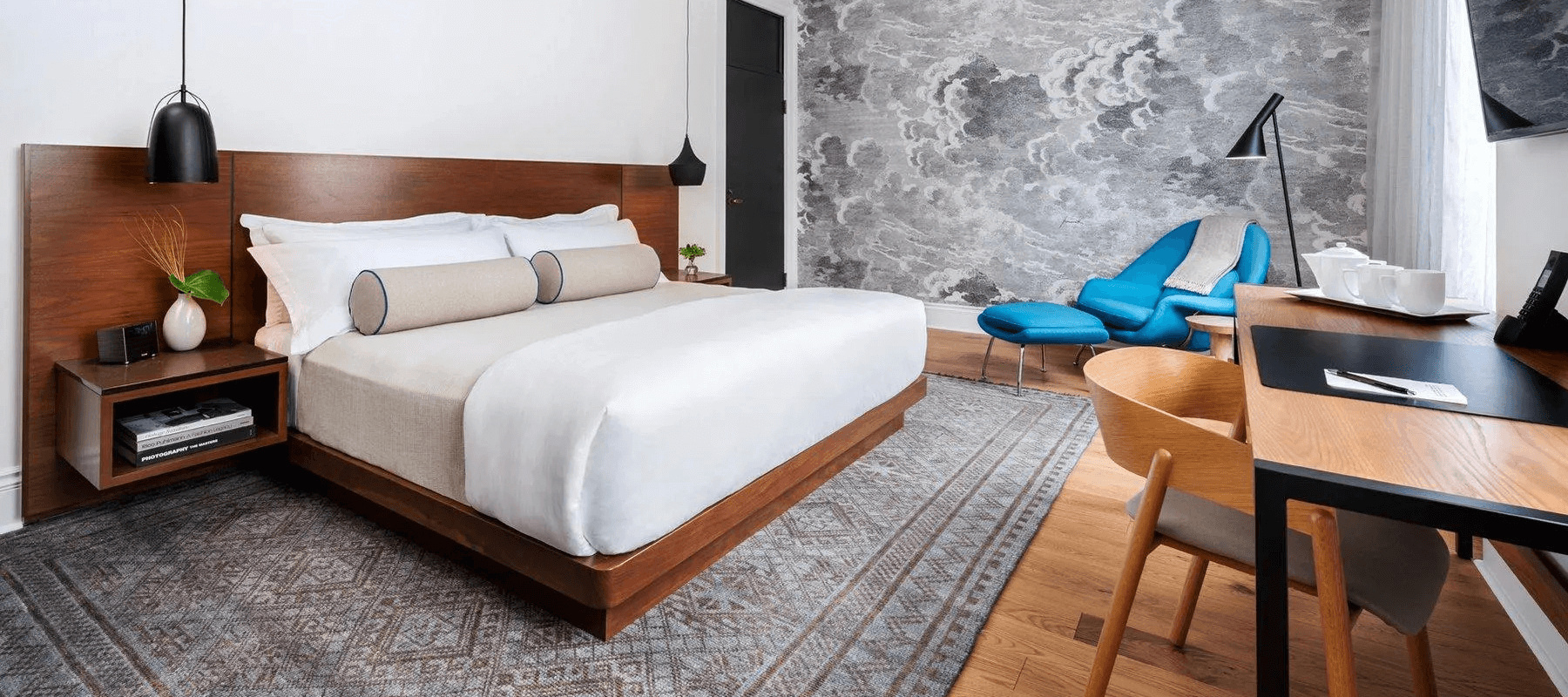
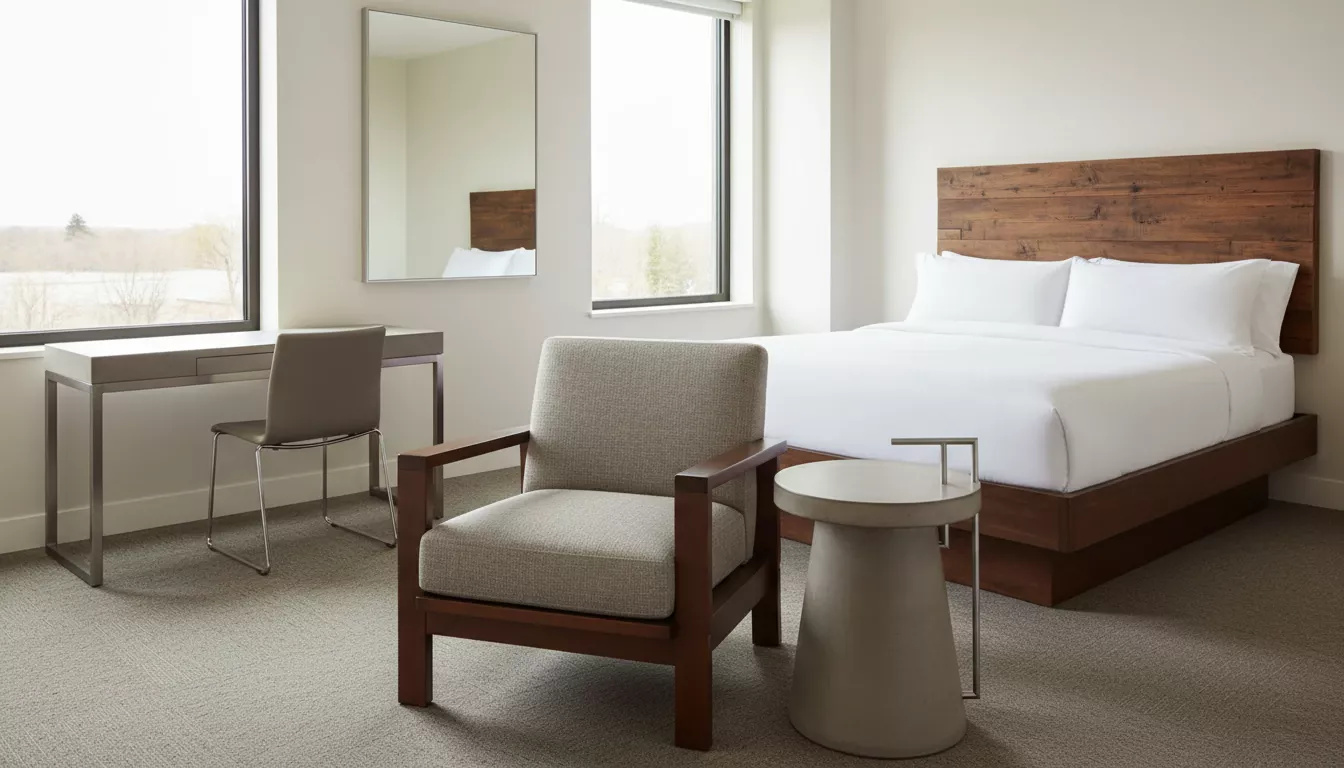
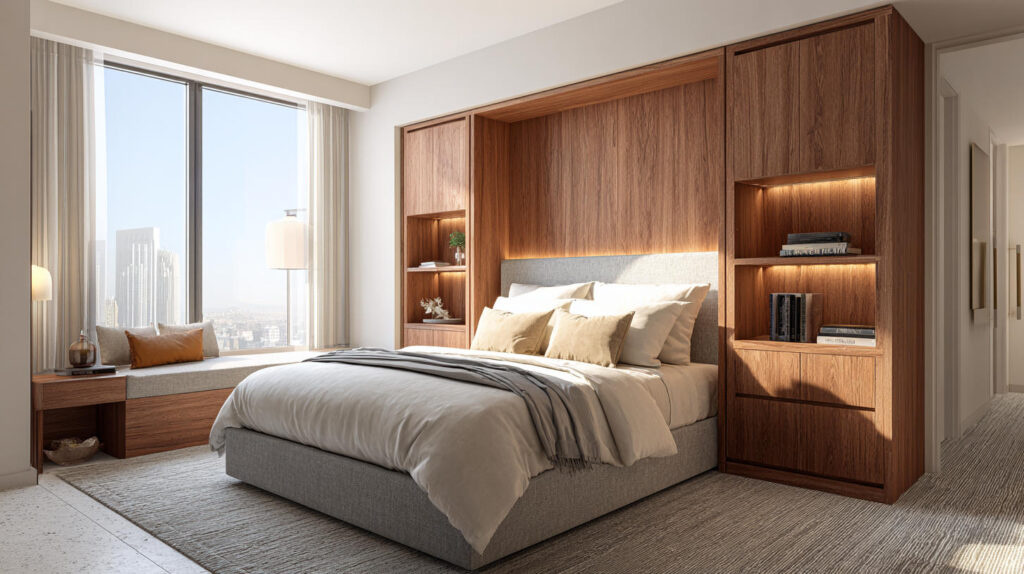
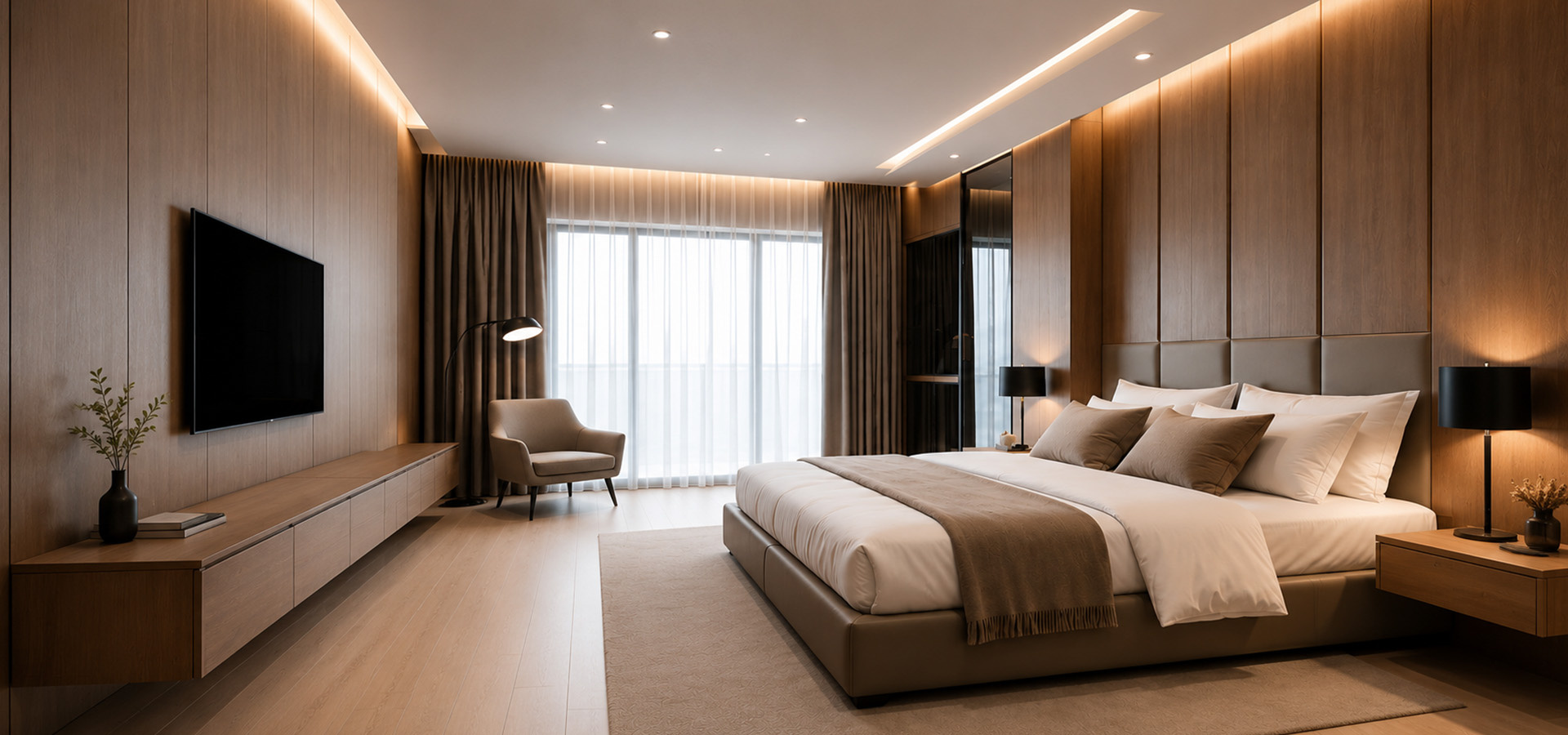
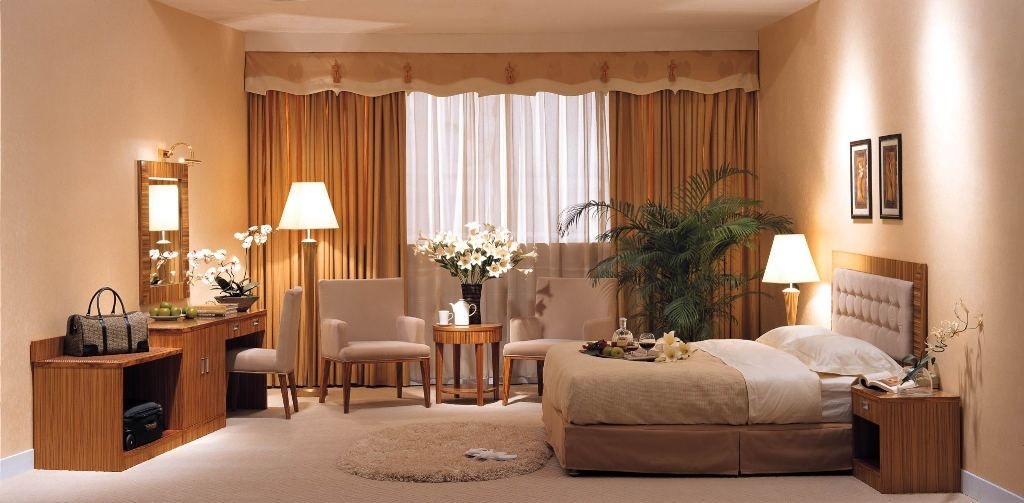
Hotel interior design in 2026 is evolving beyond traditional minimalism toward a more refined and sensory-driven approach. Instead of cold, empty spaces, modern hospitality interiors emphasize warmth, texture, and emotional comfort while maintaining a clean and uncluttered aesthetic. This new direction blends simplicity with subtle luxury, creating spaces that feel both elegant and inviting. In this article, Ngoc Hoang Anh explores key trends shaping minimalist yet luxurious hotel interiors in 2026.
1. Warm Minimalism Replacing Cold Minimalism
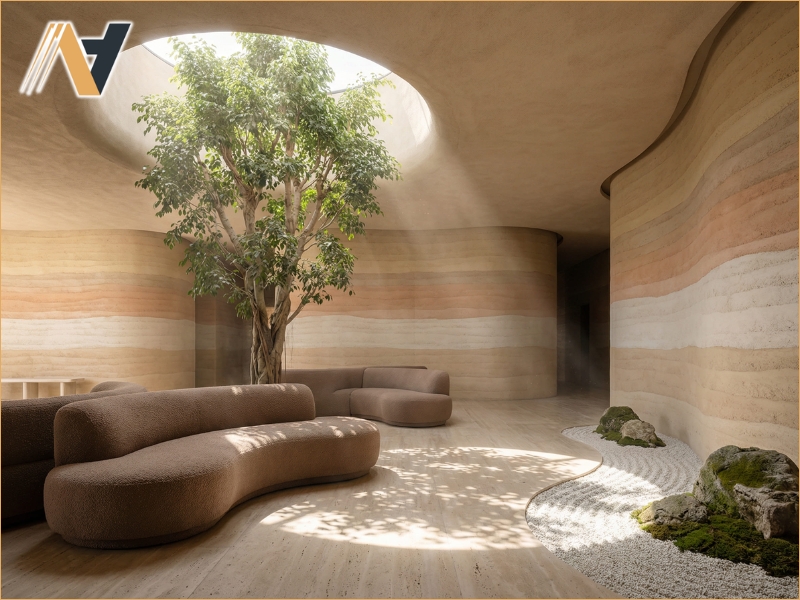
In 2026, hotel interiors are moving away from cold, rigid minimalism toward a warmer and more inviting approach. Instead of stark white spaces and sharp contrasts, designers are focusing on creating environments that feel comfortable, human-centered, and emotionally engaging while still maintaining simplicity and clarity in design.
1.1 Neutral palettes with warm undertones
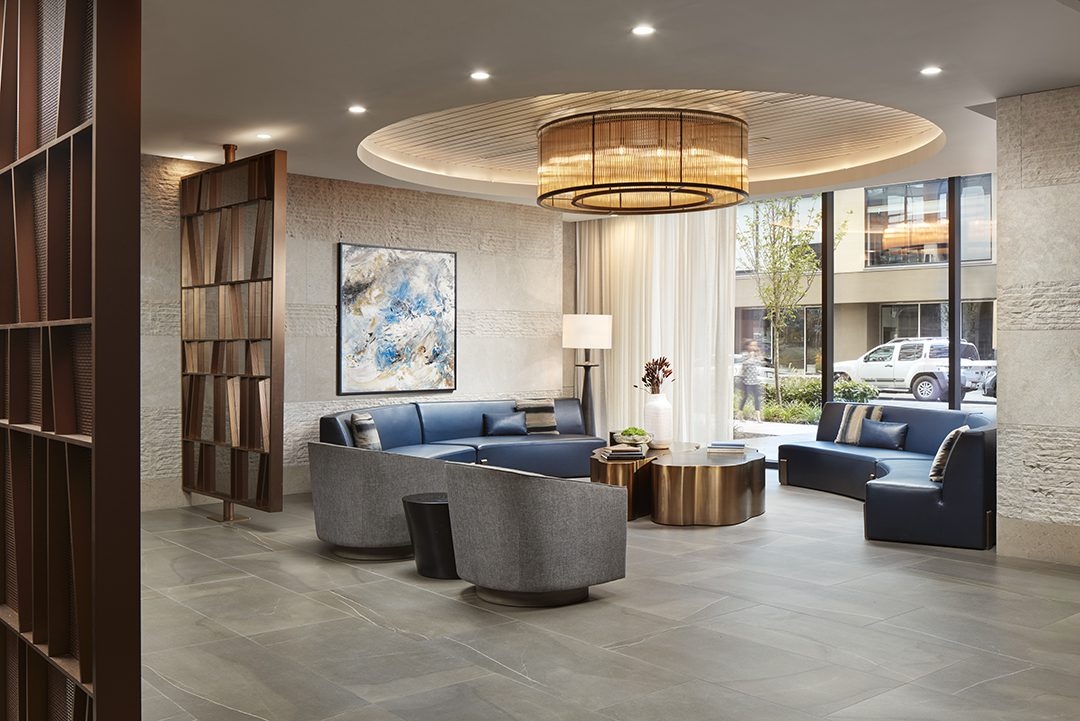
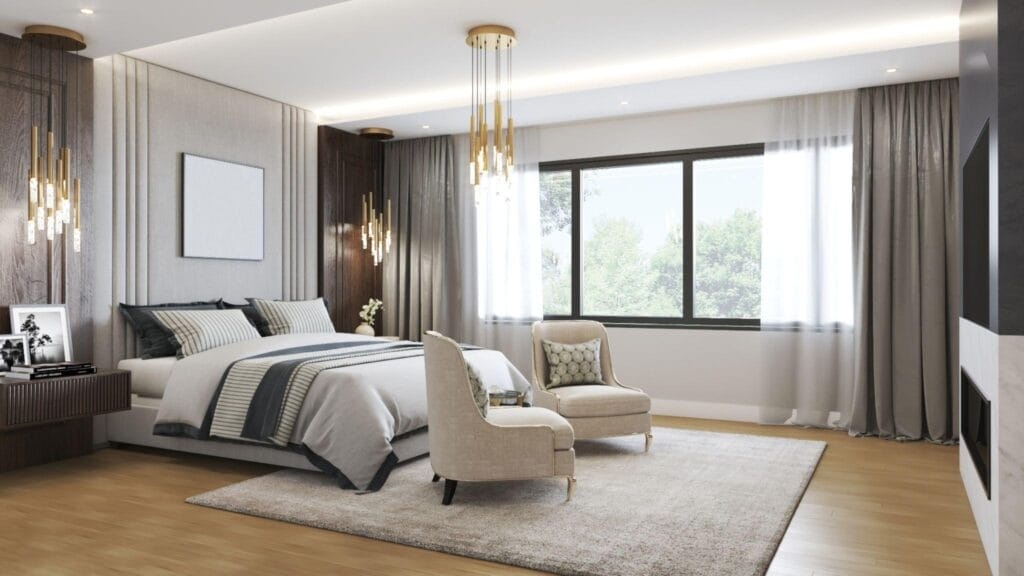
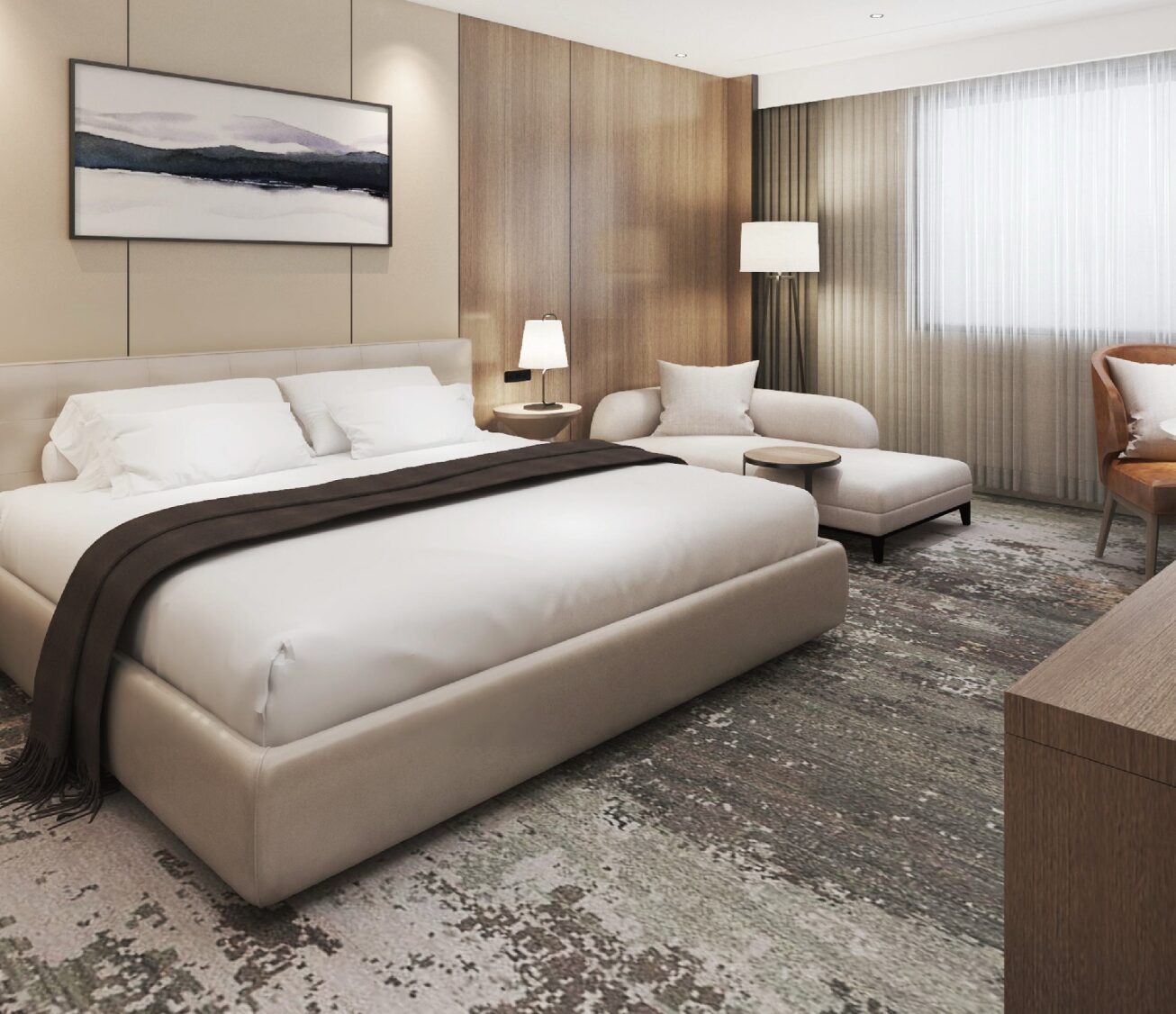
Rather than using pure white or cool gray tones, designers are incorporating beige, cream, soft taupe, and earthy hues. These colors create a calm and welcoming atmosphere while preserving the clean aesthetic associated with minimalist interiors.
1.2 Soft lighting and diffused illumination
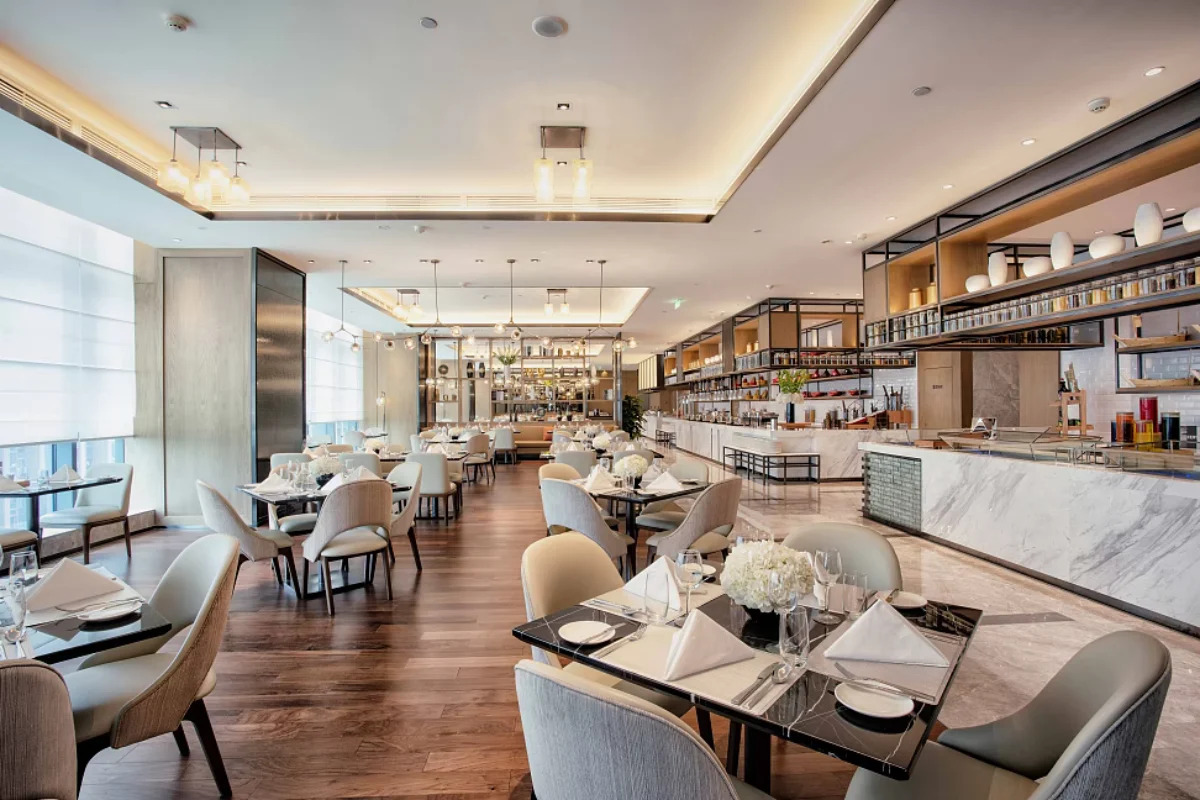
Lighting design plays a key role in softening minimalist spaces. Indirect lighting, warm color temperatures, and diffused light sources help eliminate harsh shadows, creating a more relaxing and comfortable environment for guests.
1.3 Cozy, human-centered spatial design
Spaces are now designed with guest comfort in mind, focusing on proportions, textures, and layout that feel natural and livable. This approach ensures that minimalist interiors are not only visually clean but also emotionally warm and inviting.
2. Natural Materials as a Symbol of Luxury
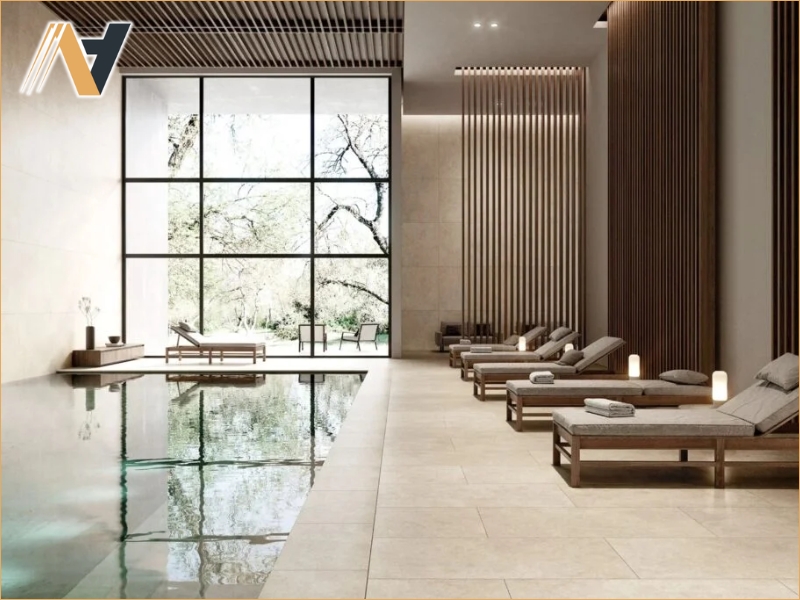
In 2026, luxury in hotel interiors is increasingly defined by authenticity rather than ornamentation. Natural materials such as wood, stone, and organic textiles are used to create a refined yet understated aesthetic. These elements bring warmth, texture, and a sense of permanence, aligning perfectly with the principles of modern minimalism.
2.1 Wood, stone, and organic textures
Natural materials introduce subtle variations in color and texture that enrich minimalist spaces. Wood grains, stone surfaces, and woven fabrics add depth without overwhelming the design, helping interiors feel both elegant and grounded.
2.2 Materials that age beautifully over time
High-quality natural materials develop character as they age, enhancing the overall appeal of the space. This long-term aesthetic evolution reflects a more sustainable and thoughtful approach to luxury design.
2.3 Sustainable yet premium material choices
Sustainability is becoming a key factor in material selection. Designers prioritize responsibly sourced materials that not only reduce environmental impact but also maintain a high-end look and feel suitable for hospitality environments.
3. Texture and Tactile Experience Take Center Stage
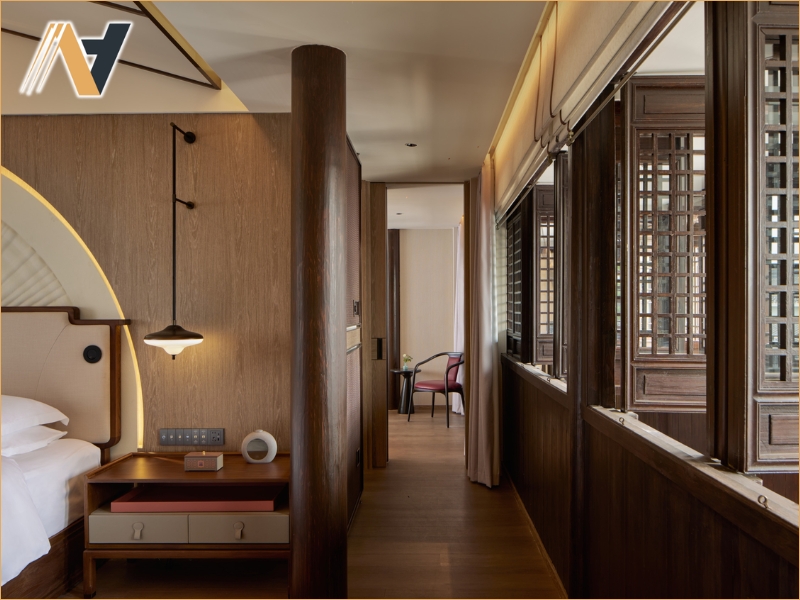
In minimalist hotel interiors, visual simplicity no longer means flat or monotonous surfaces. Instead, designers are using texture as a key element to create depth, richness, and a more engaging guest experience. By layering materials and focusing on tactile qualities, spaces feel more refined while maintaining a clean and uncluttered look.
3.1 Layered materials instead of flat surfaces
Rather than relying on plain finishes, designers combine multiple materials such as wood, fabric, and metal within the same space. This layering technique adds visual interest and dimension without disrupting the minimalist aesthetic.
3.2 Fabric, leather, and handcrafted finishes
Soft furnishings and handcrafted details introduce a sense of craftsmanship and luxury. Materials like textured fabrics, natural leather, and artisanal finishes enhance the overall tactile experience and elevate the perceived quality of the space.
3.3 Sensory-driven design (touch, light, acoustics)
Modern hotel design considers not only how a space looks but also how it feels. Elements such as soft-touch surfaces, controlled lighting, and acoustic comfort contribute to a more immersive and relaxing guest experience.
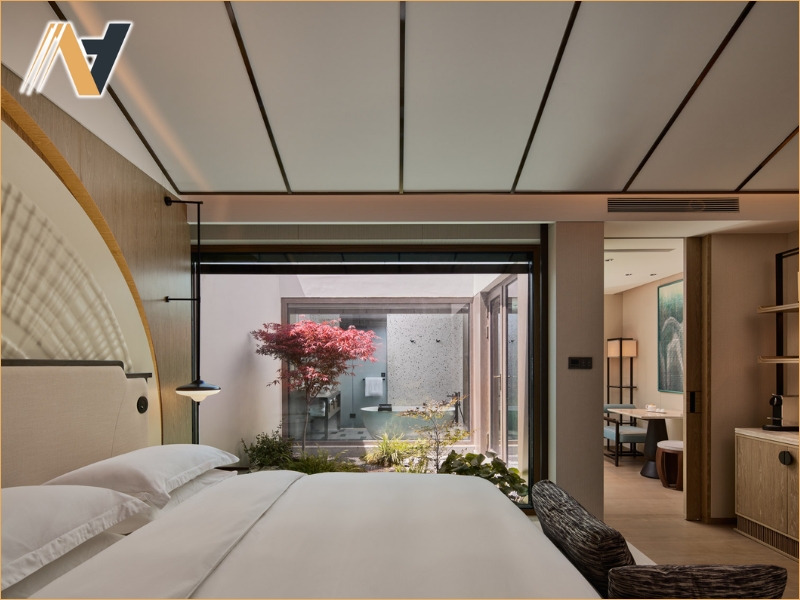
4. Invisible Technology and Seamless Integration
In 2026, technology in hotel interiors is no longer meant to stand out but to blend seamlessly into the environment. The focus shifts toward integrating smart features in a way that enhances convenience without disrupting the minimalist aesthetic. This approach allows spaces to remain clean and elegant while still offering modern functionality.
4.1 Hidden smart systems within furniture
Smart controls, sensors, and automation systems are often embedded within furniture or concealed panels. This ensures that technology remains accessible while keeping surfaces visually uncluttered and aligned with minimalist design principles.
4.2 Integrated lighting and charging solutions
Lighting systems, power outlets, and USB charging ports are incorporated directly into headboards, desks, or bedside tables. This integration reduces visible wiring and creates a more streamlined and organized environment for guests.
4.3 Technology that enhances, not dominates, the space
Instead of being a focal point, technology is designed to support the guest experience quietly. Seamless integration ensures that digital features improve comfort and usability without compromising the calm and refined atmosphere of the room.
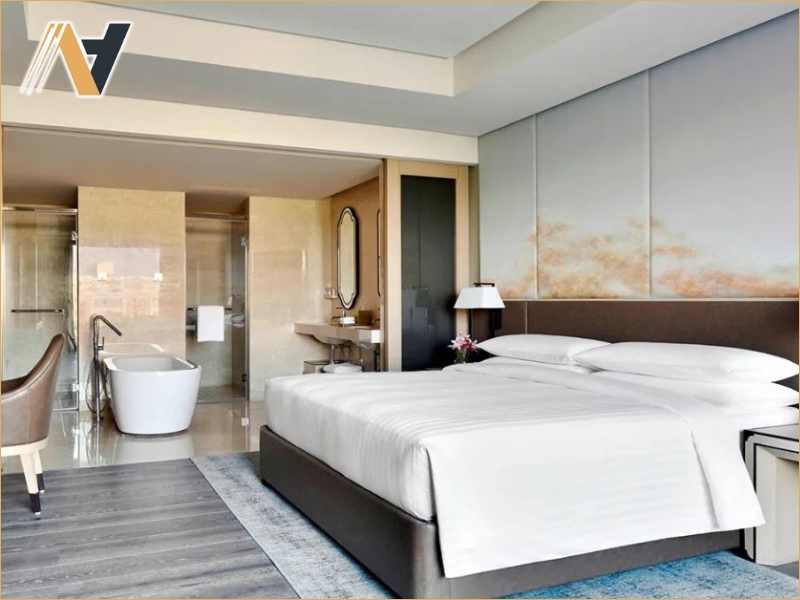
5. Personalized and Localized Design Identity
In 2026, hotel interiors are moving beyond generic minimalism toward designs that reflect a unique identity. Personalization and local influence play a key role in creating memorable guest experiences, allowing each property to stand out while still maintaining a refined and minimalist aesthetic.
5.1 Incorporating local culture and materials
Designers increasingly draw inspiration from local culture, traditions, and materials. Elements such as regional wood types, handcrafted décor, or cultural motifs help create a stronger connection between the hotel and its surroundings.
5.2 Custom furniture reflecting brand identity
Bespoke furniture allows hotels to express their brand through form, material, and detailing. Custom-designed pieces ensure consistency across spaces while reinforcing a distinctive visual identity that guests can easily recognize.
5.3 Storytelling through interior elements
Every design element contributes to a broader narrative about the hotel’s concept or location. Through carefully selected materials, textures, and decorative accents, interiors can tell a story that enhances the overall guest experience and emotional connection.
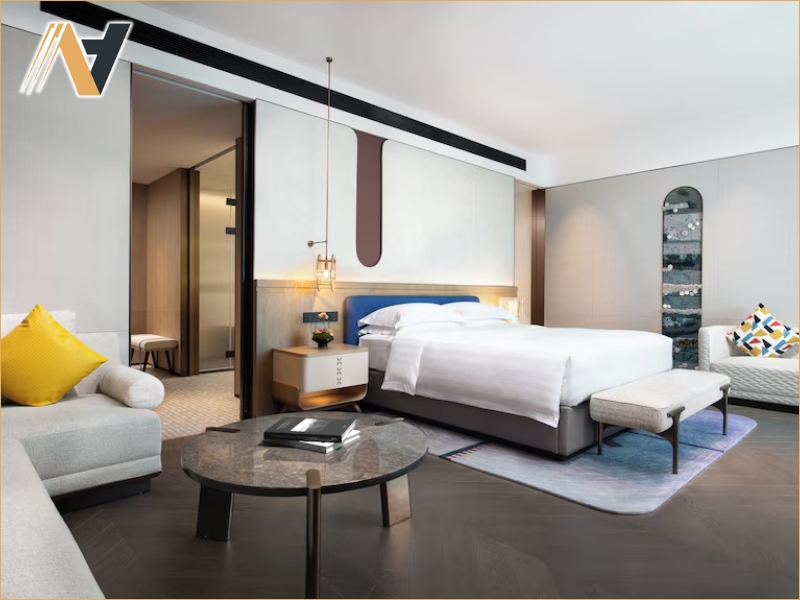
6. Multi-functional and Flexible Furniture Design
As hotel rooms become more compact and guest needs more diverse, furniture in 2026 is designed to serve multiple purposes while maintaining a clean and minimal appearance. Flexibility is key, allowing spaces to adapt seamlessly between work, relaxation, and storage without adding visual clutter.
6.1 Modular furniture systems
Modular designs allow furniture to be rearranged or combined depending on the room layout or guest needs. This adaptability helps hotels optimize space while maintaining consistency in design.
6.2 Space-saving solutions for compact rooms
Furniture is increasingly designed to maximize functionality within limited space. Foldable desks, integrated storage, and compact seating help maintain usability without making the room feel crowded.
6.3 Hybrid spaces for work, rest, and relaxation
Modern guestrooms often combine multiple functions within a single area. Furniture that supports both work and leisure such as desks that double as vanity tables or lounge chairs with work-friendly proportions enhances versatility while preserving a minimalist look.
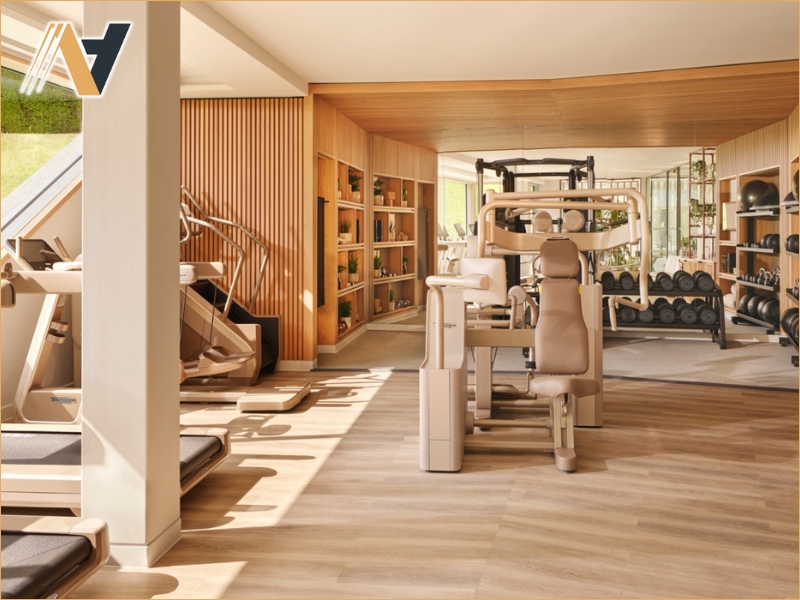
7. Wellness-Focused Minimalist Spaces
In 2026, hotel interiors are increasingly designed with guest well-being in mind. Minimalism is no longer just about aesthetics but also about creating environments that promote relaxation, comfort, and mental clarity. By combining clean design with wellness-focused elements, hotels can offer spaces that feel both calming and restorative.
7.1 Biophilic design and greenery integration
Incorporating natural elements such as indoor plants, natural light, and organic materials helps create a stronger connection to nature. These features contribute to a more relaxing atmosphere and improve the overall guest experience.
7.2 Air quality, lighting, and acoustic comfort
Attention to environmental factors such as air circulation, soft lighting, and sound control enhances comfort within the room. These elements help reduce stress and create a more pleasant and restful environment.
7.3 Creating calm and restorative environments
Minimalist design in 2026 focuses on reducing visual noise and unnecessary distractions. By simplifying the space and emphasizing comfort, hotels can provide guests with a peaceful retreat from busy urban environments.
Conclusion
In 2026, hotel interior design is no longer defined by minimalism alone, but by how that simplicity is elevated through warmth, materials, and guest experience. The shift toward “warm minimalism” reflects a deeper understanding of comfort, where clean spaces are enriched with texture, natural elements, and thoughtful details.
By integrating invisible technology, personalized design identity, and multi-functional furniture, hotels can create environments that are both practical and emotionally engaging. At the same time, a strong focus on wellness ensures that each space supports relaxation and well-being.
For hospitality projects seeking to stay ahead of design trends, Ngoc Hoang Anh provides premium Vietnam hotel furniture crafted to balance minimalist aesthetics with refined luxury. Contact us today for expert consultation and bespoke furniture solutions tailored to modern hotel interiors.
-----
NGOC HOANG ANH TRADING COMPANY LIMITED
Tax Code: 3702874413
Address: No. 288/28/10 Huynh Van Luy Street, Zone 7, Phu Loi Ward, Ho Chi Minh City, Vietnam
Warehouse: No. 1/91, Thuan Giao 02 Street, Binh Thuan 2 Residential Quarter, Thuan Giao Ward, Ho Chi Minh City, Vietnam
Phone/Whatsapp/Wechat: +84342076666
Email: info@ngochoanganh.com.vn