Hotel Corridor Interior Design: An Often Overlooked Element
Thứ 2, 17/08/2026
Administrator
114
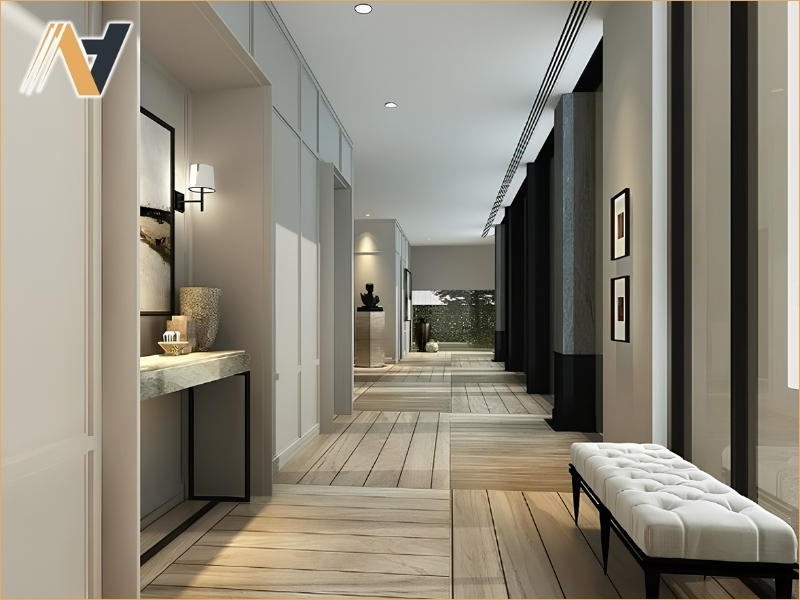
Hotel corridor interior design is an important factor that contributes to the overall impression and guest experience throughout their stay. In this article, Ngoc Hoang Anh explores key design considerations for hotel corridors, helping properties optimize functionality, aesthetics, and brand consistency through suitable layouts, lighting, and interior solutions.
1. The Importance of Hotel Corridor Interior Design
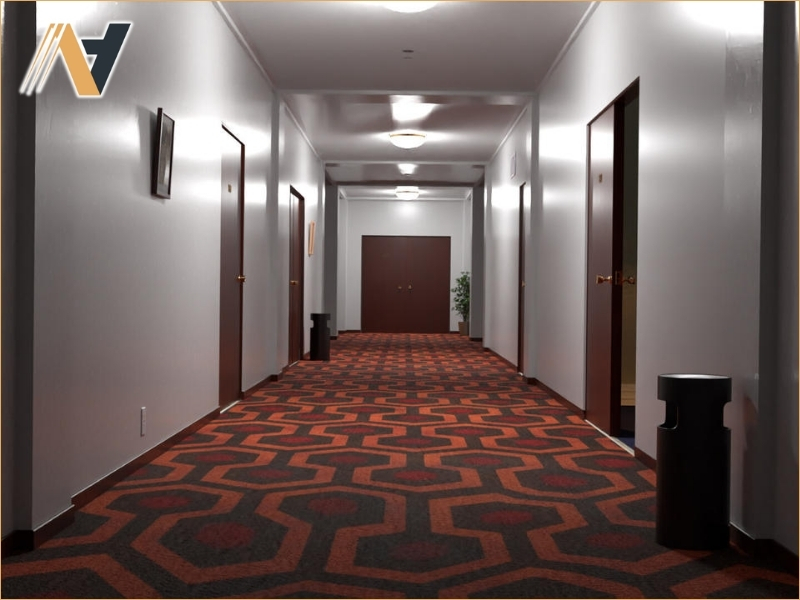
Hotel corridor interior design plays a significant role in creating a complete hospitality experience, even though it is often considered a secondary area compared to guestrooms or lobbies. As a space that guests frequently pass through, corridors influence their perception of the hotel's quality, professionalism, and attention to detail. A well-planned corridor design improves both functionality and emotional connection with guests.
1.1 Creating the first impression beyond guest rooms
Although guests spend most of their time inside guestrooms, hotel corridors are among the first spaces they experience when moving to their rooms. A thoughtfully designed corridor with harmonious colors, suitable lighting, and premium finishes creates a positive impression and reflects the overall service standards of the hotel.
1.2 Improving guest comfort and navigation
A properly designed corridor helps guests move easily and comfortably throughout the property. Clear layouts, appropriate lighting levels, visible room numbers, and balanced spacing improve navigation, reduce confusion, and create a more convenient experience, especially in large hotels with multiple floors and room areas.
1.3 Strengthening hotel brand identity through consistent design
Corridor interiors should be aligned with the hotel's overall design concept to create a consistent visual experience. By incorporating matching materials, colors, decorative elements, and architectural details, hotels can reinforce their brand identity and create a cohesive atmosphere from public areas to private guest spaces.
2. Key Design Elements for Functional Hotel Corridors
A functional hotel corridor requires careful planning to balance aesthetics, safety, and operational efficiency. Since corridors experience continuous guest movement and daily maintenance activities, every design element from dimensions and lighting to material selection must be considered carefully to create a comfortable, durable, and visually appealing environment that supports long-term hotel operations.
2.1 Proper corridor dimensions and circulation planning
The size and layout of hotel corridors directly affect guest comfort and movement efficiency. Adequate width, logical room positioning, and clear walking paths help prevent congestion while ensuring convenient access for guests, housekeeping staff, and service operations without compromising safety or overall interior aesthetics.
2.2 Effective lighting design for comfort and safety
Lighting plays an essential role in creating a welcoming and secure hotel corridor environment. A combination of ambient, accent, and directional lighting helps improve visibility, highlight architectural features, and create a comfortable atmosphere while ensuring guests can easily identify room numbers and navigate the space.
2.3 Durable and suitable interior materials
Hotel corridors require materials that can withstand high traffic and frequent cleaning while maintaining their appearance over time. Durable flooring, impact-resistant wall finishes, and easy-to-maintain surfaces help reduce maintenance costs, extend the lifespan of interiors, and ensure the corridor remains attractive throughout daily hotel operations.
3. Enhancing Hotel Corridor Aesthetics Through Interior Details
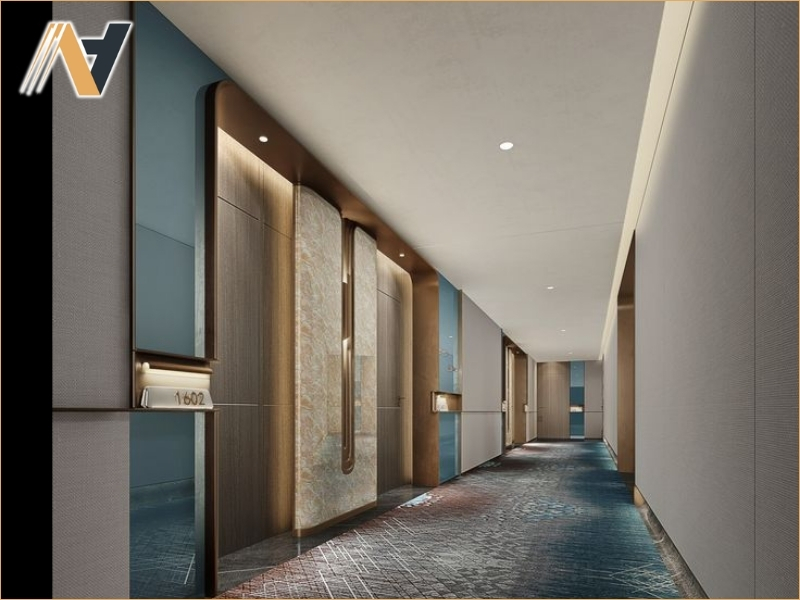
Interior details play an important role in transforming hotel corridors from simple passageways into visually impressive spaces that contribute to the overall guest experience. Through thoughtful selection of wall treatments, decorative elements, artwork, and flooring materials, hotels can create distinctive corridors that reflect their design concept while maintaining functionality and durability.
3.1 Wall finishes and decorative features
Wall surfaces provide a large visual area that can significantly influence the atmosphere of hotel corridors. The use of textured panels, decorative moldings, premium wallpapers, or carefully selected finishes can add depth and character while protecting walls from frequent contact and maintaining a refined appearance over time.
3.2 Artwork and visual accents
Artwork and decorative accents help create memorable experiences and add personality to hotel corridors. Paintings, photographs, sculptures, or themed design elements can reinforce the hotel's identity, provide visual interest during guest movement, and turn ordinary corridor spaces into engaging parts of the overall interior journey.
3.3 Flooring design and material selection
Flooring is not only an aesthetic element but also an important factor affecting durability and maintenance efficiency. Hotels should select flooring materials that offer strong resistance to heavy foot traffic, easy cleaning, and suitable acoustic performance while complementing the corridor's overall design style and creating a comfortable walking experience for guests.
4. Balancing Functionality and Guest Experience in Corridor Design
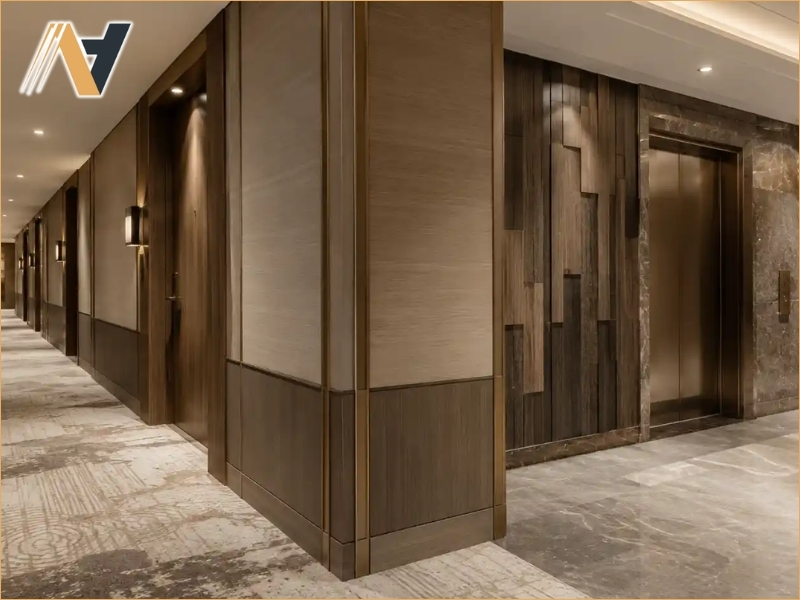
Hotel corridors must go beyond basic circulation functions by creating a comfortable, safe, and pleasant environment for guests throughout their journey within the property. A successful corridor design balances practical requirements with sensory experiences, ensuring smooth operation while enhancing the overall impression of the hotel.
4.1 Ensuring safety and accessibility standards
Safety is a fundamental consideration in hotel corridor design, requiring appropriate lighting, slip-resistant flooring, clear emergency pathways, and accessible layouts. These elements help guests move confidently while supporting compliance with safety regulations and providing convenient access for people with different mobility needs.
4.2 Reducing noise and improving acoustic comfort
Noise control is essential because corridors are located directly outside guest rooms and can affect the quality of rest and privacy. Using sound-absorbing materials, suitable flooring solutions, and proper door installation helps minimize footsteps, conversations, and operational sounds, creating a quieter and more relaxing environment.
4.3 Creating a relaxing transition between spaces
Hotel corridors serve as transitional areas connecting public zones with private guestrooms, making their atmosphere important for guest emotions. Through balanced lighting, calming colors, appropriate decorations, and harmonious design elements, corridors can create a smooth transition that enhances comfort and prepares guests for a relaxing stay.
5. Long-Term Benefits of Investing in Hotel Corridor Interiors
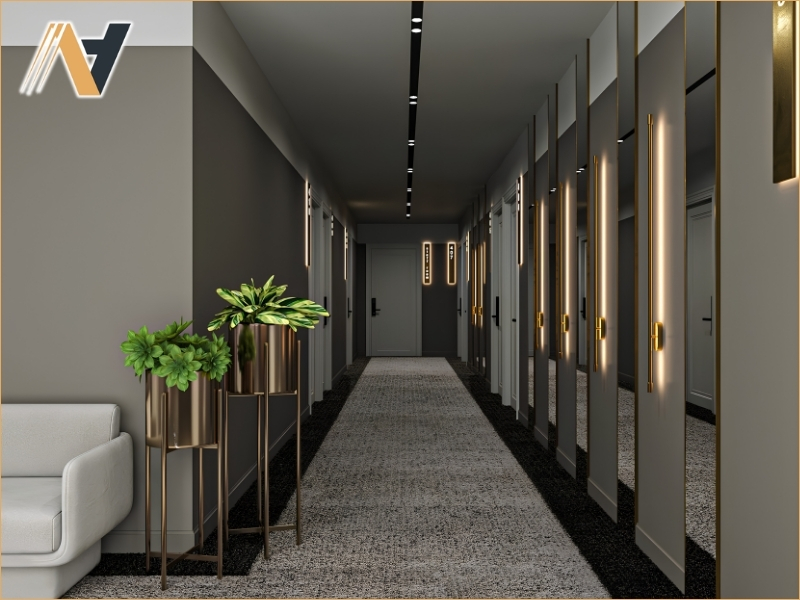
Investing in well-designed hotel corridor interiors provides long-term value beyond improving visual appeal. A thoughtfully planned corridor enhances guest satisfaction, supports efficient hotel operations, and helps maintain a consistent brand image. By selecting durable materials and functional design solutions, hotels can reduce maintenance requirements while creating a more memorable hospitality environment.
5.1 Enhancing overall guest perception
A well-designed corridor contributes to guests’ overall impression of the hotel by demonstrating attention to detail and service quality. Comfortable lighting, attractive finishes, and a cohesive design concept create a more premium experience, helping guests perceive greater value throughout their stay.
5.2 Improving maintenance efficiency and durability
Using durable materials and practical design solutions helps hotel corridors maintain their appearance despite frequent use. Easy-to-clean surfaces, high-quality finishes, and well-planned layouts reduce repair frequency, simplify maintenance processes, and support more efficient long-term hotel management.
5.3 Increasing the hotel's competitive value
Distinctive corridor interiors can become an important part of a hotel's overall identity and differentiation strategy. A consistent and thoughtfully designed environment strengthens brand recognition, improves guest satisfaction, and creates a competitive advantage in the hospitality market by delivering a more complete experience.
Conclusion
Hotel corridor interior design is an important element that should not be overlooked when developing a complete hospitality space. With proper planning in layout, lighting, materials, and decorative details, corridors can become comfortable, functional, and visually appealing areas that enhance the guest journey and strengthen the hotel's overall identity.
For hospitality projects seeking professional interior solutions, Ngoc Hoang Anh provides Vietnam hotel furniture OEM services with customized designs, high-quality materials, and comprehensive manufacturing capabilities to help hotels create consistent and impressive interior spaces from guestrooms to every supporting area.
-----
NGOC HOANG ANH TRADING COMPANY LIMITED
Tax Code: 3702874413
Address: No. 288/28/10 Huynh Van Luy Street, Zone 7, Phu Loi Ward, Ho Chi Minh City, Vietnam
Warehouse: No. 1/91, Thuan Giao 02 Street, Binh Thuan 2 Residential Quarter, Thuan Giao Ward, Ho Chi Minh City, Vietnam
Phone/Whatsapp/Wechat: +84342076666
Email: info@ngochoanganh.com.vn