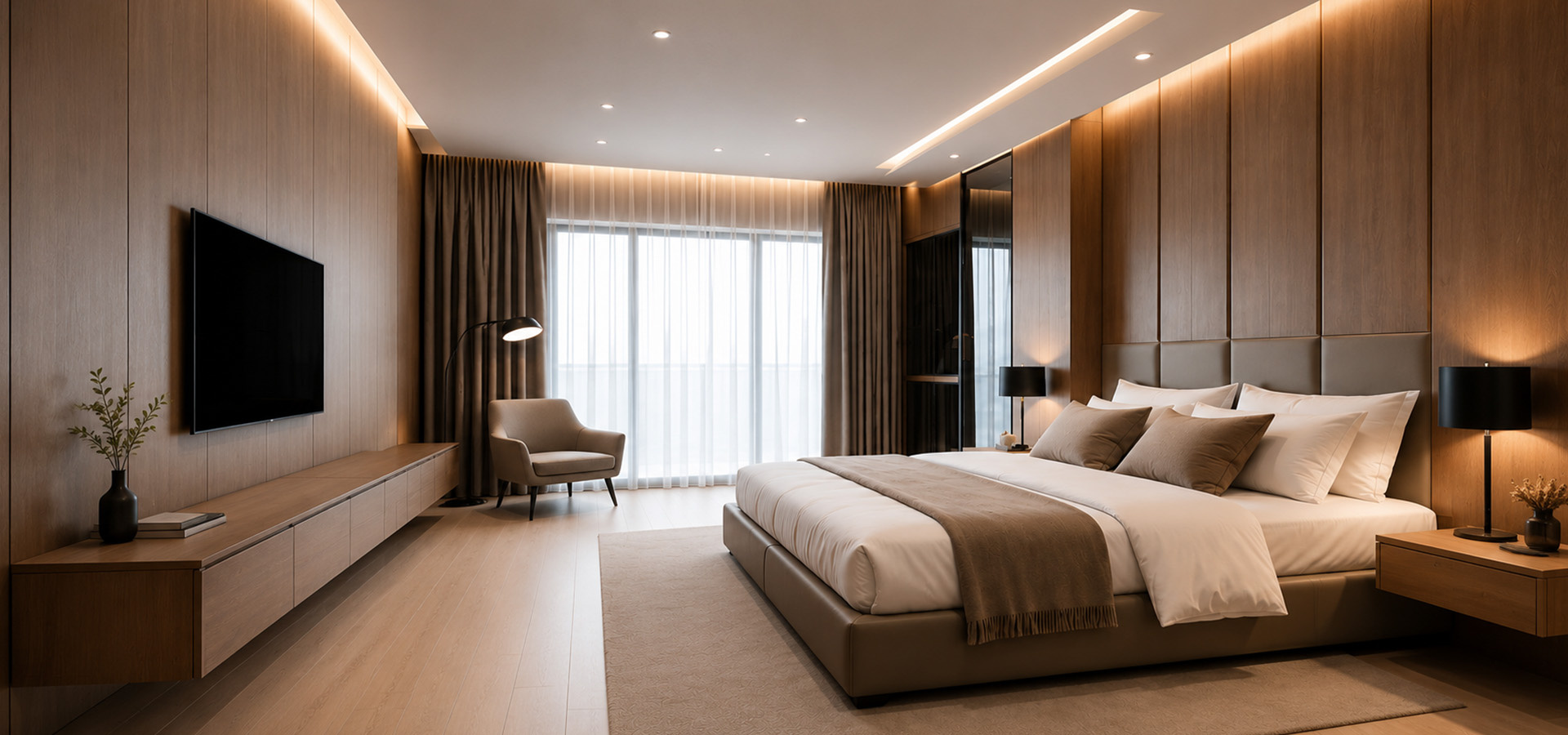
Essential Hotel Interior Checklist Before Opening
Thứ 2, 11/05/2026
Administrator
222
Starting a hotel business requires more than attractive design concepts; every interior element must support guest comfort, operational efficiency, and long-term hospitality performance. From guest room furniture to technical systems and public spaces, careful preparation helps avoid costly oversights before opening. In this article, Ngoc Hoang Anh shares an essential hotel interior checklist for successful hospitality operations.
1. Guest Room Furniture Essentials
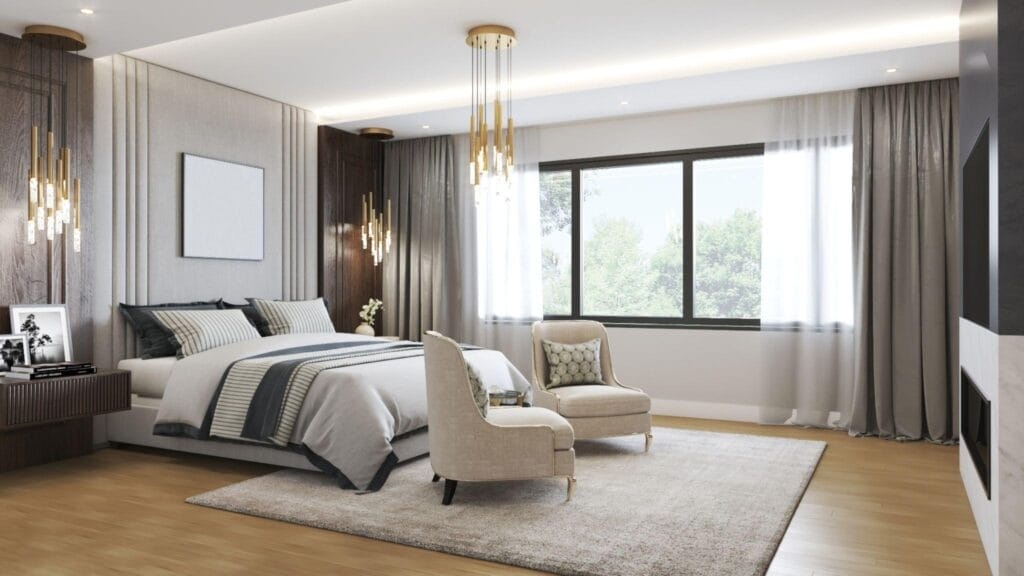
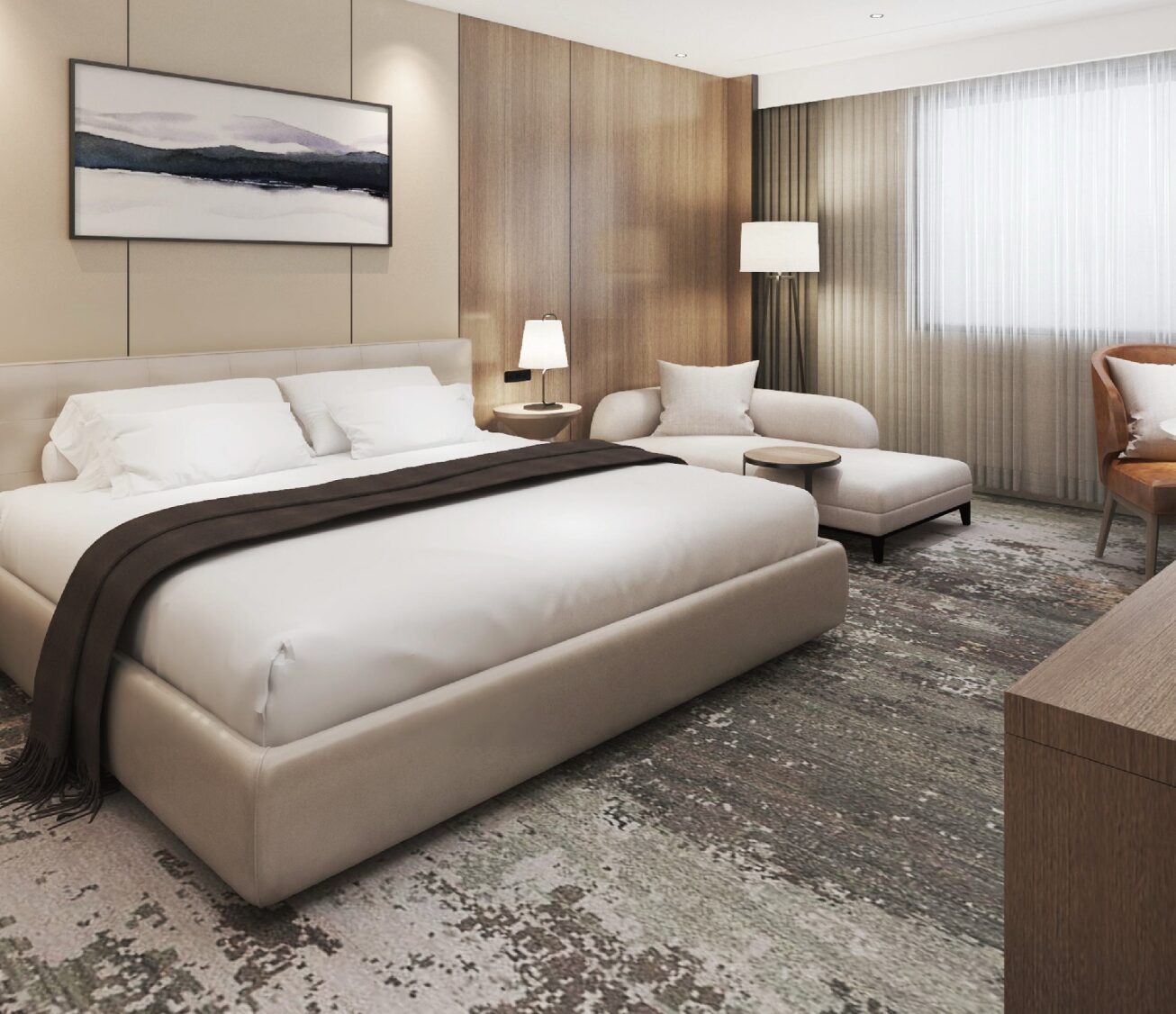
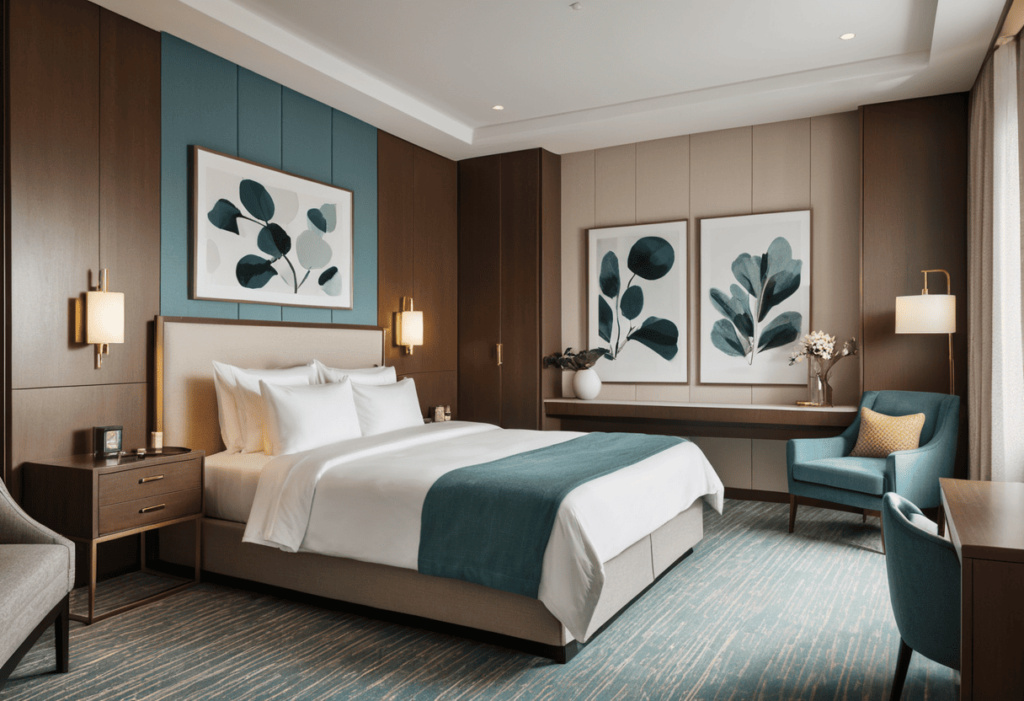
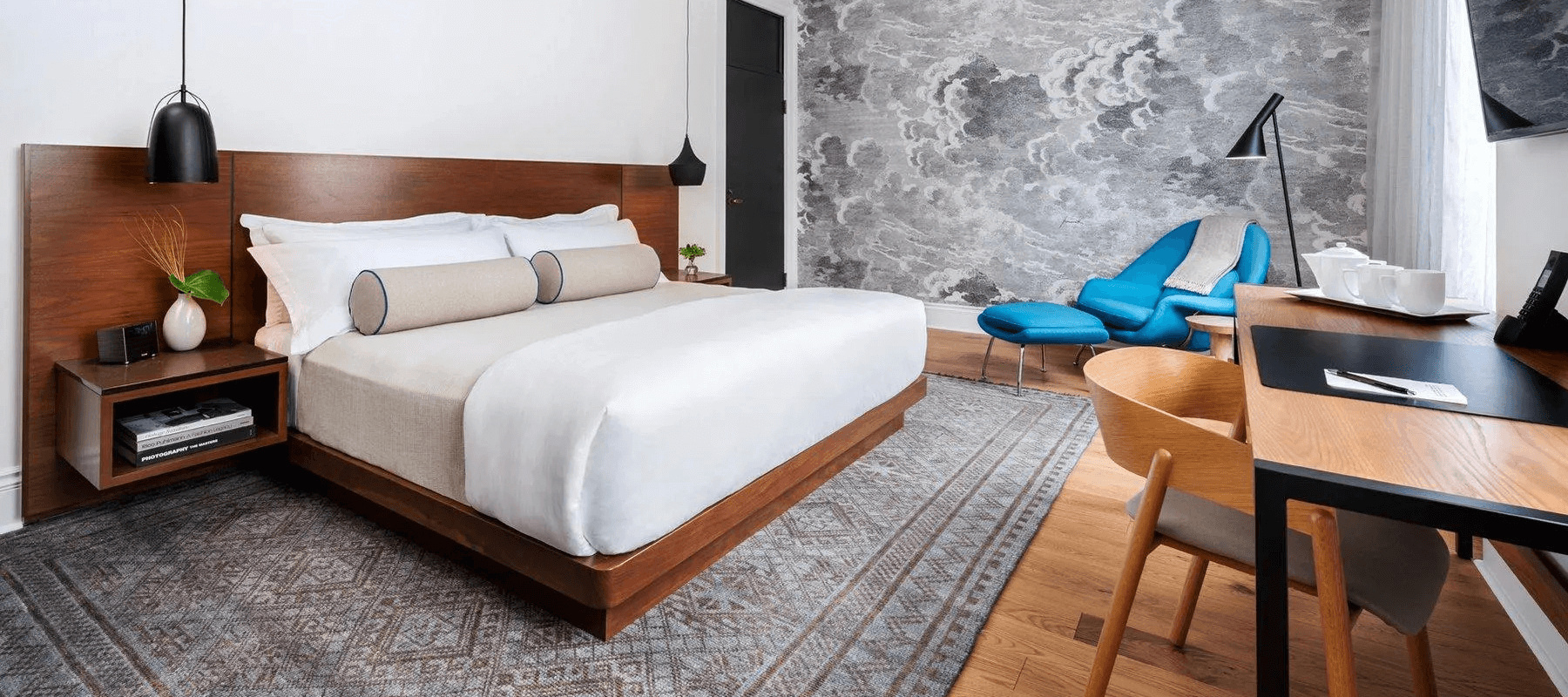
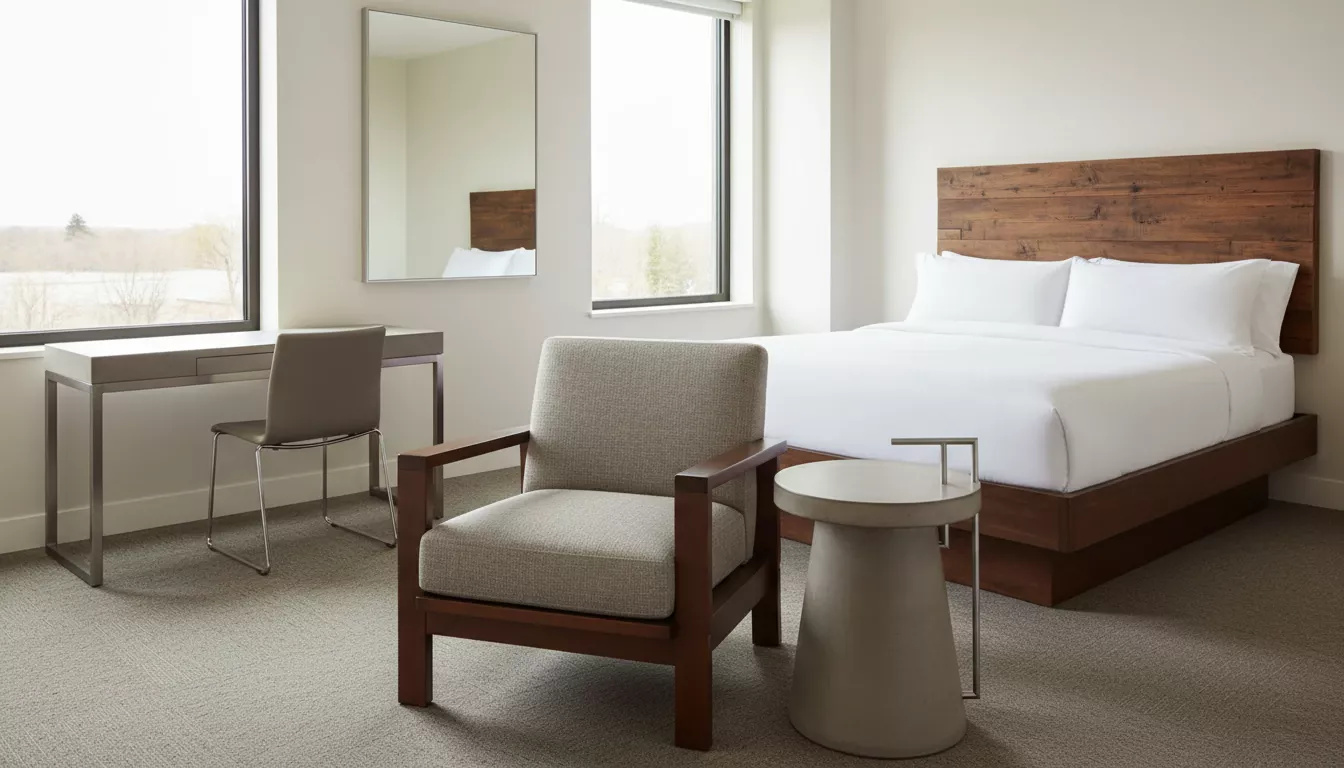
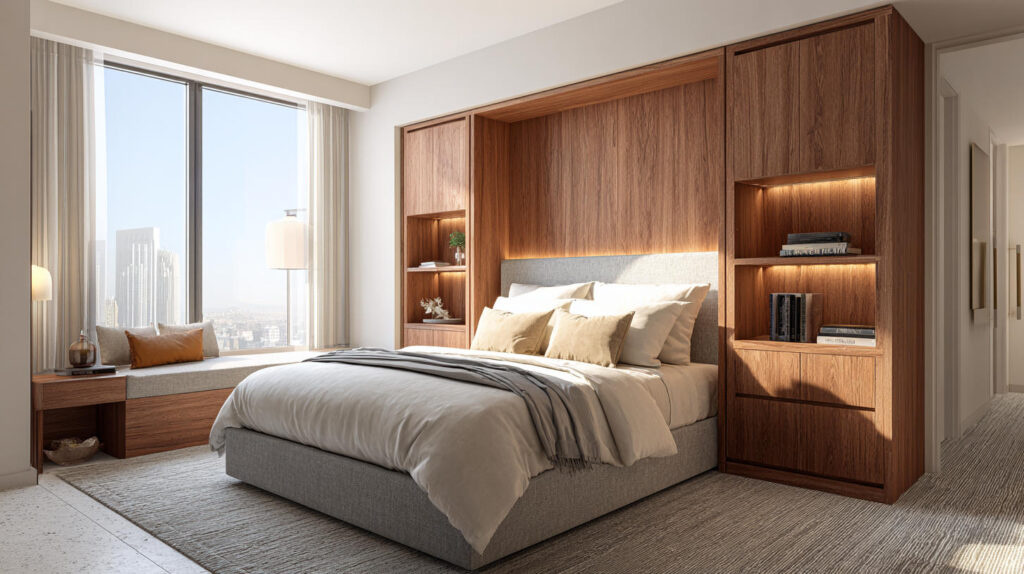
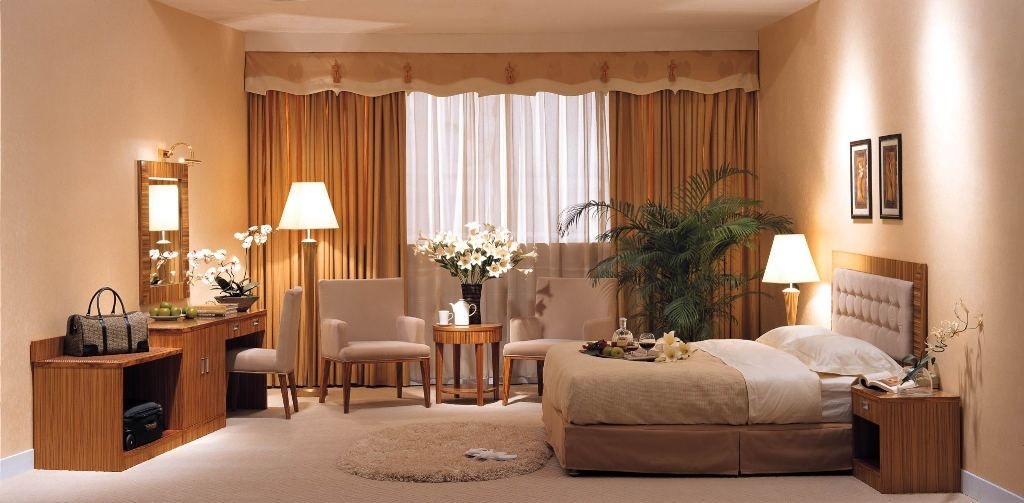
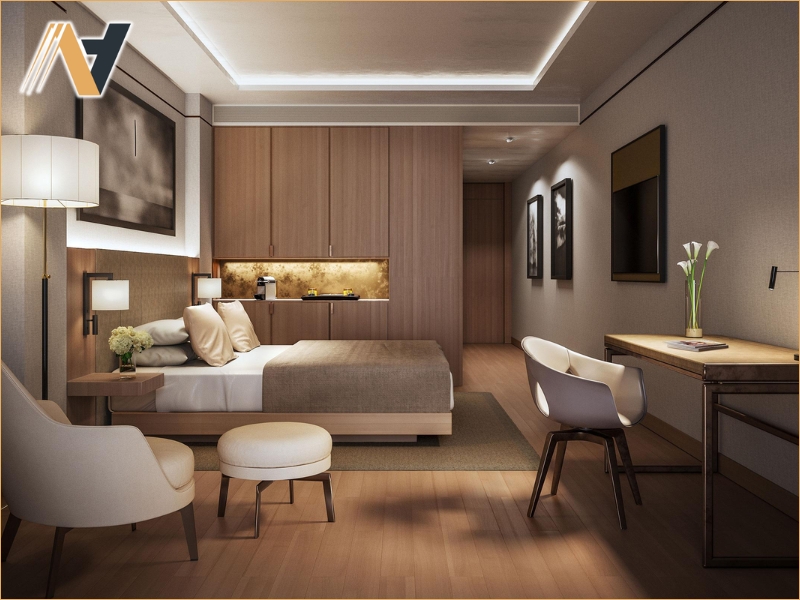
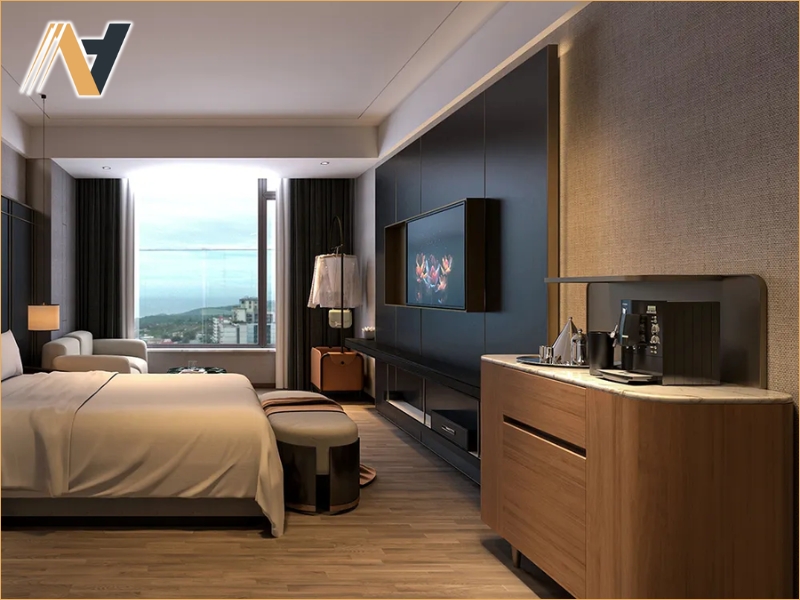
Guest room interiors are among the most important elements in hotel operations because they directly influence guest comfort, sleep quality, daily functionality, and overall satisfaction, making careful furniture selection essential before opening a hospitality property.
1.1 Bed Systems and Headboards
Beds, mattresses, headboards, and bedside furniture should be carefully selected to provide long-term comfort, structural durability, and visual harmony with the hotel’s overall interior concept, helping improve guest satisfaction while supporting consistent hospitality standards and reducing future maintenance or replacement costs.
1.2 Wardrobes and Luggage Storage
Wardrobes, luggage benches, and storage units should maximize functionality without overcrowding the room, allowing guests to organize belongings conveniently while maintaining clean spatial flow, better usability, and a more comfortable hospitality experience throughout their stay.
1.3 Seating and Working Areas
Desks, lounge chairs, and multifunctional seating solutions should support both relaxation and productivity, particularly for business travelers, while contributing to the room’s visual balance, comfort, and operational practicality in modern hospitality environments.
1.4 Lighting and Decorative Elements
Layered lighting systems, mirrors, curtains, artwork, and decorative accessories help create ambiance, improve spatial perception, and reinforce the hotel’s design identity, ensuring guest rooms feel warm, refined, and visually cohesive from the moment guests enter.
2. Bathroom Interior and Technical Requirements
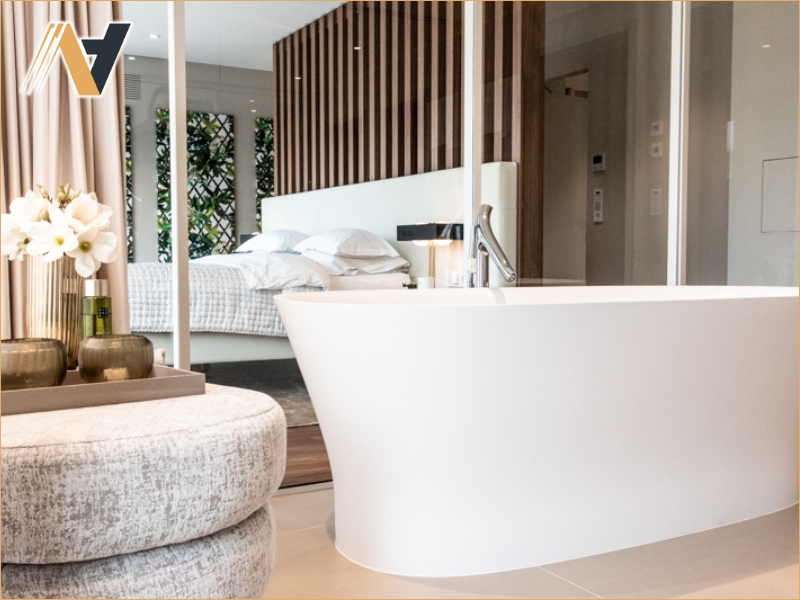
Hotel bathrooms require careful planning because they directly affect hygiene standards, guest comfort, maintenance efficiency, and long-term operational durability, making technical quality and practical functionality essential priorities before hotel operations begin.
2.1 Sanitary Fixtures and Accessories
Sinks, faucets, shower systems, mirrors, towel racks, and bathroom accessories should combine durability, ease of maintenance, and refined hospitality aesthetics to ensure long-term performance while improving guest comfort and overall satisfaction throughout daily hotel operations.
2.2 Waterproofing and Ventilation Systems
Reliable waterproofing and ventilation systems help prevent water leakage, humidity accumulation, mold growth, and structural deterioration, protecting both the building infrastructure and the long-term operational quality of hotel bathrooms while reducing costly future maintenance issues.
2.3 Bathroom Storage and Convenience Features
Shelving units, vanity storage, towel compartments, and practical bathroom accessories improve organization and functionality, allowing guests to use the space more comfortably while maintaining a cleaner, more efficient, and visually balanced hospitality environment.
3. Lobby and Reception Area Setup
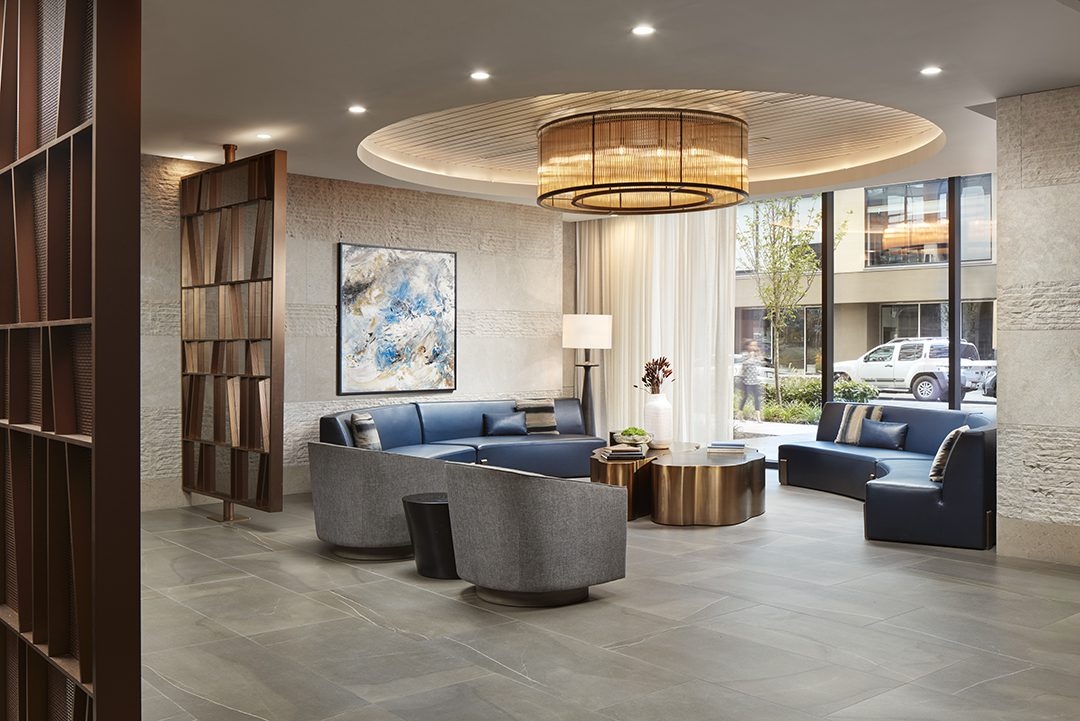
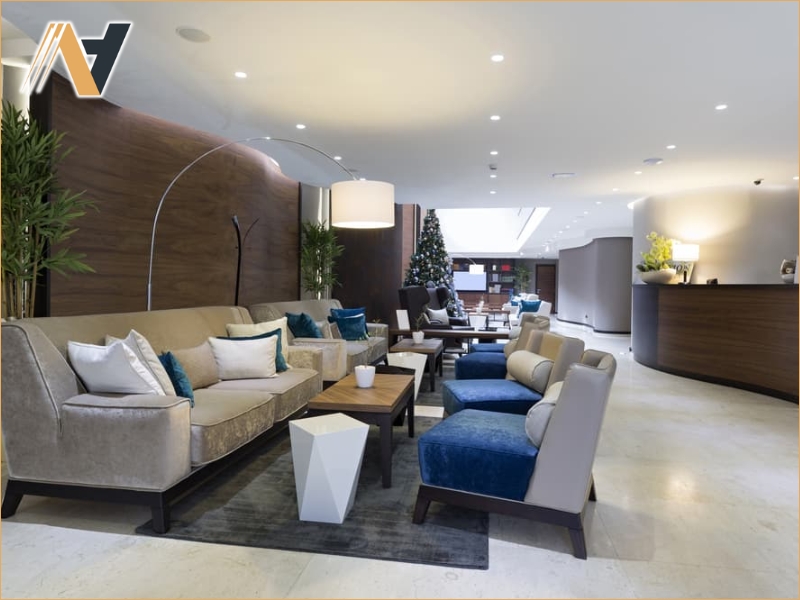
The lobby and reception area are among the most important spaces in a hotel because they create the first impression for guests, influence brand perception, and support daily hospitality operations through effective spatial organization and interior presentation.
3.1 Reception Counters and Waiting Areas
Reception desks, lounge seating, coffee tables, and waiting areas should be designed to balance operational functionality with hospitality aesthetics, allowing staff to work efficiently while creating a welcoming, comfortable, and visually refined environment that leaves a strong first impression on arriving guests.
3.2 Decorative Lighting and Feature Elements
Decorative lighting systems, artwork, wall finishes, feature ceilings, and architectural accents help establish the hotel’s atmosphere and visual identity, creating a more memorable hospitality experience while strengthening the perception of professionalism, sophistication, and overall interior quality.
3.3 Traffic Flow and Space Organization
Well-planned circulation paths and organized spatial layouts improve guest movement, reduce congestion, and support smoother daily hotel operations, allowing both visitors and staff to navigate the lobby area more comfortably and efficiently during busy hospitality activities.
4. Restaurant and Public Area Furniture
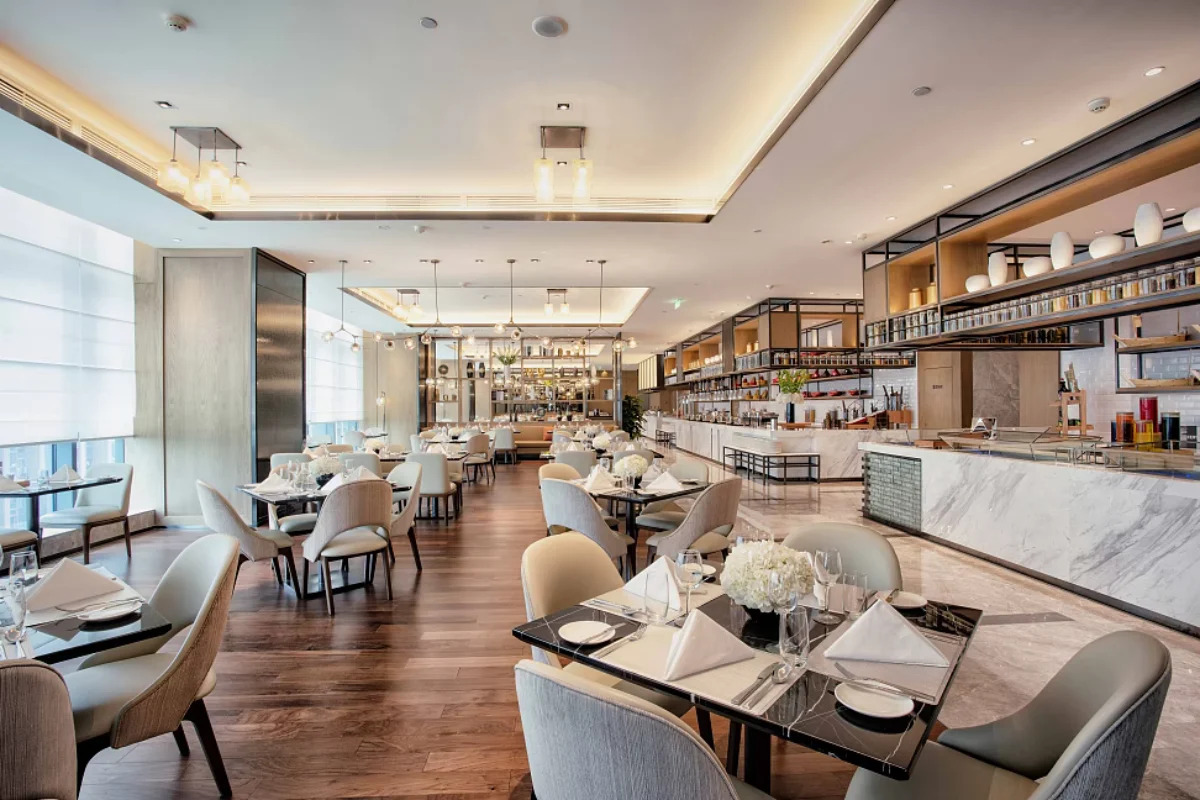
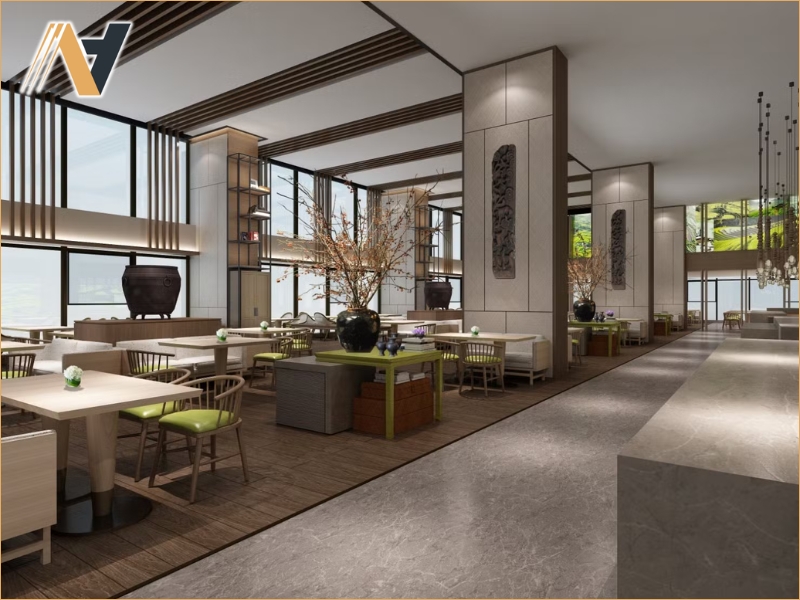
Restaurants, lounges, corridors, and shared hospitality spaces require furniture and finishing materials that combine comfort, durability, operational efficiency, and visual consistency to support both guest satisfaction and long-term hotel performance.
4.1 Dining Furniture and Seating Comfort
Restaurant tables, chairs, booths, and dining furniture should provide long-term comfort, durability, and easy maintenance while supporting efficient space organization, smooth guest circulation, and a welcoming hospitality atmosphere capable of handling continuous daily usage without compromising visual quality or operational performance.
4.2 Lounge and Shared Space Furnishings
Lounge seating, coffee tables, decorative furniture, and multifunctional shared-area furnishings help create relaxing social environments where guests can comfortably gather, rest, or work while reinforcing the hotel’s hospitality identity and overall interior design consistency across public spaces.
4.3 Corridor and Public Area Finishes
Corridor flooring, wall finishes, ceiling treatments, decorative lighting, and directional elements contribute significantly to guest navigation, spatial continuity, and visual sophistication, helping maintain a polished hospitality atmosphere throughout all transitional and high-traffic hotel areas.
4.4 Maintenance-Friendly Material Selection
Public area materials should be selected for durability, stain resistance, and ease of cleaning to support long-term operational efficiency, reduce maintenance frequency, and preserve the hotel’s interior appearance despite constant guest traffic and daily hospitality activities.
5. Operational and Technical Interior Systems
Beyond furniture and decorative design, hotels require reliable operational and technical systems that support guest comfort, safety, energy efficiency, and long-term functionality, making these infrastructure elements essential components of every hospitality interior checklist.
5.1 HVAC and Ventilation Systems
Air conditioning and ventilation systems should provide stable temperature control, efficient air circulation, and consistent indoor comfort across guest rooms and public spaces, helping hotels maintain better hospitality experiences while improving operational efficiency and reducing long-term maintenance issues related to humidity, airflow, and equipment performance.
5.2 Electrical and Lighting Infrastructure
Reliable electrical infrastructure supports lighting systems, hospitality technologies, security equipment, and daily operational activities, ensuring stable performance, improved safety standards, and uninterrupted guest experiences throughout all hotel departments and service areas.
5.3 Acoustic and Privacy Solutions
Soundproofing systems for walls, ceilings, windows, and doors help minimize noise transfer between guest rooms and public spaces, improving privacy, relaxation, sleep quality, and overall guest satisfaction in hospitality environments with high daily activity levels.
Conclusion
A complete hotel interior checklist helps investors prepare functional, visually refined, and operationally efficient hospitality spaces before opening, reducing the risk of costly oversights and improving long-term guest satisfaction. Careful planning across furniture, technical systems, and public areas ensures stronger hospitality performance and a more consistent brand experience.
For hotels seeking refined, durable, and fully customized solutions, Ngoc Hoang Anh delivers premium Vietnam hotel furniture designed to support modern hospitality projects from concept to completion.
Contact us today for expert consultation and bespoke hospitality furniture production.
-----
NGOC HOANG ANH TRADING COMPANY LIMITED
Tax Code: 3702874413
Address: No. 288/28/10 Huynh Van Luy Street, Zone 7, Phu Loi Ward, Ho Chi Minh City, Vietnam
Warehouse: No. 1/91, Thuan Giao 02 Street, Binh Thuan 2 Residential Quarter, Thuan Giao Ward, Ho Chi Minh City, Vietnam
Phone/Whatsapp/Wechat: +84342076666
Email: info@ngochoanganh.com.vn