Effective Hotel Interior Renovation Tips for Older Properties
Thứ 7, 20/06/2026
Administrator
187
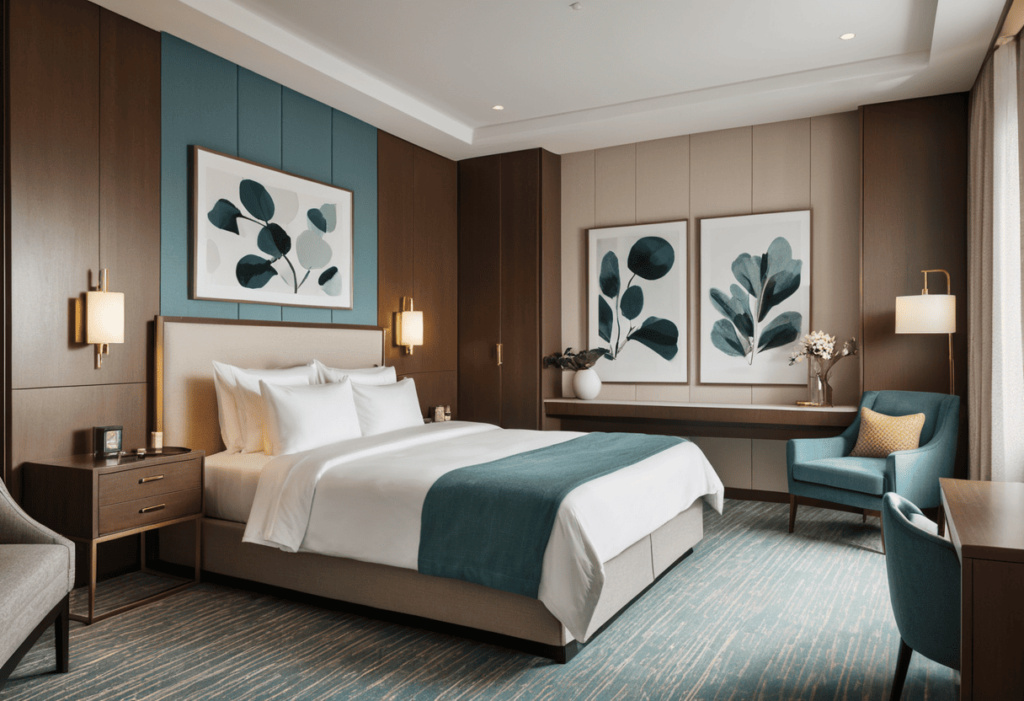
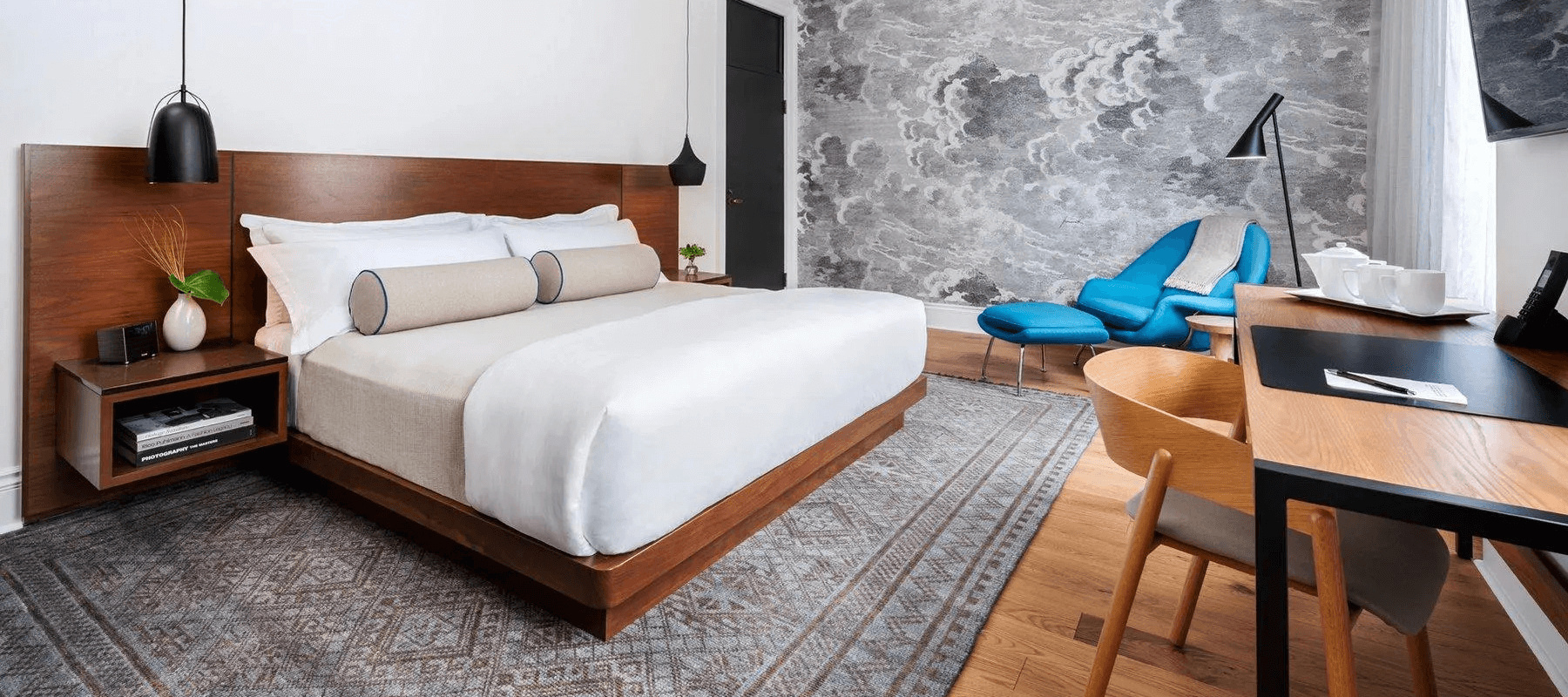
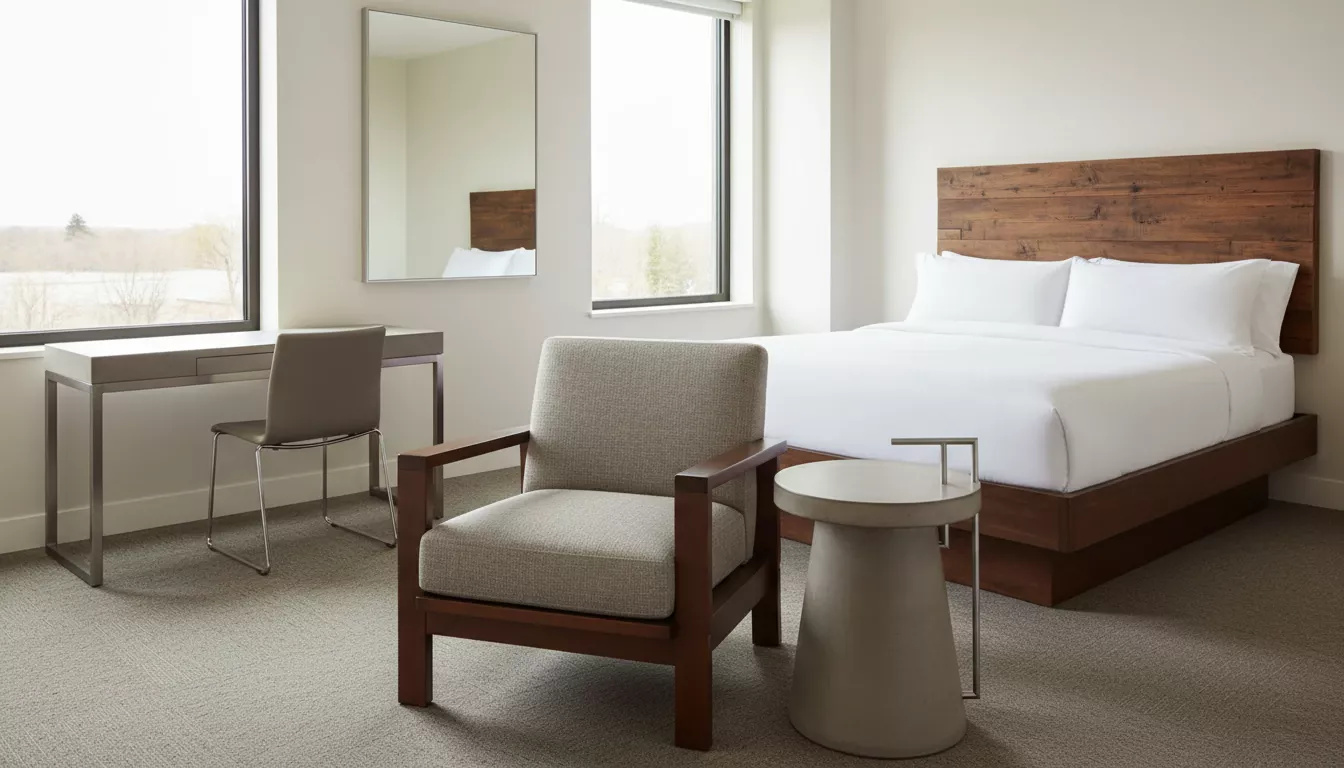
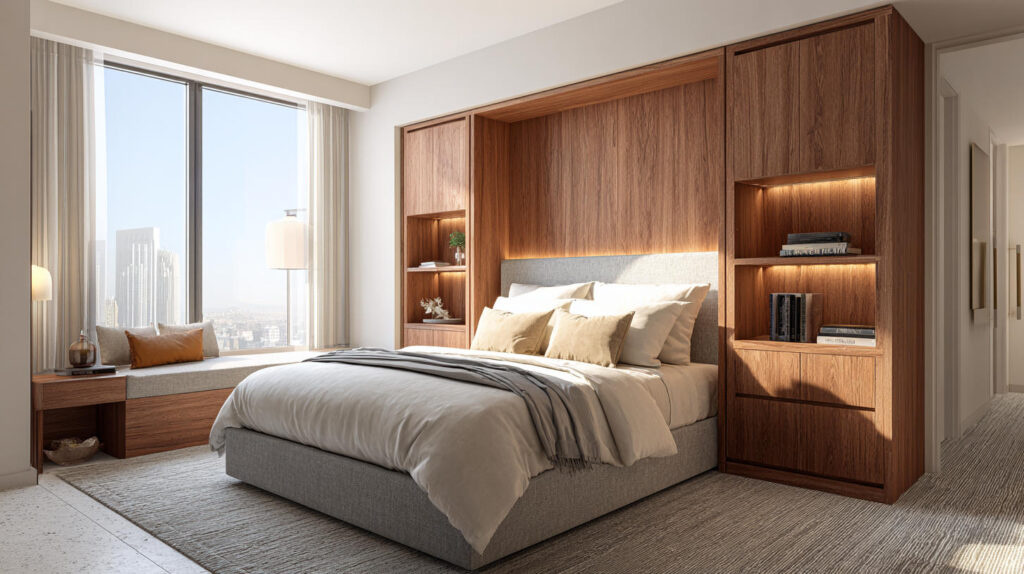
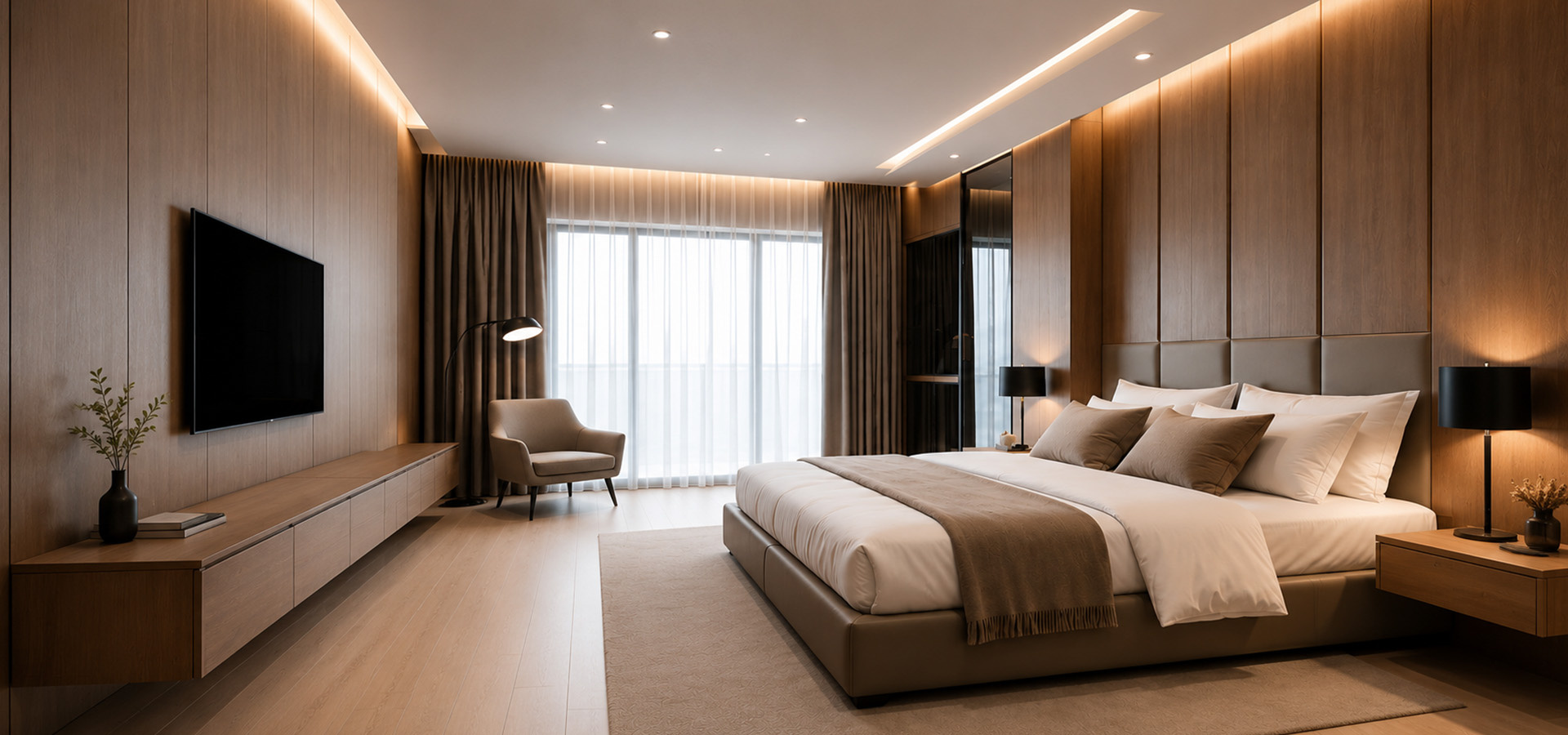
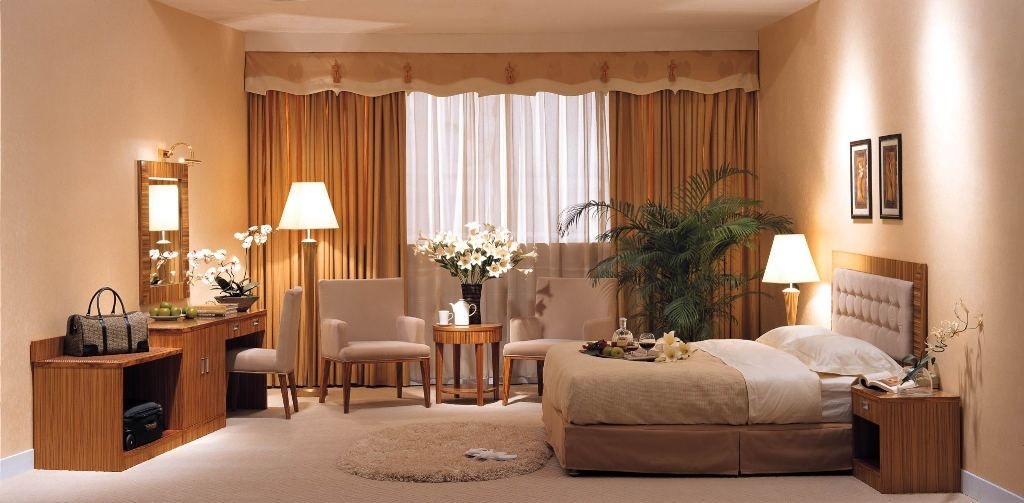
Renovating old hotel interiors is an effective way to improve guest satisfaction, refresh brand image, and enhance business performance without rebuilding from the ground up. With the right renovation strategy, hotels can modernize spaces, optimize costs, and create more competitive hospitality experiences. In this article, Ngoc Hoang Anh shares practical experience for renovating older hotel interiors efficiently and sustainably.
1. Evaluate Existing Conditions Before Renovation
Before renovating an old hotel interior, a comprehensive assessment of existing conditions is essential to ensure investments are directed effectively and unnecessary costs are avoided. Evaluating current furniture, materials, layouts, and operational performance helps hotels establish clear priorities and develop renovation plans that improve both guest experience and long-term business value.
1.1 Inspect Furniture and Material Conditions
A detailed inspection of furniture, finishes, and interior materials helps determine which elements remain functional and which require replacement or upgrades. Reusing suitable components where possible can reduce renovation costs while maintaining consistent quality and minimizing project waste.
1.2 Identify Functional Limitations
Older hotel interiors often contain outdated layouts or inefficient space usage that no longer meet current guest expectations. Identifying circulation issues, insufficient storage, and comfort limitations allows hotels to implement targeted improvements that enhance usability and overall hospitality performance.
1.3 Define Renovation Goals and Budget
Establishing clear renovation objectives and realistic budget planning helps hotels control project scope and prioritize areas with the highest impact. Aligning financial investment with operational goals ensures renovation outcomes support stronger occupancy rates and long-term interior performance.
2. Prioritize High-Impact Interior Upgrades
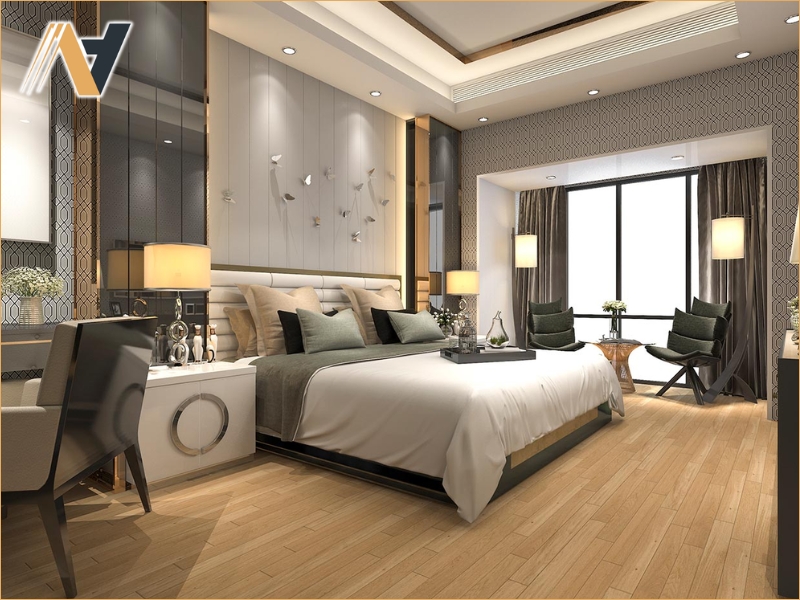
When renovating an old hotel, prioritizing interior upgrades with the greatest visible and functional impact helps maximize investment efficiency while reducing unnecessary reconstruction. Focusing on areas that most influence guest perception allows hotels to modernize experiences, improve competitiveness, and achieve stronger renovation results with controlled budgets.
2.1 Upgrade Guest Rooms First
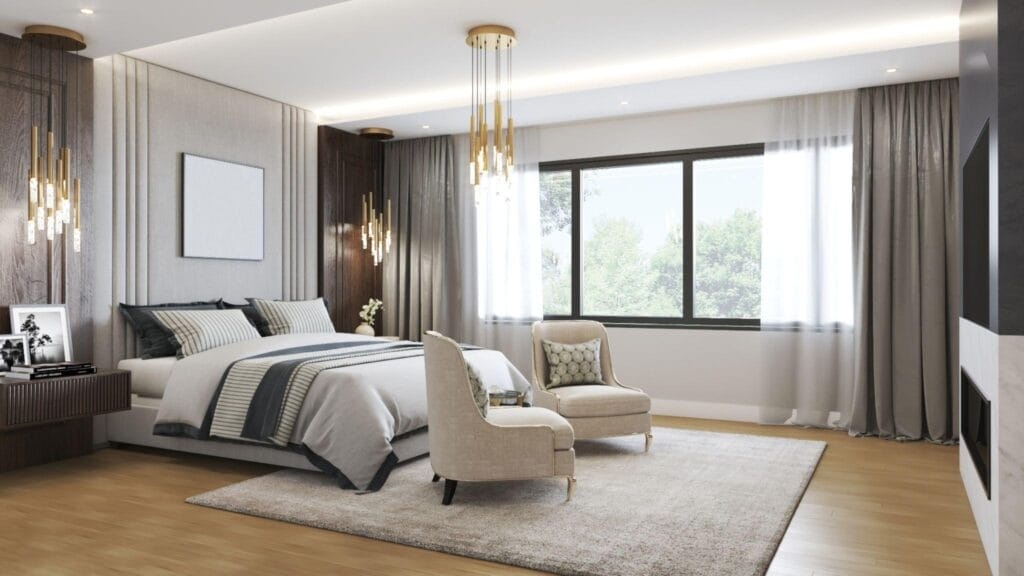
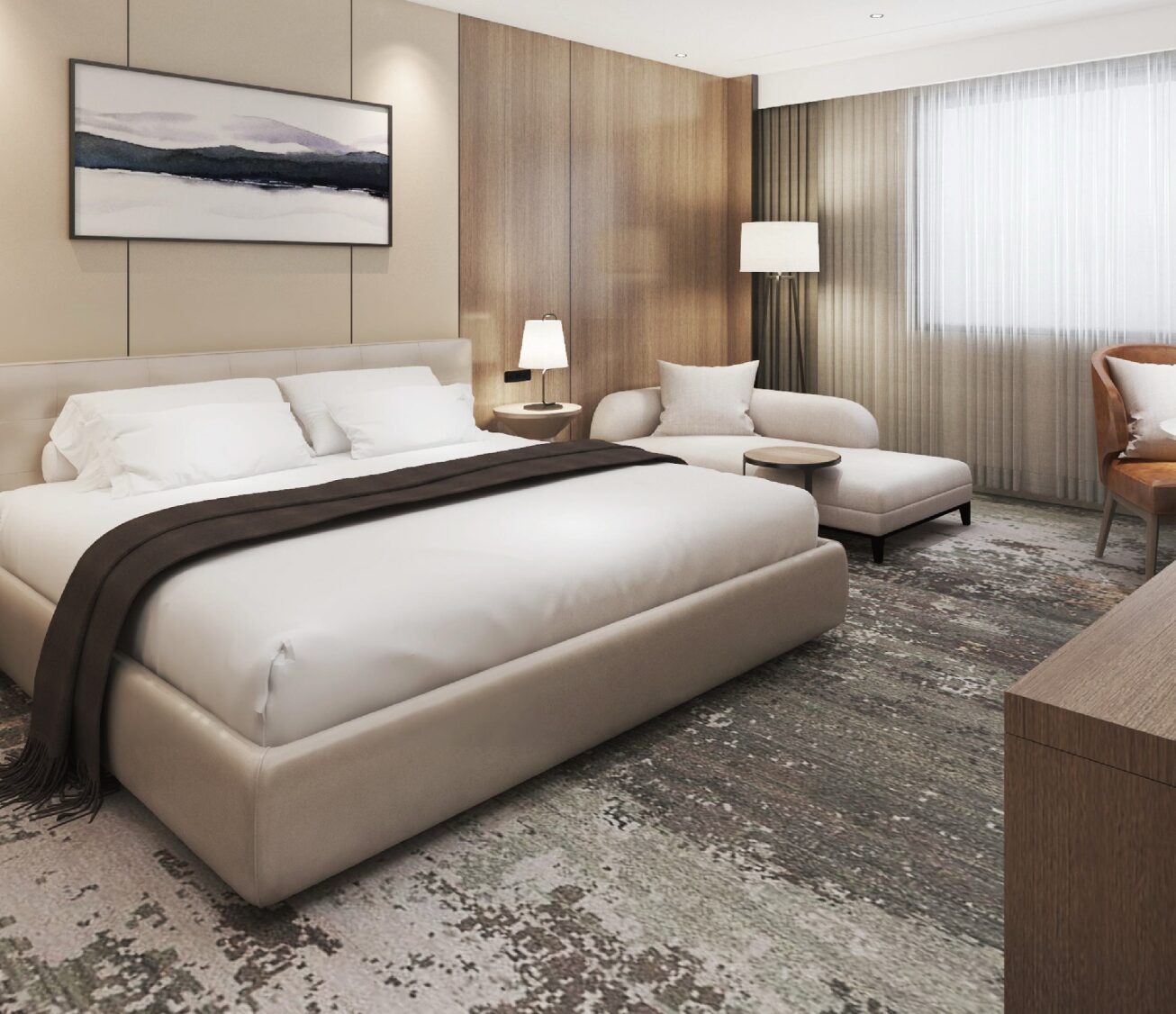
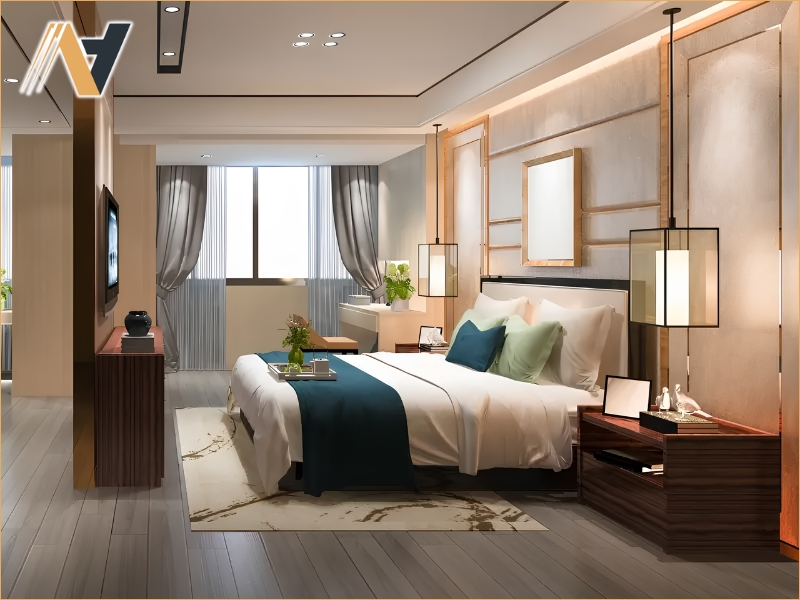
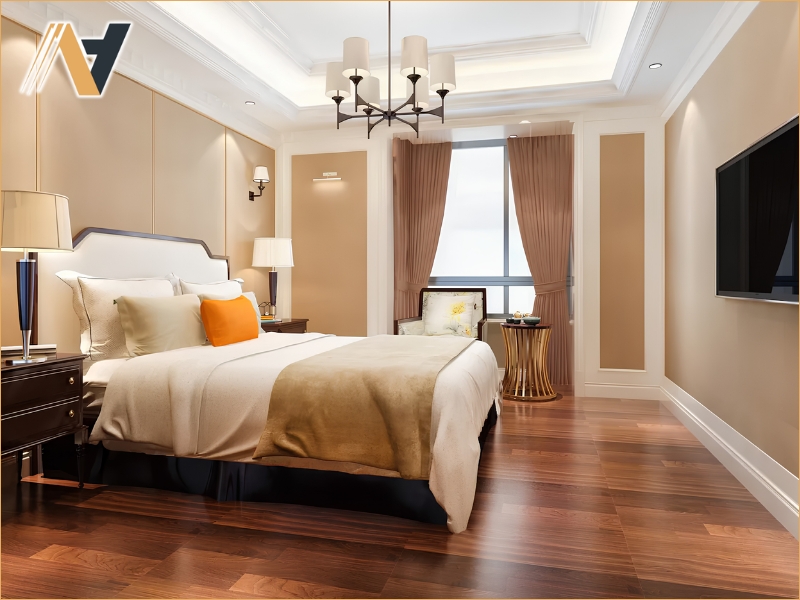
Guest rooms have the strongest influence on satisfaction, reviews, and booking decisions, making them the highest-priority renovation area. Updating furniture, finishes, lighting, and room functionality can significantly improve comfort while creating a more modern and attractive hospitality experience.
2.2 Refresh Public Areas and Lobby Design
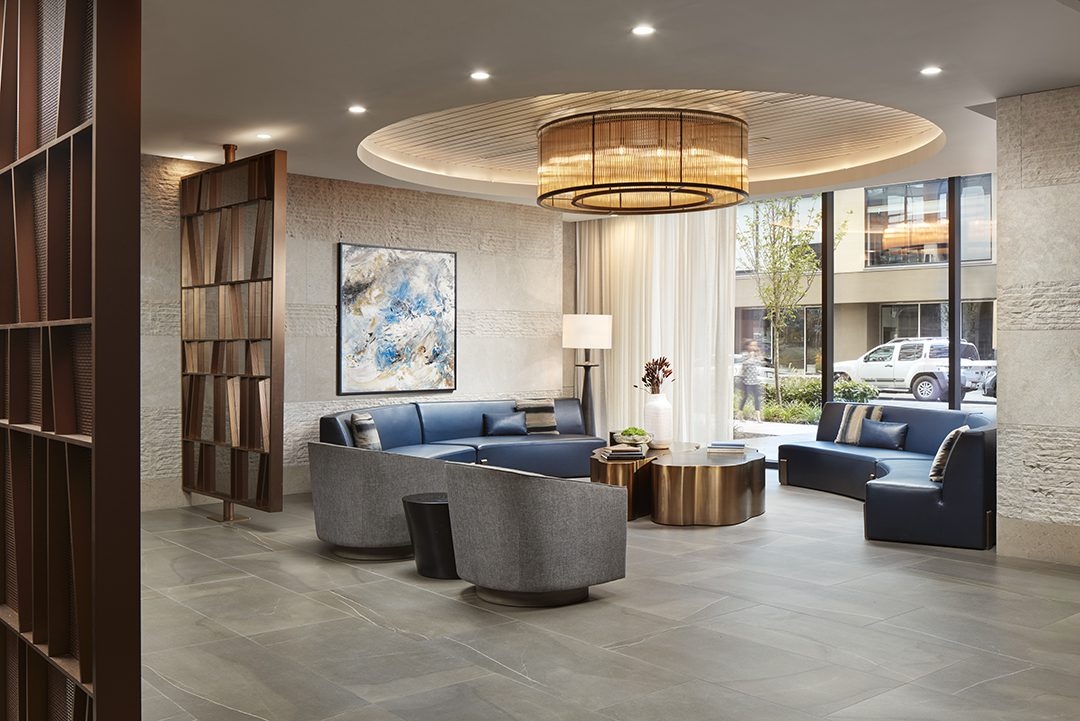
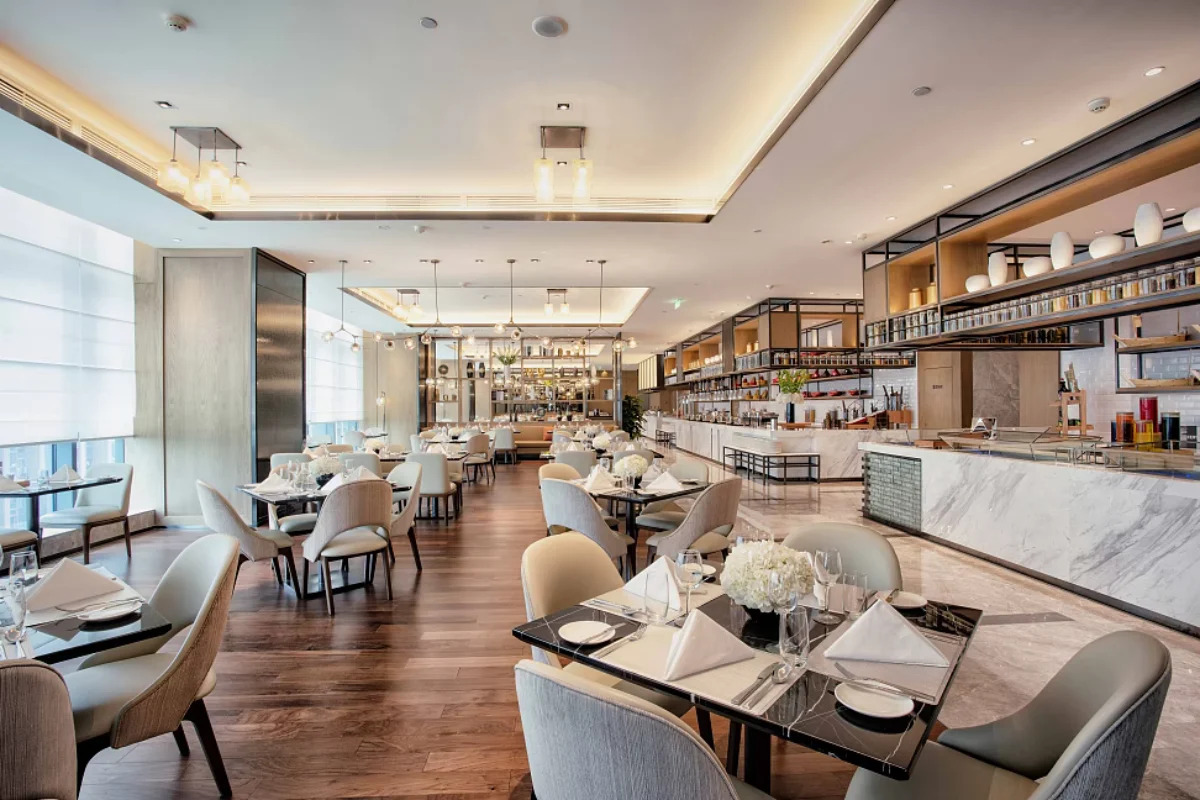
Public spaces and lobbies shape first impressions and strongly influence how guests perceive hotel quality. Renovating these areas through updated furniture, improved layouts, and refined decorative details helps strengthen brand image and create a more welcoming atmosphere.
2.3 Improve Lighting and Interior Atmosphere
Lighting upgrades are one of the most cost-effective ways to transform older interiors without extensive structural changes. Layered lighting and improved ambience help create brighter, more comfortable spaces while enhancing the perceived value of hotel interiors.
2.4 Replace Outdated Finishes and Decorative Elements
Replacing worn surfaces, outdated color schemes, and aging decorative details helps refresh hotel identity and improve visual consistency. Modern finishes and carefully selected interior accents create a more contemporary environment that aligns with current guest expectations.
3. Modernize Interiors While Preserving Operational Efficiency
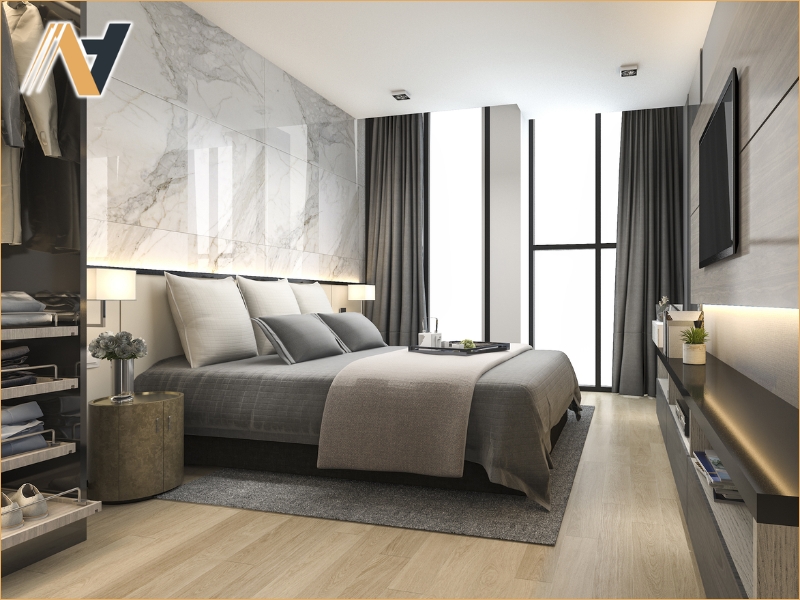
Successful hotel interior renovation should focus not only on visual improvements but also on maintaining operational efficiency and long-term usability. Modernizing old interiors with practical solutions helps hotels enhance guest experiences, reduce maintenance requirements, and improve daily operations without creating unnecessary complexity.
3.1 Select Durable Hospitality-Grade Materials
Choosing durable materials designed for hospitality environments helps renovated interiors withstand continuous usage while maintaining appearance over time. High-performance finishes, easy-care surfaces, and reliable furniture solutions reduce maintenance costs and support long-term operational stability.
3.2 Optimize Layouts for Better Functionality
Renovation provides an opportunity to improve room flow and eliminate inefficient layouts that no longer match guest expectations. Reorganizing furniture placement and circulation areas helps increase comfort, improve usability, and create more valuable hospitality spaces.
3.3 Integrate Flexible Interior Solutions
Flexible interior concepts allow hotels to adapt more easily to changing market demands and future upgrades. Modular furniture, adaptable layouts, and multifunctional elements support long-term business growth while reducing renovation costs in future development phases.
4. Control Renovation Costs and Timeline Effectively
Effective cost and timeline management is essential for successful hotel interior renovation because it helps minimize business disruption while maximizing investment efficiency. A structured renovation plan allows hotels to maintain operations, avoid unexpected expenses, and complete upgrades with better quality control and long-term value.
4.1 Renovate in Phases to Reduce Downtime
Implementing renovation work in stages allows hotels to continue serving guests while upgrading selected areas gradually. A phased approach reduces revenue loss, improves scheduling flexibility, and ensures operational continuity throughout the renovation process.
4.2 Prioritize ROI-Driven Decisions
Renovation budgets should focus on improvements that directly influence guest satisfaction, occupancy performance, and operational efficiency. Prioritizing investments based on return potential helps hotels achieve stronger business outcomes while controlling total project costs.
4.3 Coordinate Design and Construction Early
Close collaboration between design and construction teams from the beginning reduces execution errors, prevents delays, and improves project efficiency. Early planning also helps align renovation objectives with budget expectations and operational requirements.
4.4 Establish Post-Renovation Maintenance Standards
Long-term renovation success depends on maintaining interior quality after project completion. Creating maintenance procedures, inspection schedules, and operational guidelines helps protect investment value and preserve the appearance and functionality of renovated hotel interiors.
5. Create Long-Term Value Through Strategic Interior Renovation
Hotel interior renovation should go beyond visual upgrades and focus on creating sustainable business value over time. A strategic renovation approach helps improve guest perception, extend interior lifespan, strengthen competitiveness, and ensure that investment decisions continue delivering measurable benefits long after project completion.
5.1 Align Renovation With Brand Positioning
Interior renovation should reflect the hotel’s target market, service standards, and brand identity to create a more consistent hospitality experience. Aligning design decisions with positioning helps strengthen recognition and improve guest expectations and satisfaction.
5.2 Improve Guest Experience Through Design Details
Small design improvements such as upgraded lighting, better storage solutions, improved furniture comfort, and refined decorative elements can create meaningful changes in guest perception. Attention to detail helps hotels deliver more memorable and premium experiences.
5.3 Measure Performance After Renovation
Evaluating guest feedback, occupancy trends, operational efficiency, and maintenance outcomes after renovation helps determine project effectiveness. Continuous performance measurement enables hotels to optimize future interior investments and maintain long-term competitiveness.
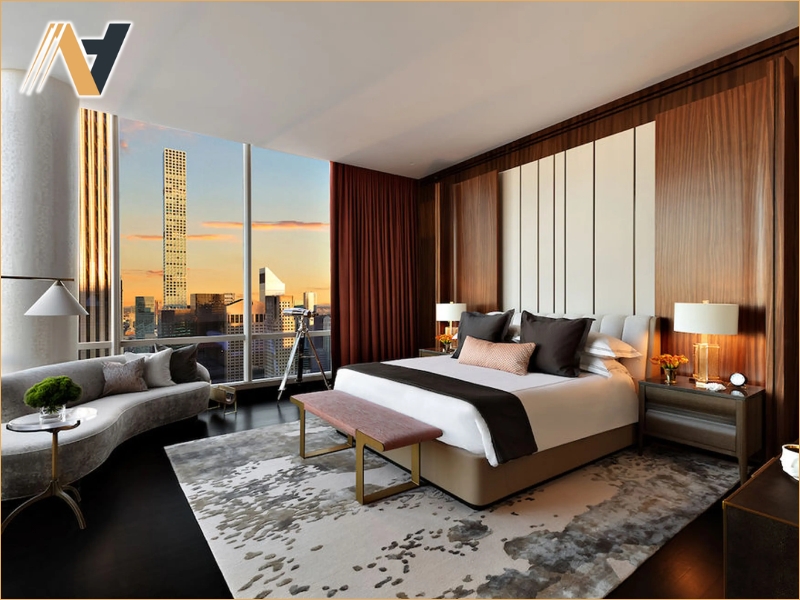
Renovating an old hotel interior is an opportunity to reposition the property, improve guest perception, and unlock greater operational potential without starting from scratch. By evaluating existing conditions carefully, prioritizing impactful upgrades, and planning investments strategically, hotels can transform aging spaces into modern hospitality environments that deliver stronger performance and lasting value.
For hotels looking to renew existing spaces with tailored, high-quality solutions, Ngoc Hoang Anh provides premium Vietnam hotel furniture designed to combine durability, functionality, and contemporary hospitality aesthetics.
Contact us today to discuss customized renovation solutions and elevate your hotel interior with confidence.
-----
NGOC HOANG ANH TRADING COMPANY LIMITED
Tax Code: 3702874413
Address: No. 288/28/10 Huynh Van Luy Street, Zone 7, Phu Loi Ward, Ho Chi Minh City, Vietnam
Warehouse: No. 1/91, Thuan Giao 02 Street, Binh Thuan 2 Residential Quarter, Thuan Giao Ward, Ho Chi Minh City, Vietnam
Phone/Whatsapp/Wechat: +84342076666
Email: info@ngochoanganh.com.vn