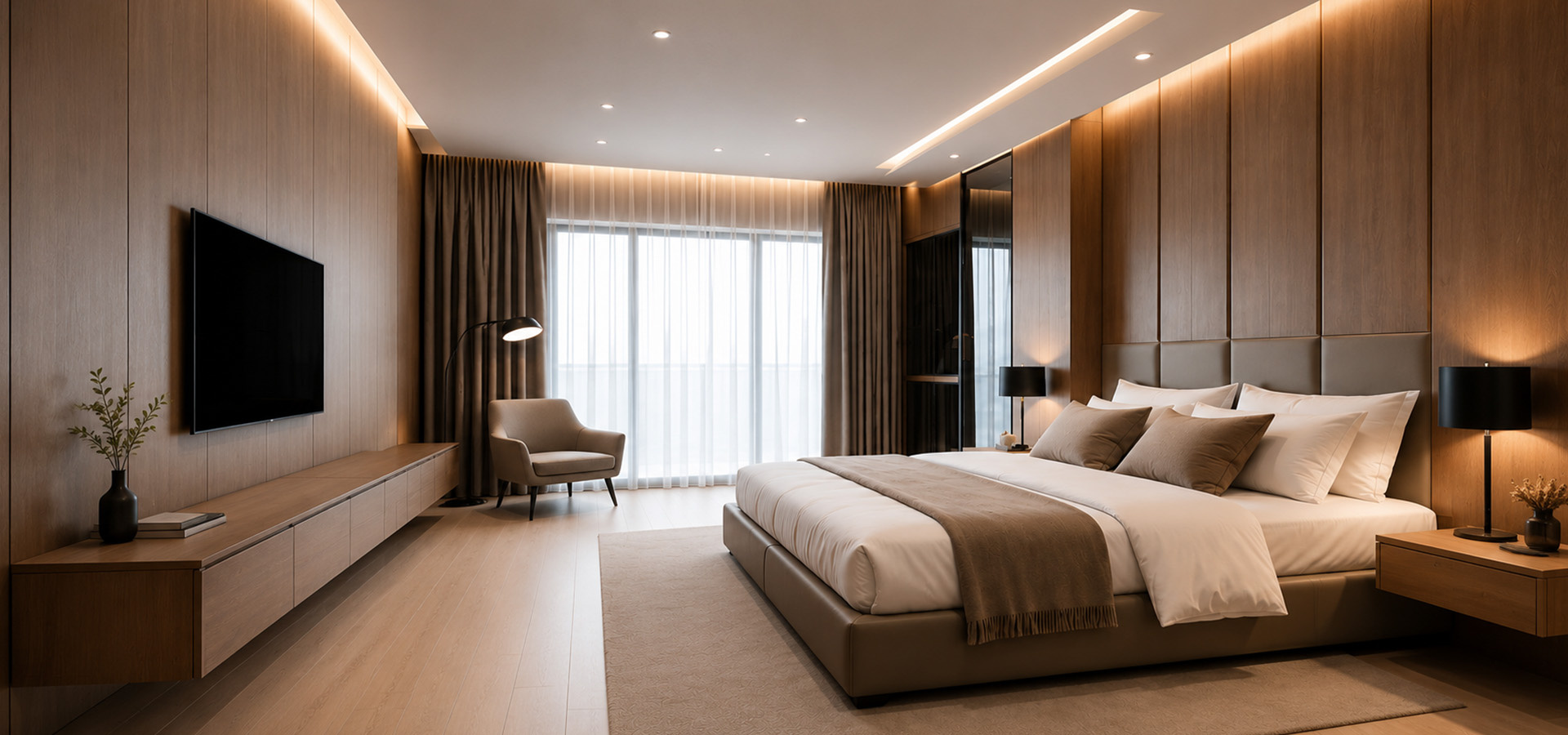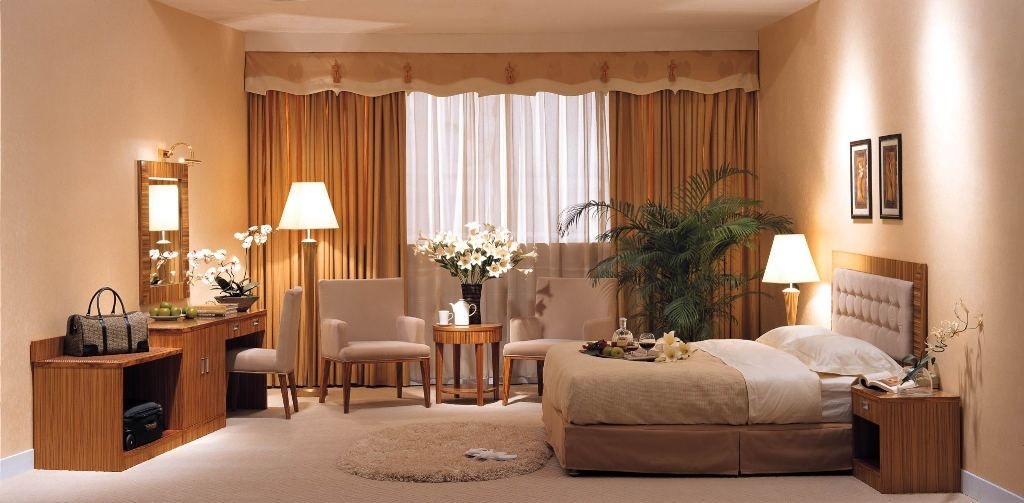
Eco-Friendly Interior Materials Preferred by Modern Hotels
Thứ 4, 12/08/2026
Administrator
121
Sustainability has become a defining trend in modern hotel interior design, with more hospitality businesses prioritizing environmentally friendly materials that combine durability, aesthetics, and responsible sourcing. In this article, Ngoc Hoang Anh explores the eco-friendly interior materials that hotels increasingly choose to create healthier spaces, strengthen brand value, and support long-term sustainable operations.
1. Why Sustainable Interior Materials Matter in Hotels
Sustainable interior materials have become an important consideration in modern hotel design as the hospitality industry places greater emphasis on environmental responsibility and long-term operational efficiency. Beyond reducing environmental impact, these materials contribute to healthier indoor spaces, improved durability, and stronger brand positioning, making them a valuable investment for hotels seeking sustainable growth.
1.1 Meeting growing sustainability expectations
Today's travelers are increasingly conscious of environmental issues and often prefer hotels that demonstrate a commitment to sustainable practices. Using eco-friendly interior materials allows hotels to meet these evolving expectations while appealing to environmentally aware guests who value responsible hospitality experiences.
1.2 Supporting healthier indoor environments
Many sustainable materials are manufactured with low levels of volatile organic compounds (VOCs) and other harmful chemicals, helping improve indoor air quality. Cleaner indoor environments contribute to greater guest comfort, support employee well-being, and create healthier spaces throughout guestrooms and public areas.
1.3 Enhancing long-term brand reputation
Hotels that invest in environmentally responsible interior materials strengthen their reputation as forward-thinking and socially responsible businesses. Sustainable design not only differentiates a property in a competitive market but also supports environmental certifications, attracts eco-conscious travelers, and reinforces long-term brand credibility.
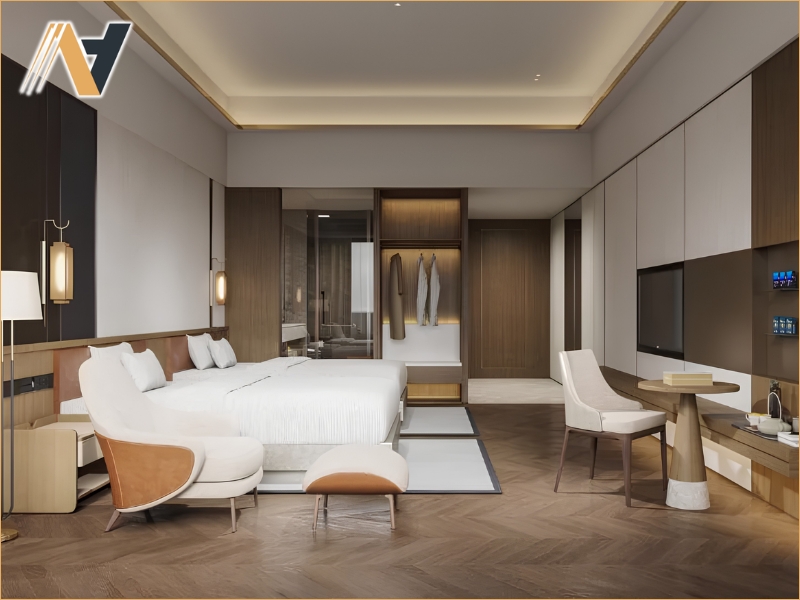
2. Natural Materials Widely Used in Hotel Interiors
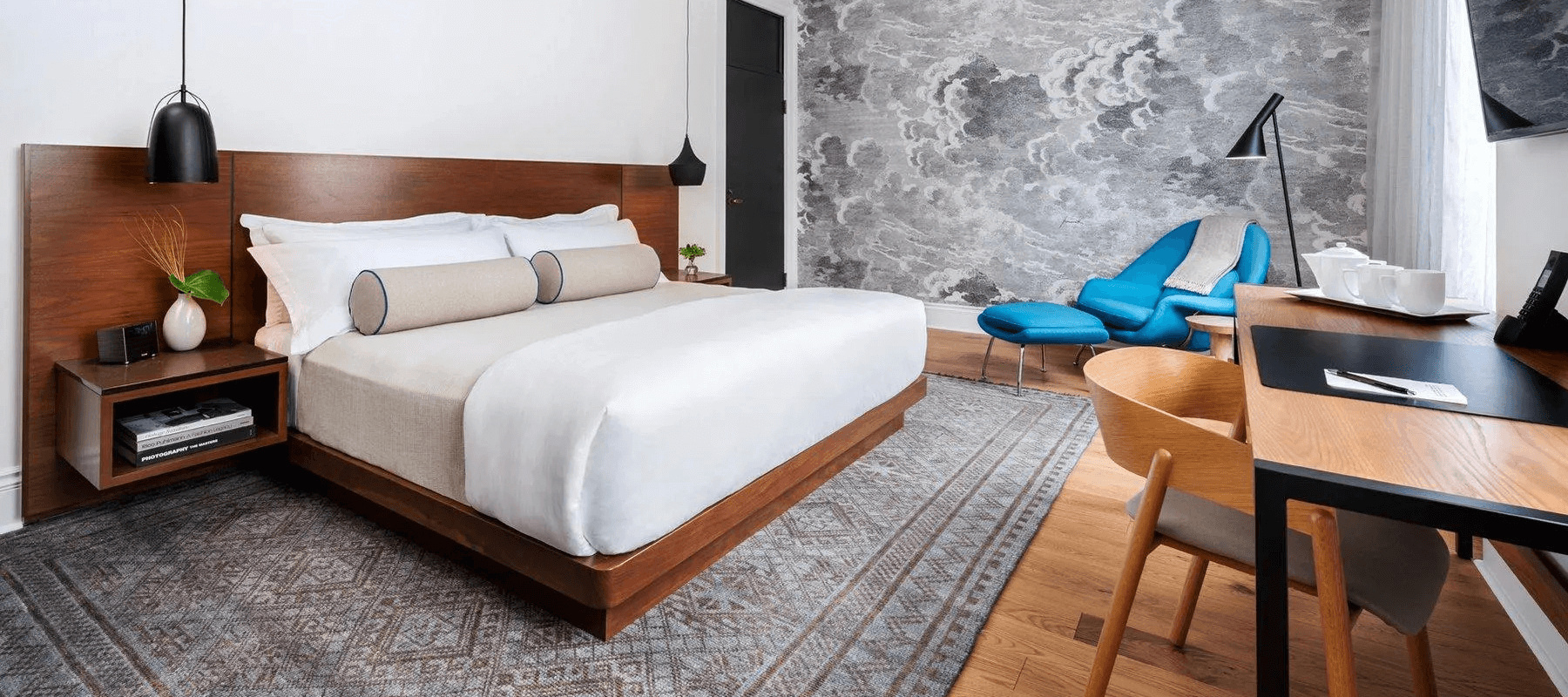
Natural materials remain one of the most popular choices for sustainable hotel interiors because they combine environmental responsibility with timeless aesthetics and long-lasting performance. Responsibly sourced materials not only reduce environmental impact but also create warm, inviting spaces that enhance guest comfort while supporting modern hospitality design standards.
2.1 FSC-certified wood and engineered timber
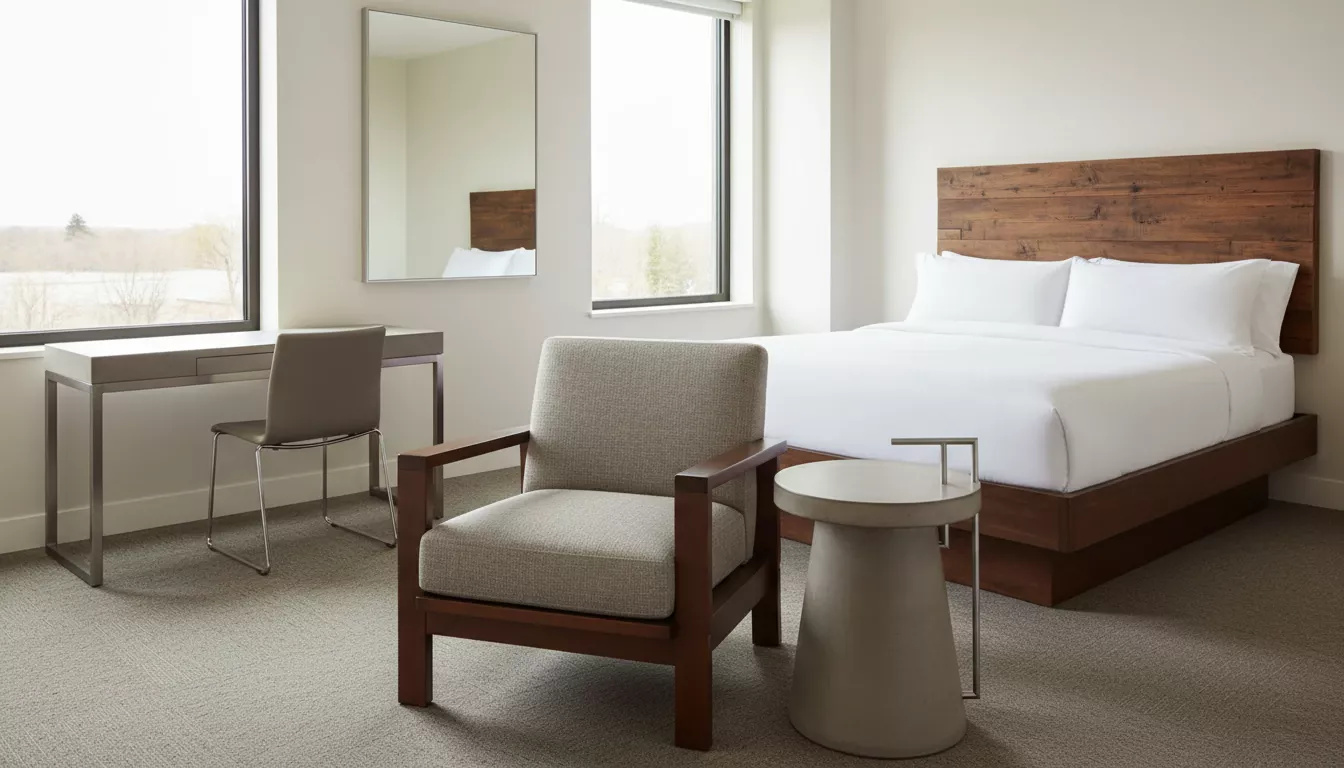
Wood certified by the Forest Stewardship Council (FSC) ensures that raw materials are sourced from responsibly managed forests. Combined with high-quality engineered timber, these materials provide excellent durability, design flexibility, and a natural appearance while helping hotels meet sustainability objectives without compromising interior quality.
2.2 Natural stone with long service life
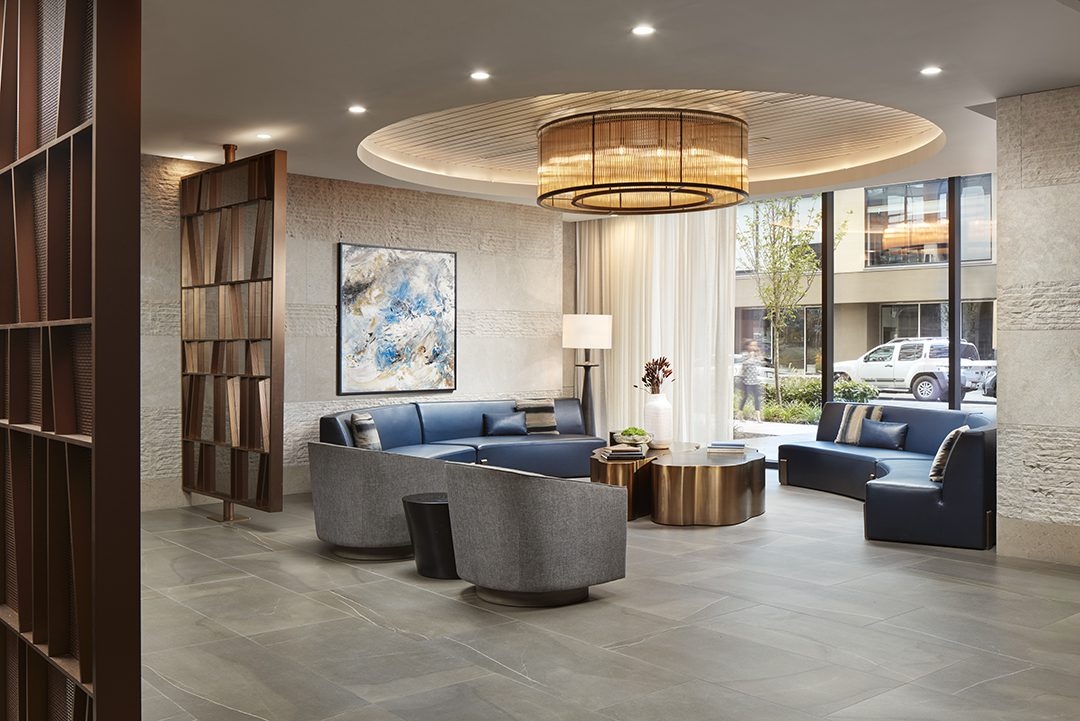
Natural stone is widely used in hotel lobbies, bathrooms, countertops, and decorative features due to its exceptional durability and timeless elegance. Its long lifespan reduces the need for frequent replacement, making it a sustainable choice that minimizes material waste while maintaining a premium hospitality aesthetic.
2.3 Bamboo and other rapidly renewable materials
Bamboo is one of the fastest-growing renewable resources available for interior applications, making it an environmentally friendly alternative to traditional hardwood. Along with other rapidly renewable materials, bamboo offers strength, versatility, and contemporary visual appeal while supporting sustainable construction practices in modern hotel projects.
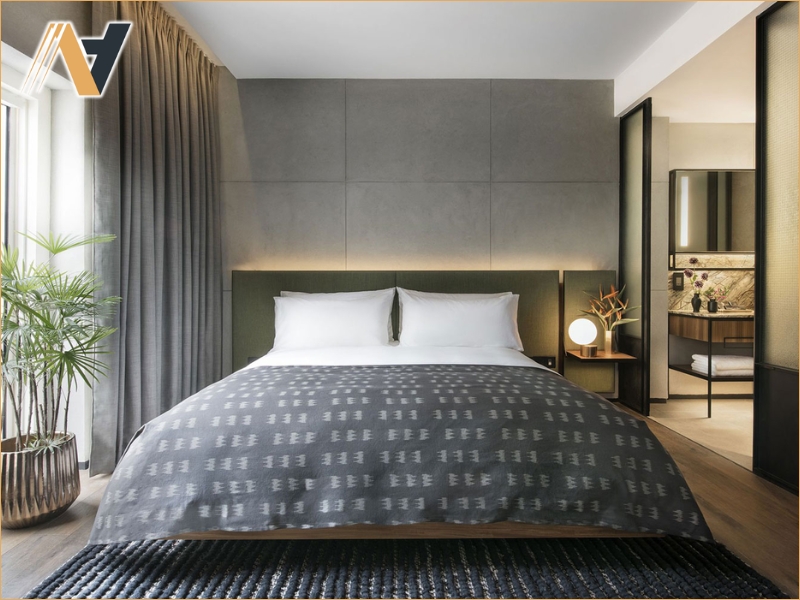
3. Recycled and Low-Impact Interior Materials
Recycled and low-impact materials are becoming increasingly popular in hotel interior design as they help reduce waste, conserve natural resources, and support circular economy principles. By incorporating these sustainable materials into furniture and interior finishes, hotels can lower their environmental footprint while maintaining high standards of durability, functionality, and visual appeal.
3.1 Recycled metal for furniture and fixtures
Recycled steel, aluminum, and other metals are widely used in hotel furniture frames, lighting fixtures, shelving systems, and decorative accents. These materials retain excellent structural strength while requiring significantly less energy to produce than newly extracted metals, making them a sustainable choice for modern hospitality interiors.
3.2 Recycled glass and composite surfaces
Recycled glass is increasingly incorporated into countertops, decorative wall panels, partitions, and surface finishes to create distinctive interior features with minimal environmental impact. Composite materials manufactured from recycled content also provide durable, easy-to-maintain alternatives suitable for high-traffic hotel environments.
3.3 Sustainable fabrics made from recycled fibers
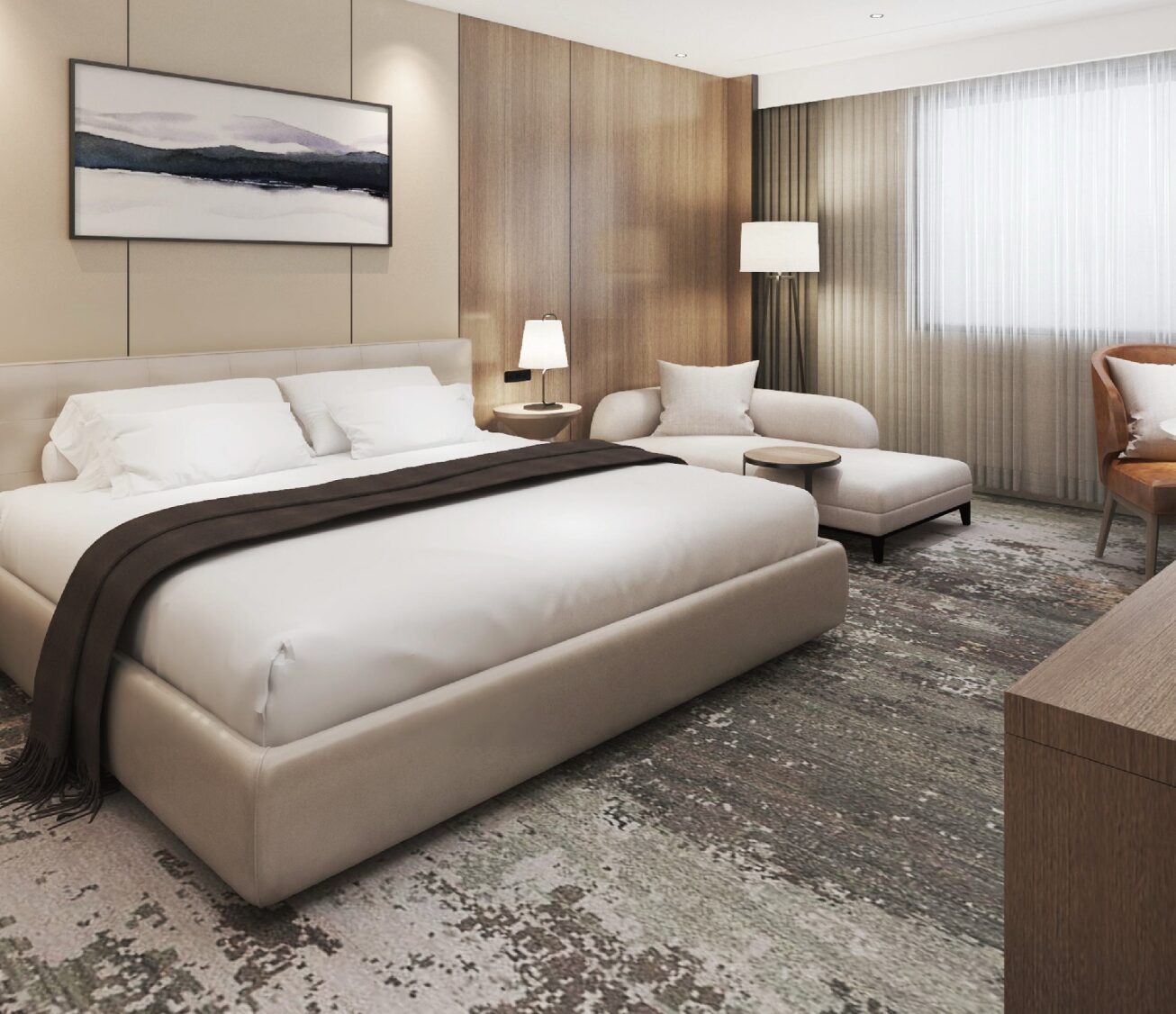
Many hotels now choose upholstery, curtains, carpets, and decorative textiles produced from recycled polyester, regenerated fibers, or other sustainable materials. These eco-friendly fabrics offer excellent durability, attractive aesthetics, and comfortable textures while helping reduce plastic waste and supporting more responsible manufacturing practices throughout the hospitality industry.
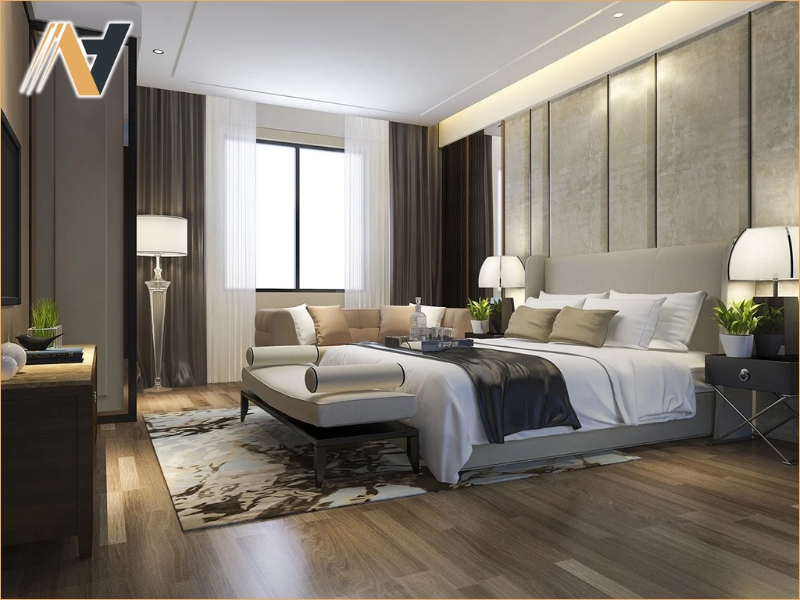
4. Healthy Finishes and Environmentally Friendly Treatments
The sustainability of hotel interiors depends not only on the materials themselves but also on the finishes and treatments applied to them. Eco-friendly paints, adhesives, and protective coatings help improve indoor air quality, reduce harmful emissions, and extend the lifespan of furniture and interior surfaces, creating healthier and more sustainable hospitality environments.
4.1 Low-VOC paints and coatings
Low-VOC (Volatile Organic Compound) paints and coatings release fewer harmful chemicals into the air than conventional products. Their use helps maintain better indoor air quality, reduces unpleasant odors during installation, and creates a healthier environment for both guests and hotel staff without compromising color quality or durability.
4.2 Water-based adhesives and sealants
Water-based adhesives and sealants are increasingly replacing solvent-based alternatives in hotel furniture manufacturing and interior installation. These products produce lower emissions, are safer for installers, and contribute to healthier indoor spaces while still providing strong bonding performance for long-term hospitality applications.
4.3 Eco-friendly protective finishes for furniture
Sustainable protective finishes help preserve the appearance and durability of hotel furniture while minimizing environmental impact. High-performance water-based lacquers, natural oil finishes, and environmentally responsible coatings improve resistance to scratches, moisture, and daily wear, extending furniture lifespan and reducing the need for frequent refinishing or replacement.
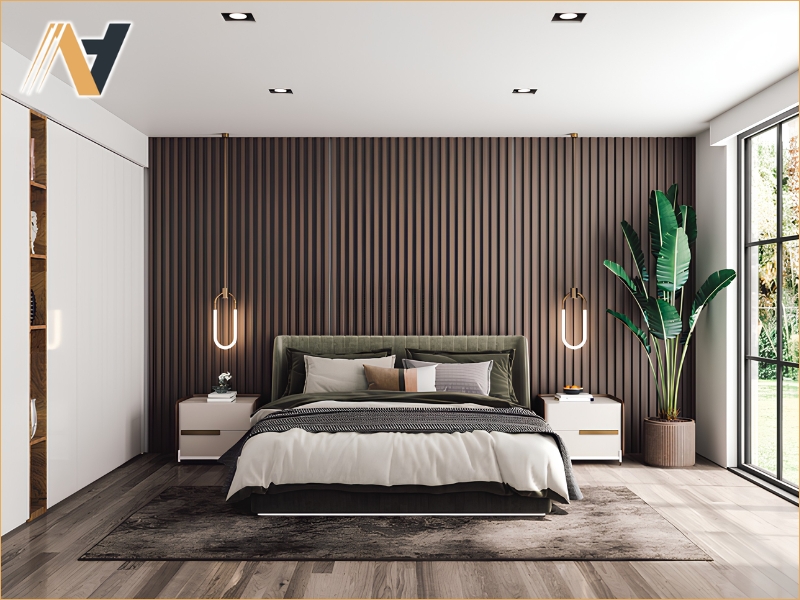
5. Choosing Sustainable Materials for Long-Term Hotel Value
Selecting eco-friendly interior materials should be based on more than environmental considerations alone. Hotels need to evaluate durability, maintenance requirements, lifecycle costs, and aesthetic quality to ensure that sustainable materials deliver long-term value while supporting operational efficiency and enhancing the guest experience.
5.1 Evaluating lifecycle costs instead of initial price
Although some sustainable materials may have higher upfront costs, they often provide greater long-term value through improved durability, lower maintenance requirements, and reduced replacement frequency. Assessing total lifecycle costs enables hotel owners to make more informed investment decisions that balance financial performance with environmental responsibility.
5.2 Selecting certified sustainable suppliers
Working with suppliers that provide internationally recognized sustainability certifications helps ensure material quality, responsible sourcing, and environmental compliance. Certifications such as FSC for wood products or other verified environmental standards increase transparency and give hotels greater confidence in the sustainability of their interior materials.
5.3 Combining sustainability with luxury hospitality design
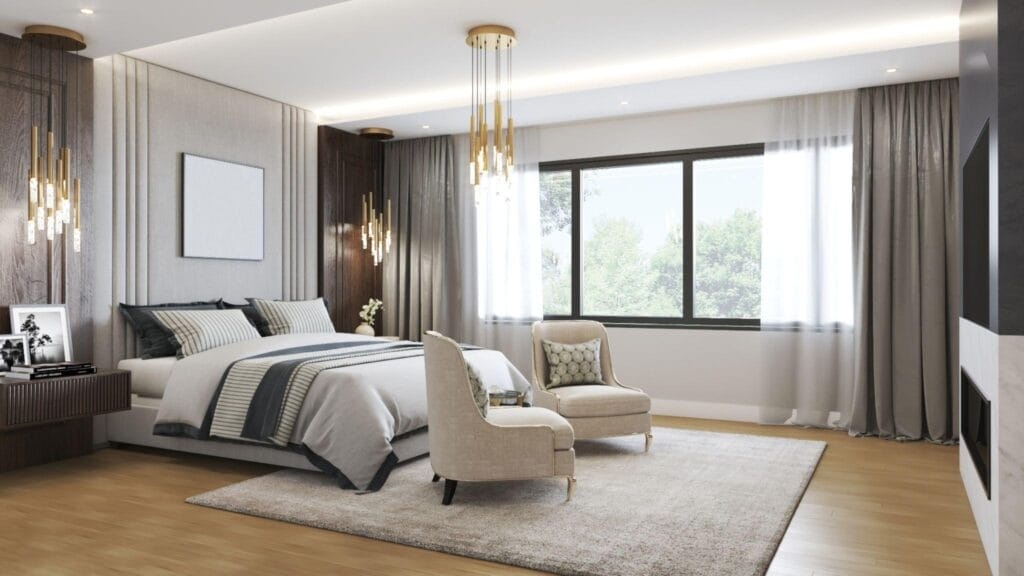
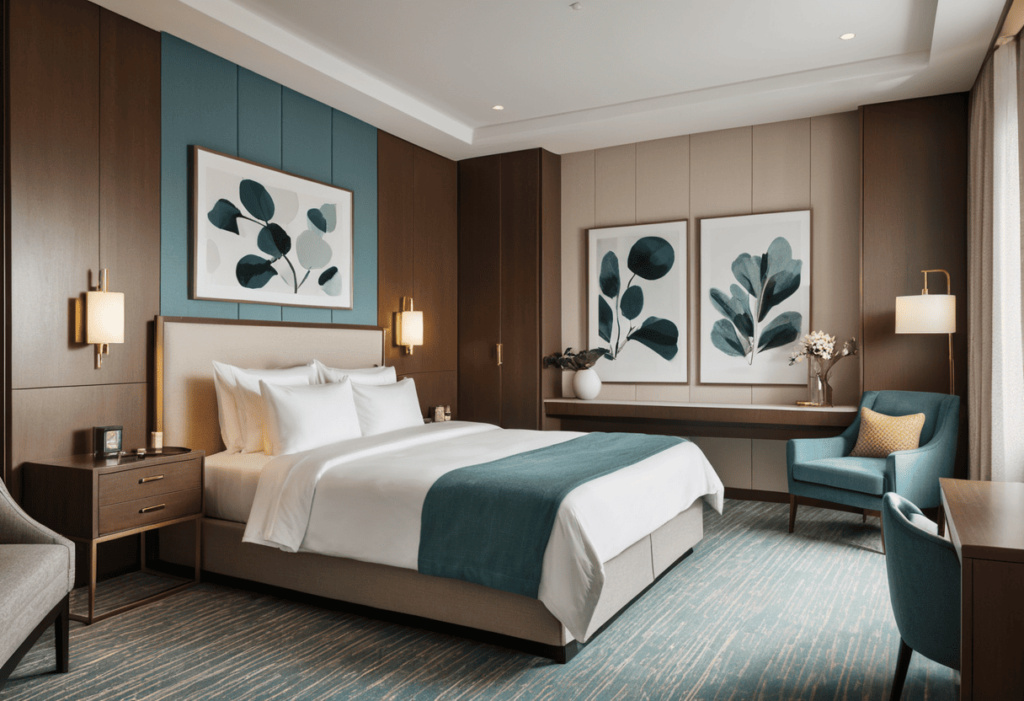
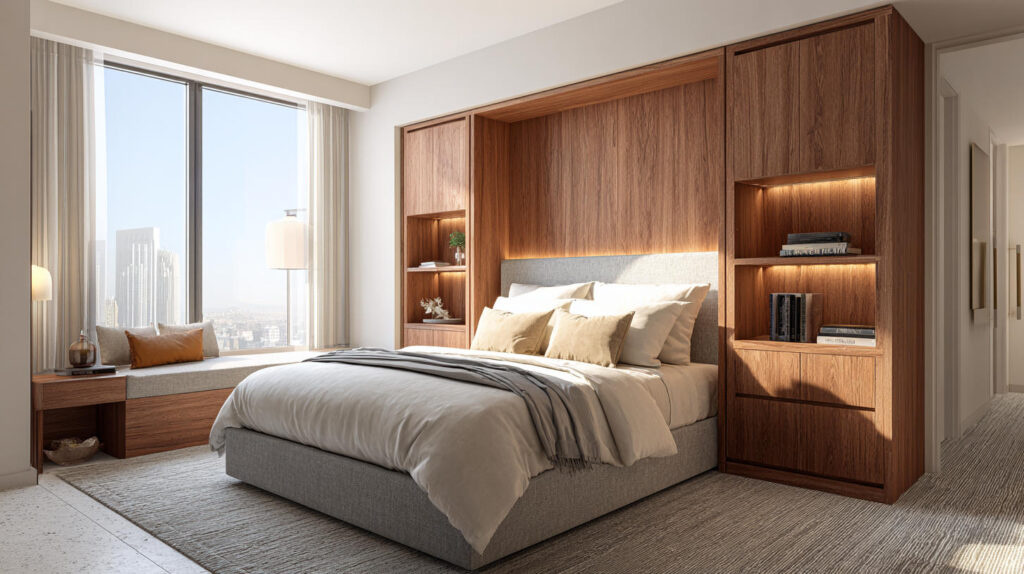
Modern eco-friendly materials allow hotels to achieve premium aesthetics without compromising environmental goals. Natural wood, recycled materials, low-impact finishes, and innovative sustainable products can be integrated seamlessly into luxury interiors, demonstrating that environmental responsibility and sophisticated hospitality design can successfully coexist.

Conclusion
Eco-friendly interior materials are becoming a defining feature of modern hotel design, helping hospitality businesses create healthier environments, reduce environmental impact, and improve long-term operational efficiency. By selecting responsibly sourced, durable, and low-emission materials, hotels can strengthen their sustainability commitments while delivering high-quality guest experiences and enhancing brand value.
For hotels seeking sustainable interior solutions, Ngoc Hoang Anh provides Vietnam hotel furniture OEM services with customized furniture manufactured using environmentally responsible materials, combining premium craftsmanship, long-lasting durability, and contemporary design to support the evolving needs of the hospitality industry.
-----
NGOC HOANG ANH TRADING COMPANY LIMITED
Tax Code: 3702874413
Address: No. 288/28/10 Huynh Van Luy Street, Zone 7, Phu Loi Ward, Ho Chi Minh City, Vietnam
Warehouse: No. 1/91, Thuan Giao 02 Street, Binh Thuan 2 Residential Quarter, Thuan Giao Ward, Ho Chi Minh City, Vietnam
Phone/Whatsapp/Wechat: +84342076666
Email: info@ngochoanganh.com.vn