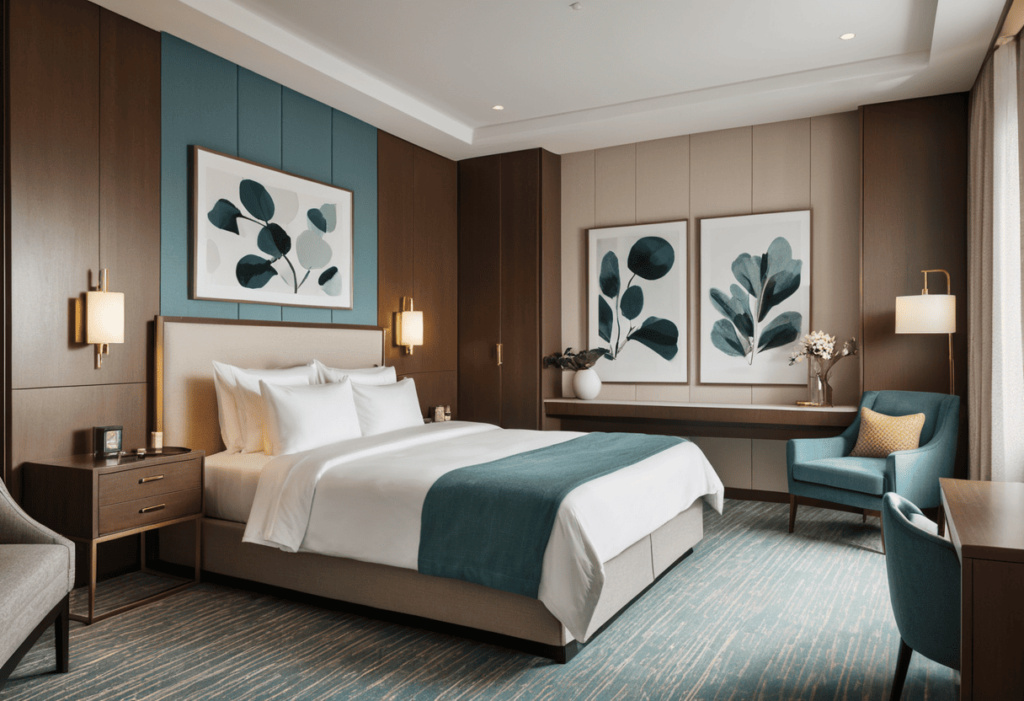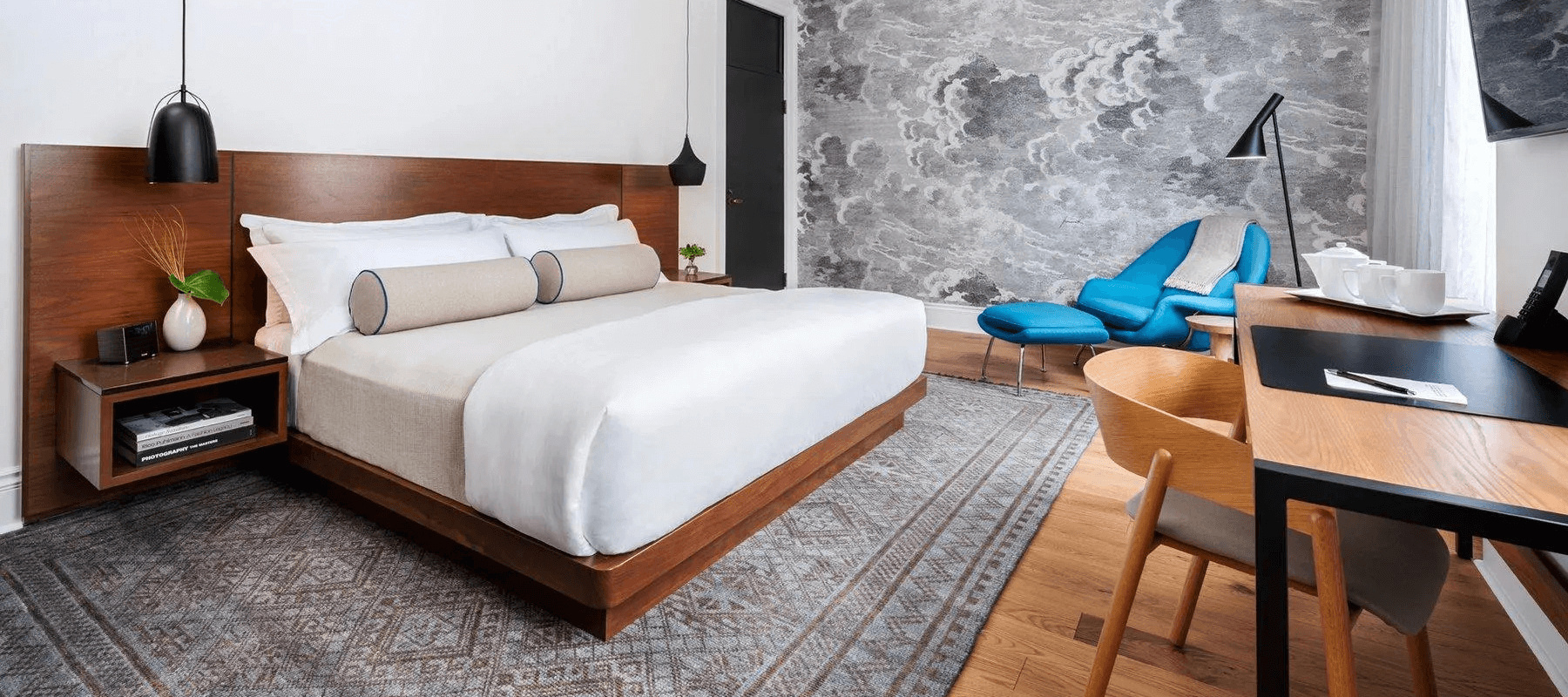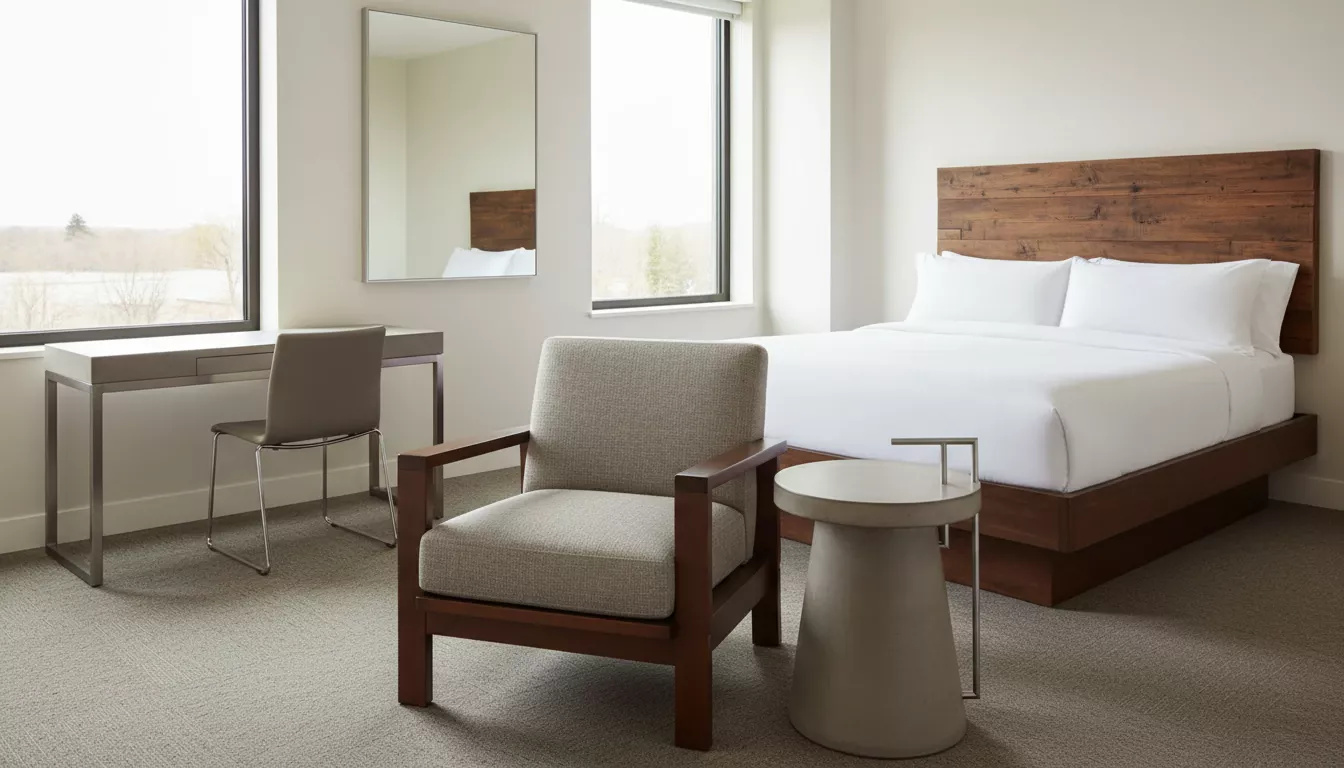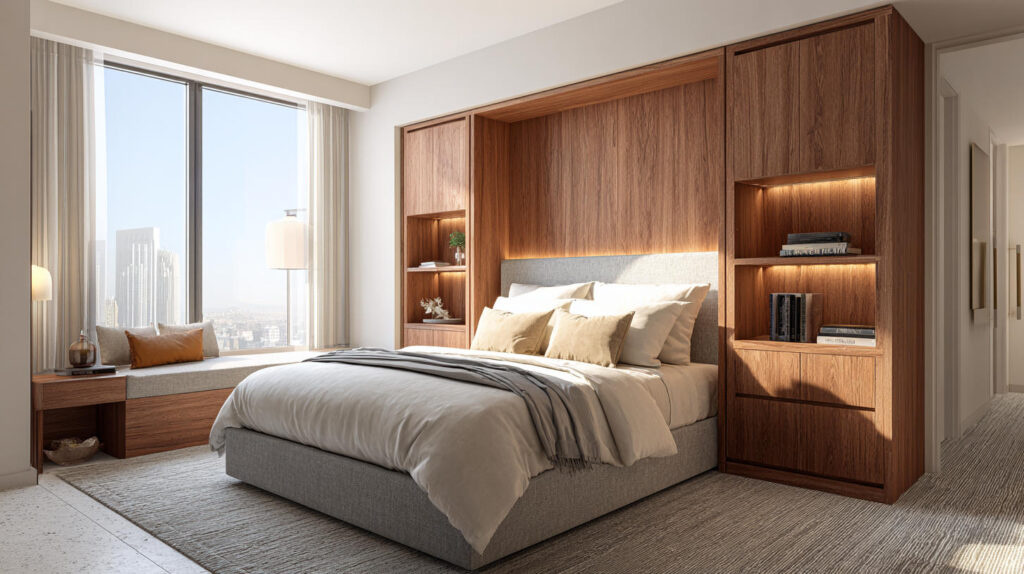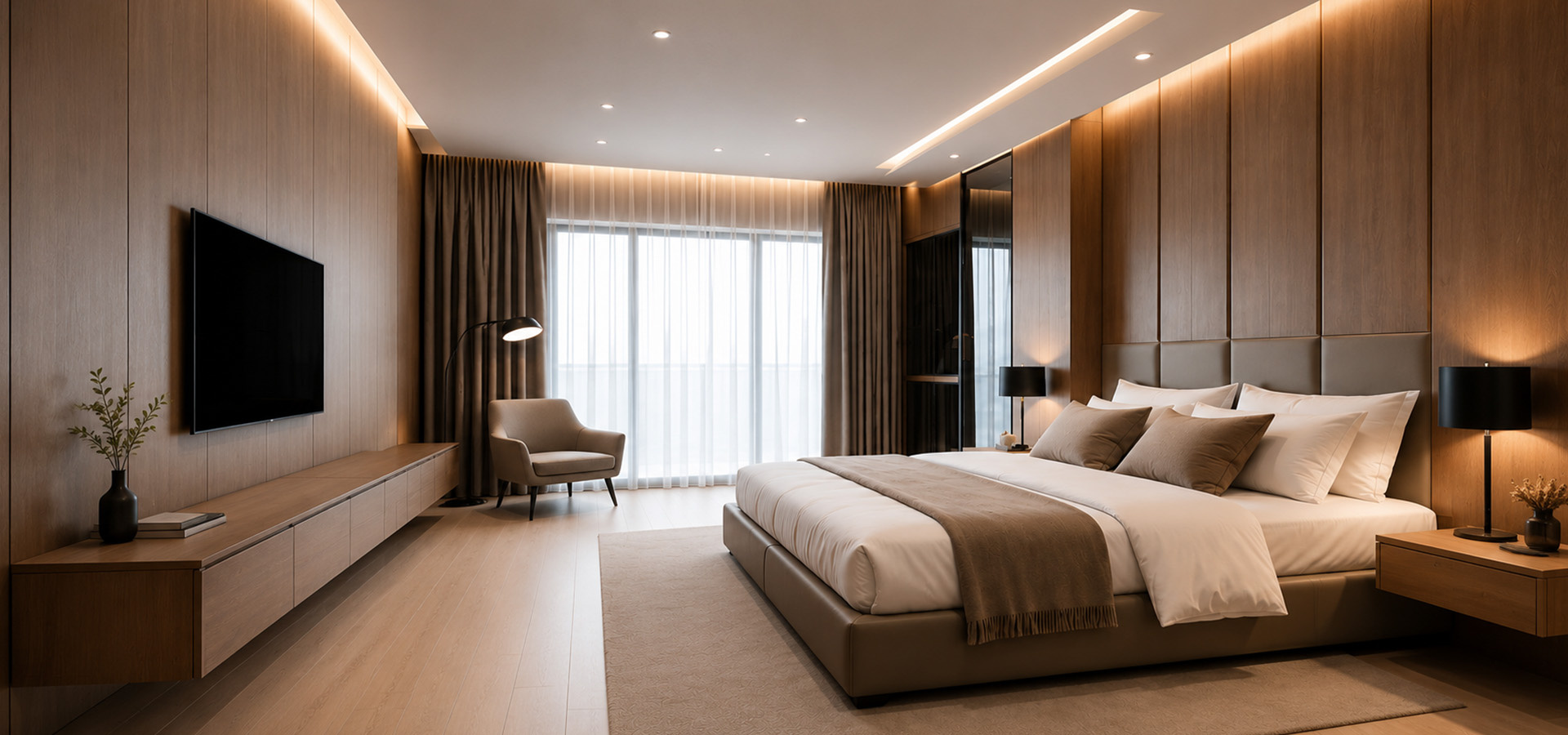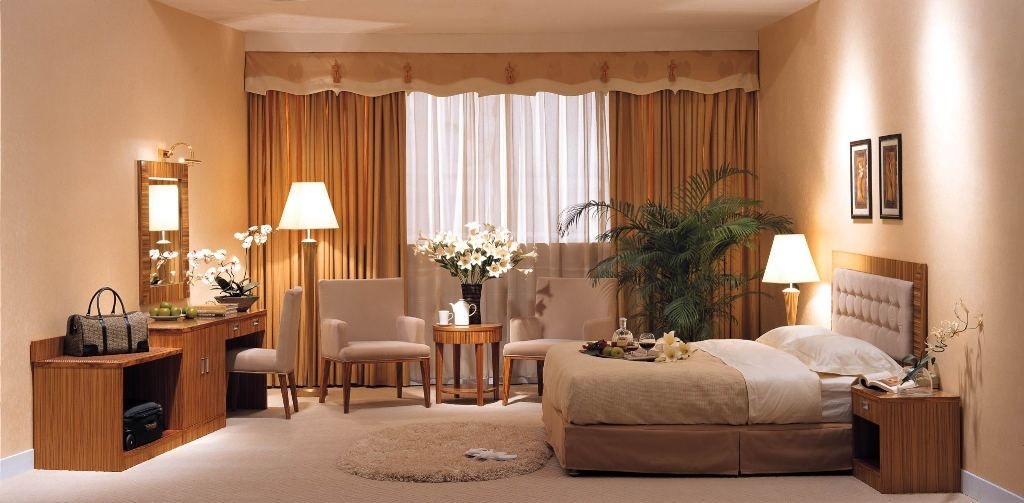
Comparing Hotel Interior Costs for 2-Star, 3-Star, and 5-Star Hotels
Thứ 5, 07/05/2026
Administrator
261
Hotel interior costs vary significantly between 2-star, 3-star, and 5-star properties, as each category requires different standards in design, materials, furniture quality, and guest experience. From functional budget accommodations to luxury hospitality environments, every investment level reflects a distinct operational strategy and market positioning. In this article, Ngoc Hoang Anh compares the key interior cost differences across hotel classifications to support more effective investment planning.
1. Key Differences Between 2-Star, 3-Star, and 5-Star Hotel Interiors
Hotel interior standards vary considerably across 2-star, 3-star, and 5-star properties, as each category is designed to meet different operational goals, guest expectations, and market positioning through distinct approaches to design, comfort, and material investment.
1.1 Design Complexity and Spatial Standards
2-star hotels typically focus on simple and functional layouts, while 3-star hotels introduce more refined spatial organization and decorative elements, and 5-star properties emphasize luxury, spaciousness, and highly curated hospitality experiences.
1.2 Material and Furniture Quality
Material selection evolves significantly between hotel categories, ranging from practical and cost-efficient finishes in lower-tier properties to premium natural materials, custom furniture, and luxury detailing in high-end hospitality environments.
1.3 Guest Experience Expectations
Guest expectations increase substantially with hotel classification, requiring higher investment in comfort, ambiance, lighting, acoustics, and personalized interior experiences to meet international hospitality standards in luxury hotels.
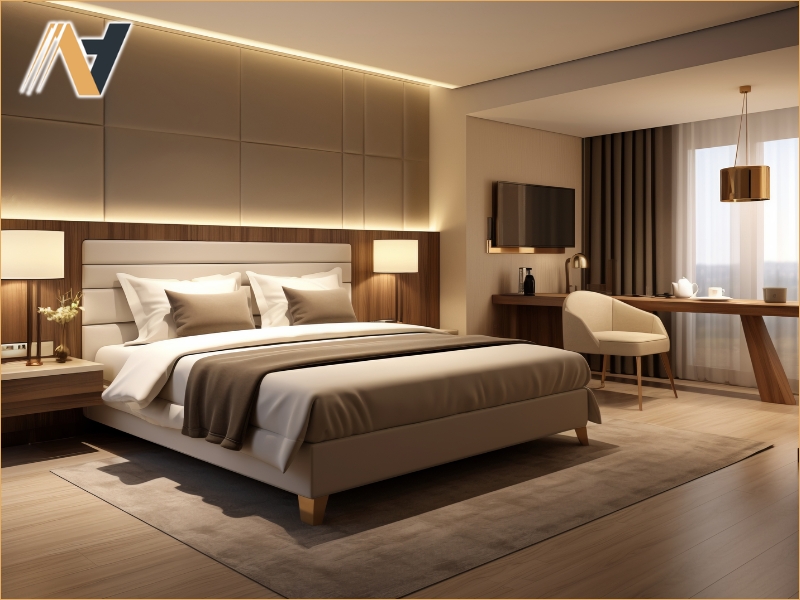
2. Interior Cost Structure of 2-Star Hotels
2-star hotel interiors are primarily designed around practicality, durability, and operational efficiency, with investment strategies focused on controlling costs while still providing essential comfort and functionality for guests.
2.1 Basic Furniture and Functional Design
Furniture in 2-star hotels is typically simple in structure and optimized for daily usage, prioritizing durability, easy maintenance, and efficient space utilization rather than decorative complexity or luxury detailing.
2.2 Standardized Materials and Finishes
Cost-effective materials such as laminates, ceramic tiles, painted surfaces, and standard lighting systems are commonly used to reduce construction expenses while still ensuring acceptable durability and visual consistency.
2.3 Budget-Oriented Construction Strategy
Construction methods and installation processes are often simplified to shorten project timelines, minimize labor costs, and improve overall investment efficiency without compromising the hotel’s core operational requirements.
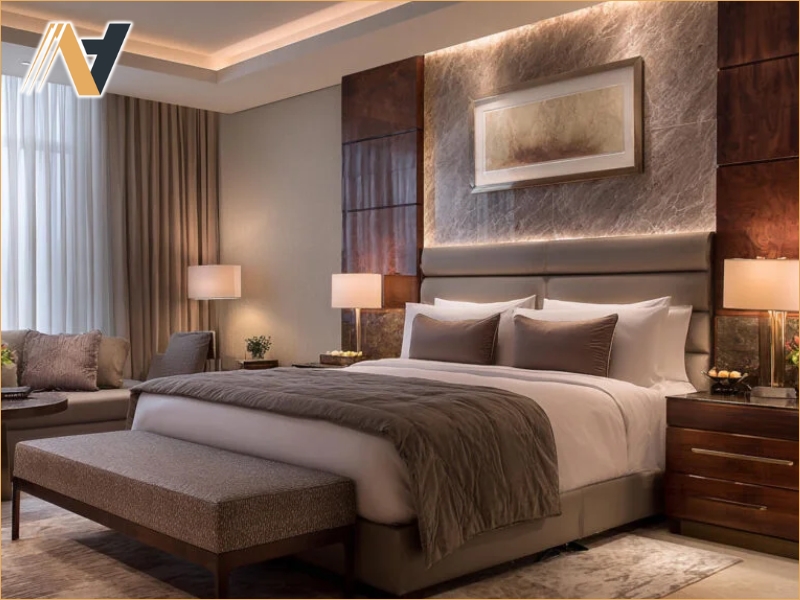
3. Interior Cost Structure of 3-Star Hotels
3-star hotel interiors require a balanced investment approach that combines affordability with improved aesthetics, guest comfort, and enhanced hospitality experiences compared to budget-oriented hotel categories.
3.1 Improved Aesthetic and Material Selection
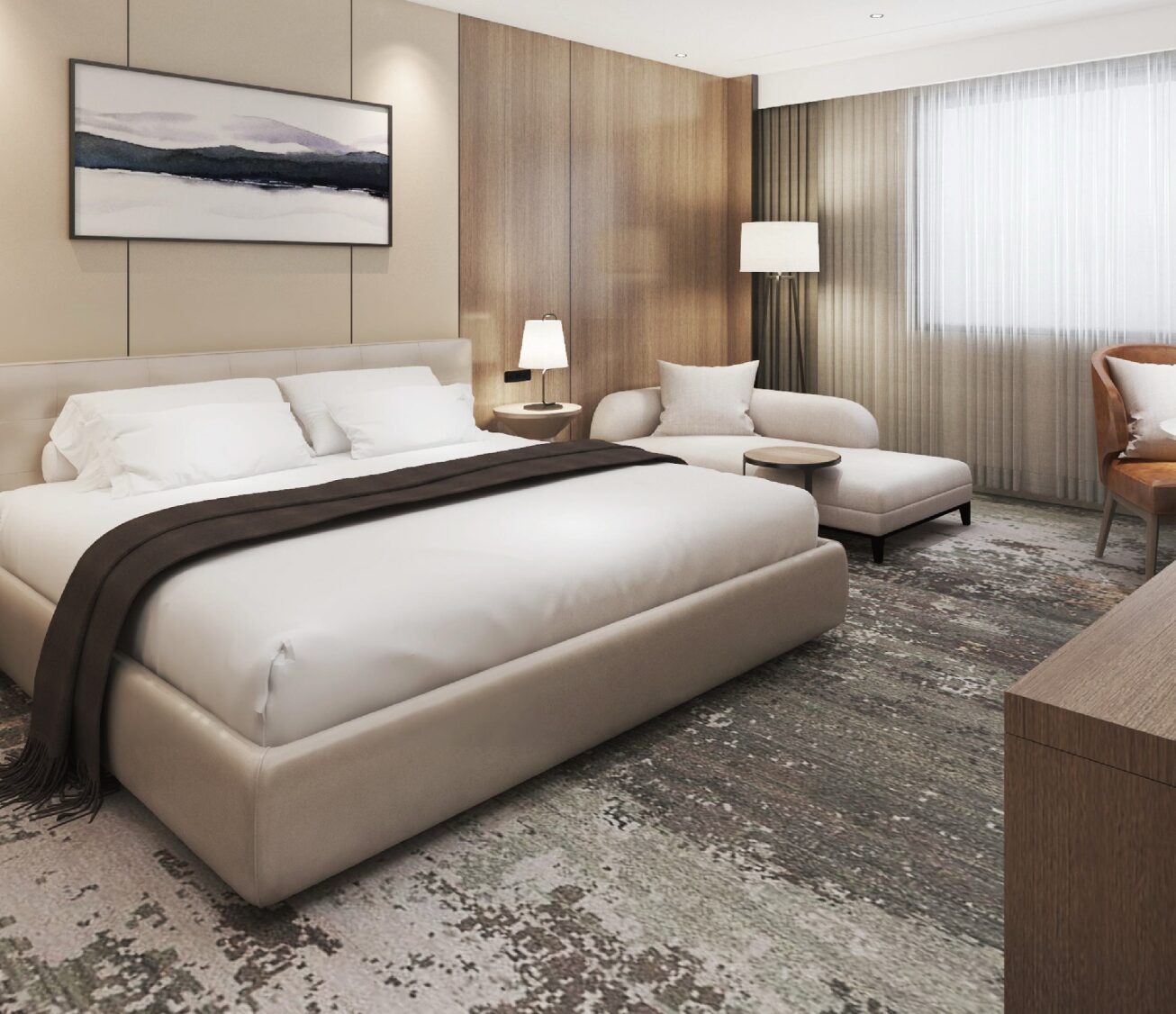
3-star hotels often utilize upgraded materials, warmer color palettes, and more refined finishes to create a comfortable and visually appealing environment while maintaining practical cost management.
3.2 More Comfortable Furniture Standards
Furniture selection focuses on both functionality and guest comfort, incorporating better ergonomic features, coordinated design elements, and more durable construction suitable for mid-range hospitality operations.
3.3 Enhanced Public Space Investment
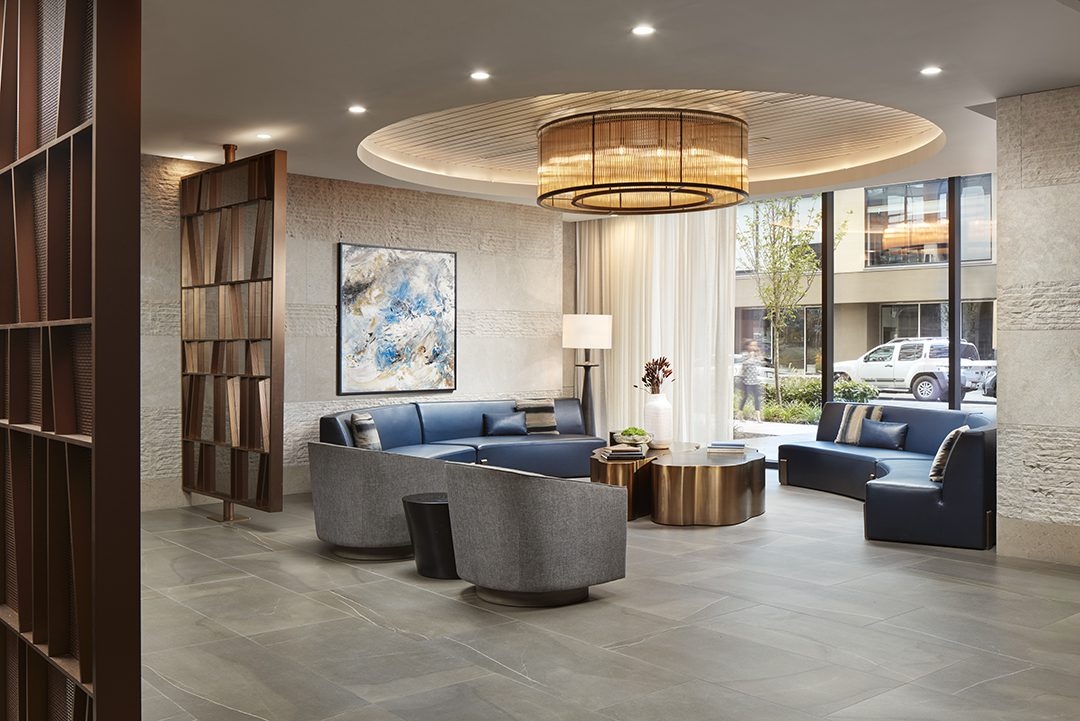
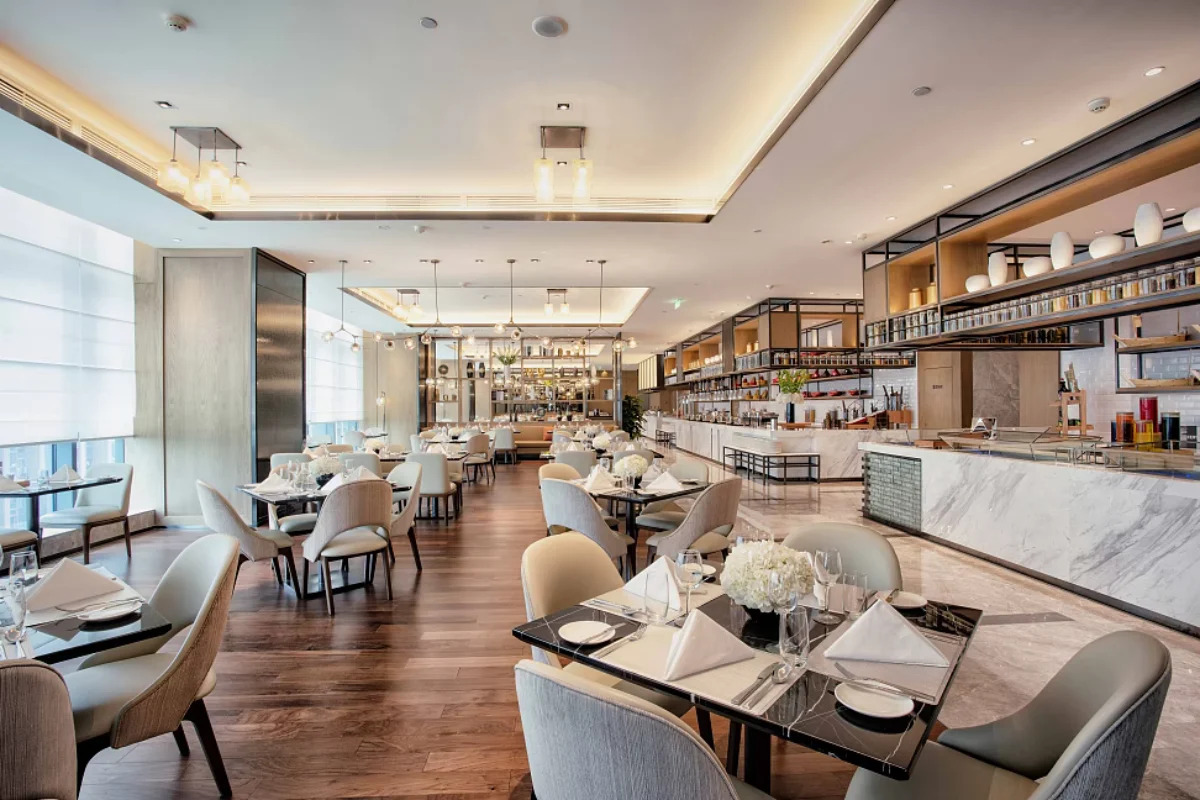
Lobby areas, restaurants, lounges, and shared facilities typically receive greater design attention and decorative investment to strengthen guest impressions and improve the overall hospitality atmosphere.
3.4 Balanced Cost and Operational Efficiency
Investment decisions in 3-star hotels are generally optimized to achieve a balance between quality, operational durability, guest satisfaction, and manageable long-term maintenance expenses.
4. Interior Cost Structure of 5-Star Hotels
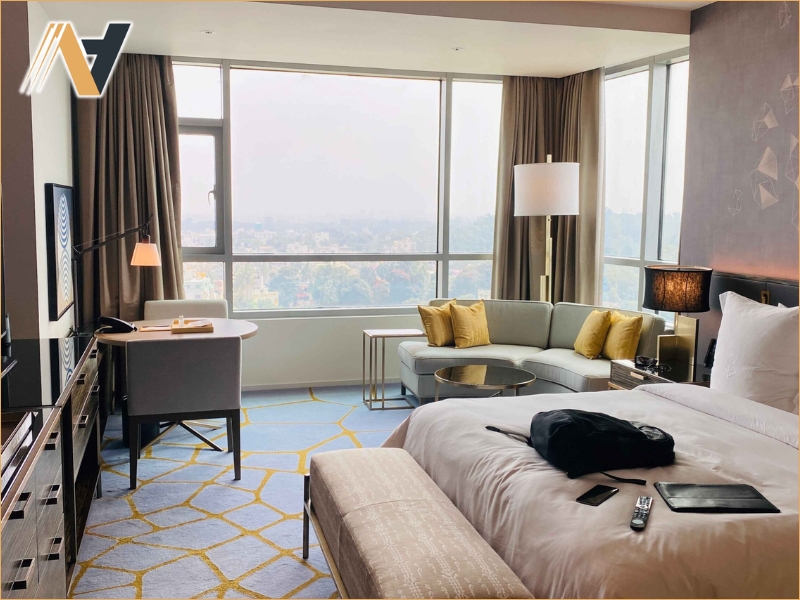
5-star hotel interiors require substantial investment to achieve luxury hospitality standards, combining premium materials, bespoke furniture, advanced technologies, and exceptional craftsmanship to deliver a sophisticated and memorable guest experience.
4.1 Luxury Materials and Custom Finishes
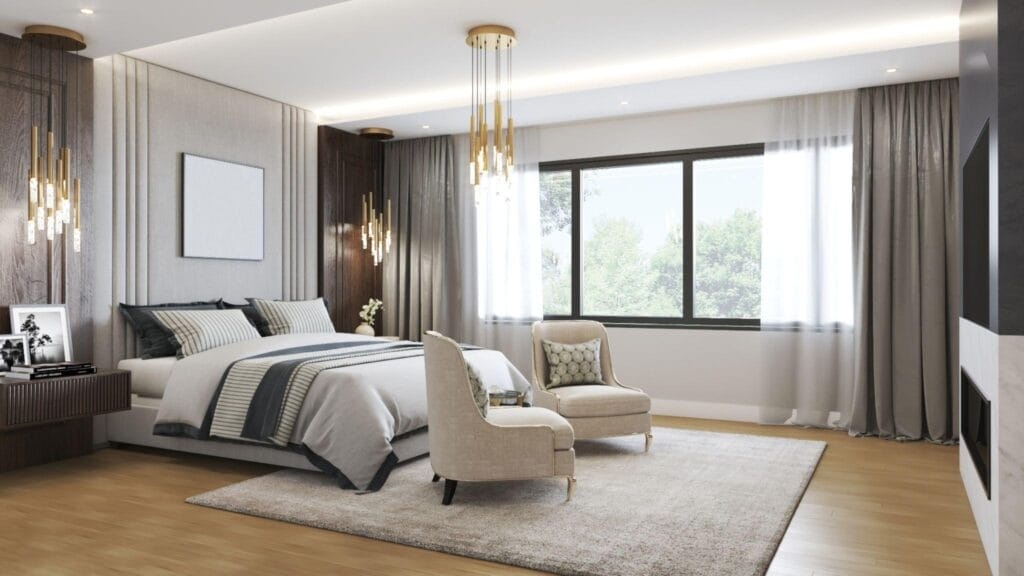
High-end hospitality projects commonly incorporate natural stone, premium wood veneers, luxury textiles, decorative metal accents, and custom finishes that create a refined and exclusive interior atmosphere.
4.2 Fully Customized Furniture Solutions
Furniture in 5-star hotels is often custom-designed and manufactured to align with the hotel’s brand identity, ensuring uniqueness, superior comfort, and strong visual consistency throughout all guest and public areas.
4.3 Advanced Lighting and Smart Systems
Luxury properties invest heavily in layered lighting concepts, smart room technologies, integrated control systems, and advanced HVAC solutions to enhance comfort, ambiance, and operational efficiency.
4.4 High Construction and Maintenance Standards
Execution quality in 5-star hotels requires exceptional precision, specialized craftsmanship, and long-term maintenance planning to preserve luxury aesthetics and maintain consistent hospitality standards over time.
5. Factors That Influence Hotel Interior Costs Across All Categories
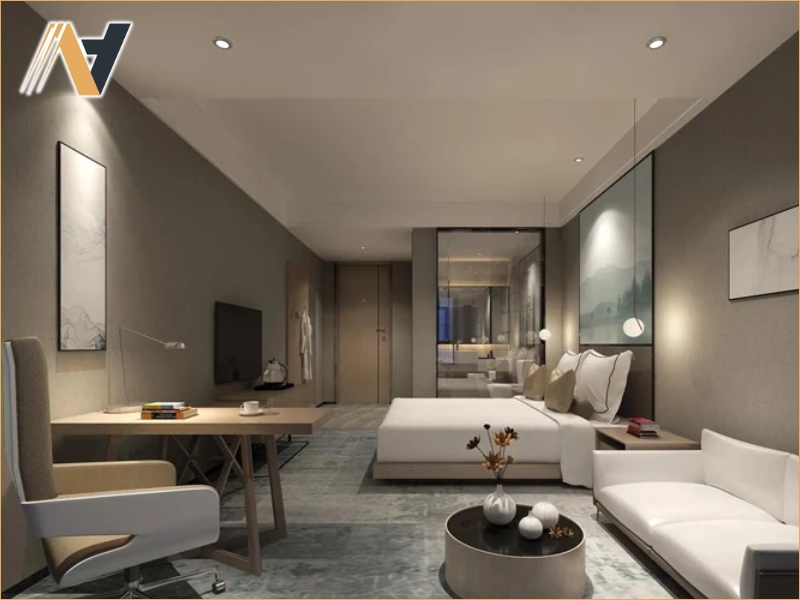
Beyond hotel classification, various external and operational factors can significantly affect interior investment costs, influencing everything from material procurement and construction timelines to customization complexity and long-term maintenance requirements.
5.1 Project Location and Construction Conditions
Transportation accessibility, local labor availability, and regional construction conditions can directly impact material costs, logistics expenses, and installation efficiency throughout the project execution process.
5.2 Level of Customization
Hotels with highly customized furniture, unique architectural details, and bespoke interior concepts generally require greater investment in design development, manufacturing, and specialized craftsmanship.
5.3 Timeline and Project Scale
Large-scale developments and projects with accelerated completion schedules often involve higher labor intensity, increased coordination requirements, and additional logistics costs to maintain construction progress and operational deadlines.
Conclusion
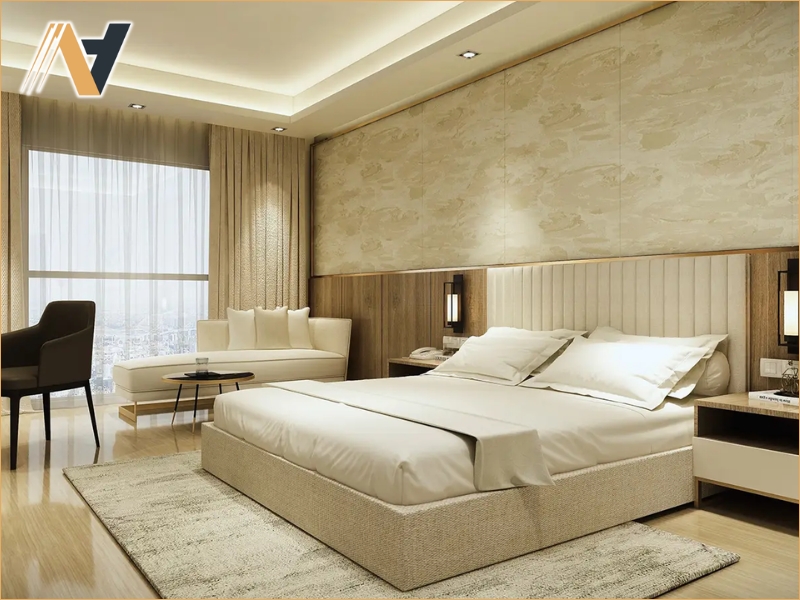
Hotel interior costs vary substantially between 2-star, 3-star, and 5-star properties due to differences in design complexity, material quality, furniture standards, and guest experience expectations. Strategic investment planning helps ensure that interior quality aligns effectively with the hotel’s operational goals and hospitality positioning.
For hotels seeking refined, durable, and fully customized solutions, Ngoc Hoang Anh provides premium Vietnam hotel furniture tailored to elevate modern hospitality interiors.
Contact us today for expert consultation and bespoke hospitality furniture production.
-----
NGOC HOANG ANH TRADING COMPANY LIMITED
Tax Code: 3702874413
Address: No. 288/28/10 Huynh Van Luy Street, Zone 7, Phu Loi Ward, Ho Chi Minh City, Vietnam
Warehouse: No. 1/91, Thuan Giao 02 Street, Binh Thuan 2 Residential Quarter, Thuan Giao Ward, Ho Chi Minh City, Vietnam
Phone/Whatsapp/Wechat: +84342076666
Email: info@ngochoanganh.com.vn