Comparing 3-Star and 4-5-Star Hotel Interiors: What Are the Differences?
Thứ 7, 08/08/2026
Administrator
113
Hotel interior design varies significantly across star ratings, reflecting different guest expectations, service standards, and investment levels. In this article, Ngoc Hoang Anh compares 3-star and 4-5-star hotel interiors to help investors understand the essential differences in design, materials, and functionality.
1. Design Philosophy and Overall Interior Concept
The most fundamental difference between 3-star and 4-5-star hotel interiors lies in their design philosophy. While 3-star hotels prioritize practicality, durability, and operational efficiency, luxury hotels focus on creating immersive environments that deliver exceptional comfort, exclusivity, and memorable guest experiences. This distinction influences every aspect of the interior, from layout planning to furniture selection and decorative details.
1.1 Functional design in 3-star hotels
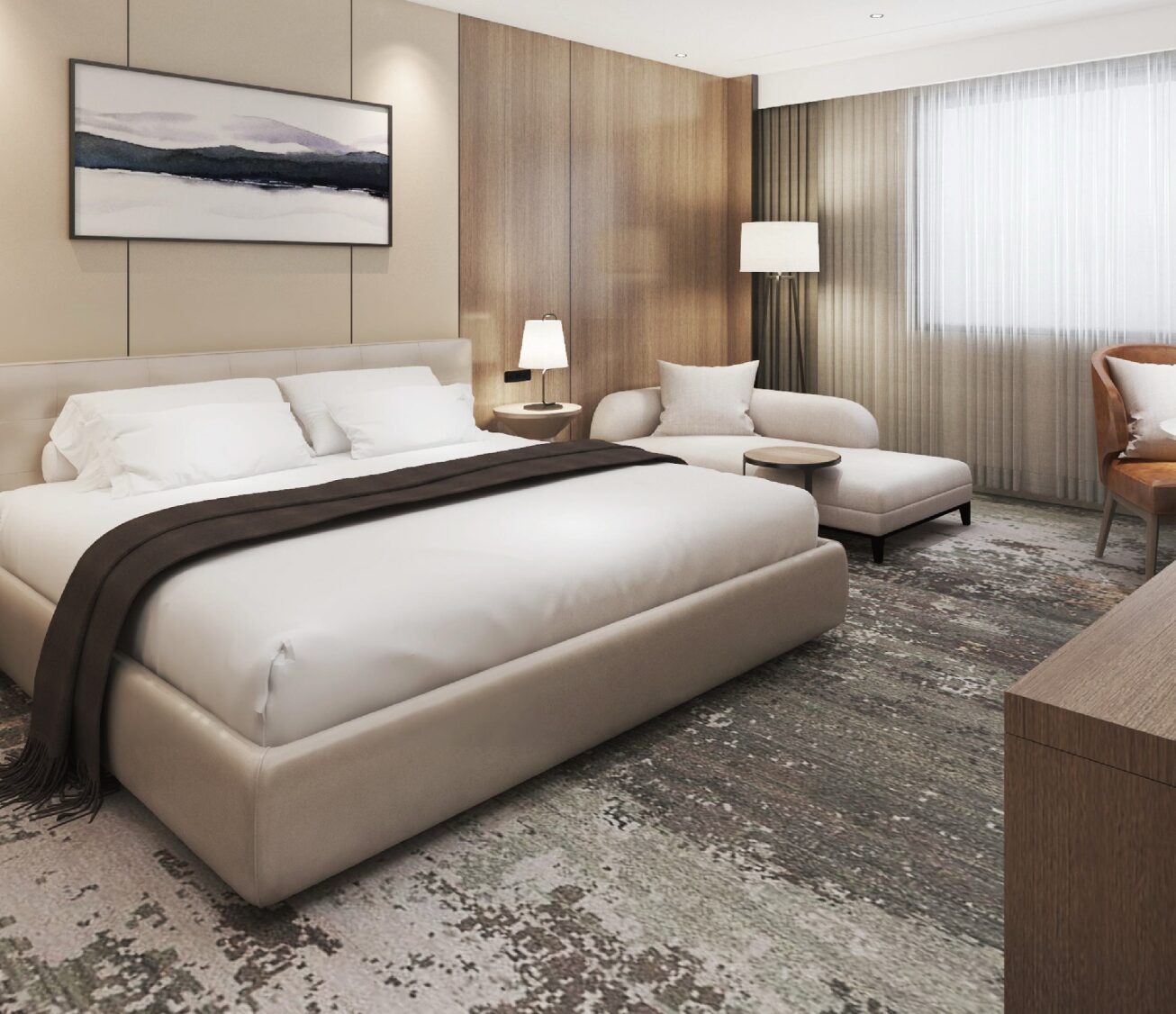
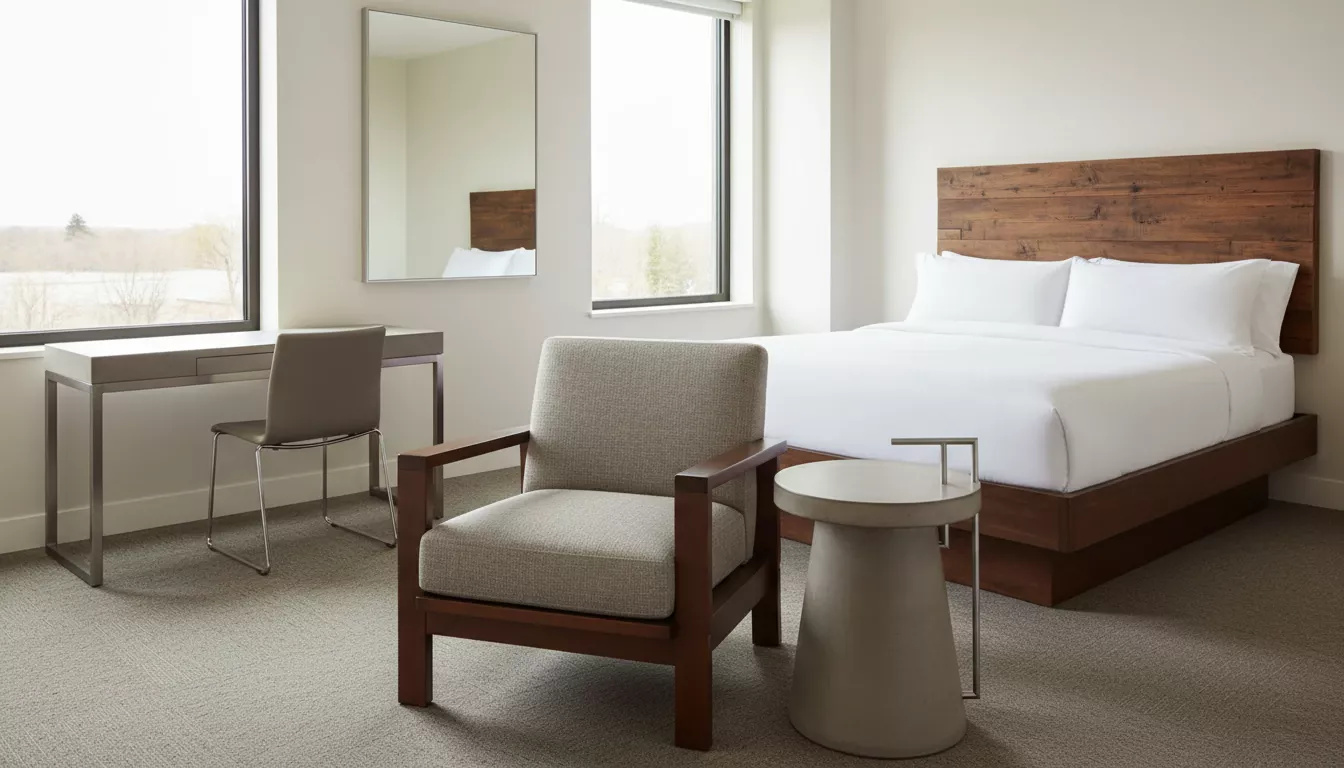
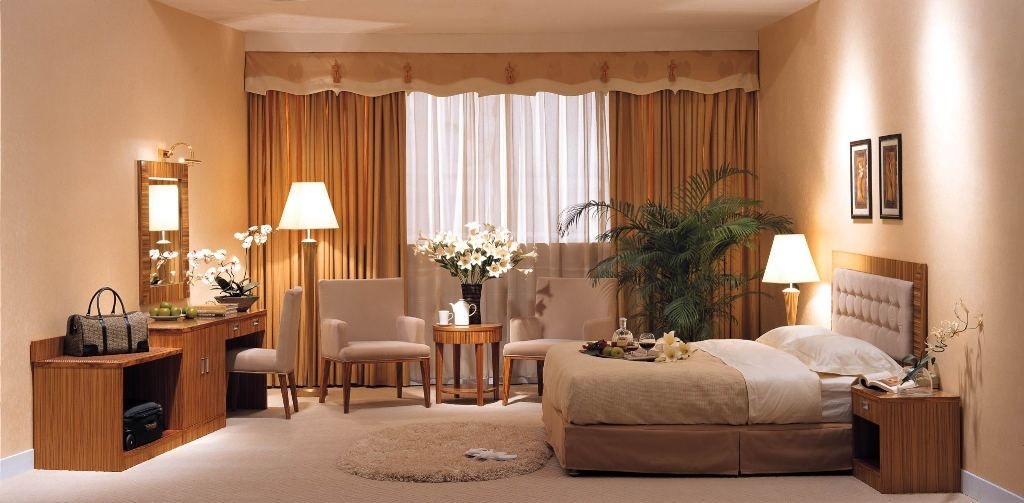
Interior design in 3-star hotels emphasizes functionality and cost-effectiveness. Spaces are planned to maximize usability, with straightforward furniture layouts and practical materials that support efficient daily operations while providing guests with a clean, comfortable, and reliable accommodation experience.
1.2 Premium design concepts in 4-5-star hotels
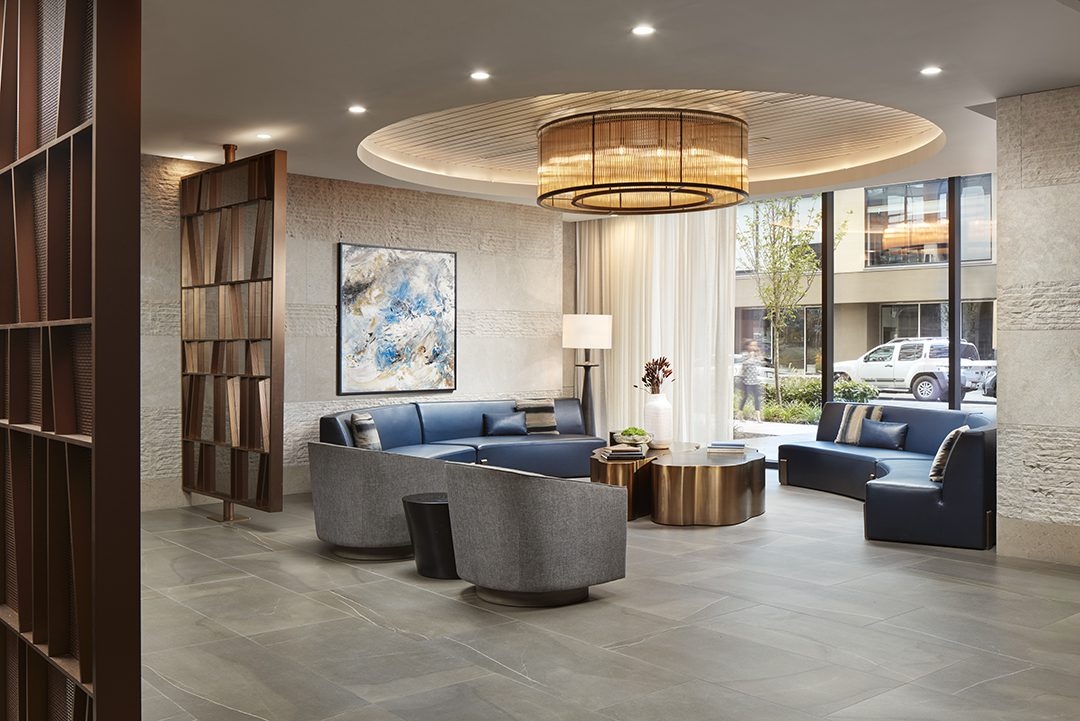
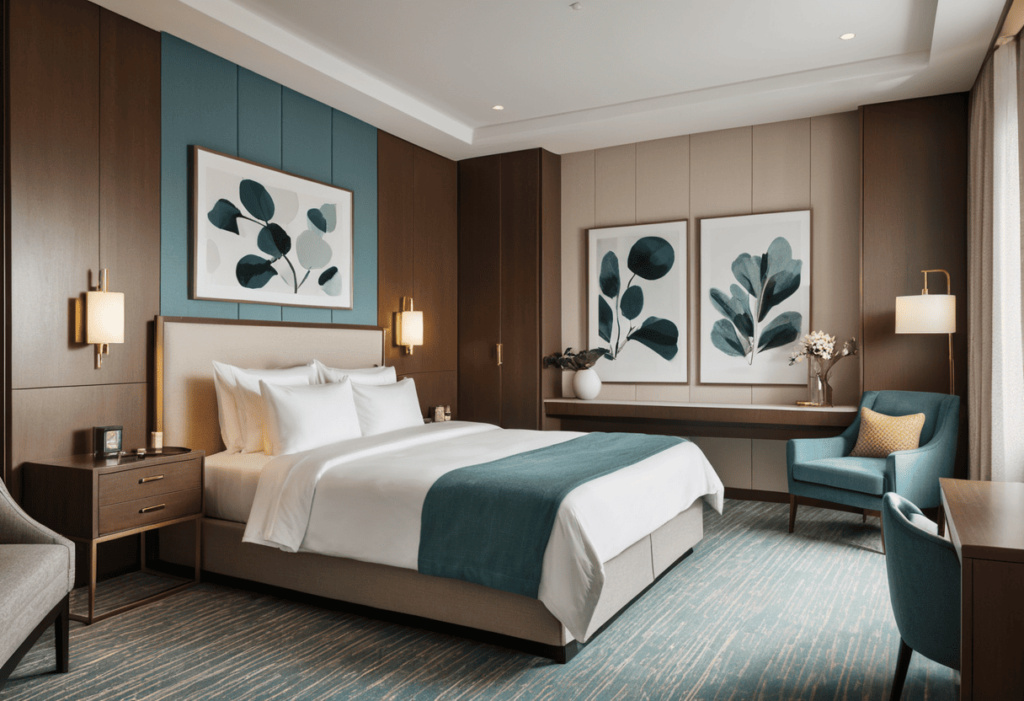
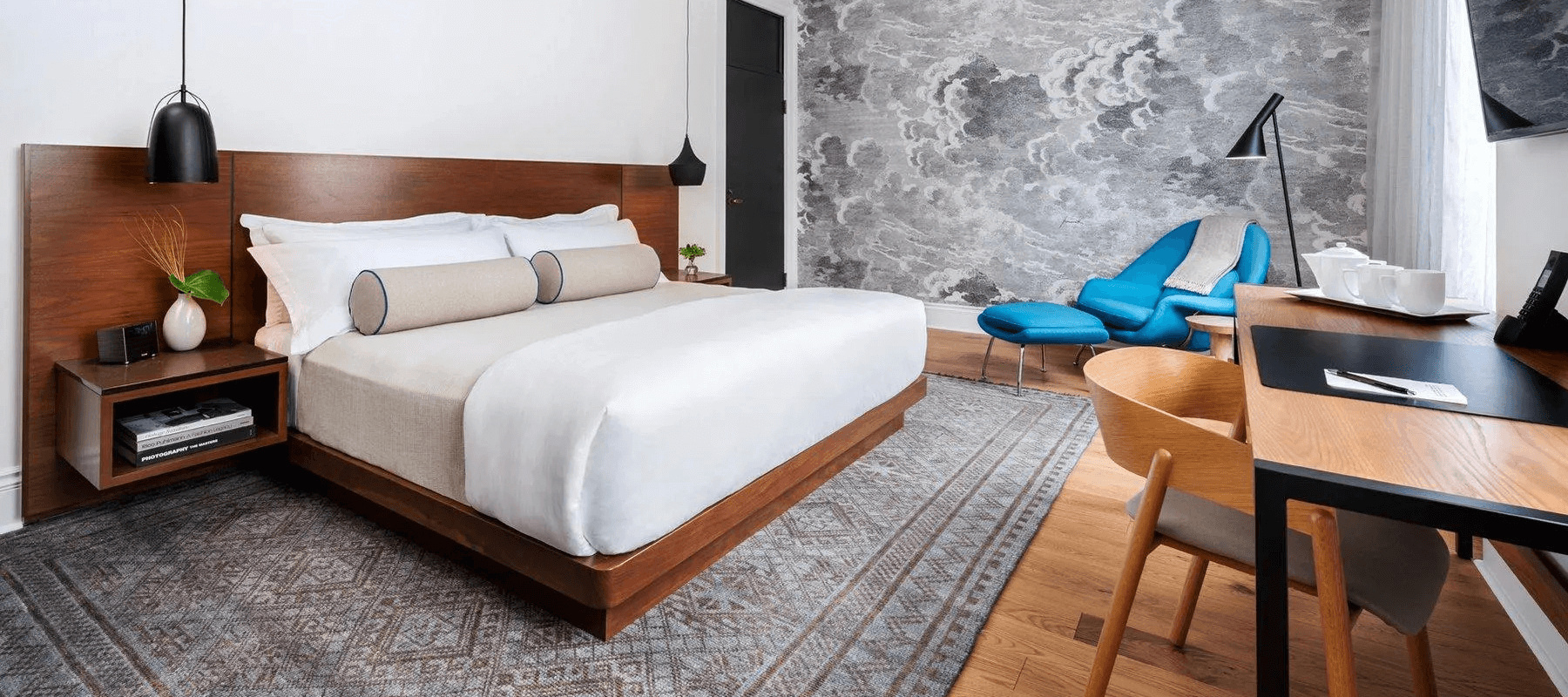
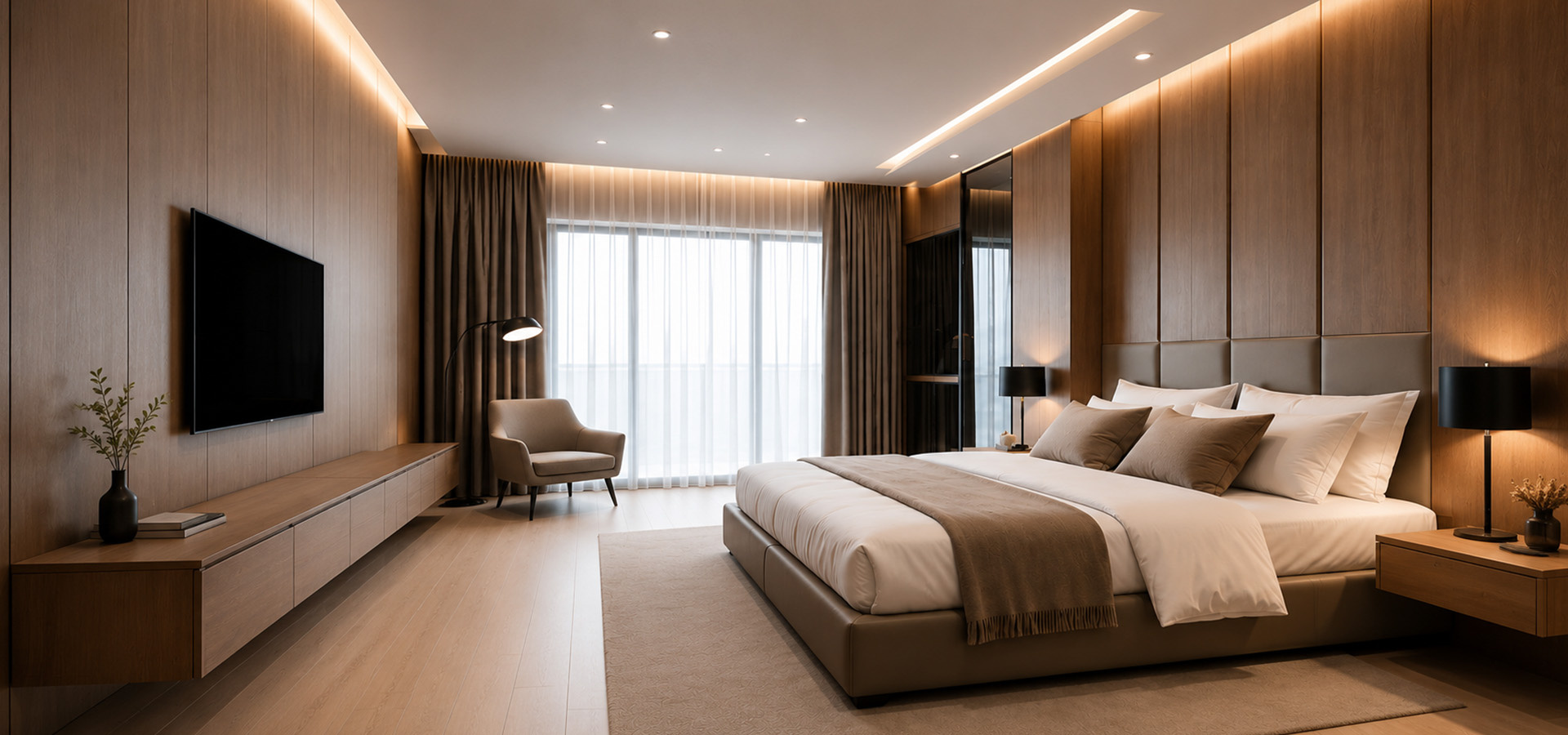
Hotels in the 4-5-star category place greater emphasis on luxury, sophistication, and emotional engagement. Every design element is carefully curated to create a distinctive atmosphere through premium materials, bespoke furniture, elegant lighting, and refined architectural details that elevate the overall guest experience.
1.3 Brand identity and design consistency
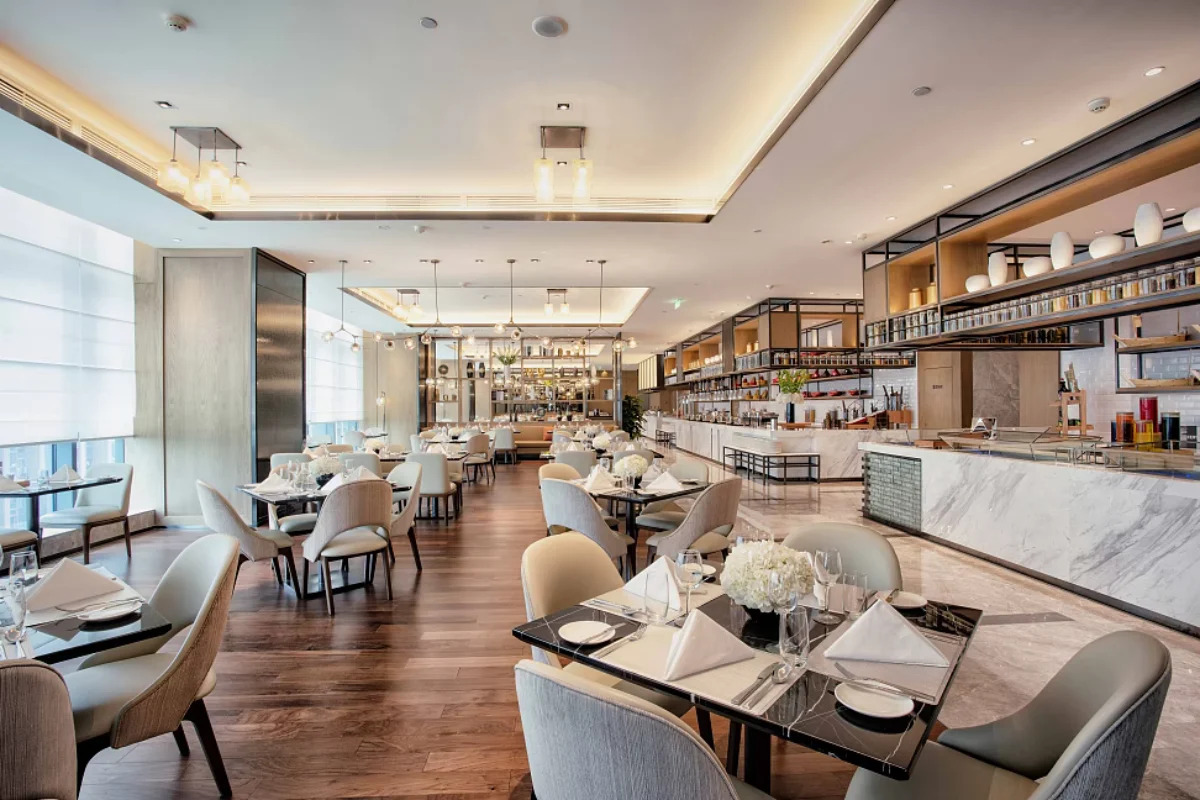
Luxury hotels often develop a cohesive interior concept that reflects their unique brand identity across all spaces, including guest rooms, lobbies, restaurants, and public areas. Consistent design language strengthens brand recognition, creates a seamless hospitality journey, and leaves a lasting impression on guests throughout their stay.
2. Furniture Quality and Material Selection
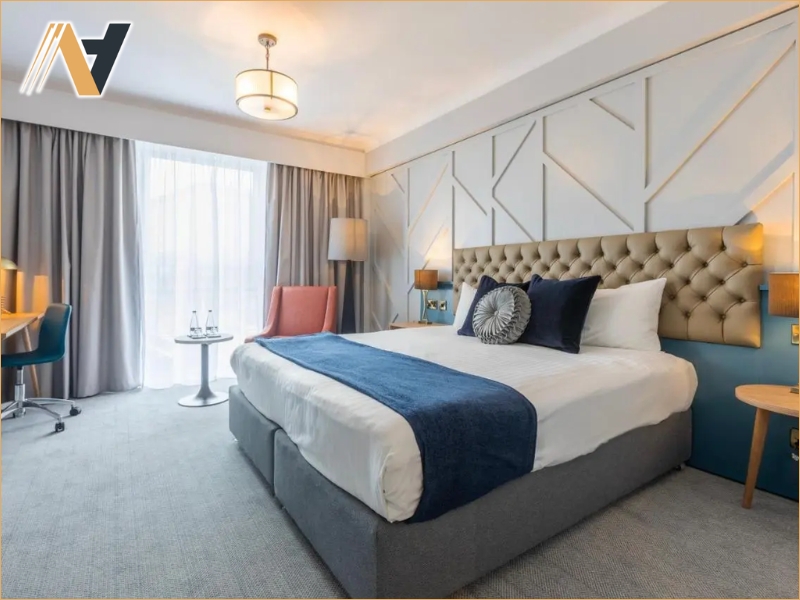
Furniture quality and material selection are among the most significant factors distinguishing 3-star hotels from 4-5-star properties. While both categories require durability and functionality, luxury hotels place a much stronger emphasis on premium craftsmanship, customized designs, and high-end materials that elevate the guest experience and reinforce the hotel's brand positioning.
2.1 Standard furniture for 3-star hotels
Furniture in 3-star hotels is typically selected for its practicality, durability, and cost efficiency. Engineered wood, laminate finishes, and commercial-grade upholstery are commonly used to withstand frequent use while keeping maintenance and replacement costs under control, ensuring reliable performance for everyday hotel operations.
2.2 Premium materials in 4-5-star hotels
Luxury hotels invest in superior materials such as solid wood, natural stone, genuine leather, premium fabrics, and high-quality metal finishes. These materials not only provide exceptional durability but also enhance the visual appeal, tactile comfort, and perceived value of interior spaces, contributing to a refined hospitality experience.
2.3 Custom-made furniture versus standardized solutions
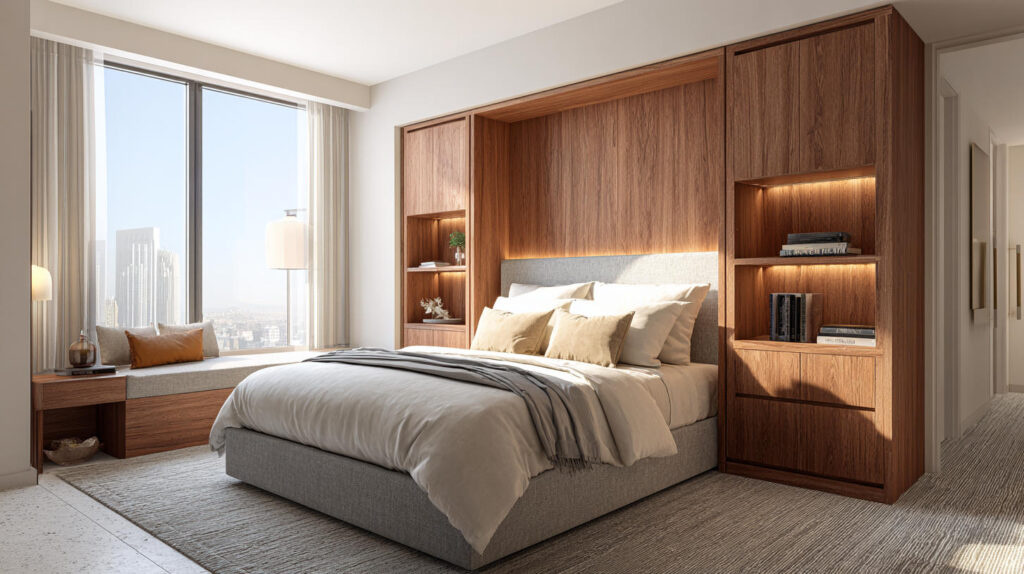
While 3-star hotels often rely on standardized furniture to optimize budgets and simplify procurement, 4-5-star hotels frequently commission bespoke furniture designed specifically for their brand identity and interior concept. Custom-made pieces create a distinctive aesthetic, improve space utilization, and help differentiate the property from competitors in the luxury hospitality market.
3. Space Planning and Interior Layout
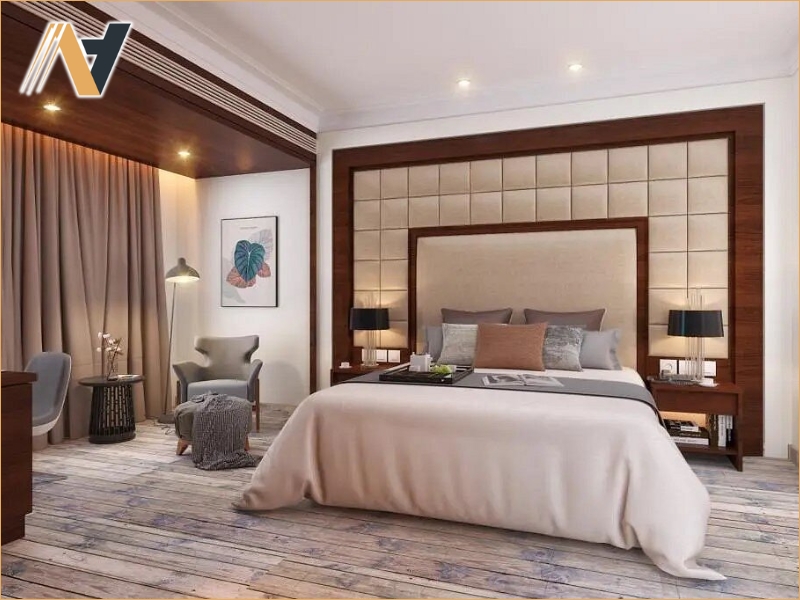
Space planning becomes increasingly sophisticated as hotel standards rise. While 3-star hotels focus on maximizing functionality within available floor areas, 4-5-star hotels prioritize spacious layouts, seamless circulation, and thoughtfully organized zones that enhance comfort and create a more luxurious guest experience.
3.1 Efficient layouts for mid-scale hotels
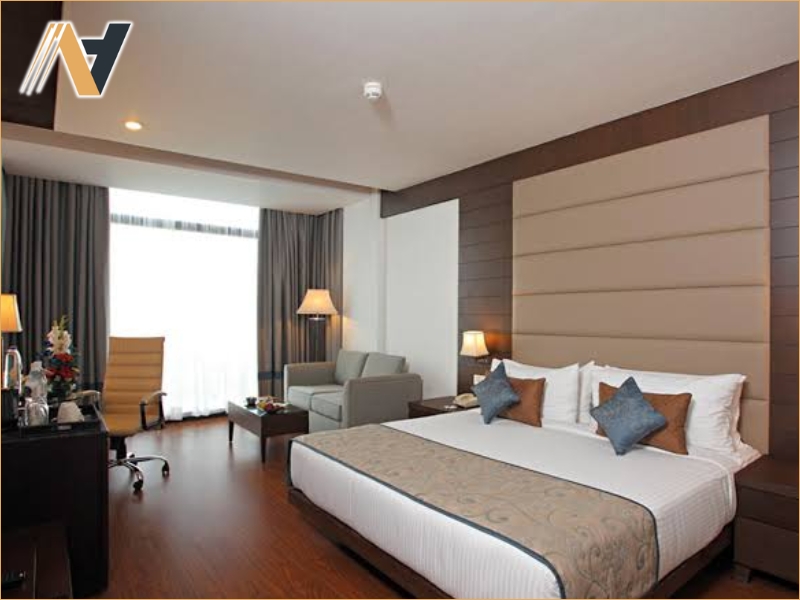
Guest rooms in 3-star hotels are designed to make the most of limited space by arranging essential furniture in a practical and efficient manner. Every element serves a clear purpose, ensuring guests have the necessary amenities while allowing hotel operators to optimize room capacity and operational efficiency.
3.2 Spacious zoning in luxury hotels
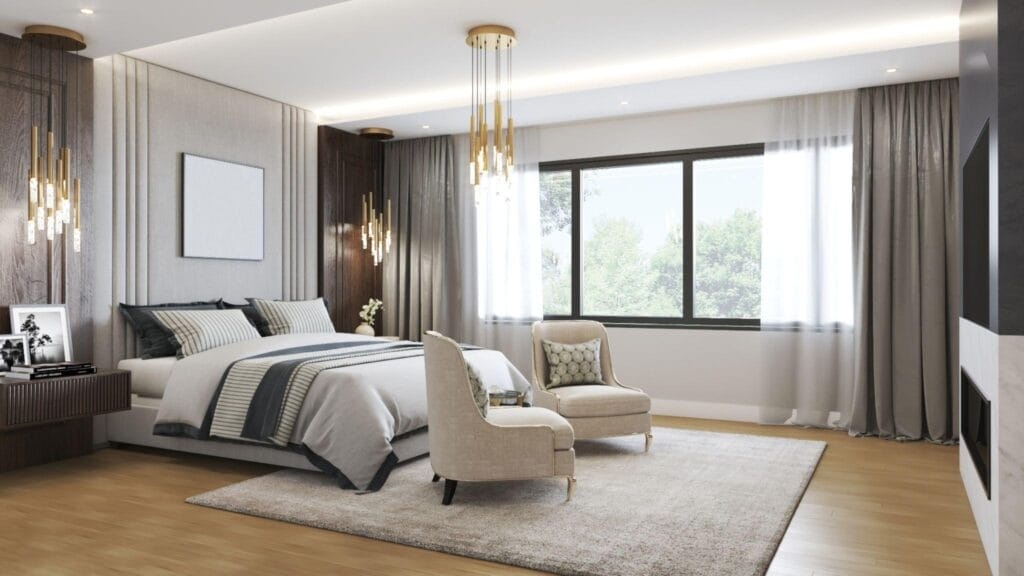
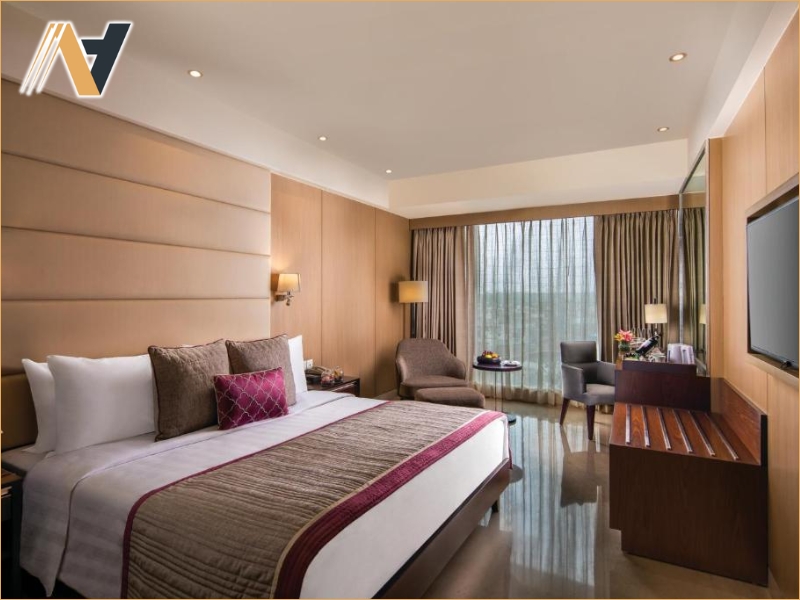
Luxury hotels typically provide larger guestrooms with clearly defined functional areas for sleeping, working, relaxing, and dressing. Separate seating areas, walk-in wardrobes, and spacious bathrooms contribute to a premium hospitality experience by offering guests greater privacy, flexibility, and comfort throughout their stay.
3.3 Enhanced circulation and guest comfort
In 4-5-star hotels, circulation is carefully planned to create smooth movement between different areas without making the space feel crowded. Wider pathways, balanced furniture placement, and open visual layouts improve accessibility while fostering a calm, elegant atmosphere that reflects the high standards of luxury hospitality.
4. Guest Experience Through Interior Details
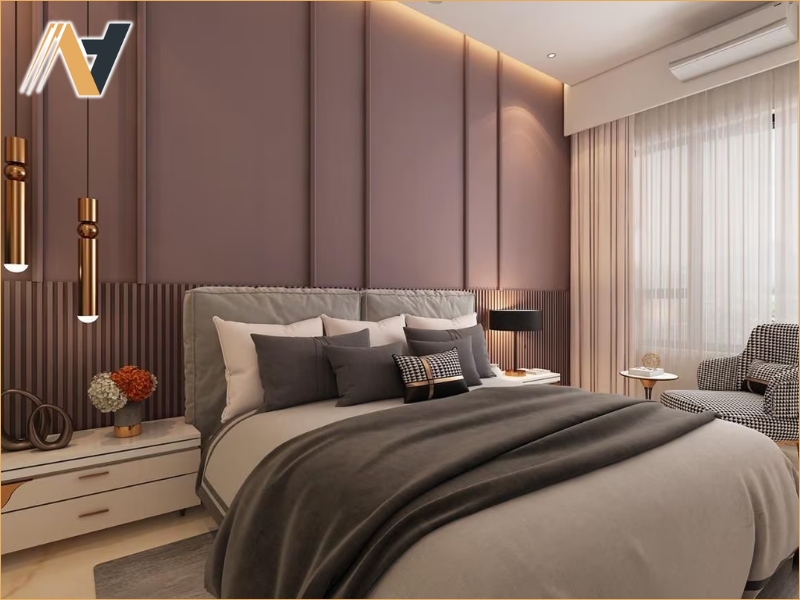
Interior details play a crucial role in shaping the overall guest experience and are often what distinguish a 4-5-star hotel from a 3-star property. Beyond the primary furniture and layout, elements such as lighting, decorative finishes, comfort features, and integrated technology contribute significantly to how guests perceive quality, luxury, and attention to detail.
4.1 Comfort-focused furniture selection
While 3-star hotels provide functional and durable furniture, 4-5-star hotels invest in premium ergonomic solutions that maximize comfort. High-quality mattresses, upholstered seating, luxury linens, and carefully designed workspaces create a more relaxing and enjoyable environment, encouraging longer stays and higher guest satisfaction.
4.2 Lighting and decorative sophistication
Lighting design in luxury hotels goes beyond basic illumination by incorporating layered lighting, designer fixtures, and accent lighting that enhance architectural features and interior décor. Combined with premium artwork, decorative accessories, and carefully selected finishes, these details create an elegant atmosphere that elevates the hotel's overall image.
4.3 Technology integration and personalized features
Luxury hotels increasingly integrate smart technologies into their interiors, including automated lighting, climate control, wireless charging, and intelligent room management systems. These personalized features provide greater convenience, improve operational efficiency, and deliver the seamless, modern hospitality experience that today's guests increasingly expect.
5. Investment, Maintenance, and Long-Term Value
The differences between 3-star and 4-5-star hotel interiors are also reflected in investment strategy, maintenance requirements, and long-term operational value. Choosing the appropriate interior standard depends on the hotel's target market, business model, and expected return on investment rather than focusing solely on initial construction costs.
5.1 Initial investment differences
A 3-star hotel generally requires a lower investment because it uses standardized furniture, practical materials, and simplified interior designs. In contrast, 4-5-star hotels allocate significantly higher budgets for bespoke furniture, premium materials, custom finishes, and luxury detailing that enhance both aesthetics and guest experience.
5.2 Maintenance and lifecycle considerations
Although luxury hotel interiors involve higher maintenance costs, premium materials and superior craftsmanship often provide longer service life and better resistance to wear. High-quality furniture also maintains its appearance over time, reducing the frequency of major renovations and preserving the hotel's premium image.
5.3 Choosing the right interior standard for business goals
The most effective interior investment strategy is one that aligns with the hotel's positioning and target audience. Mid-scale hotels should prioritize durability and operational efficiency, while luxury properties should focus on creating distinctive experiences that justify premium pricing and strengthen long-term brand value.
Conclusion
The differences between 3-star and 4-5-star hotel interiors extend far beyond furniture quality and visual appearance. They reflect distinct approaches to design philosophy, guest experience, material selection, and long-term investment strategy. By choosing an interior standard that aligns with business objectives and guest expectations, hotels can maximize operational efficiency while building a stronger and more competitive brand.
For hospitality projects of every scale, Ngoc Hoang Anh provides Vietnam hotel furniture OEM services with customized furniture solutions tailored to the specific requirements of 3-star, 4-star, and 5-star hotels, ensuring the ideal balance between functionality, durability, and premium design.
-----
NGOC HOANG ANH TRADING COMPANY LIMITED
Tax Code: 3702874413
Address: No. 288/28/10 Huynh Van Luy Street, Zone 7, Phu Loi Ward, Ho Chi Minh City, Vietnam
Warehouse: No. 1/91, Thuan Giao 02 Street, Binh Thuan 2 Residential Quarter, Thuan Giao Ward, Ho Chi Minh City, Vietnam
Phone/Whatsapp/Wechat: +84342076666
Email: info@ngochoanganh.com.vn