Common Hotel Interior Design Mistakes and How to Fix Them
Thứ 5, 14/05/2026
Administrator
251
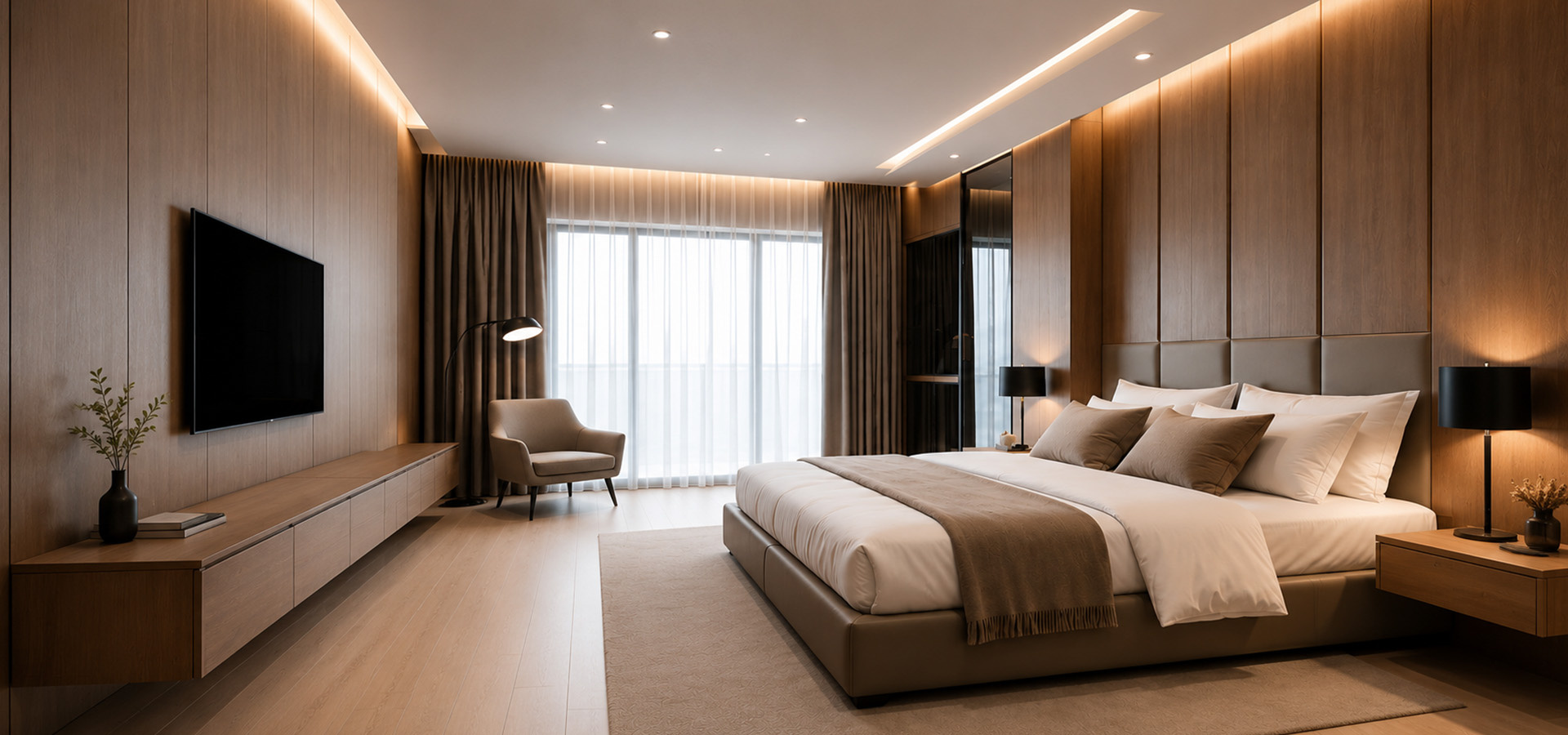
Hotel interior design mistakes can significantly impact guest experience, operational efficiency, and overall hospitality quality. Understanding these common issues helps investors create more functional and durable hotel spaces from the start. In this article, Ngoc Hoang Anh shares key design mistakes and practical ways to fix them effectively.
1. Poor Space Planning and Layout Design
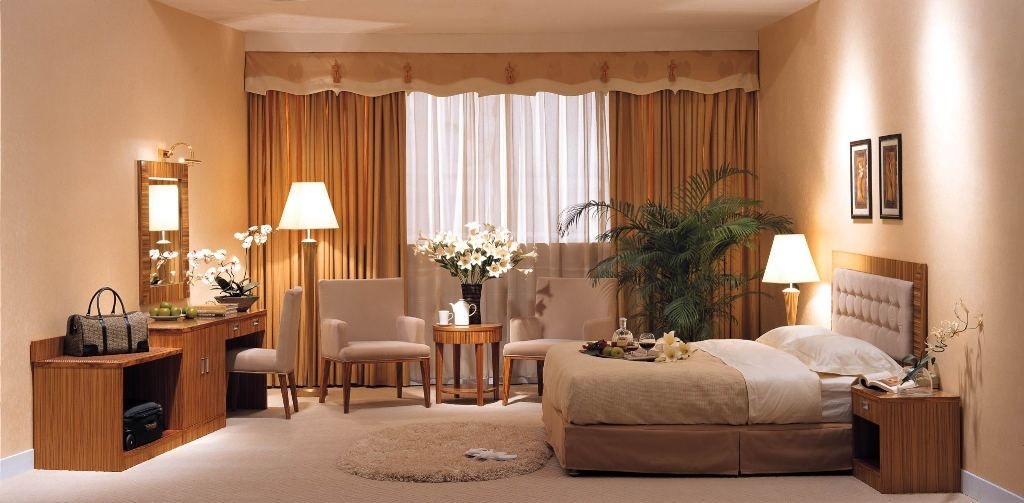
Poor space planning is one of the most common hotel interior design mistakes, directly affecting guest comfort, room functionality, and operational efficiency, especially when furniture placement and circulation flow are not properly considered from the beginning of the design process.
1.1 Overcrowded Room Layouts
Overcrowding guest rooms with too much furniture reduces usable space, limits movement, and creates a cramped feeling that negatively impacts guest comfort, satisfaction, and overall perception of hotel quality, making it essential to prioritize functional layouts over excessive decoration.
1.2 Inefficient Circulation Paths
When circulation paths are poorly designed, guests and staff may face difficulty moving within rooms or public areas, leading to congestion, reduced operational efficiency, and a less comfortable hospitality experience that affects both service quality and guest satisfaction.
1.3 Ignoring Functional Zoning
Failing to clearly separate sleeping, working, and storage zones results in disorganized room layouts, reducing usability and comfort while making it harder for guests to fully enjoy a practical and well-structured hospitality environment.
2. Incorrect Furniture Selection
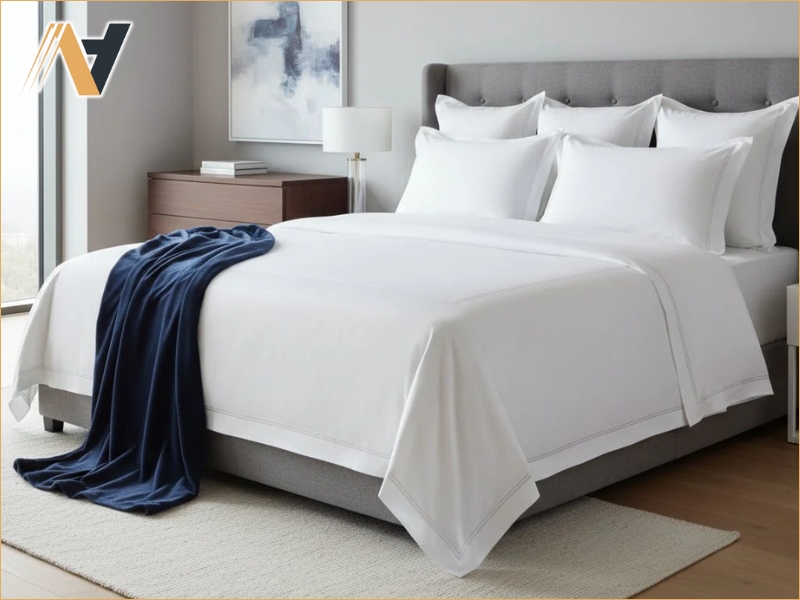
Incorrect furniture selection is a common hotel interior design mistake that directly impacts durability, guest comfort, and long-term operational costs, especially when hotels choose low-quality or unsuitable items that do not match hospitality usage standards and daily workload demands.
2.1 Low-Durability Materials
Using non-commercial-grade materials leads to fast wear and tear under continuous hotel usage, increasing maintenance frequency, replacement costs, and reducing overall interior lifespan, which negatively affects both operational efficiency and guest perception of quality.
2.2 Poor Ergonomic Design
Furniture that lacks ergonomic consideration can cause discomfort for guests during rest or work, reducing satisfaction levels and weakening the overall hospitality experience, especially in guest rooms where comfort and usability are key priorities.
2.3 Inconsistent Furniture Style
Mixing different furniture styles without a unified design concept creates visual disorder, weakens brand identity, and reduces the aesthetic value of hotel interiors, making the space feel less professional and less cohesive.
3. Lighting Design Mistakes
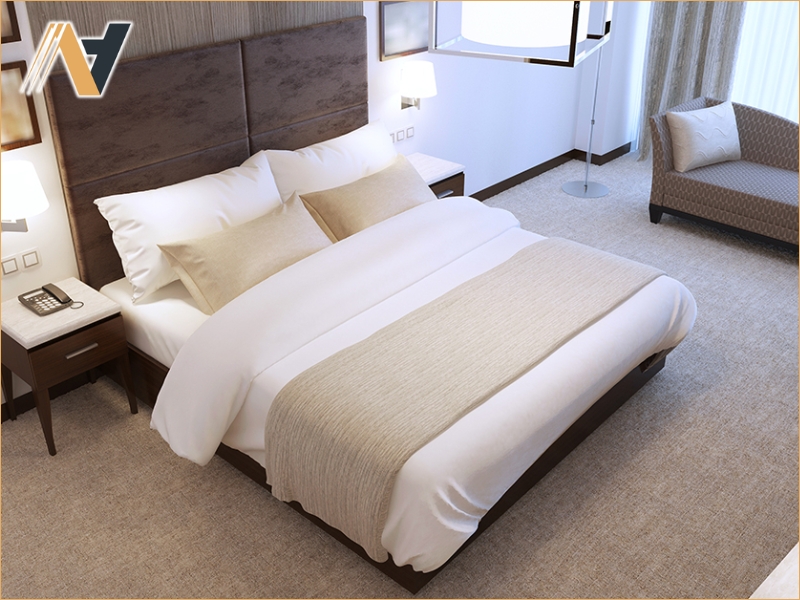
Lighting design mistakes in hotels are often overlooked but can significantly affect guest comfort, spatial perception, and overall interior quality, especially when lighting is not properly balanced or fails to support both functional and aesthetic requirements in hospitality environments.
3.1 Insufficient Layered Lighting
Relying on a single light source creates flat and uncomfortable spaces, reducing visual depth and functionality, while proper layered lighting combining ambient, task, and accent lighting helps improve atmosphere and enhance guest experience in hotel interiors.
3.2 Overly Bright or Dim Spaces
Improper lighting intensity can cause eye strain, discomfort, or poor visibility, negatively affecting guest satisfaction and usability of spaces, making it essential to maintain balanced illumination levels suitable for both relaxation and daily hotel activities.
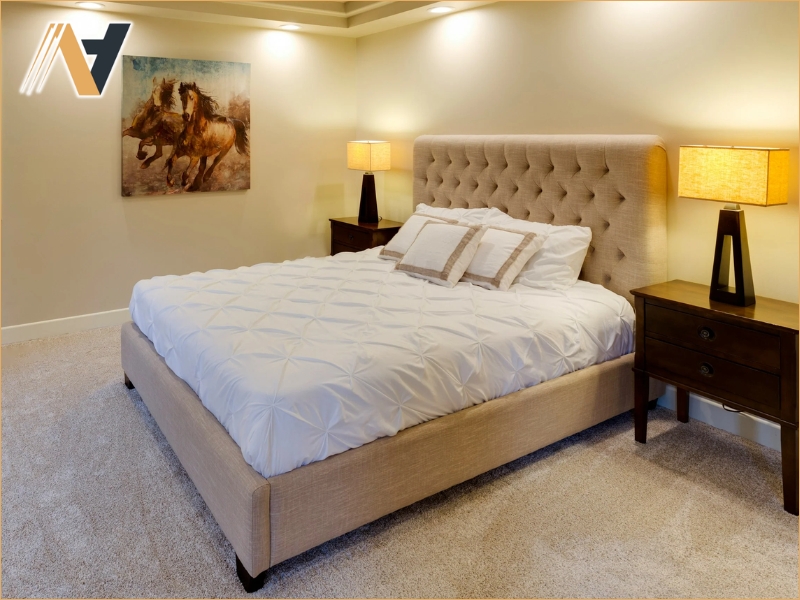
3.3 Lack of Accent Lighting
Without accent lighting, hotel interiors may appear dull and lack visual focus points, reducing luxury appeal and aesthetic value, while well-placed decorative lighting helps highlight design features and create a more refined hospitality atmosphere.
4. Ignoring Acoustic and Comfort Factors
Ignoring acoustic control and comfort factors is a common hotel interior design mistake that significantly impacts guest satisfaction, privacy, and overall relaxation quality, especially in environments where noise levels, airflow, and environmental comfort are not properly planned from the beginning.
4.1 Poor Soundproofing Between Rooms
Insufficient sound insulation between guest rooms allows noise transfer from adjacent rooms, corridors, or service areas, reducing privacy, disturbing sleep quality, and negatively affecting the overall guest experience in hotel environments with high occupancy levels.
4.2 Noise Transfer in Public Areas
When materials and layouts are not designed for acoustic control, noise from lobbies, restaurants, and corridors can spread into private spaces, creating discomfort and lowering the perceived quality of the hotel’s hospitality environment and service standards.
4.3 Inadequate HVAC Planning
Poor heating, ventilation, and air conditioning design leads to unstable indoor temperatures, weak airflow, and inconsistent comfort levels, directly affecting guest relaxation, sleep quality, and overall satisfaction during their stay in the hotel.
5. Weak Material and Maintenance Strategy
Weak material selection and poor maintenance planning are critical hotel interior design mistakes that can lead to fast deterioration, high repair costs, and inconsistent guest experience, especially when materials are not chosen based on durability, usage frequency, and hospitality operational requirements.
5.1 Using Non-Waterproof Materials
Using moisture-sensitive or non-waterproof materials in bathrooms and high-humidity areas causes rapid damage, mold growth, and structural deterioration, leading to higher maintenance costs and reduced lifespan of interior components in hotel environments.
5.2 Difficult-to-Clean Surfaces
Surfaces that are hard to clean or require complex maintenance increase operational workload, slow housekeeping efficiency, and raise long-term cleaning costs, while also making it more difficult to maintain consistent hygiene and guest satisfaction standards.
5.3 Lack of Standardization
When hotels use inconsistent materials, finishes, or furniture specifications across rooms and floors, it creates uneven quality, complicates maintenance processes, and weakens overall brand identity and operational efficiency in long-term hotel management.
Conclusion
Avoiding common hotel interior design mistakes is essential for creating a functional, comfortable, and visually consistent hospitality environment. From space planning and furniture selection to lighting, acoustics, and material strategy, each detail plays a crucial role in shaping guest experience and operational efficiency. Careful design decisions help hotels reduce long-term costs while improving overall service quality and brand value.
For hotels seeking refined, durable, and fully customized solutions, Ngoc Hoang Anh offers premium Vietnam hotel furniture tailored to elevate the sophistication and functionality of modern hospitality interiors.
Contact us today for expert consultation and bespoke hospitality furniture production.
-----
NGOC HOANG ANH TRADING COMPANY LIMITED
Tax Code: 3702874413
Address: No. 288/28/10 Huynh Van Luy Street, Zone 7, Phu Loi Ward, Ho Chi Minh City, Vietnam
Warehouse: No. 1/91, Thuan Giao 02 Street, Binh Thuan 2 Residential Quarter, Thuan Giao Ward, Ho Chi Minh City, Vietnam
Phone/Whatsapp/Wechat: +84342076666
Email: info@ngochoanganh.com.vn