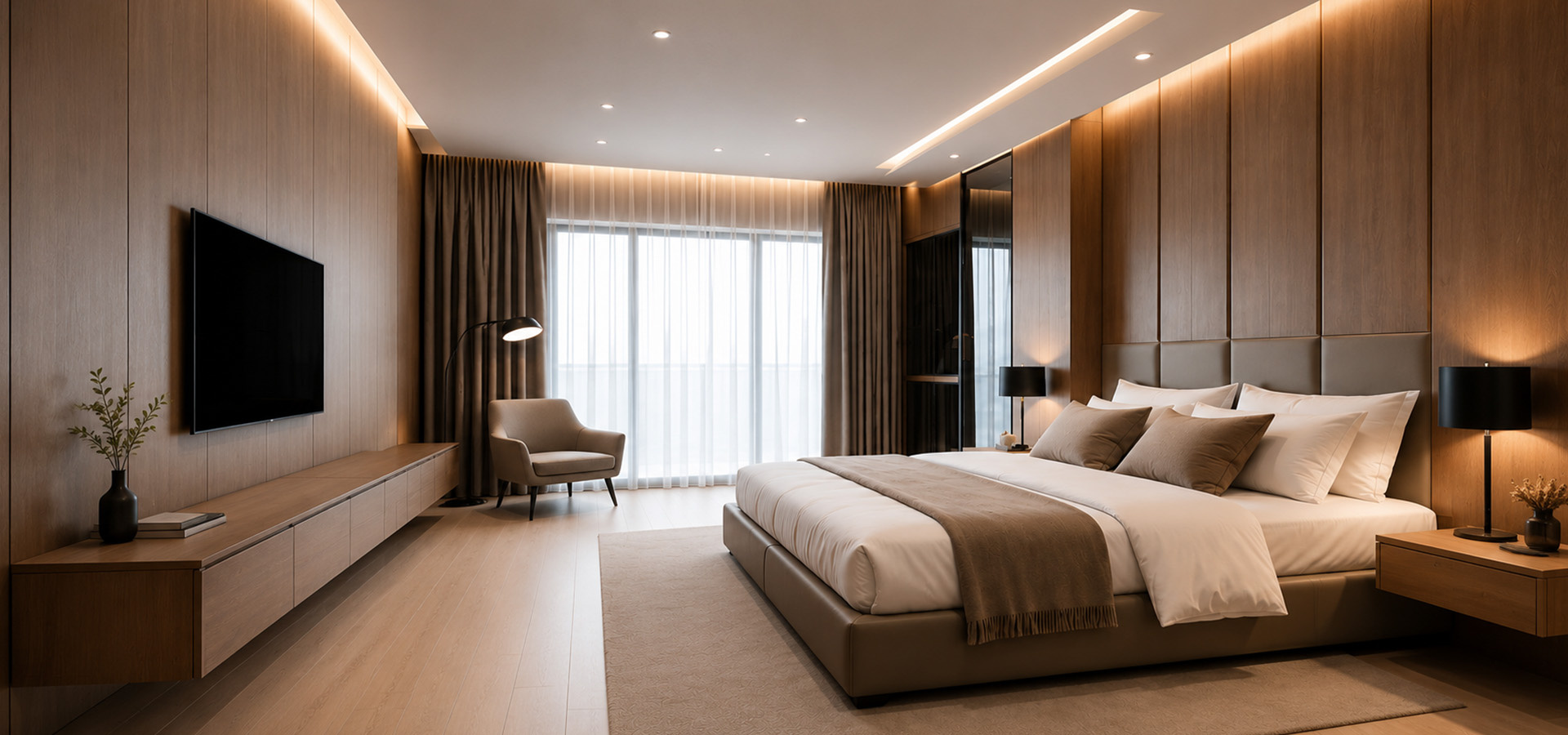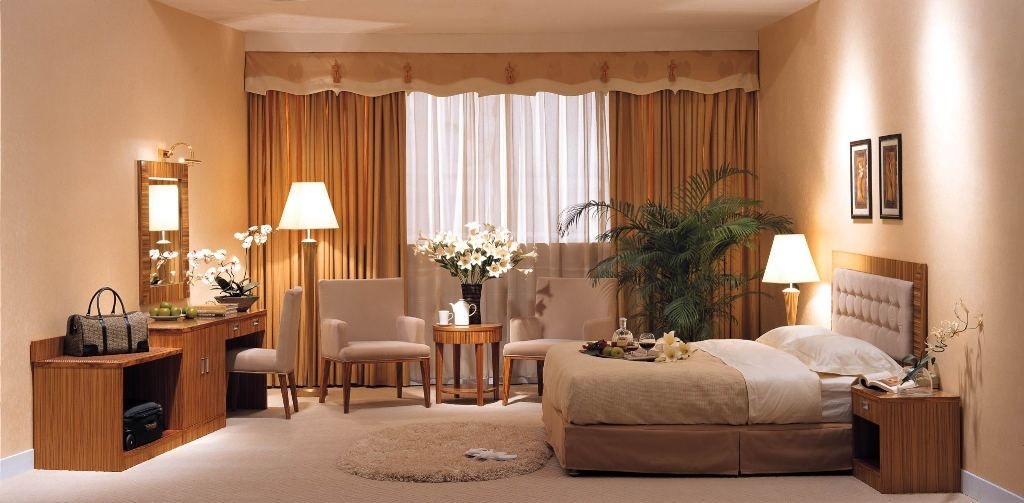
Choosing Eco-Friendly Materials for Hospitality and Accommodation Projects
Thứ 2, 22/06/2026
Administrator
166
As sustainability becomes a growing priority in hospitality development, eco-friendly material selection is transforming how accommodation projects are designed and operated. From improving indoor comfort to reducing environmental impact and long-term maintenance costs, sustainable materials help create more responsible and valuable hospitality spaces. In this article, Ngoc Hoang Anh shares practical insights for choosing environmentally friendly materials for modern accommodation projects.
1. Understand the Role of Sustainable Materials in Hospitality Design
Sustainable materials are becoming an important foundation in modern hospitality design because they influence environmental impact, operational efficiency, and guest experience at the same time. For accommodation projects, selecting eco-friendly materials is not only a responsible decision but also a strategic investment that supports long-term value and strengthens hospitality positioning.
1.1 Improve Environmental Responsibility
Environmentally conscious material choices help reduce resource consumption, minimize waste generation, and lower the ecological footprint of accommodation developments. Selecting renewable, recyclable, and responsibly sourced materials supports more sustainable hospitality operations and contributes to long-term environmental goals.
1.2 Enhance Guest Perception and Experience
Modern travelers increasingly appreciate hospitality spaces that demonstrate environmental awareness and healthier living conditions. Eco-friendly interiors often create stronger impressions through natural aesthetics, improved indoor comfort, and a more meaningful accommodation experience.
1.3 Support Long-Term Operational Efficiency
Durable and sustainable materials help reduce maintenance requirements, replacement frequency, and long-term operating costs. Investing in materials designed for longevity allows hospitality projects to maintain interior quality while improving overall lifecycle performance and business efficiency.
2. Select Materials Based on Performance and Sustainability
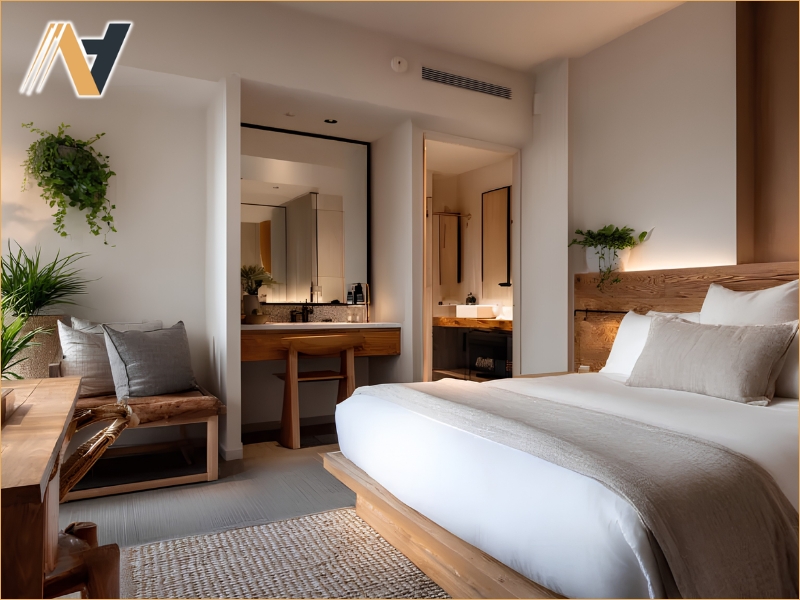
Choosing eco-friendly materials for accommodation projects requires more than evaluating environmental claims alone. Effective material selection should balance sustainability, durability, aesthetics, guest comfort, and operational performance to ensure interiors remain attractive, functional, and efficient throughout their lifecycle.
2.1 Prioritize Renewable and Recycled Materials
Renewable and recycled materials help reduce pressure on natural resources while supporting more responsible construction and interior practices. Materials derived from managed sources or reused production cycles can contribute to sustainable hospitality environments without compromising design quality.
2.2 Evaluate Durability and Maintenance Needs
Sustainable materials should also perform well under continuous hospitality use to minimize repair and replacement requirements. Selecting long-lasting finishes and easy-maintenance surfaces helps reduce waste generation and improves long-term operational efficiency for accommodation projects.
2.3 Consider Indoor Environmental Quality
Interior materials directly affect indoor comfort and guest wellbeing through factors such as air quality, texture, and overall environmental conditions. Choosing low-emission and healthier material options supports more comfortable accommodation experiences and enhances hospitality standards.
2.4 Balance Sustainability With Design Expectations
Eco-friendly interiors should maintain strong visual appeal and align with hospitality positioning rather than focusing solely on environmental objectives. Combining responsible material choices with thoughtful design creates accommodation spaces that feel both premium and environmentally conscious.
3. Apply Eco-Friendly Materials Across Key Interior Areas
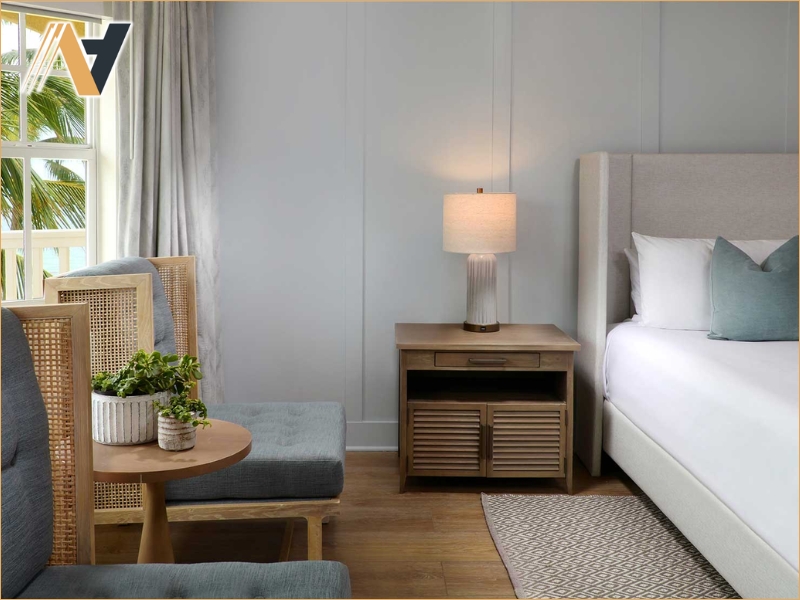
Applying sustainable materials effectively requires adapting selections to the functional and operational demands of each hospitality space. Different areas within accommodation projects experience different levels of usage and guest interaction, making targeted material strategies essential for balancing environmental responsibility, comfort, and long-term performance.
3.1 Choose Responsible Materials for Guest Rooms
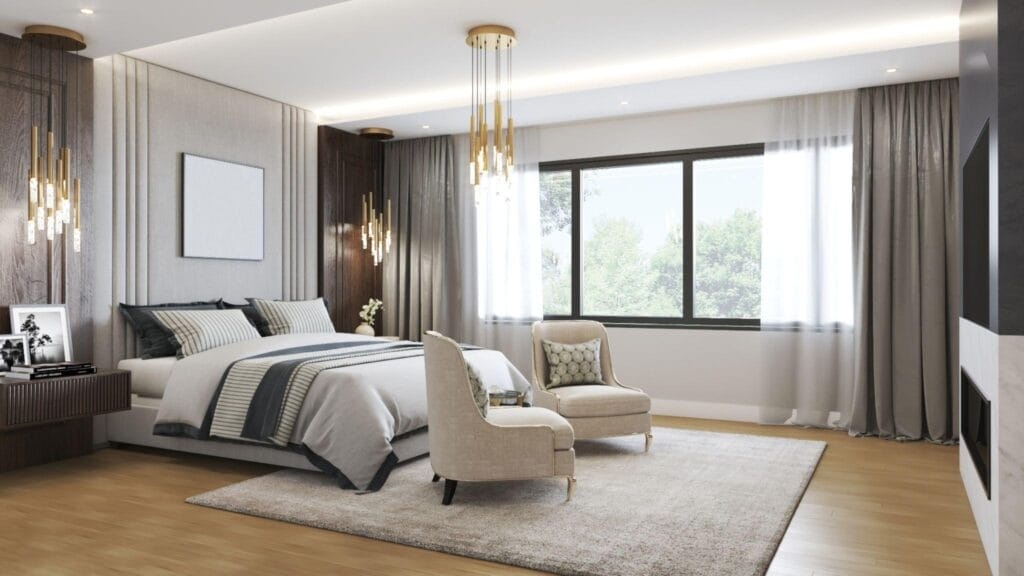
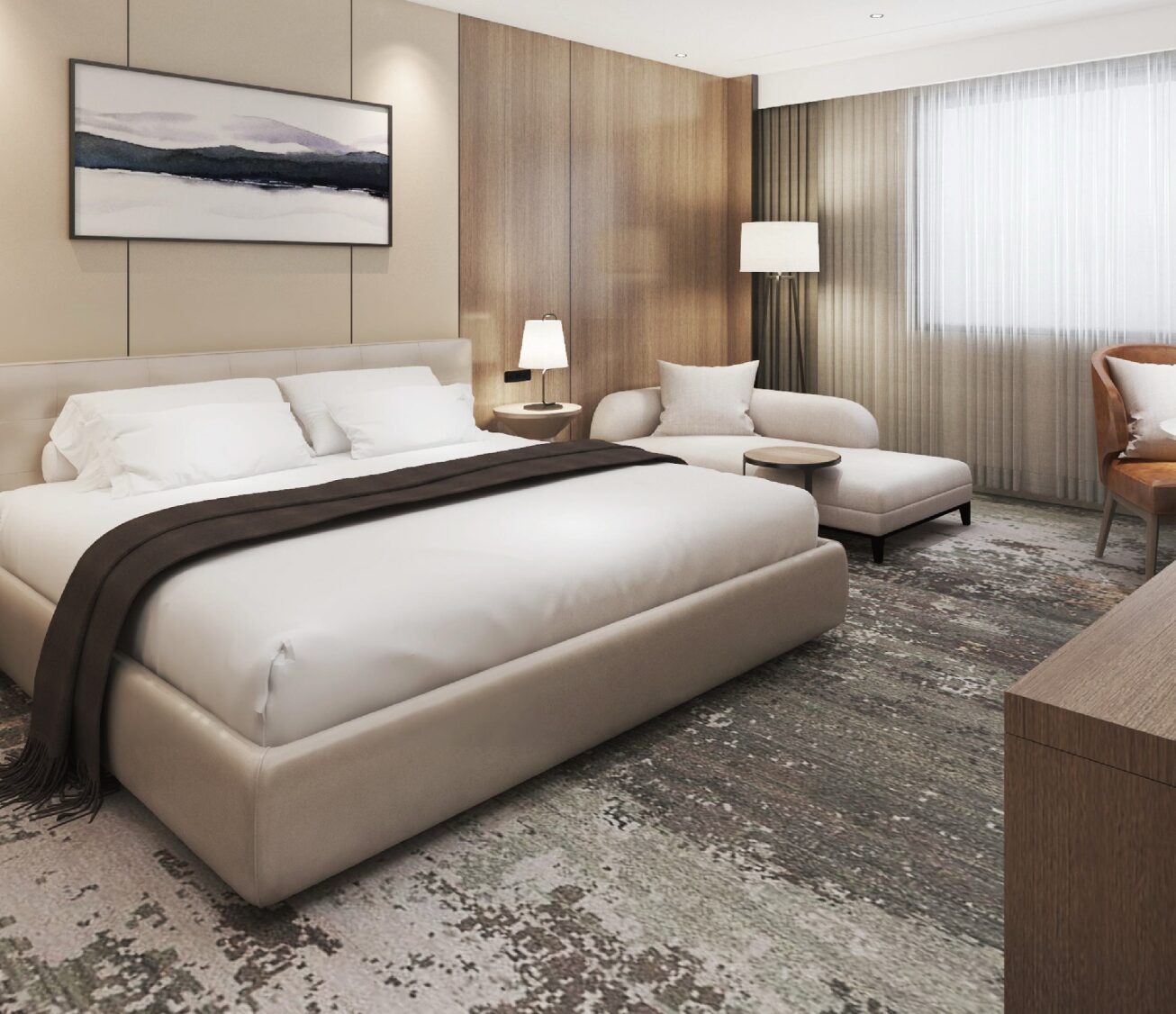
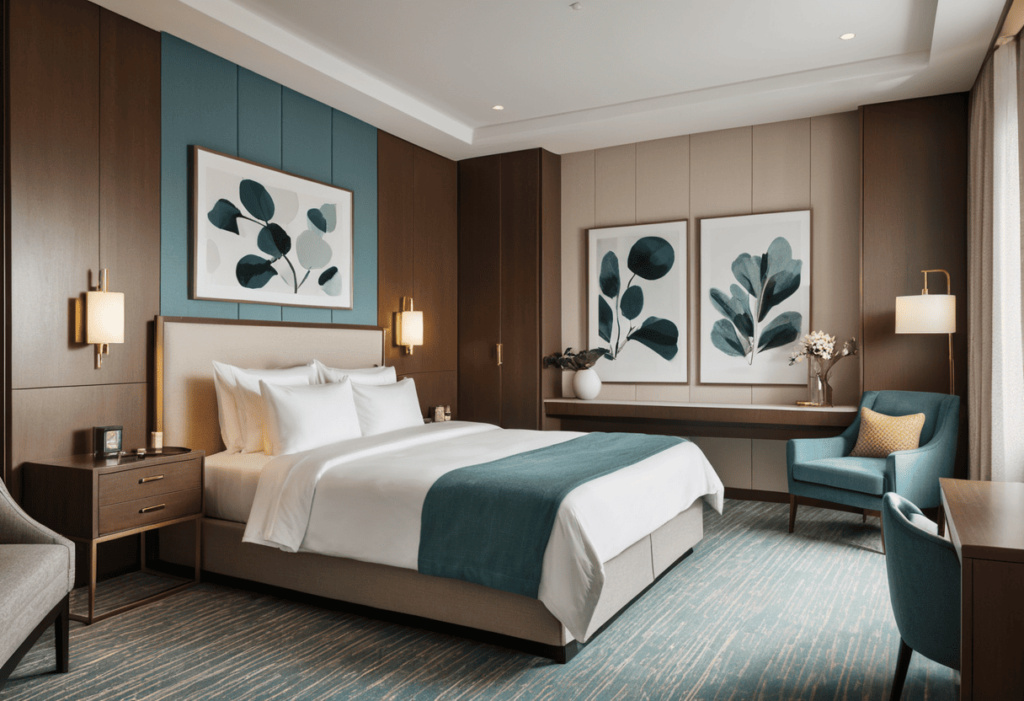
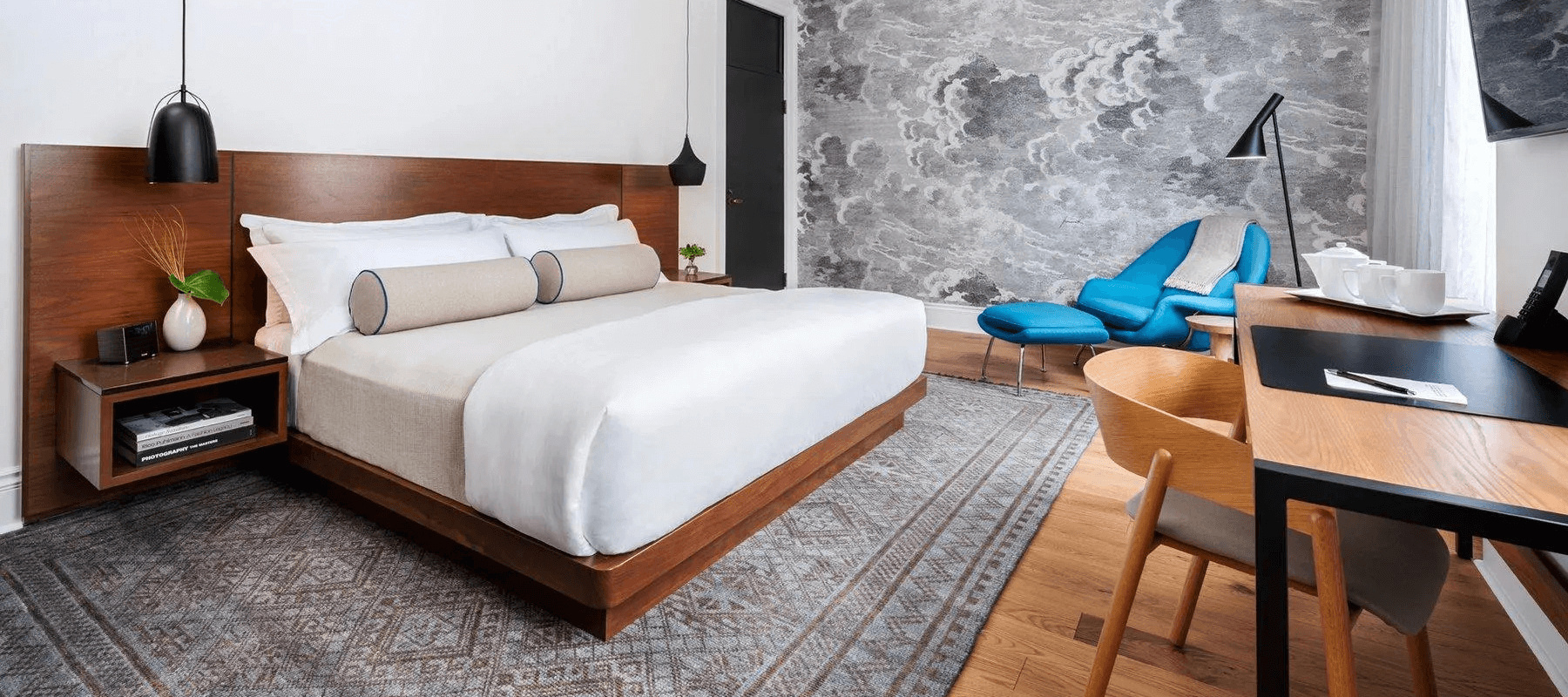
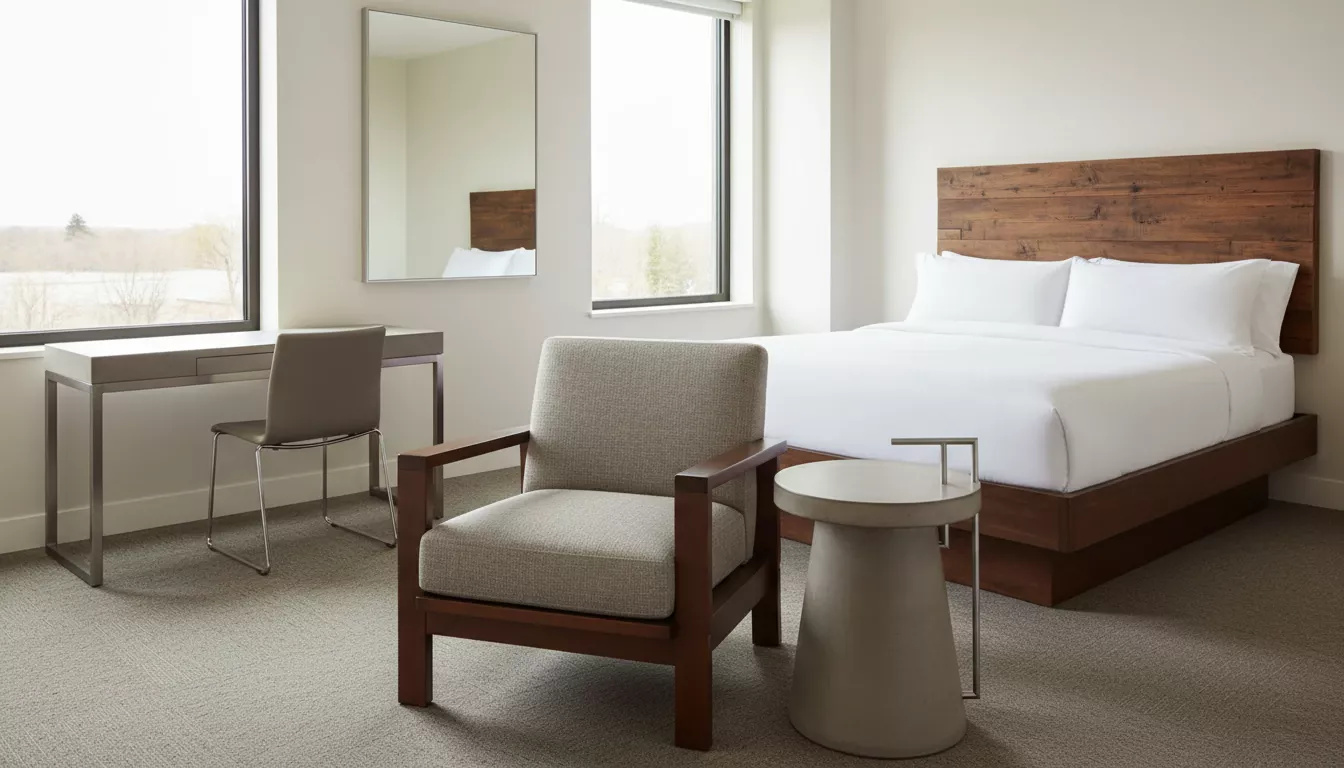
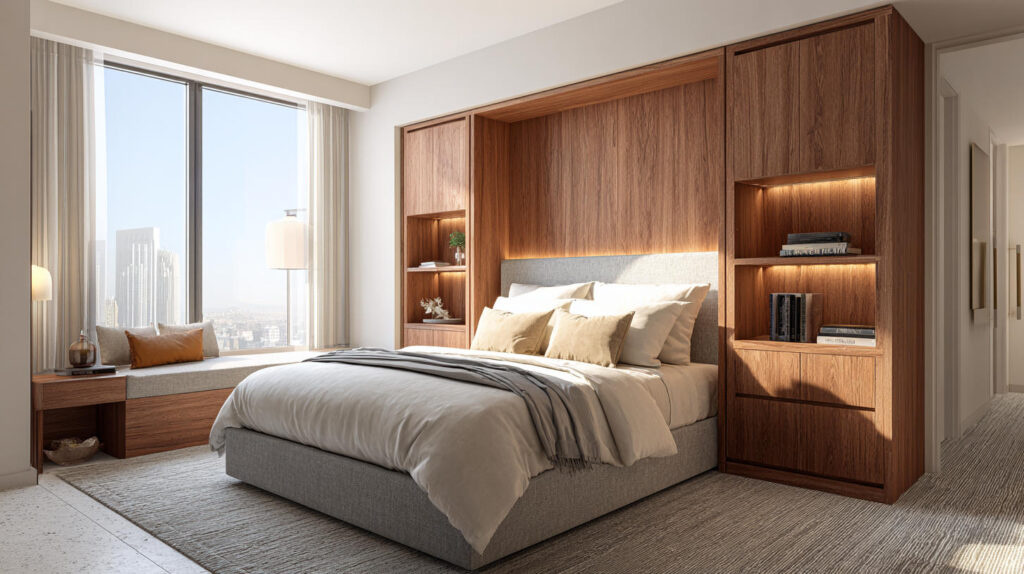
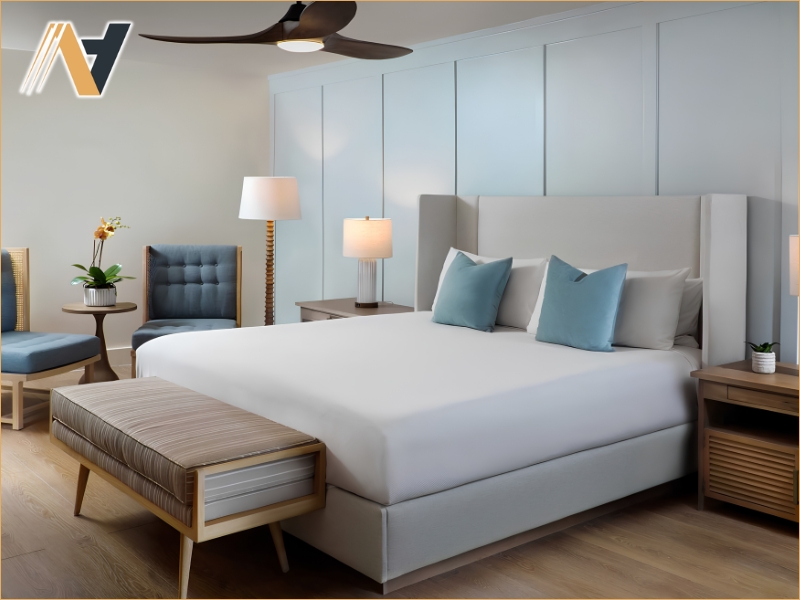
Guest rooms should prioritize materials that support comfort, durability, and healthier indoor environments because they directly affect the quality of stay. Natural textures, low-emission finishes, and durable interior solutions help create relaxing spaces while maintaining hospitality standards.
3.2 Optimize Public Spaces With Sustainable Finishes
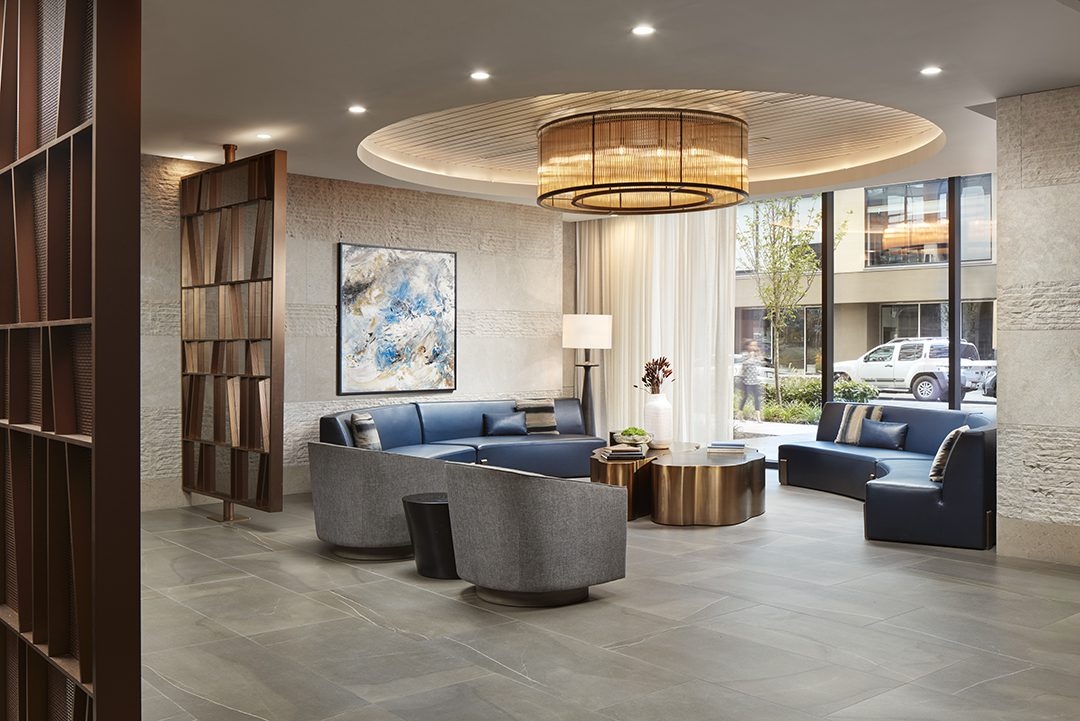
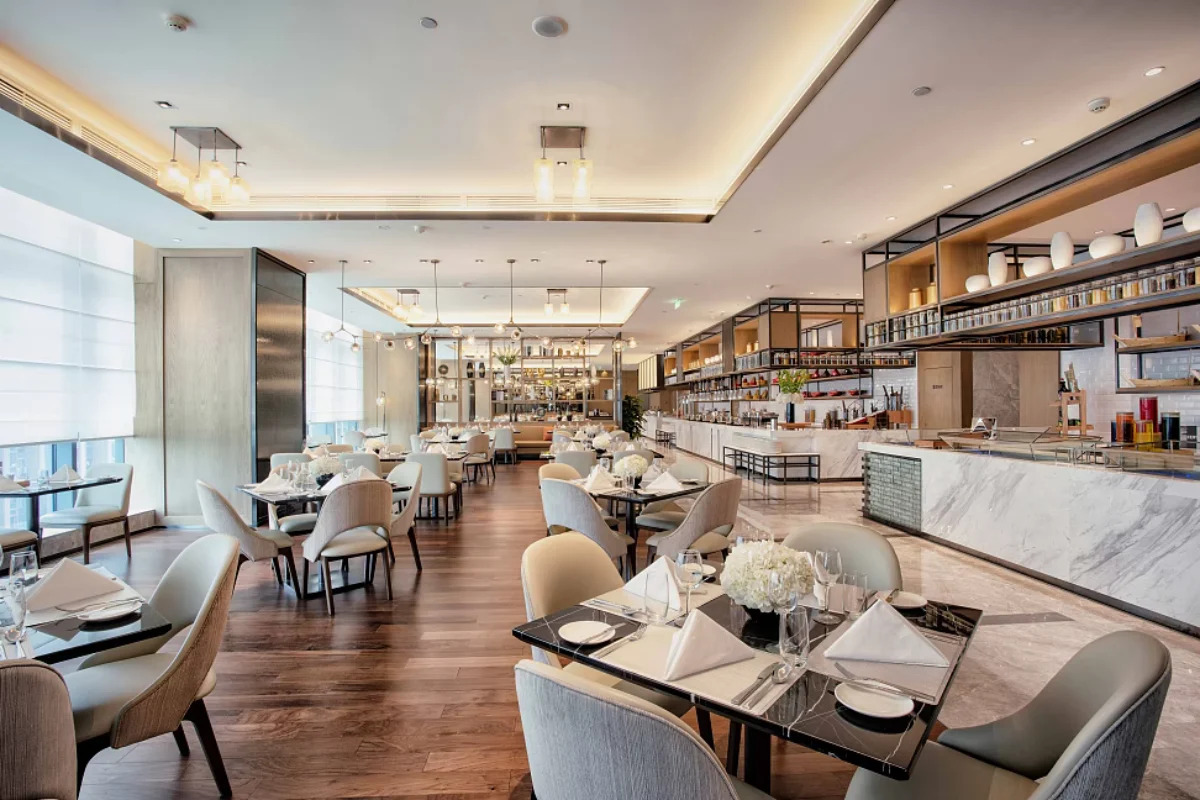
Public areas such as lobbies, lounges, and circulation zones require materials that can withstand heavy usage while preserving visual quality. Selecting sustainable finishes with strong durability and easy maintenance helps maintain aesthetics and reduce long-term replacement needs.
3.3 Integrate Natural Elements Into Interior Concepts
Incorporating natural materials and organic textures into hospitality interiors helps strengthen guests’ emotional connection with the space. Interior concepts that emphasize nature-inspired elements often create more calming, authentic, and memorable accommodation experiences.
4. Build Sustainable Design Strategies for Long-Term Value
Eco-friendly material selection delivers greater value when it is integrated into a broader long-term design strategy rather than treated as an isolated decision. Sustainable hospitality projects consider lifecycle performance, operational efficiency, future adaptability, and responsible sourcing to create interiors that remain effective and relevant over time.
4.1 Reduce Lifecycle Environmental Impact
Material decisions should consider the full lifecycle of interior components, including sourcing, manufacturing, maintenance, replacement, and disposal. Selecting durable and resource-efficient materials helps reduce environmental impact while supporting more sustainable accommodation operations.
4.2 Improve Energy and Resource Efficiency
Interior materials influence thermal comfort, lighting performance, and overall resource consumption throughout daily operations. Choosing solutions that support energy efficiency and reduce maintenance requirements contributes to lower operating costs and improved environmental performance.
4.3 Plan Flexible and Adaptable Interior Systems
Flexible interior planning allows accommodation projects to respond more effectively to changing market expectations and future upgrades. Modular components and adaptable layouts reduce renovation frequency, extend usability, and minimize material waste over time.
4.4 Establish Sustainable Procurement Standards
Developing clear material selection standards helps maintain consistency across hospitality projects and supports long-term sustainability objectives. Structured procurement processes encourage responsible sourcing and ensure interior investments continue delivering environmental and operational benefits.
5. Maximize Hospitality Value Through Responsible Material Choices
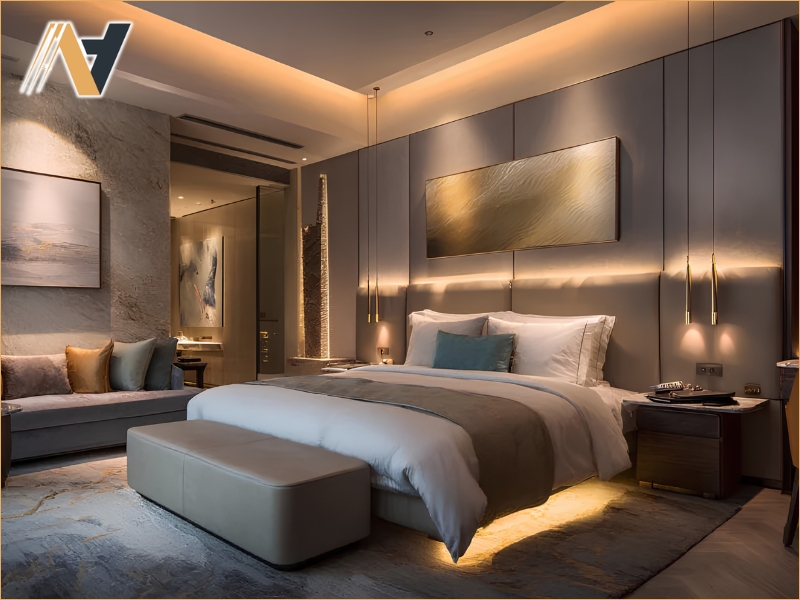
Selecting eco-friendly materials is not only an environmental initiative but also a strategic decision that can improve guest satisfaction, strengthen brand perception, and enhance long-term business performance. When sustainability and design quality are integrated effectively, accommodation projects can create stronger market differentiation and more resilient hospitality environments.
5.1 Align Material Selection With Brand Positioning
Material choices should support the overall identity and target market of the accommodation project to create a more consistent guest experience. Sustainable interiors that reflect hospitality values help strengthen brand recognition and build greater trust among environmentally conscious travelers.
5.2 Communicate Sustainability Through Interior Design
Interior design can become a visible expression of environmental responsibility through thoughtful material selection and spatial storytelling. Guests increasingly appreciate accommodation spaces that demonstrate sustainability in meaningful and authentic ways, enhancing overall engagement and perception.
5.3 Measure Long-Term Material Performance
Evaluating how materials perform over time allows accommodation projects to optimize future decisions and maximize return on investment. Monitoring durability, maintenance efficiency, guest feedback, and operational outcomes helps ensure sustainable materials continue delivering value throughout the project lifecycle.
Conclusion
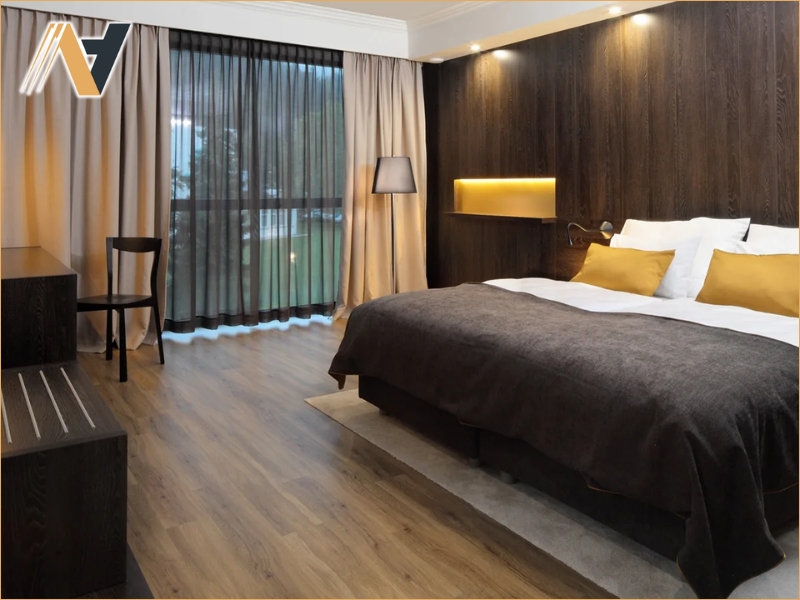
Choosing eco-friendly materials for accommodation projects is becoming an essential approach to creating interiors that are healthier, more efficient, and better aligned with evolving hospitality expectations. By balancing sustainability, durability, aesthetics, and operational performance, hotels, resorts, and accommodation spaces can build environments that deliver lasting value for both guests and long-term business growth.
For hospitality projects seeking customized interior solutions that combine refined design with responsible material selection, Ngoc Hoang Anh offers premium Vietnam hotel furniture tailored for modern and sustainable accommodation environments.
Contact us today to explore bespoke hospitality furniture solutions designed to support long-term hospitality success.
-----
NGOC HOANG ANH TRADING COMPANY LIMITED
Tax Code: 3702874413
Address: No. 288/28/10 Huynh Van Luy Street, Zone 7, Phu Loi Ward, Ho Chi Minh City, Vietnam
Warehouse: No. 1/91, Thuan Giao 02 Street, Binh Thuan 2 Residential Quarter, Thuan Giao Ward, Ho Chi Minh City, Vietnam
Phone/Whatsapp/Wechat: +84342076666
Email: info@ngochoanganh.com.vn