Boutique Hotel Interior Design: How to Create a Unique Identity
Thứ 5, 09/04/2026
Administrator
355
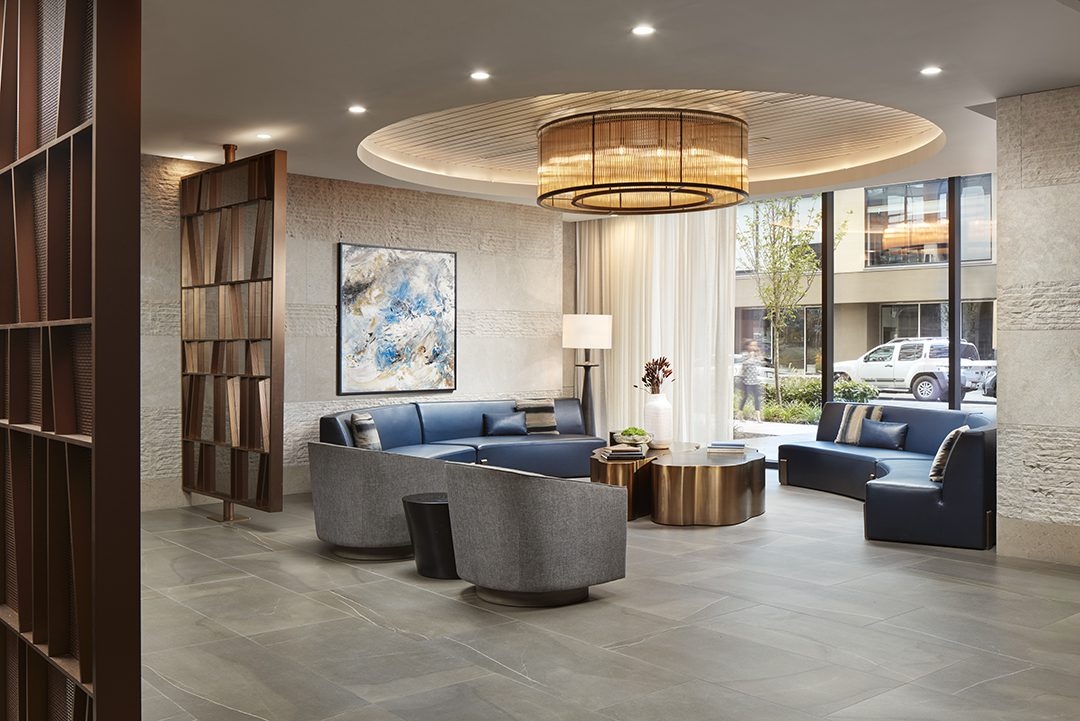
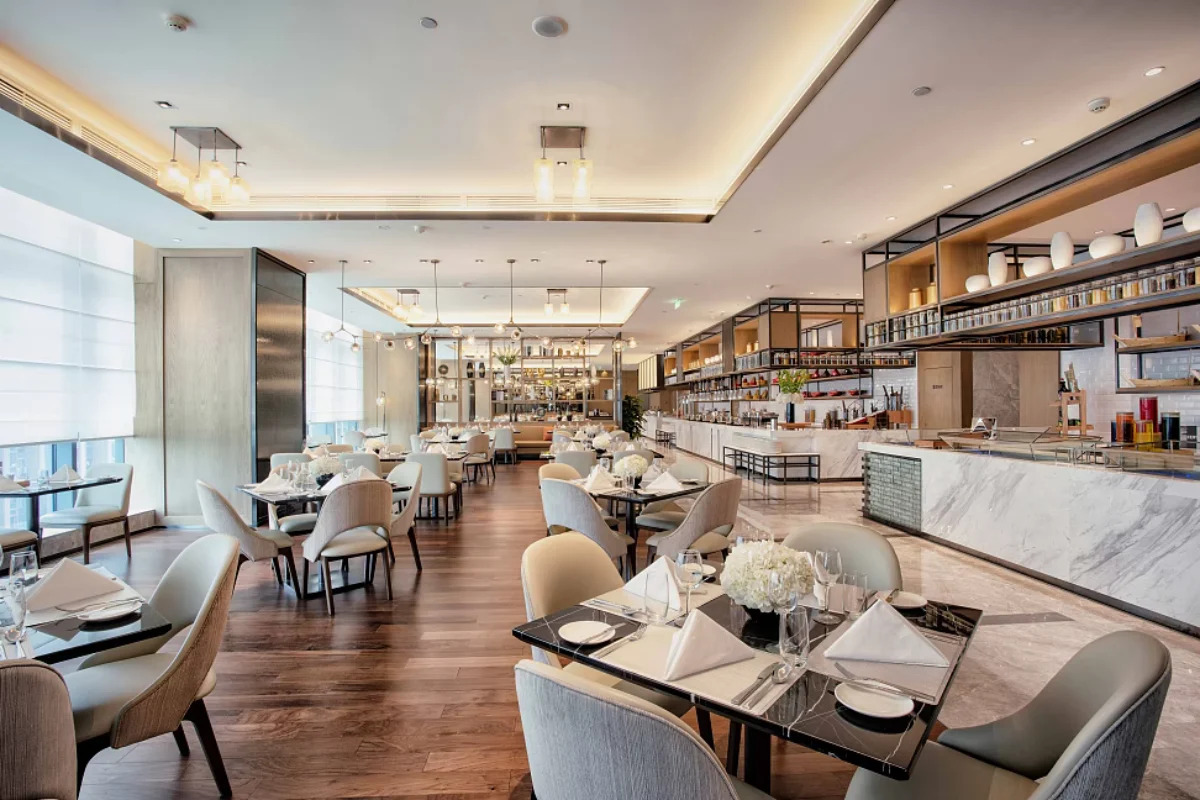
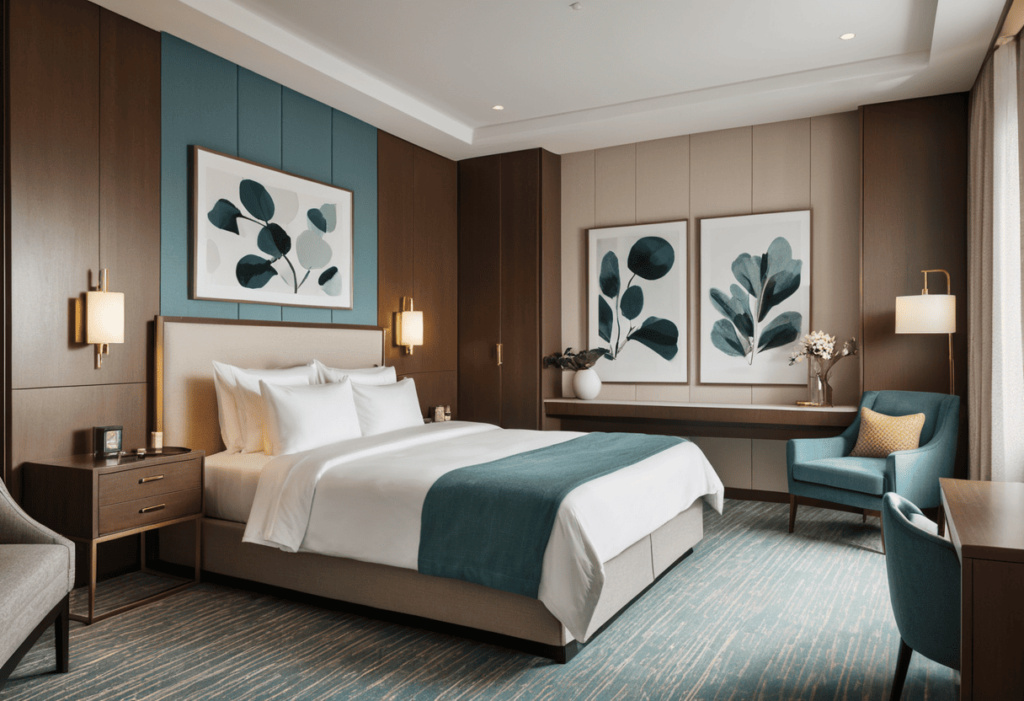
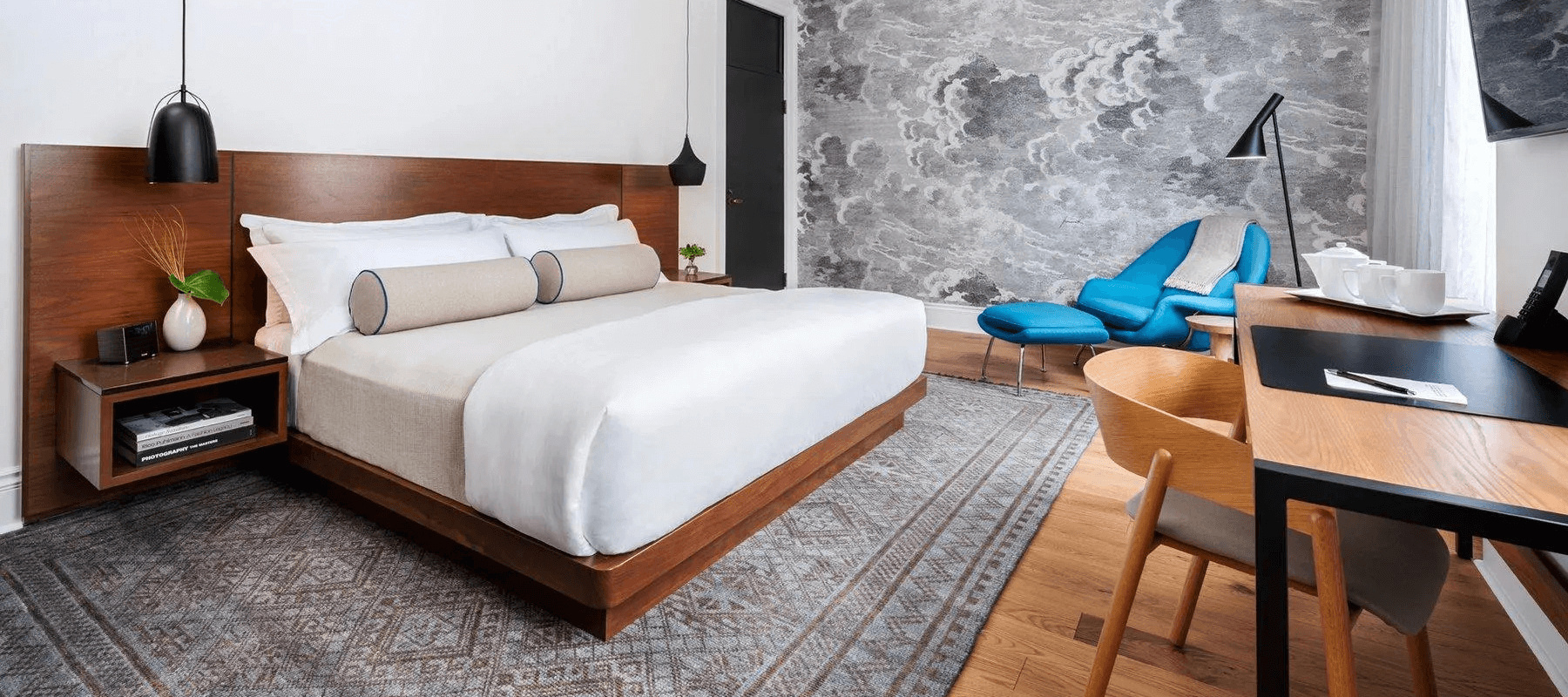
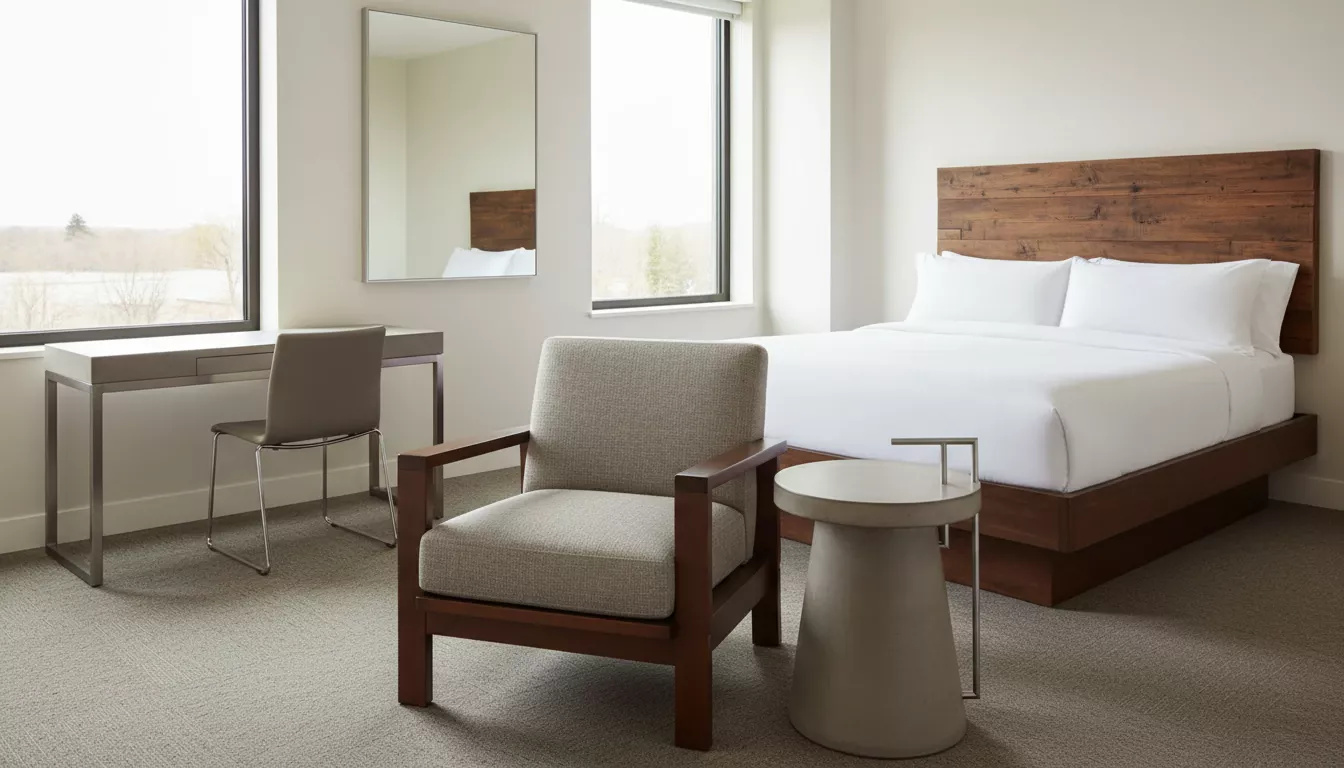
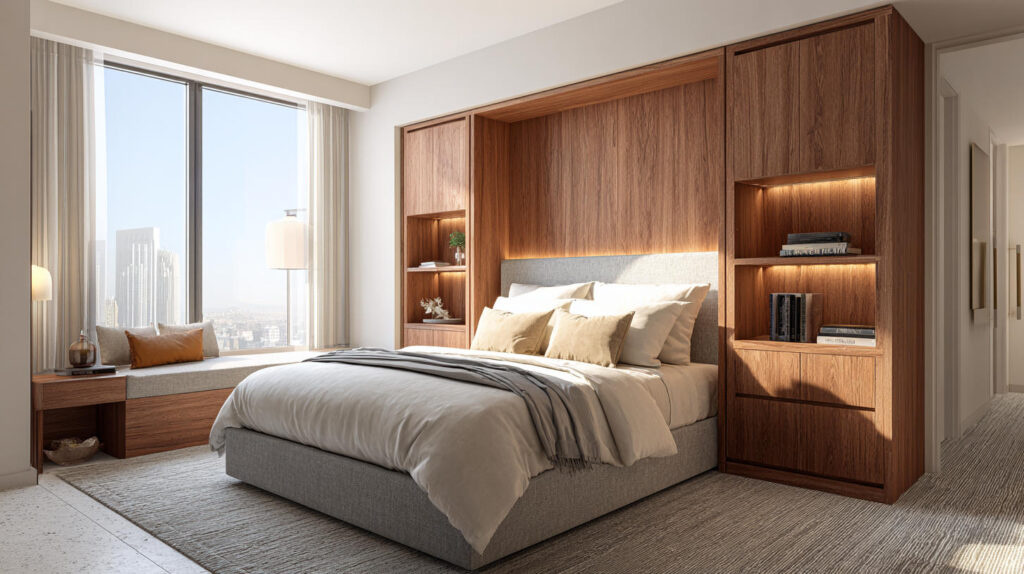
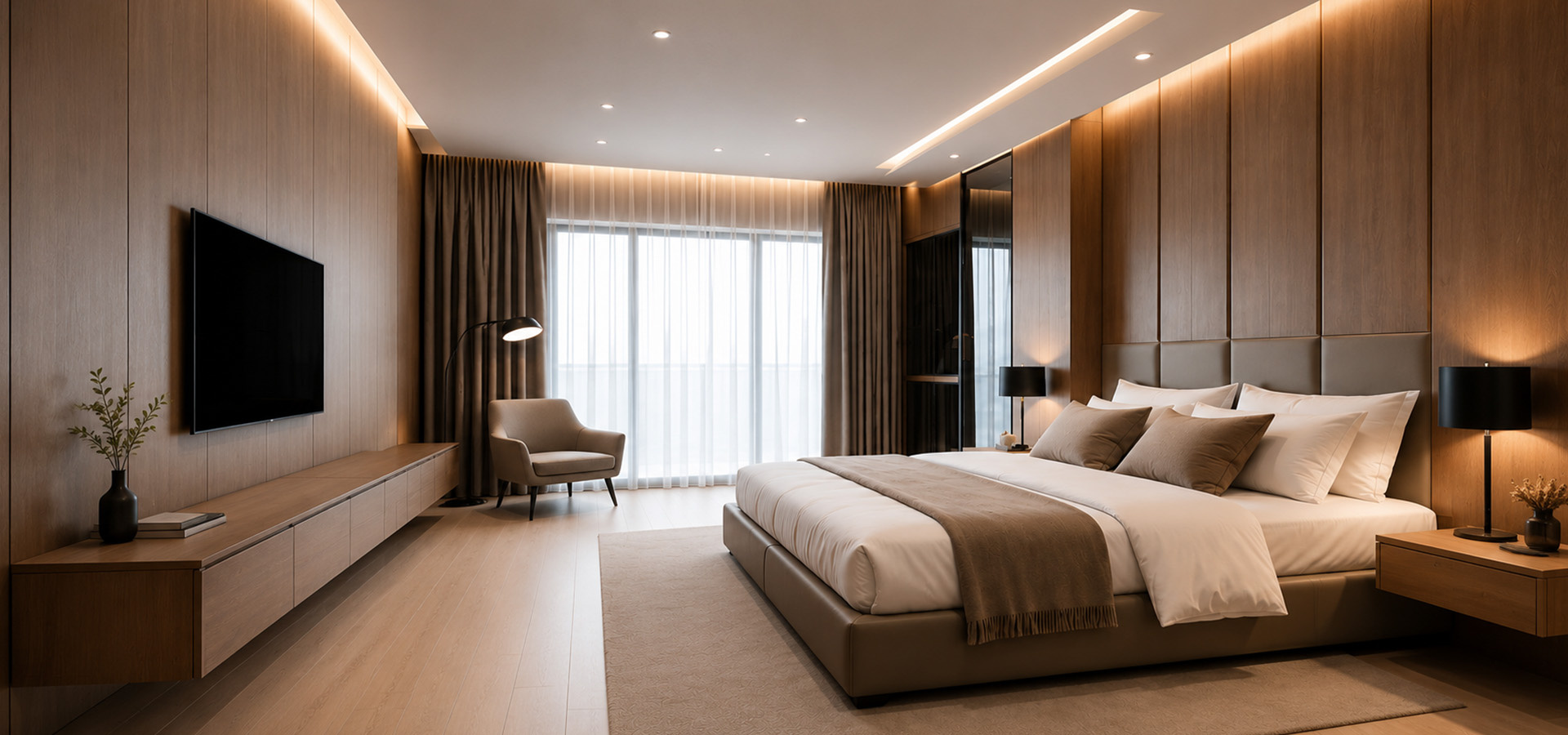
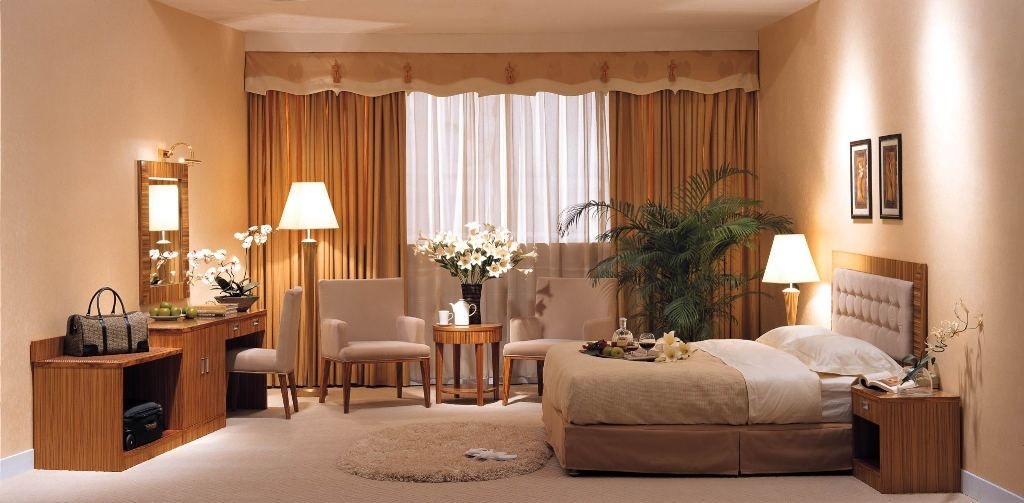
Boutique hotels are defined by their individuality, character, and ability to create memorable guest experiences. Unlike standardized hotel chains, boutique properties rely heavily on interior design to express their identity and connect emotionally with guests. Every detail, from layout to materials, plays a role in shaping this uniqueness. In this article, Ngoc Hoang Anh shares key strategies to create a distinctive boutique hotel interior.
1. Defining a Clear Design Concept
A strong and well-defined design concept is the foundation of any successful boutique hotel interior. Unlike standardized hotels, boutique properties rely on a clear identity to create memorable experiences. Every design decision from layout to materials should support a unified vision that reflects the hotel’s personality and brand story.
1.1 Building a strong narrative or theme
A boutique hotel should be built around a central story or theme, whether inspired by culture, history, or a specific lifestyle concept. This narrative guides all design elements, ensuring the space feels cohesive and meaningful rather than randomly styled.
1.2 Aligning design with brand identity
Interior design must reflect the hotel’s brand values and target audience. From color schemes to furniture selection, each element should reinforce the brand image, creating a consistent and recognizable experience for guests.
1.3 Maintaining consistency across all spaces
Consistency is essential to strengthen the overall concept. Guestrooms, corridors, and public areas should share common design elements, ensuring a seamless transition between spaces and a unified visual identity throughout the hotel.
2. Custom Furniture as a Core Differentiator
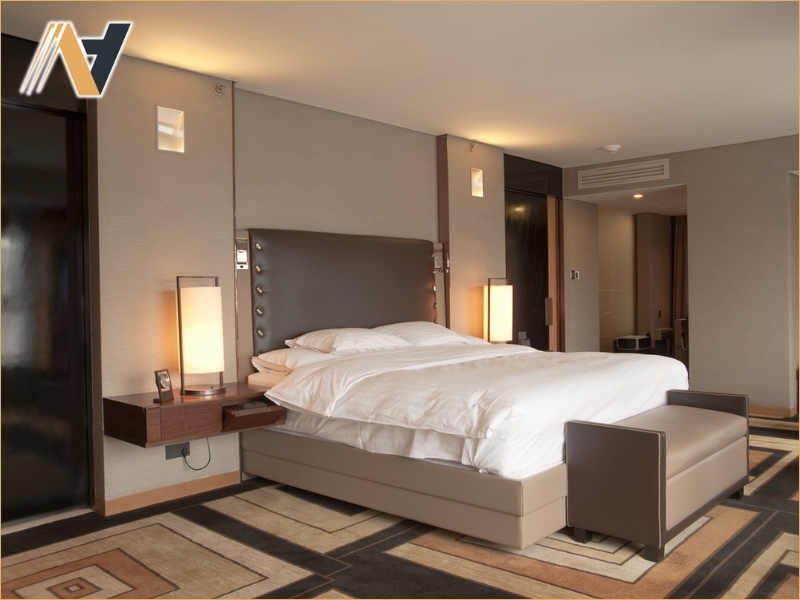
In boutique hotel design, custom furniture plays a key role in expressing individuality and reinforcing the overall concept. Unlike mass-produced pieces, bespoke furniture allows designers to control proportions, materials, and detailing, ensuring each item contributes to a distinctive and cohesive interior identity.
2.1 Bespoke pieces tailored to the concept
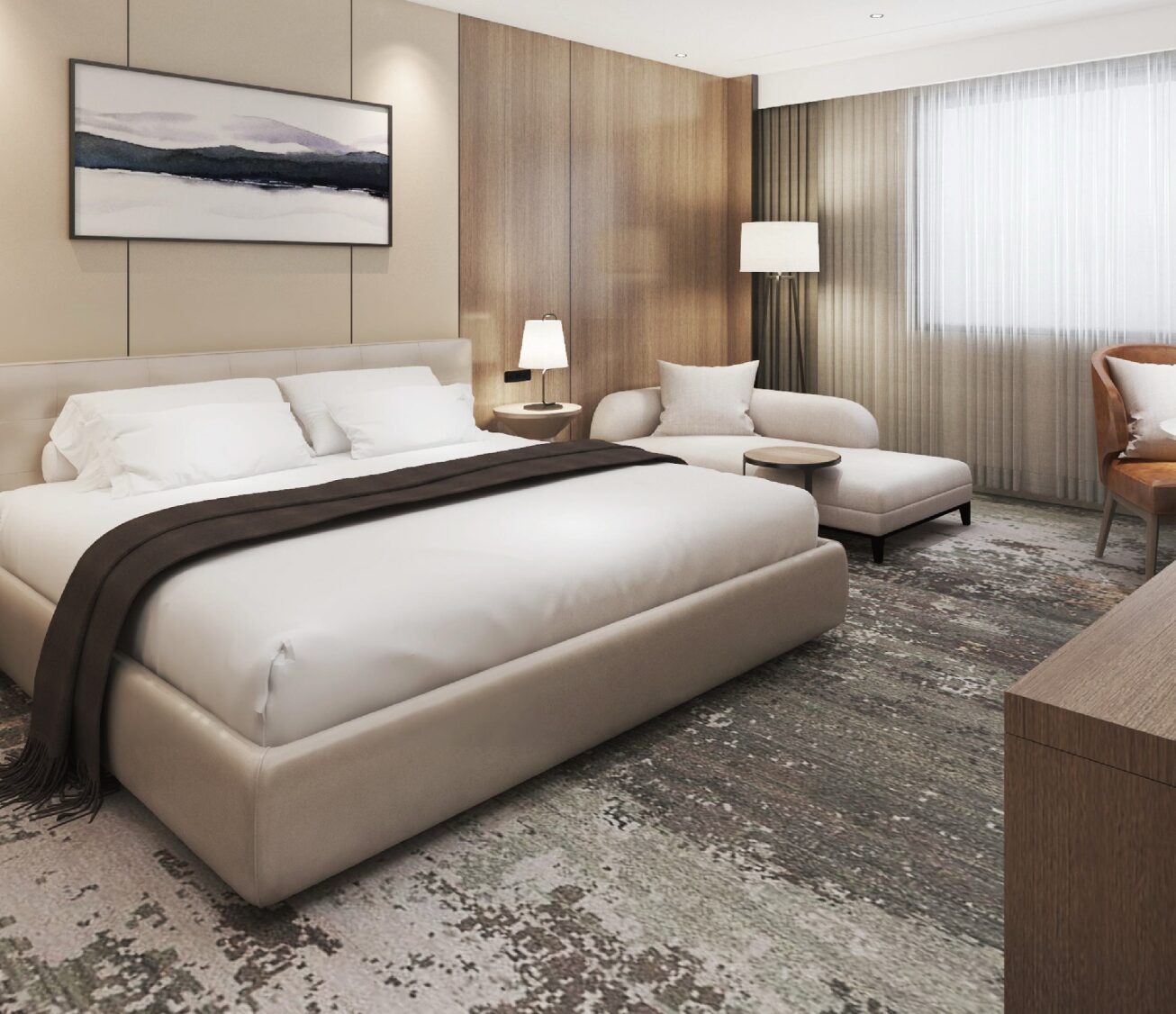
Custom furniture can be designed to match the hotel’s theme precisely, from unique headboards to signature seating. This alignment helps strengthen the narrative and ensures that every piece feels intentional within the space.
2.2 Unique forms, materials, and detailing
Designers can experiment with shapes, finishes, and textures that are not available in standard products. These distinctive details elevate the visual character of the interior and create a more memorable guest experience.
2.3 Avoiding generic, mass-produced furniture
Using off-the-shelf furniture may result in interiors that feel familiar or uninspired. Custom solutions help boutique hotels stand out by offering a level of uniqueness and identity that cannot be easily replicated.
3. Layering Materials and Textures
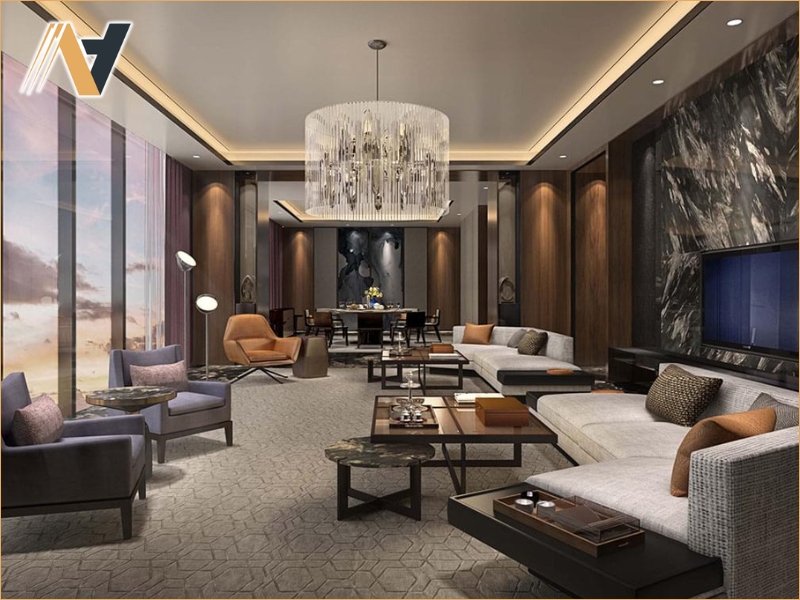
In boutique hotel interiors, layering materials and textures is essential to create depth and richness while maintaining a cohesive design. Instead of relying on bold decoration, designers combine different surfaces and finishes to enhance visual interest and deliver a more engaging sensory experience for guests.
3.1 Combining wood, metal, fabric, and stone
Using a mix of materials allows the space to feel dynamic and balanced. Natural wood adds warmth, metal introduces contrast, while fabric and stone contribute softness and texture, creating a well-rounded interior composition.
3.2 Creating depth without visual clutter
Careful layering helps avoid flat and monotonous spaces without overwhelming the design. Subtle contrasts in texture and finish can make the room feel more sophisticated while still maintaining a clean and organized look.
3.3 Enhancing tactile experience
Textures are not only visual but also physical. Soft upholstery, smooth surfaces, and handcrafted finishes encourage interaction, making the space feel more comfortable and memorable for guests.
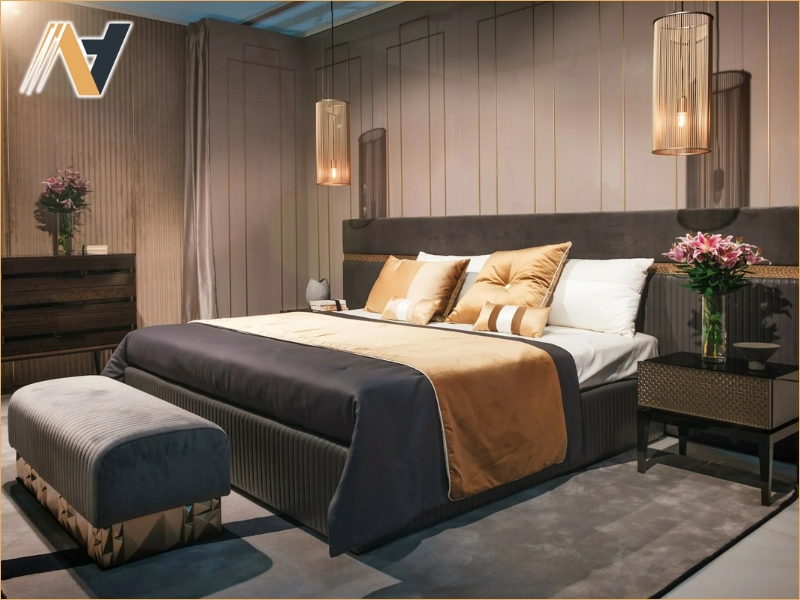
4. Incorporating Local Identity and Culture
Integrating local identity into boutique hotel interiors helps create a stronger connection between the space and its surroundings. Rather than using generic design elements, incorporating regional culture, materials, and craftsmanship allows the hotel to offer a more authentic and memorable guest experience.
4.1 Using local materials and craftsmanship
Locally sourced materials such as wood, stone, or textiles can add authenticity and uniqueness to the interior. Handcrafted elements created by local artisans further enhance the character of the space.
4.2 Reflecting regional stories and heritage
Design can draw inspiration from local history, architecture, or cultural traditions. These influences help shape a distinctive atmosphere that reflects the identity of the destination.
4.3 Creating an authentic sense of place
By embedding cultural elements into the design, boutique hotels can offer guests a more immersive experience. This authenticity makes the stay more meaningful and differentiates the property from standardized hotels.
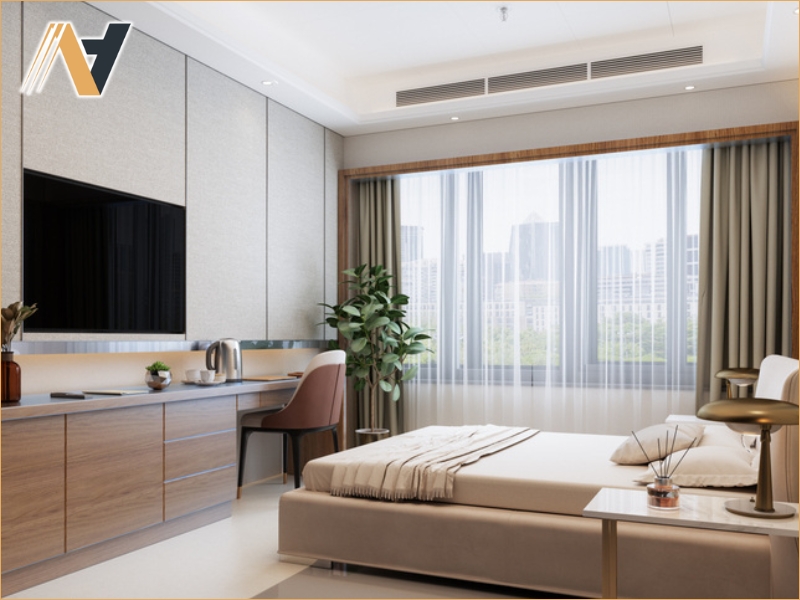
5. Designing for Guest Experience and Details
In boutique hotels, design is not only about appearance but also about how guests interact with the space. Every detail should contribute to comfort, usability, and emotional engagement. By focusing on experience-driven design and refined detailing, hotels can create interiors that feel both memorable and highly functional.
5.1 Creating memorable touchpoints
Key areas such as the bed, seating, and bathroom should be designed to leave a strong impression. Thoughtful layouts and distinctive features help create moments that guests remember even after their stay.
5.2 Using lighting and layout to shape emotions
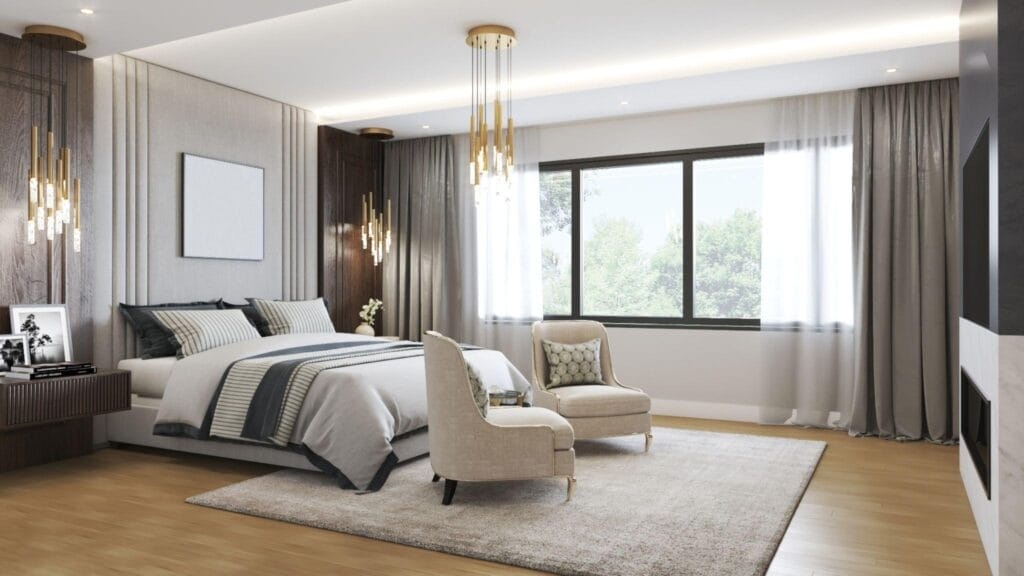
Lighting plays a crucial role in setting the mood, while spatial arrangement influences how guests move and feel within the room. A well-planned combination enhances comfort and creates a welcoming atmosphere.
5.3 Attention to small details and finishing
Details such as hardware, stitching, edges, and material transitions contribute to the overall quality of the space. Consistent and refined finishing reinforces the boutique identity and elevates the guest experience.
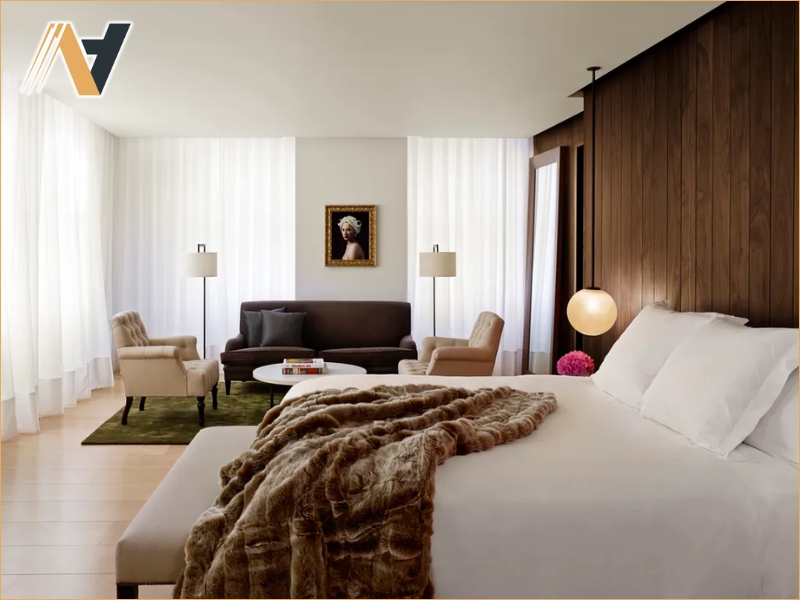
Conclusion
Boutique hotel interior design is centered on creating a strong and memorable identity through thoughtful concept development, custom furniture, material layering, and cultural integration. Rather than following generic trends, boutique spaces succeed by delivering a cohesive story and a personalized experience that resonates with guests.
By focusing on both aesthetics and functionality, and paying close attention to every detail, hotels can transform their interiors into distinctive environments that stand out in a competitive market. The key lies in consistency, creativity, and a deep understanding of the target audience.
For hospitality projects seeking unique and high-quality solutions, Ngoc Hoang Anh provides premium Vietnam hotel furniture tailored to boutique concepts, combining craftsmanship, durability, and refined design. Contact us today for expert consultation and bespoke furniture manufacturing.
-----
NGOC HOANG ANH TRADING COMPANY LIMITED
Tax Code: 3702874413
Address: No. 288/28/10 Huynh Van Luy Street, Zone 7, Phu Loi Ward, Ho Chi Minh City, Vietnam
Warehouse: No. 1/91, Thuan Giao 02 Street, Binh Thuan 2 Residential Quarter, Thuan Giao Ward, Ho Chi Minh City, Vietnam
Phone/Whatsapp/Wechat: +84342076666
Email: info@ngochoanganh.com.vn