Why Mockup Is Essential Before Mass Production
Thứ 2, 09/02/2026
Administrator
272
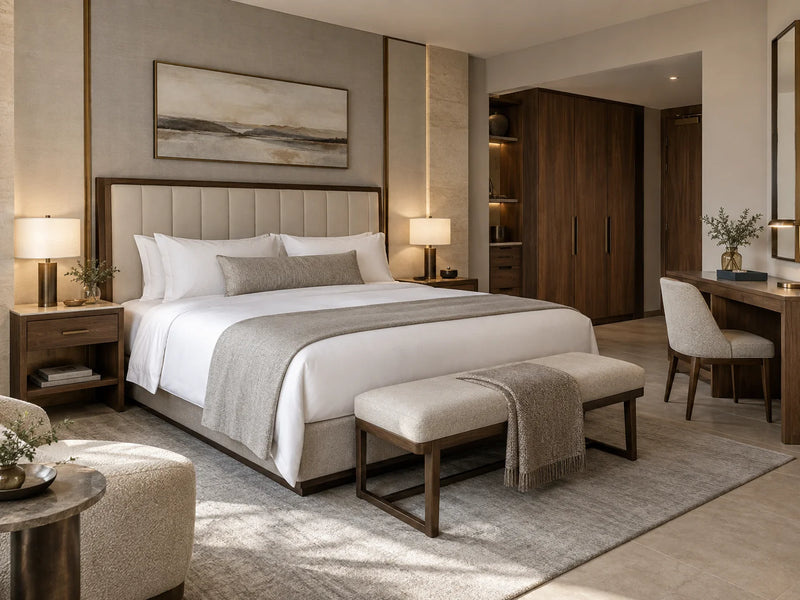
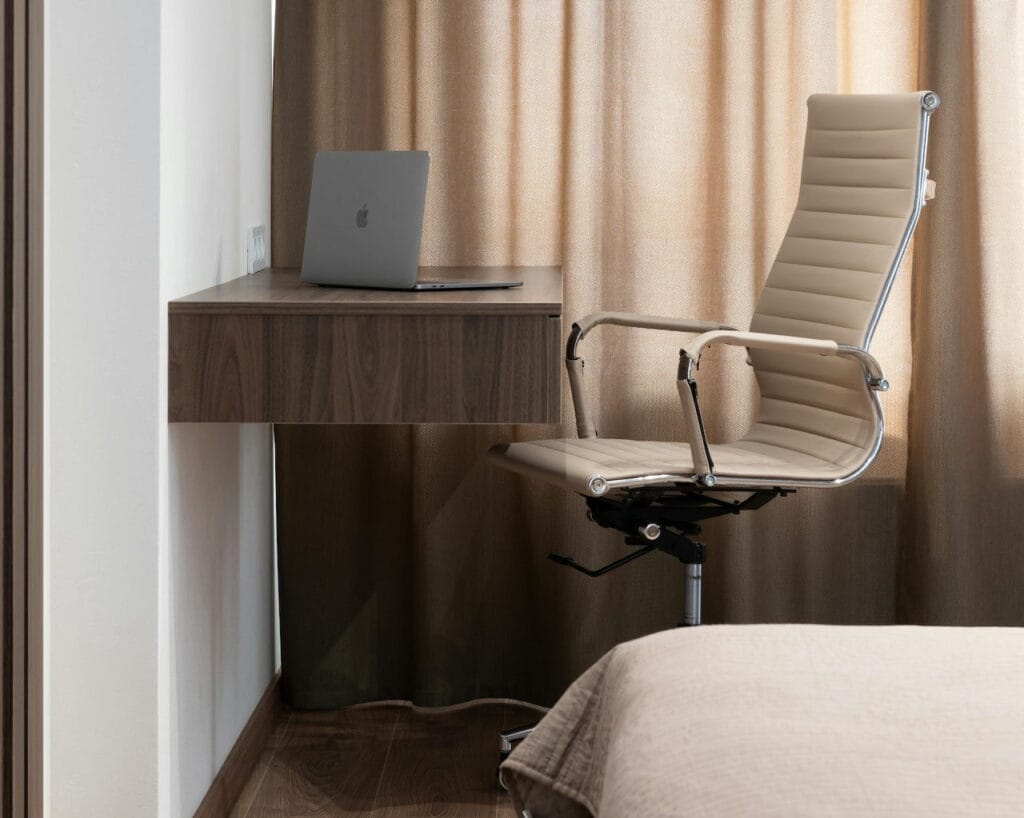
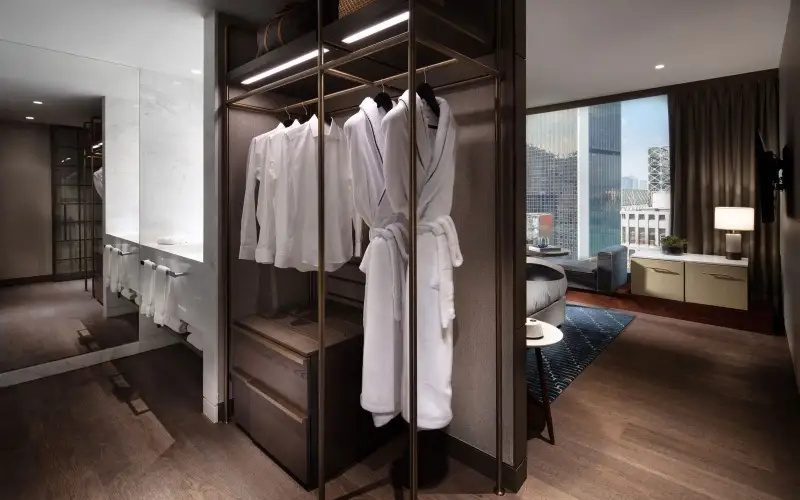
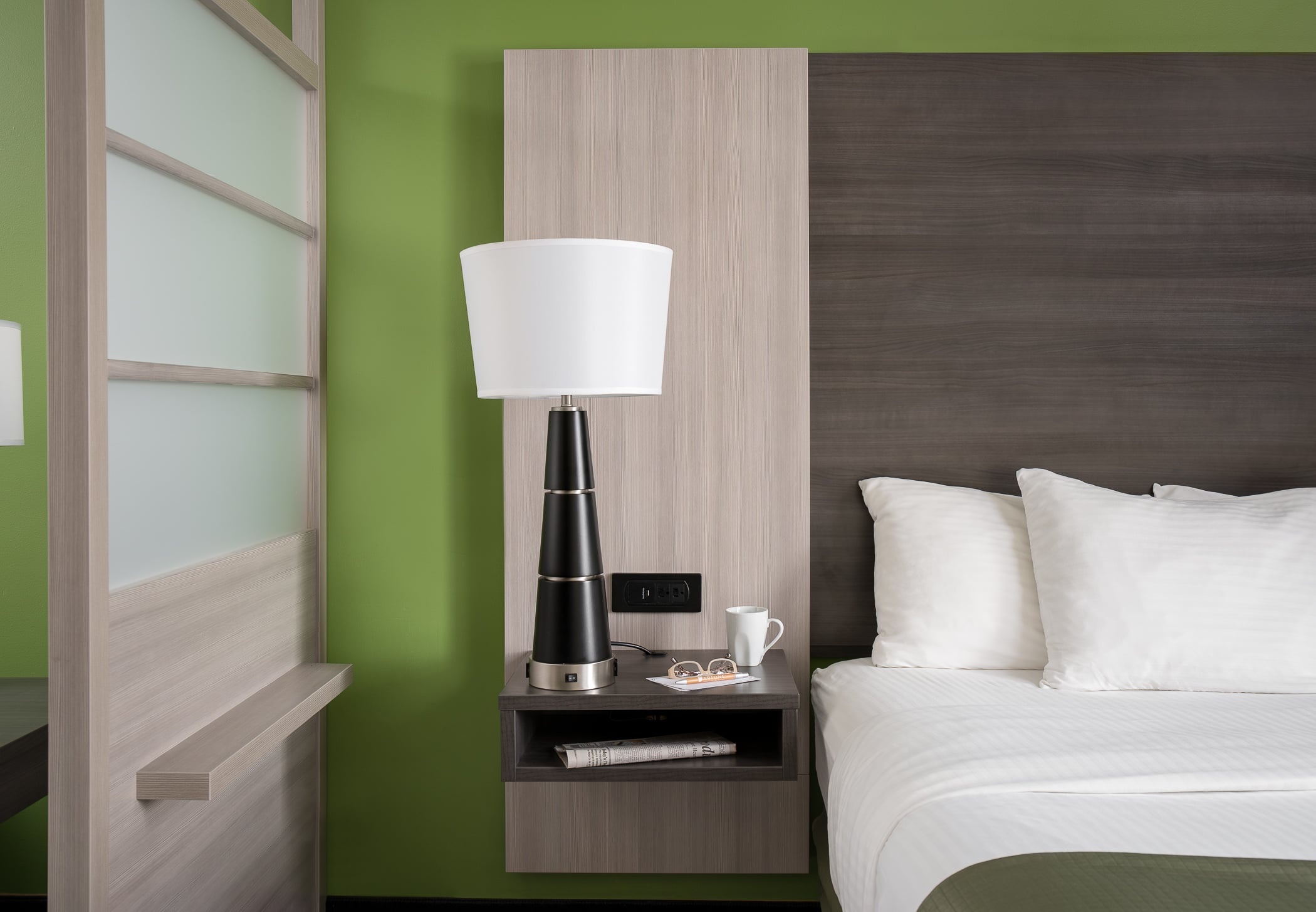
Mockup for hotel interiors reveals how design ideas perform in real scale and guides decisions before mass production. A well prepared sample expresses materials, comfort, and craftsmanship while reducing risk and uncertainty. In this article, Ngoc Hoang Anh explains why this step is essential for refined hospitality projects.
1. Understanding the Role of Mockup in Hotel Furniture
Mockup represents the first moment when a hotel interior concept becomes tangible. It allows owners, designers, and manufacturers to experience furniture in real scale, revealing how proportions, materials, and details interact within the intended space. This stage is not simply a visual preview but a strategic step that protects the identity of the property and the investment behind it.
1.1 Mockup as a Physical Interpretation of Design
A drawing can suggest elegance, yet only a physical mockup can truly express it. Through real textures, finishes, and dimensions, the proposed design becomes a living object that can be touched, tested, and evaluated. This tangible form helps stakeholders understand whether the selected veneer, upholstery, or metal accent delivers the level of sophistication expected from a luxury hotel environment.
1.2 Bridging Design and Manufacturing
Between creative vision and factory production lies a complex technical journey. Mockup functions as a shared language where designers refine details and manufacturers confirm feasibility. Joinery methods, structural stability, and finishing techniques are reviewed together, ensuring that what looks exquisite on paper can be reproduced consistently in mass production without losing its refined character.
2. Evaluating Aesthetics and Guest Experience
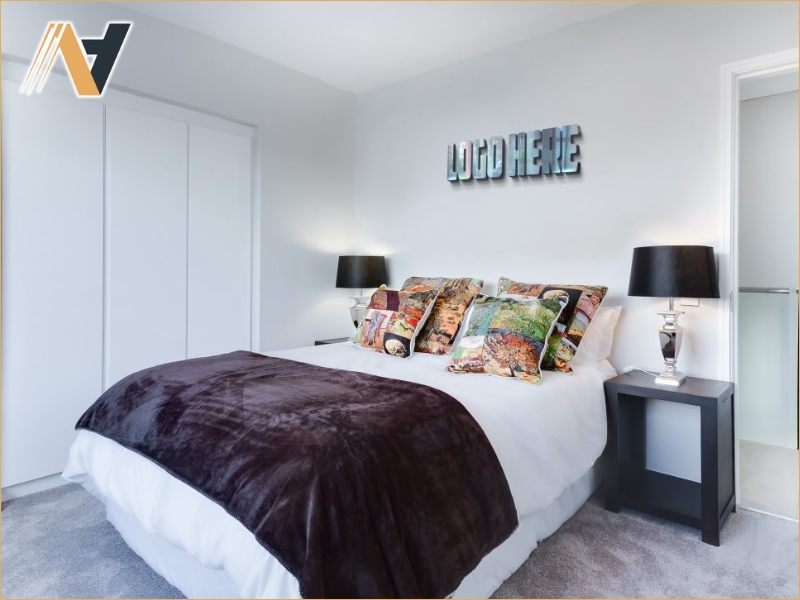
Mockup provides an authentic environment where design intentions meet real human interaction. In hotel projects, beauty alone is never enough; furniture must also embrace comfort, emotion, and practicality. By experiencing a full-scale sample, owners and designers can sense how guests will truly feel when sitting on a chair, resting on a bed, or moving through the space.
2.1 Testing Comfort and Ergonomics
Luxury hospitality is defined by invisible comfort. A mockup allows teams to assess seat depth, mattress firmness, table height, and countless subtle details that influence guest wellbeing. What appears balanced in a drawing may feel rigid or awkward in reality, and only physical testing can reveal the perfect harmony between elegance and relaxation.
2.2 Verifying Visual Harmony
Colors and materials behave differently under real lighting and surrounding architecture. Mockup helps evaluate whether timber tones complement upholstery, whether metal trims appear refined rather than excessive, and whether the overall composition reflects the brand narrative of the hotel. This visual confirmation ensures that the final interior speaks with one coherent and sophisticated voice.
3. Technical Validation Before Production
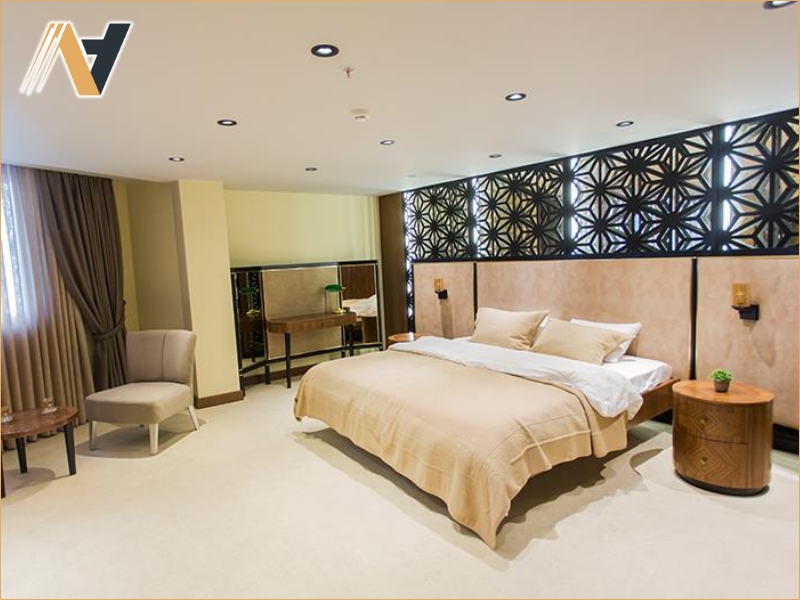
Beyond aesthetics, mockup serves as a rigorous technical rehearsal before a single item enters mass production. It exposes the inner logic of construction, revealing how materials respond to real conditions and how components connect over time. This verification protects the project from hidden weaknesses that could compromise durability and brand reputation.
3.1 Material and Construction Review
Every layer of a mockup tells a technical story. The core structure, joint techniques, surface treatment, and hardware selection are examined in detail to confirm their performance. Through this process, manufacturers can refine edge profiles, adjust veneer direction, or upgrade fittings so that each piece meets the demanding standards of high-end hospitality environments.
3.2 Identifying Potential Risks
Early detection of technical limitations prevents expensive corrections later. A mockup may reveal instability in a chair frame, sensitivity of a finish to cleaning chemicals, or difficulty in maintaining uniform color across large panels. Recognizing these issues at prototype stage allows the team to redesign intelligently, ensuring that the final production is reliable, safe, and consistent with the original vision.
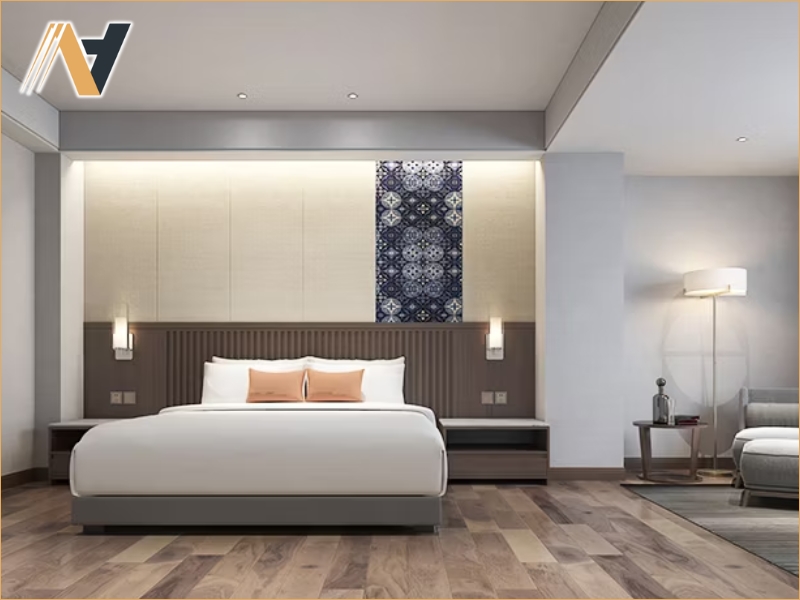
4. Cost Control and Project Efficiency
Mockup is not an additional expense but a strategic investment that protects the financial health of a hotel project. By confirming every detail before mass production, it prevents uncontrolled changes, material waste, and schedule disruption. This disciplined approach allows luxury interiors to be delivered with confidence rather than costly improvisation.
4.1 Reducing Rework Expenses
Corrections made after production begins are often multiplied across hundreds of items. Mockup concentrates all necessary adjustments into a single prototype, eliminating the need to modify entire batches later. This early refinement safeguards budgets and ensures that resources are spent on quality rather than on repairing avoidable mistakes.
4.2 Optimizing Production Workflow
A well-approved mockup becomes a reliable blueprint for the factory. It defines clear standards for cutting, assembly, and finishing, enabling production teams to work with precision and rhythm. With uncertainties removed, procurement can be planned accurately, lead times become predictable, and installation on site proceeds without interruption.
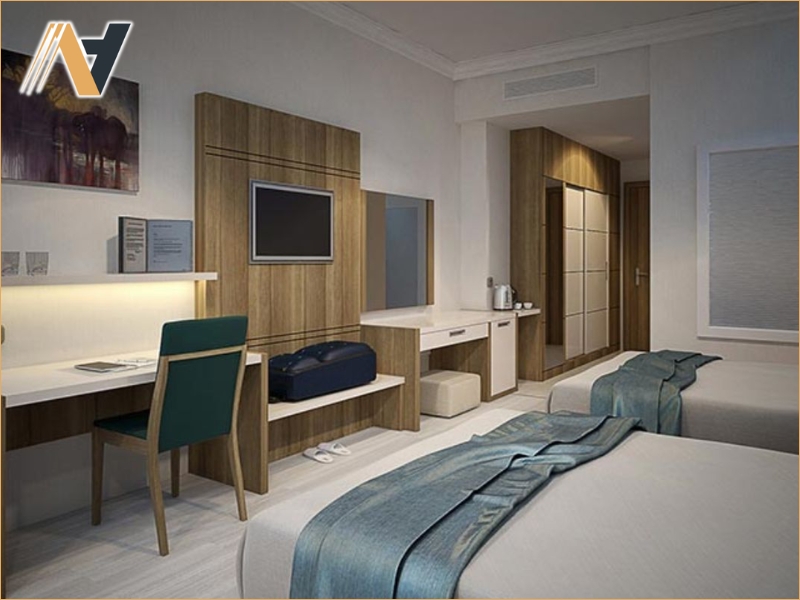
5. Enhancing Collaboration and Approval Process
Mockup becomes a meeting point where creative intention, operational expectation, and manufacturing capability converge. Instead of discussing abstract drawings, all stakeholders can evaluate a real object, speak the same visual language, and make confident decisions. This shared reference strengthens trust and accelerates the entire approval journey.
5.1 Clear Decision Making
When a physical sample stands before the team, choices become intuitive rather than theoretical. Owners can judge whether the furniture reflects the character of the brand, operators can assess practicality for daily use, and designers can refine subtle details. This clarity shortens discussion cycles and transforms subjective opinions into concrete agreements.
5.2 Establishing Quality Benchmark
The approved mockup evolves into a living standard for the whole project. It defines how stitching should appear, how lacquer should feel, and how joinery should be finished. Every item produced afterward is compared to this benchmark, ensuring that mass production preserves the elegance and integrity originally envisioned for the hotel interior.
.jpg)
Conclusion
Mockup is the decisive step that transforms hotel interior concepts into reliable reality. It protects design integrity, refines guest comfort, and secures technical excellence before mass production begins. Through careful evaluation and collaboration, Ngoc Hoang Anh ensures that every piece of furniture reflects the spirit of the property and the expectations of discerning travelers. Discover more about refined solutions in Vietnam hotel furniture to bring confidence and elegance to your next hospitality project.
Contact us today for expert consultation and bespoke hospitality furniture production.
-----
NGOC HOANG ANH TRADING COMPANY LIMITED
Tax Code: 3702874413
Address: No. 288/28/10 Huynh Van Luy Street, Zone 7, Phu Loi Ward, Ho Chi Minh City, Vietnam
Warehouse: No. 1/91, Thuan Giao 02 Street, Binh Thuan 2 Residential Quarter, Thuan Giao Ward, Ho Chi Minh City, Vietnam
Phone/Whatsapp/Wechat: +84342076666
Email: info@ngochoanganh.com.vn