Wall-Mounted vs Integrated TV Cabinets for Housekeeping Efficiency
Thứ 2, 05/01/2026
Administrator
274
Whether to choose a wall-mounted TV or a TV integrated within a cabinet is more than a design preference. For housekeeping teams, furniture configuration can influence cleaning speed, maintenance access, and overall room turnover efficiency. This article from Ngoc Hoang Anh explores which TV furniture solution is more optimal for housekeeping operations in hotels.
1. Understanding Wall-Mounted TV Furniture
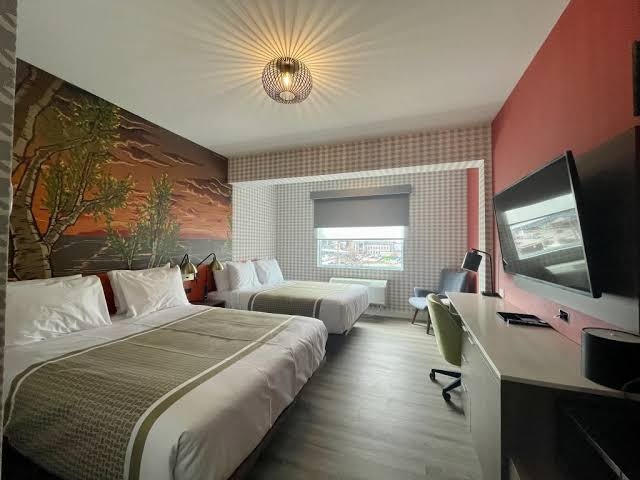
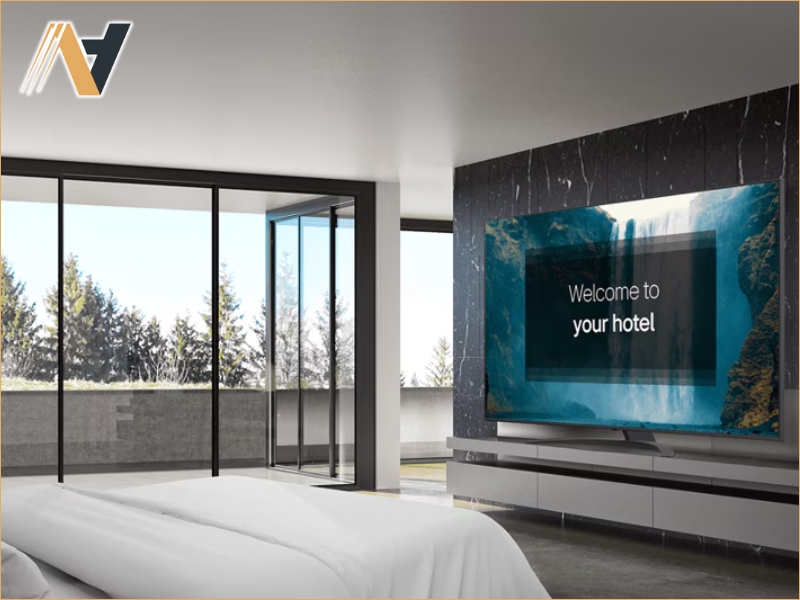
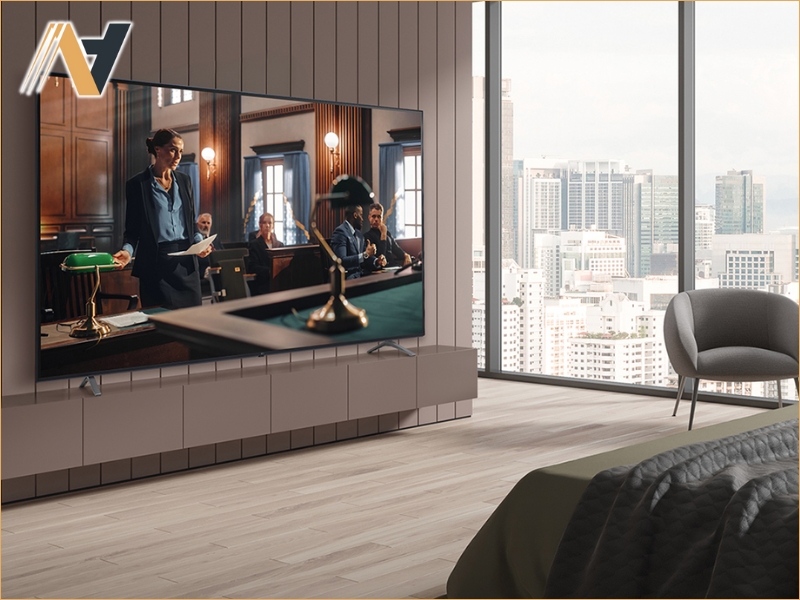
Wall-mounted TV furniture places the screen directly on the wall, typically above a slim console or without any floor-standing cabinet. This configuration prioritizes spatial openness and simplifies daily housekeeping workflows in hotel guestrooms.
1.1 Low Surface Footprint for Easy Floor Cleaning
With minimal furniture touching the floor, wall-mounted TV setups allow housekeeping staff to vacuum and mop efficiently. Reduced floor obstruction shortens cleaning time and improves overall room turnover speed.
1.2 Minimal Dust Accumulation Zones
Wall-mounted designs limit horizontal surfaces where dust can settle. Fewer ledges and recesses mean less frequent dusting, helping rooms maintain a cleaner appearance between servicing cycles.
1.3 Quick Access Around Furniture Edges
Clear space around the TV area enables staff to clean wall corners and skirting boards easily. This accessibility reduces missed spots and supports consistent cleanliness standards across guestrooms.
2. Understanding Integrated TV Cabinets
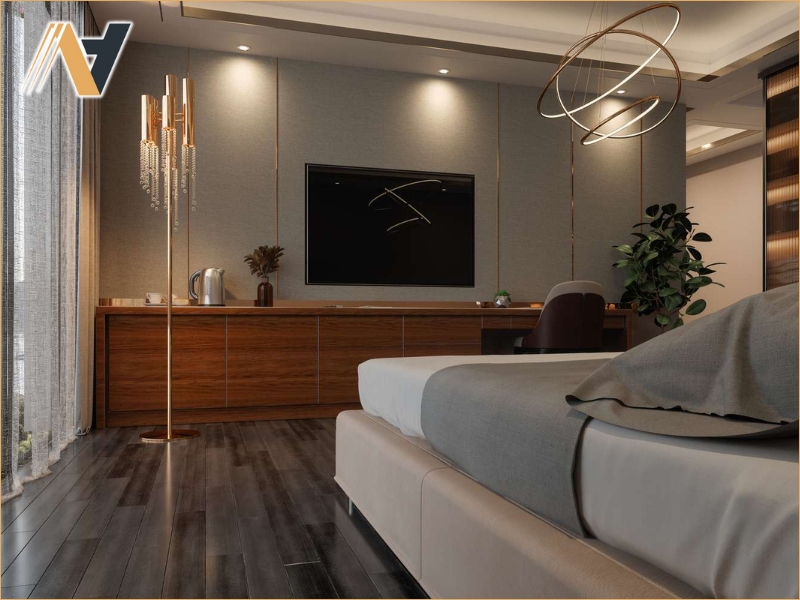
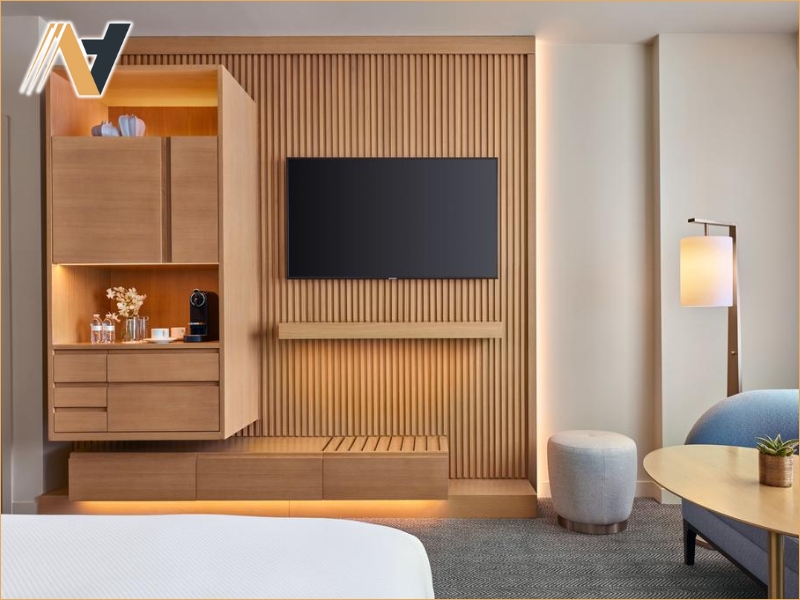
Integrated TV cabinets combine the television with surrounding casegoods, forming a single furniture unit. While this approach supports storage and visual cohesion, it introduces additional considerations for daily housekeeping operations.
2.1 Built-In Storage and Visual Organization
Integrated cabinets offer enclosed storage for minibar items, drawers, or shelves, helping maintain a visually tidy room. This organization can reduce visible clutter but requires careful internal layout planning.
2.2 Increased Surface Area for Dust and Polishing
Compared to wall-mounted setups, integrated cabinets create more horizontal and vertical surfaces. These areas demand additional dusting and polishing time during daily housekeeping routines.
2.3 Accessibility Challenges for Cleaning and Maintenance
Tight gaps, enclosed corners, and recessed panels can make cleaning more time-consuming. Housekeeping teams may need extra effort to reach hidden areas behind or within the cabinet structure.

3. Housekeeping Workflow and Time Efficiency
Housekeeping efficiency is directly influenced by how furniture shapes cleaning routes and task sequencing. TV furniture configuration can either streamline daily workflows or introduce friction that slows room turnover.
3.1 Cleaning Pathway Around Wall-Mounted Units
Wall-mounted TV setups create clearer cleaning paths around walls and floors. Housekeeping staff can complete vacuuming and surface wiping in a single flow, reducing backtracking and saving time per room.
3.2 Time Costs of Dusting Integrated Cabinets
Integrated TV cabinets require multiple cleaning steps across shelves, panels, and recesses. These additional touchpoints increase servicing time, particularly in hotels with high occupancy and fast turnover requirements.
3.3 Impact on Room Turnover Speed
When multiplied across dozens or hundreds of rooms, small differences in cleaning time become operationally significant. Furniture solutions that simplify housekeeping routines support faster room readiness and more efficient staffing allocation.
4. Maintenance and Repair Access
Beyond daily cleaning, TV furniture design affects how easily technical teams can service equipment. Accessibility for maintenance plays an important role in minimizing downtime and protecting finishes.
4.1 Ease of Access with Wall-Mounted Configurations
Wall-mounted TVs typically allow straightforward access to wiring, brackets, and ports. Technicians can service or replace units quickly without dismantling surrounding furniture or disturbing adjacent finishes.
4.2 Panel Removal and Repair in Integrated Cabinets
Integrated TV cabinets often require panel removal to access cables or mounting hardware. This process takes more time and increases the risk of surface damage during repeated maintenance interventions.
4.3 Coordination with Electrical and AV Systems
Well-designed furniture must align with electrical and AV layouts. Wall-mounted solutions generally offer simpler coordination, while integrated cabinets demand precise planning to avoid complex disassembly during repairs.
5. Durability and Long-Term Operational Considerations
Beyond housekeeping speed and maintenance access, TV furniture selection influences long-term durability and operational cost. The way furniture ages under daily use affects refurbishment cycles and overall asset performance.
5.1 Structural Stress and Mounting Support
Wall-mounted TVs rely on wall integrity and proper anchoring to remain stable over time. Integrated cabinets distribute load through their structure but may experience wear at joints and panels under frequent contact.
5.2 Wear Patterns Around Surfaces and Edges
Integrated cabinets are more exposed to repeated touch, impact, and cleaning abrasion. Wall-mounted solutions reduce contact points, helping surfaces maintain appearance longer in high-traffic guestrooms.
5.3 Compatibility with Renovation and Refurbishment Cycles
Hotels often update technology faster than furniture. Wall-mounted configurations allow easier TV replacement without altering casegoods, while integrated cabinets may require partial reconstruction during upgrades.
Conclusion
Choosing between wall-mounted TV units and integrated TV cabinets has a direct impact on housekeeping efficiency, maintenance access, and long-term operational performance. Wall-mounted solutions generally support faster cleaning, easier access, and simpler technology upgrades, while integrated cabinets offer stronger visual structure but introduce added complexity in daily servicing.
By aligning TV furniture design with housekeeping workflows and long-term maintenance planning, hotels can reduce operational friction and protect room quality over time. With experience in developing practical and durable Vietnam hotel furniture, Ngoc Hoang Anh supports hotels in selecting TV furniture solutions that balance design intent with real operational efficiency.
Contact us today for expert consultation and bespoke hospitality furniture production.
-----
NGOC HOANG ANH TRADING COMPANY LIMITED
Tax Code: 3702874413
Address: No. 288/28/10 Huynh Van Luy Street, Zone 7, Phu Loi Ward, Ho Chi Minh City, Vietnam
Warehouse: No. 1/91, Thuan Giao 02 Street, Binh Thuan 2 Residential Quarter, Thuan Giao Ward, Ho Chi Minh City, Vietnam
Phone/Whatsapp/Wechat: +84342076666
Email: info@ngochoanganh.com.vn