Modular Furniture Trends in Modern Hotel Design
Thứ 4, 15/07/2026
Administrator
195
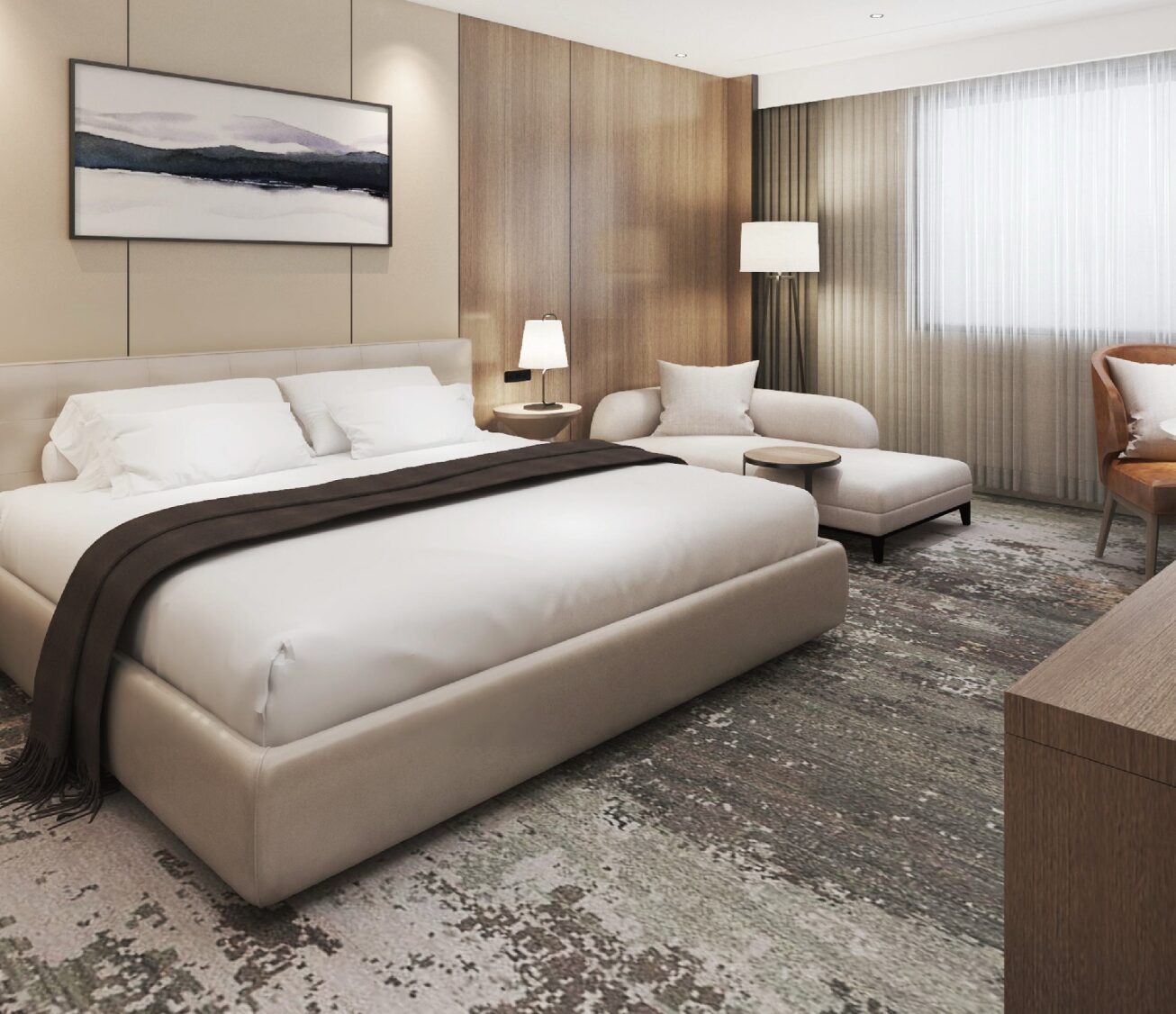
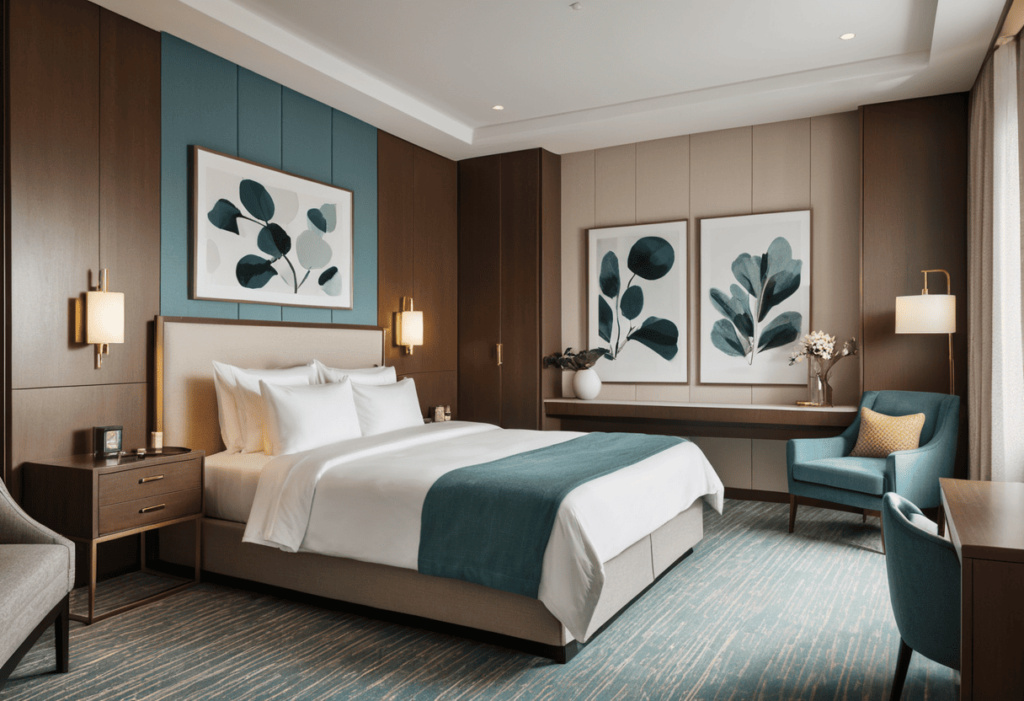
Modular furniture is becoming a key trend in modern hotel design, offering flexibility, efficiency, and adaptability for dynamic hospitality environments. In this article, Ngoc Hoang Anh explores how modular systems are transforming hotel interiors into more functional and customizable spaces.
1. Understanding Modular Furniture in Hospitality Design
Modular furniture is a modern design approach that uses flexible, interchangeable components to create adaptable interior solutions for hotel environments. Instead of fixed layouts, modular systems allow spaces to be easily reconfigured based on operational needs, guest preferences, and room functions, making them highly suitable for contemporary hospitality design.
1.1 Definition and core characteristics of modular furniture
Modular furniture consists of individual units that can be combined, separated, or rearranged to form different configurations. These systems are designed with standardized dimensions and connectors, allowing hotels to adjust layouts efficiently while maintaining consistency in style, function, and structural stability.
1.2 Why modular design fits modern hotel operations
Hotels today require high flexibility due to changing guest demands, seasonal occupancy variations, and multifunctional space usage. Modular furniture supports these needs by enabling quick room adjustments, easier maintenance, and improved operational efficiency without requiring full furniture replacement.
1.3 Differences between modular and traditional furniture
Unlike traditional fixed furniture, modular systems are designed for adaptability and long-term usability. Traditional pieces often serve a single purpose and are difficult to modify, while modular furniture can evolve with space requirements, offering greater cost efficiency and design flexibility over time.
2. Key Benefits of Modular Furniture in Hotels
Modular furniture brings significant advantages to modern hotel design by combining flexibility, efficiency, and long-term value. These systems allow hotels to optimize interior layouts while maintaining a consistent aesthetic and improving overall operational performance in fast-changing hospitality environments.
2.1 Space optimization and functional flexibility
Modular furniture helps hotels make better use of available space by allowing rooms and public areas to be reconfigured based on specific needs. Whether adapting a guest room layout or adjusting a lounge area, modular systems maximize functionality without overcrowding the interior.
2.2 Cost efficiency and long-term investment value
Instead of replacing entire furniture sets, hotels can upgrade or modify individual modules as needed. This reduces renovation costs, extends product lifespan, and provides a more sustainable investment model that supports long-term financial efficiency.
2.3 Easy maintenance and component replacement
One of the strongest advantages of modular furniture is the ability to replace or repair individual parts without affecting the entire structure. This simplifies maintenance processes, reduces downtime in hotel operations, and ensures interiors remain consistently well-maintained.
3. Popular Modular Furniture Applications in Hotels
Modular furniture is increasingly applied across different areas of hotel design, offering flexibility in layout, improved space utilization, and a consistent aesthetic experience. Its adaptability makes it suitable for both guest-facing spaces and operational areas, supporting the evolving demands of modern hospitality environments.
3.1 Modular seating and lounge systems
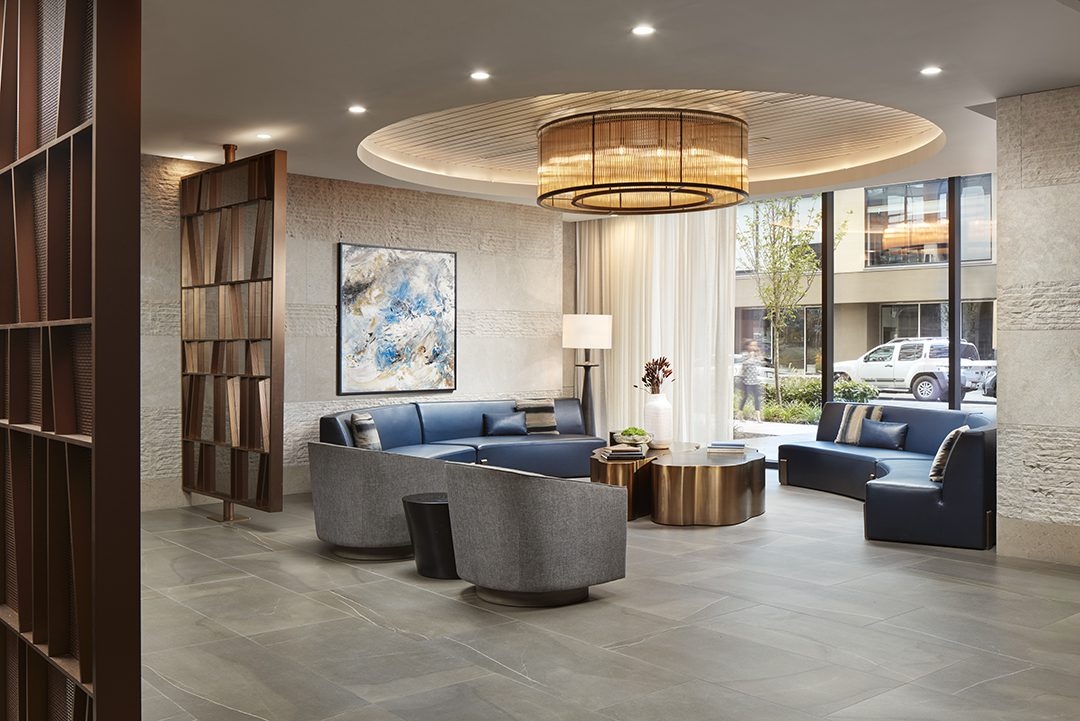
In hotel lobbies, lounges, and waiting areas, modular seating systems allow flexible arrangements that can be expanded or reconfigured based on guest traffic and event requirements. These systems help maintain comfort while ensuring the space can adapt easily to different occupancy levels and functional needs.
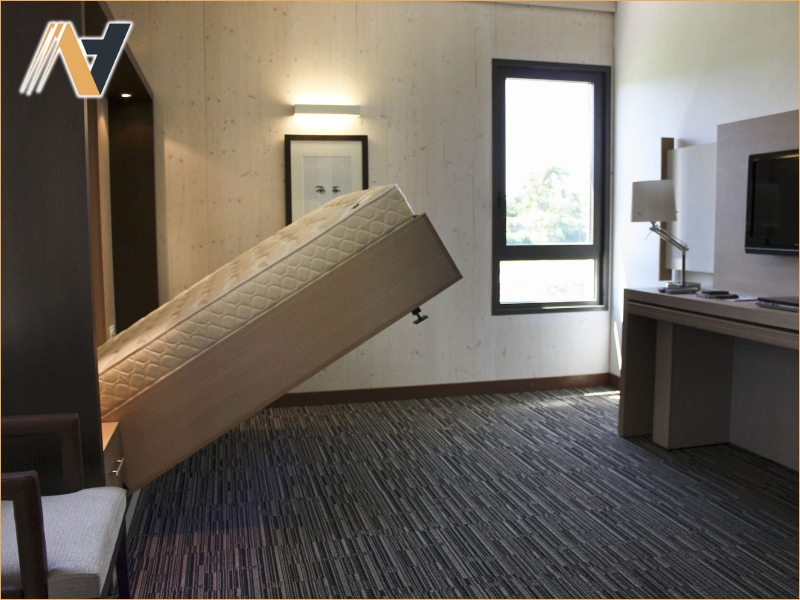
3.2 Modular guest room furniture setups
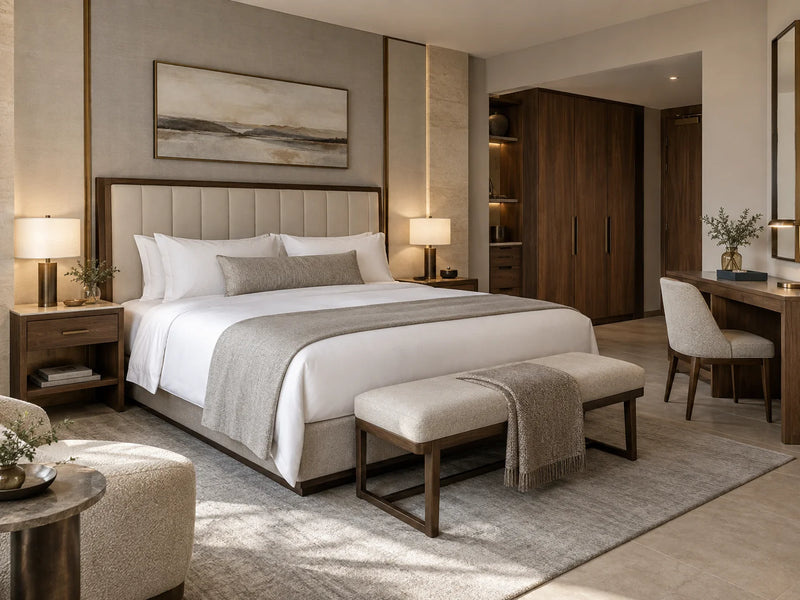
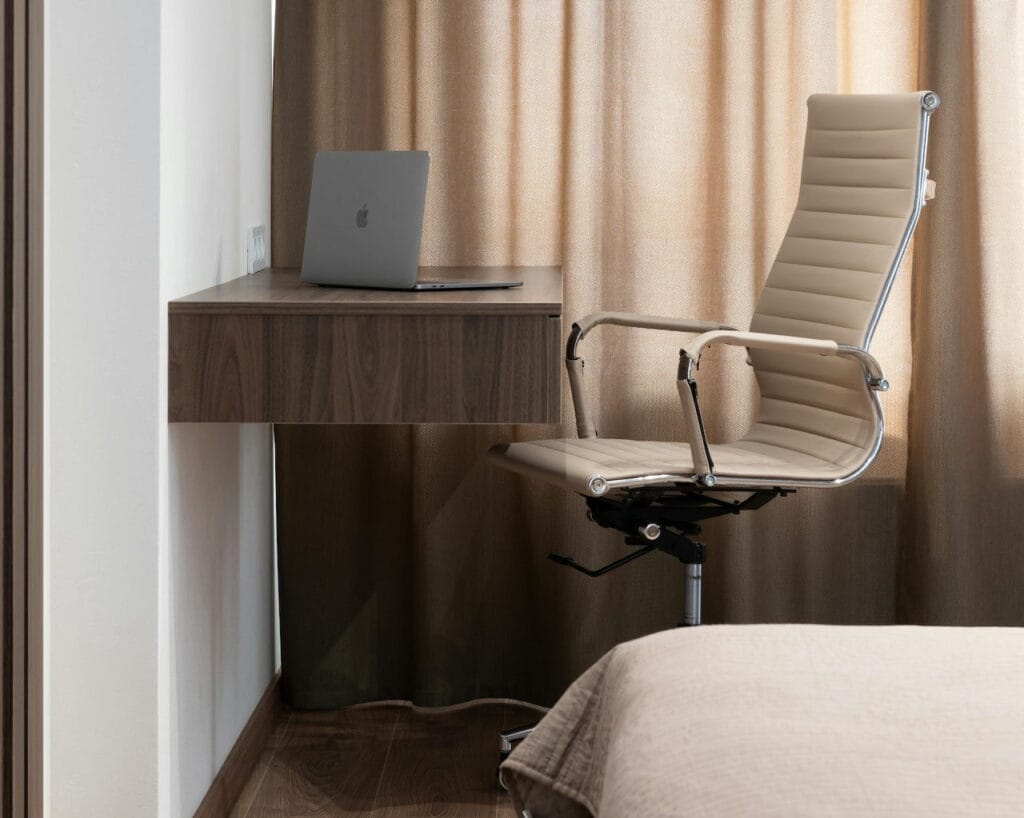
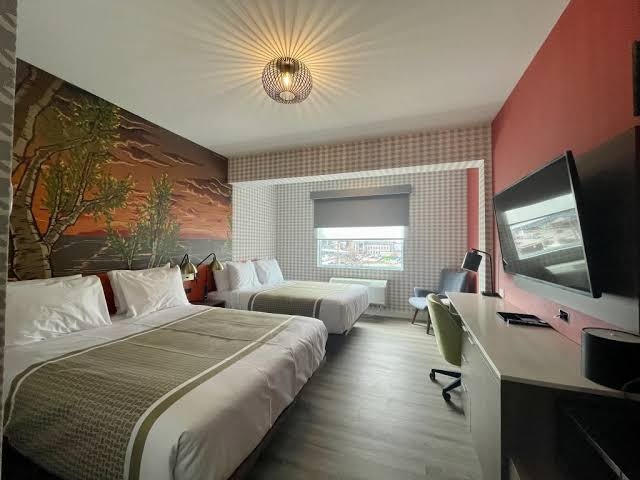
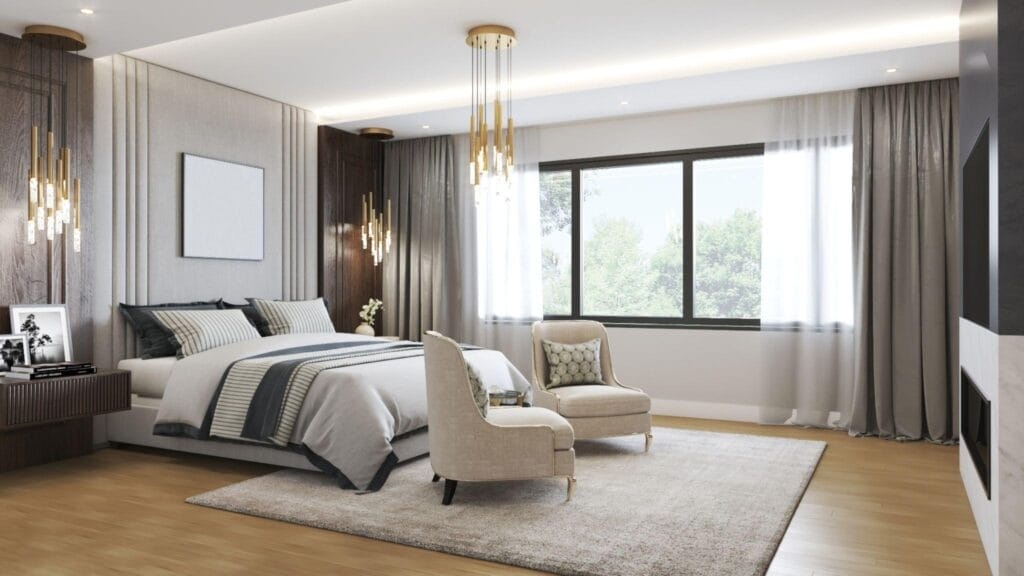
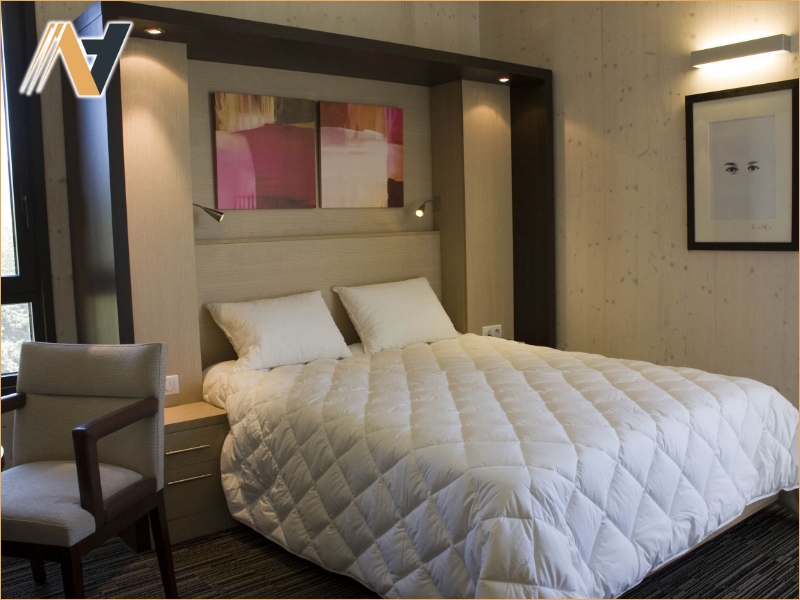
Guest rooms benefit greatly from modular solutions such as adaptable bed systems, movable desks, and reconfigurable storage units. These elements allow hotels to optimize room layouts for different guest types, improving functionality without compromising comfort or visual harmony.
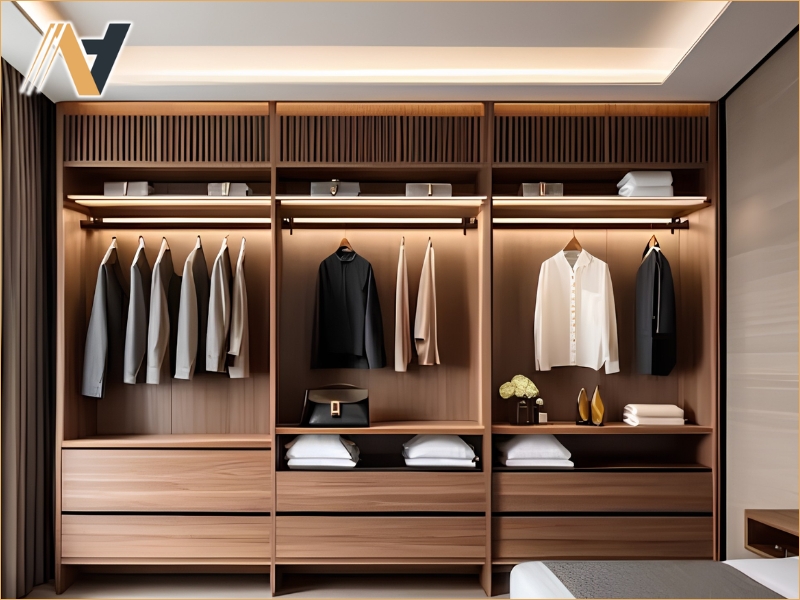
3.3 Modular storage and cabinetry solutions
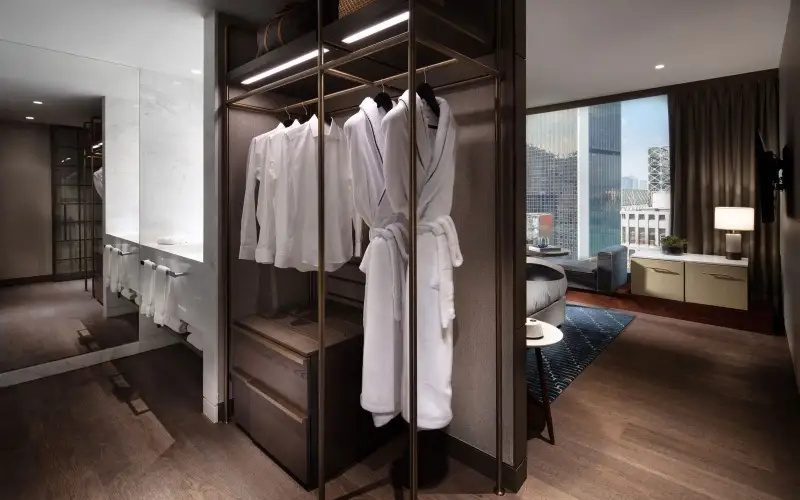
Storage plays a key role in hotel room efficiency, and modular cabinetry offers customizable configurations that fit various room sizes. These systems help maximize storage capacity while maintaining a clean, organized interior appearance that aligns with modern hospitality design standards.
4. Design Trends Driving Modular Furniture Adoption
The growing adoption of modular furniture in hotel design is strongly influenced by evolving hospitality trends that prioritize flexibility, sustainability, and smart functionality. As hotels aim to create more adaptive and guest-centric environments, modular systems are becoming an essential part of modern interior strategies.
4.1 Minimalist and flexible interior concepts
Minimalist design emphasizes simplicity, open space, and functional clarity, making it a natural fit for modular furniture. By reducing unnecessary visual clutter and focusing on adaptable pieces, hotels can create clean, elegant interiors that easily adjust to different operational needs without requiring major redesigns.
4.2 Sustainable and circular design approaches
Sustainability has become a key focus in hospitality, and modular furniture supports this by reducing waste and extending product lifecycle. Instead of replacing entire furniture sets, individual modules can be reused, repaired, or reconfigured, helping hotels minimize environmental impact while maintaining design consistency.
4.3 Smart integration with hotel technology
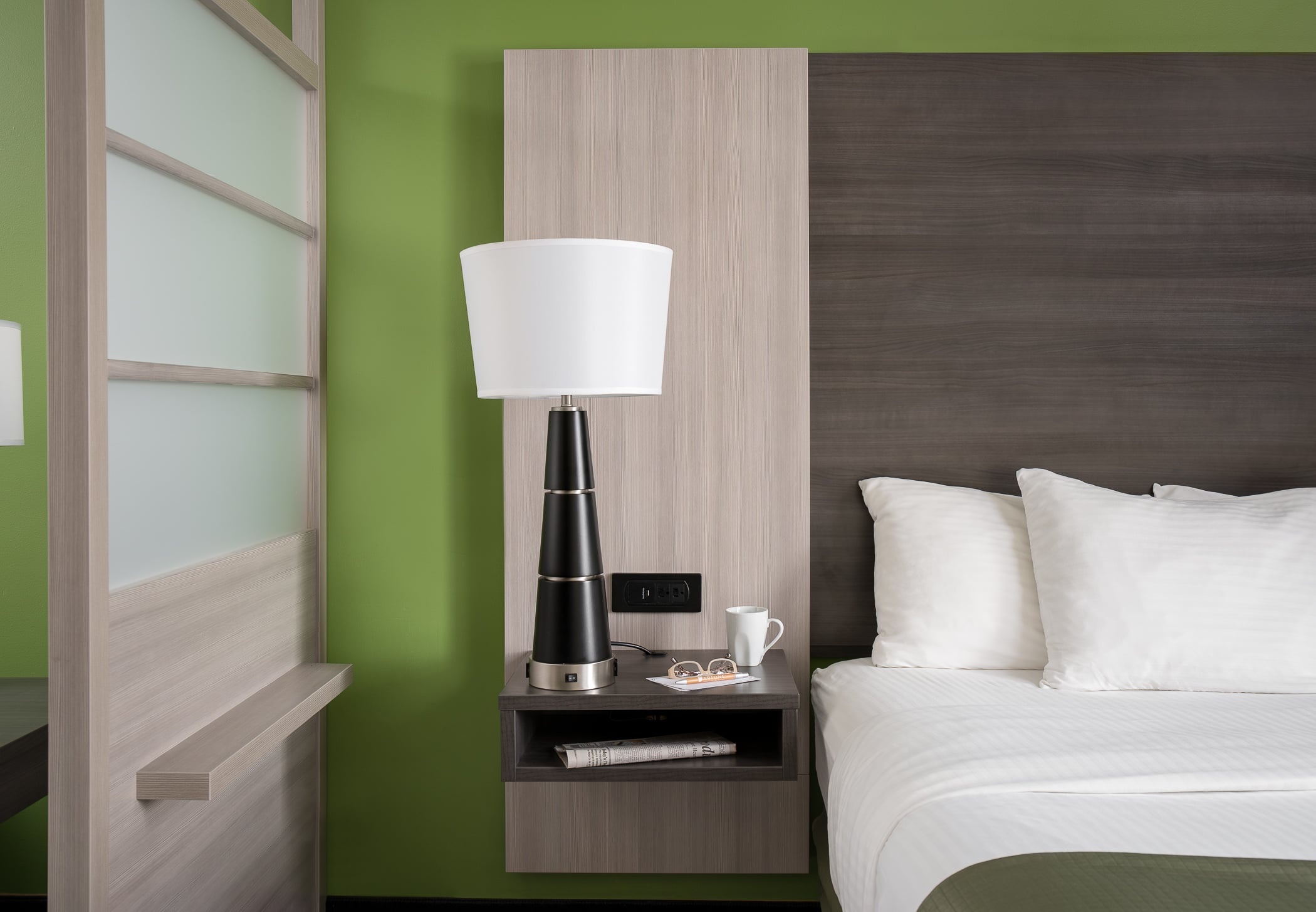
Modern modular systems are increasingly designed to integrate with smart hotel technologies such as built-in charging stations, lighting controls, and digital connectivity features. This combination enhances guest convenience while aligning furniture design with the expectations of tech-savvy travelers.
.jpg)
5. Challenges in Implementing Modular Furniture Systems
Although modular furniture offers significant advantages in flexibility and efficiency, its implementation in hotel projects also comes with certain challenges. These factors must be carefully managed to ensure that modular systems deliver both functional performance and long-term design value in hospitality environments.
5.1 Initial design complexity and planning requirements
Modular furniture requires detailed planning from the early design stage to ensure compatibility, stability, and seamless integration within the overall interior concept. Without precise coordination, the system may lose flexibility or create inconsistencies in layout and functionality.
5.2 Quality consistency across all modules
Maintaining uniform quality across different modules is essential for ensuring durability and visual harmony. Variations in materials, finishes, or manufacturing standards can disrupt the overall aesthetic and reduce the perceived quality of the hotel interior.
5.3 Integration with existing hotel structures
Retrofitting modular systems into existing hotel spaces can be challenging due to fixed architectural elements and limited spatial flexibility. In such cases, careful adjustments are required to align modular components with structural constraints while still achieving functional and aesthetic goals.
Conclusion
Modular furniture is shaping the future of modern hotel design by offering flexibility, efficiency, and long-term adaptability in dynamic hospitality environments. When applied correctly, it helps hotels optimize space usage, reduce operational costs, and maintain a consistent, contemporary aesthetic across all areas.
For hospitality projects seeking reliable and customized solutions, Ngoc Hoang Anh provides premium Vietnam hotel furniture OEM services, delivering modular furniture systems tailored to meet modern hotel standards and evolving design requirements.
Contact us today for expert consultation and bespoke hospitality furniture production.
-----
NGOC HOANG ANH TRADING COMPANY LIMITED
Tax Code: 3702874413
Address: No. 288/28/10 Huynh Van Luy Street, Zone 7, Phu Loi Ward, Ho Chi Minh City, Vietnam
Warehouse: No. 1/91, Thuan Giao 02 Street, Binh Thuan 2 Residential Quarter, Thuan Giao Ward, Ho Chi Minh City, Vietnam
Phone/Whatsapp/Wechat: +84342076666
Email: info@ngochoanganh.com.vn