Metal Legs vs Wooden Legs for Hotel Tables: Which Reduces Wobbling Better?
Thứ 7, 10/01/2026
Administrator
296
Table wobbling is a common yet underestimated issue in hotel guestrooms, restaurants, and public areas. The choice between metal and wooden table legs directly affects stability, durability, and long-term guest experience. This article from Ngoc Hoang Anh examines which table leg structure better limits wobbling in hotel environments.
1. Why Table Stability Matters in Hotel Operations
In hotel environments, table stability directly influences guest comfort, safety, and overall perception of quality. Even slight wobbling can undermine the sense of refinement expected in hospitality spaces and lead to frequent operational complaints.
1.1 Guest Perception and Functional Comfort
Guests immediately notice unstable tables when placing drinks, working, or dining. A wobbling table creates discomfort and reduces confidence in the quality of the furniture, affecting overall room or venue satisfaction.
1.2 Safety and Noise Issues Caused by Wobbling
Unstable tables can shift unexpectedly, increasing the risk of spills or minor accidents. Repeated movement also generates noise, which is particularly disruptive in quiet guestroom or dining environments.
1.3 Impact on Furniture Lifespan and Maintenance
Continuous wobbling places uneven stress on joints and fasteners, accelerating wear and increasing maintenance needs. Over time, this instability shortens the usable life of hotel tables and raises replacement costs.
2. Structural Characteristics of Metal Table Legs
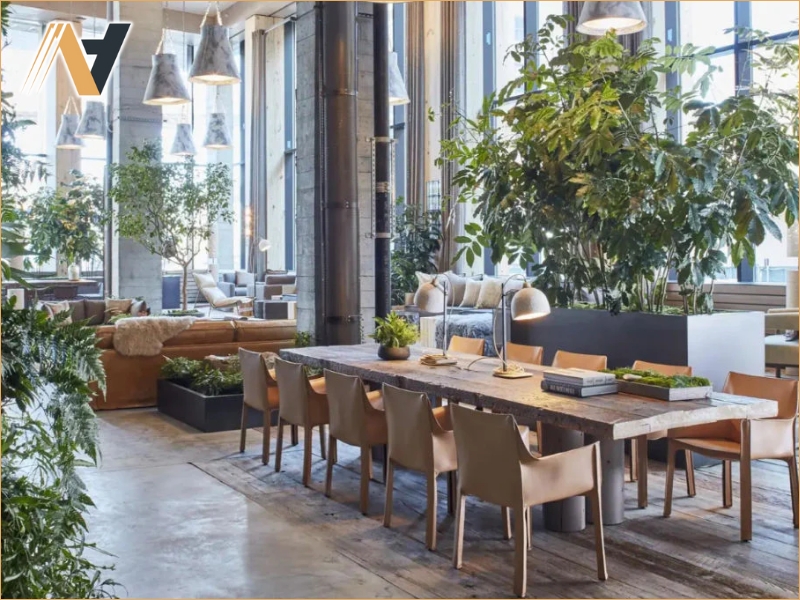
Metal table legs are widely used in hotel furniture due to their strength, consistency, and modern appearance. When properly engineered, they can provide excellent stability, but their performance depends heavily on design execution.
2.1 Material Rigidity and Load Resistance
Steel and aluminum legs offer high rigidity, allowing them to support heavy tabletops without excessive flexing. This rigidity helps maintain table level under normal guest use and reduces deformation over time.
2.2 Precision Manufacturing and Uniform Geometry
Metal components are typically produced with high dimensional accuracy. Consistent geometry across legs improves balance and alignment, reducing the likelihood of uneven load distribution that can cause wobbling.
2.3 Common Causes of Vibration in Metal Structures
Despite their strength, metal legs can transmit vibration if joints are not properly reinforced. Thin profiles, insufficient cross-bracing, or loose fasteners may amplify movement rather than absorb it.
3. Structural Characteristics of Wooden Table Legs
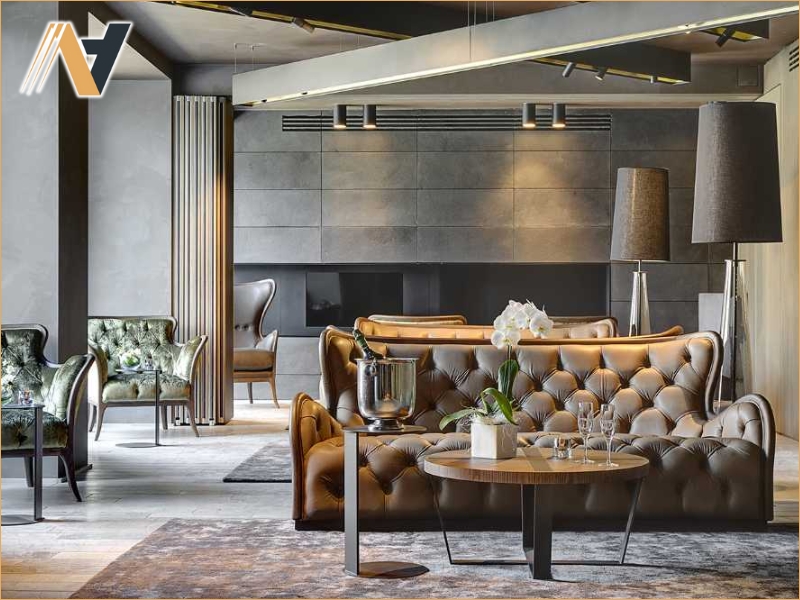
Wooden table legs remain a popular choice in hotel furniture for their warmth and tactile quality. From a structural perspective, their ability to reduce wobbling depends on mass, joinery, and material stability.
3.1 Natural Mass and Vibration Absorption
Solid wood legs typically have greater mass than metal profiles, allowing them to absorb vibration more effectively. This mass helps dampen minor movements and can reduce the sensation of wobbling on uneven floors.
3.2 Joint Construction and Wood Density Factors
The stability of wooden legs depends heavily on wood density and joint design. High-density hardwoods combined with deep mortise-and-tenon or reinforced joints provide strong resistance to loosening over time.
3.3 Sensitivity to Humidity and Floor Conditions
Wood naturally responds to changes in humidity and temperature. Without proper conditioning and sealing, wooden legs may shrink or swell, affecting level alignment and potentially contributing to long-term instability.
4. Comparing Wobble Behavior Under Real Hotel Use
The true difference between metal and wooden table legs becomes clear under real hotel operating conditions. Daily guest interaction, uneven flooring, and frequent movement reveal how each structure responds to instability over time.
4.1 Response to Uneven Flooring
Hotels rarely have perfectly level floors, especially in older properties or renovated spaces. Wooden legs, with their natural mass and tolerance, tend to adapt better to minor floor inconsistencies, while metal legs require precise leveling solutions to avoid noticeable wobbling.
4.2 Lateral Stability During Guest Interaction
Guests often lean on tables, rest arms on edges, or shift weight unevenly. Wooden legs absorb lateral forces more gradually, whereas metal legs may transmit movement if the frame lacks adequate cross-bracing or rigidity at connection points.
4.3 Long-Term Stability Over Repeated Use
Over time, repeated micro-movements expose structural weaknesses. Poorly reinforced metal frames may loosen at joints, while inadequately treated wooden legs can warp. Proper engineering, rather than material alone, ultimately determines long-term stability.
5. Design and Engineering Factors Beyond Material Choice
While the choice between metal and wooden legs is important, table stability in hotels is ultimately determined by overall structural design. Engineering details often play a greater role in preventing wobbling than material selection alone.
5.1 Leg Geometry and Base Width
Wider leg spacing and well-proportioned geometry improve load distribution and reduce tipping forces. Tables with narrow bases or poorly balanced proportions are more prone to wobbling regardless of whether the legs are metal or wood.
5.2 Cross-Bracing and Structural Reinforcement
Cross-bracing, apron frames, or internal reinforcement significantly increase lateral stability. These elements help distribute stress across the entire structure, minimizing movement caused by guest interaction or floor irregularities.
5.3 Adjustable Glides and Floor Interface Design
Adjustable glides are essential in hotel environments where floors are rarely perfectly level. Properly specified glides allow precise leveling on site, preventing wobble and protecting both the table structure and flooring over time.
Conclusion
Table stability in hotel environments depends on more than whether legs are made of metal or wood. While metal legs offer rigidity and precision, wooden legs provide mass and natural vibration absorption. The key to minimizing wobbling lies in how these materials are engineered through geometry, joint reinforcement, and thoughtful interface with real flooring conditions.
For hotels seeking stable, durable, and well-balanced table solutions, Ngoc Hoang Anh delivers premium Vietnam hotel furniture engineered specifically for hospitality use. By combining material expertise with structural design and on-site adaptability, each table is built to perform reliably throughout its service life.
Contact us today for expert consultation and bespoke hospitality furniture production.
-----
NGOC HOANG ANH TRADING COMPANY LIMITED
Tax Code: 3702874413
Address: No. 288/28/10 Huynh Van Luy Street, Zone 7, Phu Loi Ward, Ho Chi Minh City, Vietnam
Warehouse: No. 1/91, Thuan Giao 02 Street, Binh Thuan 2 Residential Quarter, Thuan Giao Ward, Ho Chi Minh City, Vietnam
Phone/Whatsapp/Wechat: +84342076666
Email: info@ngochoanganh.com.vn