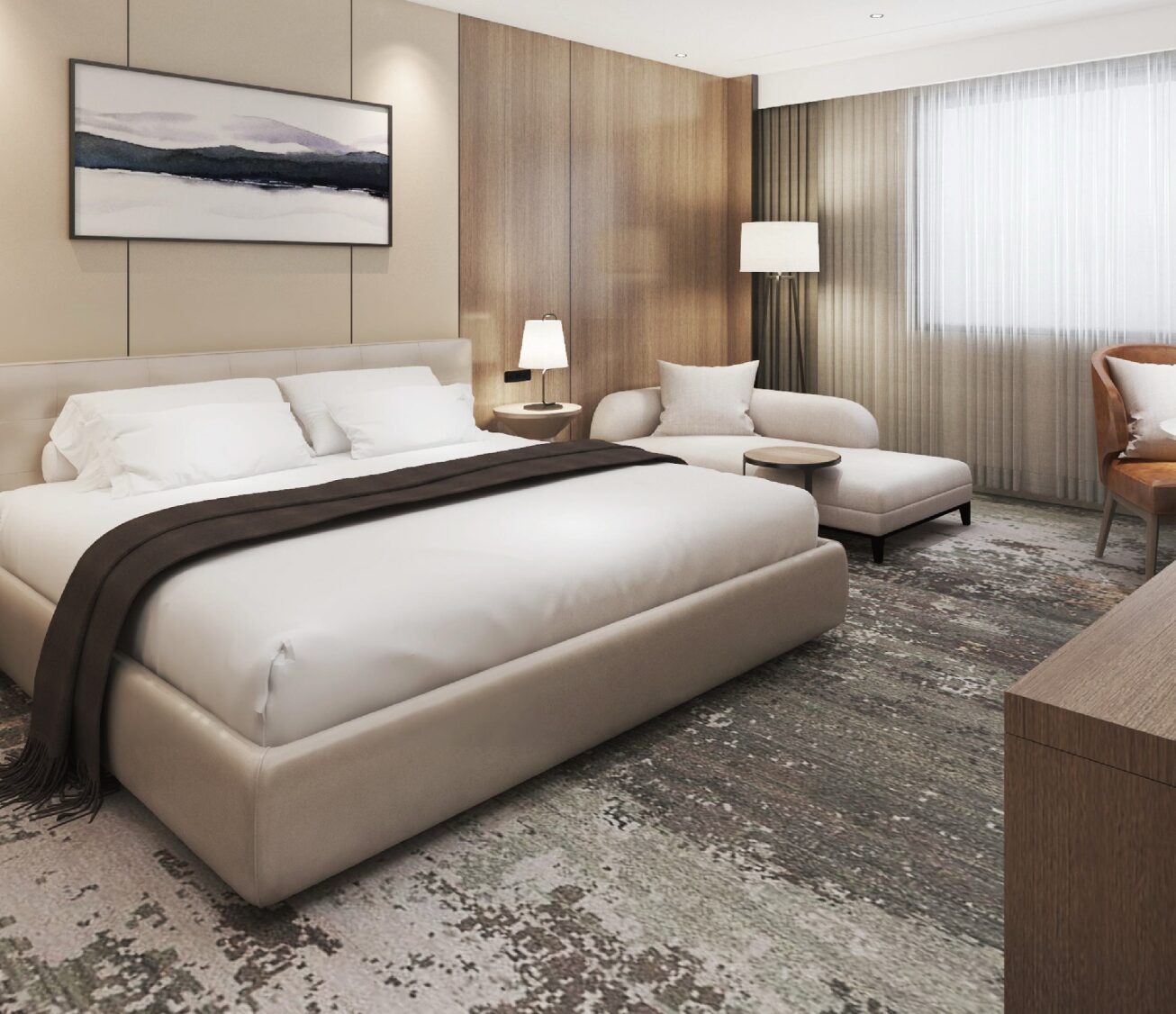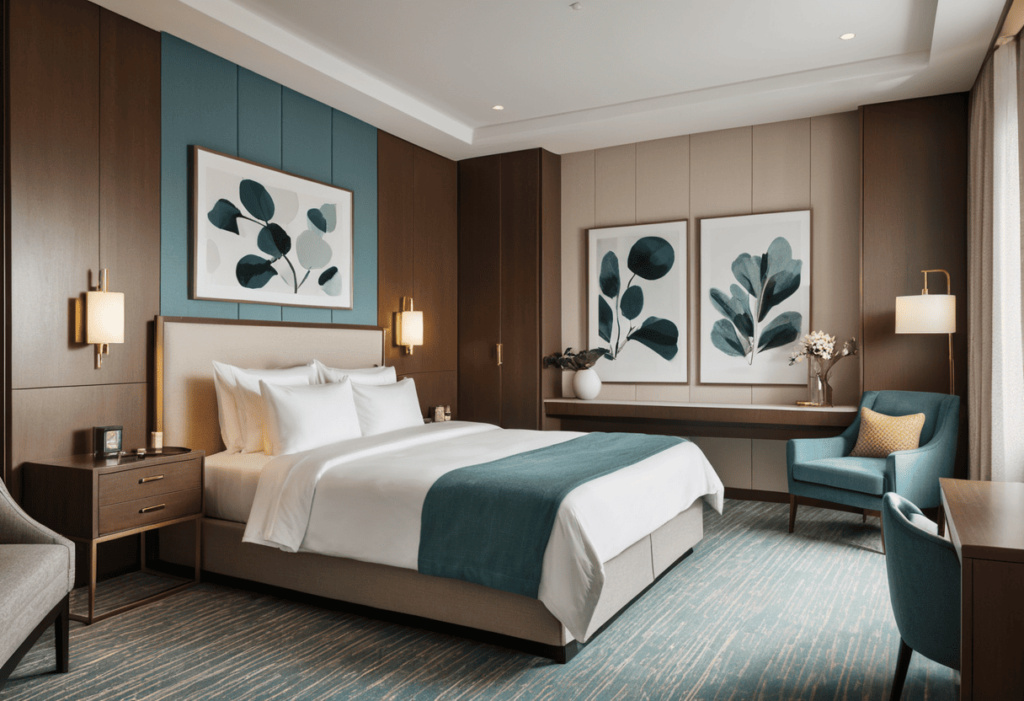
Luxury Hotel Interior vs Standard Hotel Interior: What’s the Difference?
Thứ 4, 15/04/2026
Administrator
307
Hotel interiors vary significantly depending on the level of service and positioning. While standard hotels focus on functionality and cost efficiency, luxury hotels prioritize experience, exclusivity, and refined aesthetics. These differences are reflected in materials, design details, furniture quality, and overall guest perception. In this article, Ngoc Hoang Anh explores what truly separates luxury hotel interiors from standard hotel designs.
1. Material Quality and Finishing Standards
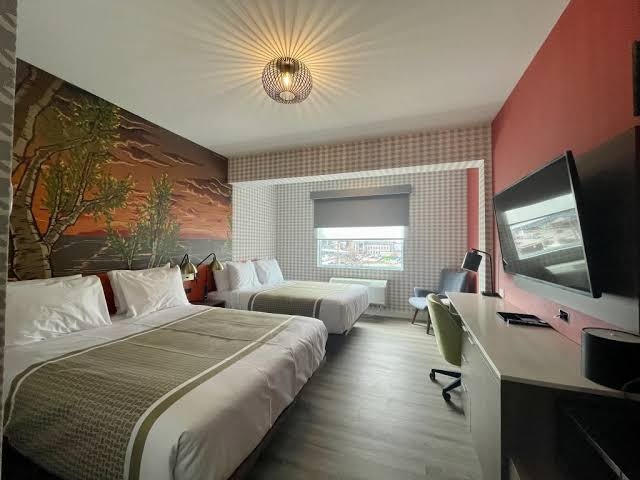
One of the most significant differences between luxury hotels and standard hotels lies in the quality of materials and finishing. Luxury hotel interiors prioritize premium materials, precise craftsmanship, and long-lasting durability, while standard hotels often focus on cost efficiency and basic functionality. This difference strongly influences both visual perception and guest experience.
1.1 Luxury hotels use premium and natural materials
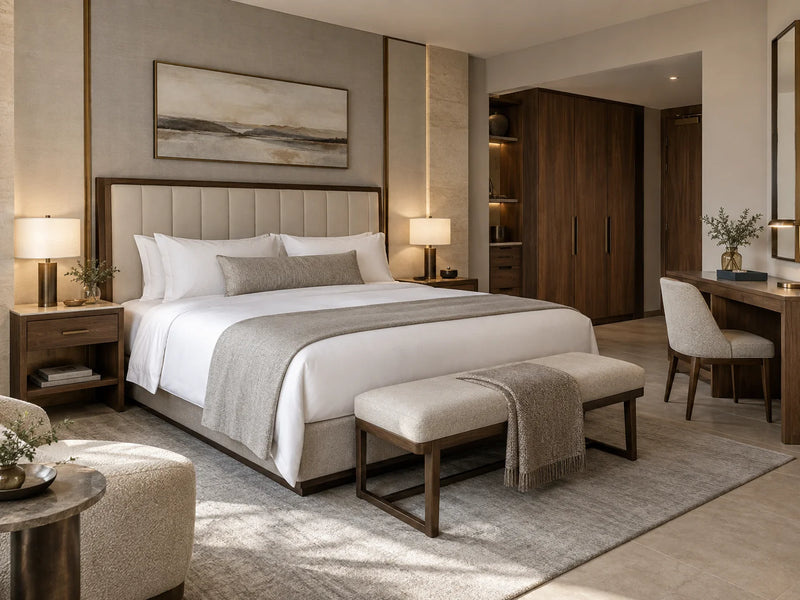
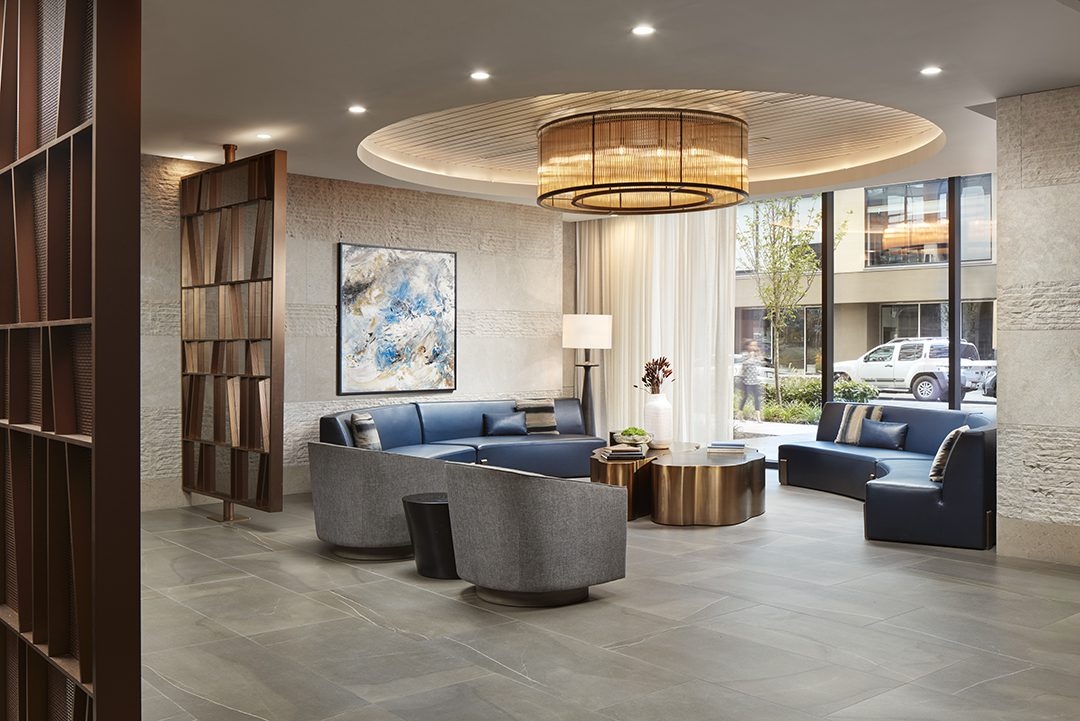
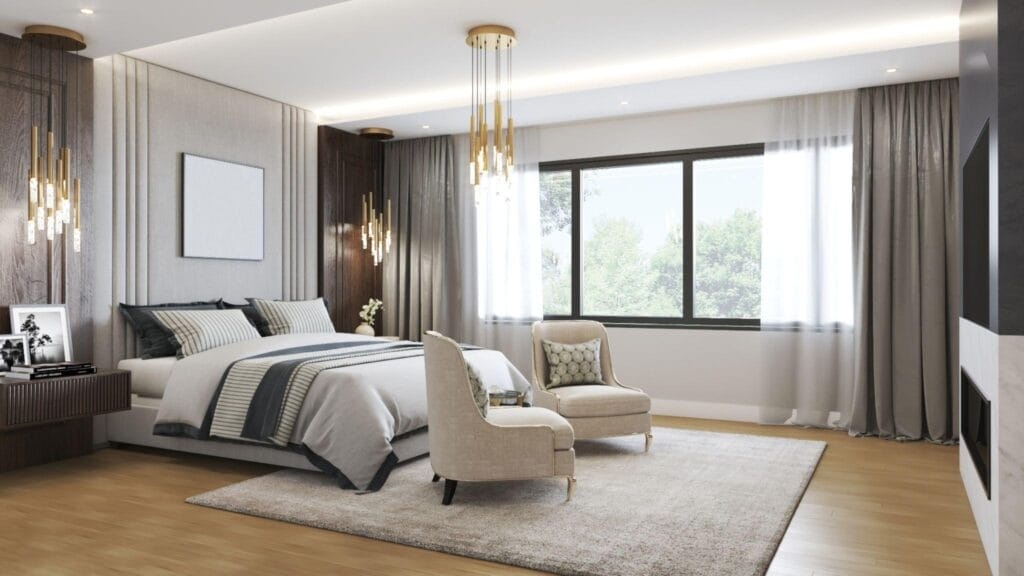
Luxury hotels typically use high-end materials such as natural wood, marble, leather, and high-grade fabrics. These materials not only enhance aesthetics but also provide a more refined and comfortable tactile experience for guests, reinforcing a sense of exclusivity and sophistication.
1.2 Standard hotels prioritize cost-effective solutions
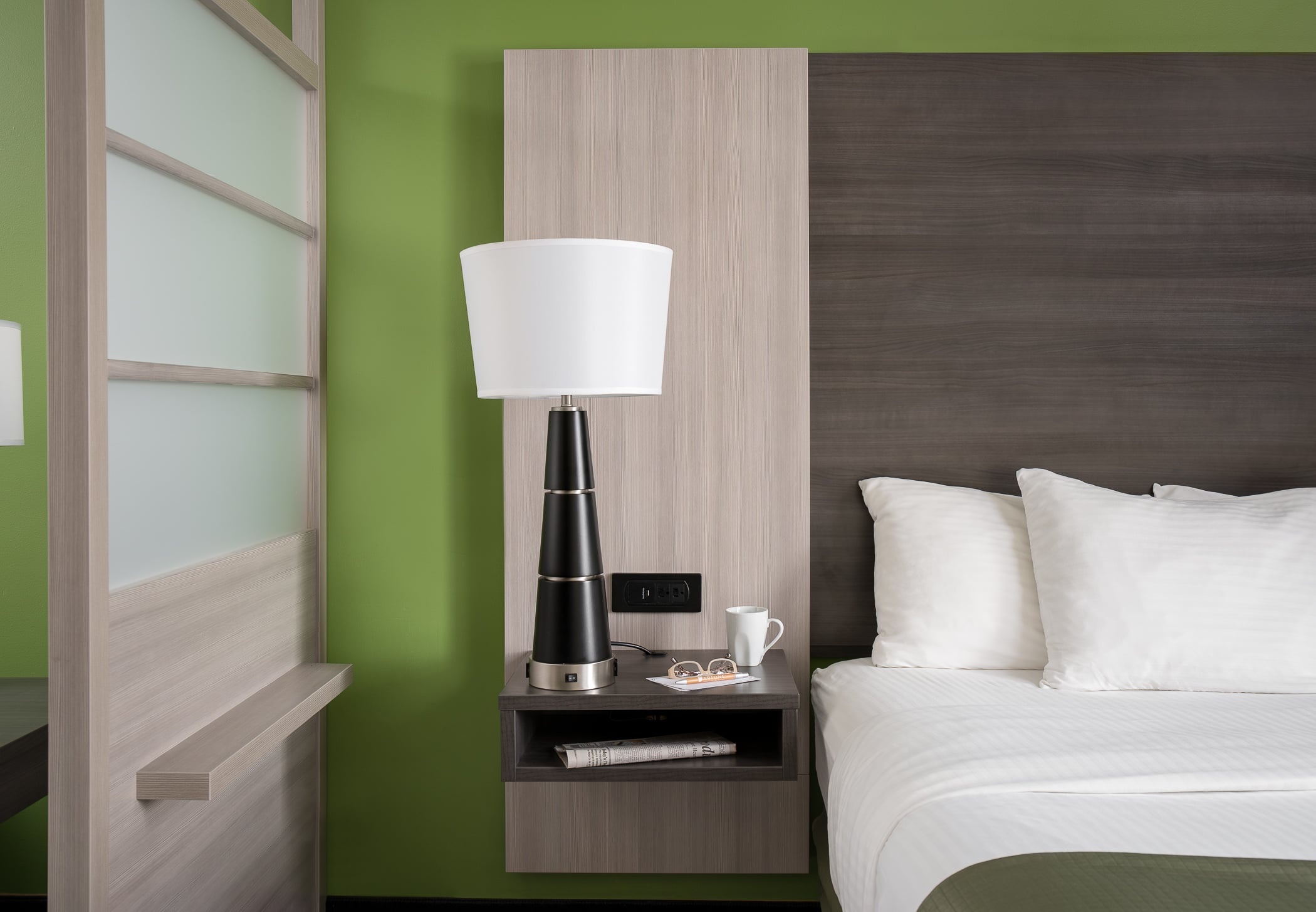
Standard hotels usually rely on more economical materials such as laminated boards, synthetic fabrics, and mass-produced components. While functional and practical, these materials are selected primarily to reduce costs rather than to deliver a premium sensory experience.
1.3 Difference in finishing precision and detailing
Luxury hotels place strong emphasis on craftsmanship, with careful attention to joints, edges, stitching, and surface finishing. In contrast, standard hotels may adopt simpler finishing techniques that prioritize speed and efficiency over fine detailing, resulting in a noticeable gap in overall refinement.
2. Furniture Design and Customization Level
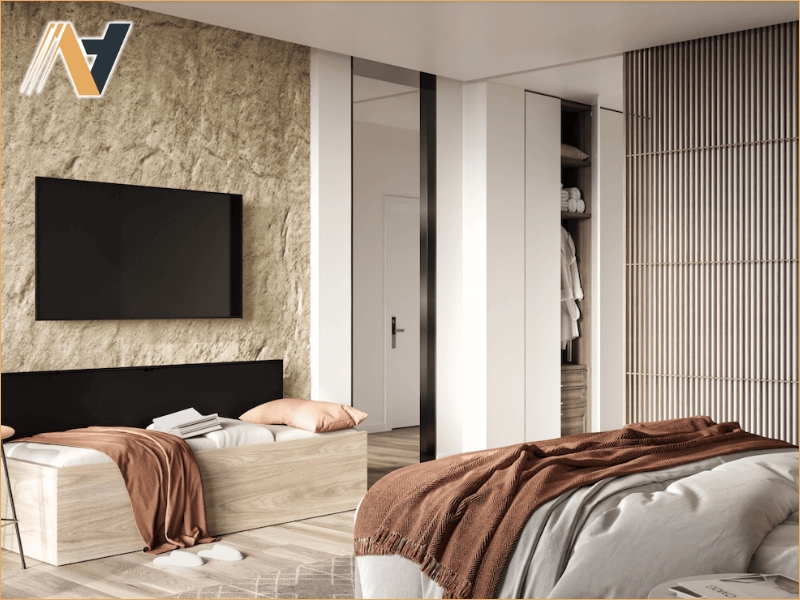
Furniture plays a central role in distinguishing luxury hotels from standard hotels. In luxury hospitality, furniture is not only functional but also a key design element that reflects brand identity and enhances guest experience. The level of customization, craftsmanship, and uniqueness in furniture design creates a clear separation between the two hotel types.
2.1 Custom-made furniture in luxury hotels
Luxury hotels often invest in bespoke furniture designed specifically for each space. These pieces are tailored in size, form, and material to match the interior concept, ensuring a cohesive and high-end visual experience throughout the property.
2.2 Standardized mass-produced furniture in standard hotels
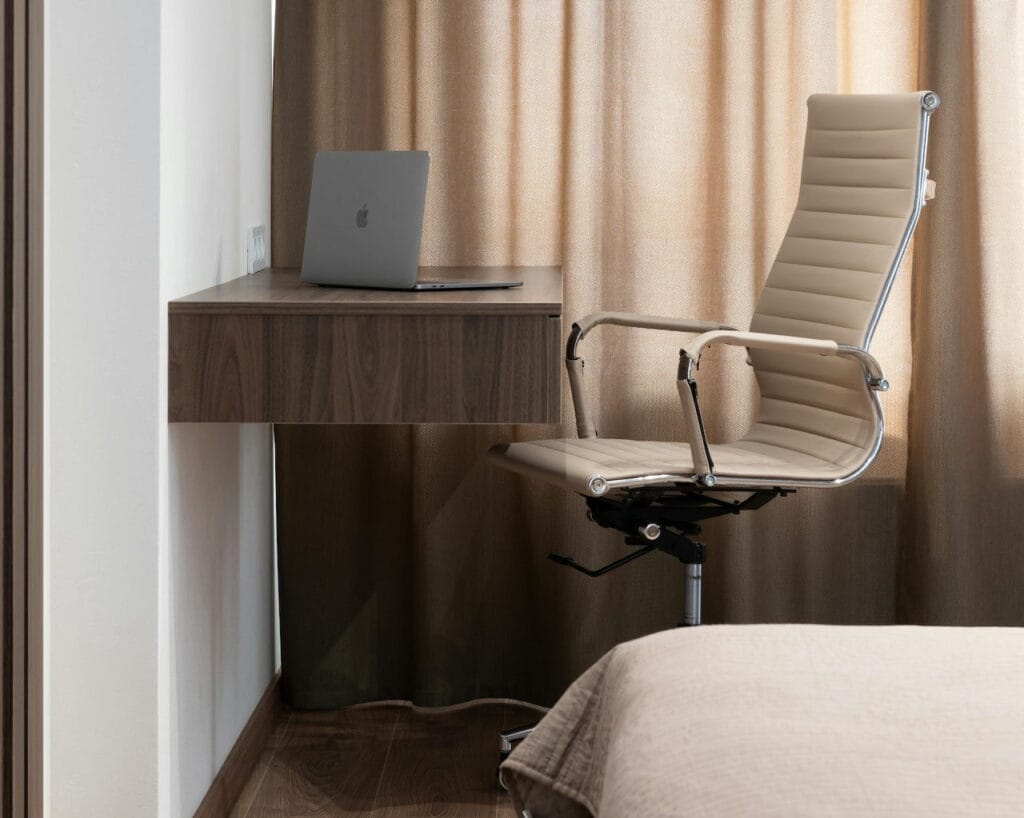
Standard hotels typically use pre-manufactured furniture that is produced in large quantities. While this approach is cost-efficient and practical, it limits design flexibility and often results in more generic and less distinctive interiors.
2.3 Impact on uniqueness and brand identity
Custom furniture in luxury hotels helps create a strong and recognizable identity, reinforcing the hotel’s brand image. In contrast, standard furniture often leads to similar-looking interiors across different properties, reducing differentiation and memorability for guests.
3. Guest Experience and Comfort Level
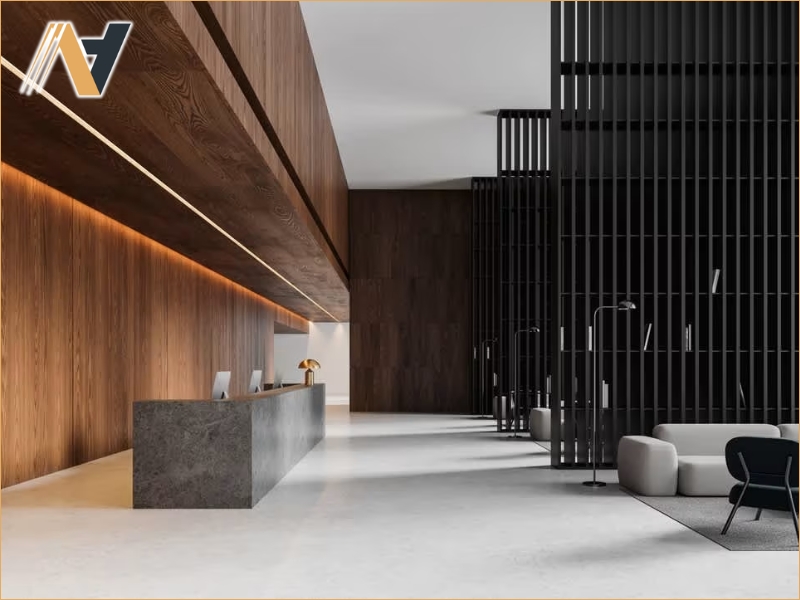
Guest experience is a key factor that clearly separates luxury hotels from standard hotels. While both aim to provide comfort, luxury hotels focus on creating a highly personalized, emotional, and immersive experience, whereas standard hotels prioritize basic functionality and consistent service at an affordable level. This difference is strongly reflected in interior design, furniture quality, and spatial planning.
3.1 Personalized and emotional experience in luxury hotels
Luxury hotels are designed to evoke emotions and create memorable stays. Every detail from lighting to furniture placement is carefully curated to make guests feel valued, comfortable, and emotionally connected to the space, often through personalized services and refined interior atmospheres.
3.2 Functional and basic comfort in standard hotels
Standard hotels focus on providing essential comfort such as a clean bed, functional furniture, and practical room layouts. The experience is efficient and reliable, but less focused on emotional engagement or unique sensory impressions.
3.3 Attention to ergonomics and spatial comfort
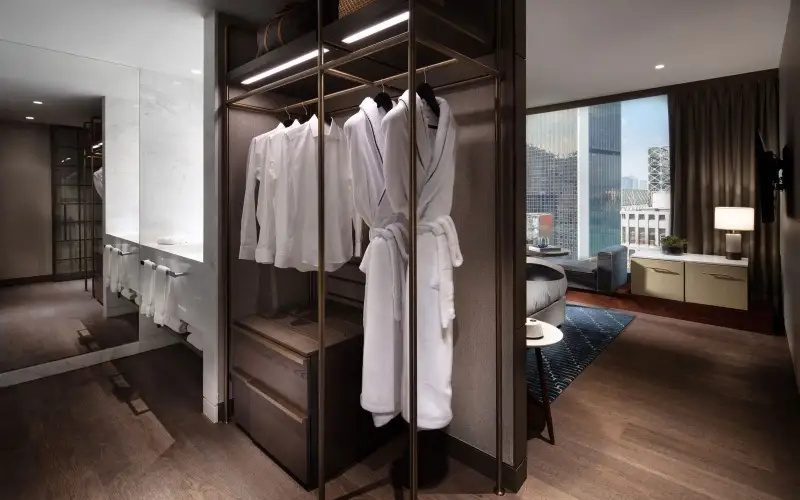
Luxury hotels invest heavily in ergonomic design and spacious layouts to maximize relaxation and usability. Standard hotels, however, often optimize space for efficiency, which can result in more compact rooms with less emphasis on spatial luxury and comfort flow.
4. Interior Design Concept and Aesthetic Value
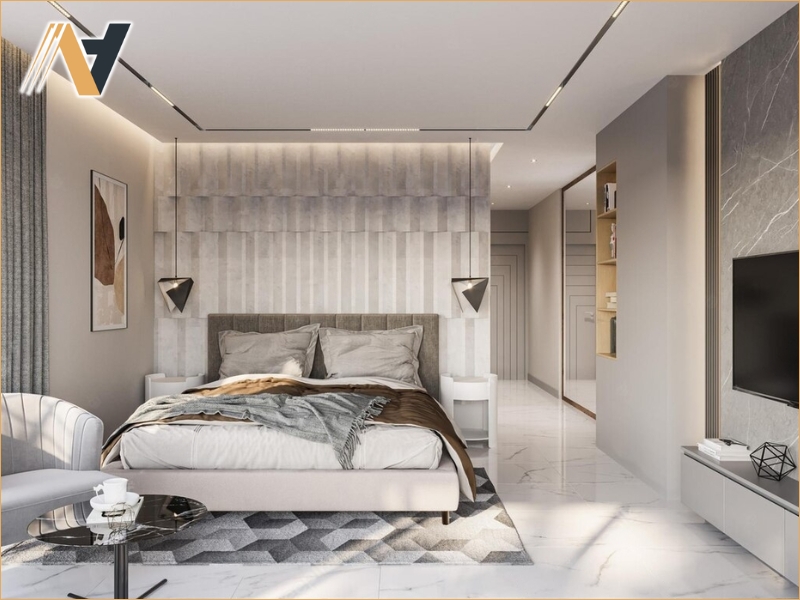
The interior design concept is another key factor that distinguishes luxury hotels from standard hotels. Luxury properties emphasize strong storytelling, refined aesthetics, and a carefully curated atmosphere, while standard hotels focus more on simplicity, practicality, and cost efficiency. This difference shapes how guests perceive the space from the moment they enter.
4.1 Luxury hotels focus on storytelling and identity
Luxury hotel interiors are often built around a clear design narrative that reflects culture, location, or brand philosophy. Every element is intentionally selected to support this story, creating a cohesive and immersive environment that feels unique and memorable.
4.2 Standard hotels prioritize simplicity and efficiency
Standard hotels typically adopt straightforward design concepts that prioritize functionality and ease of maintenance. The interiors are clean and practical but often lack deeper thematic expression or distinctive identity.
4.3 Difference in visual richness and atmosphere
Luxury hotels create layered, visually rich environments through textures, lighting, and detailed design elements. In contrast, standard hotels maintain a more neutral and minimal aesthetic, focusing on clarity and operational efficiency rather than emotional or artistic impact.
5. Technology and Service Integration
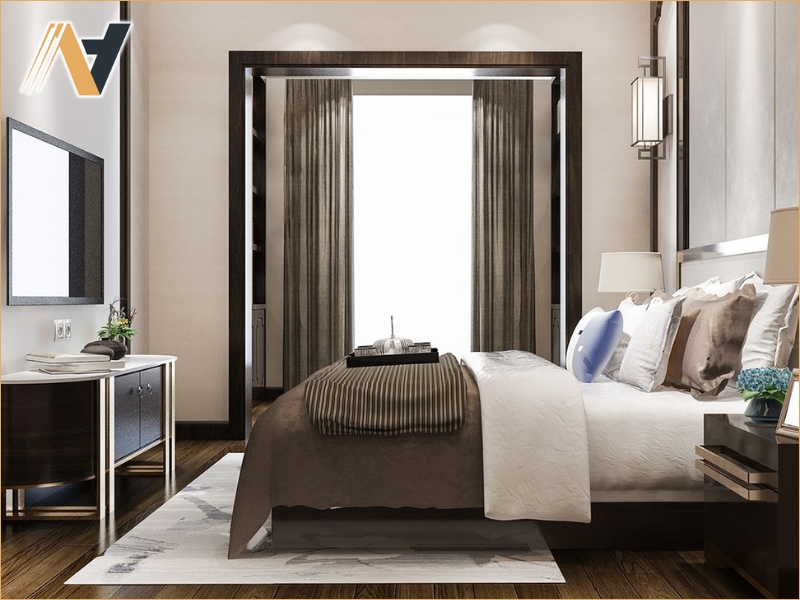
Technology and service integration is a major differentiating factor between luxury hotels and standard hotels. In modern hospitality design, technology is not only about convenience but also about enhancing comfort, personalization, and overall guest experience. Luxury hotels invest heavily in advanced systems, while standard hotels focus on essential functionality and cost-effective solutions.
5.1 Smart room systems in luxury hotels
Luxury hotels often feature smart room technologies such as automated lighting, temperature control, voice assistants, and integrated entertainment systems. These features allow guests to personalize their environment effortlessly, creating a more seamless and high-end experience.
5.2 Basic utilities in standard hotels
Standard hotels typically provide essential amenities such as basic lighting, manual climate control, and standard TV systems. While functional and reliable, these setups offer limited customization and fewer interactive features compared to luxury environments.
5.3 Level of convenience and automation
Luxury hotels prioritize high levels of automation and intuitive controls to enhance guest comfort and reduce friction during stay. In contrast, standard hotels maintain simpler systems that focus on practicality, ease of maintenance, and operational efficiency.
Conclusion
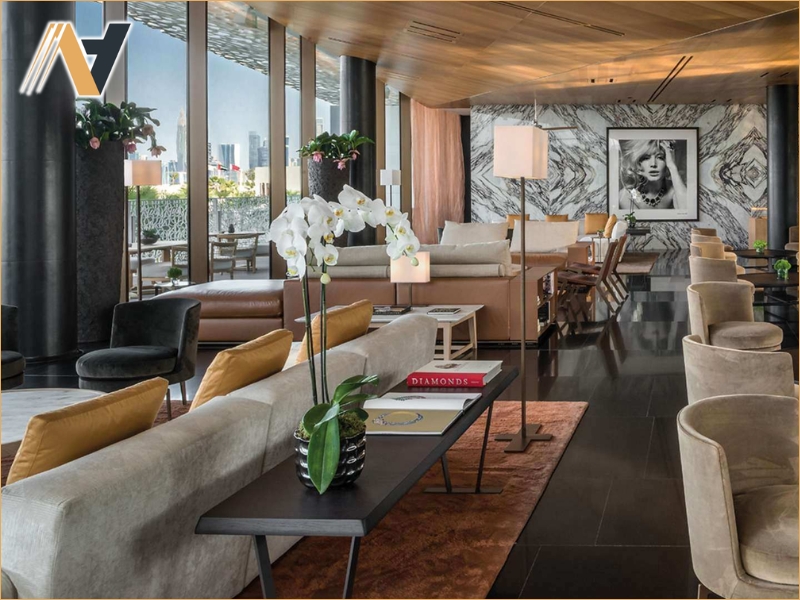
The difference between luxury and standard hotel interiors goes far beyond appearance it is defined by materials, furniture design, guest experience, spatial concept, and technology integration. Luxury hotels focus on exclusivity, emotional connection, and refined detailing, while standard hotels prioritize functionality, efficiency, and cost optimization.
When these elements come together, they shape not only how a hotel looks but also how guests feel throughout their stay. Understanding these differences helps investors and designers make more strategic decisions in developing hospitality projects that match their target market and brand positioning.
For projects seeking high-quality and customized solutions, Ngoc Hoang Anh provides premium Vietnam hotel furniture designed to meet both luxury and standard hospitality requirements, ensuring durability, aesthetics, and professional craftsmanship. Contact us today for expert consultation and tailored furniture solutions.
-----
NGOC HOANG ANH TRADING COMPANY LIMITED
Tax Code: 3702874413
Address: No. 288/28/10 Huynh Van Luy Street, Zone 7, Phu Loi Ward, Ho Chi Minh City, Vietnam
Warehouse: No. 1/91, Thuan Giao 02 Street, Binh Thuan 2 Residential Quarter, Thuan Giao Ward, Ho Chi Minh City, Vietnam
Phone/Whatsapp/Wechat: +84342076666
Email: info@ngochoanganh.com.vn