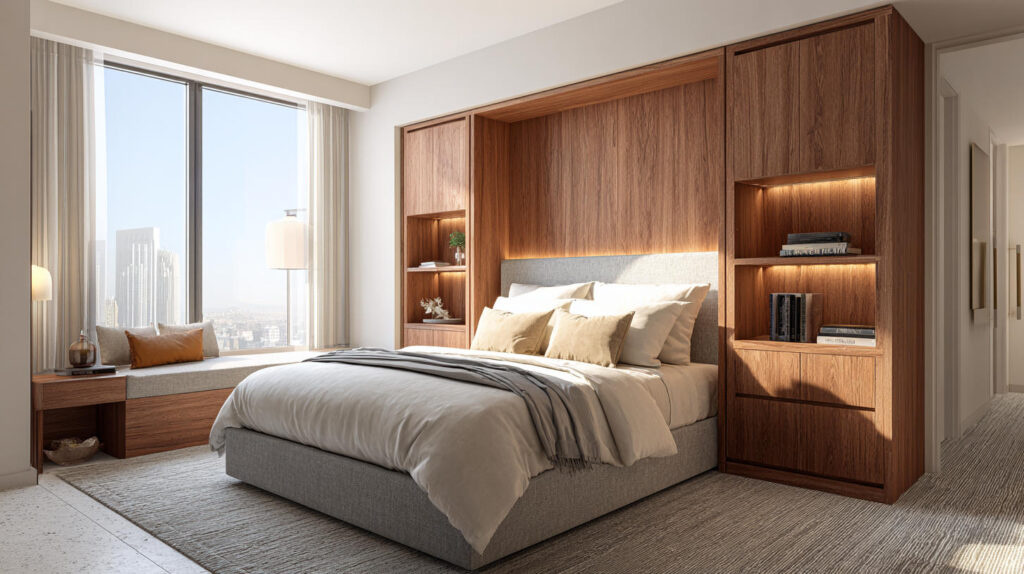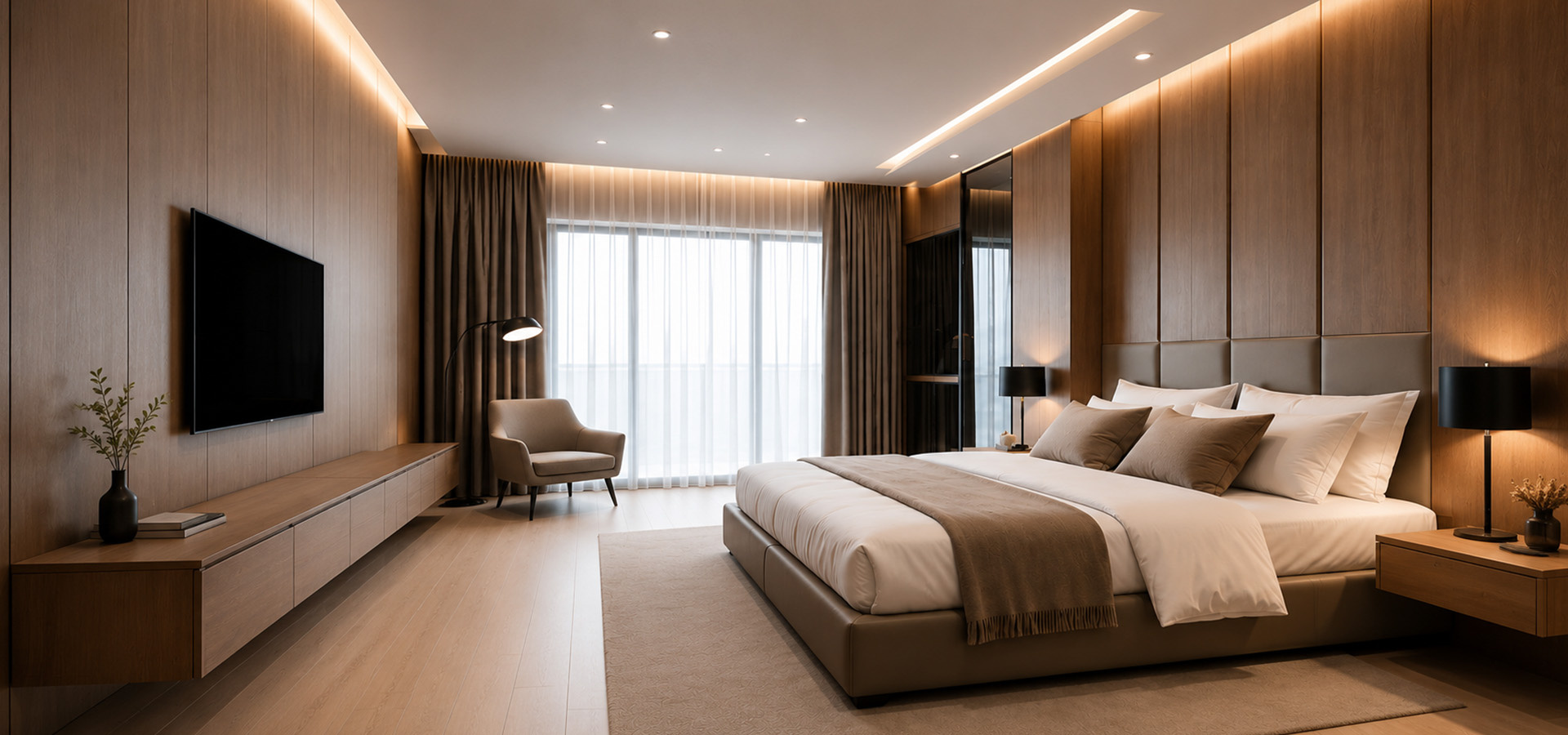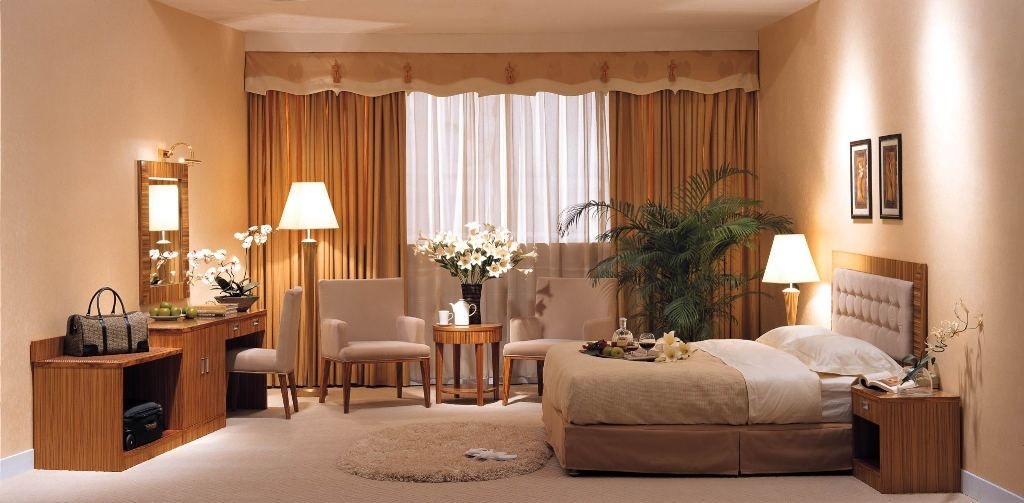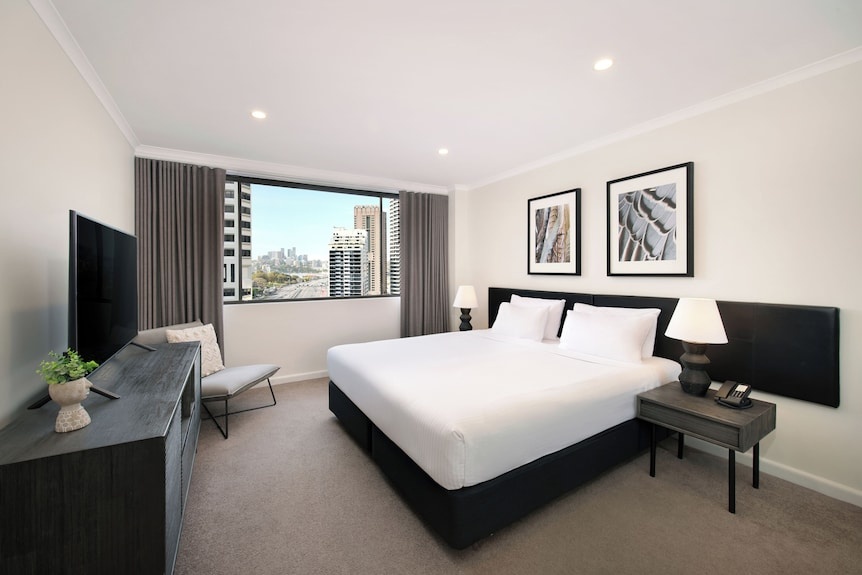
Key Material Criteria for Durable and Refined Restaurant Interiors
Thứ 4, 03/12/2025
Administrator
187
Restaurant interiors must handle constant foot traffic, frequent cleaning, and daily guest interaction. Selecting the right materials determines not only durability but also the overall dining experience. In this article, Ngoc Hoang Anh highlights key criteria for choosing resilient and elegant materials suited for high-performance hospitality environments.
1. Understanding Operational Demands in Restaurant Environments
Restaurant interiors operate under conditions far more intense than typical commercial spaces. Furniture and finishes must endure constant guest traffic, rapid table turnovers, and thorough cleaning cycles throughout the day. Recognizing these operational demands helps ensure that chosen materials retain their beauty while meeting the performance expectations of high-end dining venues.
1.1 High Traffic and Continuous Use
Chairs, tables, and partitions are exposed to frequent movement from staff and guests. Materials must resist impact, friction, and daily wear to maintain their appearance and structural stability.
1.2 Frequent Cleaning and Hygiene Requirements
Restaurant surfaces are cleaned repeatedly to meet hygiene standards. Materials need to handle moisture, cleaning agents, and disinfectants without fading or deteriorating.
1.3 Guest Safety and Overall Comfort
Slip-resistant textures, smooth edges, and stable structures contribute directly to guest safety. Material choices should enhance comfort while supporting a seamless dining experience.
2. Material Strength and Long-Term Durability
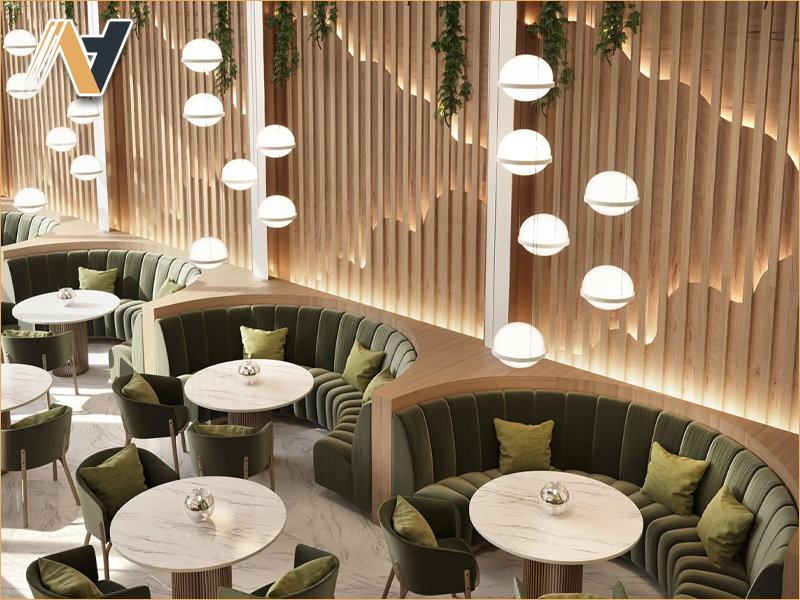
Durable materials are essential in restaurant interiors where furniture is constantly in use. Tables, chairs, and storage pieces must withstand weight, abrasion, and frequent repositioning. Choosing materials with proven strength ensures that the space maintains both structural integrity and visual quality over time.
2.1 Hardwoods and Engineered Woods for Structural Reliability
Solid wood and engineered wood offer excellent load-bearing performance. Their natural density and reinforced construction make them ideal for tables and seating frames.
2.2 Metal Options that Resist Wear and Maintain Stability
Steel, aluminum, and powder-coated metals perform well under daily pressure. These materials stay stable despite impacts or movement, supporting long-term durability.
2.3 Stone and Composite Surfaces for Heavy-Duty Performance
Granite, quartz, and composite stone resist heat, scratches, and spills. They are well suited for tabletops in busy dining areas where surfaces must remain pristine.
2.4 Materials Suitable for Chairs, Tables, and High-Contact Zones
High-contact areas require materials that maintain their form and finish. Reinforced laminates, durable veneers, and high-density plastics provide resilience without compromising style.
3. Finishes That Maintain Beauty Under Frequent Use
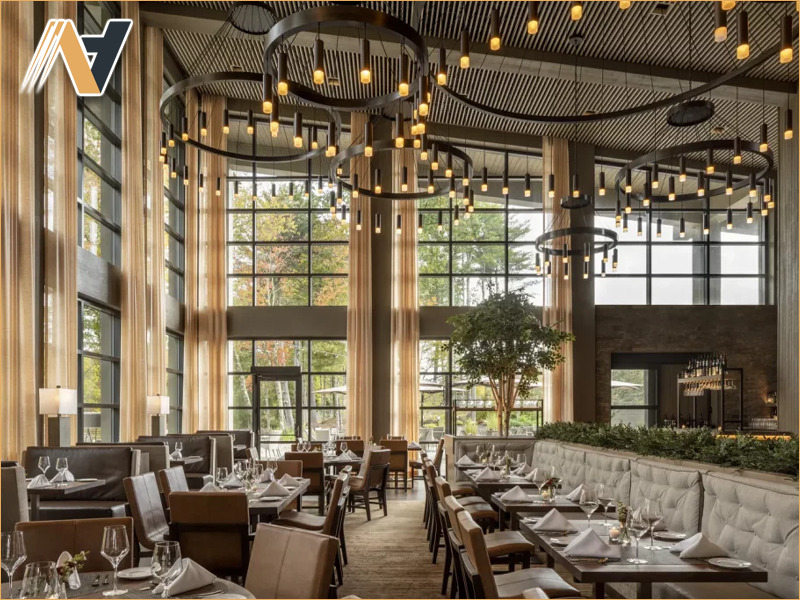
Finishes determine how well interior materials retain their elegance despite constant use. Restaurant surfaces face repeated cleaning, temperature changes, and continuous contact from guests and staff. Selecting finishes that resist scratches, moisture, and fading ensures long-lasting beauty and reduces maintenance demands in busy dining environments.
3.1 Scratch-Resistant Coatings for Busy Dining Areas
Protective coatings help tabletops and chair frames maintain a smooth appearance even with frequent movement. These layers reduce visible wear and support a polished, high-end look during peak service hours.
3.2 Moisture-Proof Finishes That Support Daily Cleaning
Water-resistant treatments prevent swelling or warping when exposed to cleaning routines. Surfaces stay stable and hygienic, allowing staff to maintain cleanliness efficiently.
3.3 Color-Stable Surfaces for Long-Term Aesthetic Quality
High-quality finishes retain their tone despite exposure to light and disinfectants. This stability ensures that furniture maintains a consistent visual identity throughout years of operation.
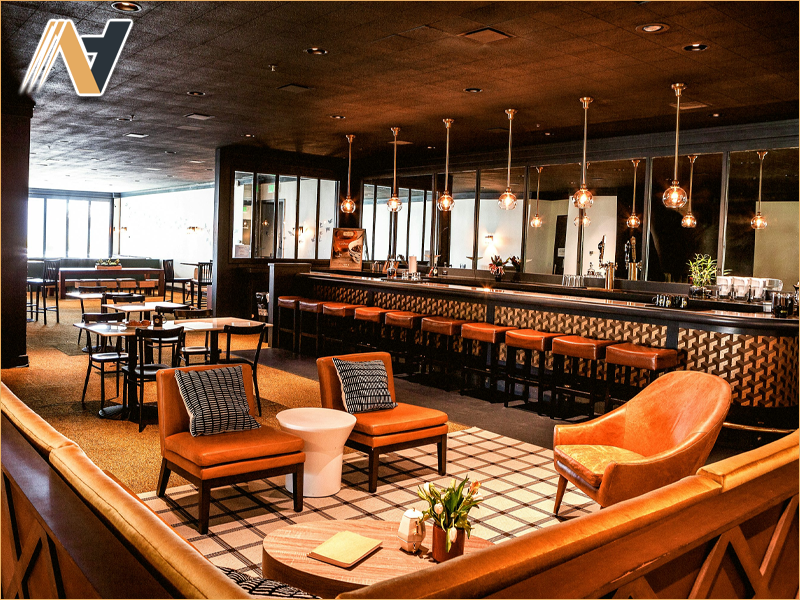
4. Functional Qualities That Improve Restaurant Operations
Beyond durability and aesthetics, material functionality greatly affects how smoothly restaurant staff can operate. Surfaces that are easy to maintain, lightweight components that support layout flexibility, and textures that enhance safety all contribute to efficient service. Choosing materials with the right functional qualities helps restaurants maintain performance even during peak hours.
4.1 Easy-to-Clean Surfaces for Faster Turnover Times
Smooth, nonporous materials allow staff to clean tables quickly between guests. This efficiency improves table turnover rates and supports consistent hygiene standards.
4.2 Lightweight Materials for Flexible Layout Adjustments
Chairs and tables made from lighter materials help staff rearrange seating arrangements with ease. Flexibility is essential for hosting different group sizes or adapting to rush periods.
4.3 Slip-Resistant Textures That Enhance Guest Safety
Materials with subtle texture reduce the likelihood of slipping, especially in areas exposed to spills. This enhancement contributes to a safer and more comfortable dining experience.
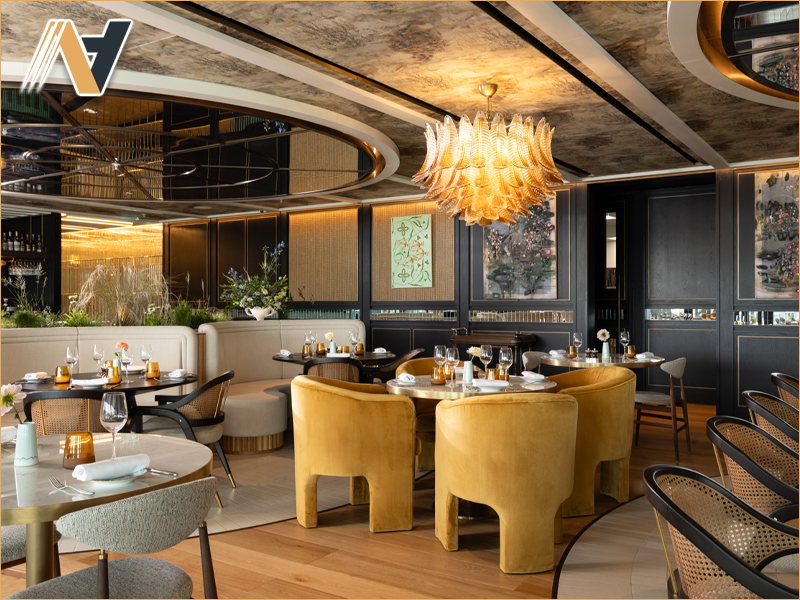
5. Material Aesthetics That Support Concept and Brand Identity
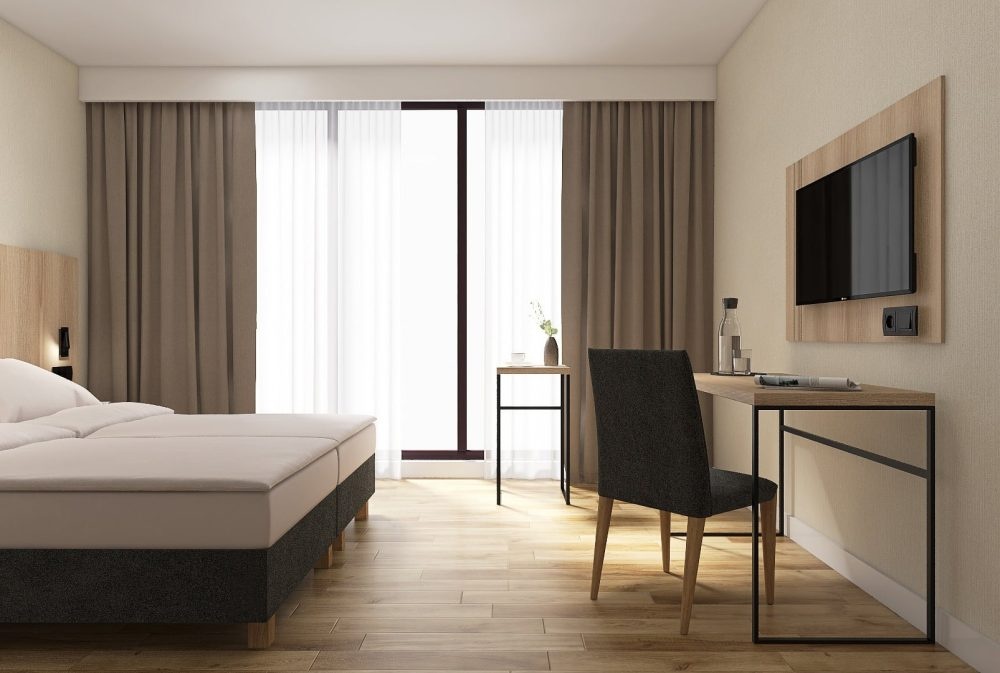
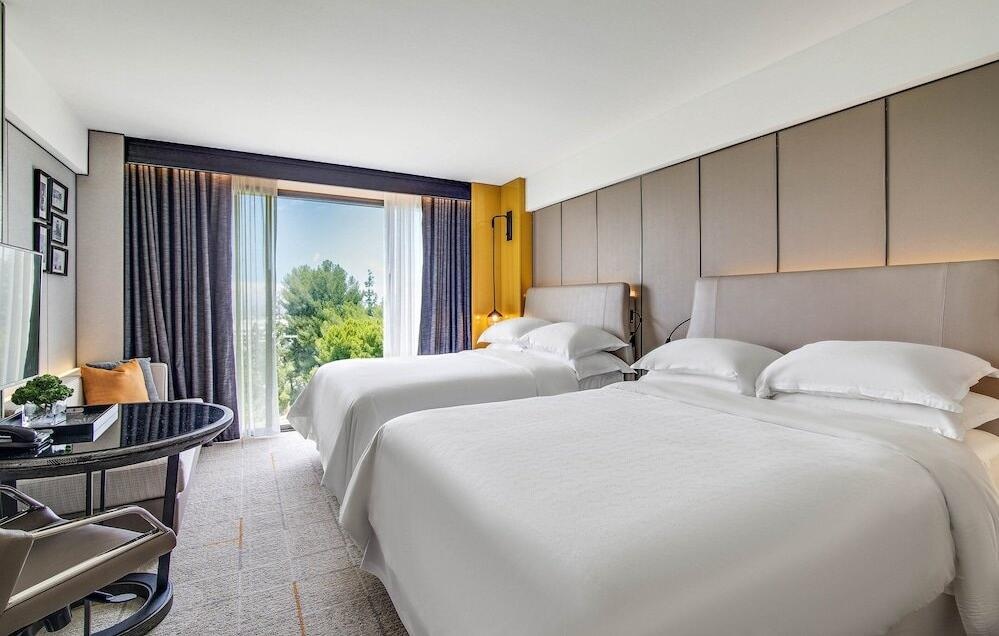
A restaurant’s personality is expressed through its material palette. Warm tones, natural textures, or sleek modern surfaces help reinforce the chosen concept and create a memorable dining atmosphere. When materials align with brand values, the space feels intentional and cohesive, leaving guests with a strong and lasting impression.
5.1 Coordinating Material Tones with the Restaurant Concept
Selecting colors and textures that reflect the intended mood strengthens the overall theme. Whether rustic, contemporary, or elegant, aligned tones create natural harmony throughout the space.
5.2 Balancing Natural and Modern Textures for Visual Warmth
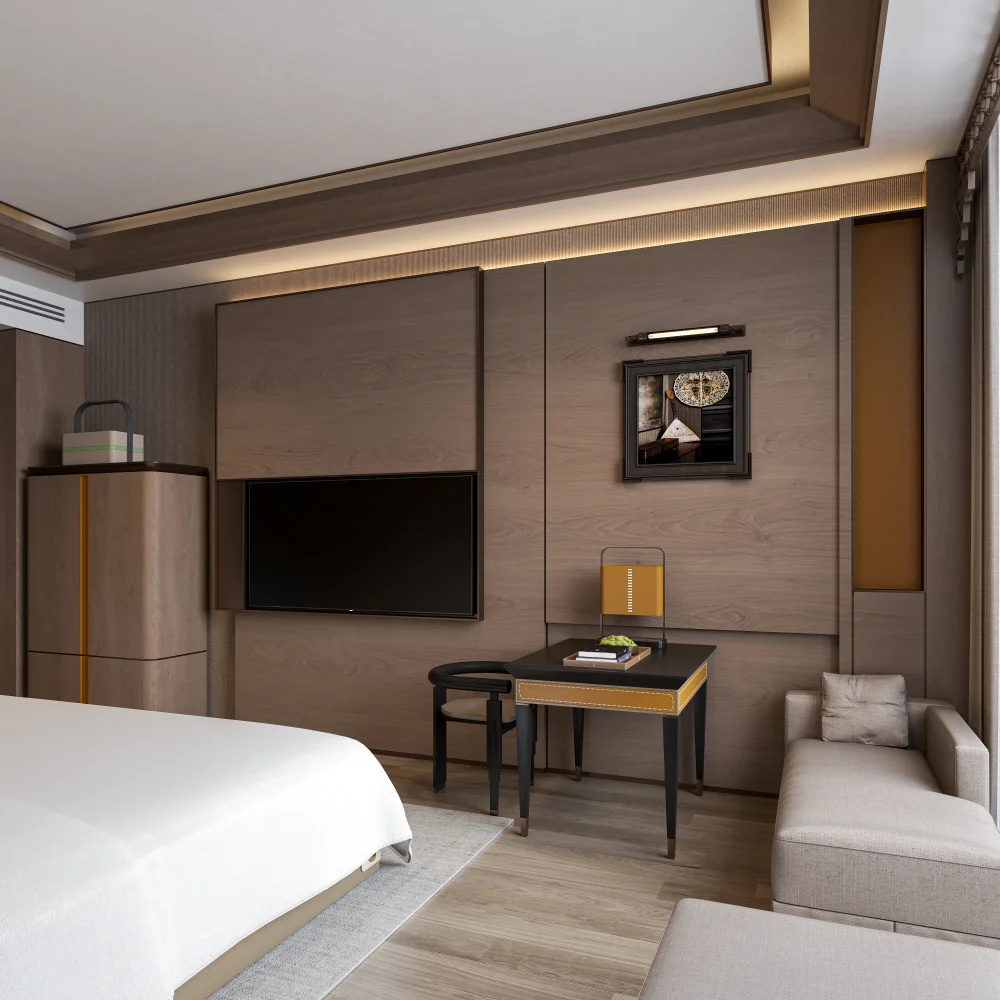
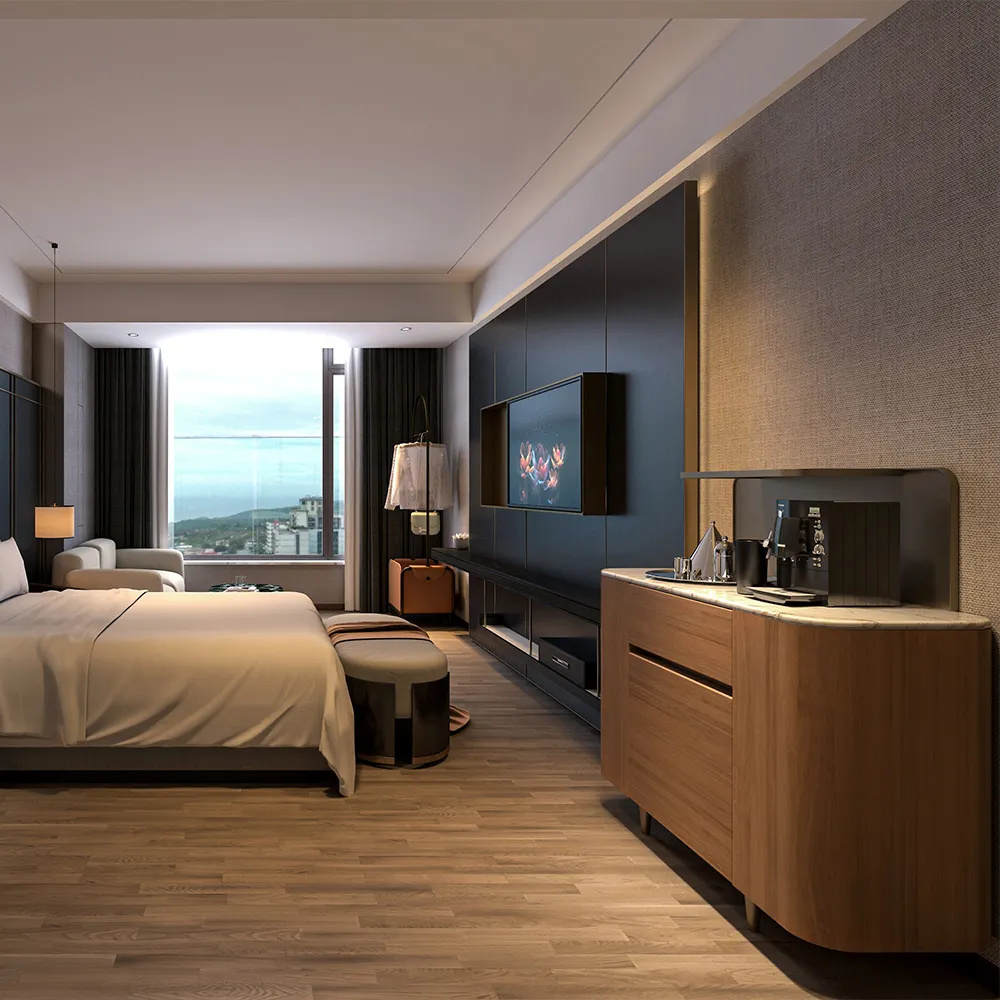
Combining materials like wood, metal, and stone introduces depth and richness. This balance offers a welcoming ambiance while preserving a refined and sophisticated look.
5.3 Creating Harmony Between Furniture, Lighting, and Decor
Consistent material choices connect furniture pieces with lighting fixtures and decorative accents. This harmony enhances visual flow and supports a unified brand identity.

Conclusion
The right materials help restaurants maintain beauty and durability while supporting daily operations. By focusing on strength, finish quality, functionality, and design harmony, hospitality venues can create refined dining environments that endure long-term use. For hotels and restaurants seeking premium options, Ngoc Hoang Anh provides high-quality Vietnam hotel furniture, crafted to meet the demands of modern F&B interiors.
Contact us today for expert consultation and bespoke hospitality furniture production.
-----
NGOC HOANG ANH TRADING COMPANY LIMITED
Tax Code: 3702874413
Address: No. 288/28/10 Huynh Van Luy Street, Zone 7, Phu Loi Ward, Ho Chi Minh City, Vietnam
Warehouse: No. 1/91, Thuan Giao 02 Street, Binh Thuan 2 Residential Quarter, Thuan Giao Ward, Ho Chi Minh City, Vietnam
Phone/Whatsapp/Wechat: +84342076666
Email: info@ngochoanganh.com.vn