Why Upholstered Hotel Headboards Deteriorate Without Proper Construction
Thứ 6, 06/03/2026
Administrator
351
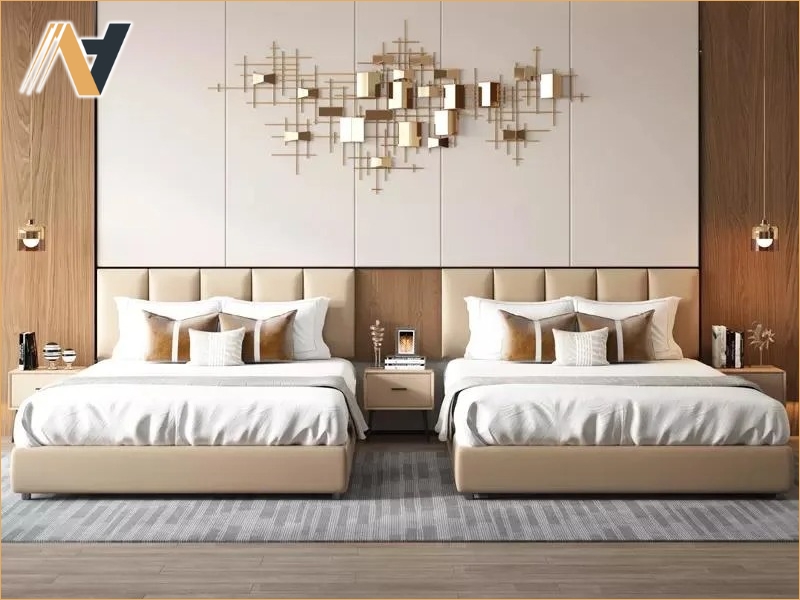
Upholstered headboards are widely used in hotel guestrooms because they add softness, comfort, and a refined visual presence behind the bed. However, when the internal structure is not designed correctly, these headboards can deteriorate much faster than expected. This article explores the structural factors that influence durability and long-term performance.
1. Structure Behind an Upholstered Headboard
An upholstered headboard may appear soft and simple from the outside, but its durability depends largely on the hidden structural layers beneath the fabric. The internal frame, padding system, and upholstery method must work together to maintain both comfort and visual stability. When these elements are not carefully designed, the headboard can begin to deform or deteriorate much sooner than expected.
1.1 Core frame construction
The internal frame forms the structural backbone of the headboard. Materials such as plywood or reinforced wood panels help maintain rigidity and prevent bending when guests lean against the surface. A well-built frame ensures the headboard keeps its shape even under frequent daily use.
1.2 Padding layers and support materials
Between the frame and the upholstery surface lies a system of foam and cushioning layers. These materials provide softness while also distributing pressure evenly across the headboard. When the padding structure is balanced correctly, the surface remains smooth and comfortable over time.
1.3 Upholstery attachment methods
The way fabric or leather is fixed to the headboard structure also plays a critical role in durability. Proper tension, consistent stapling, and precise finishing help the upholstery remain firm and wrinkle-free. When attachment methods are poorly executed, the surface may loosen or sag after repeated use.
2. Common Structural Mistakes That Cause Early Wear
Many upholstered headboards begin to deteriorate not because of heavy usage, but because of structural mistakes made during manufacturing. These problems are often hidden at first but gradually become visible as the furniture experiences daily pressure from guests. Understanding these common issues helps prevent premature wear in hotel guestrooms.
2.1 Weak internal framing
If the internal frame is not sufficiently reinforced, the headboard may flex when guests lean against it. Over time, this movement weakens the attachment between padding and upholstery, leading to uneven surfaces or structural instability.
2.2 Low-density foam padding
Foam that lacks sufficient density tends to compress quickly under repeated pressure. As the cushioning loses its resilience, visible dents and sagging areas may appear, making the headboard look worn even after a relatively short period of use.
2.3 Improper upholstery tension
If the fabric or leather is not stretched and secured properly during assembly, it may gradually loosen. Wrinkles, surface waves, or shifting seams can appear over time, affecting the refined appearance expected in hotel interiors.
3. Environmental Factors in Hotel Guestrooms
Hotel guestrooms expose upholstered furniture to conditions that differ significantly from residential environments. Continuous guest turnover, frequent cleaning, and varying environmental conditions place additional stress on headboard materials and structures. If the internal construction is not designed to withstand these factors, deterioration can occur more quickly.
3.1 Humidity and temperature variations
Changes in humidity and temperature can affect both wood structures and upholstery materials. Excess moisture may cause internal panels to expand or warp, while dry conditions can reduce the flexibility of fabrics and padding. Over time, these environmental fluctuations can weaken the structural integrity of the headboard.
3.2 Repeated pressure from daily use
Guests often lean against the headboard while reading, watching television, or using electronic devices. This repeated pressure places constant stress on the padding layers and internal frame. Without proper reinforcement and supportive materials, the surface may gradually lose its original shape.
3.3 Intensive cleaning routines
Housekeeping teams regularly clean upholstered surfaces to maintain hygiene and appearance. Frequent wiping, vacuuming, or contact with cleaning products can gradually affect fabrics and seams. When materials are not selected for hospitality use, these routines may accelerate visible wear and tear.
4. Designing Upholstered Headboards for Durability
To maintain both comfort and visual quality over time, upholstered headboards must be designed with durability in mind. Proper structural detailing and material selection help the furniture withstand frequent use while preserving its refined appearance. A well-engineered design ensures that the headboard remains stable, supportive, and visually consistent throughout years of operation.
4.1 High-density foam and layered support
Using high-density foam helps the headboard maintain its shape even after repeated pressure from guests. When combined with additional support layers such as batting or backing boards, the cushioning system distributes weight evenly and prevents localized sagging.
4.2 Reinforced internal structure
A reinforced internal frame helps the headboard resist bending or deformation. Strong support panels and stable mounting points ensure that the structure remains firm when guests lean against it, reducing long-term stress on the upholstery surface.
4.3 Hospitality-grade upholstery materials
Fabrics used in hotel environments must be selected for durability and resistance to abrasion. High-performance textiles or treated upholstery materials can better withstand frequent contact and routine cleaning, helping the headboard maintain its appearance for a longer period.
5. Manufacturing Perspective for Hotel Projects
From a manufacturing perspective, producing durable upholstered headboards requires precise craftsmanship and consistent material selection. Each structural layer must be assembled carefully to ensure that the final product maintains both comfort and visual quality across many guestrooms. Proper production methods help prevent structural weaknesses that could lead to early deterioration.
5.1 Precision cutting and material preparation
Accurate cutting of foam, fabric, and structural panels ensures that all layers align properly during assembly. When materials are prepared with precision, the finished headboard maintains a smooth surface and balanced proportions.
5.2 Controlled upholstery tension during assembly
Maintaining consistent tension while attaching upholstery materials is essential for long-term stability. Skilled assembly techniques ensure that fabrics remain firmly stretched across the surface, preventing wrinkles or looseness as the furniture ages.
5.3 Quality inspection before delivery
Before shipment, manufacturers typically inspect the structural stability, upholstery alignment, and surface finish of each headboard. These quality checks help identify potential issues early and ensure that every unit delivered to the hotel project meets durability and design standards.
.jpg)
Conclusion
Upholstered headboards bring warmth, comfort, and visual sophistication to hotel guestrooms, but their durability depends heavily on proper structural design. Internal framing, foam density, upholstery tension, and material selection all play critical roles in maintaining the headboard’s shape and appearance over time. When any of these elements are poorly executed, early sagging, surface wrinkles, or structural instability can quickly appear.
By focusing on solid construction methods and hospitality-grade materials, manufacturers can ensure that upholstered headboards remain both elegant and reliable even under continuous use. For hotels seeking durable and carefully engineered solutions, Ngoc Hoang Anh provides premium Vietnam hotel furniture designed to combine refined aesthetics with long-term performance.
Contact us today for expert consultation and bespoke hospitality furniture manufacturing tailored to your next hotel project.
-----
NGOC HOANG ANH TRADING COMPANY LIMITED
Tax Code: 3702874413
Address: No. 288/28/10 Huynh Van Luy Street, Zone 7, Phu Loi Ward, Ho Chi Minh City, Vietnam
Warehouse: No. 1/91, Thuan Giao 02 Street, Binh Thuan 2 Residential Quarter, Thuan Giao Ward, Ho Chi Minh City, Vietnam
Phone/Whatsapp/Wechat: +84342076666
Email: info@ngochoanganh.com.vn